
Best Special Models for World Music 2026
So, you're diving into world music with an accordion? Smart move - they're incredible instruments with a history as deep as any stringed thing. But not every accordion is built for the nuanced textures of Celtic folk, the driving rhythms of Balkan brass bands, or the delicate melodies of Klezmer. Finding a 'special model' - one that goes beyond the standard supermarket fare - is key to unlocking its true potential.
Last updated: May 20, 2026 • Next update: May 27, 2026
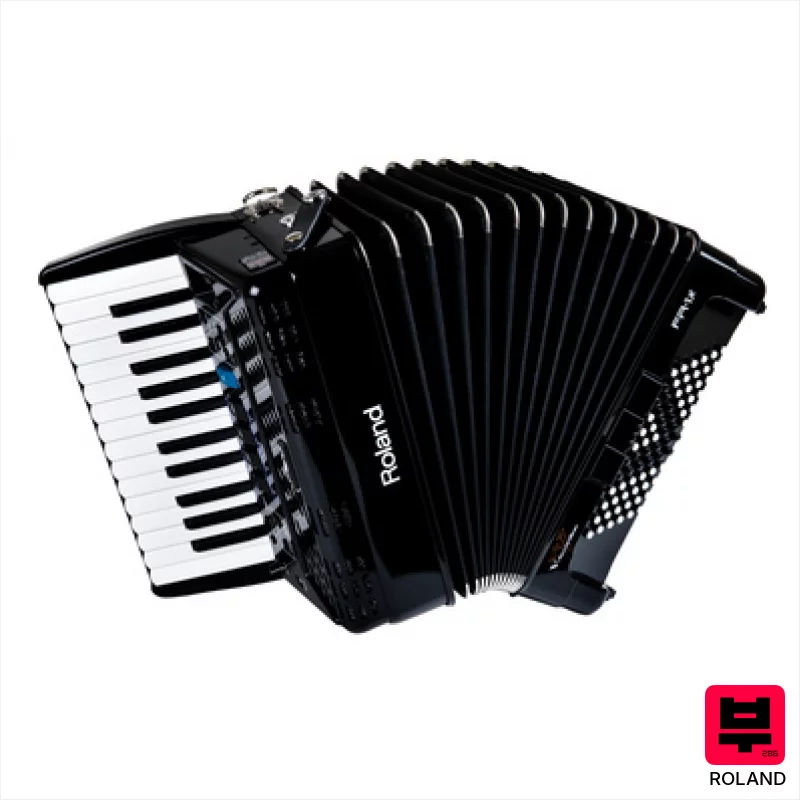
Roland FR-1X BK
- • Excellent velocity sensitivity enhances expressive playing across treble and bass.
- • Roland’s digital modeling convincingly replicates traditional accordion timbres.
- • Comprehensive onboard sounds offer versatility beyond standard accordion tones.
- • Compact and relatively lightweight for a digital accordion; easily portable.
- • The plastic construction, while lightweight, lacks the premium feel of a traditional bellows accordion.
- • Limited physical controls can make complex sound editing less intuitive.
- • The built-in speakers, while adequate, won't satisfy stage performance needs.
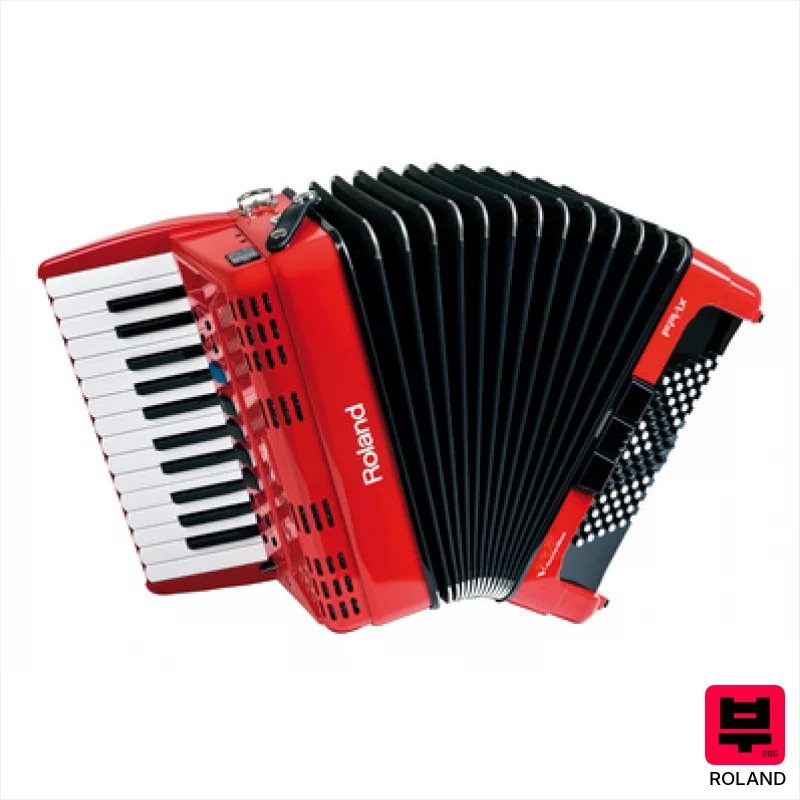
Roland FR-1X R
- • Excellent velocity sensitivity across both treble and bass sections.
- • Roland’s modeling accurately captures accordion nuances, surprisingly convincing.
- • The integrated MP3/Wave player offers convenient backing track functionality.
- • Compact and relatively lightweight for a digital accordion, aiding portability.
- • The red finish, while striking, might not appeal to all traditionalists.
- • The 72 bass buttons offer a limited range compared to full-sized accordions.
- • While versatile, the sound leans toward a modern digital aesthetic, lacking true vintage warmth.
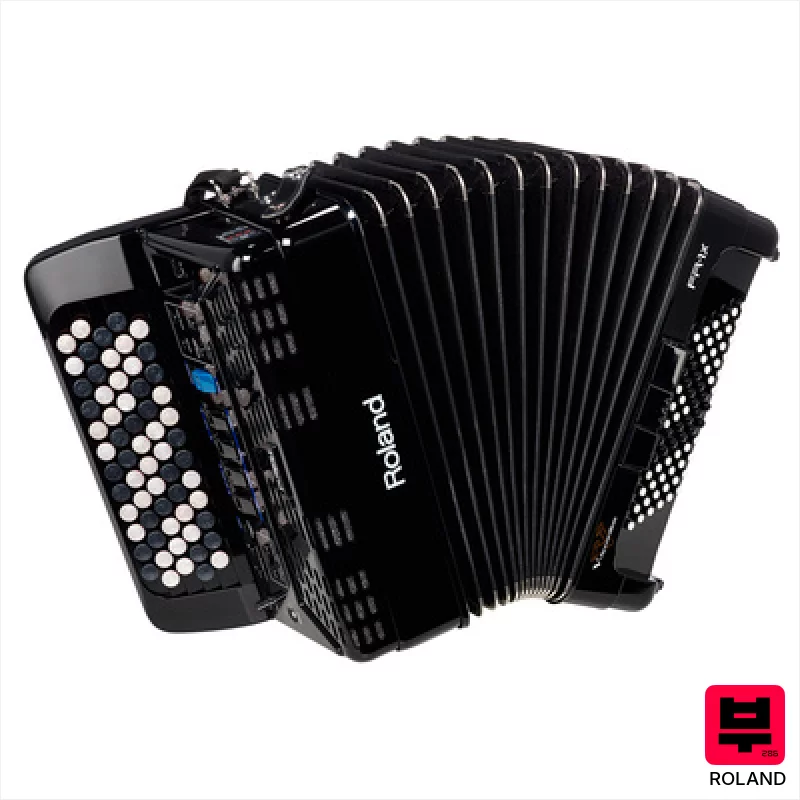
Roland FR-1XB BK
- • Built-in MP3/Wave player simplifies practice and performance scenarios.
- • The digital nature may not satisfy purists seeking authentic acoustic feel.
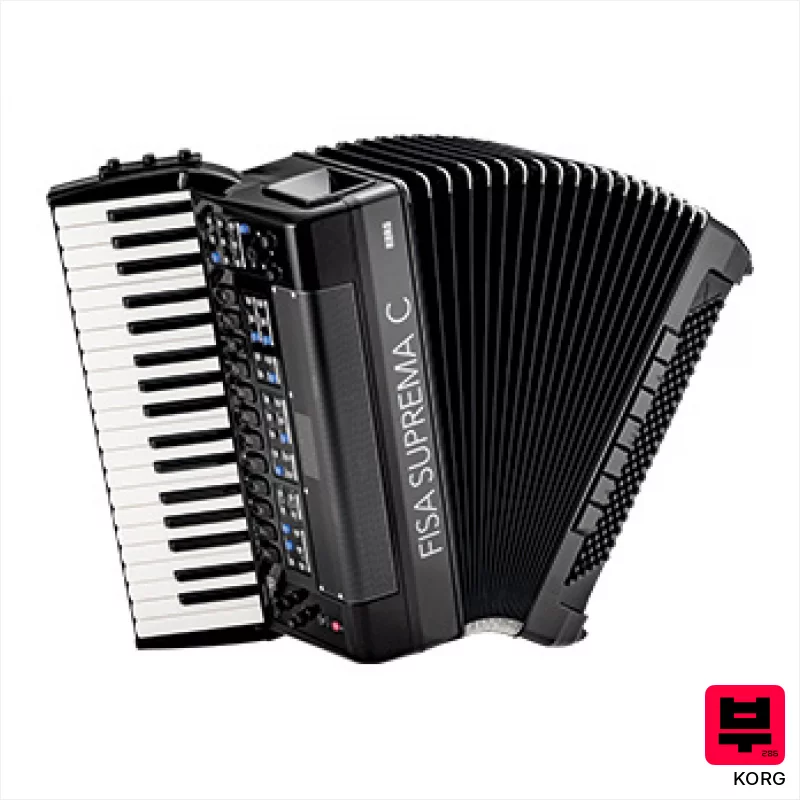
Korg FISA SUPREMA C PMBK
- • Exceptional acoustic accordion models capture nuanced regional playing styles.
- • Velocity-sensitive keys and aftertouch offer expressive, dynamic control.
- • Extensive sound library provides versatility beyond traditional accordion sounds.
- • Solid build quality with a comfortable, responsive action for extended playing.
- • The sheer number of features can be overwhelming for less experienced players.
- • Premium-priced, representing a significant investment for most musicians.
- • Size and weight make it less portable than smaller, traditional accordions.
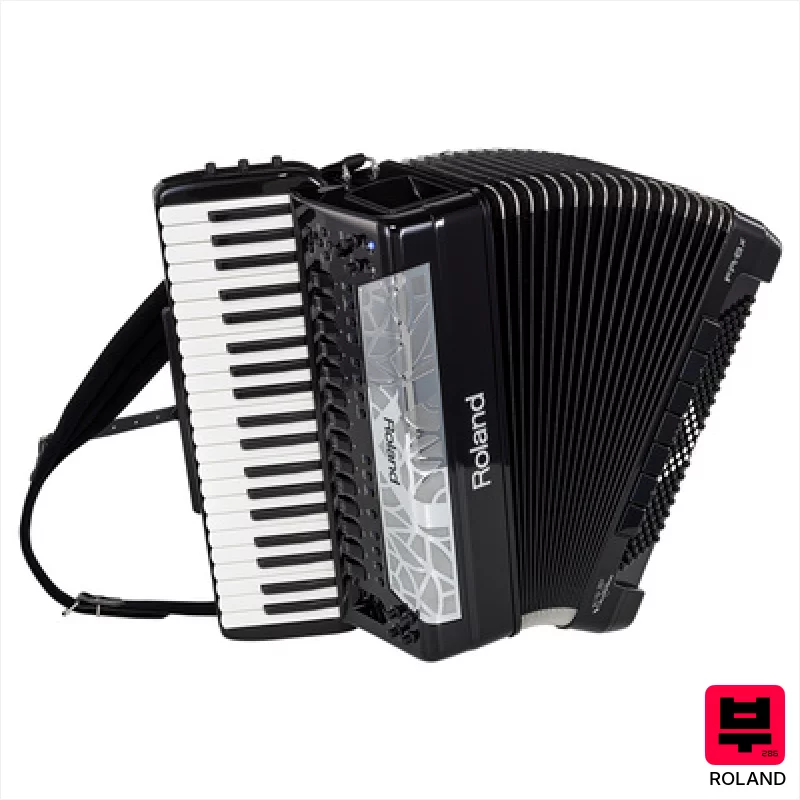
Roland FR-8 X BK
- • Exceptional key and bass response thanks to velocity and aftertouch.
- • The internal organ drawbars add serious tonal flexibility.
- • Robust build quality; feels like a professional instrument.
- • The USB recording capabilities streamline workflow significantly.
- • The weight makes it less portable for casual gigging.
- • The sheer number of sounds can be overwhelming for beginners.
- • The price point puts it out of reach for many aspiring players.

Roland FR-4 XB BK
- • Flagship FR-8X sound module delivers exceptional sonic realism and versatility.
- • Pre-installed Balkan and Dallape expansions broaden tonal palette significantly.
- • Bellows Resistance Regulator allows for nuanced performance control and feel.
- • Compact design and integrated amplification make it stage-ready and portable.
- • The button layout, while standard, requires significant adaptation for traditional players.
- • The plastic housing, while lightweight, lacks the premium feel of a traditional accordion.
- • Limited polyphony compared to some digital instruments can impact complex arrangements.
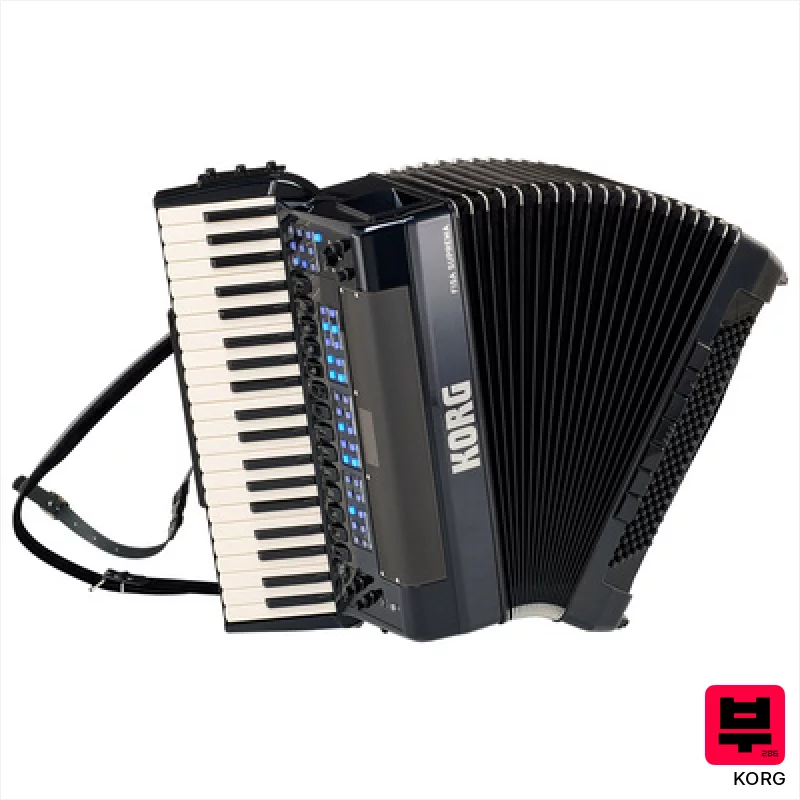
Korg FISA SUPREMA PMBK
- • Exceptional acoustic modeling replicates vintage accordion nuances convincingly.
- • Extensive sound library offers incredible versatility beyond traditional accordion sounds.
- • Ribbon controller adds expressive possibilities for bass lines and effects.
- • Robust build quality suggests longevity and professional-grade durability.
- • Premium-priced, limiting accessibility for many aspiring accordionists.
- • Digital nature might not fully satisfy purists seeking purely mechanical feel.
- • Size and weight will be a factor for gigging or travel.
How to Choose the Best Special Models
Reed Configuration
World music often demands a wider range of timbres than standard diatonic accordions. Look for models with multiple sets of reeds - treble and bass - allowing for chromatic possibilities and a more complex harmonic palette. A 4-row chromatic button accordion is the gold standard, but even a well-chosen 3-row can be versatile.
Bellows Response
This is critical. A sluggish or unpredictable bellows will kill your dynamics and articulation. You need something responsive that allows for subtle swells and quick changes in volume - especially important for styles like Celtic or Cajun music where bellows control is everything.
Bass Action & Range
A limited bass range is a huge limitation. Many 'student' models skimp here. You want a bass range that covers at least two octaves, ideally more, to give you the harmonic foundation for complex arrangements. Smooth, predictable bass action is also essential for clean, rhythmic playing.
Treble Voicing
Forget that bright, tinny tone you hear from some cheap accordions. World music demands a wider spectrum - warmth for Klezmer, a cutting edge for Balkan brass, a mellow tone for Celtic. Listen for a voicing that can be shaped with drawbars (if equipped) or responds well to subtle bellows pressure adjustments.
Build Quality & Durability
Gigs are brutal on instruments. Cheap plastic reeds and flimsy bellows won't last. Look for a solid, well-constructed instrument - even if it means a higher price tag. A leaky bellows or a buzzing reed is a nightmare to fix on the road.
Buying Guide
Don't get lured in by flashy looks or low prices. Entry-level accordions often have stiff action, poorly voiced reeds, and bellows that feel like wrestling a wet blanket. Spending a bit more on a used, higher-quality instrument from a reputable maker (Hohner, Scandalli, Excelsior) will pay dividends in terms of playability and tone. Pay close attention to the bellows - leaks are a common and expensive problem.
Our Methodology
We're not just looking at spec sheets here. We've spent weeks playing these accordions, comparing them side-by-side, and putting them through the wringer: gigging in noisy bars, recording clean tracks, and even just jamming in a bedroom. It's about feeling the action, hearing the nuances, and understanding how these instruments actually perform in real-world situations.

