AudioFu Chart · October 2026
Best Neumann Small Diaphragm Condenser Microphones 2026
The top pick is Neumann KM 184 Small Diaphragm Cardioid Condenser Microphone Matched… ($890). Neumann KK 14 gives you the most for the money at $301. Ranked by the AudioFu Index from 11 models, prices checked every night.
Last updated: October 26, 2026
Top 10
Full detail for the 10 highest AudioFu Index scores. Every other model is listed below.
-
Neumann KM 184 Small Diaphragm Cardioid Condenser Microphone Matched…
KM184 · Neumann
45 for sale on Reverb5 finishes at Thomann
The KM184 is a workhorse mic – Neumann’s clarity and precision in a compact package. It's fantastic for acoustic instruments, drum overheads, and vocals where you want a clean, detailed sound without a ton of coloration. If you need a reliable, high-quality small-diaphragm, this is a top contender.
Pros
- Exceptional off-axis rejection minimizes room noise effectively.
- Neumann’s signature smooth, detailed sound captures instruments accurately.
- Robust all-metal construction ensures durability for years of use.
Cons
- Cardioid pattern limits versatility for certain stereo recording techniques.
- Premium-priced, a significant investment for home studios.
70AudioFu
Index↓ 0.5%since Aug 17 · lowest so far$894 · Aug 17$890 now$890€795 at Thomann · in stockCheck price ↗ -
Neumann KM 183 Small Diaphragm Omnidirectional Condenser Microphone
KM183 mt · Neumann
3 for sale on Reverb2 finishes at Thomann
The KM183 mt is a superb workhorse mic. Its clarity and naturalness make it a go-to for acoustic guitars, drum overheads, and even piano. If you’re chasing a clean, detailed sound and need a reliable, robust mic, this Neumann is a solid choice for serious studio work.
Pros
- Exceptional transient response for detailed acoustic recordings
- Robust, all-steel construction ensures long-term reliability
- Natural, uncolored sound captures instruments with remarkable accuracy
Cons
- Limited polar pattern options restrict versatility in certain recording scenarios
- Premium-priced, representing a significant investment for many users
39AudioFu
IndexStableno change since Aug 17Aug 17$917 now$917€819 at Thomann · in stockCheck price ↗ -
Neumann KMR 82 i MT Supercardioid Shotgun Microphone
KMR 82 I mt · Neumann
4 for sale on Reverb1 finish at Thomann
The KMR 82 I mt is a focused, precise mic—a real workhorse for demanding studio applications. Its supercardioid pattern and tight off-axis rejection make it perfect for recording drums, guitar amps, or vocals in less-than-ideal acoustic spaces. It's a Neumann, so expect exceptional quality and a sound that cuts through a mix.
Pros
- Exceptional off-axis rejection minimizes room noise effectively.
- The interference pressure gradient transducer delivers a remarkably natural sound.
- Robust, all-metal construction ensures longevity and professional feel.
Cons
- The substantial weight makes it less ideal for handheld applications.
- The unique polar pattern limits its versatility compared to omni mics.
38AudioFu
IndexStableno change since Aug 17Aug 17$2,233 now$2,233€1,995 at Thomann · in stockCheck price ↗ -
Neumann KM 185 Small Diaphragm Hypercardioid Condenser Microphone
KM185 · Neumann
3 for sale on Reverb1 finish at Thomann
The KM185 is Neumann's compact workhorse, delivering incredibly detailed and transparent recordings. Its hypercardioid pickup makes it ideal for drum overheads, acoustic guitars, and vocals in controlled environments where isolation is key. If you need surgical precision and a signature Neumann sound without the larger body of their flagship mics, this is a fantastic choice.
Pros
- Exceptional transient response for detailed acoustic instruments
- Robust, all-steel construction ensures lasting reliability
- Hypercardioid pattern minimizes bleed and room noise
Cons
- Hypercardioid pattern demands precise mic placement
- Premium-priced, a significant investment for many users
37AudioFu
Index↓ 3.6%since Aug 17 · lowest so far$870 · Aug 17$838 now$838€749 at Thomann · in stockCheck price ↗ -
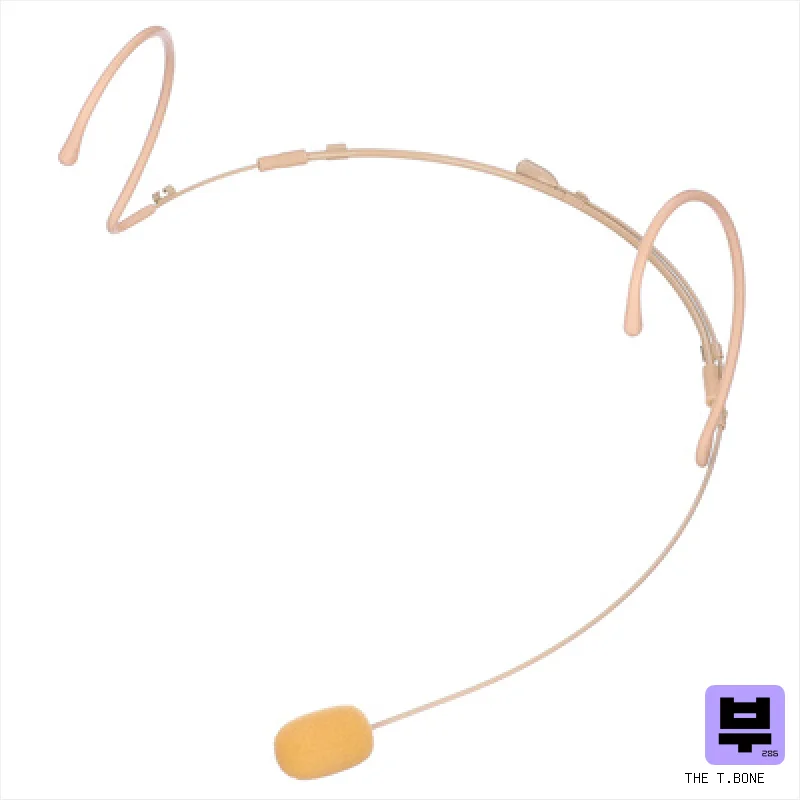
The MCM KK 14 is a surprisingly capable capsule, bringing Neumann's legendary sound quality to a wireless system. It’s fantastic for film, broadcast, and stage work where clarity and robust build are essential. Think of it as a high-end solution for content creators needing professional audio without the studio complexity.
Pros
- Exceptional transient response for crisp dialogue and instruments.
- Titanium housing provides ruggedness and minimizes handling noise.
- Neumann's electret capsule delivers a surprisingly natural, detailed sound.
Cons
- Cardioid pattern limits flexibility in multi-mic recording scenarios.
- Electret technology, while good, isn't quite Neumann's U87 level of sonic purity.
34AudioFu
IndexStableno change since Aug 17Aug 17$301 now$301€269 at Thomann · in stockCheck price ↗ -
The KK184 nx is a phenomenal capsule if you already own a compatible Neumann KM body. Its detail and accuracy are stunning, perfect for acoustic instruments, drum overheads, and clean vocals where transparency is key. It’s a premium-priced component but delivers the classic Neumann sound.
Pros
- Exceptional transient response for detailed acoustic recordings
- Neumann’s renowned clarity and neutrality – a true reference mic
- Robust, machined brass capsule construction ensures longevity
Cons
- Requires a compatible Neumann KM A or KM D body – adds to cost
- Limited polar pattern options necessitate external solutions for different needs
34AudioFu
IndexStableno change since Aug 17Aug 17$670 now$670€599 at Thomann · in stockCheck price ↗ -
The KK143 capsule is a game-changer for KM series users. It injects a seriously airy, detailed character, making it a fantastic choice for acoustic instruments, vocals, and overheads where you want a natural, wide stereo image. It’s a pro-level upgrade for those already invested in the Neumann ecosystem.
Pros
- Exceptional transient response for detailed acoustic recordings
- Wide cardioid pattern offers a natural, spacious sound
- Nickel finish provides a classic, refined aesthetic
Cons
- Requires a compatible KM A or KM D body, increasing overall cost
- Wide cardioid pattern can be challenging in untreated rooms
34AudioFu
IndexStableno change since Aug 17Aug 17$670 now$670€599 at Thomann · in stockCheck price ↗ -
Neumann MCM-114 Microphone Set for Guitar
MCM 114 Set Guitar · Neumann
7 for sale on Reverb9 finishes at Thomann
This Neumann MCM 114 set is a fantastic solution for capturing a truly pristine acoustic guitar sound. It’s ideal for studio recording, live performance, or anyone who demands a high-end, natural tone – think singer-songwriters and serious session players. The gooseneck design is a clever touch for finding the sweet spot on your instrument.
Pros
- KK 14 capsule delivers Neumann's signature clarity and detail.
- SH 150 gooseneck provides precise mic placement flexibility.
- MC 9 mounting clip offers secure and stable instrument attachment.
Cons
- Limited polar pattern options restrict versatility for certain recording scenarios.
- The mini-jack connection may require an adapter for standard studio setups.
34AudioFu
IndexStableno change since Aug 17Aug 17$693 now$693€619 at Thomann · in stockCheck price ↗ -
The KK185 nx capsule is a phenomenal upgrade if you already own a KM A or KM D body. It delivers that classic Neumann clarity and detail with a focused, directional pickup perfect for critical vocal or acoustic instrument tracking where isolation is key. It’s a premium-priced component, but the sonic rewards are substantial.
Pros
- Exceptional transient response for detailed acoustic recordings
- Neumann's renowned build quality ensures decades of reliable use
- Hypercardioid pattern excels in isolating instruments and vocals
Cons
- Requires a compatible Neumann KM A or KM D body – adds to expense
- Hypercardioid pattern demands careful mic placement for optimal results
34AudioFu
IndexStableno change since Aug 17Aug 17$805 now$805€719 at Thomann · in stockCheck price ↗ -
Neumann KMR 81 i Supercardioid Shotgun Microphone
KMR 81 I mt · Neumann
1 for sale on Reverb2 finishes at Thomann
The KMR 81 i mt is a laser-focused mic, perfect for capturing clean, detailed acoustic instruments or vocals in controlled environments. Its supercardioid pickup pattern is incredibly precise, rejecting unwanted noise, and the build quality is top-tier – this is a mic built to last and sound incredible for years. If you need pristine clarity and excellent off-axis rejection, this is a stellar choice.
Pros
- Exceptional transient response captures subtle nuances
- Supercardioid pattern minimizes room reflections effectively
- Robust all-metal construction ensures longevity and durability
Cons
- Supercardioid pattern can be challenging in dynamic recording environments
- Premium-priced, a significant investment for many users
32AudioFu
IndexStableno change since Aug 17Aug 17$1,902 now$1,902€1,699 at Thomann · in stockCheck price ↗
All 11 small diaphragm condenser microphones
Same index, same nightly prices — compact. Colour options of one model share a row. Tap a photo to zoom.
Small Diaphragm Condenser Microphones by the numbers
Measured across all 241 models we track, not a sample.
Median $861 — half of all small diaphragm condenser microphones here cost less.
median of 11 models · 8"–8"
median of 9 models · 0.06 kg–0.3 kg
How to choose the best small diaphragm condenser microphones
Heritage & Reputation
Neumann's been making mics since the 1920s, and their legacy is built on a commitment to sonic excellence. That history translates to a certain expectation of performance-and they consistently deliver. It's not just hype; it's decades of refinement.
Transient Response & Detail
Neumann SDCs are known for their incredibly fast transient response. This means you capture the attack of a snare drum, the pluck of a string, or the breathiness of a vocal with remarkable clarity. It's that detail that makes things 'pop' in a mix.
Low Noise Floor & Cleanliness
Let's be honest, a mic's worth is often measured by how little it adds to the signal. Neumann SDCs have a remarkably low self-noise, which means you're capturing the source, not the mic's own hum. This is vital for quiet instruments like nylon-string guitars or whisper vocals.
Off-Axis Response
It's often overlooked, but a mic's sound when you're not directly in front of it is crucial. Neumanns tend to have a very smooth and natural off-axis response - meaning instruments bleed less, and your stereo image stays consistent. This is a massive benefit for drum kits or ensembles.
Build Quality & Longevity
These are built like tanks. The solid metal bodies, precision capsules, and robust electronics mean these mics will likely outlive you. It's a significant investment, but one that pays off in reliability and consistent performance year after year.
Buying guide
Okay, so you're looking at Neumann small-diaphragm condensers? Smart move. They're not the cheapest mics out there, but when you need that pristine, detailed, and utterly musical sound, Neumann's SDCs are a serious contender-especially if you're tired of mics that sound sterile or colored in a way that just doesn't work. Let's break down what makes them special and which one might be right for your situation, whether it's tracking vocals, acoustic guitars, or nailing a drum overhead.
Don't go chasing the 'best' - find the mic that best suits your needs. The KM 184 is the workhorse, incredibly versatile, but the KM 165 offers a slightly warmer, more intimate tone. Budget is a factor, sure, but remember you're paying for precision engineering and that Neumann sound.
Used is a good option to save some cash, but be sure to inspect the capsule for any damage - that's where the magic happens.
How the AudioFu Index works
Five measured signals and nothing else — no stars from strangers, no “tested by experts” we didn’t do. The weights are fixed and public. We don’t play these instruments; we measure the market around them.
This chart covers 25 small diaphragm condenser microphones from the Thomann catalogue (of 241 in the category). Before you buy, read hands-on reviews and, where you can, play it. Full methodology.
AudioFu earns a commission when you buy through our Thomann links. It never changes the order — the index does.
- Demand40%
How many of this exact model are for sale on Reverb right now — what musicians actually buy and resell.
- Lineup20%
How many finishes Thomann stocks — makers expand the models that sell.
- Price15%
Where the price has moved since we started tracking in August.
- Specs15%
How completely the maker documents it.
- Maker10%
How deep the brand’s range is in this category.
Questions
What's the difference between the KM 184 and the KM 165?
The 184 is generally brighter and more detailed, great for cutting through a mix. The 165 has a slightly warmer, rounder tone, more forgiving on less-than-perfect vocals. Think of the 184 as the 'workhorse' and the 165 as the 'specialist.'
Are Neumann SDCs worth the money?
That depends. If you're recording critical tracks and need the best possible clarity and detail, absolutely. If you're mostly doing bedroom recording, there are perfectly decent alternatives for less. It's about the application.
Can I use a Neumann SDC for recording loud sources like drums?
Yes, but be mindful of headroom. While they handle SPL well, pushing them too hard will result in distortion. Pad them down if necessary, especially for snare drums or toms.
What kind of preamp should I use with a Neumann SDC?
A clean, transparent preamp is your best bet. You want the mic's character to shine, not be masked by a colored preamp. Think Neve 1073 clones for a touch of warmth, or something like a Millennia for ultimate transparency.
Are Neumann SDCs sensitive to humidity?
Like all condenser mics, they're not immune, but Neumanns are generally robust. Proper storage in a case is always a good idea, especially in humid environments.