
Best Small Diaphragm Condenser Microphones for Strings 2026
So, you're trying to capture the nuance of a string section, or maybe just dial in a really intimate acoustic guitar tone? Small diaphragm condensers (SDCs) are your go-to. They're not about that hyped-up, modern vocal mic sound; we're talking about transparency, detail, and a natural response that lets the instrument breathe. This list isn't about flashy specs - it's about mics that actually deliver for strings, whether you're tracking a full orchestra or just recording your fingerstyle practice.
Last updated: July 15, 2026 • Next update: July 22, 2026
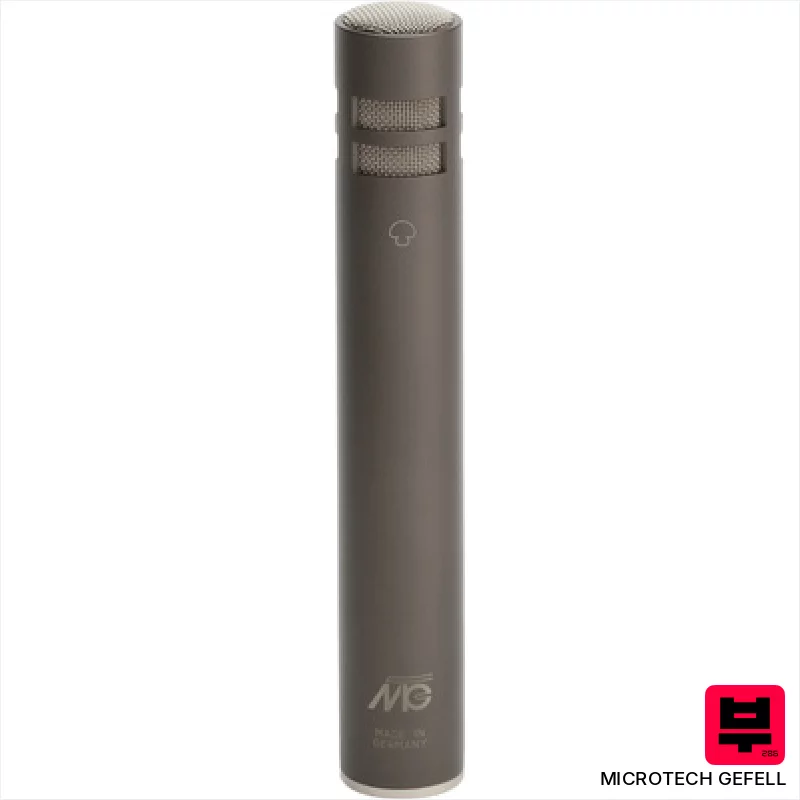
Microtech Gefell M 310
- • Exceptional transient response for detailed acoustic recordings.
- • Supercardioid pattern offers excellent isolation in live settings.
- • Transformerless design delivers a clean, uncolored sonic signature.
- • Robust build quality; feels like a microphone built to last decades.
- • Supercardioid pattern requires precise mic placement for optimal results.
- • Premium-priced, representing a significant investment for many users.
- • Limited polar pattern options restrict versatility in certain recording scenarios.
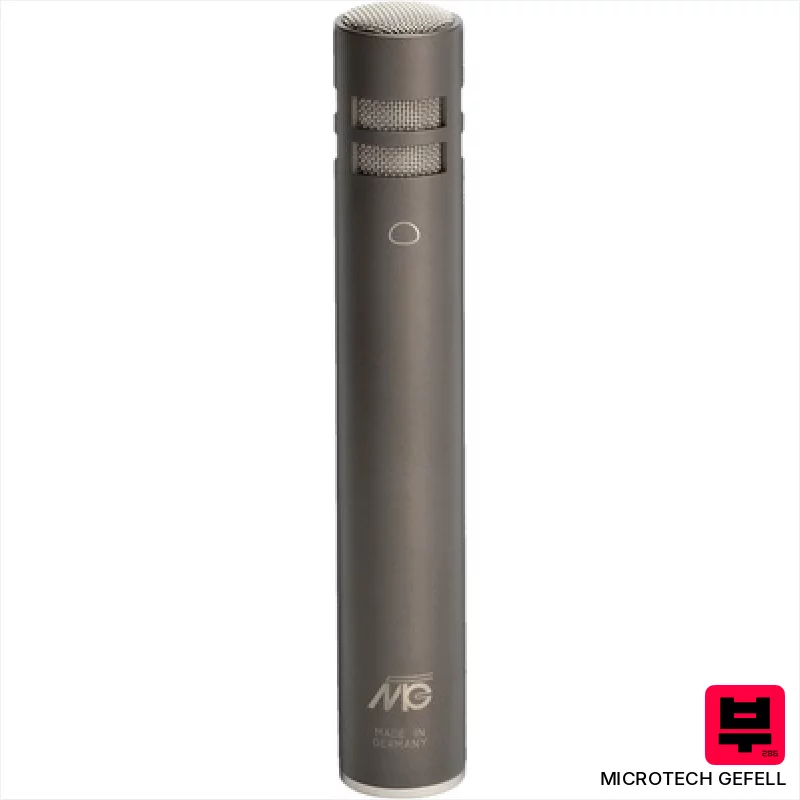
Microtech Gefell M 330
- • Exceptional transient response captures subtle details with clarity.
- • Wide cardioid pattern offers excellent off-axis rejection.
- • Hybrid impedance converter delivers remarkably low noise floor.
- • Robust construction suggests long-term reliability in demanding environments.
- • The wide cardioid can be unforgiving in untreated rooms.
- • Lacks multiple polar patterns for maximum versatility.
- • Premium-priced, making it a significant investment for many.
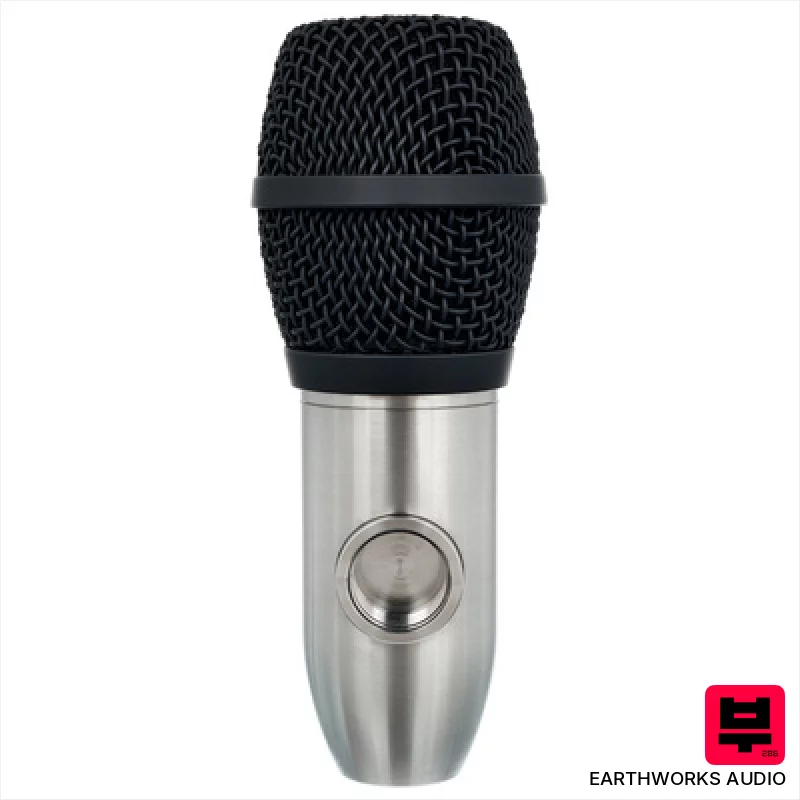
Earthworks Audio DM6
- • Exceptional transient response for incredibly tight bass drum recordings.
- • Robust aerospace-grade aluminum body provides surprising durability.
- • Supercardioid pattern minimizes bleed, crucial in live or tracking scenarios.
- • Flat frequency response captures natural drum sounds without coloration.
- • Supercardioid pattern can be tricky to position consistently.
- • Sensitivity is low, requiring a preamp with ample gain.
- • Limited versatility outside of percussion and close-miking applications.
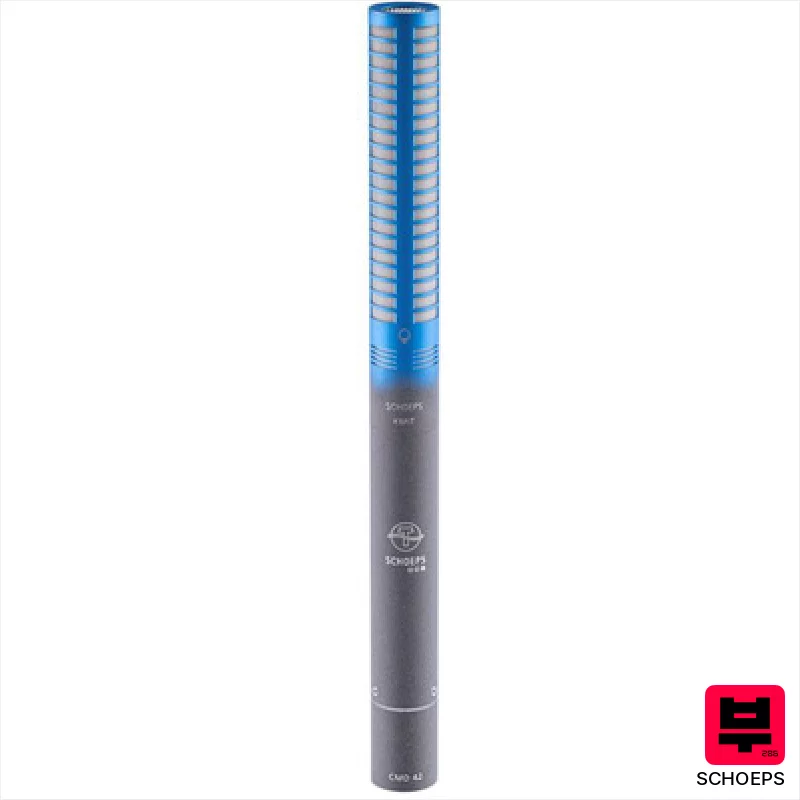
Schoeps KMIT
- • Exceptional off-axis coloration neutrality maintains source integrity.
- • Robust Schoeps build quality ensures reliable performance for years.
- • Supercardioid pattern provides excellent isolation in challenging environments.
- • Extended frequency response captures subtle high-frequency detail.
- • Requires a compatible Colette body, increasing overall investment.
- • Relatively long capsule length can be unwieldy in tight spaces.
- • Specialized application limits versatility compared to omnidirectional capsules.
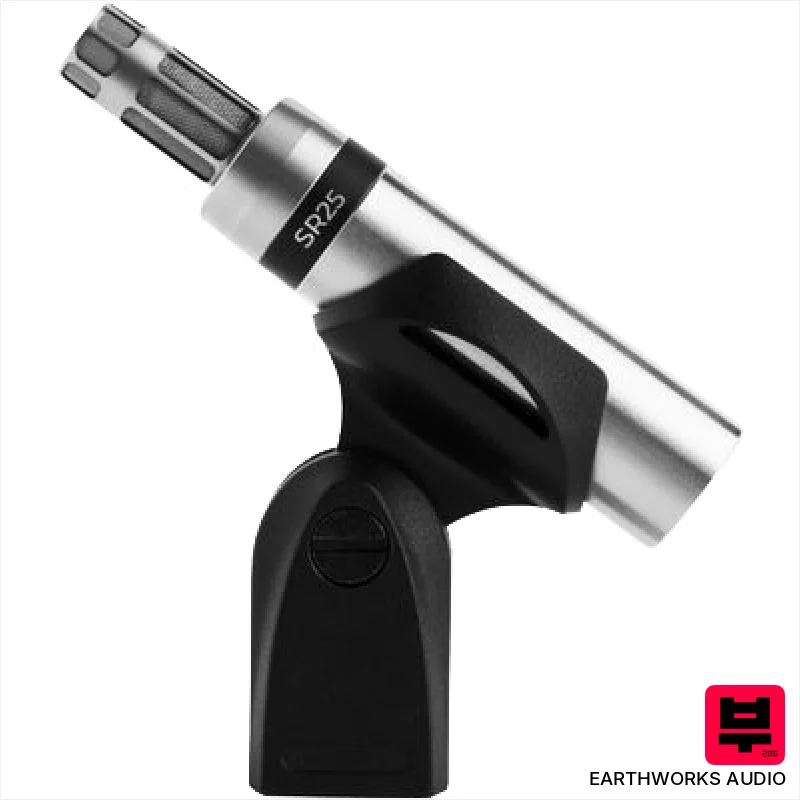
Earthworks Audio SR-25 Gen2
- • Exceptional transient response captures nuances often missed by other mics.
- • Supercardioid pattern provides excellent off-axis rejection of unwanted noise.
- • Class-A amplifier delivers a clean, detailed signal with low distortion.
- • New rim mounting system offers secure, versatile positioning options.
- • Supercardioid pattern requires careful mic placement for optimal results.
- • Limited polar pattern choices restrict its flexibility in some recording scenarios.
- • Relatively premium-priced compared to some other small diaphragm condensers.

Neumann KK183 nx
- • Exceptional transient response for detailed acoustic recordings.
- • Diffuse-field equalization delivers natural, balanced sound in various spaces.
- • Neumann's renowned capsule construction ensures longevity and consistent performance.
- • Small size allows for precise placement in stereo imaging scenarios.
- • Requires a compatible Neumann KM A or KM D body – adds to the overall cost.
- • Omnidirectional pattern isn't ideal for isolating instruments in busy environments.
- • Limited tonal shaping options compared to multi-pattern microphones.
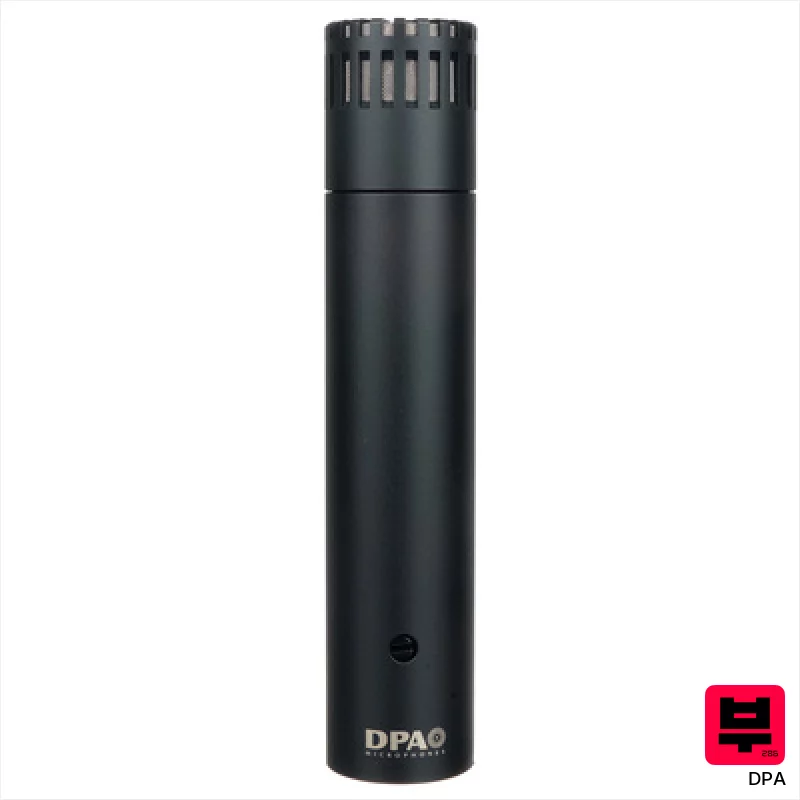
DPA 2015
- • Exceptional transient response captures nuances beautifully.
- • Wide cardioid pattern offers excellent off-axis rejection.
- • Robust Danish-engineered build quality inspires confidence.
- • Low self-noise allows for pristine, clean recordings.
- • Premium-priced, a significant investment for many users.
- • Wide cardioid can be tricky in untreated rooms.
- • Limited polar pattern options restrict versatility.

DPA 4099-DP-1-101-MS
- • Exceptional transient response captures subtle nuances with incredible detail
- • CORE+ technology minimizes proximity effect for consistent tone
- • Robust, all-steel construction ensures durability on stage and in the studio
- • MicroLock connector provides secure, reliable connection and cable management
- • High price point makes it a significant investment for many users
- • Supercardioid pattern demands careful mic placement to avoid feedback
- • Gooseneck, while functional, can be a bit unwieldy in tight spaces

Soyuz 011 FET
- • Delivers a remarkably clean, detailed sound with excellent transient response.
- • The included -10dB pad handles loud sources without distortion.
- • Compact size and lightweight design make it versatile for various mounting options.
- • The wooden case is a nice touch, reflecting a quality build and presentation.
- • Cardioid-only pattern limits its use in complex stereo recording scenarios.
- • Sensitivity, while adequate, might require gain boosting with lower-output sources.
- • The small diaphragm can lack warmth compared to larger capsule SDCs.

Schoeps RC Set Singer CMC 1 U + MK 4
- • MK 4g capsule delivers exceptionally detailed, natural vocal reproduction.
- • CMC 1 U preamp provides clean gain and subtle tube warmth.
- • Robust RC 1 active tube holder ensures stable, quiet operation.
- • BF250 floor stand offers rock-solid stability for demanding studio use.
- • The entire set is undeniably heavy, posing logistical challenges.
- • Cardioid-only MK 4 capsule limits versatility for certain applications.
- • Premium-priced, making it a significant investment for most users.

Rode NT5-MP Kit Black
- • Gold-sputtered capsule delivers a detailed, balanced sonic signature.
- • Included stereo bar and accessories offer immediate, practical stereo recording setup.
- • The lightweight design (101g) minimizes stand stress and handling noise.
- • Thomann 70th Anniversary model suggests tighter matching between the mics.
- • Cardioid pattern limits versatility for certain acoustic or room recording scenarios.
- • Requires phantom power, which may be an issue for some older interfaces.
- • While excellent, they aren’t quite as transparent as some higher-end SDCs.
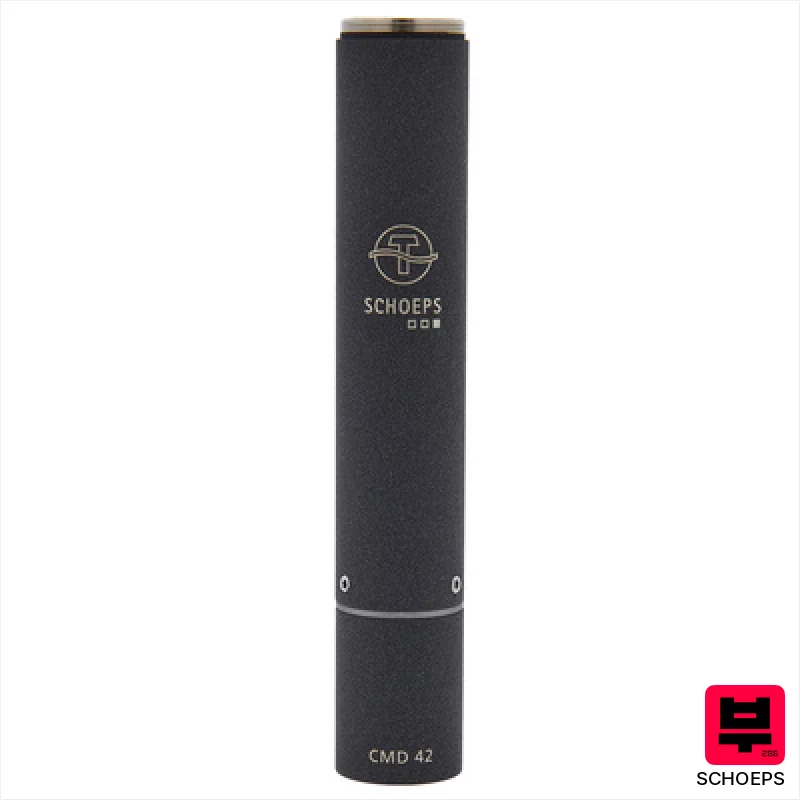
Schoeps CMD 42
- • Exceptional transient response for pristine dialogue capture.
- • AES42 interface allows for incredibly long cable runs without signal loss.
- • Compatibility with MK capsules offers tonal flexibility and futureproofing.
- • Remarkably robust construction utilizing Schoeps' signature matte grey finish.
- • Premium-priced, a significant investment for many sound recordists.
- • Limited polar pattern options compared to some multi-pattern mics.
- • The digital nature restricts use outside of AES42 compatible systems.

Microtech Gefell M 320
- • Exceptional transient response for detailed acoustic recordings.
- • Transformerless design minimizes noise floor for clean signals.
- • Omnidirectional pattern captures natural ambience accurately.
- • Robust metal housing ensures durability for live and studio use.
- • Limited polar pattern options restrict versatility in certain situations.
- • Premium-priced, making it a significant investment for many.
- • Omnidirectional nature can be problematic in untreated rooms.

Schoeps CMC 1 K XLR
- • Exceptional Schoeps clarity, detail, and transient response.
- • Colette preamp offers remarkably low noise and headroom.
- • Compact, lightweight design for versatile mounting options.
- • Robust, all-metal construction ensures long-term reliability.
- • Capsule sold separately, adding to the overall investment.
- • Fixed XLR cable limits placement flexibility somewhat.
- • Premium-priced, a significant investment for many users.

DPA ST2012
- • Exceptional transient response captures subtle nuances with incredible clarity.
- • DPA's renowned low self-noise ensures clean recordings even at high gain.
- • Robust, all-mechanical capsule design offers exceptional durability and reliability.
- • Stereo imaging is remarkably accurate, creating a wide and believable soundstage.
- • Premium-priced, making it a significant investment for many studios.
- • Cardioid pattern limits flexibility in less controlled acoustic environments.
- • Relatively large capsule size can create proximity effect challenges with certain sources.
How to Choose the Best Small Diaphragm Condenser Microphones
Transient Response
Strings are all about quick attacks and decays. A slow SDC will just smear everything together, muddying the low-end and losing that crisp articulation. You want something that can grab those initial plucks and hammer-ons.
Off-Axis Response
A string section isn't just one sound source. How a mic handles sounds coming from different angles is crucial for creating a natural stereo image and avoiding phase issues. We're listening for evenness and minimal coloration as you move around the mic.
Self-Noise
Quiet instruments need quiet mics. High self-noise will bury the subtle details of a cello or a harp. This isn't just about dB numbers; it's about how that noise sounds - hiss, rumble, or electrical hum.
Frequency Response
We're not looking for a hyped-up top end or a boomy low end. Strings need a balanced response, capturing the warmth of the lower registers while retaining clarity in the higher frequencies without sounding ice-picky.
Pad/Filter Options
Versatility is key. Having a pad to tame loud sources (like a bowed double bass) and a high-pass filter to deal with stage rumble or low-frequency resonances is a huge asset.
Buying Guide
SDCs generally trade off a bit of ultimate sensitivity for a more natural sound. Don't expect the same 'reach out and grab ya' presence as a large diaphragm. Cheaper mics often compensate with a hyped high end or a muddy low end - be wary of those. Spending a little more usually gets you better capsules and more refined electronics, translating to more detail and a smoother response. Think about your needs: a single guitar? A full orchestra? That will dictate your budget and how many mics you need.
Our Methodology
We didn't just look at spec sheets here. We ran these mics through the wringer - everything from solo violin recordings to full band rehearsals, A/B'ing them against studio staples. We listened for how they handled dynamics, captured transient detail, and translated to a mix, focusing on what a string player and engineer would actually notice - not just theoretical measurements.

