
Best Short Scale Basses Under $200 2026
Alright, so you're looking for a short scale bass without breaking the bank? It's a smart move - smaller scale lengths are easier on the fingers, great for travel, and can have a surprisingly warm, mellow tone. Finding something decent under $200 is a challenge, but not impossible. We're going to look at options that deliver the most thump for your dollar, even if it means making some compromises.
Last updated: September 17, 2026
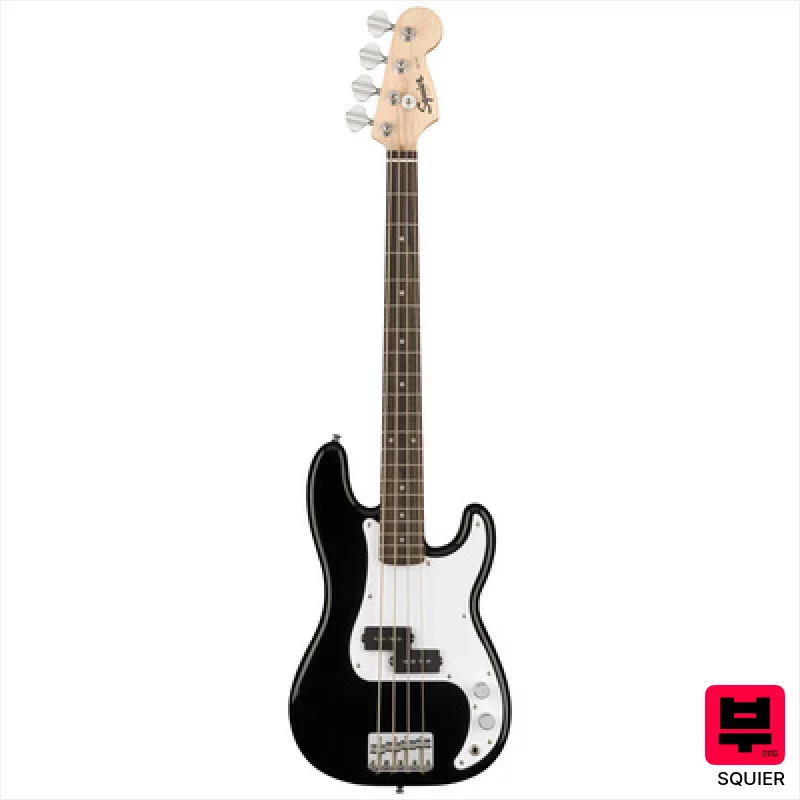
Squier Mini P Bass Black
- • Laurel fingerboard offers a surprisingly smooth and warm playing experience.
- • Split single-coil pickup delivers a surprisingly punchy, P-Bass-like tone.
- • Compact size and short scale make it incredibly comfortable for smaller players.
- • Die-cast machine heads provide reliable tuning stability for consistent performance.
- • The poplar body, while lightweight, lacks the resonance of more premium woods.
- • Narrow tall frets may not suit players accustomed to a jumbo fret profile.
- • Single coil pickup can be prone to hum, especially in noisy environments.
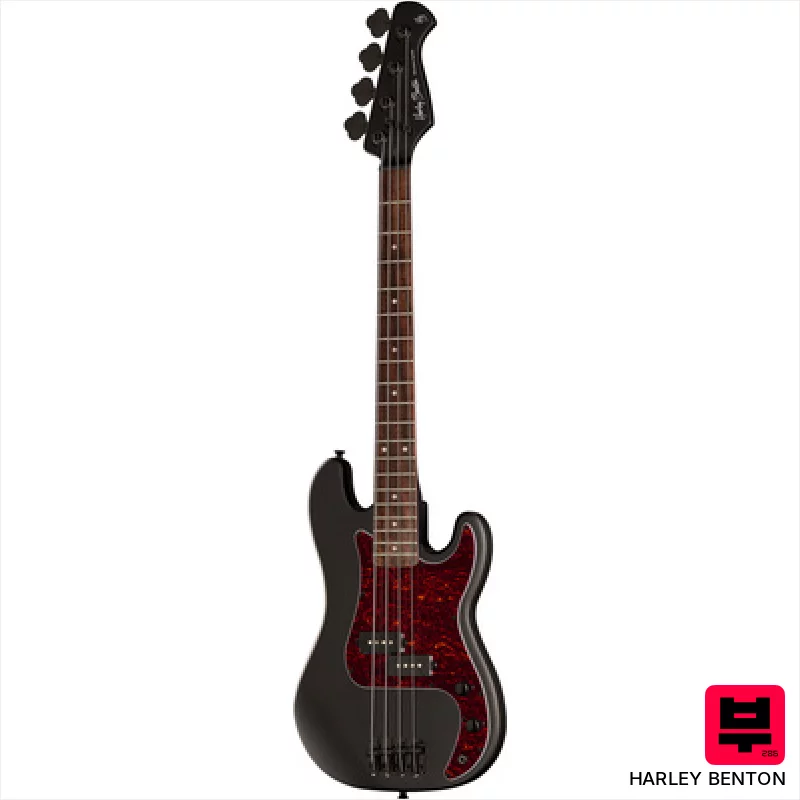
Harley Benton PB-Shorty SBK Standard Series
- • Short scale offers excellent playability, especially for smaller hands or beginners.
- • PB-style split coil pickup delivers a surprisingly thick and punchy low-end.
- • Bolt-on maple neck provides a bright, snappy response and comfortable modern feel.
- • Amaranth fingerboard is durable and offers a smooth playing surface, avoiding common fret buzz.
- • Hardware, while functional, feels budget-oriented and may benefit from upgrades.
- • Poplar body can be a bit 'woody' sounding – lacks the sustain of mahogany or ash.
- • Limited tonal versatility; best suited for classic rock, punk, and similar genres.
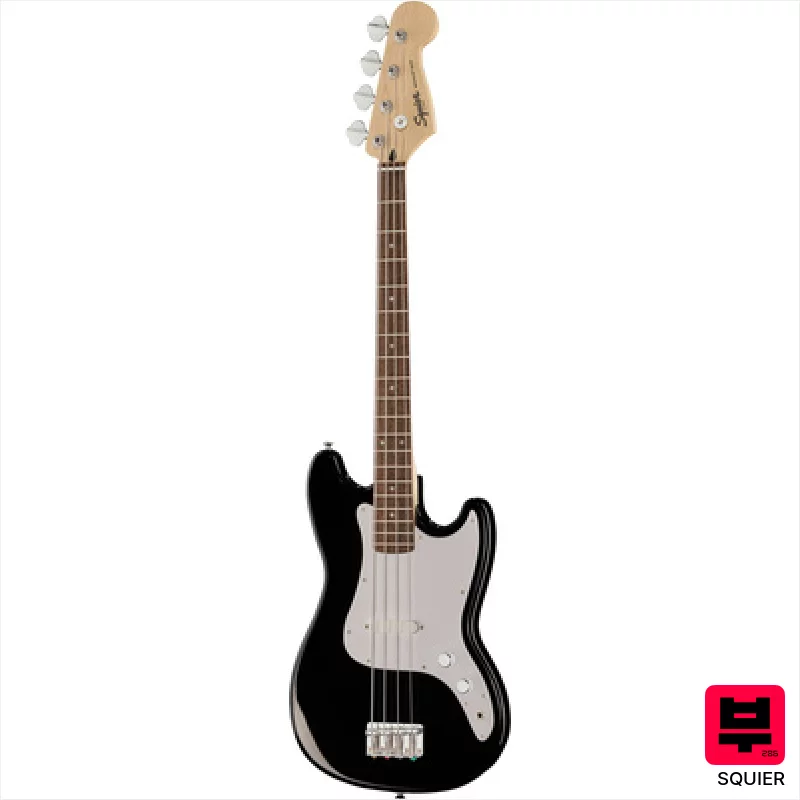
Squier Sonic Bronco Black
- • Laurel fingerboard offers a smooth, comfortable playing experience, surprisingly nice for the price.
- • Ceramic single-coil delivers a distinctive, punchy tone – great for garage rock and punk.
- • Bolt-on neck provides a snappy, responsive feel, characteristic of shorter scale basses.
- • Die-cast tuners ensure stable tuning, a welcome feature at this budget-friendly price point.
- • Poplar body can feel a bit lightweight; lacks the sustain of denser woods.
- • Single coil pickup can be noisy; prone to hum with less-than-ideal grounding.
- • Limited tonal versatility; lacks the range of basses with multiple pickups or active electronics.
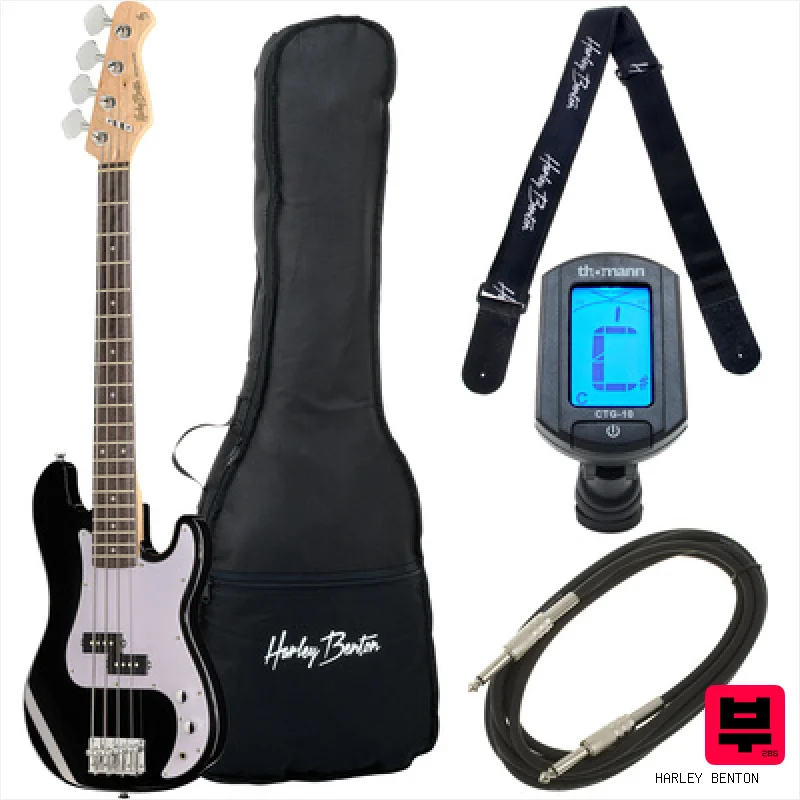
Harley Benton PB-Shorty BK Standard Bundle
- • Affordable price point for a short-scale bass
- • Lightweight poplar body for easy playability
- • Clear single PB-style split coil pickup
- • Includes gig bag, strap, tuner, and jack
- • No strings included in the bundle
- • No gig bag included in the main listing
- • Limited to one volume and one tone control

Harley Benton PB-Shorty BK Standard Series
- • Poplar body provides a surprisingly resonant and balanced tone.
- • Modern 'inCin' neck profile offers comfortable playability for various hand sizes.
- • PB-style split coil pickup delivers a thick, vintage-inspired growl.
- • Bolt-on neck construction allows for easy future adjustments and repairs.
- • Laurel fretboard can feel a bit 'slick' compared to rosewood or ebony.
- • Hardware, while functional, feels budget-oriented and may benefit from upgrades.
- • Short scale limits low-end extension and might not suit all playing styles.
Short Scale Basses by the numbers
Measured across all 5 models in this category, so «wide», «short» or «expensive» mean something you can check.
How to Choose the Best Short Scale Basses
Playability
Short scale basses should be easy to play. We're looking for a comfortable neck profile, manageable action (string height), and a feel that inspires you to groove, not fight the instrument.
Pickup Voicing
At this price point, expect compromises. Some will be brighter, some darker. We're evaluating how well the pickups capture the wood's natural tone and whether they offer enough punch to cut through a band mix.
Hardware Quality
Cheap hardware means tuning instability and potential breakage. We're checking tuners, bridge stability, and overall build quality - things that impact reliability, especially if you're gigging.
Body Wood & Construction
Don't expect mahogany or alder. Most will be basswood or similar tonewoods, which are fine, but the construction (glue joints, bracing) makes a difference in sustain and resonance. We're listening for dead spots.
Overall Tone
We're not expecting boutique-level clarity, but we're looking for a usable tone - something with a decent low-end thump and enough articulation to define notes. That 'fat midrange honk' is a bonus, but often a rare find at this price.
Buying Guide
Real talk: $200 is the absolute budget tier. You're going to be trading off something - likely in the pickups, hardware, or overall finish quality. Don't expect long sustain or a perfectly balanced frequency response. Focus on playability and a vibe you like, and be prepared to potentially upgrade the strings or tuners down the line. A good setup from a local tech can work wonders, too.
How This List Is Built
We don't play these instruments — we're a catalog, not a review desk, and we'd rather say so than pretend otherwise. This page covers 5 short scale basses from the Thomann catalogue, which is the largest single source of specification data in this category: 5 in detail, the rest listed with their specifications.
Position is computed, not curated. We parse the manufacturer's own description into actual values — nut width, scale, fret count, fingerboard radius, size, alloy — and rank on them: how many specifications a model has published, how many of them are measurable numbers, and how precisely it meets this page's criterion. A product image adds a little. Price is not a ranking signal: it tells you nothing about whether a neck fits your hand. The same inputs always produce the same order, so nothing here is shuffled to look fresh.
What this list is good for: narrowing a category down to a shortlist by spec and budget. What it isn't: a substitute for hearing an instrument. Before you buy, read hands-on reviews and, where you can, play it. Full methodology.

