
Best Short Scale Basses for Alternative 2026
So, you're digging the sludgy, melodic, or just plain quirky vibe of alternative music and thinking a short scale bass might be your ticket? Smart move. The shorter scale length gives you a different feel, a looser vibe, and can really unlock some unexpected tones - especially when you're chasing that fuzzy, slightly out-of-sorts sound. But not all short scales are created equal; let's break down what works best for alternative players.
Last updated: July 15, 2026 • Next update: July 22, 2026
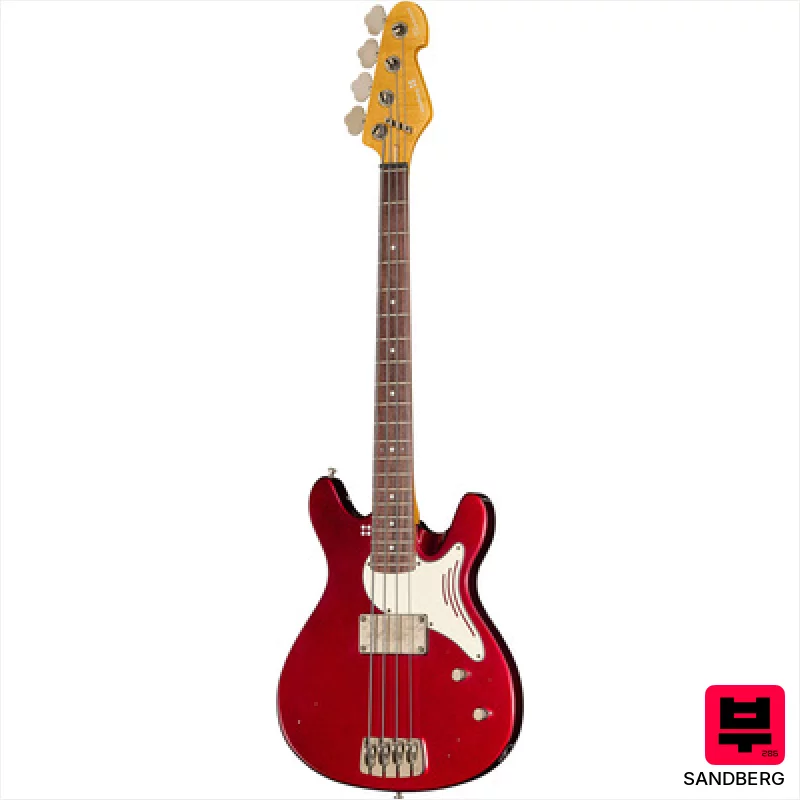
Sandberg Florence 4 RW RR
- • Alder body delivers a warm, resonant foundation for the tone.
- • Rosewood fingerboard offers a comfortable, familiar playing feel.
- • Sandberg humbucker provides a thick, punchy low-end response.
- • Soft Aged finish gives it a vintage aesthetic and unique character.
- • Passive electronics limit tonal flexibility compared to active basses.
- • Short scale might feel cramped for players with larger hands.
- • Ruby Red finish, while striking, may not appeal to all tastes.
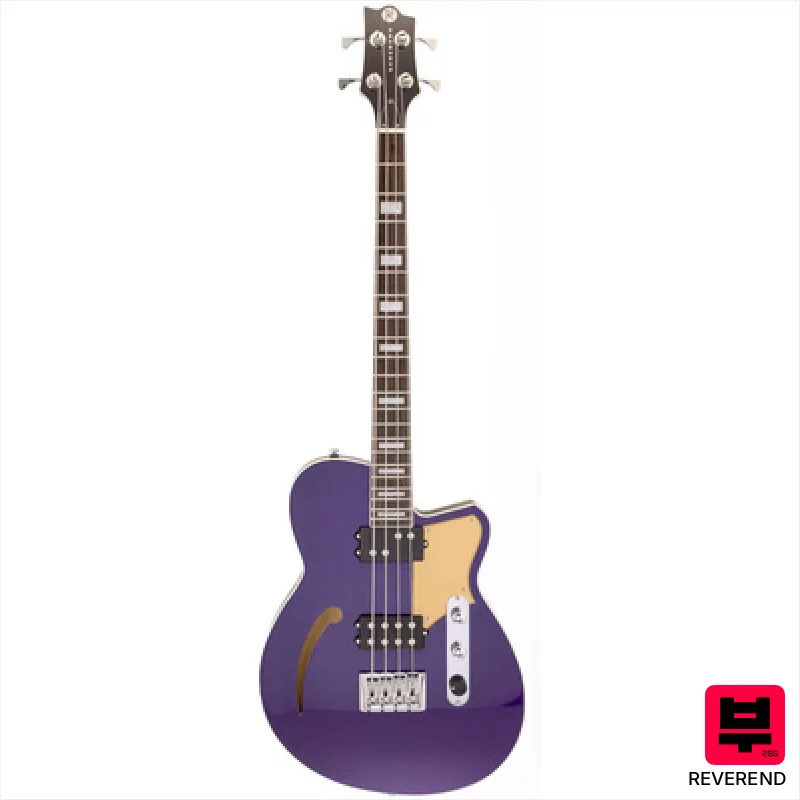
Reverend Lil LinhBacker Bass
- • Korina/Spruce construction delivers a warm, resonant, and surprisingly articulate tone.
- • Hipshot Ultralight tuners provide exceptional tuning stability and reduced headstock weight.
- • The Thick Brick/Split Brick combo offers a wide range of tones from growl to smooth.
- • The 305mm radius fingerboard enhances playability and comfort for various techniques.
- • Semi-hollow construction makes it potentially less durable for gigging heavy-duty situations.
- • The short scale might feel cramped for bassists accustomed to longer scale lengths.
- • Purple sparkle finish, while striking, might not appeal to all players' aesthetic preferences.

Squier Paranormal Rascal Bass HH SWG
- • Sherwood Green finish is stunning and unique.
- • Wide-Range humbuckers deliver thick, modern bass tones.
- • Short scale offers comfortable playability for smaller hands.
- • Bolt-on neck provides snappy response and bright attack.
- • Poplar body can feel a bit lifeless compared to mahogany.
- • 30” scale limits low-end extension for some players.
- • Mint green pickguard might not suit every aesthetic.

Fender Player II Mustang Bass RW CRR
- • Alder body provides a balanced, resonant tone with good sustain.
- • Modern C neck profile is comfortable and fast for a wide range of players.
- • Dual pickup configuration offers versatile tones from growly to articulate.
- • 4-saddle bridge enhances tuning stability and intonation accuracy.
- • Rosewood fingerboard may feel a little dry to some players; consider oiling.
- • Short scale limits low-end extension compared to a standard 34” bass.
- • Coral Red finish, while striking, might not appeal to all aesthetic preferences.
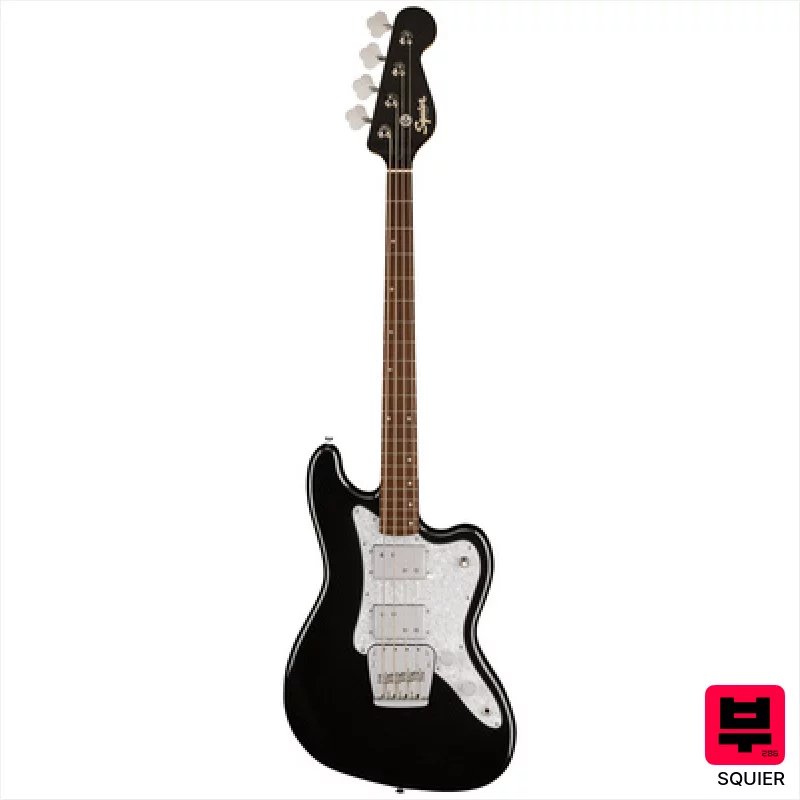
Squier Paranormal Rascal Bass HH MBK
- • Poplar body offers a surprisingly resonant and balanced tonal foundation.
- • Fender-designed humbuckers deliver thick, punchy tones with excellent clarity.
- • Short scale (30") provides comfortable playability, especially for smaller hands.
- • The 3-way toggle switch adds unexpected tonal versatility for a budget bass.
- • Bolt-on neck construction, while stable, lacks the warmth of a set neck.
- • Laurel fretboard can feel slightly less smooth than rosewood or ebony.
- • While lightweight, the humbuckers can sometimes feel a little muddy at higher gain.
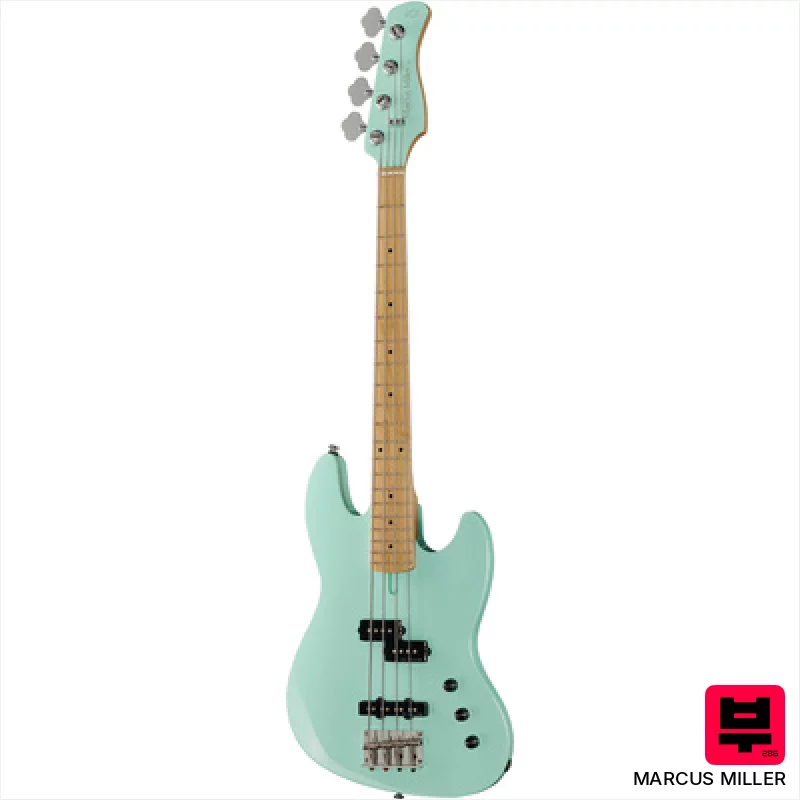
Marcus Miller U5 MT MN Short 2023
- • Alder body provides a warm, resonant foundation for the tone.
- • Maple neck offers snappy response and comfortable playability.
- • Marcus Super Jazz/Precision pickups deliver versatile, articulate tones.
- • Short scale makes it incredibly accessible for beginners and smaller hands.
- • Passive electronics limit tonal shaping options compared to active basses.
- • Alder body, while warm, can lack some sustain compared to mahogany.
- • Mint finish, while attractive, can be prone to fingerprints and wear.
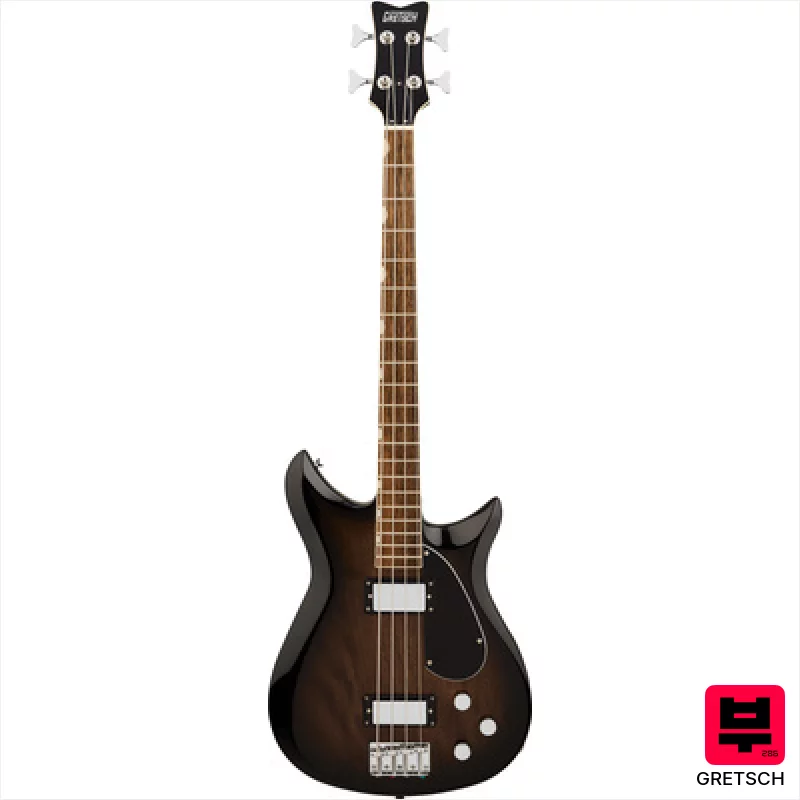
Gretsch EMTC CVT Bass BRSTL FOG
- • Mahogany body delivers warm, resonant low-end tones.
- • Performance C neck offers comfortable playability for various hand sizes.
- • Low Down pickups provide a unique blend of growl and clarity.
- • Laurel fingerboard provides a snappy, responsive feel under the fingers.
- • Short scale may feel cramped for players with larger hands.
- • Bristol Fog finish, while attractive, might not appeal to everyone’s taste.
- • Bolt-on neck construction limits sustain compared to a set-neck design.
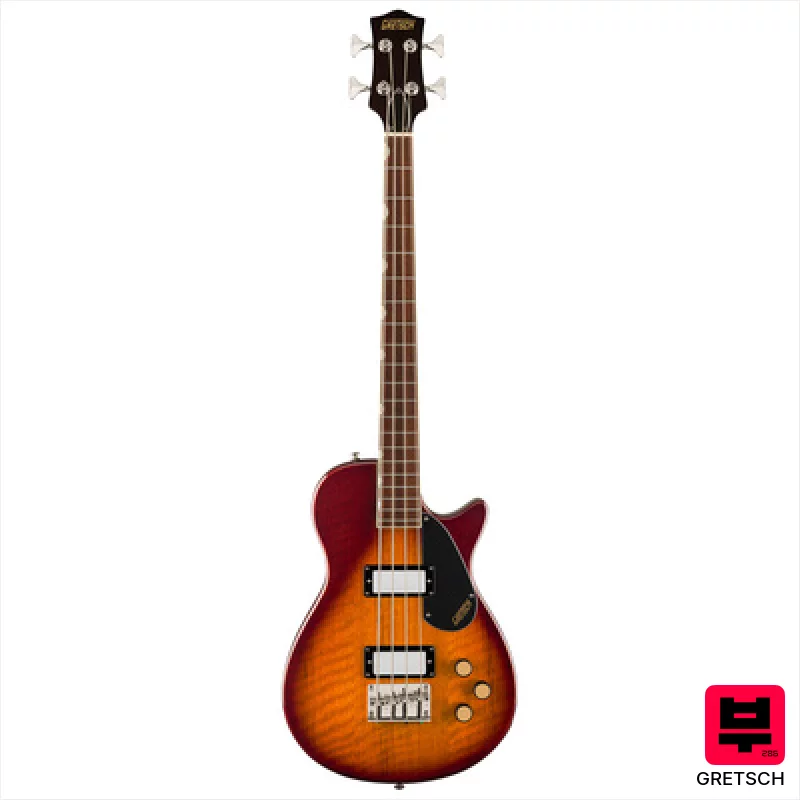
Gretsch Strml Jet Clb Bass HVNA BRST
- • Nato body delivers a surprisingly resonant and warm tonal foundation.
- • Bolt-on neck provides a snappy, immediate feel and easy adjustability.
- • Neo-Classic thumb inlays offer a unique visual flair and comfortable navigation.
- • Dual single coils provide a vintage-inspired growl with decent clarity.
- • Nato body, while resonant, lacks the premium sustain of mahogany or ash.
- • Short scale might feel cramped for players with larger hands or longer fingers.
- • Single coil pickups can be noisy in high-gain scenarios.
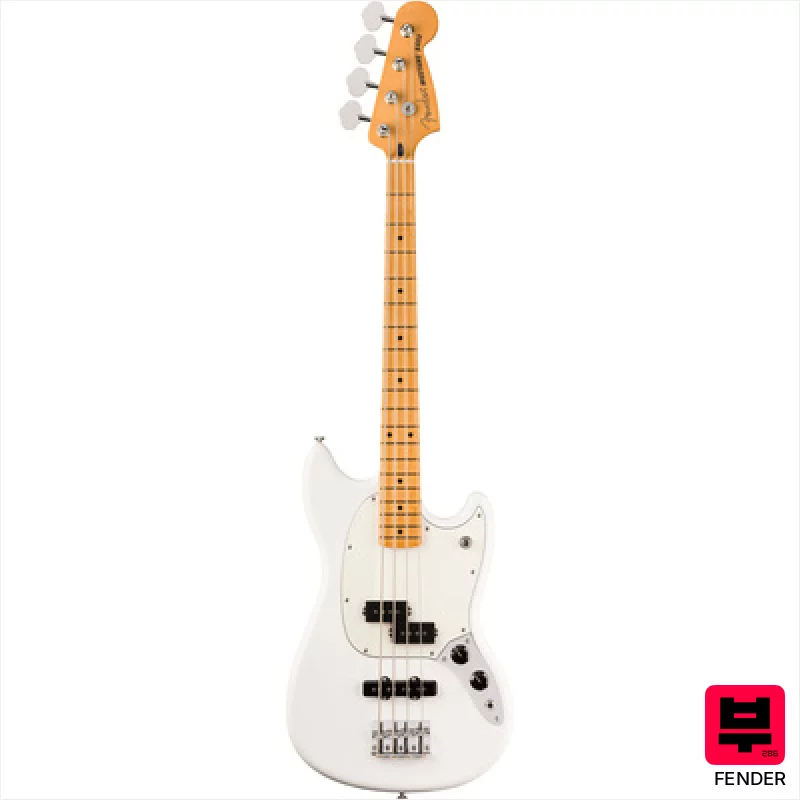
Fender Player II Mustang Bass MN PWT
- • Alder body delivers a balanced, resonant tone with good sustain.
- • Modern C neck profile offers comfortable playability for various hand sizes.
- • Split-coil Precision pickup provides a warm, punchy low-end response.
- • 4-saddle bridge enhances tuning stability and intonation accuracy.
- • Maple fretboard can feel a bit snappier than rosewood for some players.
- • Short scale might feel cramped for bassists with larger hands or longer fingers.
- • Polar White finish shows fingerprints easily, requiring frequent cleaning.
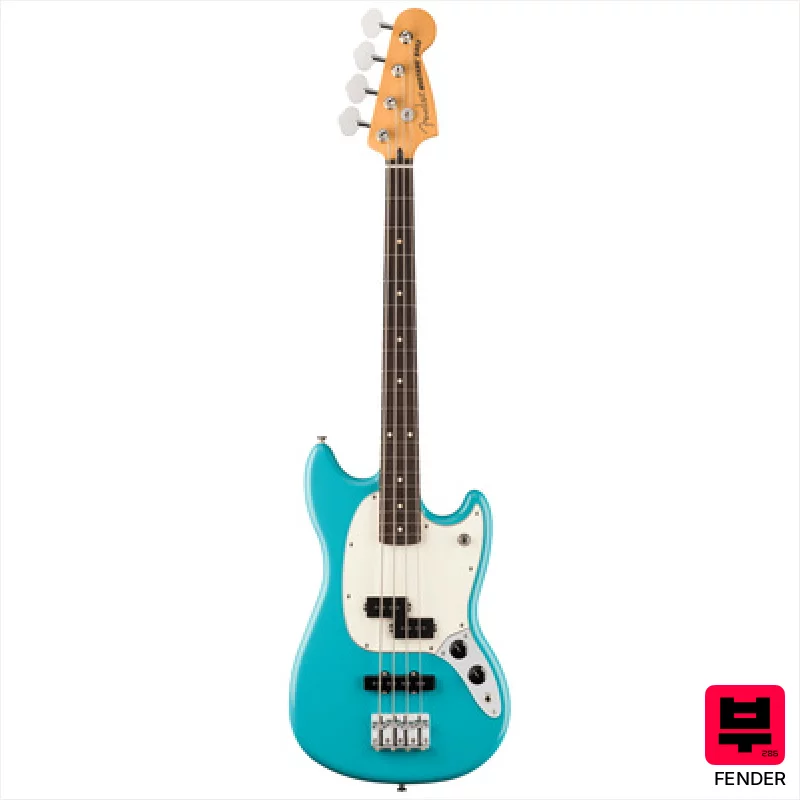
Fender Player II Mustang Bass RW AQB
- • Alder body provides a balanced, resonant tone with good sustain.
- • Modern C neck profile is comfortable and fast for a wide range of players.
- • Split Precision pickup delivers a unique, punchy, and articulate low-end.
- • 4-saddle bridge enhances tuning stability and intonation accuracy.
- • Short scale may feel cramped for players with larger hands or longer fingers.
- • Rosewood fingerboard can feel slightly sticky compared to maple alternatives.
- • Aquatone Blue finish, while attractive, might not appeal to all aesthetic preferences.
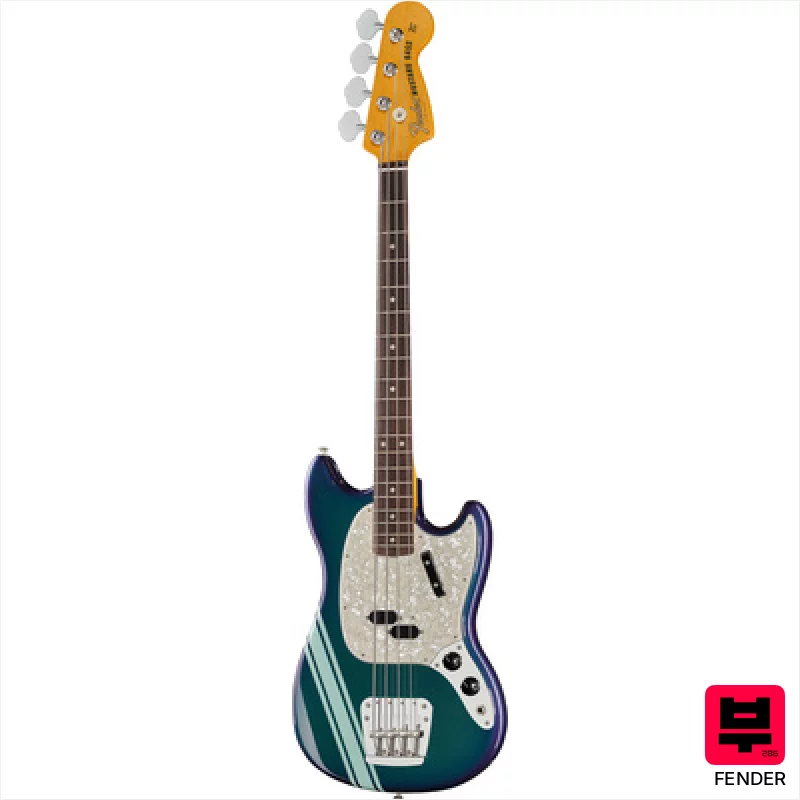
Fender Vintera II 70s Mustang Bass CB
- • Alder body provides a balanced, resonant tone with good sustain.
- • Early '60s 'C' neck profile offers comfortable playability for various hand sizes.
- • 7.25” radius fretboard simplifies chording and facilitates easy bends.
- • Vintage-style pickups deliver a warm, punchy tone ideal for classic rock and funk.
- • Short scale limits low-end extension compared to standard basses.
- • Rosewood fretboard may require more frequent oiling to prevent dryness.
- • Competition Burgundy finish, while striking, can show fingerprints easily.

Danelectro 59DC Short Scale Bass BKMF
- • Unique Masonite top/back creates a distinctive, resonant character.
- • High-output Lipstick pickups deliver a surprisingly aggressive tone.
- • Short scale offers exceptional comfort and ease of playing, especially for smaller hands.
- • Bolt-on neck provides a snappy, articulate response.
- • Masonite construction can feel less robust than solid wood alternatives.
- • Limited tonal versatility compared to basses with more pickup options.
- • Chrome hardware may be prone to pitting with age and exposure.
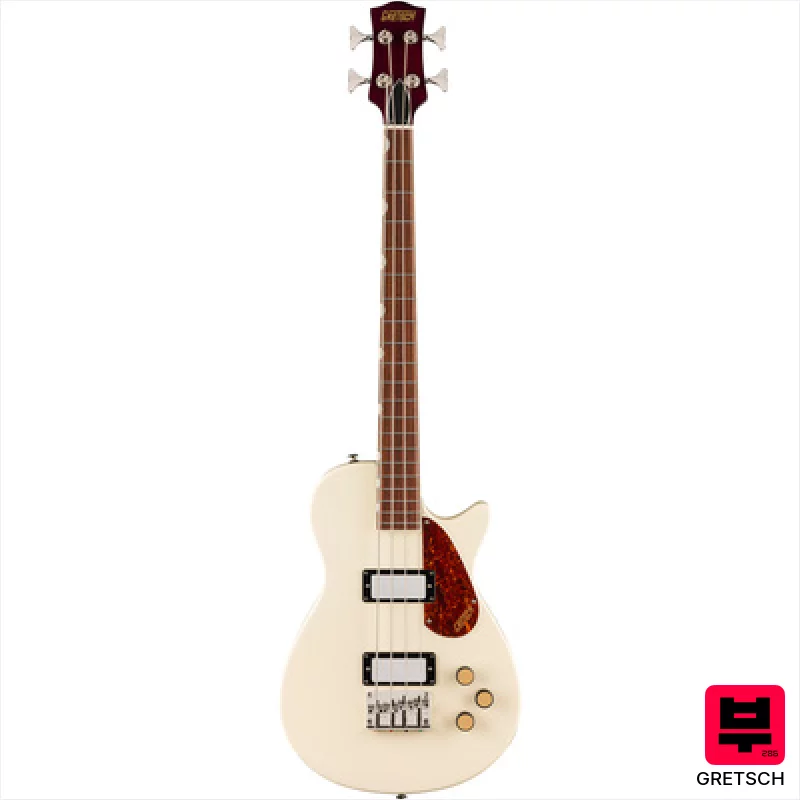
Gretsch Strml Jet Clb Bass VWT
- • Nato body provides a surprisingly resonant and warm tonal foundation.
- • Slim 'C' neck profile offers excellent playability and comfortable access.
- • Bone nut improves sustain and tuning stability compared to plastic alternatives.
- • Dual single-coil pickups deliver a distinctive, vintage-inspired growl and clarity.
- • Nato body, while warm, lacks the complexity of mahogany or ash.
- • Short scale limits low-end extension; may not suit all playing styles.
- • Bolt-on neck construction can feel less integrated than a set-neck design.

Höfner Shorty Violin Bass
- • Mahogany body delivers a warm, woody tone with surprising sustain.
- • The Höfner humbucker provides a thick, vintage growl ideal for classic styles.
- • Short scale (760mm) offers exceptional playability, especially for smaller hands.
- • Original Tea Cup knobs add a genuine vintage aesthetic and tactile feel.
- • Fixed bridge limits advanced intonation adjustments and string-through body options.
- • Open-gear tuners aren't as precise as sealed tuners, potentially affecting tuning stability.
- • Mahogany body, while warm, can feel slightly less resonant than basses with more complex construction.
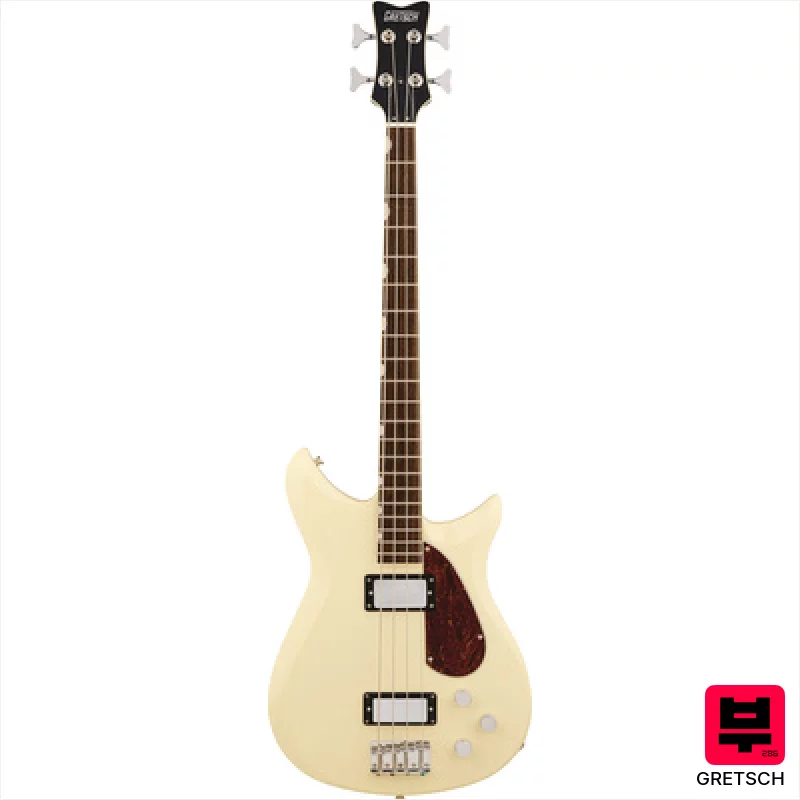
Gretsch EMTC CVT BASS VWT
- • Mahogany body delivers warm, resonant tones with a pleasing sustain.
- • Performance C neck profile offers a comfortable, modern playing feel.
- • Low Down pickups provide a surprisingly versatile range of sounds, from mellow to growly.
- • Laurel fingerboard adds a touch of character and a smooth playing surface.
- • Short scale might feel cramped for players with larger hands or longer fingers.
- • Bolt-on neck construction limits potential for extended sustain compared to neck-through designs.
- • Vintage White finish, while attractive, can be prone to showing fingerprints.
How to Choose the Best Short Scale Basses
Tonal Palette
Alternative's all over the map - from driving grunge to shimmering dream-pop. You need a bass that can handle both. Think about a bass that can deliver a solid low-end thump but also has a willingness to breakup and get a bit gritty when pushed. That clean, sterile tone just won't do.
Neck Profile & Feel
A short scale shouldn't feel like a toy. The neck profile needs to be comfortable for those longer rehearsals and gigs. A chunky neck can feel awkward on a short scale, while a too-thin neck might lack sustain and feel flimsy.
Pickup Voicing
Bright, scooped, or somewhere in between? Alternative bass tones are often a reaction against the standard. Consider pickups that offer a bit of warmth and a willingness to distort - P-bass pickups can be surprisingly versatile, but humbuckers are often a good choice for that heavier, fuzz-friendly vibe.
Hardware & Build Quality
Let's be real, you're probably gigging. Cheap hardware means broken tuners and a neck that's fighting you. A solid build is important, not just for durability, but also for resonance and sustain. It doesn't need to be fancy, just functional.
Versatility & Response to Effects
Alternative thrives on experimentation. Does the bass react well to fuzz, chorus, octavers? Does it retain its character when you're throwing a bunch of pedals at it? A bass with a clear, defined tone can get muddy quickly under effects, while one with a bit more character will shine.
Buying Guide
Short scale basses often cut corners on the wood - expect more poplar or basswood than mahogany or alder. The hardware is another area where you'll see the difference between a $300 bass and a $600 one. Don't chase the prettiest finish; focus on the neck feel and how the bass responds to your playing. A decent preamp can make a cheap bass sound surprisingly good, but it's still a band-aid on a fundamental limitation.
Our Methodology
We're not looking at spec sheets here. We've spent hours playing these basses through a variety of amps - from boutique tube heads to solid-state practice stacks - and A/B'd them against each other in rehearsal settings and even a few low-key gigs. We're listening for how they cut through a mix, how they respond to different playing styles, and if they'll survive a few bumps on the road.

