
Best Short Scale Basses for Studio Work 2026
Alright, let's talk short scale basses for studio work. You're not chasing stadium-filling thunder here; you want something versatile, something that can lay down a warm, woody foundation or get a little gritty when you need it. Short scales offer a different feel, a rounder tone, and often a surprising amount of headroom - perfect for dialing in those nuanced low-end textures. Forget the sub-bass rumble for now, we're after controlled, musical low-mids and a responsive feel.
Last updated: July 15, 2026 • Next update: July 22, 2026

Danelectro 59DC Short Scale Bass BKMF
- • Unique Masonite top/back creates a distinctive, resonant character.
- • High-output Lipstick pickups deliver a surprisingly aggressive tone.
- • Short scale offers exceptional comfort and ease of playing, especially for smaller hands.
- • Bolt-on neck provides a snappy, articulate response.
- • Masonite construction can feel less robust than solid wood alternatives.
- • Limited tonal versatility compared to basses with more pickup options.
- • Chrome hardware may be prone to pitting with age and exposure.
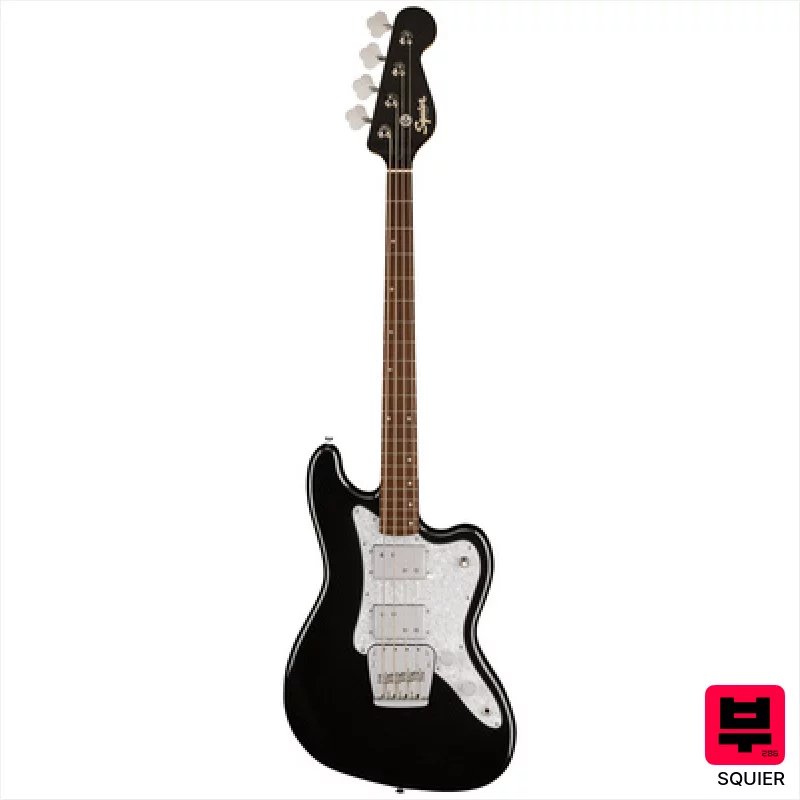
Squier Paranormal Rascal Bass HH MBK
- • Poplar body offers a surprisingly resonant and balanced tonal foundation.
- • Fender-designed humbuckers deliver thick, punchy tones with excellent clarity.
- • Short scale (30") provides comfortable playability, especially for smaller hands.
- • The 3-way toggle switch adds unexpected tonal versatility for a budget bass.
- • Bolt-on neck construction, while stable, lacks the warmth of a set neck.
- • Laurel fretboard can feel slightly less smooth than rosewood or ebony.
- • While lightweight, the humbuckers can sometimes feel a little muddy at higher gain.
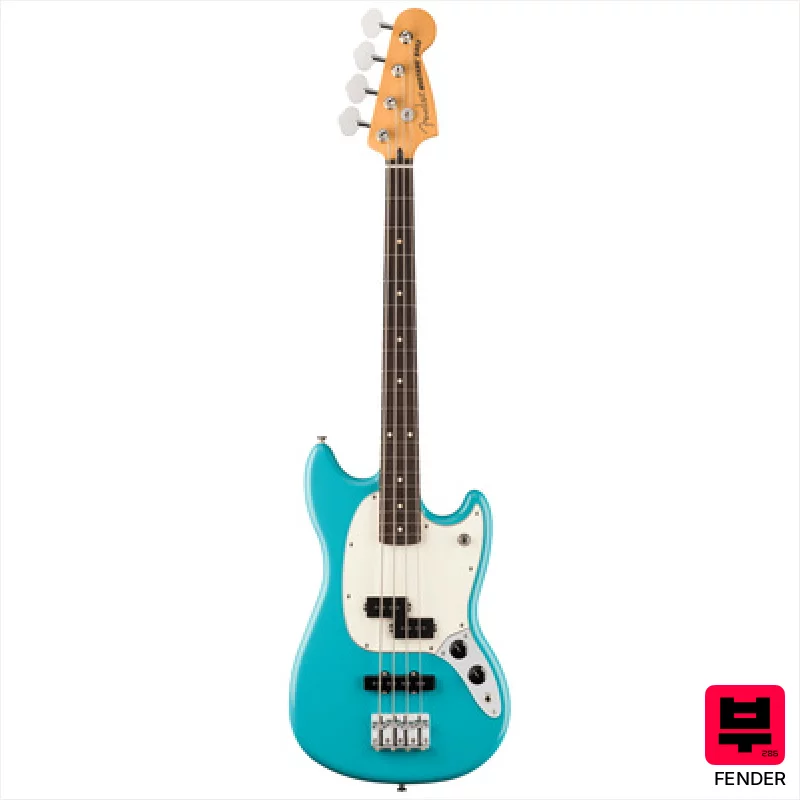
Fender Player II Mustang Bass RW AQB
- • Alder body provides a balanced, resonant tone with good sustain.
- • Modern C neck profile is comfortable and fast for a wide range of players.
- • Split Precision pickup delivers a unique, punchy, and articulate low-end.
- • 4-saddle bridge enhances tuning stability and intonation accuracy.
- • Short scale may feel cramped for players with larger hands or longer fingers.
- • Rosewood fingerboard can feel slightly sticky compared to maple alternatives.
- • Aquatone Blue finish, while attractive, might not appeal to all aesthetic preferences.
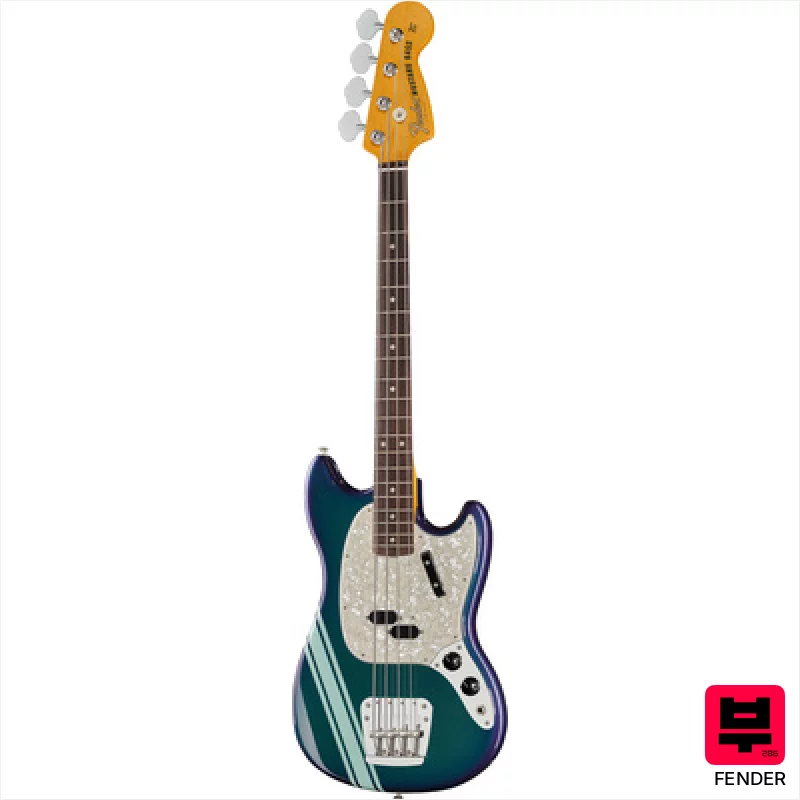
Fender Vintera II 70s Mustang Bass CB
- • Alder body provides a balanced, resonant tone with good sustain.
- • Early '60s 'C' neck profile offers comfortable playability for various hand sizes.
- • 7.25” radius fretboard simplifies chording and facilitates easy bends.
- • Vintage-style pickups deliver a warm, punchy tone ideal for classic rock and funk.
- • Short scale limits low-end extension compared to standard basses.
- • Rosewood fretboard may require more frequent oiling to prevent dryness.
- • Competition Burgundy finish, while striking, can show fingerprints easily.
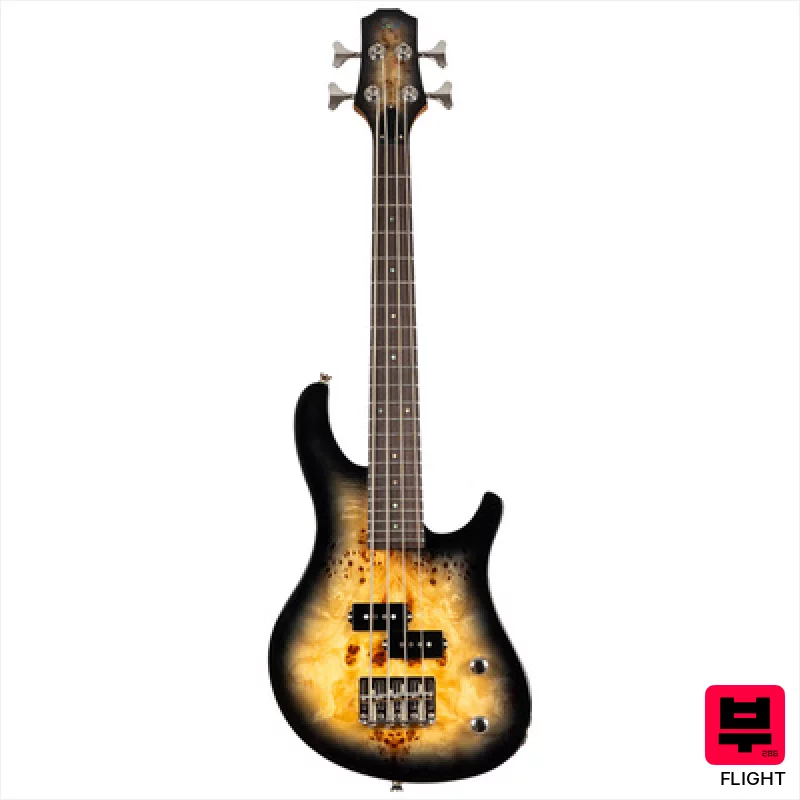
Flight Mini Bass PBR
- • Solid mahogany body delivers a warm, resonant low-end response.
- • Roasted maple neck offers excellent stability and a smooth playing feel.
- • Alnico 5 split coil pickup provides a surprisingly thick, P-bass tone.
- • Compact size makes it ideal for travel and smaller players.
- • Rosewood fretboard might feel a little dry for some; consider oiling.
- • Short scale limits low-end extension compared to full-size basses.
- • Poplar burl top can be prone to minor finish imperfections.
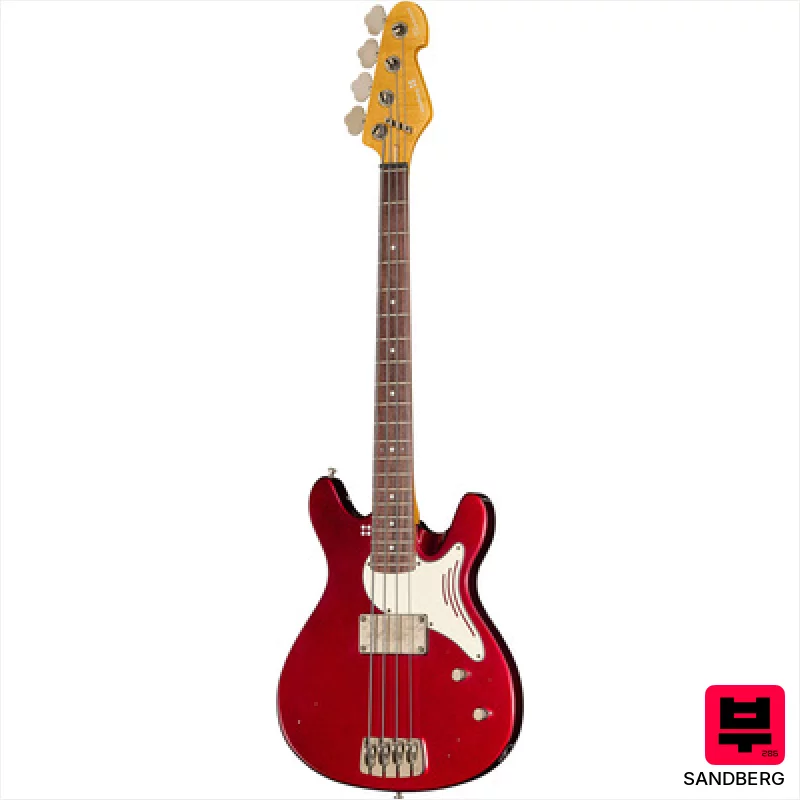
Sandberg Florence 4 RW RR
- • Alder body delivers a warm, resonant foundation for the tone.
- • Rosewood fingerboard offers a comfortable, familiar playing feel.
- • Sandberg humbucker provides a thick, punchy low-end response.
- • Soft Aged finish gives it a vintage aesthetic and unique character.
- • Passive electronics limit tonal flexibility compared to active basses.
- • Short scale might feel cramped for players with larger hands.
- • Ruby Red finish, while striking, may not appeal to all tastes.
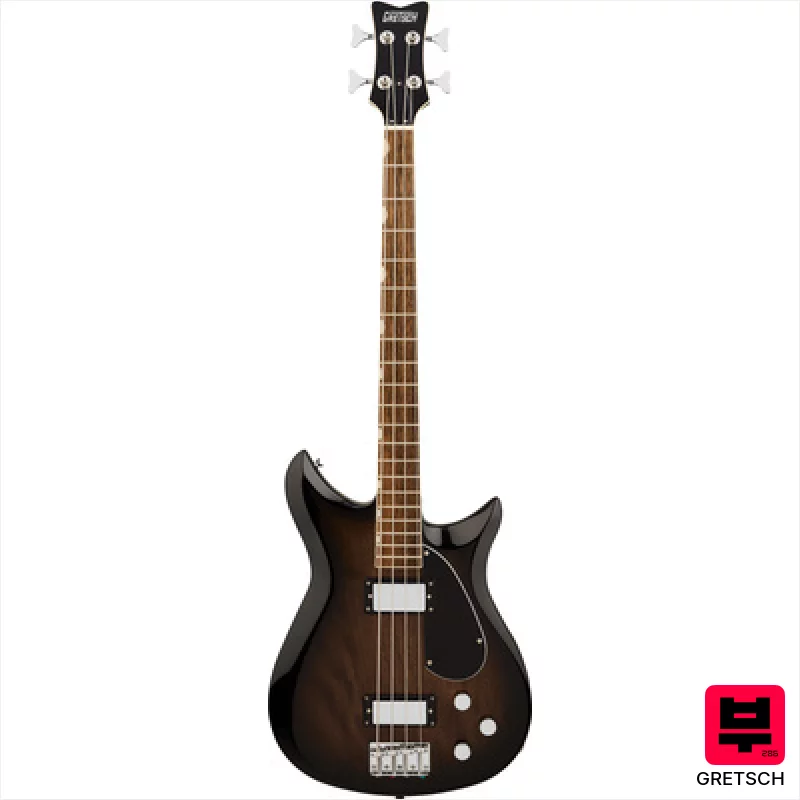
Gretsch EMTC CVT Bass BRSTL FOG
- • Mahogany body delivers warm, resonant low-end tones.
- • Performance C neck offers comfortable playability for various hand sizes.
- • Low Down pickups provide a unique blend of growl and clarity.
- • Laurel fingerboard provides a snappy, responsive feel under the fingers.
- • Short scale may feel cramped for players with larger hands.
- • Bristol Fog finish, while attractive, might not appeal to everyone’s taste.
- • Bolt-on neck construction limits sustain compared to a set-neck design.

Fender Player II Mustang Bass RW CRR
- • Alder body provides a balanced, resonant tone with good sustain.
- • Modern C neck profile is comfortable and fast for a wide range of players.
- • Dual pickup configuration offers versatile tones from growly to articulate.
- • 4-saddle bridge enhances tuning stability and intonation accuracy.
- • Rosewood fingerboard may feel a little dry to some players; consider oiling.
- • Short scale limits low-end extension compared to a standard 34” bass.
- • Coral Red finish, while striking, might not appeal to all aesthetic preferences.
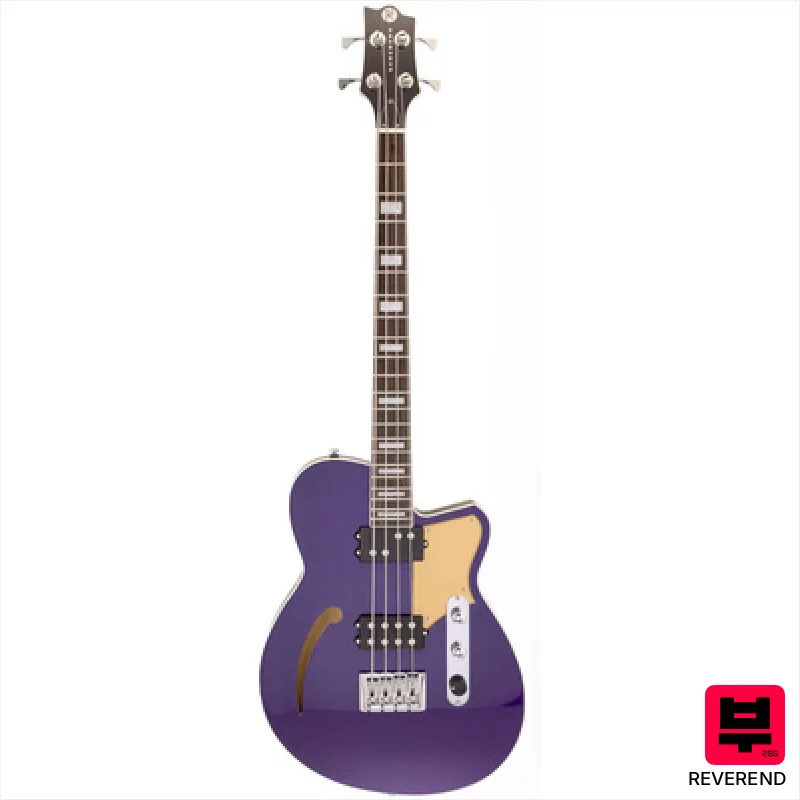
Reverend Lil LinhBacker Bass
- • Korina/Spruce construction delivers a warm, resonant, and surprisingly articulate tone.
- • Hipshot Ultralight tuners provide exceptional tuning stability and reduced headstock weight.
- • The Thick Brick/Split Brick combo offers a wide range of tones from growl to smooth.
- • The 305mm radius fingerboard enhances playability and comfort for various techniques.
- • Semi-hollow construction makes it potentially less durable for gigging heavy-duty situations.
- • The short scale might feel cramped for bassists accustomed to longer scale lengths.
- • Purple sparkle finish, while striking, might not appeal to all players' aesthetic preferences.
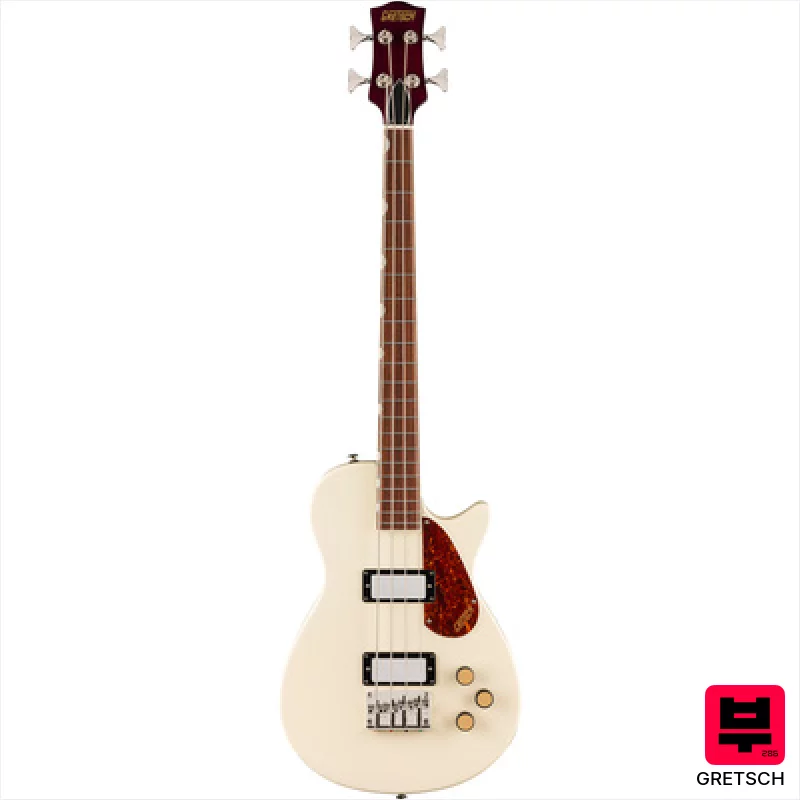
Gretsch Strml Jet Clb Bass VWT
- • Nato body provides a surprisingly resonant and warm tonal foundation.
- • Slim 'C' neck profile offers excellent playability and comfortable access.
- • Bone nut improves sustain and tuning stability compared to plastic alternatives.
- • Dual single-coil pickups deliver a distinctive, vintage-inspired growl and clarity.
- • Nato body, while warm, lacks the complexity of mahogany or ash.
- • Short scale limits low-end extension; may not suit all playing styles.
- • Bolt-on neck construction can feel less integrated than a set-neck design.
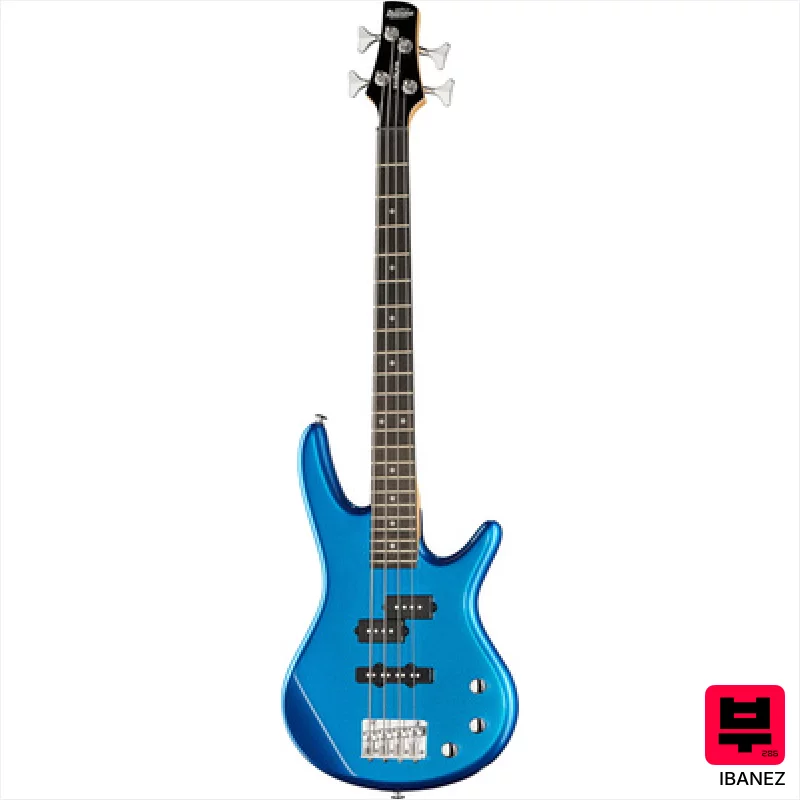
Ibanez GSRM20-SLB
- • Jatoba fingerboard offers a surprisingly snappy feel.
- • Short scale makes it exceptionally comfortable for smaller hands.
- • Standard J/P pickup combo delivers a versatile, classic tone.
- • Bolt-on neck provides a bright, responsive attack.
- • Poplar body can feel a little less resonant than mahogany or ash.
- • Plastic nut can contribute to tuning instability; a worthwhile upgrade.
- • Standard pickups lack the nuance of higher-end models.
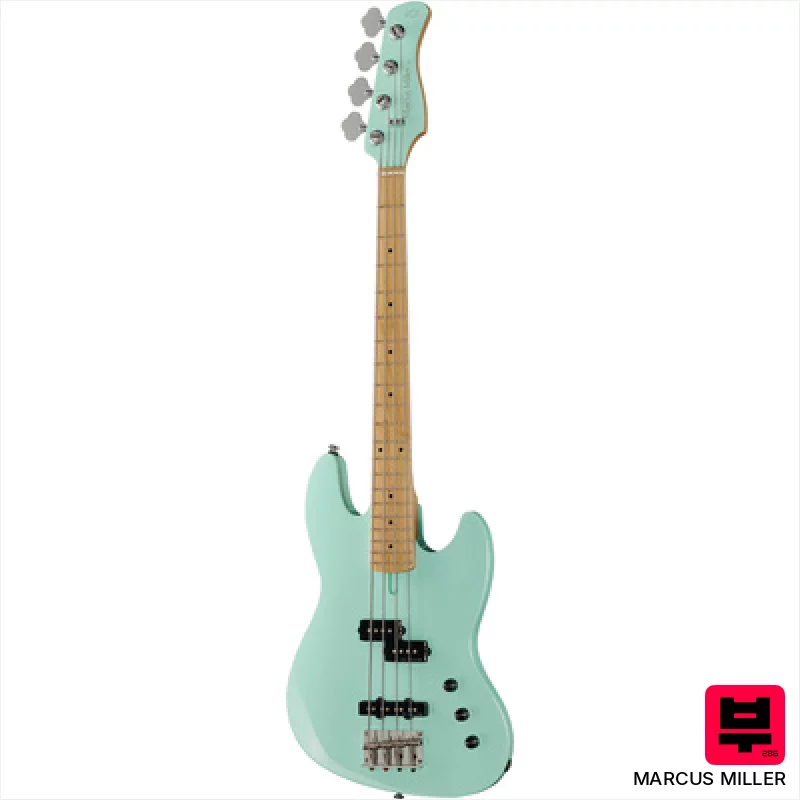
Marcus Miller U5 MT MN Short 2023
- • Alder body provides a warm, resonant foundation for the tone.
- • Maple neck offers snappy response and comfortable playability.
- • Marcus Super Jazz/Precision pickups deliver versatile, articulate tones.
- • Short scale makes it incredibly accessible for beginners and smaller hands.
- • Passive electronics limit tonal shaping options compared to active basses.
- • Alder body, while warm, can lack some sustain compared to mahogany.
- • Mint finish, while attractive, can be prone to fingerprints and wear.

Squier Paranormal Rascal Bass HH SWG
- • Sherwood Green finish is stunning and unique.
- • Wide-Range humbuckers deliver thick, modern bass tones.
- • Short scale offers comfortable playability for smaller hands.
- • Bolt-on neck provides snappy response and bright attack.
- • Poplar body can feel a bit lifeless compared to mahogany.
- • 30” scale limits low-end extension for some players.
- • Mint green pickguard might not suit every aesthetic.
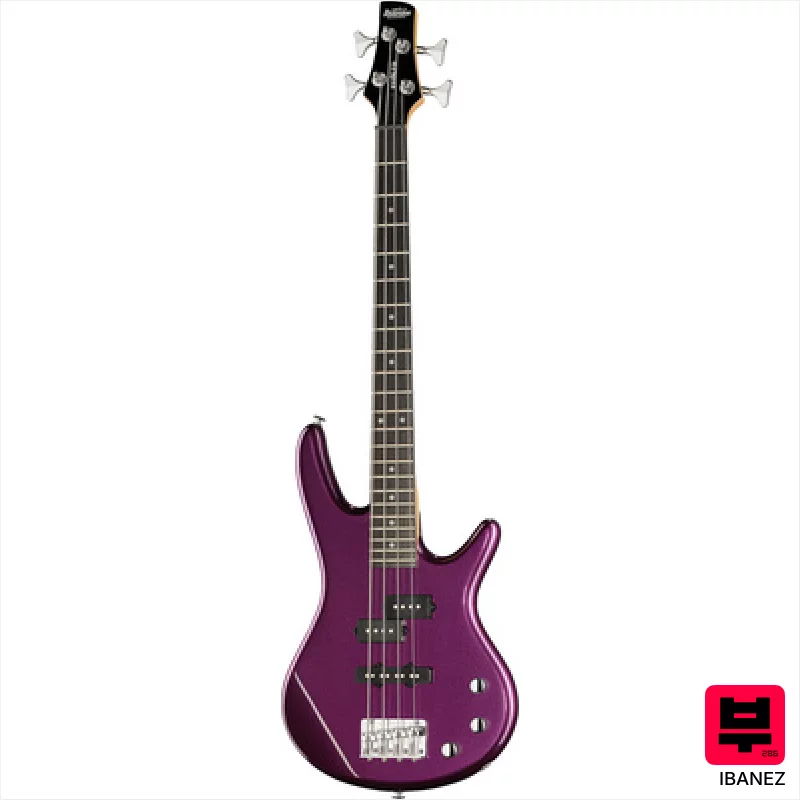
Ibanez GSRM20-MPL
- • Jatoba fingerboard offers a snappy, articulate feel.
- • Bolt-on maple neck provides a bright, responsive tone.
- • Standard J/P pickups deliver a versatile, classic bass sound.
- • Compact short scale ideal for smaller hands and travel.
- • Plastic nut can contribute to tuning instability; a worthwhile upgrade.
- • Poplar body lacks the resonance of more premium tonewoods.
- • Standard pickups, while versatile, lack the high-end clarity of boutique options.
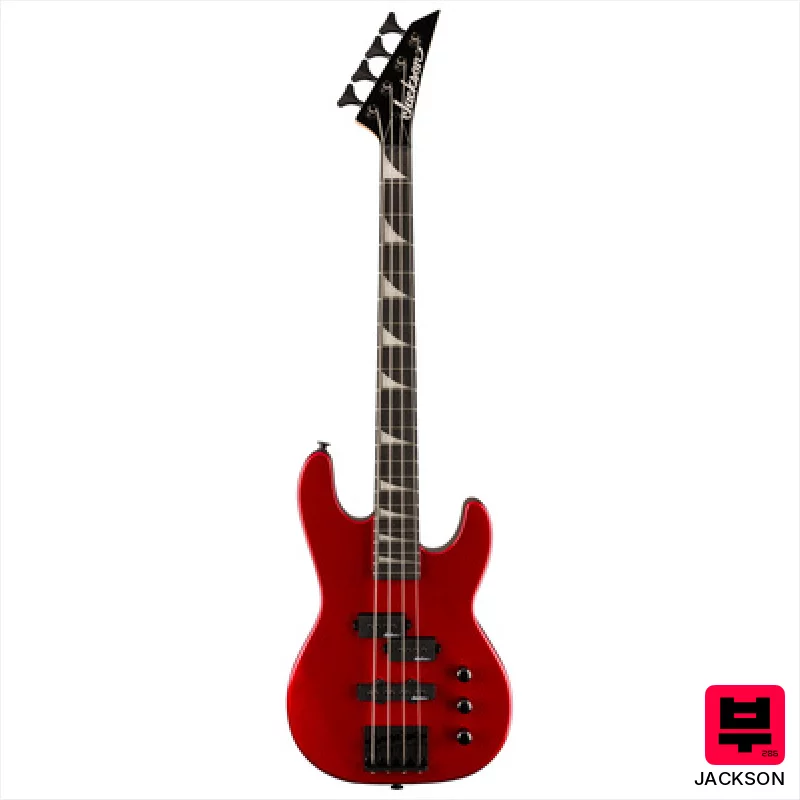
Jackson JS1X Concert Bass Minion RD
- • Poplar body provides a surprisingly resonant and warm tonal foundation.
- • 726mm scale offers a comfortable, slinky feel ideal for beginners and smaller hands.
- • J-style single coil/P-split combo delivers a versatile range of tones, from bright to growly.
- • Die-cast tuners provide stable tuning, a notable feature at this price point.
- • Amaranth fingerboard, while playable, lacks the premium feel of rosewood or ebony.
- • Plastic nut can contribute to tuning instability and may benefit from an upgrade later.
- • The single volume/tone control setup limits tonal shaping possibilities.
How to Choose the Best Short Scale Basses
Tonal Flexibility
Studio basses need to be chameleons. Can it nail a Motown groove? A chillwave bassline? A funk slap tone without sounding harsh? We're looking for a pickup voicing that's not overly scooped or overly bright - something with a bit of warmth and some punch.
Neck Profile & Feel
Comfort is king when you're tracking for hours. A neck that's too thick or too thin will kill your playing. We're prioritizing comfortable profiles, good action, and a feel that inspires creativity - a little bit of vintage vibe goes a long way.
Recording-Friendly Pickup Noise
A noisy bass is a frustrating bass. We're evaluating how much inherent hum and noise each bass produces, especially when using direct inputs. A little bit of noise can add character, but excessive noise is just a pain to clean up.
Dynamic Range & Articulation
Can the bass respond to your playing dynamics? Can you get a clean, defined note or a gritty, overdriven tone without fighting the instrument? Good articulation is key for locking in with drums and other instruments.
Build Quality & Reliability
Let's be real, studio gear needs to be dependable. We're looking for solid construction, decent hardware, and a bass that won't fall apart halfway through a tracking session. Those cheap plastic knobs? Red flag.
Buying Guide
Short scale basses often trade a little bit of low-end extension for that rounder tone and shorter scale length. Don't expect earth-shattering sub-bass - that's not their strength. The biggest corners cut are usually in the pickups and hardware; cheap pickups can sound muddy or brittle. It's worth spending a little extra for decent pickups and a comfortable neck profile - you'll be spending a lot of time with it.
Our Methodology
We're not looking at spec sheets here. We've spent countless hours tracking, layering, and A/B'ing these basses through various interfaces and amp sims, from bedroom recording to full-blown studio sessions. It's about how they feel in your hands, how they sound in the mix, and how much they can handle different recording scenarios - not just how many knobs they have.

