AudioFu Chart · November 2026
Best sE Electronics Ribbon Microphones 2026
The top pick is sE Electronics Voodoo VR1 Passive Ribbon Microphone ($624). sE Electronics RNR1 leads the high end. Ranked by the AudioFu Index from 3 models, prices checked every night.
Last updated: November 8, 2026
Top 3
Full detail for the 3 highest AudioFu Index scores. Every other model is listed below.
-
sE Electronics Voodoo VR1 Passive Ribbon Microphone
VR1 (2026) · sE Electronics
25 for sale on Reverb3 finishes at Thomann
- Weight0.23 kg
This is a passive ribbon mic with a figure-8 pattern, so it picks up sound from the front and back. The box includes a microphone clamp, shock mount and soft case, so you can set it up and carry it with ease. It suits you if you want to record vocals, drums, acoustic guitar, guitar amps, strings, wind instruments or piano.
Pros
- Hand-tensioned 2.5 µm aluminium ribbon element
- Figure-8 polar pattern picks up sound from the front and back
- Gold-plated 3-pin XLR connection
Cons
- Needs a preamp with enough gain to drive its 300 ohm, low-output design
76AudioFu
IndexStableno change since Sep 12Sep 12$624 now$624€559 at Thomann · in stockCheck price ↗ -
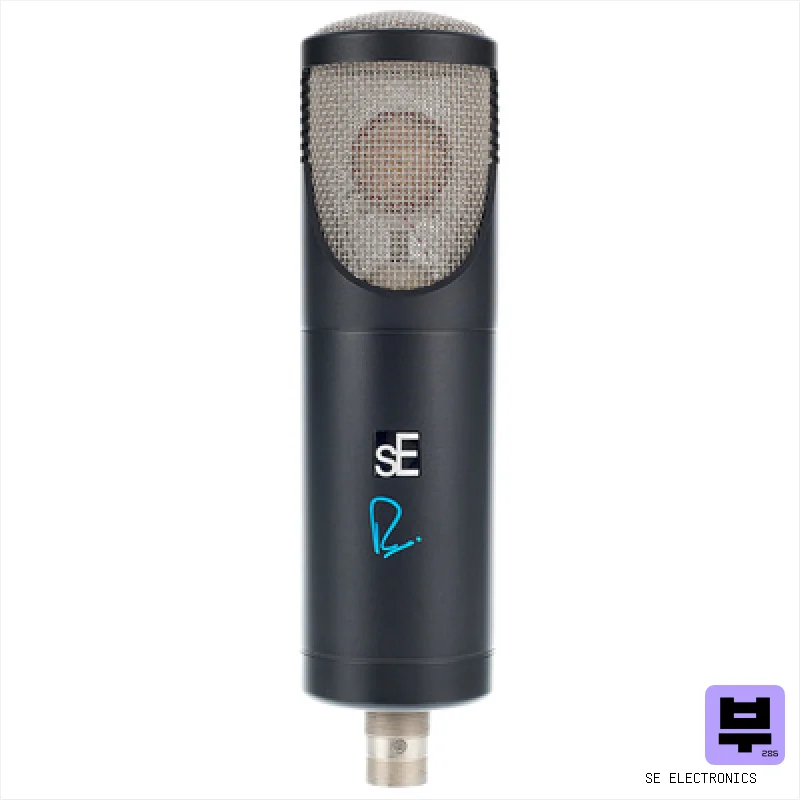
The RNR1 is a serious ribbon mic, bringing Rupert Neve's signature warmth and clarity to your recordings. It's a fantastic choice for vocals, electric guitars, and brass, especially in a studio setting where you can leverage its figure-8 pattern. This is a premium-priced mic that delivers professional results.
Pros
- Rupert Neve's design imparts a warm, musical character.
- 2.5 micron aluminum ribbon offers excellent transient response.
- Robust build quality with a premium flight case included.
Cons
- High SPL handling requires careful gain staging to avoid distortion.
- Figure-8 pattern limits versatility for some mono applications.
56AudioFu
IndexStableno change since Aug 17Aug 17$1,763 now$1,763€1,579 at Thomann · in stockCheck price ↗ -
- Weight0.32 kg
This ribbon mic is great for recording vocals, guitars, and pianos without sounding thin. The thin aluminum ribbon picks up a wide range of frequencies while staying quiet enough for studio work. It needs phantom power, but the included case and mount make it easy to transport and use.
Pros
- Active ribbon design with ultra-thin 2.5µm aluminum element
- Wide frequency response capturing 20Hz to 18kHz range
- High max SPL rating handles loud drums and amps well
Cons
- Requires 48V phantom power to operate correctly
- Lacks built-in equalizer or gain stage controls
42AudioFu
IndexStableno change since Sep 12Sep 12$736 now$736€659 at Thomann · in stockCheck price ↗
Ribbon Microphones by the numbers
Measured across all 61 models we track, not a sample.
median of 27 models · 0.3 kg–3.07 kg
How to choose the best ribbon microphones
Heritage & Design
SE's ribbons are rooted in classic designs, often incorporating modern manufacturing techniques to improve consistency and durability. They've clearly studied the legends, and the results are often surprisingly close-especially considering the price.
Tone Characteristics
SE ribbons generally deliver a warm, smooth tone with a pronounced low-midrange. It's not a super-detailed, hyper-accurate sound-it's got a character, a warmth that sits well on vocals, guitars, and even drums. Think creamy sustain, not ice-picky brightness.
Build Quality & Durability
While not as rugged as some of the more expensive options, SE mics are surprisingly robust for their price range. The housings are solid, and the ribbon element itself is generally well-protected-though you still need to be careful with phantom power (more on that later).
Sensitivity & SPL Handling
Most SE ribbons offer decent sensitivity, meaning they'll pick up quieter sources. Their SPL handling is typically good enough for most gigging situations, but pushing them too hard can introduce distortion, particularly on louder sources like guitar amps. Headroom isn't their strong suit.
Value Proposition
This is where SE really shines. They offer a significant performance-to-price ratio. You're getting a usable, characterful ribbon mic for a fraction of what you'd pay for a comparable vintage or boutique model.
Buying guide
Okay, so you're thinking about a ribbon mic? Smart move. SE Electronics has quietly become a go-to for a lot of players-from tracking vocals to miking cabs-because they've managed to bring genuinely usable ribbon mics to a price point that doesn't make you cringe. We're going to break down the SE ribbon lineup, what they do well, and where you might want to look elsewhere.
Don't expect boutique-level refinement. SE ribbons are built to a price, and you might notice some minor inconsistencies or a slightly less polished finish. However, the sonic character you get for the money is hard to beat.
Be very careful about phantom power-always use a dedicated battery-powered mic pre or a phantom power blocker, especially with older models. And remember, ribbon mics are about character, not clinical accuracy - embrace that.
How the AudioFu Index works
Five measured signals and nothing else — no stars from strangers, no “tested by experts” we didn’t do. The weights are fixed and public. We don’t play these instruments; we measure the market around them.
This chart covers 5 ribbon microphones from the Thomann catalogue (of 61 in the category). Before you buy, read hands-on reviews and, where you can, play it. Full methodology.
AudioFu earns a commission when you buy through our Thomann links. It never changes the order — the index does.
- Demand40%
How many of this exact model are for sale on Reverb right now — what musicians actually buy and resell.
- Lineup20%
How many finishes Thomann stocks — makers expand the models that sell.
- Price15%
Where the price has moved since we started tracking in August.
- Specs15%
How completely the maker documents it.
- Maker10%
How deep the brand’s range is in this category.
Questions
Are SE ribbons safe with phantom power?
Technically, yes, newer SE ribbons are designed to handle phantom power, but it's still risky. A phantom power blocker is cheap insurance, especially if you're not sure about your preamp.
What are these mics good for?
Vocals are a big one - especially for singers who need to fatten up their tone. They're also fantastic on guitar amps (both electric and acoustic), horns, and even drums, especially for capturing a warm, vintage vibe.
How do they compare to Royer mics?
Royers are generally more detailed and have a wider frequency response. SE ribbons are warmer, more forgiving, and often have a more pronounced midrange 'honk' that cuts through a mix better in certain scenarios.
Are they suitable for recording loud snare drums?
It's possible, but you'll need to watch the levels carefully. They're not designed for extreme SPLs, and you'll likely lose some dynamic range. A dynamic mic might be a better choice for that application.
What's the difference between the Voodoo VR1 and the Voodoo VR3?
The VR3 is a more refined version of the VR1, with a slightly smoother top end and improved off-axis response. Both are great mics, but the VR3 is a bit more versatile and polished.