
Best Reverb Pedals Under $100 2026
Alright, so you need reverb but your wallet's looking a little thin? Totally get it. Reverb is the glue that holds a lot of music together, but chasing boutique spring or plate algorithms can drain your bank account fast. We've rounded up the best reverb pedals you can snag for under $100 - because a dry guitar signal is just sad, no matter how good your amp is.
Last updated: September 29, 2026

tc electronic Skysurfer Reverb
- • Affordable entry into tc electronic's reverb quality.
- • Spring, Plate, and Hall modes offer distinct tonal character.
- • Compact size makes it pedalboard-friendly for most setups.
- • True bypass preserves your dry signal integrity when disengaged.
- • Limited reverb types compared to more expensive options.
- • No battery power, requiring a dedicated power supply.
- • Tone control’s impact is subtle, not a major tonal shaper.
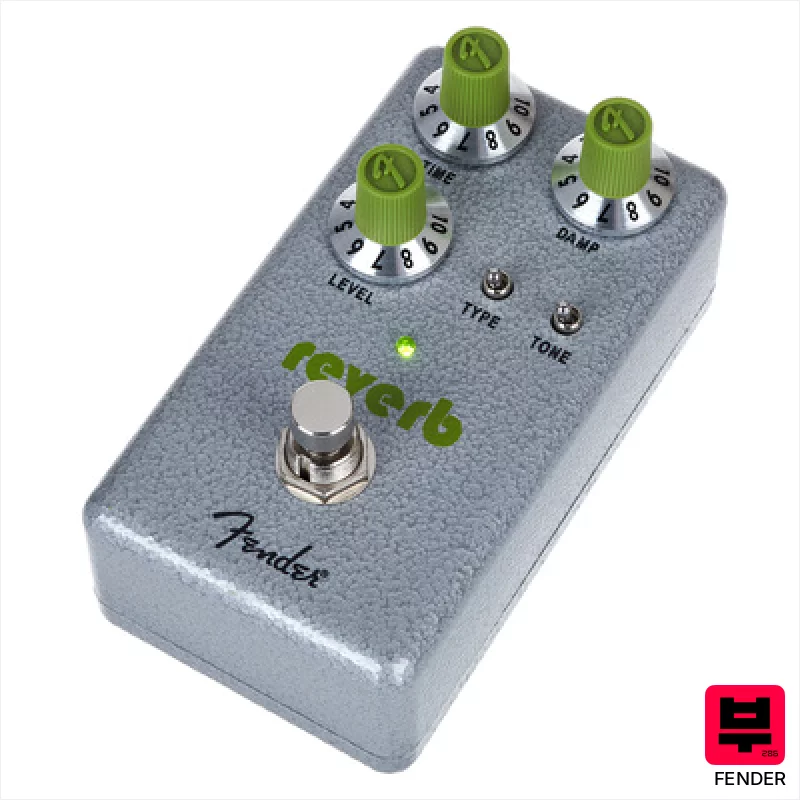
Fender Hammertone Reverb
- • Hammertone finish provides a unique vintage aesthetic and tactile feel.
- • Simple controls offer immediate, usable reverb tones without complexity.
- • True bypass preserves your signal integrity when the effect is disengaged.
- • Compact size makes it pedalboard-friendly for most setups.
- • Limited reverb types restrict versatility compared to more complex units.
- • Lack of MIDI control prevents deeper parameter adjustments and preset recall.
- • Power supply not included adds to the initial investment.
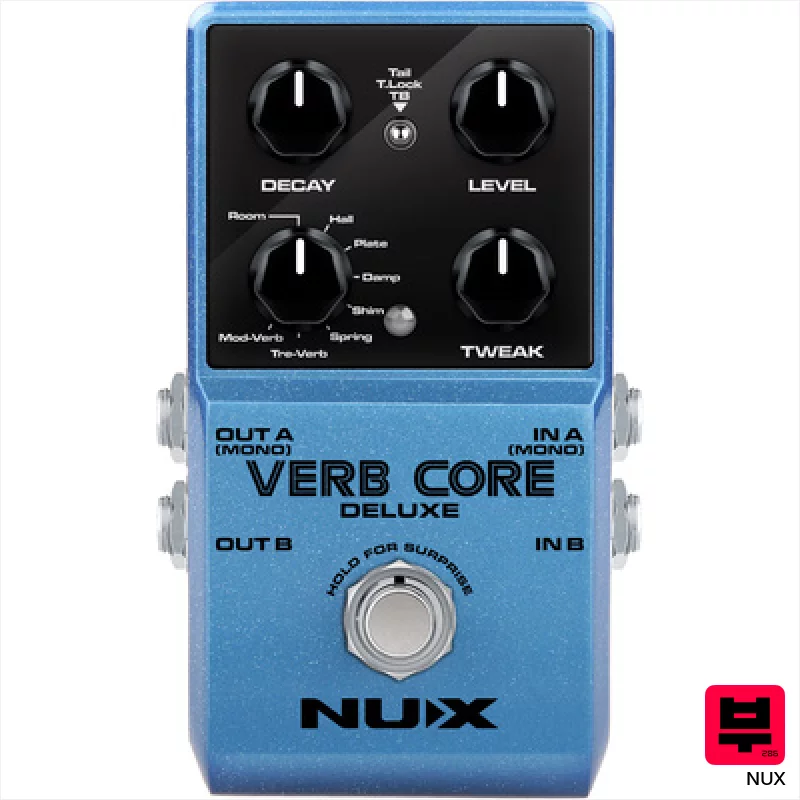
Nux Verb Core Deluxe
- • Eight diverse reverb algorithms offer surprising tonal flexibility.
- • Robust metal enclosure inspires confidence for gigging musicians.
- • The 'Freeze' function adds ambient textures and ethereal soundscapes.
- • Stereo outputs expand sonic possibilities for a wider stage presence.
- • The budget-friendly price necessitates compromises in component quality.
- • Control layout could feel cramped for players with larger hands.
- • DSP processing, while adequate, won’t rival high-end reverb units.

Mooer EchoVerb Bundle PS K1
- • Compact size makes it pedalboard-friendly, even with the cover
- • Rockboard cover offers surprisingly good protection from dust and impacts
- • Tap tempo is genuinely usable and responsive for rhythmic effects
- • The EchoVerb provides a decent range of reverb and delay tones for the price
- • Power supply not included; a common Mooer cost-cutting measure
- • Metal housing feels a bit thin and potentially prone to dents
- • Limited tonal shaping beyond the basic controls; not a deep dive
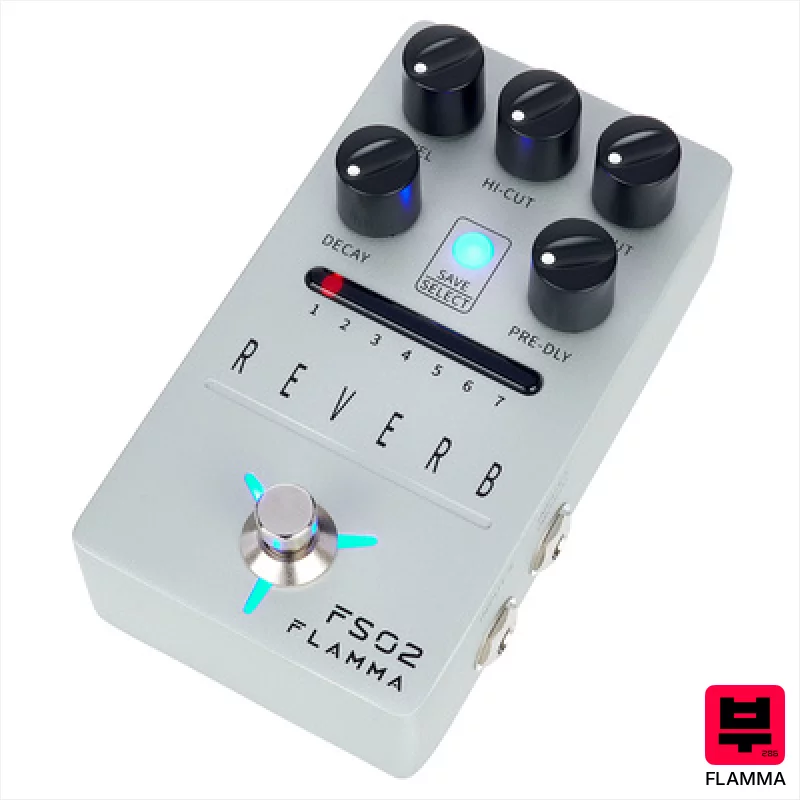
Flamma FS02 Reverb
- • Surprisingly lush reverb tones for the price point.
- • Trail-on function adds a nice, natural decay to ambient passages.
- • Compact footprint makes it pedalboard-friendly.
- • True bypass preserves your signal integrity when inactive.
- • Plastic enclosure feels somewhat cheap and less durable.
- • Limited control depth; adjustments are coarse and not nuanced.
- • Stereo imaging is decent, but lacks true spatial separation.
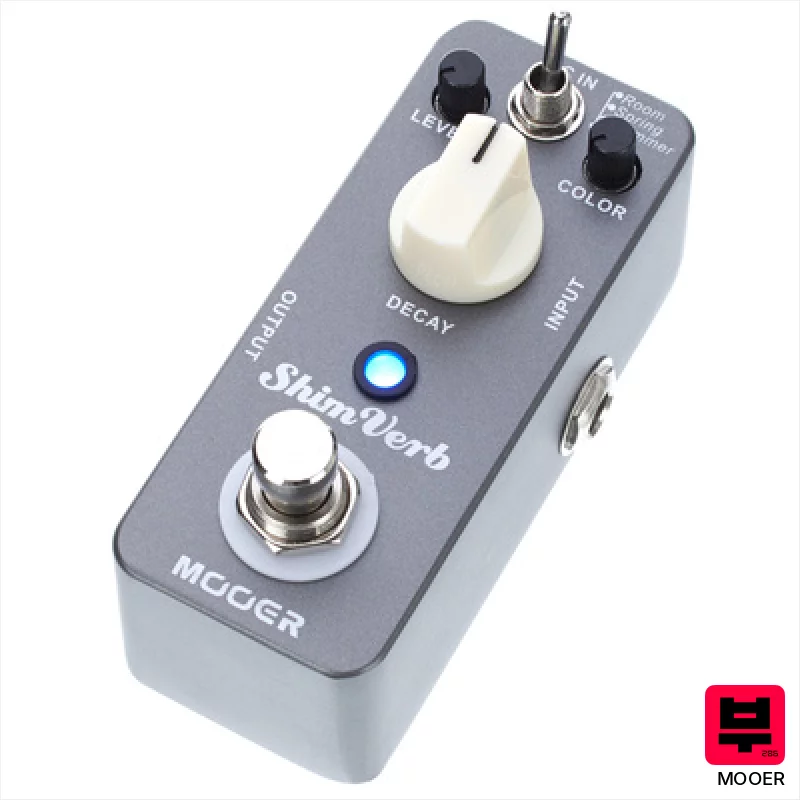
Mooer Shim Verb
- • Excellent shimmer reverb for adding ethereal textures
- • Compact size makes it pedalboard-friendly
- • Colour control provides surprisingly versatile tonal shaping
- • True bypass preserves your signal integrity
- • Plastic enclosure feels less robust than metal alternatives
- • Limited control set compared to higher-end reverb units
- • Spring reverb simulation lacks the nuanced character of dedicated units
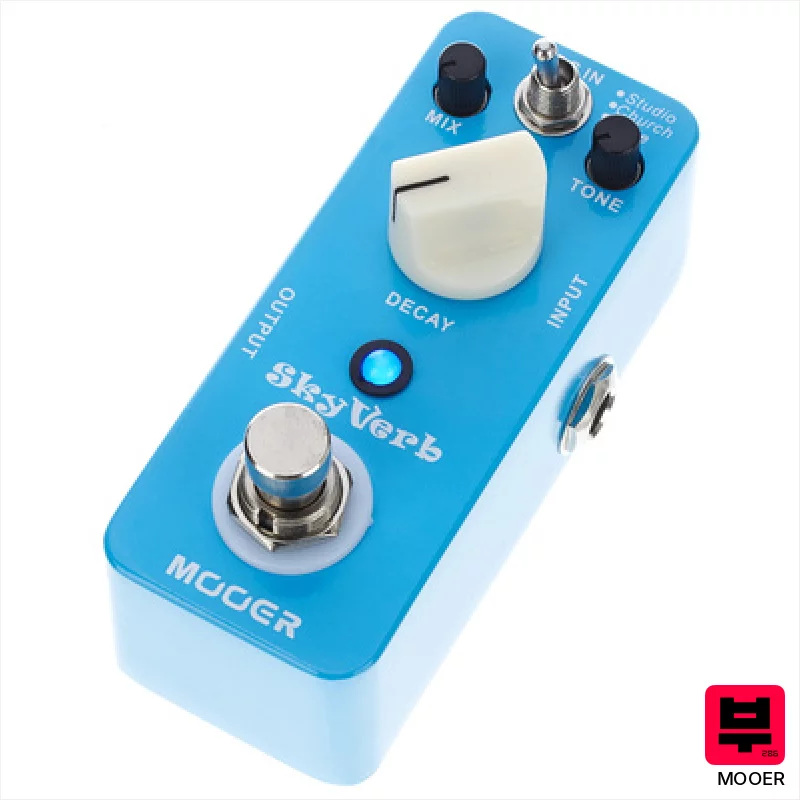
Mooer Sky Verb
- • Surprisingly lush and usable reverb sounds for the price point.
- • Metal enclosure feels sturdier than many pedals in this budget category.
- • Compact size makes it ideal for tight pedalboard setups.
- • Decay controls offer a decent range for tailoring reverb character.
- • Tone control is a bit broad and lacks fine-grained adjustment.
- • True bypass implementation isn't the absolute cleanest I've heard.
- • Limited reverb modes; lacks more specialized or creative options.
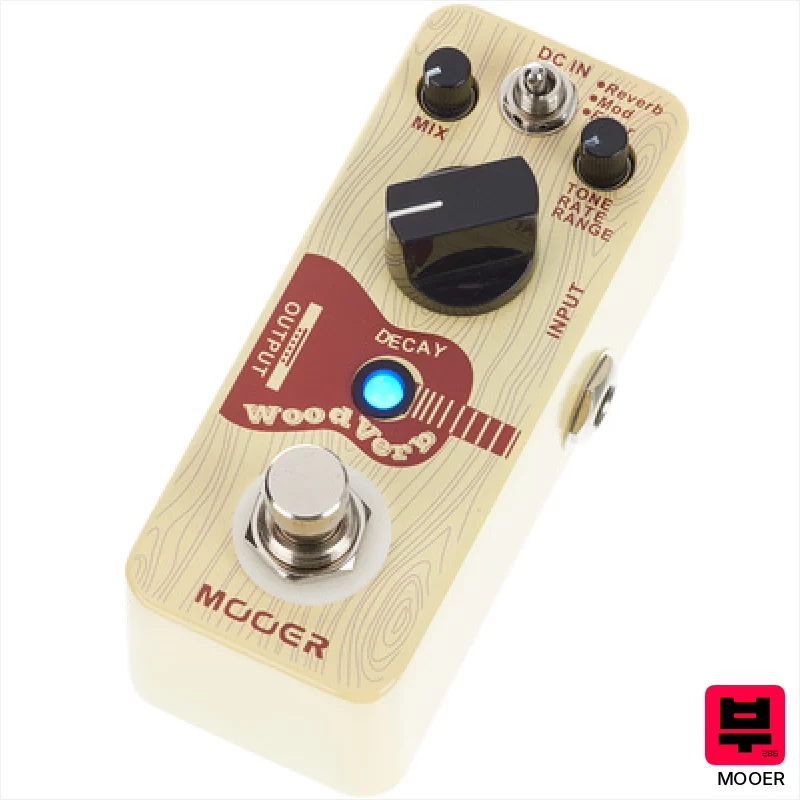
Mooer Woodverb Acoustic Reverb
- • Metal housing offers surprising durability for the price point
- • Mini-controller provides intuitive, real-time tweakability
- • Woodverb convincingly emulates classic acoustic reverb spaces
- • Compact size makes it incredibly pedalboard-friendly
- • Limited control depth compared to higher-end reverb units
- • No battery operation adds to setup complexity and cost
- • Tone shaping is basic; lacks advanced filtering options
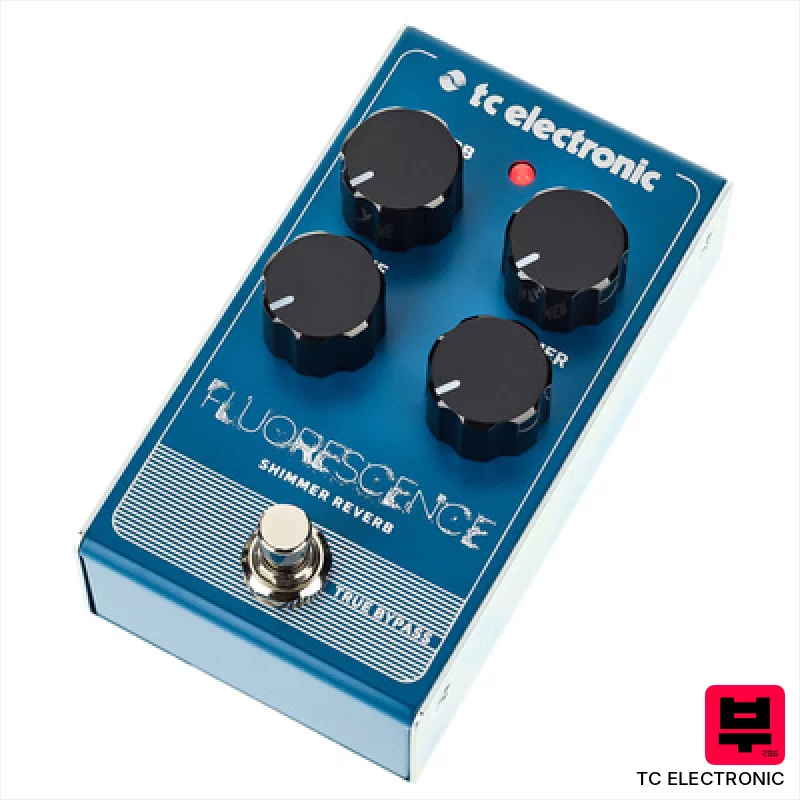
tc electronic Fluorescence Shimmer Reverb
- • Exceptional shimmer effect, truly unique and inspiring soundscapes
- • Compact size makes it pedalboard-friendly without sacrificing tone
- • Simple controls allow for quick tweaking and experimentation on the fly
- • Robust metal enclosure feels solid and built to withstand gigging
- • Limited overall reverb types beyond the shimmering effect
- • Tone control offers only subtle tonal adjustments, lacks broad spectrum shaping
- • Mix control can be a bit sensitive, requiring careful adjustment to avoid muddiness

Mooer ModVerb
- • Modulation adds unique character to reverb tones
- • Compact size makes it pedalboard-friendly
- • Tap Tempo and Freeze functions offer creative control
- • Metal housing provides surprising durability for the price
- • Digital reverb can sound sterile compared to analog alternatives
- • Limited control over modulation depth and rate
- • Lack of battery power makes it less convenient for gigging
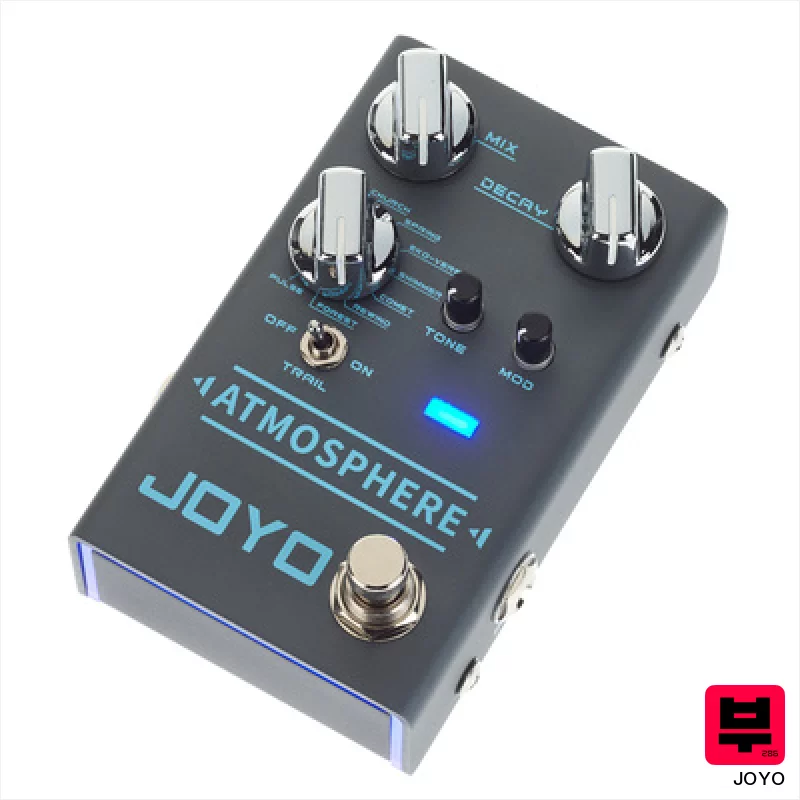
Joyo R-14 Atmosphere Reverb
- • Nine reverb types offer surprising versatility for the price.
- • Trail off feature adds natural ambience decay, a nice touch.
- • Compact size makes it pedalboard-friendly for smaller rigs.
- • Solid build quality for a budget-friendly reverb pedal.
- • The tone control is a bit broad, lacks precise shaping.
- • Modulation depth is limited, not a subtle shimmer effect.
- • Power adapter not included, a common but still frustrating omission.
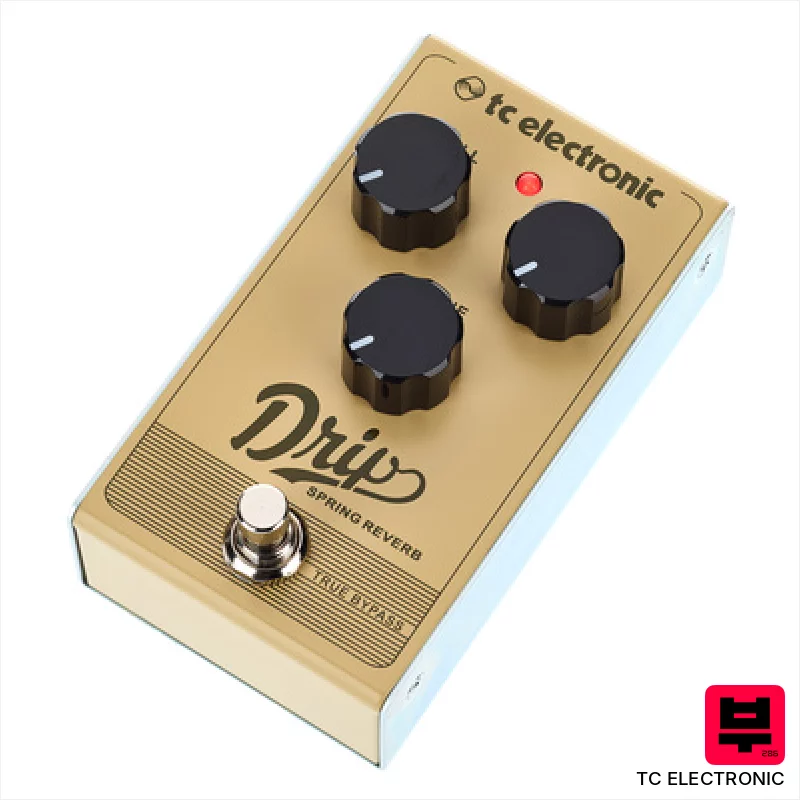
tc electronic Drip Spring Reverb
- • Authentic spring reverb shimmer, surprisingly detailed for the price
- • Adjustable 'hold' creates lush, evolving textures
- • Compact size makes it pedalboard-friendly and versatile
- • Simple controls offer immediate gratification and easy tweaking
- • Tone control is limited; lacks extensive tonal shaping
- • Plastic enclosure feels a bit budget-conscious, not super robust
- • Mono output only; no true stereo spring reverb experience
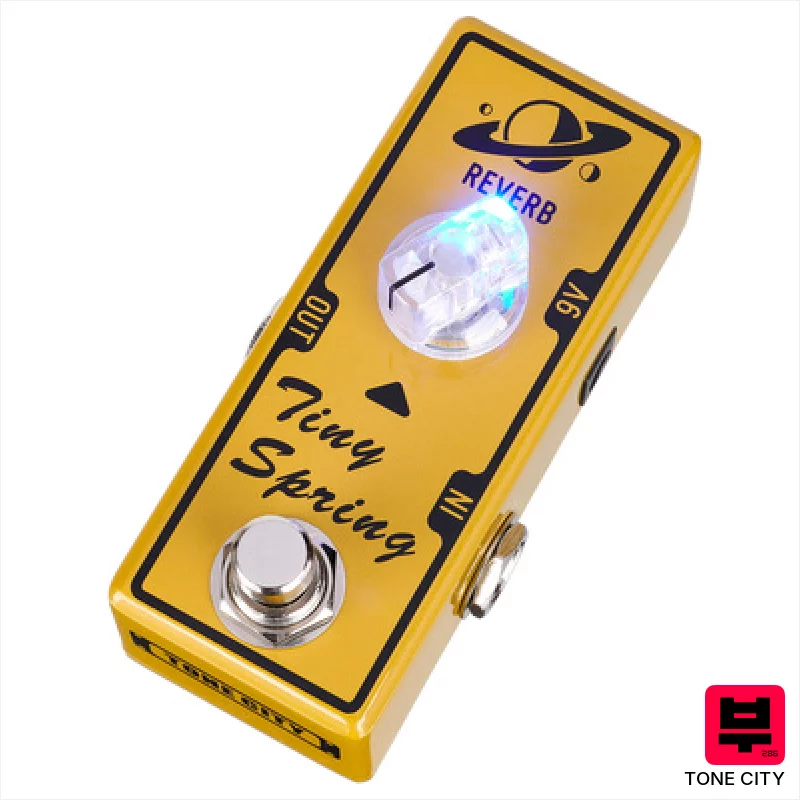
Tone City Tiny Spring Reverb V2
- • Authentic spring reverb simulation; captures the classic 'boing' without a tank.
- • Metal enclosure feels surprisingly robust for a budget-friendly pedal.
- • Transparent knob allows for subtle reverb blending without muddying the dry signal.
- • Compact size makes it ideal for pedalboards already nearing capacity.
- • Lacks battery operation; requires a 9V DC mains adapter, adding to the cost.
- • Limited control options; no decay or EQ shaping for reverb tone customization.
- • While decent, the reverb 'depth' can feel a little shallow at higher settings.

Joyo JF-317 Space Verb
- • Four distinct reverb types offer surprising versatility for the price.
- • Compact size makes it ideal for crowded pedalboards.
- • True bypass preserves your dry signal when the effect is off.
- • Decay and Tone controls allow for decent tonal shaping.
- • Plastic enclosure feels somewhat cheap and less durable than metal alternatives.
- • Lacks stereo output, limiting its spatial capabilities.
- • No battery operation restricts power source options.
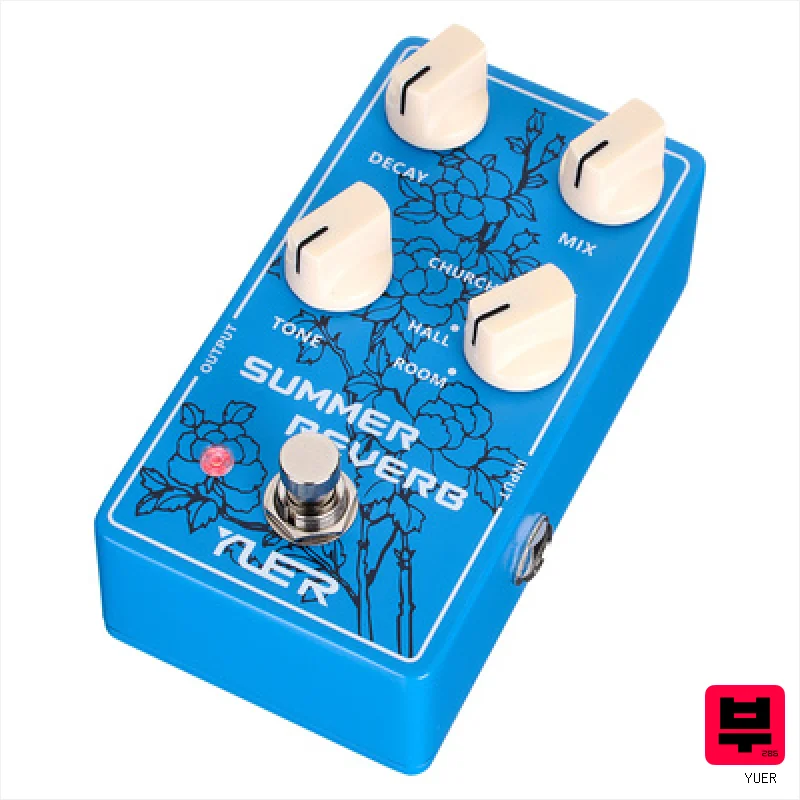
Yuer XS-05 Summer Reverb
- • Aluminium housing keeps pedals sturdy and cool
- • Four distinct reverb modes for different spaces
- • Simple controls for decay, mix, tone, and type
- • Compact size fits easily in any pedalboard
- • No built-in power source requires external supply
- • Wall wart not included in the box
- • No battery option for live performance portability
Every reverb pedals that matches
19 models match this page. The 15 above are covered in detail; the rest are listed here with their published specifications.
| # | Model | Specifications | Price |
|---|---|---|---|
| 16 | Harley Benton MiniStomp Deep Blue | not published | $44 |
| 17 | Soran Mini Digital Reverb | not published | $44 |
| 18 | Flamma FC02 Reverb | not published | $40 |
| 19 | Behringer DR600 Digital Reverb | not published | $33 |
Reverb Pedals by the numbers
Measured across all 19 models in this category, so «wide», «short» or «expensive» mean something you can check.
How to Choose the Best Reverb Pedals
Algorithm Quality
Let's be real, at this price point, you're not getting a convolution reverb that perfectly emulates a vintage plate. But good digital algorithms can still create lush, usable spaces - we're looking for something that sounds natural and doesn't get harsh or muddy.
Control Options
Basic reverb needs a Decay/Time knob. But extra controls like Tone, Mix, or even a simple EQ can make a huge difference in tailoring the reverb to your specific guitar and amp. More control = more versatility.
Noise Floor
Reverb inherently amplifies any noise in your signal chain. A pedal with a noisy circuit will just make your amp hiss, which is a deal-breaker. We're listening for unwanted hiss and hum, especially at higher decay times.
Build Quality
Cheap plastic enclosures and flimsy pots aren't going to survive a gigging lifestyle. We're looking for something that feels reasonably solid and can take a beating, even if it's not aircraft-grade aluminum.
Mix Control
A dedicated Mix knob is vital. It lets you blend the reverb with your dry signal, creating subtle ambience or washes of sound. Without it, you're stuck with a very wet, often unusable signal.
Buying Guide
At this price, expect compromises. You won't get a massive number of algorithms or incredibly nuanced controls. The biggest trade-off is usually in the fidelity of the reverb - it might not sound as 'authentic' as a pricier unit. Watch out for pedals with overly bright or ice-picky high-end reverb tails, and be prepared to tweak your amp EQ to compensate. A good Mix control is essential to avoid a completely drenched, unusable sound.
How This List Is Built
We don't play these instruments — we're a catalog, not a review desk, and we'd rather say so than pretend otherwise. This page covers 19 reverb pedals from the Thomann catalogue, which is the largest single source of specification data in this category: 15 in detail, the rest listed with their specifications.
Position is computed, not curated. We parse the manufacturer's own description into actual values — nut width, scale, fret count, fingerboard radius, size, alloy — and rank on them: how many specifications a model has published, how many of them are measurable numbers, and how precisely it meets this page's criterion. A product image adds a little. Price is not a ranking signal: it tells you nothing about whether a neck fits your hand. The same inputs always produce the same order, so nothing here is shuffled to look fresh.
What this list is good for: narrowing a category down to a shortlist by spec and budget. What it isn't: a substitute for hearing an instrument. Before you buy, read hands-on reviews and, where you can, play it. Full methodology.

