
Best Reverb Pedals for Blues 2026
Let's talk about reverb. It's not just an effect; it's the space your blues tone lives in. Too much, and you're drowning in a wash of digital goo. Too little, and your licks sound sterile and detached. Finding the right reverb pedal is critical for that authentic, soulful blues vibe - whether you're chasing a vintage spring shimmer or a cavernous room sound.
Last updated: September 29, 2026
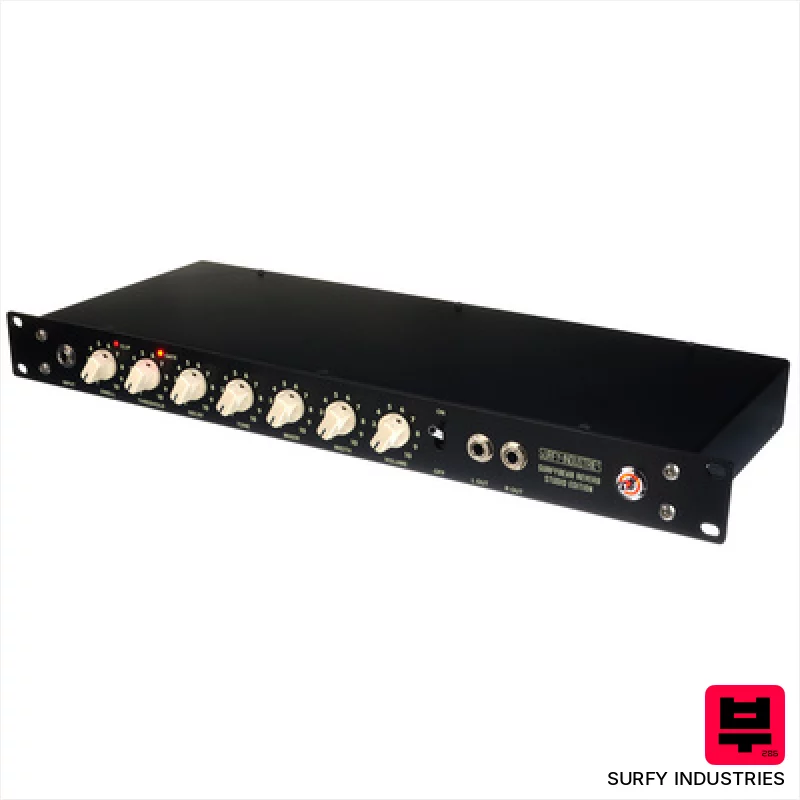
Surfy Industries Surfybear Studio Reverb
- • Original Accutronics 'Surfy Pan' delivers authentic vintage spring reverb tone.
- • Robust steel housing minimizes noise and interference for clean recordings.
- • Line-level outputs seamlessly integrate into professional recording setups.
- • Advanced decay/threshold control offers precise tonal shaping capabilities.
- • Premium-priced, putting it out of reach for casual or budget-conscious players.
- • Limited to spring reverb; lacks versatility for other reverb types.
- • Steel enclosure makes it noticeably heavier than many other reverb pedals.
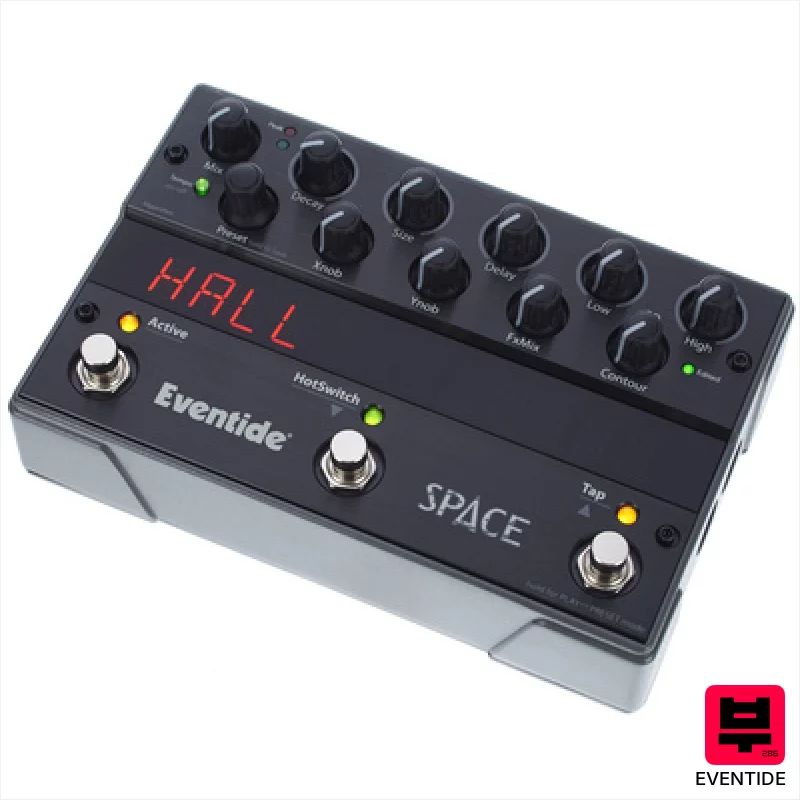
Eventide Space
- • Unmatched reverb algorithms offer incredible sonic depth and complexity.
- • The AUX send/return allows for external effects integration and creative routing.
- • MIDI implementation provides extensive control and parameter manipulation possibilities.
- • Robust metal enclosure and included power supply inspire confidence in long-term durability.
- • Steep learning curve due to the sheer depth of its features and menu navigation.
- • The size and weight (approx. 1 kg) can be cumbersome for pedalboard setups.
- • Premium-priced, making it a significant investment for many guitarists.
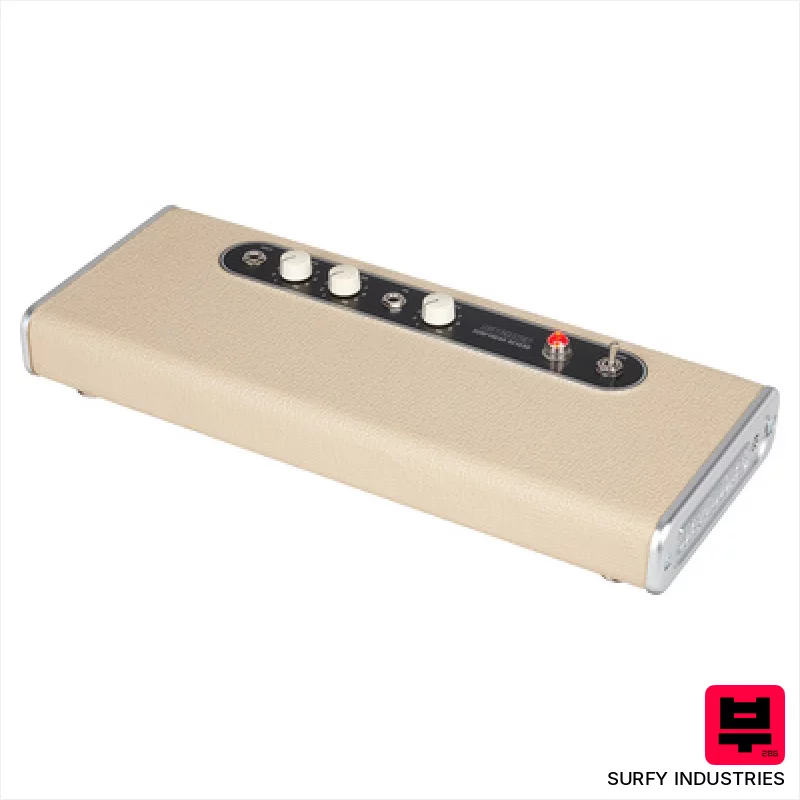
Surfy Industries Surfybear Classic V3 Reverb BL
- • Robust metal sides provide excellent durability for gigging.
- • The SurfyPan Extra reverb nails that vintage, short decay spring tone.
- • Sphinx feet allow for secure pedalboard mounting, no slipping.
- • Included power supply removes power polarity concerns immediately.
- • The large size (450mm wide) demands considerable pedalboard real estate.
- • Limited control over reverb character beyond the listed parameters.
- • The blonde finish, while attractive, might not suit all aesthetic preferences.

Surfy Industries Surfybear Compact Deluxe WH
- • Authentic Accutronics Type-8 reverb delivers classic spring shimmer.
- • Compact aluminum enclosure maximizes pedalboard real estate without compromise.
- • Integrated SurfyTrem offers versatile tremolo shaping with distinct tones.
- • Dual mixer controls provide instant access to two reverb/tremolo settings.
- • Premium-priced compared to basic digital reverb alternatives.
- • External reverb tank connection adds complexity for some users.
- • Limited tonal flexibility beyond surf and vintage-inspired sounds.

Surfy Industries Surfybear Classic V3 Reverb BK
- • Sphinx screws enhance pedal stability and ease of modification.
- • New SurfyPan Extra reverb nails that vintage, short decay vibe.
- • Sturdy metal sides offer excellent protection during gigging.
- • Included power supply eliminates polarity concerns, simplifying setup.
- • The large size (450mm wide) makes pedalboard space a significant constraint.
- • Limited control over reverb characteristics beyond the core parameters.
- • Relatively premium-priced for a reverb-only pedal.
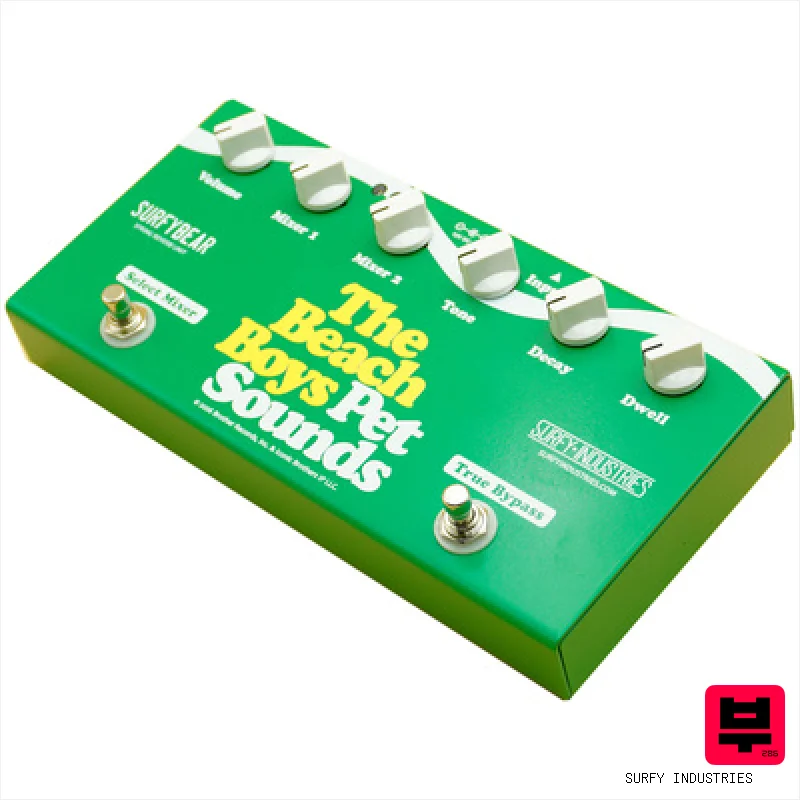
Surfy Industries Surfybear Compact Beach Boys
- • Uses original Accutronics Type-8 spring reverb circuit
- • Built in durable aluminium housing instead of plastic
- • Features true bypass for pristine signal path
- • Offers two distinct mixer settings for different sounds
- • Cannot run on batteries, requires external power only
- • Lacks preset saving or digital modulation features
- • Limited to single mono channel output
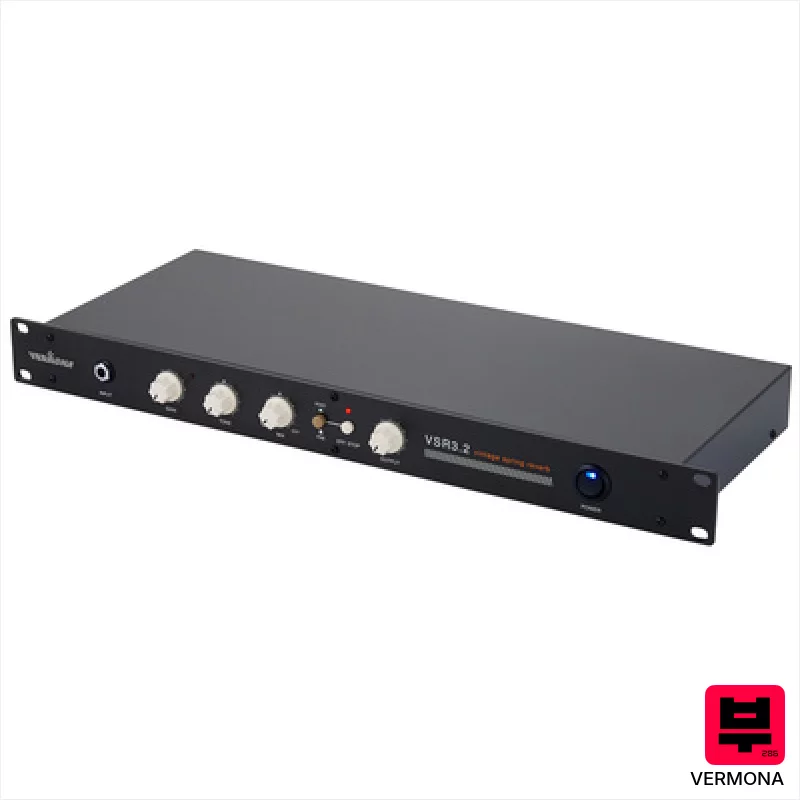
Vermona VSR 3.2
- • Classic Vermona spring reverb tone, undeniably lush and vintage
- • Unique 'Effect Stop' feature offers creative sound manipulation
- • Robust 19-inch rackmount design for studio or pedalboard integration
- • Well-built with solid components; feels durable and reliable
- • Limited control compared to more modern, digital reverb units
- • Relatively heavy for a single-effect pedal, at 2.6 kg
- • Output level is limited to -20 dBu or 0 dBu, potentially needing a boost
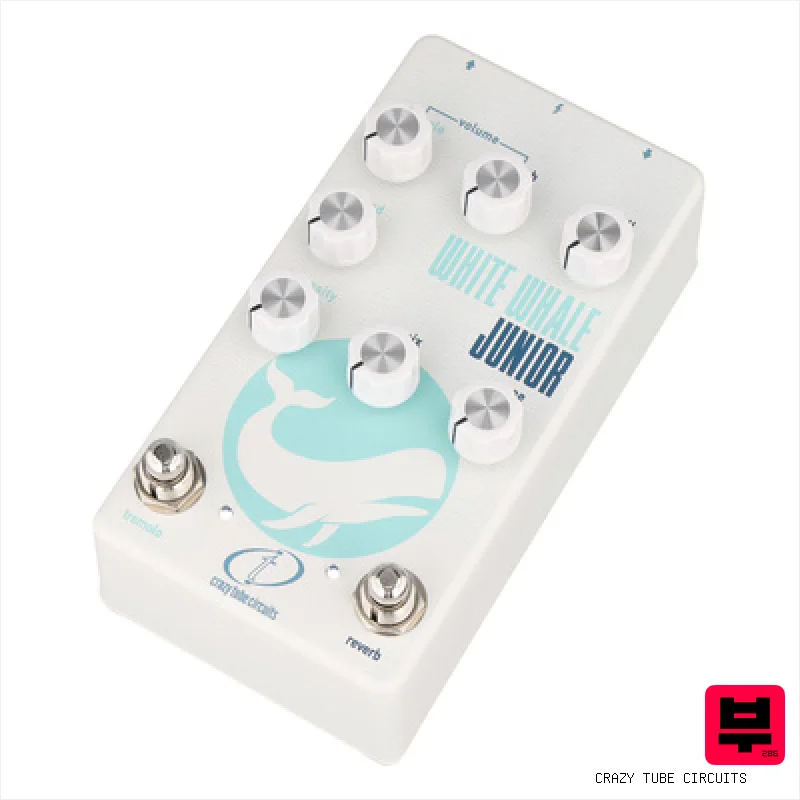
Crazy Tube Circuits White Whale JR
- • Purely analogue spring reverb with three coils
- • Special power amplifier drives the reverb coils
- • Analogue tube and saturation emulation included
- • Amp-style tremolo with independent controls
- • No stereo input option mentioned
- • Relies on external 9V power supply
- • Price point exceeds budget-friendly range

Crazy Tube Circuits Mirage
- • Dual reverb engines offer incredible tonal flexibility and layering possibilities.
- • The 'dry mix' circuit preserves natural instrument tone and avoids a washed-out feel.
- • Intuitive controls and routing options allow for quick tweaking and creative sound design.
- • The 'freeze' and shimmer algorithms are genuinely useful for ethereal soundscapes.
- • The size is substantial; it’s not a pedal you’ll want to cram into a small board.
- • The sheer number of options can be overwhelming for players seeking simplicity.
- • While high headroom, the analog signal path can introduce noise at higher gain settings.

Walrus Audio Slö Multi Texture Reverb
- • Dark mode’s octave effect adds surprising low-end depth.
- • Rise mode creates beautifully swelling, ethereal textures.
- • The Sustain switch is genuinely useful for dramatic transitions.
- • Walrus Audio’s signature robust enclosure feels built to last.
- • The modulation options, while creative, can feel a bit limited for complex sound design.
- • The 'X' control's functionality changes significantly between modes, requiring adjustment.
- • The Slö's footprint is larger than some competing reverb pedals.
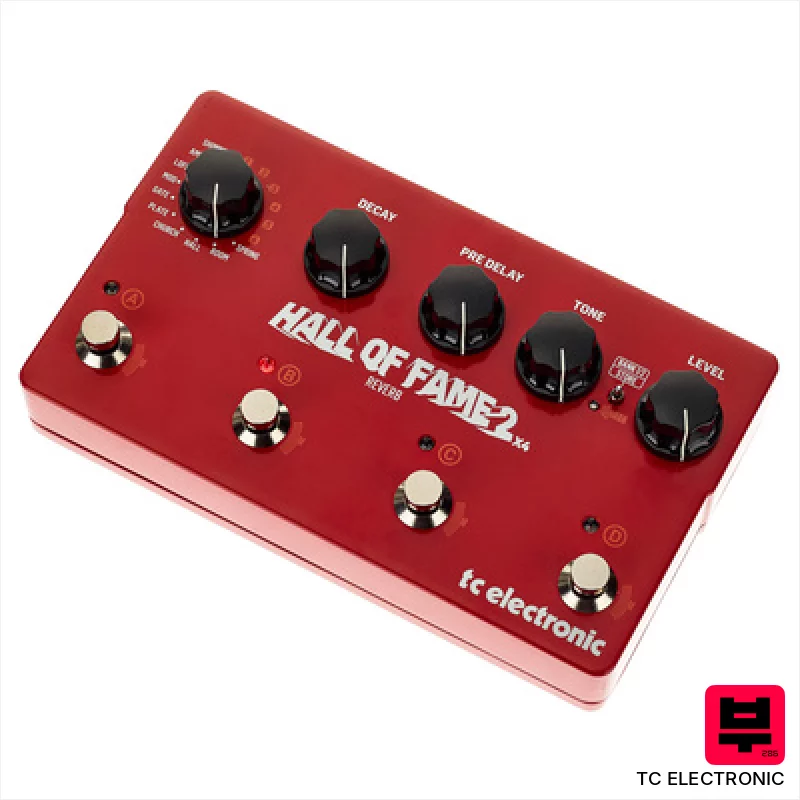
tc electronic Hall of Fame 2x4
- • Four footswitches offer immense flexibility for live performance
- • TonePrint technology allows for custom reverb sounds via app
- • Analog dry through preserves your guitar's natural signal integrity
- • Stereo inputs/outputs create expansive, immersive reverb spaces
- • The 4 push buttons feel a bit cheap compared to the rest of the build
- • The menu navigation can be slightly cumbersome for quick adjustments
- • Physical size might be restrictive for very small pedalboards

Behringer Spring Reverberation 646
- • Surprisingly convincing spring reverb emulation, captures the characteristic 'boing'.
- • Flexible input options (3.5mm & 6.3mm jacks) cater to diverse signal sources.
- • Eurorack module format offers integration for modular synth enthusiasts.
- • Aux and mic preamps add versatility beyond a standard reverb pedal.
- • Plastic enclosure feels a bit flimsy compared to higher-end spring units.
- • Limited control over decay time; rate is the primary shaping parameter.
- • Smaller jack sizes (3.5mm) might require adapters for some setups.
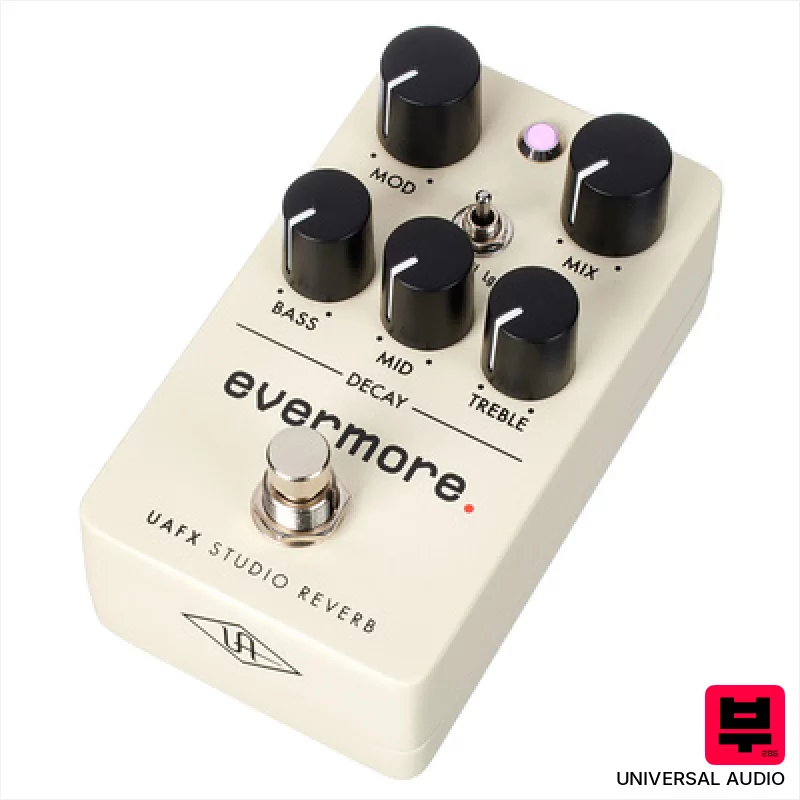
Universal Audio UAFX Evermore Studio Reverb
- • Excellent UA DSP delivers pristine, nuanced reverb emulations.
- • Mod control offers subtle to dramatic tonal shifts within each reverb type.
- • True bypass preserves your signal integrity when the effect is off.
- • Compact footprint saves pedalboard real estate without compromising sound.
- • Limited to three reverb algorithms; lacks broader sonic palette.
- • Requires a separate power supply, adding to overall cost.
- • Mod control's effect can be subtle, potentially underwhelming for some users.
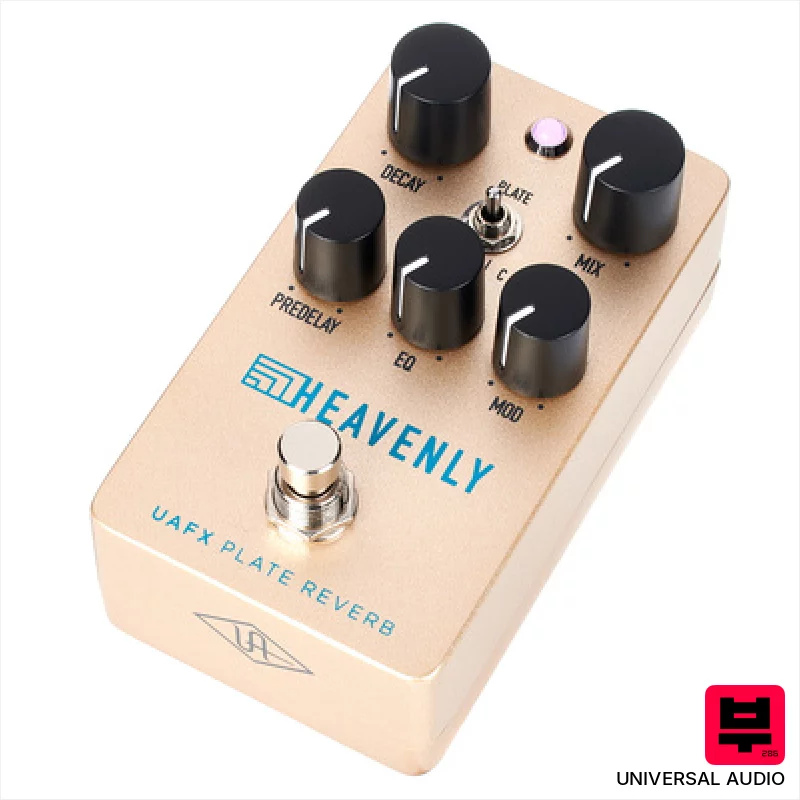
Universal Audio UAFX Heavenly Plate Reverb
- • Authentic plate reverb character, surprisingly deep and lush.
- • Three distinct plate voicings offer tonal flexibility.
- • Excellent EQ control allows shaping the reverb's frequency response.
- • Compact size makes it pedalboard-friendly without sacrificing sound.
- • Requires external power supply, adding to the overall cost.
- • Limited to plate reverb – lacks other reverb types.
- • Modern setting can be a bit sterile compared to vintage options.

tc electronic Skysurfer Reverb
- • Affordable entry into tc electronic's reverb quality.
- • Spring, Plate, and Hall modes offer distinct tonal character.
- • Compact size makes it pedalboard-friendly for most setups.
- • True bypass preserves your dry signal integrity when disengaged.
- • Limited reverb types compared to more expensive options.
- • No battery power, requiring a dedicated power supply.
- • Tone control’s impact is subtle, not a major tonal shaper.
Every reverb pedals that matches
127 models match this page. The 15 above are covered in detail; the rest are listed here with their published specifications.
Reverb Pedals by the numbers
Measured across all 127 models in this category, so «wide», «short» or «expensive» mean something you can check.
How to Choose the Best Reverb Pedals
Tonal Character
Blues isn't about pristine digital clarity. We're looking for warmth, character, and a sense of space that complements, not overwhelms, your tone. Spring reverbs are a classic for a reason, but even good plate or hall algorithms can nail the vibe.
Dynamics & Responsiveness
A great reverb pedal reacts to your playing. It should swell with sustained notes, subtly enhance your picking dynamics, and avoid sounding muddy or compressed when things get busy. You want that natural decay.
Control Options
Simple is often better, but a little tweakability goes a long way. Decay time is essential, but pre-delay can be a game-changer for creating a sense of depth. A mix knob is also crucial for blending the reverb with your dry signal.
Noise Floor
Blues often thrives on quiet moments. A noisy reverb pedal will ruin those subtle nuances. We're listening for hiss and hum, especially at longer decay times.
Versatility
Can it do more than just one type of reverb? Blues players often need to switch between a subtle spring for clean tones and a bigger, more atmospheric sound for solos. A pedal with multiple algorithm options is a huge asset.
Buying Guide
Don't get caught up in features you won't use. A lot of pedals try to be everything to everyone, and that often means compromising on the core reverb sounds. Entry-level digital reverbs can sound decent, but they often lack the warmth and character that makes a blues reverb truly special - that's where the noise floor and algorithm limitations become apparent. Paying a bit more for a pedal with quality algorithms and a responsive circuit is usually worth it. Think about your amp too - a bright amp needs a warmer reverb, a darker amp can handle something a little more sparkly.
How This List Is Built
We don't play these instruments — we're a catalog, not a review desk, and we'd rather say so than pretend otherwise. This page covers 127 reverb pedals from the Thomann catalogue, which is the largest single source of specification data in this category: 15 in detail, the rest listed with their specifications.
Position is computed, not curated. We parse the manufacturer's own description into actual values — nut width, scale, fret count, fingerboard radius, size, alloy — and rank on them: how many specifications a model has published, how many of them are measurable numbers, and how precisely it meets this page's criterion. A product image adds a little. Price is not a ranking signal: it tells you nothing about whether a neck fits your hand. The same inputs always produce the same order, so nothing here is shuffled to look fresh.
What this list is good for: narrowing a category down to a shortlist by spec and budget. What it isn't: a substitute for hearing an instrument. Before you buy, read hands-on reviews and, where you can, play it. Full methodology.

