
Best Portable Recorders Under $2,000 2026
So, you need a portable recorder, but your wallet's not exactly overflowing. Been there. Capturing gigs, band rehearsals, or even just nailing a killer riff in your bedroom - you need something reliable that doesn't require a second mortgage. We're focusing on recorders under $2000 - enough to get serious quality, but still realistic for working musicians.
Last updated: September 28, 2026
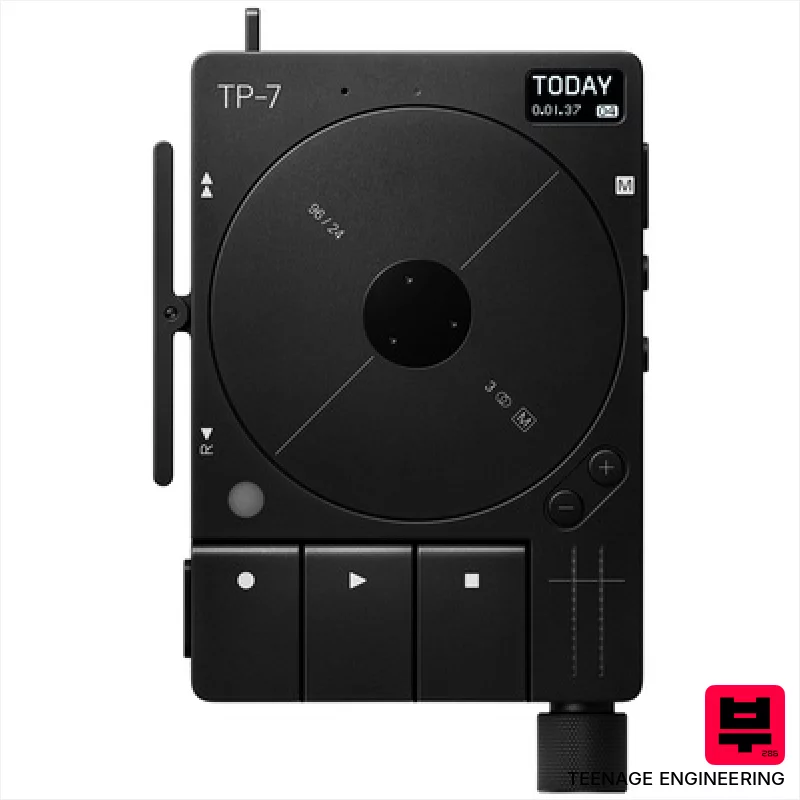
Teenage Engineering TP-7 Black
- • Compact form factor enables supremely portable field recording capabilities.
- • TRRS jacks offer exceptional routing flexibility for various input/output scenarios.
- • USB-C interface provides a robust and versatile connection for audio and MIDI.
- • Internal speakers offer surprisingly clear and present playback in a pinch.
- • Limited track count compared to more robust, dedicated multi-track recorders.
- • The internal microphones, while convenient, won’t replace professional-grade external options.
- • Price point positions it as a premium investment for serious field recordists.

Sound Devices MixPre-6 II
- • Kashmir preamps deliver exceptionally clean, low-noise amplification.
- • Robust aluminum chassis feels exceptionally durable and roadworthy.
- • Flexible 8-in/4-out USB interface simplifies studio integration.
- • Comprehensive feature set including timecode and limiter options.
- • AA battery power can be inconvenient for long, demanding shoots.
- • Limited number of inputs compared to larger, rack-mounted recorders.
- • Premium-priced, making it a significant investment for hobbyists.

Teenage Engineering TP-7
- • Compact size belies surprisingly robust feature set.
- • TRRS flexibility offers unparalleled field recording versatility.
- • USB-C interface provides high-quality audio and MIDI connectivity.
- • Transcription app is genuinely useful for quick notes and interviews.
- • Limited track count might frustrate more complex project workflows.
- • Build quality, while charming, feels a bit plasticky for the price.
- • Internal microphones are adequate, not professional-grade.
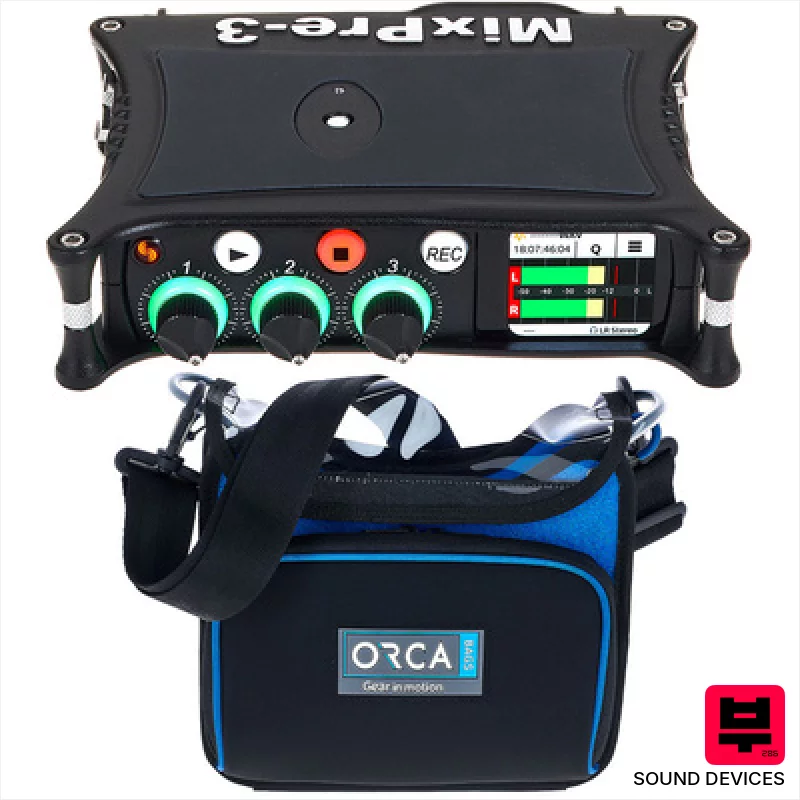
Sound Devices MixPre-3 II Orca Bag Bundle
- • Orca bag offers robust protection and organized storage.
- • Kashmir preamps deliver exceptionally clean, low-noise amplification.
- • 32-bit float recording provides incredible dynamic range headroom.
- • USB-C interface offers versatile connectivity for various workflows.
- • Battery life is adequate but not ideal for extended shoots.
- • The menu system can feel slightly complex initially.
- • Size and weight make it less convenient for truly ultra-portable applications.

Sound Devices MixPre-3 II
- • Kashmir preamps deliver exceptionally clean, low-noise amplification.
- • Robust aluminum chassis offers excellent durability for field work.
- • 32-bit float recording provides incredible dynamic range and headroom.
- • Wingman app offers intuitive remote control and workflow enhancements.
- • Limited track count (5) may restrict complex recording scenarios.
- • Battery life can be a concern during extended shoots.
- • Premium-priced, making it a significant investment for hobbyists.
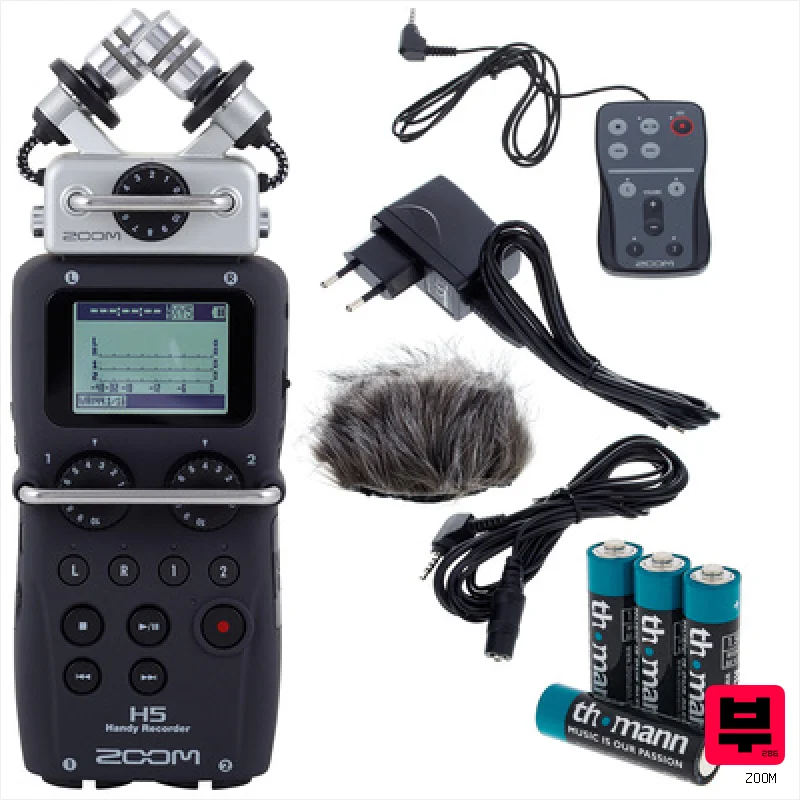
Zoom H5 APH-5 Bundle
- • Includes detachable XY capsule for flexible stereo setups
- • Records at ultra-high 24-bit/96 kHz resolution
- • Features four-track simultaneous recording capability
- • Large backlit LCD display for easy monitoring
- • Battery life duration is not stated in description
- • Maximum storage capacity beyond 32 GB cards is unclear
- • Device weight is not specified in provided text
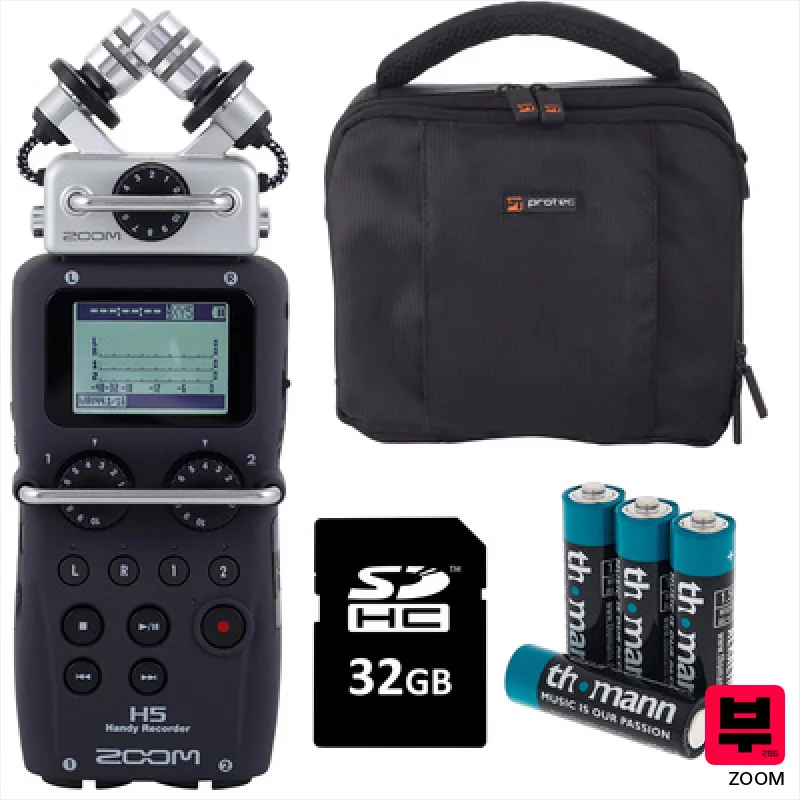
Zoom H5 Bag Bundle
- • Interchangeable capsules offer remarkable sonic flexibility for diverse recording needs
- • The roll-bar gain controls are a brilliant, practical design choice
- • 4-track simultaneous recording unlocks serious multi-mic possibilities
- • Included bag provides excellent protection and portability on location
- • The LCD screen, while backlit, can be a little dim in bright sunlight
- • The preamps, while usable, aren’t going to compete with high-end studio gear
- • Limited battery life requires carrying spares or external power for longer shoots
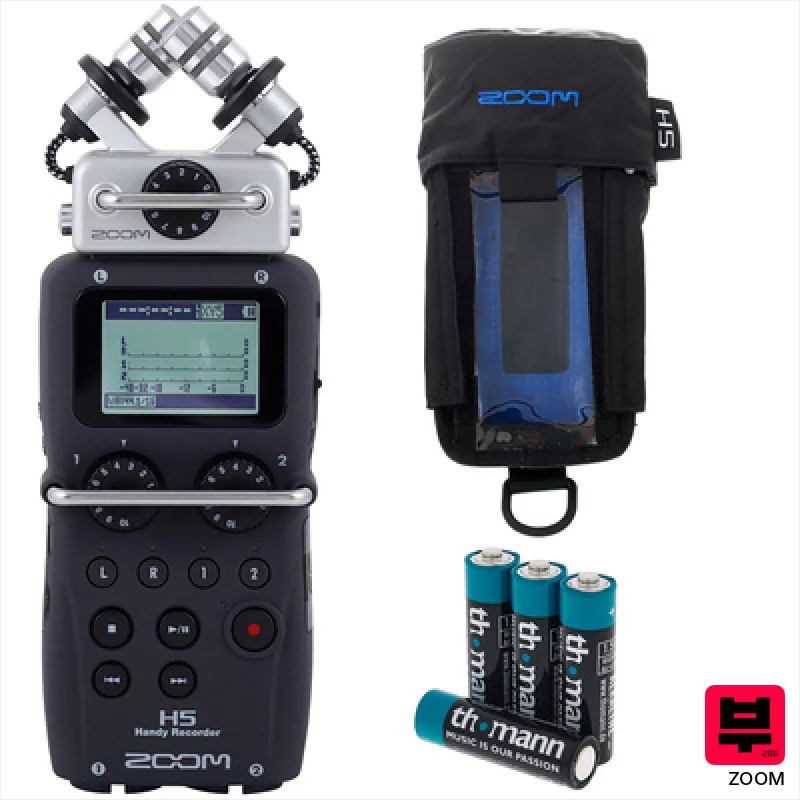
Zoom H5 Case Bundle
- • Durable case offers excellent protection during location recording.
- • Interchangeable capsules provide surprising flexibility for different scenarios.
- • X/Y capsule captures surprisingly natural stereo imaging for the price.
- • Intuitive controls and 'roll-bar' gain knobs are genuinely user-friendly.
- • Preamp noise floor can be noticeable with quieter sources at higher gain.
- • Limited track count compared to more expensive multi-track recorders.
- • Plastic build feels a little less premium than some competitors.
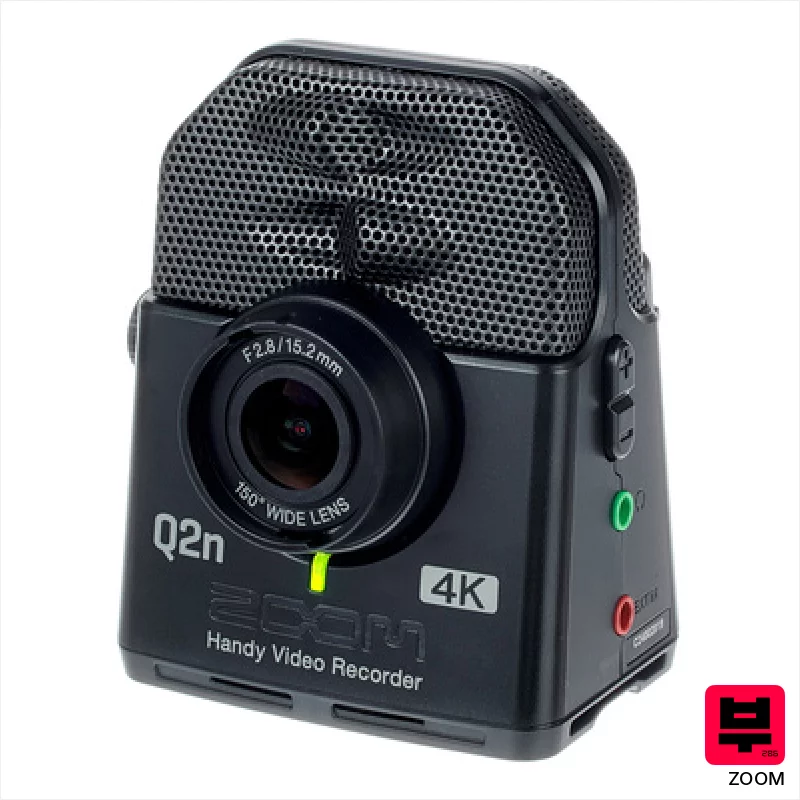
Zoom Q2n-4K
- • Excellent 150° wide-angle lens captures a surprisingly wide field of view
- • Built-in X/Y mics handle high SPLs cleanly, great for live gigs
- • 4K/30fps video offers crisp detail for music videos or documentation
- • Compact and durable build feels robust for on-the-go recording
- • LCD screen is small and can be difficult to view in bright sunlight
- • Limited manual controls compared to dedicated audio interfaces
- • Micro HDMI output can be finicky with some older devices
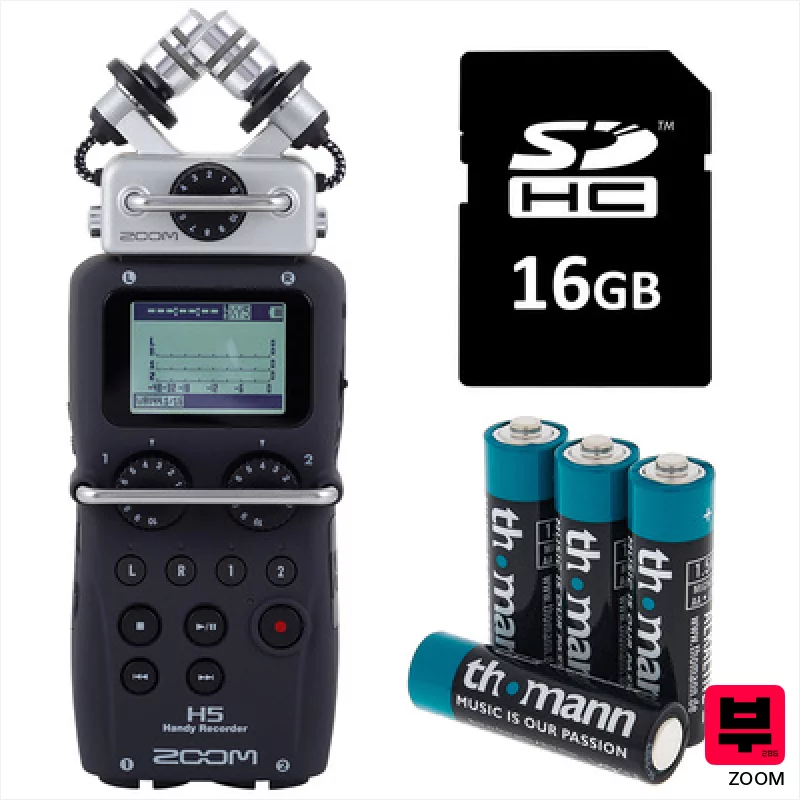
Zoom H5 SD Card 16 GB Bundle
- • Interchangeable capsules offer significant sonic flexibility for diverse applications
- • The 'roll-bar' gain controls are a genuinely useful and practical design touch
- • 4-track recording expands creative options for field recording and music creation
- • WAV recording at 24-bit/96kHz captures high-quality audio detail
- • The included XYH-5 capsule is decent, but a higher-end mic is a worthwhile upgrade
- • The LCD screen, while backlit, could be brighter for outdoor use in direct sunlight
- • Battery life is adequate, but carrying spares is recommended for longer shoots
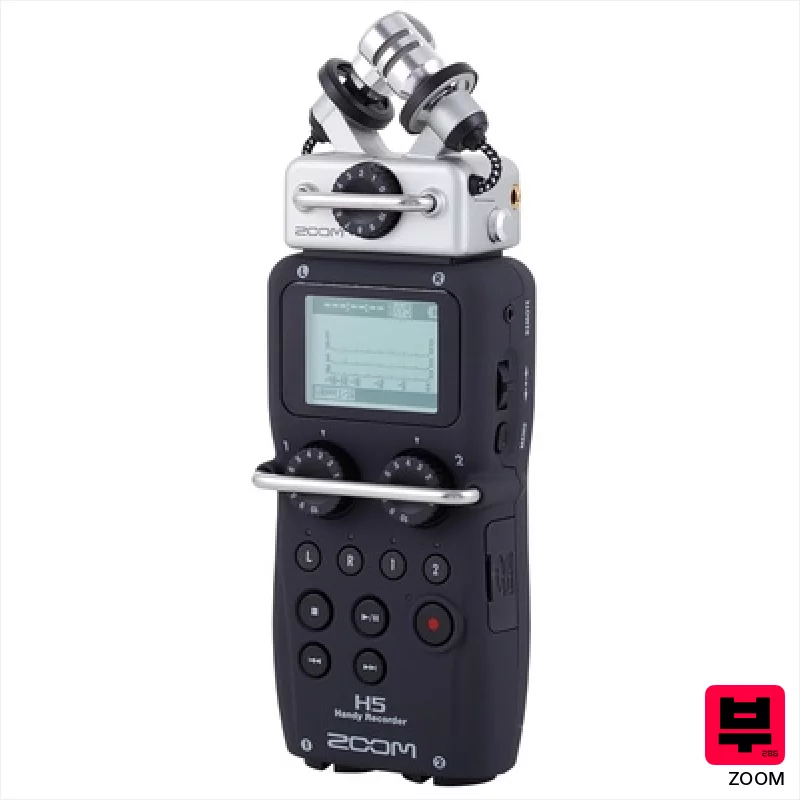
Zoom H5
- • Excellent capsule interchangeability expands recording possibilities.
- • Robust build quality feels durable for field use.
- • The roll-bar gain controls are a clever, practical design.
- • WAV recording at 24-bit/96kHz captures high-fidelity audio.
- • Limited internal storage necessitates frequent SD card changes.
- • The LCD screen can be a bit dim in bright sunlight.
- • Battery life, while decent, isn't stellar for extended shoots.

Zoom PodTrak P4 Podcast Mic Set
- • Four XLR inputs offer professional mic flexibility and quality
- • Individual headphone volume simplifies multi-host recording sessions
- • Assignable sound pads add creative flair and production shortcuts
- • Mix-minus functionality minimizes feedback during remote interviews
- • Limited sample rate restricts high-fidelity archival recordings
- • Lack of physical gain metering can make level setting tricky
- • Battery life, while decent, demands careful power management
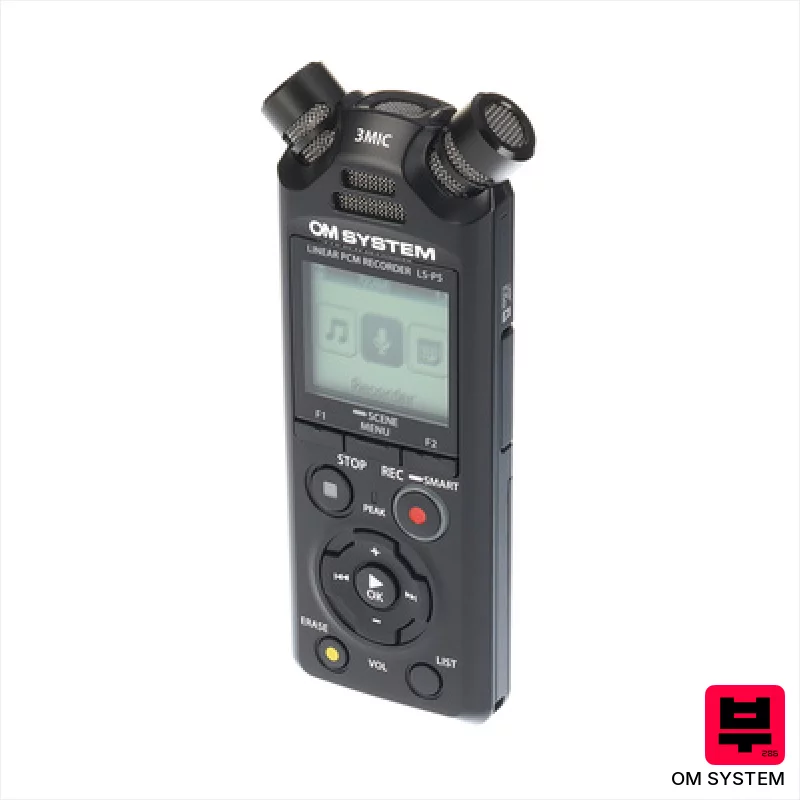
OM System LS-P5
- • Excellent directional mics capture clean audio with minimal room noise.
- • TRESMIC II control provides flexible mic pattern shaping for diverse scenarios.
- • Compact and lightweight design makes it supremely pocketable for field recording.
- • Long battery life ensures extended recording sessions without interruption.
- • Microphone input is limited to a 3.5mm jack, lacking XLR connectivity.
- • Built-in storage is relatively small, microSD card is essential.
- • The USB Micro B connector feels dated compared to USB-C standards.

Zoom H1 XLR
- • Excellent 32-bit float recording eliminates clipping, preserving dynamics.
- • XLR inputs unlock professional-grade microphone connections and phantom power.
- • Compact size and robust build make it ideal for field recording scenarios.
- • USB-C interface provides modern connectivity and easy computer integration.
- • Plastic construction feels somewhat budget-oriented compared to higher-end recorders.
- • Limited mono recording options restrict certain field recording workflows.
- • Internal mics, while decent, won't replace dedicated studio-quality microphones.
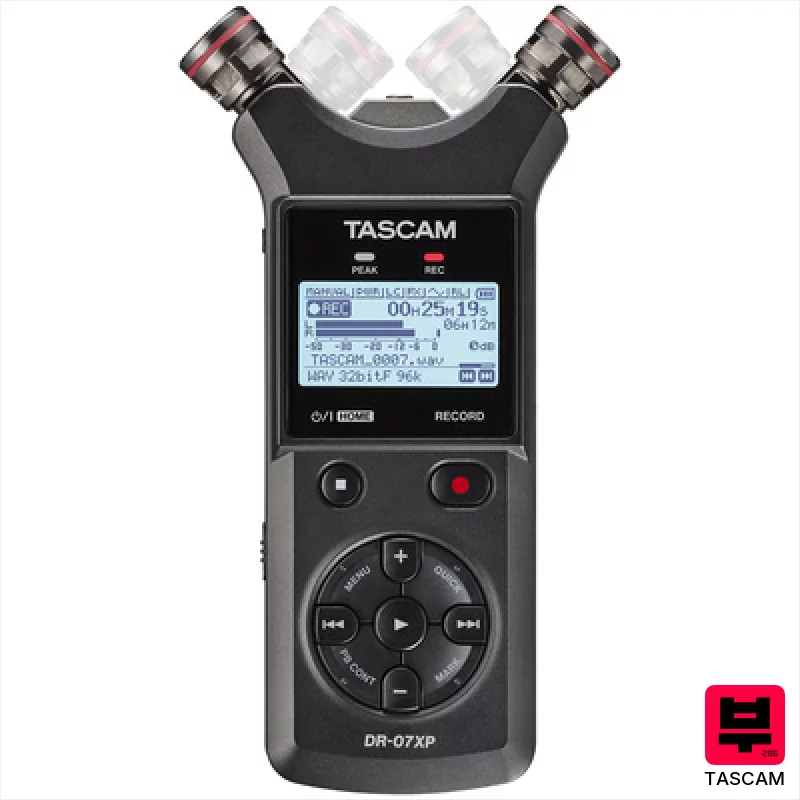
Tascam DR-07XP
- • 32-bit float recording offers exceptional dynamic range and headroom.
- • USB-C interface provides convenient, high-quality audio input/output.
- • XY and AB mic configurations offer versatile stereo imaging options.
- • Compact size and robust build make it ideal for field recording.
- • Internal microphones, while decent, won't replace dedicated studio mics.
- • Plastic construction feels less premium than higher-end recorders.
- • Limited physical controls can make adjustments trickier on the fly.
Every portable recorders that matches
57 models match this page. The 15 above are covered in detail; the rest are listed here with their published specifications.
| # | Model | Specifications | Price |
|---|---|---|---|
| 16 | Tascam DR-05XP | Size 4" | $122 |
| 17 | Tascam FR-AV4 | not published | $933 |
| 18 | Yellowtec iXm Podcaster | not published | $838 |
| 19 | Zoom F6 Orca Bag Bundle | not published | $820 |
| 20 | Zoom F6 Case Set | not published | $656 |
| 21 | Zoom F6 | not published | $637 |
| 22 | Tascam Portacapture X8 Mobile Bundle | not published | $569 |
| 23 | Zoom F3 Bundle | not published | $478 |
| 24 | Tascam Portacapture X8 Card Bundle | not published | $466 |
| 25 | Tascam Portacapture X8 | not published | $455 |
| 26 | Tascam FR-AV2 | not published | $432 |
| 27 | Tentacle Sync Track E | not published | $432 |
| 28 | Zoom H6studio | not published | $425 |
| 29 | Zoom Q8n-4K | not published | $409 |
| 30 | Zoom H5studio | not published | $399 |
| 31 | Zoom H6essential APH-6e Bundle | not published | $392 |
| 32 | Zoom F3 | not published | $375 |
| 33 | Tascam Portacapture X6 | not published | $336 |
| 34 | Tentacle Sync Track E - Basic Box | not published | $336 |
| 35 | Zoom H6essential | not published | $332 |
| 36 | Roland R-07 black Bag Bundle | not published | $318 |
| 37 | Behringer Flow 4V | not published | $307 |
| 38 | Tascam DR-40XP | not published | $291 |
| 39 | Zoom H4essential APH-4e Bundle | not published | $285 |
| 40 | Roland R-07 black | not published | $284 |
| 41 | Zoom H4essential Bundle | not published | $271 |
| 42 | Instamic Pro Plus C Stereo | not published | $242 |
| 43 | Zoom H4essential | not published | $224 |
| 44 | Zoom H2essential | not published | $204 |
| 45 | Instamic Pro Plus C Mono | not published | $195 |
| 46 | Zoom PodTrak P4next | not published | $193 |
| 47 | Zoom PodTrak P4 BTA-2 Bundle | not published | $189 |
| 48 | Tascam DR-10 L Pro | not published | $187 |
| 49 | Zoom F2-BT | not published | $159 |
| 50 | Tascam DR-10 X | not published | $152 |
| 51 | Zoom F1-SP | not published | $136 |
| 52 | Zoom PodTrak P4 | not published | $130 |
| 53 | Zoom M2 MicTrak | not published | $113 |
| 54 | Zoom H1essential | not published | $113 |
| 55 | Zoom F2 | not published | $111 |
| 56 | Zoom PodTrak P2 | not published | $108 |
| 57 | XVive XV1-R Portable Stereo Recorder | not published | $79 |
Portable Recorders by the numbers
Measured across all 57 models in this category, so «wide», «short» or «expensive» mean something you can check.
How to Choose the Best Portable Recorders
Preamp Quality
This is everything. A great preamp can make a decent microphone sound amazing; a bad one will make even a Neumann sound muddy. Listen for noise floor, headroom, and that overall 'musicality' - does it add warmth or just color the sound artificially?
Dynamic Range
You need to capture both the quietest whispers and the loudest peaks without clipping or introducing unwanted noise. A wider dynamic range gives you more flexibility in post-production and helps preserve the natural dynamics of the performance.
Microphone Options/Inputs
Are you relying on the built-in mics, or do you need XLR inputs for external mics? The built-ins are convenient, but dedicated mics offer a significant sonic upgrade - especially for critical tracking.
File Formats & Bit Depth/Sample Rate
WAV files are a must. 24-bit/48kHz is the sweet spot for most recording applications - offering excellent quality without eating up massive amounts of storage space. Higher rates are overkill for most portable use cases.
Build Quality & Portability
Let's be honest, these things are getting tossed in gig bags and backpacks. Ruggedness and a comfortable form factor are crucial for portability and longevity - you don't want it falling apart mid-set.
Buying Guide
At this budget, you're finding a good balance. You'll likely see trade-offs - maybe slightly less dynamic range than the top-tier models, or a build that feels a little plasticky. Don't get hung up on features you won't use; focus on preamp quality and microphone options. Spending a bit more on a decent external mic is almost always a better investment than chasing extra bells and whistles.
How This List Is Built
We don't play these instruments — we're a catalog, not a review desk, and we'd rather say so than pretend otherwise. This page covers 57 portable recorders from the Thomann catalogue, which is the largest single source of specification data in this category: 15 in detail, the rest listed with their specifications.
Position is computed, not curated. We parse the manufacturer's own description into actual values — nut width, scale, fret count, fingerboard radius, size, alloy — and rank on them: how many specifications a model has published, how many of them are measurable numbers, and how precisely it meets this page's criterion. A product image adds a little. Price is not a ranking signal: it tells you nothing about whether a neck fits your hand. The same inputs always produce the same order, so nothing here is shuffled to look fresh.
What this list is good for: narrowing a category down to a shortlist by spec and budget. What it isn't: a substitute for hearing an instrument. Before you buy, read hands-on reviews and, where you can, play it. Full methodology.

