
Best Portable Recorders for Sound Design 2026
Alright, so you're deep in the sound design rabbit hole - that's awesome. You're not just grabbing samples; you're crafting them. A good portable recorder isn't just about capturing sound; it's about capturing the right sound, with the right character. Forget the consumer-grade stuff your uncle uses for birdwatching; we're talking about tools that'll give you the raw material for truly unique textures and ambiences.
Last updated: July 22, 2026 • Next update: July 29, 2026
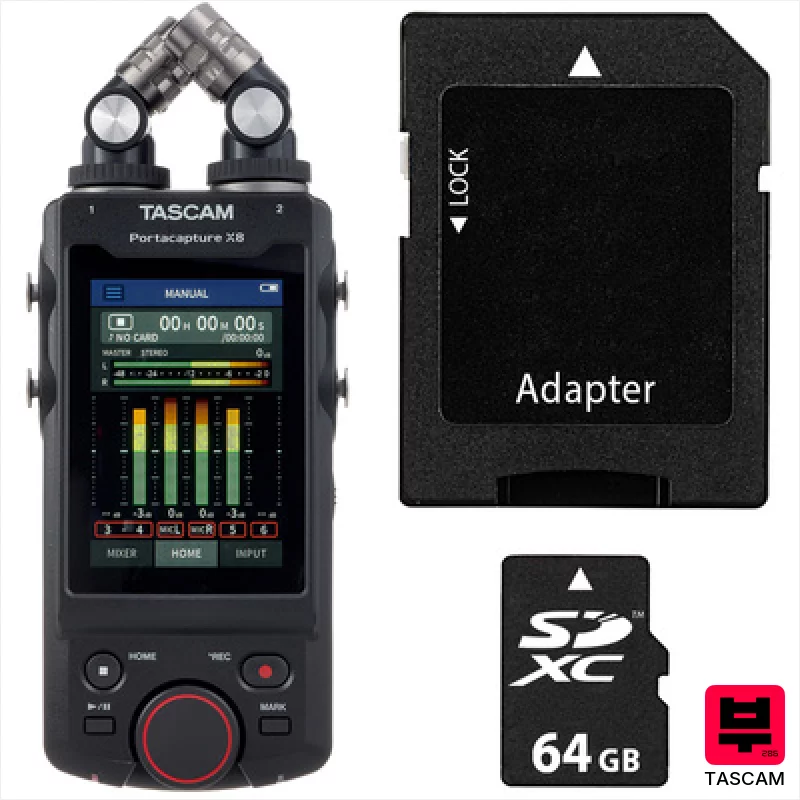
Tascam Portacapture X8 Card Bundle
- • Excellent preamps deliver surprisingly clean, low-noise recordings.
- • The touchscreen interface is intuitive and genuinely speeds up workflow.
- • Detachable mics offer flexibility for stereo and mono setups.
- • USB-C audio interface simplifies integration with DAWs and external gear.
- • The LCD screen’s brightness can be challenging in direct sunlight.
- • Phantom power limitations restrict compatibility with some professional microphones.
- • The bundled SD card might be limiting for extensive multi-track projects.
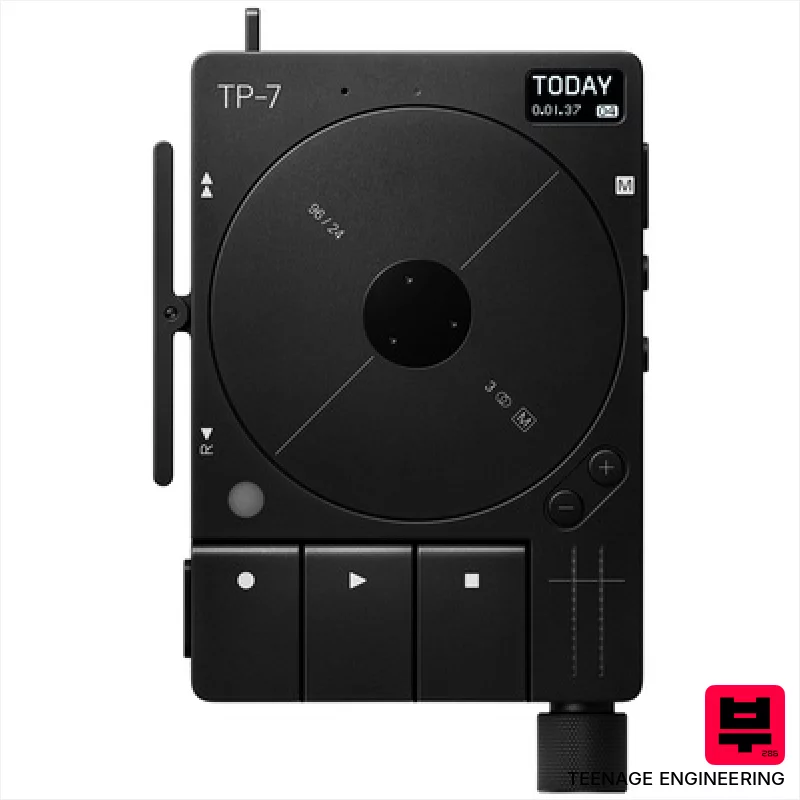
Teenage Engineering TP-7 Black
- • Compact form factor enables supremely portable field recording capabilities.
- • TRRS jacks offer exceptional routing flexibility for various input/output scenarios.
- • USB-C interface provides a robust and versatile connection for audio and MIDI.
- • Internal speakers offer surprisingly clear and present playback in a pinch.
- • Limited track count compared to more robust, dedicated multi-track recorders.
- • The internal microphones, while convenient, won’t replace professional-grade external options.
- • Price point positions it as a premium investment for serious field recordists.
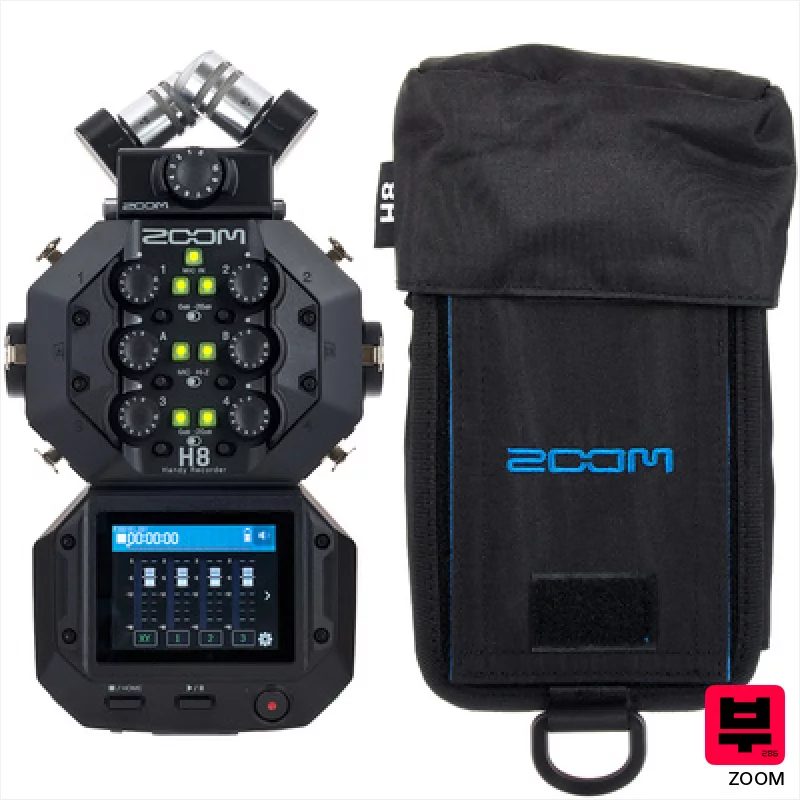
Zoom H8 PCH-8 Bundle
- • Excellent preamps deliver clean, low-noise recordings across the spectrum.
- • The XYH-6 capsule provides surprisingly accurate and pleasing stereo imaging.
- • Modular design expands capabilities; future-proofs the investment significantly.
- • Intuitive touchscreen interface simplifies complex routing and gain staging.
- • Build quality feels a little plasticky for the price point; not as robust as some competitors.
- • Battery life can be limiting during extended field recording sessions.
- • The included capsule, while good, isn’t a substitute for dedicated studio mics.
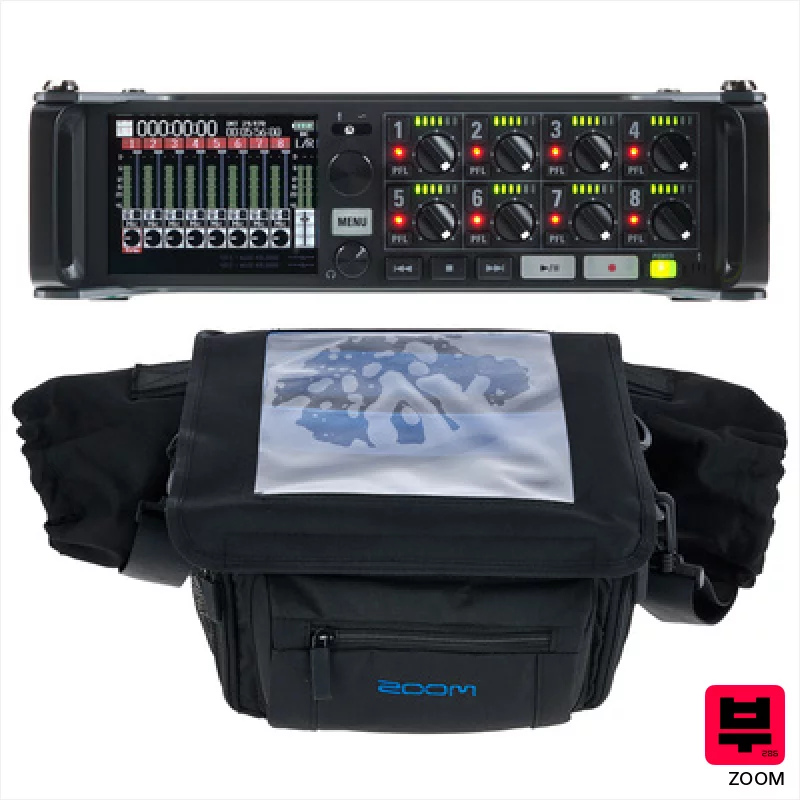
Zoom F8n Pro - Bag Bundle
- • Exceptional 32-bit float recording avoids clipping, crucial for dynamic sources.
- • Low noise floor (-127 dBu EIN) captures subtle details beautifully.
- • Redundant SD card recording provides crucial safety against data loss.
- • Versatile USB interface expands workflow possibilities, ideal for tracking.
- • Power consumption can be a limiting factor during extended field recording.
- • Menu navigation can feel a bit clunky compared to dedicated software.
- • While capable, the preamps aren't top-tier studio grade for critical mic'd vocals.

Tascam Portacapture X6
- • Excellent preamps deliver surprisingly clean, low-noise recordings.
- • Flexible mic configurations (AB/XY) suit diverse stereo imaging needs.
- • Comprehensive onboard effects and processing reduce post-production workload.
- • Robust build quality feels reassuringly solid for field use.
- • Limited physical controls can become cumbersome in fast-paced recording situations.
- • Battery life is adequate, but external power is preferable for long sessions.
- • While versatile, lacks the deep routing capabilities of a dedicated interface.
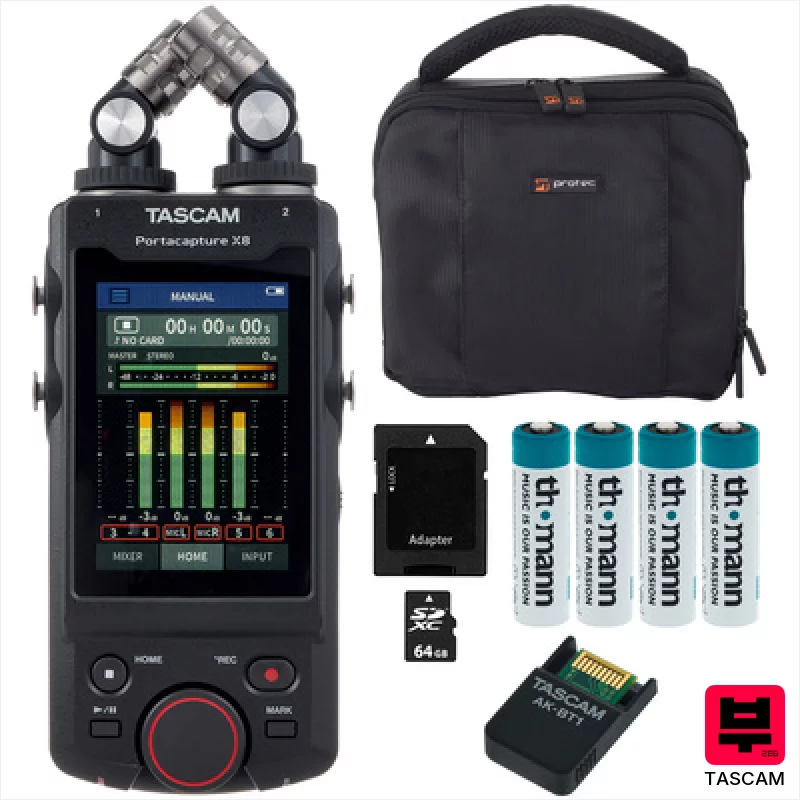
Tascam Portacapture X8 Mobile Bundle
- • Excellent preamps deliver clean, low-noise recordings.
- • Intuitive touchscreen simplifies complex multitrack workflows.
- • Detachable mics offer flexible positioning and versatility.
- • Integrated USB interface streamlines recording to DAW software.
- • Build quality feels somewhat plasticky for the price point.
- • Battery life is adequate but requires careful management.
- • Limited dynamic range compared to dedicated studio setups.
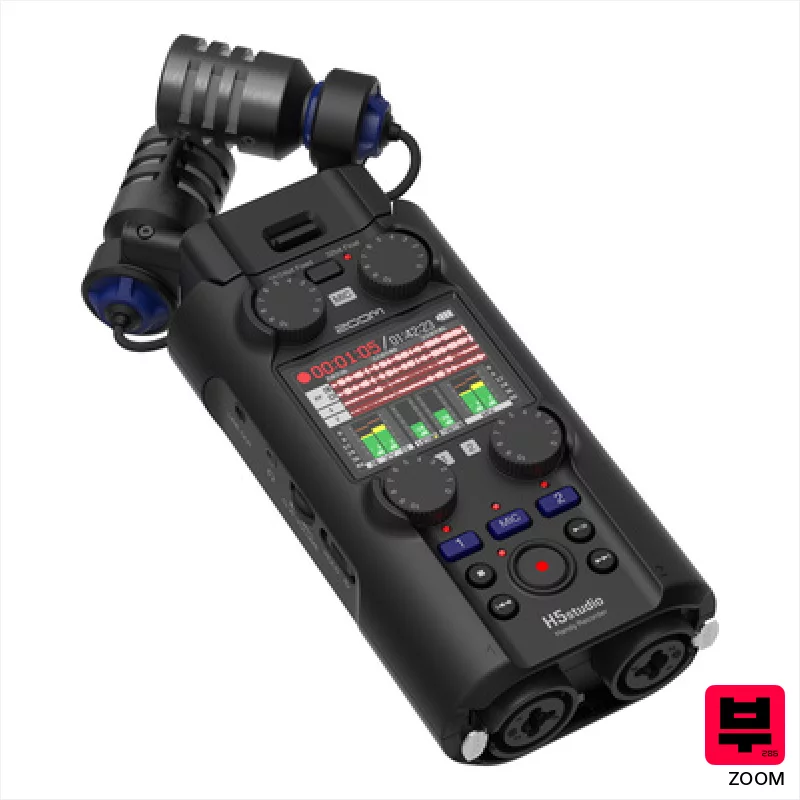
Zoom H5studio
- • 32-bit float recording eliminates noise floor issues, a real game-changer.
- • X/Y capsule delivers surprisingly accurate and natural stereo imaging.
- • Flexible XLR/TRS combo jacks accommodate diverse microphone setups.
- • Compact size and robust build make it genuinely field-ready.
- • Limited track monitoring options compared to dedicated interfaces.
- • Battery life can be a constraint during extended sessions.
- • The integrated speaker is adequate, not ideal for critical listening.

Tascam FR-AV2
- • Ultra HDDA preamps deliver exceptionally clean and low-noise recordings.
- • Timecode capabilities streamline syncing with video, a huge post-production win.
- • 32-bit float recording provides incredible dynamic range and headroom.
- • Compact size and robust build make it ideal for location recording.
- • Limited track count restricts complex multi-track recording scenarios.
- • Bluetooth functionality requires an optional, additional expense.
- • Mini-jack outputs lack the versatility of full-sized XLR connections.
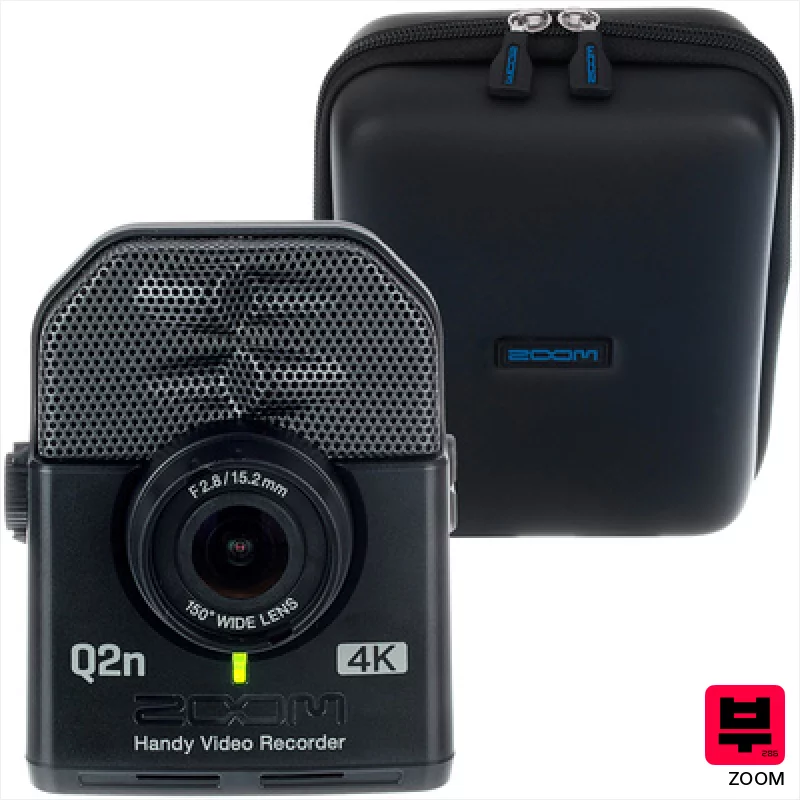
Zoom Q2n-4K Case Bundle
- • Excellent 4K video quality with surprisingly good dynamic range.
- • Robust, well-damped housing feels durable for field use.
- • Built-in X/Y mics deliver surprisingly clear, usable stereo recordings.
- • Case provides practical protection and portability – a genuine bonus.
- • Limited manual control compared to dedicated cameras or recorders.
- • Battery life is adequate but requires careful power management in extended shoots.
- • Microphone preamps, while decent, lack the headroom for truly demanding professional applications.
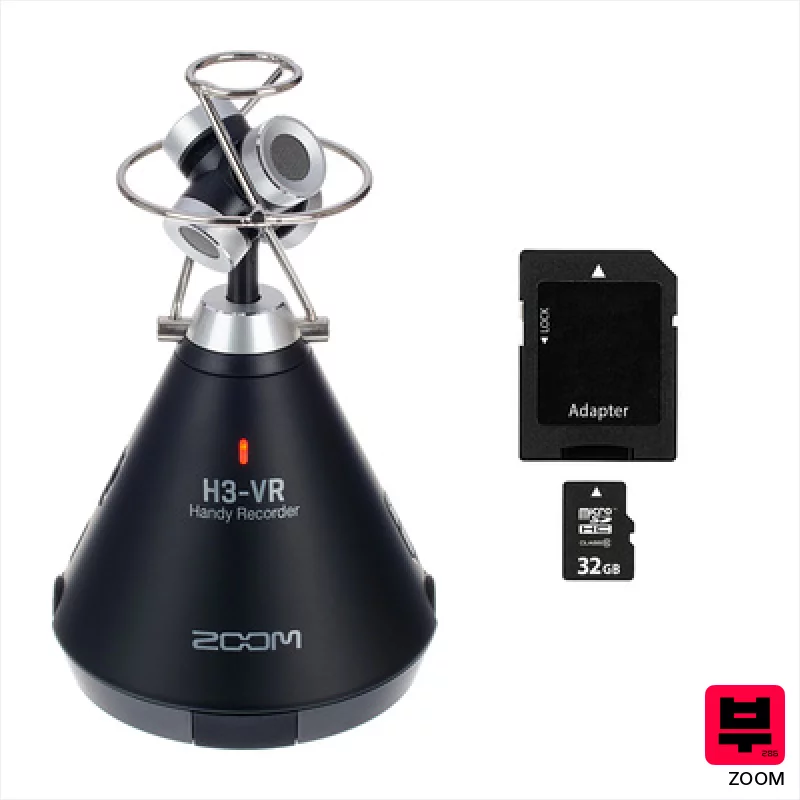
Zoom H3-VR SD Card Bundle
- • Excellent Ambisonics capture for immersive audio projects.
- • Built-in mics offer surprising clarity and detail.
- • Versatile interface for recording and live monitoring.
- • Gyroscope simplifies 3D audio workflow and positioning.
- • AA battery power is inconvenient for extended shoots.
- • Limited codec options restrict flexibility in some workflows.
- • Smaller form factor can be awkward to handle for long periods.

Zoom H6essential
- • Excellent 32-bit float recording avoids clipping, crucial for dynamic sources.
- • XLR combo jacks offer incredible flexibility for mics and line-level signals.
- • Built-in mics are surprisingly decent for quick field recordings and demos.
- • Intuitive interface simplifies operation, even for less experienced users.
- • Plastic build feels less robust than the original H6, a noticeable downgrade.
- • Microphone preamps, while functional, lack the headroom of higher-end interfaces.
- • Limited editing capabilities compared to dedicated DAW software.
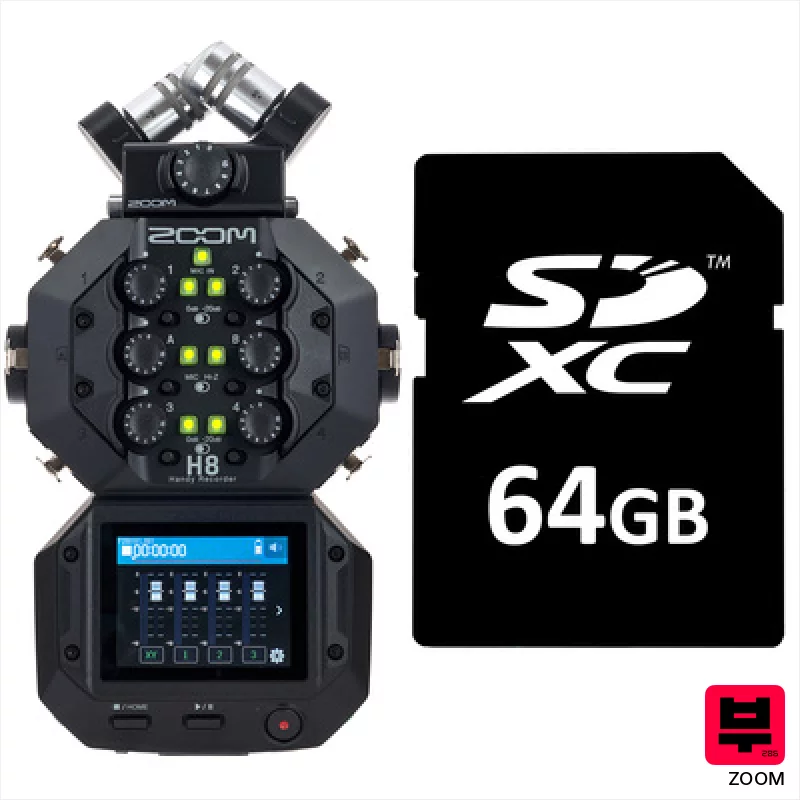
Zoom H8 SD Card Bundle
- • Excellent 12-track recording capability for complex projects.
- • Included XYH-6 mic capsule delivers surprisingly natural stereo imaging.
- • Versatile XLR inputs handle professional mics and instruments well.
- • SD card bundle simplifies immediate recording workflow.
- • The touchscreen can feel a bit cramped for extended menu navigation.
- • Module expansion, while powerful, adds significantly to the overall cost.
- • Battery life is decent, but a power bank is recommended for longer sessions.
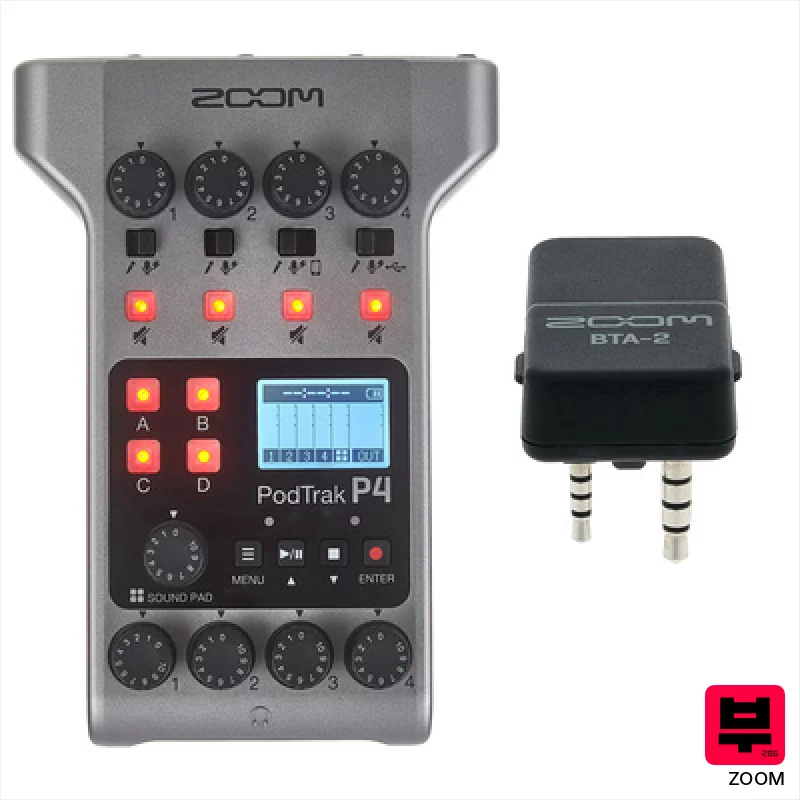
Zoom PodTrak P4 BTA-2 Bundle
- • Four XLR inputs offer genuine flexibility for multi-mic setups.
- • Individual headphone mixes are a huge boon for guest comfort.
- • Sound pads provide creative, immediate sound effect triggering.
- • Mix-minus function drastically reduces feedback during remote interviews.
- • Limited sample rate (44.1kHz) restricts high-end audio workflows.
- • Plastic build feels less robust than higher-end recorders.
- • TRRS phone connection lacks dedicated gain control.
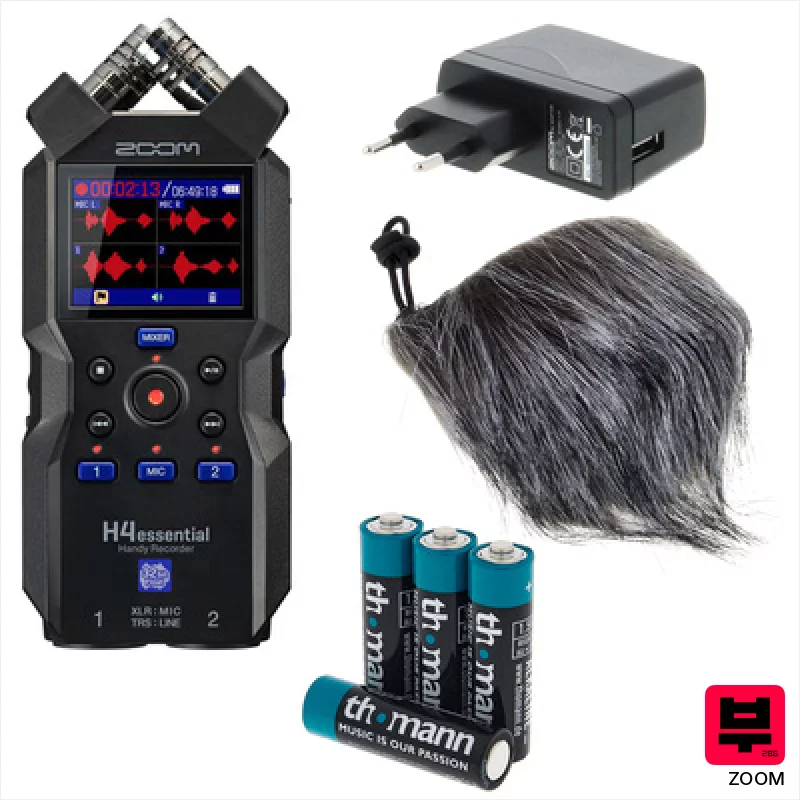
Zoom H4essential Bundle
- • 32-bit float recording eliminates clipping, crucial for dynamic sources.
- • XLR combo jacks offer versatile connectivity for mics and instruments.
- • Compact size and build make it truly portable for field recording.
- • Intuitive interface simplifies operation, even for beginners.
- • Built-in mics, while decent, won't replace dedicated studio microphones.
- • Limited physical controls can feel cramped during complex recording sessions.
- • No included SD card; requires purchase for immediate use.
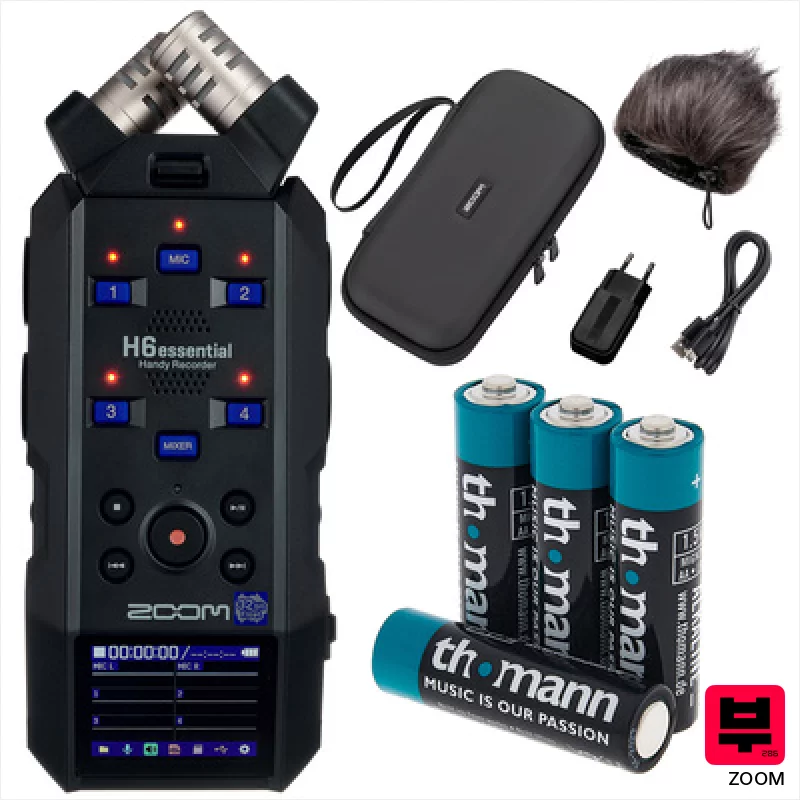
Zoom H6essential APH-6e Bundle
- • Excellent 32-bit float recording prevents clipping and noise
- • Versatile XLR/TRS combo jacks accommodate diverse microphone setups
- • Built-in stereo mics offer surprisingly decent on-the-go recording
- • Intuitive interface simplifies operation, even for less experienced users
- • Plastic construction feels less robust than higher-end recorders
- • Limited storage capacity necessitates frequent card changes
- • Battery life could be better for extended field recording sessions
How to Choose the Best Portable Recorders
Preamp Quality
This is HUGE. A noisy preamp will bury the subtle details you're trying to capture. We're listening for low self-noise, a clean gain stage without that brittle, harshness you get from cheap preamps trying to push too hard. A good preamp will let the natural character of the source shine.
Dynamic Range
You need to capture both the quietest whispers and the loudest impacts without clipping or losing detail in the shadows. Insufficient dynamic range results in a compressed, lifeless recording - not what you want when layering textures.
Microphone Options/Inputs
Ideally, you want XLR inputs for higher-quality mics, giving you more control over gain and allowing for phantom power. Some recorders have surprisingly decent built-in mics, but for serious sound design, external mics are a must - think a small-diaphragm condenser for delicate detail or a contact mic for weird resonances.
File Formats & Bit Depth/Sample Rate
WAV is the standard for a reason - lossless audio. Being able to record at 24-bit/48kHz or higher gives you headroom to manipulate the audio later without introducing artifacts. MP3? Forget about it.
Ruggedness & Portability
You're going to be taking this thing into less-than-ideal environments - rain, dust, maybe even a gig. A solid build and a compact form factor are critical for field recording.
Buying Guide
Don't get swayed by marketing hype. The 'best' recorder is the one that fits your workflow and budget. Cheap recorders often cut corners on preamp quality, resulting in grainy recordings that are hard to work with. Paying a bit more for a unit with good preamps and XLR inputs will save you headaches later - trust me, it's cheaper than trying to fix a noisy recording in post. Consider battery life too; nothing's worse than losing a crucial take because your recorder died.
Our Methodology
We're not looking at spec sheets here. We've put these recorders through the wringer: field recordings in noisy environments, mic'ing up odd objects - think metal scraping, water dripping, the hum of a refrigerator - and comparing them head-to-head. It's about how the recordings feel, not just the numbers on a page. We've also considered how they perform in the field, because a great-sounding recorder that falls apart on a gig is useless.

