
Best Portable Recorders for Music Practice 2026
Look, you're practicing. You're trying to nail that tricky fill, dial in a new pickup voicing, or just figure out if that chord progression really works. A portable recorder isn't just about capturing a memory; it's about critical listening, honest self-assessment, and getting a clear picture of what you're actually playing, not what you think you're playing. Forget the fancy studio stuff for now - we're talking about reliable tools for the practice room.
Last updated: July 22, 2026 • Next update: July 29, 2026

Tascam Portacapture X6
- • Excellent preamps deliver surprisingly clean, low-noise recordings.
- • Flexible mic configurations (AB/XY) suit diverse stereo imaging needs.
- • Comprehensive onboard effects and processing reduce post-production workload.
- • Robust build quality feels reassuringly solid for field use.
- • Limited physical controls can become cumbersome in fast-paced recording situations.
- • Battery life is adequate, but external power is preferable for long sessions.
- • While versatile, lacks the deep routing capabilities of a dedicated interface.
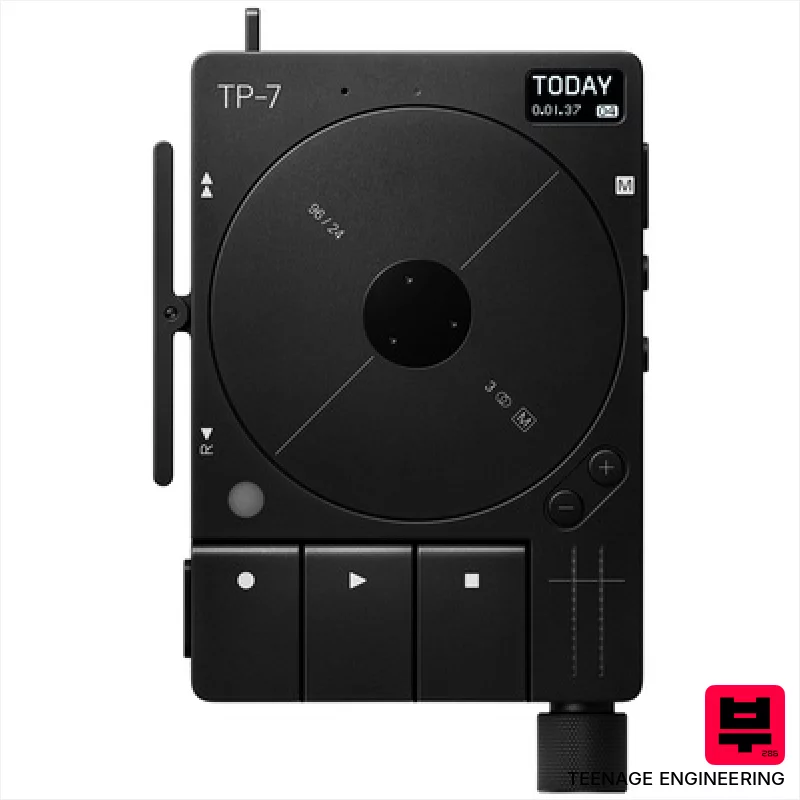
Teenage Engineering TP-7 Black
- • Compact form factor enables supremely portable field recording capabilities.
- • TRRS jacks offer exceptional routing flexibility for various input/output scenarios.
- • USB-C interface provides a robust and versatile connection for audio and MIDI.
- • Internal speakers offer surprisingly clear and present playback in a pinch.
- • Limited track count compared to more robust, dedicated multi-track recorders.
- • The internal microphones, while convenient, won’t replace professional-grade external options.
- • Price point positions it as a premium investment for serious field recordists.
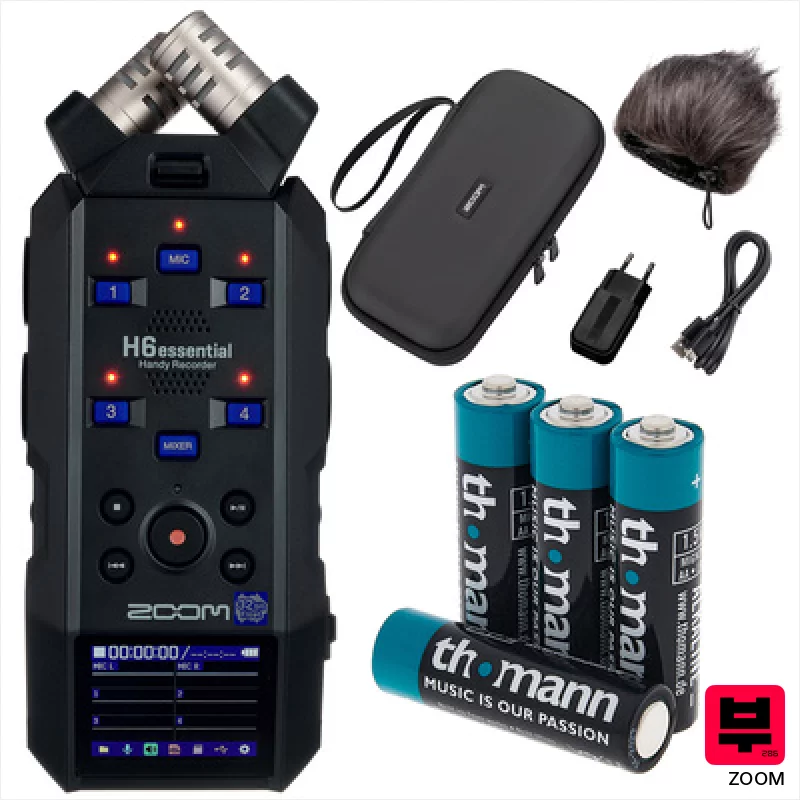
Zoom H6essential APH-6e Bundle
- • Excellent 32-bit float recording prevents clipping and noise
- • Versatile XLR/TRS combo jacks accommodate diverse microphone setups
- • Built-in stereo mics offer surprisingly decent on-the-go recording
- • Intuitive interface simplifies operation, even for less experienced users
- • Plastic construction feels less robust than higher-end recorders
- • Limited storage capacity necessitates frequent card changes
- • Battery life could be better for extended field recording sessions
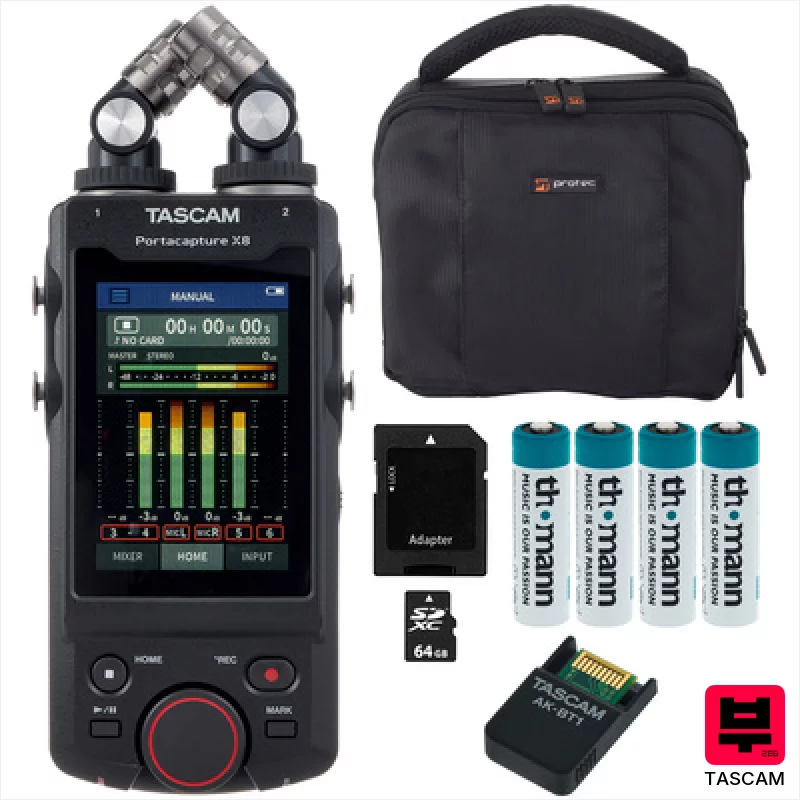
Tascam Portacapture X8 Mobile Bundle
- • Excellent preamps deliver clean, low-noise recordings.
- • Intuitive touchscreen simplifies complex multitrack workflows.
- • Detachable mics offer flexible positioning and versatility.
- • Integrated USB interface streamlines recording to DAW software.
- • Build quality feels somewhat plasticky for the price point.
- • Battery life is adequate but requires careful management.
- • Limited dynamic range compared to dedicated studio setups.
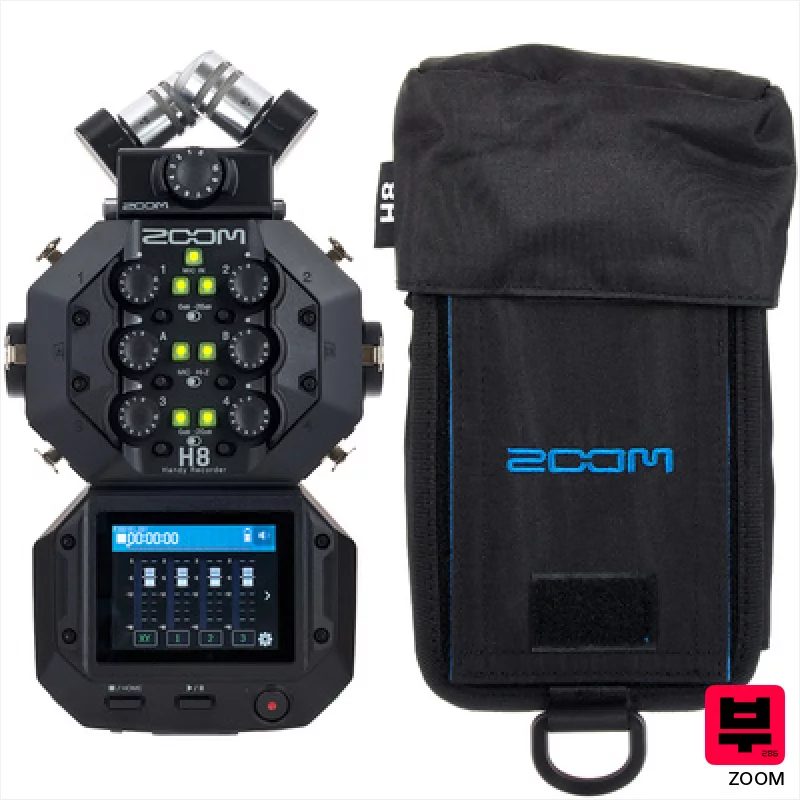
Zoom H8 PCH-8 Bundle
- • Excellent preamps deliver clean, low-noise recordings across the spectrum.
- • The XYH-6 capsule provides surprisingly accurate and pleasing stereo imaging.
- • Modular design expands capabilities; future-proofs the investment significantly.
- • Intuitive touchscreen interface simplifies complex routing and gain staging.
- • Build quality feels a little plasticky for the price point; not as robust as some competitors.
- • Battery life can be limiting during extended field recording sessions.
- • The included capsule, while good, isn’t a substitute for dedicated studio mics.

Zoom H6essential
- • Excellent 32-bit float recording avoids clipping, crucial for dynamic sources.
- • XLR combo jacks offer incredible flexibility for mics and line-level signals.
- • Built-in mics are surprisingly decent for quick field recordings and demos.
- • Intuitive interface simplifies operation, even for less experienced users.
- • Plastic build feels less robust than the original H6, a noticeable downgrade.
- • Microphone preamps, while functional, lack the headroom of higher-end interfaces.
- • Limited editing capabilities compared to dedicated DAW software.
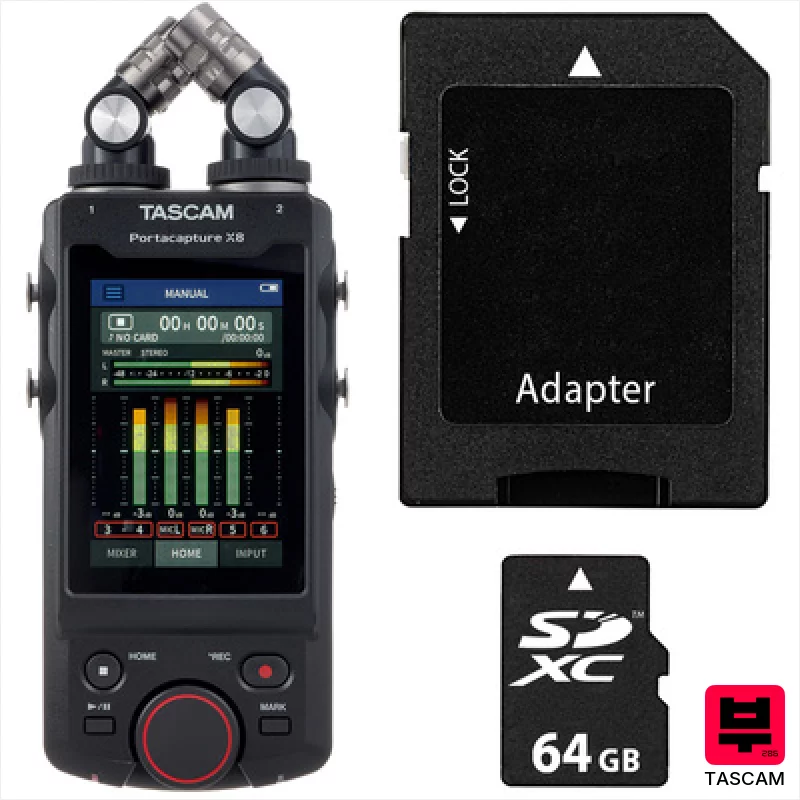
Tascam Portacapture X8 Card Bundle
- • Excellent preamps deliver surprisingly clean, low-noise recordings.
- • The touchscreen interface is intuitive and genuinely speeds up workflow.
- • Detachable mics offer flexibility for stereo and mono setups.
- • USB-C audio interface simplifies integration with DAWs and external gear.
- • The LCD screen’s brightness can be challenging in direct sunlight.
- • Phantom power limitations restrict compatibility with some professional microphones.
- • The bundled SD card might be limiting for extensive multi-track projects.
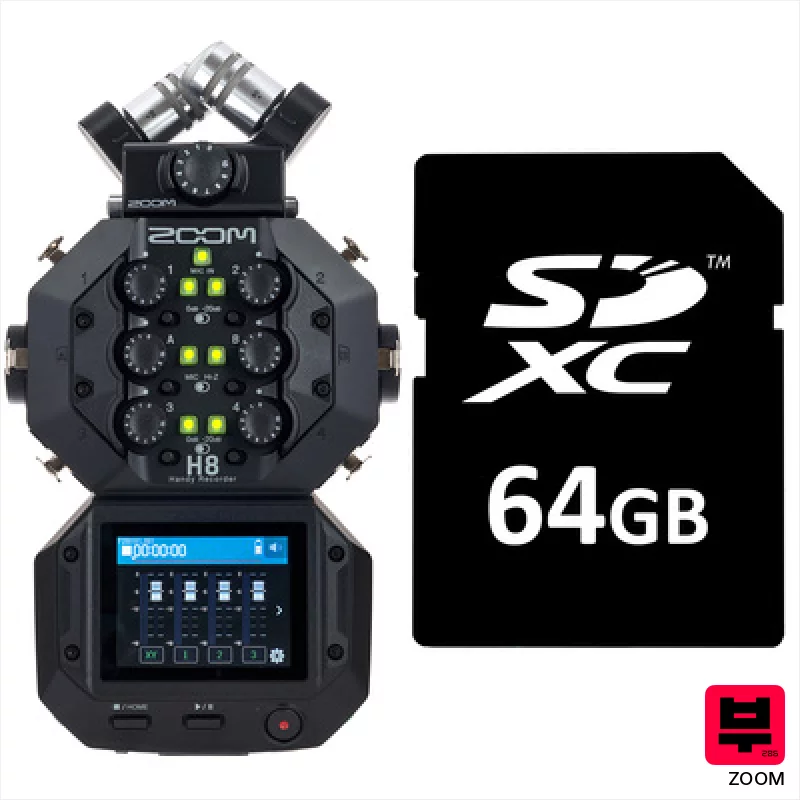
Zoom H8 SD Card Bundle
- • Excellent 12-track recording capability for complex projects.
- • Included XYH-6 mic capsule delivers surprisingly natural stereo imaging.
- • Versatile XLR inputs handle professional mics and instruments well.
- • SD card bundle simplifies immediate recording workflow.
- • The touchscreen can feel a bit cramped for extended menu navigation.
- • Module expansion, while powerful, adds significantly to the overall cost.
- • Battery life is decent, but a power bank is recommended for longer sessions.

Tascam FR-AV2
- • Ultra HDDA preamps deliver exceptionally clean and low-noise recordings.
- • Timecode capabilities streamline syncing with video, a huge post-production win.
- • 32-bit float recording provides incredible dynamic range and headroom.
- • Compact size and robust build make it ideal for location recording.
- • Limited track count restricts complex multi-track recording scenarios.
- • Bluetooth functionality requires an optional, additional expense.
- • Mini-jack outputs lack the versatility of full-sized XLR connections.
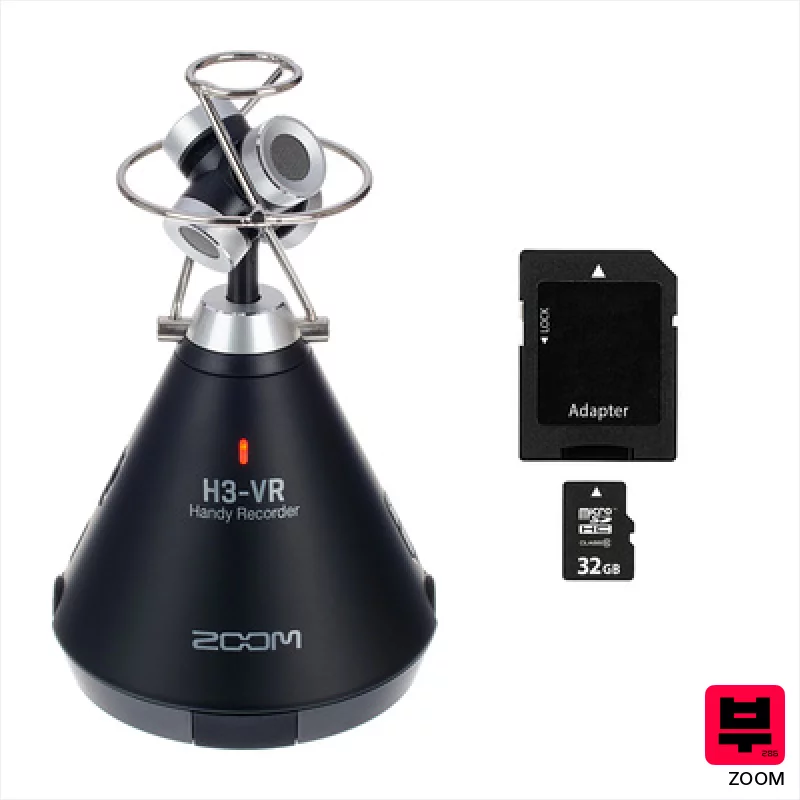
Zoom H3-VR SD Card Bundle
- • Excellent Ambisonics capture for immersive audio projects.
- • Built-in mics offer surprising clarity and detail.
- • Versatile interface for recording and live monitoring.
- • Gyroscope simplifies 3D audio workflow and positioning.
- • AA battery power is inconvenient for extended shoots.
- • Limited codec options restrict flexibility in some workflows.
- • Smaller form factor can be awkward to handle for long periods.
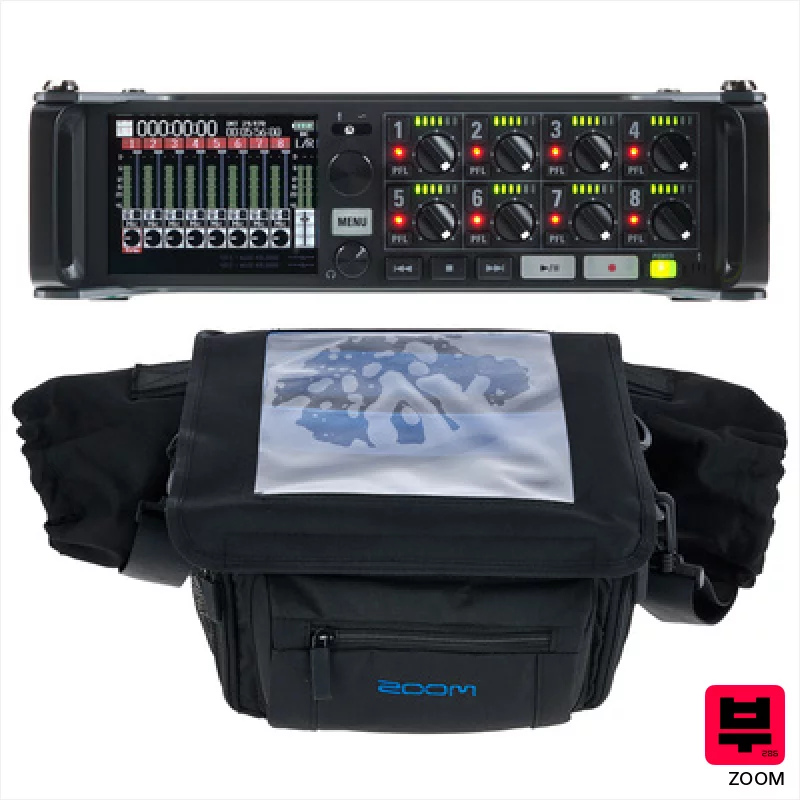
Zoom F8n Pro - Bag Bundle
- • Exceptional 32-bit float recording avoids clipping, crucial for dynamic sources.
- • Low noise floor (-127 dBu EIN) captures subtle details beautifully.
- • Redundant SD card recording provides crucial safety against data loss.
- • Versatile USB interface expands workflow possibilities, ideal for tracking.
- • Power consumption can be a limiting factor during extended field recording.
- • Menu navigation can feel a bit clunky compared to dedicated software.
- • While capable, the preamps aren't top-tier studio grade for critical mic'd vocals.
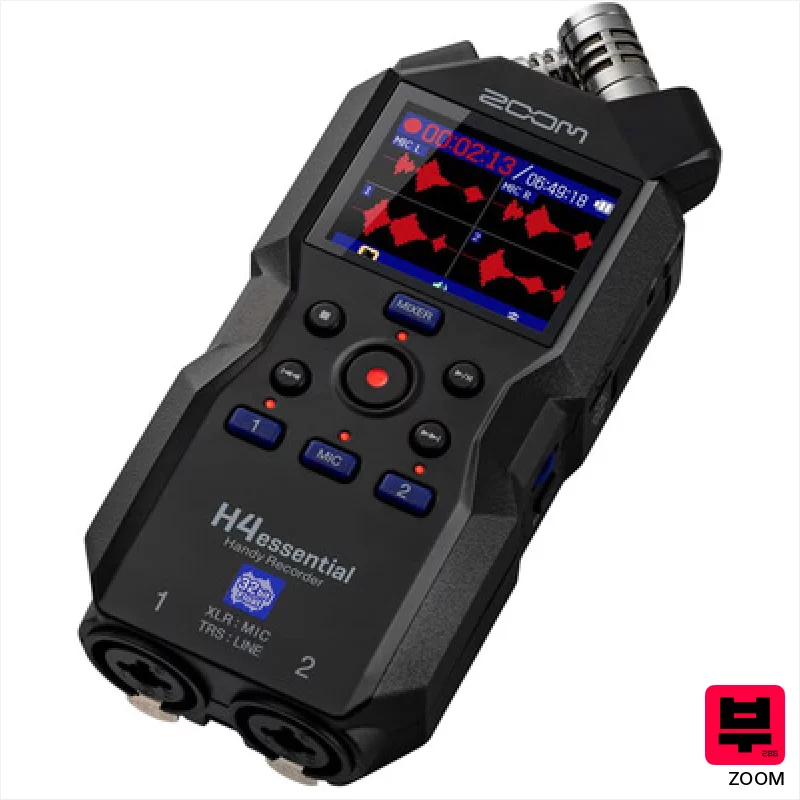
Zoom H4essential
- • 32-bit float recording eliminates noise floor issues for clean recordings
- • XLR inputs with phantom power expand mic options for professional results
- • Compact size and built-in stereo mics offer great portability for field work
- • Intuitive interface simplifies operation, even for less experienced users
- • Built-in mics, while decent, won't replace dedicated studio-grade options
- • Limited physical controls can feel cramped during complex recording sessions
- • Lack of advanced routing options restricts flexibility in multi-mic setups
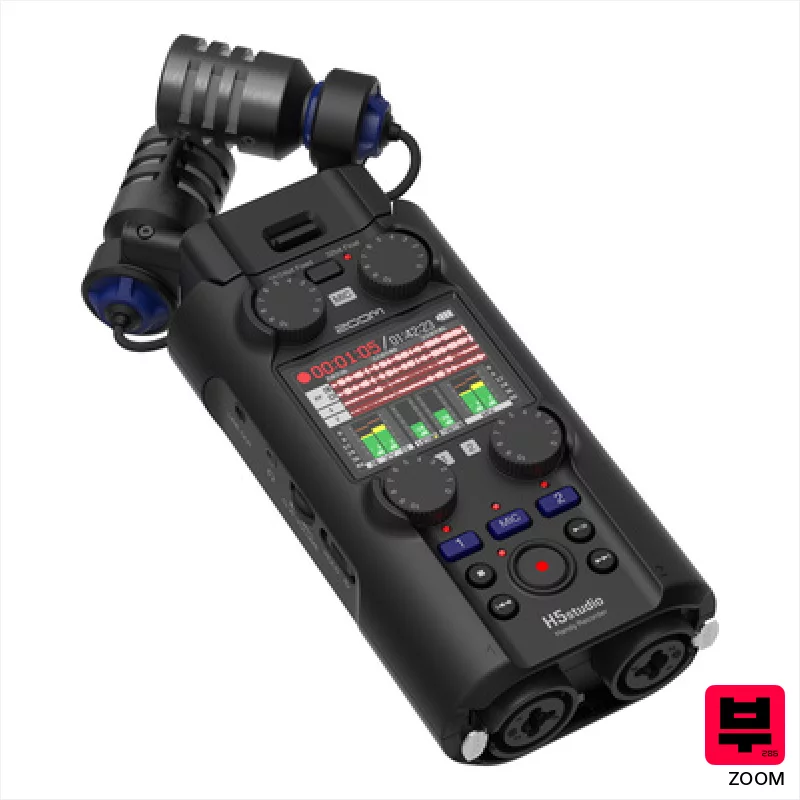
Zoom H5studio
- • 32-bit float recording eliminates noise floor issues, a real game-changer.
- • X/Y capsule delivers surprisingly accurate and natural stereo imaging.
- • Flexible XLR/TRS combo jacks accommodate diverse microphone setups.
- • Compact size and robust build make it genuinely field-ready.
- • Limited track monitoring options compared to dedicated interfaces.
- • Battery life can be a constraint during extended sessions.
- • The integrated speaker is adequate, not ideal for critical listening.
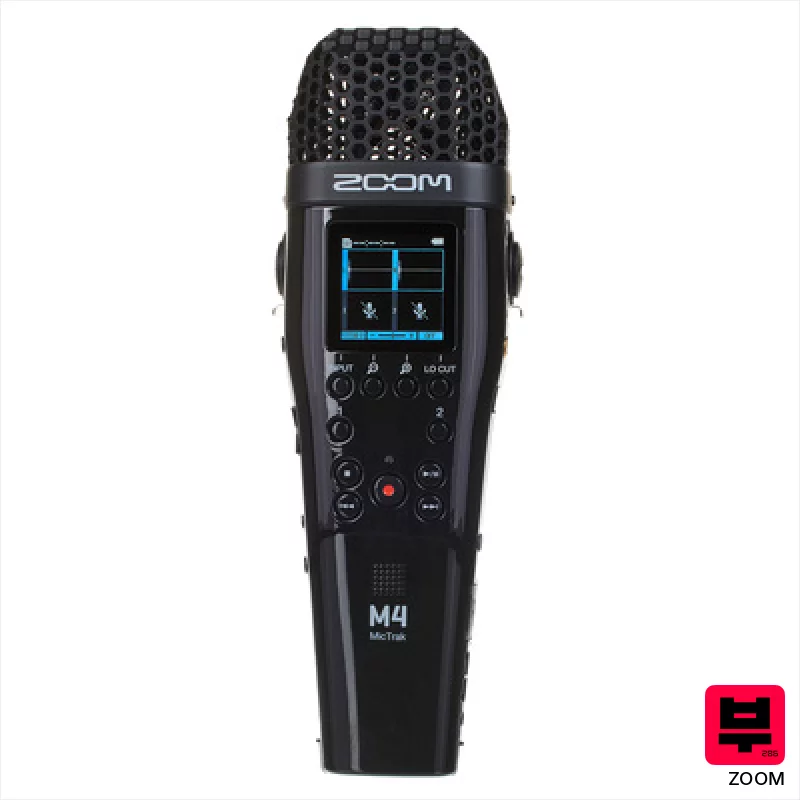
Zoom M4 MicTrak
- • Excellent 32-bit float recording eliminates clipping, offering dynamic headroom.
- • Integrated X/Y mics are surprisingly good for field recording, minimizing setup.
- • F-series preamps deliver clean, low-noise amplification for line sources.
- • Elastic suspension and housing significantly reduce handling noise – a big plus.
- • Limited track routing options compared to more complex digital mixers.
- • Built-in speakers are weak; headphones are essential for monitoring.
- • MicroSD card reliance can be a bottleneck for extended recording sessions.
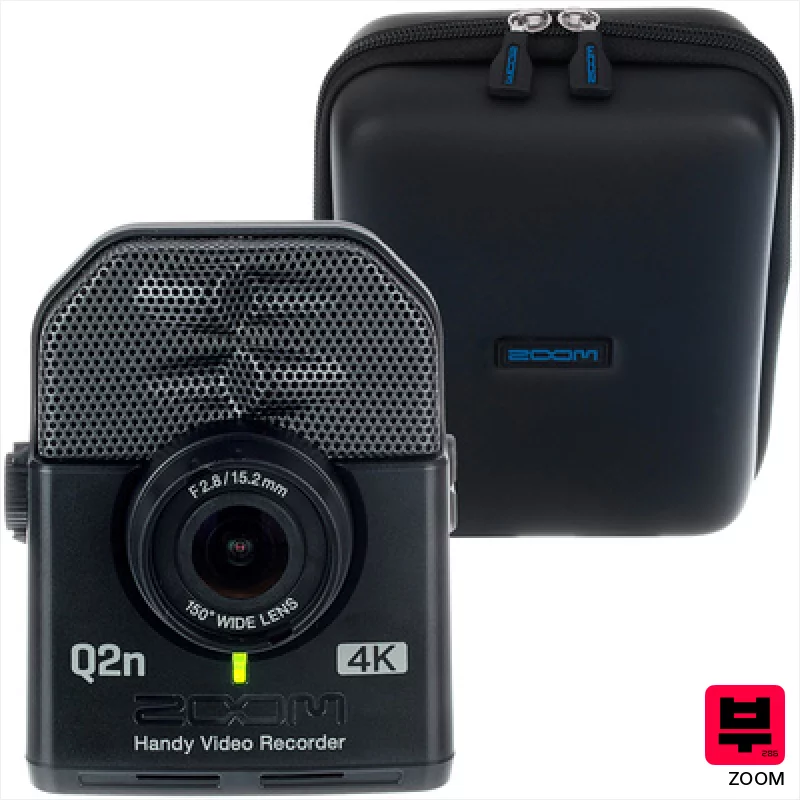
Zoom Q2n-4K Case Bundle
- • Excellent 4K video quality with surprisingly good dynamic range.
- • Robust, well-damped housing feels durable for field use.
- • Built-in X/Y mics deliver surprisingly clear, usable stereo recordings.
- • Case provides practical protection and portability – a genuine bonus.
- • Limited manual control compared to dedicated cameras or recorders.
- • Battery life is adequate but requires careful power management in extended shoots.
- • Microphone preamps, while decent, lack the headroom for truly demanding professional applications.
How to Choose the Best Portable Recorders
Tonal Transparency
It's gotta be clean. A muddy recording is useless. We're looking for a recorder that captures the nuances of your instrument - the sustain of a note, the attack of a pick, the subtle harmonic content - without adding its own coloration. A slight warmth is acceptable, but anything that artificially boosts the low-end thump or flattens the dynamics is a no-go.
Low Noise Floor
This is critical. You need to hear your playing, not the recorder's hiss or hum. A noisy recorder masks subtle mistakes and makes it tough to critique your technique. We're talking about a signal-to-noise ratio that allows you to hear the quietest passages clearly.
Dynamic Range
Can it handle both a delicate fingerpicked acoustic passage and a screaming distortion tone? Limited dynamic range will clip at loud volumes or bury quiet sections. You need headroom to capture the full spectrum of your playing, from the softest whispers to the most aggressive riffs.
File Format Options
WAV is king for archival quality. MP3 is fine for quick reference, but you'll lose detail. Being able to choose your file format and bit depth/sample rate gives you flexibility for different uses - quick practice notes versus potentially using the recordings for demos later.
Ease of Use/Durability
Let's be honest, you don't want to spend an hour reading a manual just to record a simple bassline. Simple controls, intuitive menus, and a build that can withstand being tossed in a gig bag are essential. We're looking for something that just works.
Buying Guide
Don't fall for the megapixel trap - recording quality isn't about resolution. A cheaper recorder might sound okay on its own, but the noise floor will likely be an issue. Pay attention to the preamps; they're often the weakest link. And while features like built-in effects are cool, prioritize transparency and a solid foundation over gimmicks. It's better to add effects in post-production than to start with a compromised recording.
Our Methodology
We're not relying on spec sheets here. We've spent countless hours playing these recorders through various amps, acoustic guitars, and mics - from cheap practice stacks to boutique tube rigs. We've A/B'd them against each other, listened back on headphones and studio monitors, and even dragged a few of these into band rehearsals to see how they hold up under pressure. It's about real-world performance, not marketing hype.

