
Best PCIe Audio Interfaces Under $1,000 2026
Alright, so you're looking for a PCIe audio interface without breaking the bank? Smart move. For years, I've seen too many players chasing phantom specs and overpriced gear, when a solid PCIe interface under $1000 can get you 90% of the way to a professional recording setup. This isn't about chasing the absolute best, it's about getting the most usable, reliable performance for your money.
Last updated: September 29, 2026
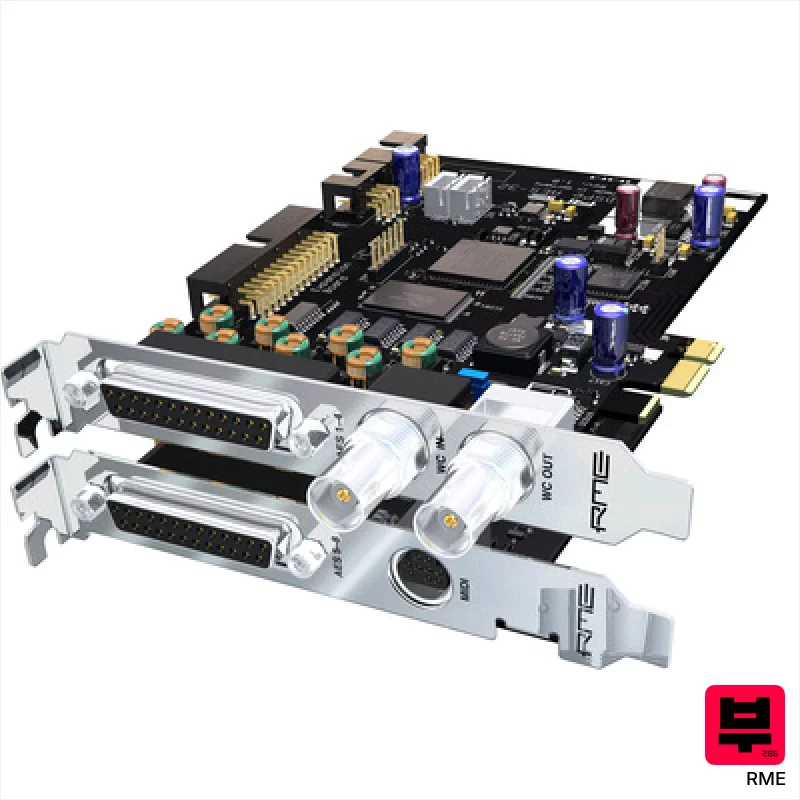
RME HDSPe AES
- • Rock-solid RME drivers offer unparalleled stability and low latency.
- • Eight AES/EBU I/O provides premium digital connectivity options.
- • TotalMix FX offers flexible routing and processing capabilities.
- • Robust build quality; feels like it'll withstand years of studio use.
- • PCIe interface limits system compatibility; no Thunderbolt option.
- • Limited analog I/O compared to some other interfaces in its class.
- • Can be complex to configure initially, steep learning curve for beginners.
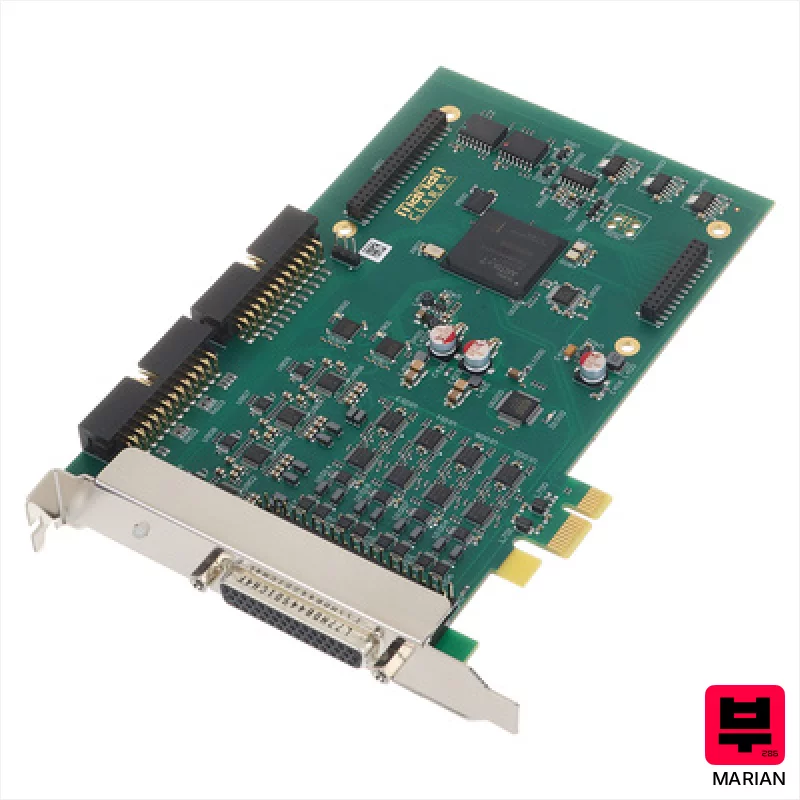
Marian Clara A XLR
- • Cascadeable TDM SyncBus enables complex, multi-interface setups.
- • Auto-mute prevents disruptive pops during system boot-up.
- • Beast DSP mixer provides substantial headroom for processing.
- • Low jitter (<1ns) guarantees pristine, accurate audio capture.
- • D-Sub adapter cables for XLR connectivity add complexity and potential points of failure.
- • Windows-only driver support limits accessibility for Mac users.
- • PCIe interface restricts portability; not ideal for mobile recording.
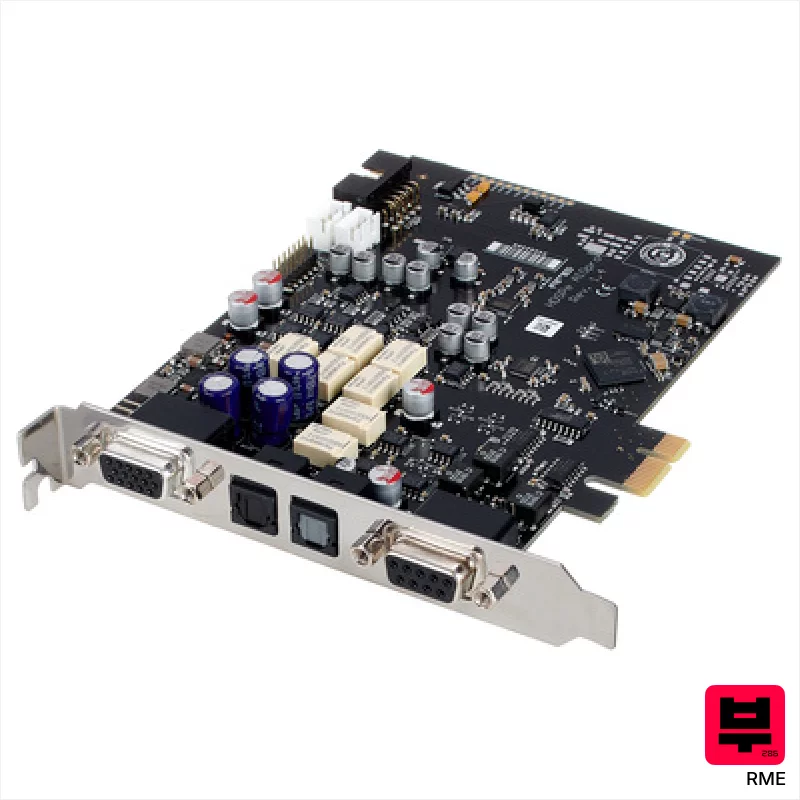
RME HDSPe AIO Pro
- • ADI-2 Pro converters deliver exceptionally clean, detailed audio reproduction
- • SteadyClock FS minimizes jitter for pristine digital clarity
- • Flexible output level options (+24dBu to -2dBu) accommodate diverse setups
- • Mute relays prevent pops and noise during computer startup/shutdown
- • PCIe interface limits portability and upgrade flexibility
- • Complex feature set demands a steeper learning curve for novice users
- • Premium-priced, representing a significant investment for smaller studios
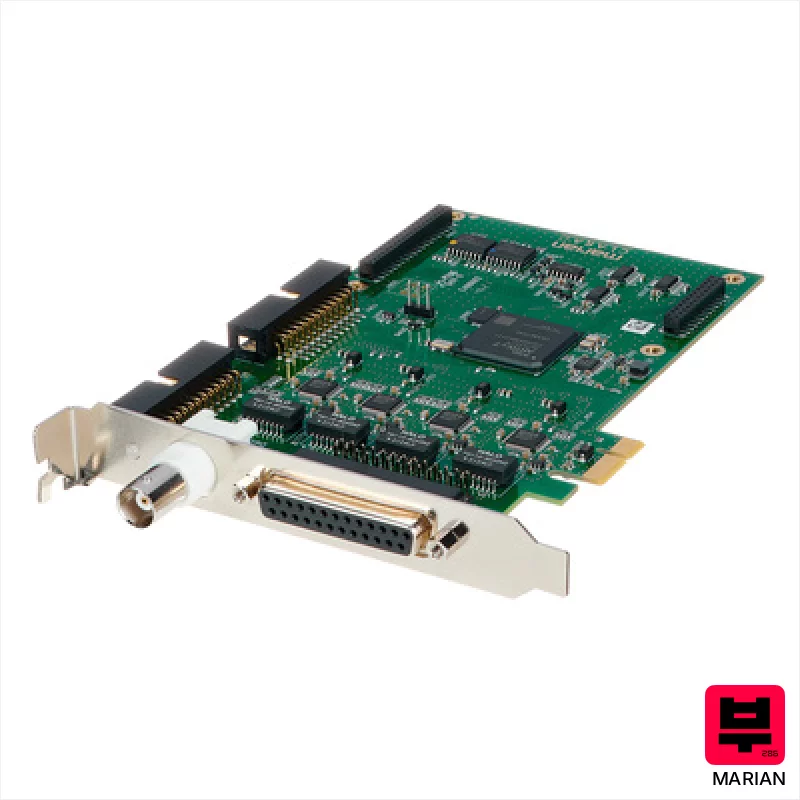
Marian Clara D
- • Ultra-low jitter (<1ns) minimizes noise floor for pristine recordings.
- • 64 DSP channels offer unparalleled routing flexibility for complex setups.
- • Cascadable TDM SyncBus allows for massive I/O expansion and future-proofing.
- • AES/EBU connectivity provides professional-grade digital audio transfer.
- • PCIe interface limits portability and requires desktop workstation use.
- • Premium-priced, a significant investment for smaller studios or hobbyists.
- • Windows-only operation restricts compatibility with macOS users.
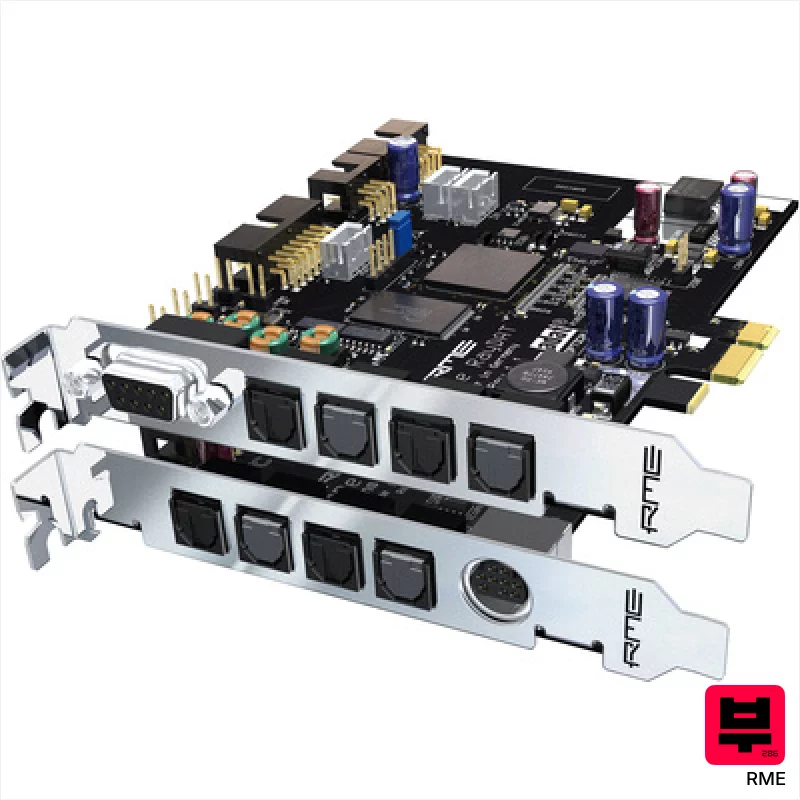
RME HDSPe RayDAT
- • Exceptional channel count for complex recording setups
- • RME's TotalMix DSP mixer is a genuine workflow booster
- • Flexible ADAT, AES/EBU, and SPDIF I/O options offer broad compatibility
- • Rock-solid RME build quality ensures long-term reliability
- • PCIe interface limits portability; desktop systems only
- • Can be complex to configure initially, steep learning curve
- • Premium-priced, a significant investment for smaller studios
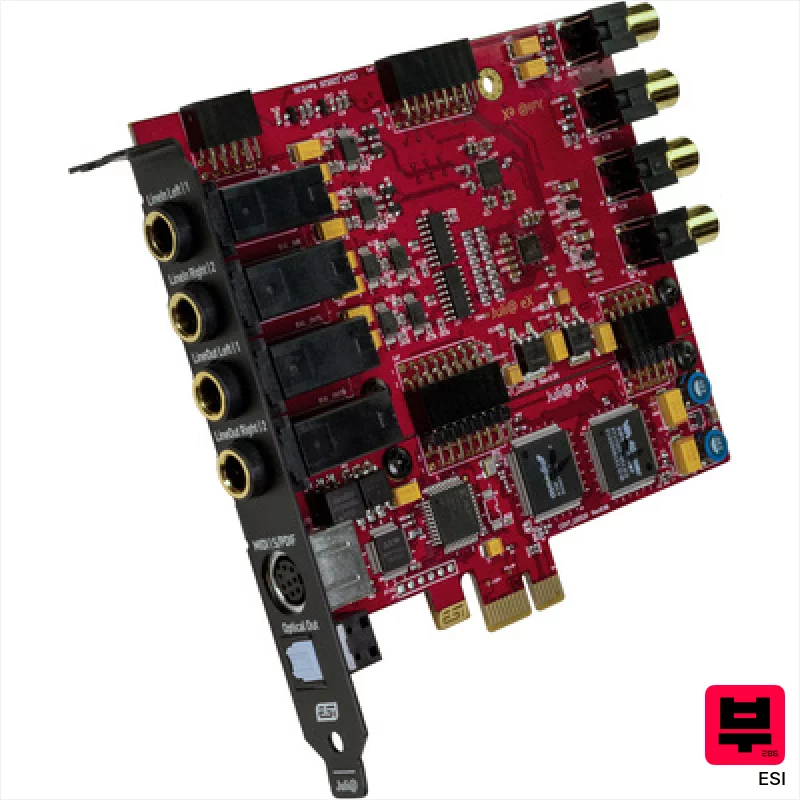
ESI Juli@ eX
- • Sabre ESS converters deliver clean, transparent audio reproduction
- • EWDM driver ensures impressively low latency for real-time tracking
- • Interchangeable I/O panels offer flexible connectivity options
- • Compact form factor suits tight studio spaces and mobile setups
- • Limited preamp gain range restricts use with low-output microphones
- • Plastic enclosure feels less robust than metal alternatives
- • Software bundle is entry-level and may require upgrades soon
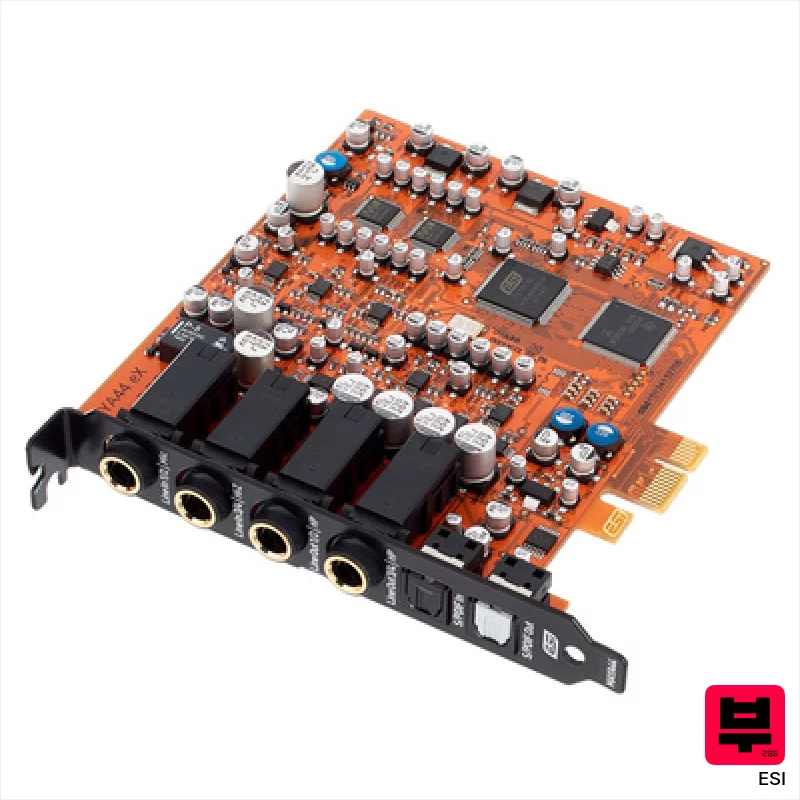
ESI MAYA44 eX
- • Solid build quality for the price point, feels robust in the chassis
- • DirectWIRE 3.0 offers surprisingly low latency for a PCIe interface
- • The single preamp provides clean gain, suitable for vocal recording
- • Optical S/PDIF offers flexible routing options for expanded setups
- • Limited input/output count restricts larger recording projects
- • Driver support is Windows-only, a significant limitation for Mac users
- • Preamp's headroom is modest; struggles with very hot signals
PCIe Audio Interfaces by the numbers
Measured across all 7 models in this category, so «wide», «short» or «expensive» mean something you can check.
How to Choose the Best PCIe Audio Interfaces
Preamps
This is the heart of the interface. We're looking for preamps that offer a clean gain stage with enough headroom to handle hot signals without getting overly noisy, but also a bit of character - a subtle warmth or a touch of grit can be invaluable. Don't expect boutique-level clarity; budget preamps often have a slightly compressed feel.
Converter Quality
24-bit/48kHz is the baseline these days, but look for interfaces using decent AD/DA converters. Lower-end converters can introduce a harshness or lack of dynamic range, especially noticeable on vocals and acoustic instruments. Listen for how well the interface reproduces subtle nuances.
Latency
This is crucial for tracking. PCIe interfaces inherently have lower latency than USB, but even within this category, there's variation. We're aiming for sub-10ms latency at 96kHz, especially if you're tracking with a lot of plugins.
I/O Count & Routing
Consider what you actually need. Do you need multiple mic preamps for a drum kit? Balanced inserts for outboard gear? Flexible routing options for sending signals to different monitors? Don't pay for I/O you won't use.
Build Quality & Driver Stability
Let's be honest, budget gear sometimes feels a little flimsy. Solid construction and reliable drivers are essential for gigging or long studio sessions. Driver stability translates to fewer frustrating crashes and reboots.
Buying Guide
At this price point, you're making trade-offs. You probably won't get the absolute cleanest preamps or the lowest noise floor. Focus on interfaces with a good balance of features, decent converters, and a reputation for stable drivers. Don't get hung up on the number of preamps - two or four clean, reliable preamps are more valuable than six noisy ones. And seriously, read reviews about driver stability before you commit.
How This List Is Built
We don't play these instruments — we're a catalog, not a review desk, and we'd rather say so than pretend otherwise. This page covers 7 pcie audio interfaces from the Thomann catalogue, which is the largest single source of specification data in this category: 7 in detail, the rest listed with their specifications.
Position is computed, not curated. We parse the manufacturer's own description into actual values — nut width, scale, fret count, fingerboard radius, size, alloy — and rank on them: how many specifications a model has published, how many of them are measurable numbers, and how precisely it meets this page's criterion. A product image adds a little. Price is not a ranking signal: it tells you nothing about whether a neck fits your hand. The same inputs always produce the same order, so nothing here is shuffled to look fresh.
What this list is good for: narrowing a category down to a shortlist by spec and budget. What it isn't: a substitute for hearing an instrument. Before you buy, read hands-on reviews and, where you can, play it. Full methodology.

