
Best PCIe Audio Interfaces for Professional 2026
Alright, so you're a pro looking to ditch the USB interface and go PCIe. Smart move - latency is the enemy, and a dedicated PCIe slot can seriously unlock your workflow. But not all PCIe interfaces are created equal; you need something that can handle tracking a drum kit, running multiple plugins, and still give you clean headroom for those late-night sessions. This isn't about flashy specs; it's about what gets you playing and recording better.
Last updated: April 11, 2026
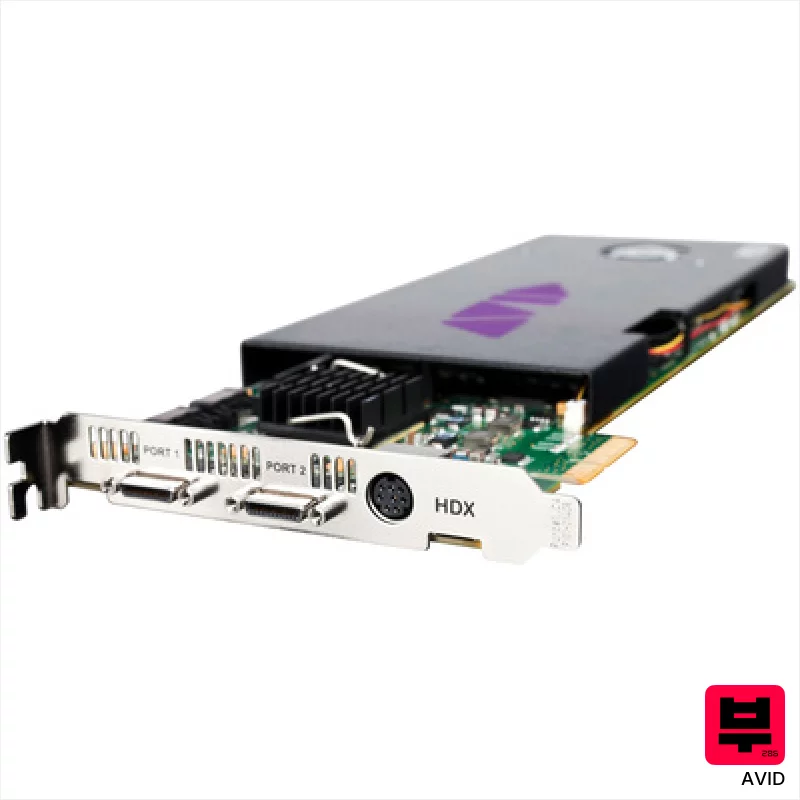
Avid HDX PCIe Card only
- • Unmatched Pro Tools integration for complex, large-scale projects
- • Robust DigiLink connectivity ensures rock-solid, low-latency performance
- • 64 channels offer incredible routing flexibility for demanding workflows
- • High-resolution audio (32-bit) provides exceptional dynamic range
- • Extremely premium-priced, a significant investment for any studio
- • Requires Pro Tools Ultimate for full functionality, adding to the cost
- • Limited compatibility outside of the Avid ecosystem, restricts versatility
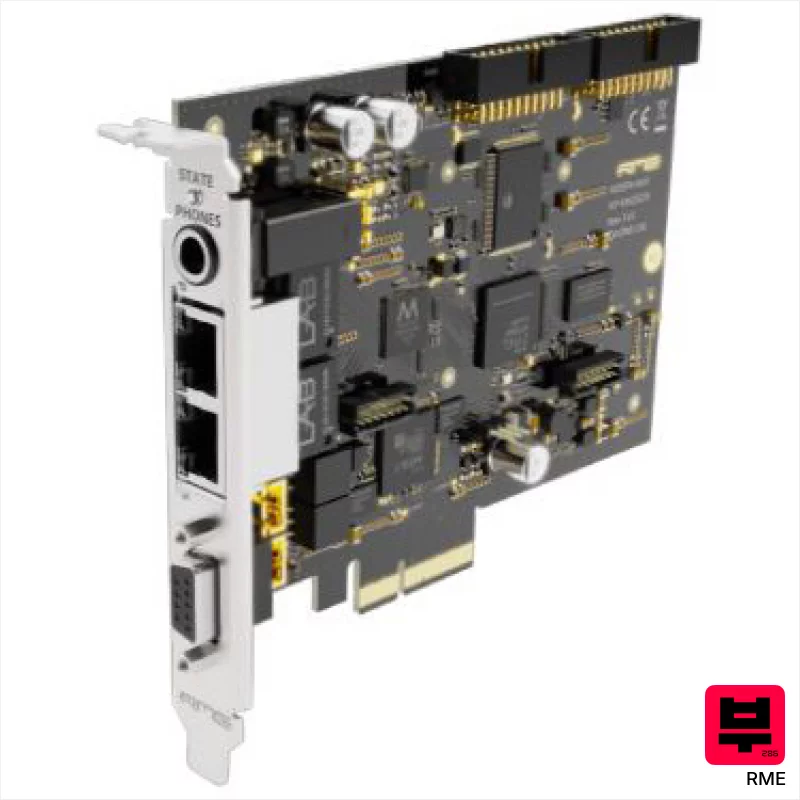
RME HDSPe AoX-D
- • Rock-solid SteadyClock ensures pristine digital audio transfer.
- • DANTE and MADI provide unparalleled routing flexibility and scalability.
- • TotalMix offers incredibly granular control over signal flow and monitoring.
- • PCIe x4 interface delivers exceptionally low latency for demanding workflows.
- • PCIe card format limits system compatibility and upgrade paths.
- • Expansion cards for MADI add significantly to the overall system cost.
- • Steep learning curve for TotalMix, especially for less experienced users.
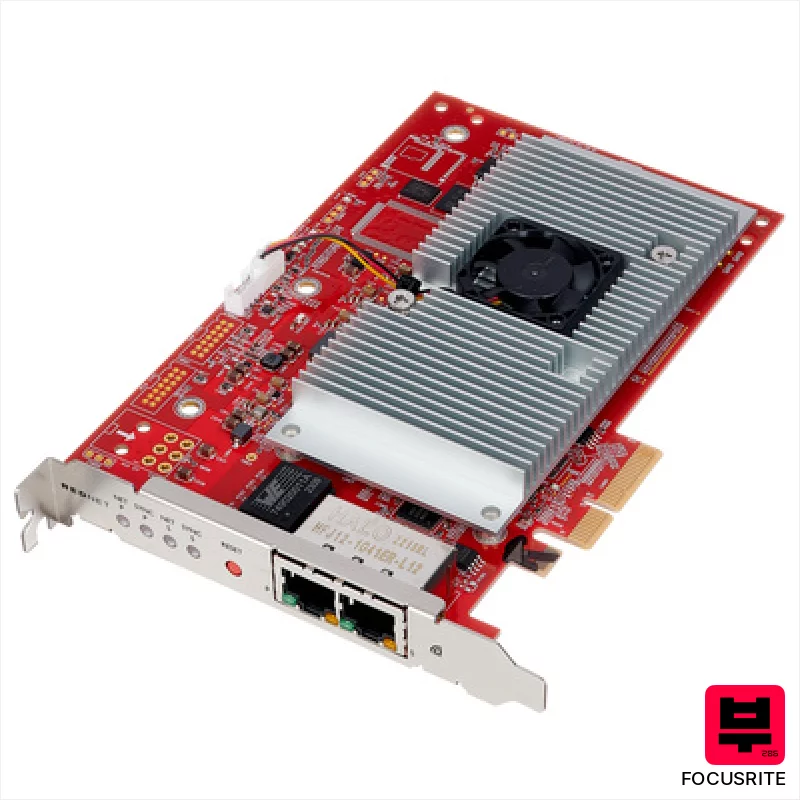
Focusrite RedNet PCIeNX
- • Rock-solid Dante integration offers unparalleled flexibility for complex routing.
- • Dual Ethernet ports provide critical redundancy for mission-critical workflows.
- • Extremely low latency performance crucial for live tracking and virtual instruments.
- • Focusrite’s renowned preamps deliver clean, transparent gain with excellent headroom.
- • PCIe card format limits compatibility; requires available slot and driver support.
- • Steep learning curve for Dante configuration and network management.
- • Premium-priced, making it a significant investment for smaller studios.
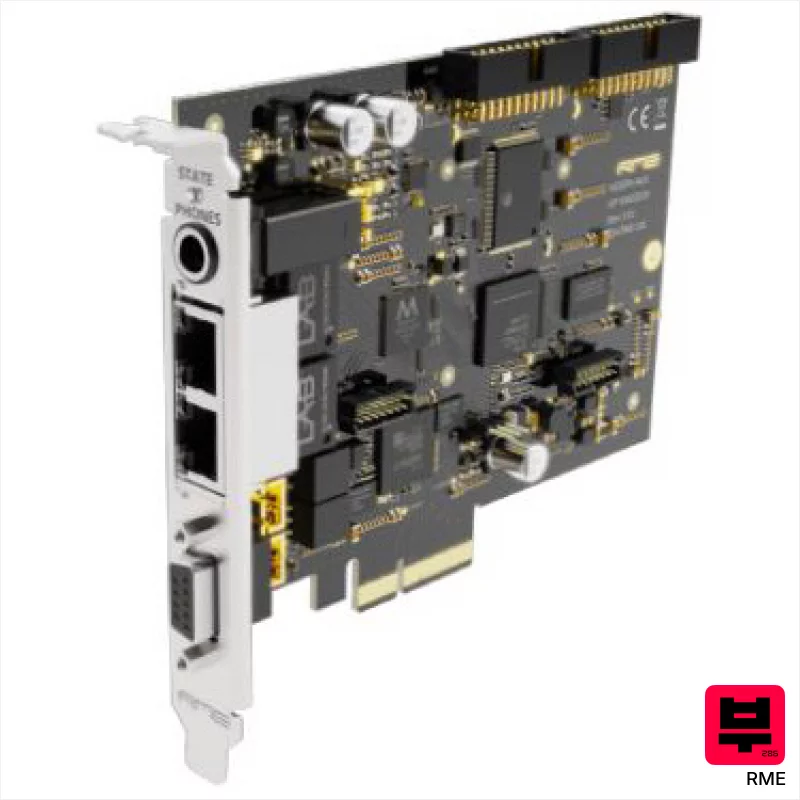
RME HDSPe AoX-M
- • Rock-solid SteadyClock minimizes jitter, crucial for critical tracking.
- • AVB/Milan compatibility offers unparalleled network flexibility and scalability.
- • TotalMix provides exceptional routing and monitoring capabilities on-device.
- • PCIe x4 interface delivers high bandwidth for demanding channel counts.
- • PCIe card format limits system compatibility; not USB or Thunderbolt.
- • Expansion cards for MADI add significant cost and complexity.
- • Steep learning curve for TotalMix, requires dedicated time to master.
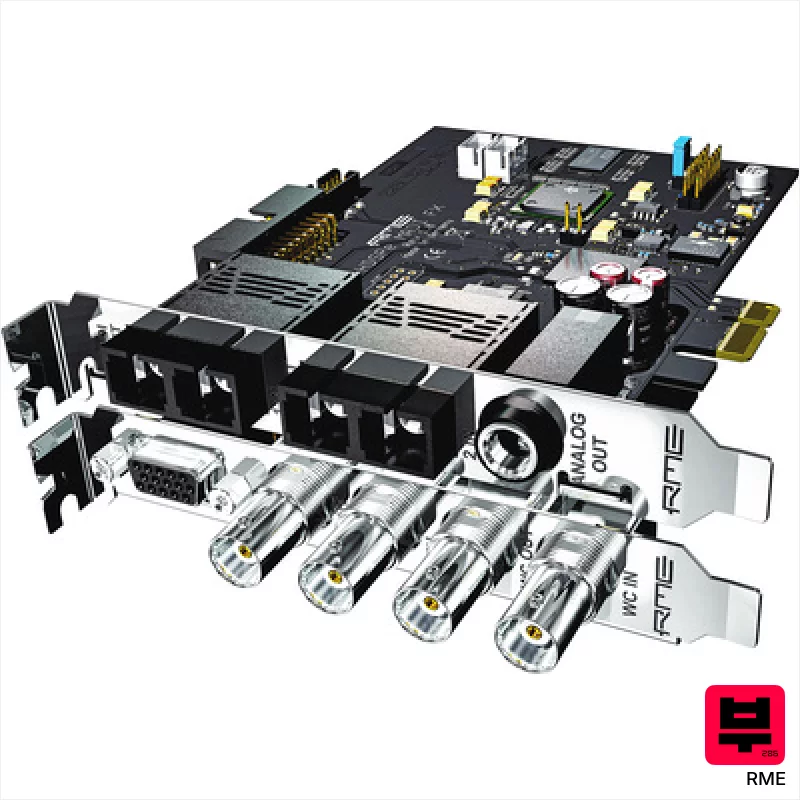
RME HDSPe Madi FX
- • Unmatched channel count provides extreme routing flexibility.
- • SteadyClock minimizes jitter, resulting in pristine audio clarity.
- • TotalMix FX offers powerful, latency-free processing capabilities.
- • MADI optical/coax conversion simplifies complex studio setups.
- • PCIe interface limits portability and upgrade options.
- • Steep learning curve for TotalMix FX's advanced features.
- • Premium-priced, representing a significant investment.
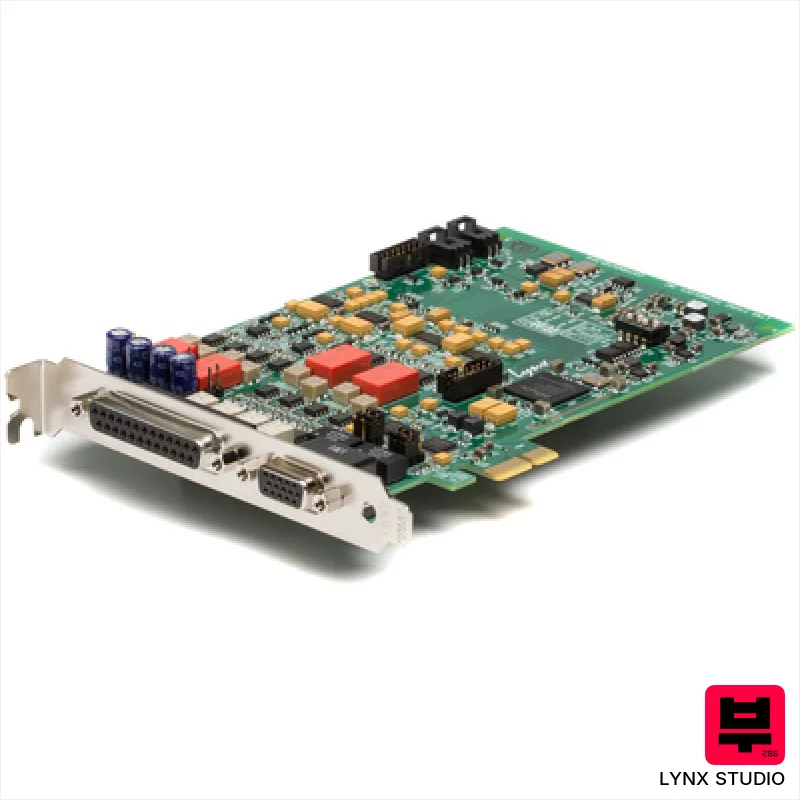
Lynx Studio E44
- • Exceptional low-jitter clocking improves overall audio clarity
- • FPGA-based hardware mixer offers real-time routing flexibility
- • Robust build quality reflects Lynx’s long-standing reputation
- • De-Thump feature protects speakers from unwanted pops and clicks
- • PCIe connectivity limits system compatibility and upgrade paths
- • Analog I/O and digital I/O cables are sold separately, increasing cost
- • Limited to four analog channels, may not suit large recording setups
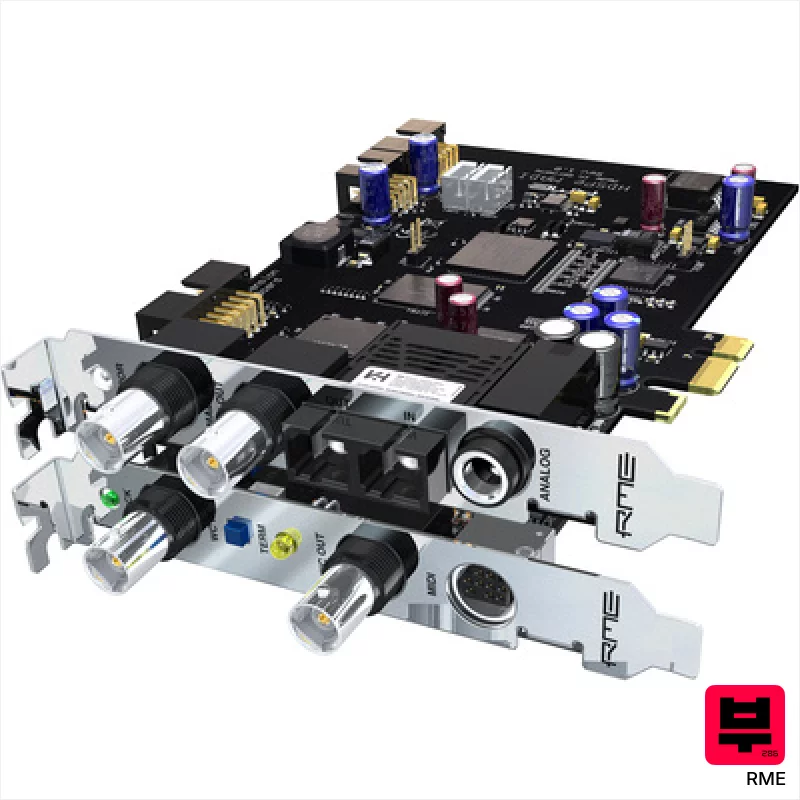
RME HDSPe MADI
- • Rock-solid MADI connectivity for massive channel counts.
- • RME's Total Compensation (TCO) is legendary for stability.
- • Flexible routing allows complex signal chains and mixes.
- • ASIO 2.0 compatibility ensures low-latency performance.
- • PCIe card format limits platform compatibility.
- • The user interface can feel dated compared to newer interfaces.
- • High price point puts it out of reach for many home studios.
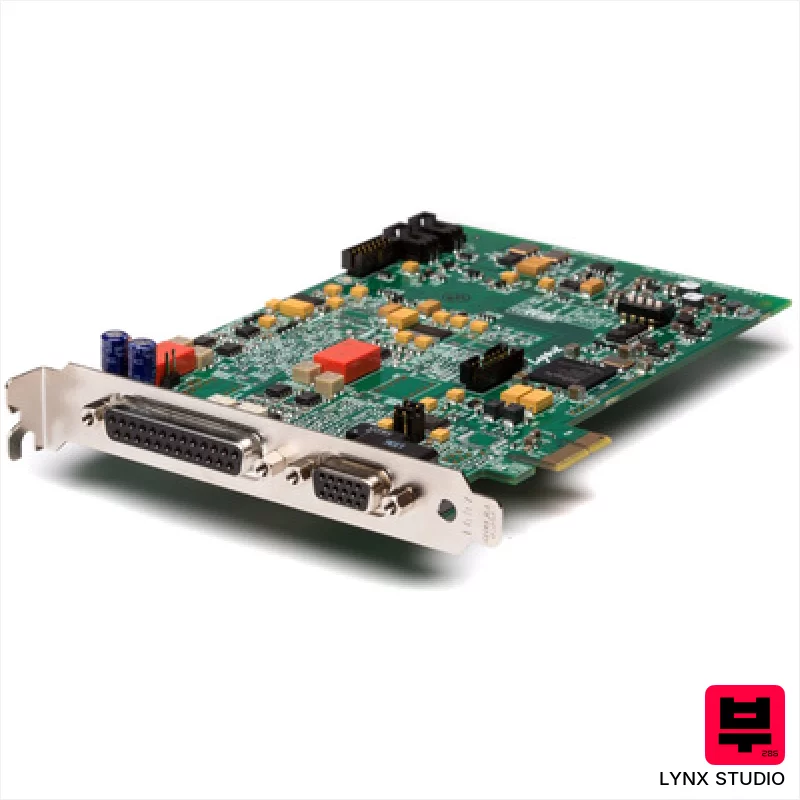
Lynx Studio E22
- • Exceptional low-jitter clocking provides pristine audio clarity
- • FPGA-based mixer offers incredibly flexible routing options
- • Robust build quality; feels like a serious, professional tool
- • De-Thump feature protects speakers during switching, a thoughtful touch
- • PCIe interface limits compatibility with modern, fanless systems
- • Analog I/O and digital I/O cables are separate, adding to initial expense
- • Limited input/output count restricts larger recording setups
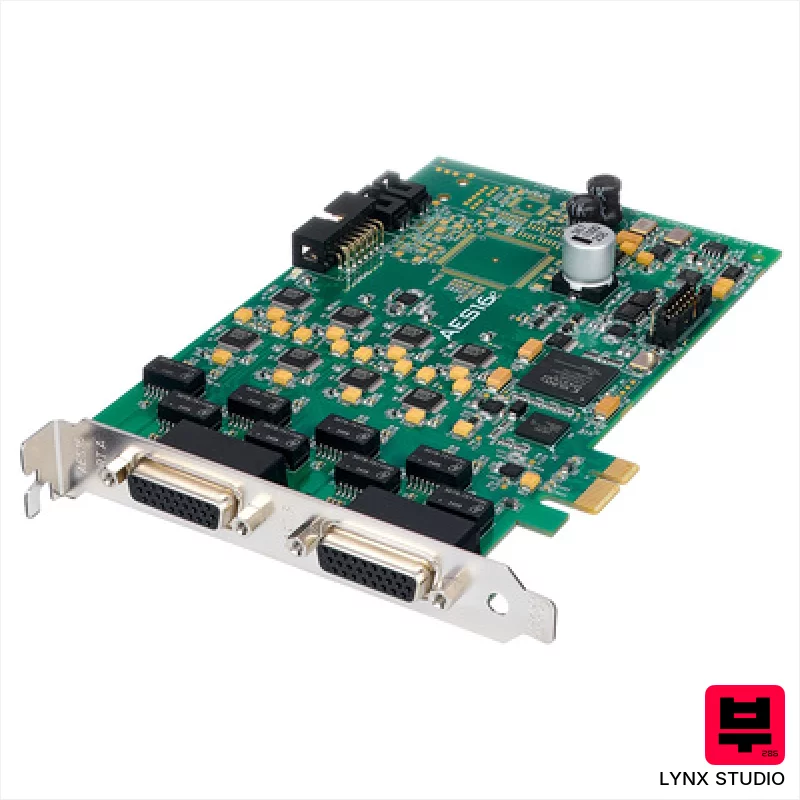
Lynx Studio AES-16e PCI Express
- • Exceptional clocking performance minimizes jitter for pristine digital audio
- • Robust build quality; feels like it'll withstand years of studio use
- • Flexible routing engine allows complex signal flow configurations
- • SynchroLock provides rock-solid synchronization with other digital gear
- • PCIe interface limits platform compatibility compared to newer USB solutions
- • Requires breakout cable for connectivity, adding to overall cost and complexity
- • Driver support is somewhat limited to older operating systems
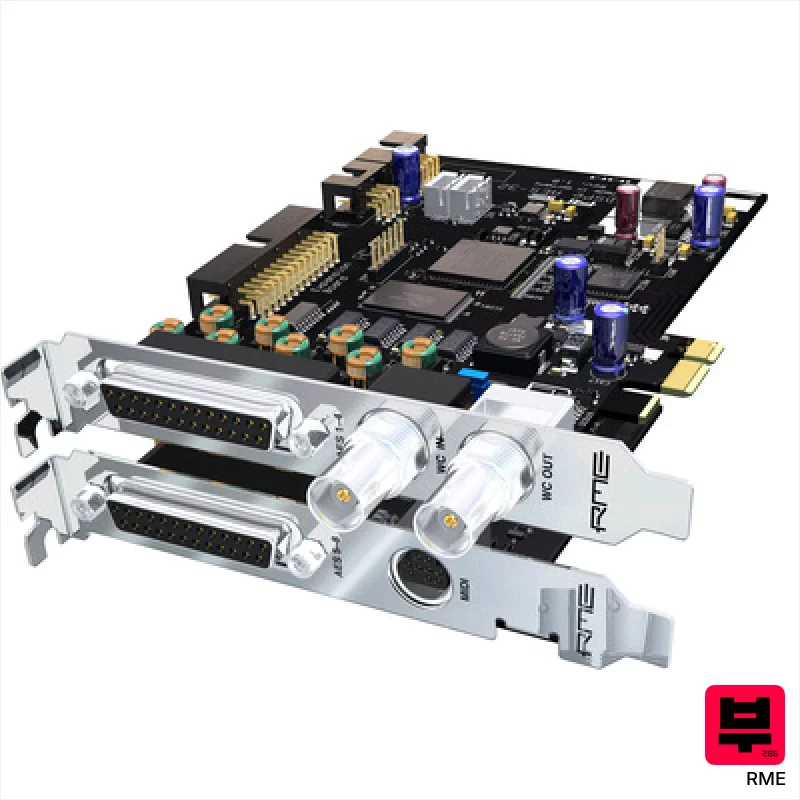
RME HDSPe AES
- • Rock-solid RME drivers offer unparalleled stability and low latency.
- • Eight AES/EBU I/O provides premium digital connectivity options.
- • TotalMix FX offers flexible routing and processing capabilities.
- • Robust build quality; feels like it'll withstand years of studio use.
- • PCIe interface limits system compatibility; no Thunderbolt option.
- • Limited analog I/O compared to some other interfaces in its class.
- • Can be complex to configure initially, steep learning curve for beginners.
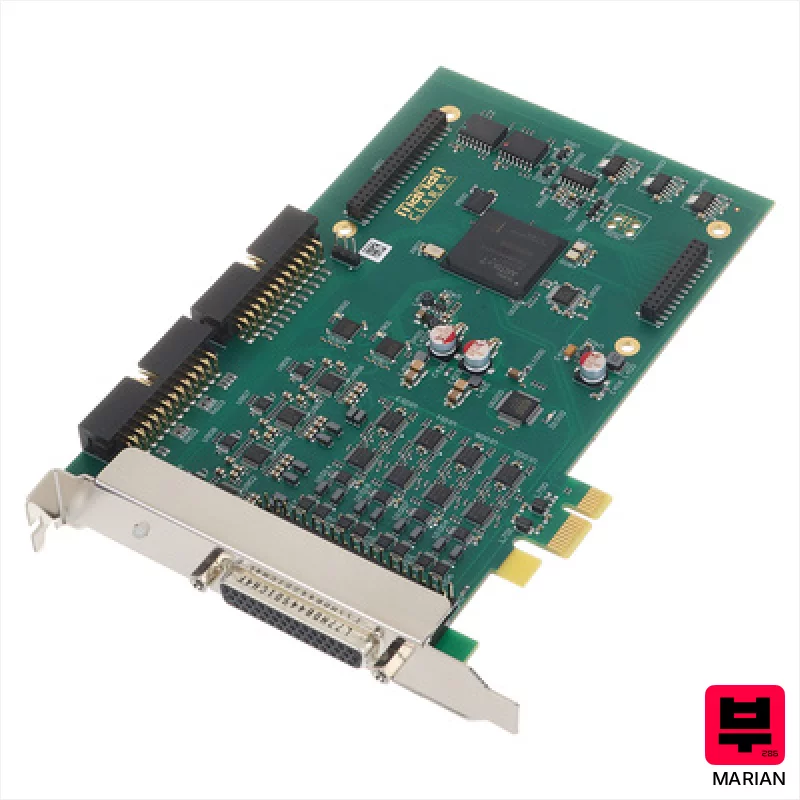
Marian Clara A XLR
- • Cascadeable TDM SyncBus enables complex, multi-interface setups.
- • Auto-mute prevents disruptive pops during system boot-up.
- • Beast DSP mixer provides substantial headroom for processing.
- • Low jitter (<1ns) guarantees pristine, accurate audio capture.
- • D-Sub adapter cables for XLR connectivity add complexity and potential points of failure.
- • Windows-only driver support limits accessibility for Mac users.
- • PCIe interface restricts portability; not ideal for mobile recording.
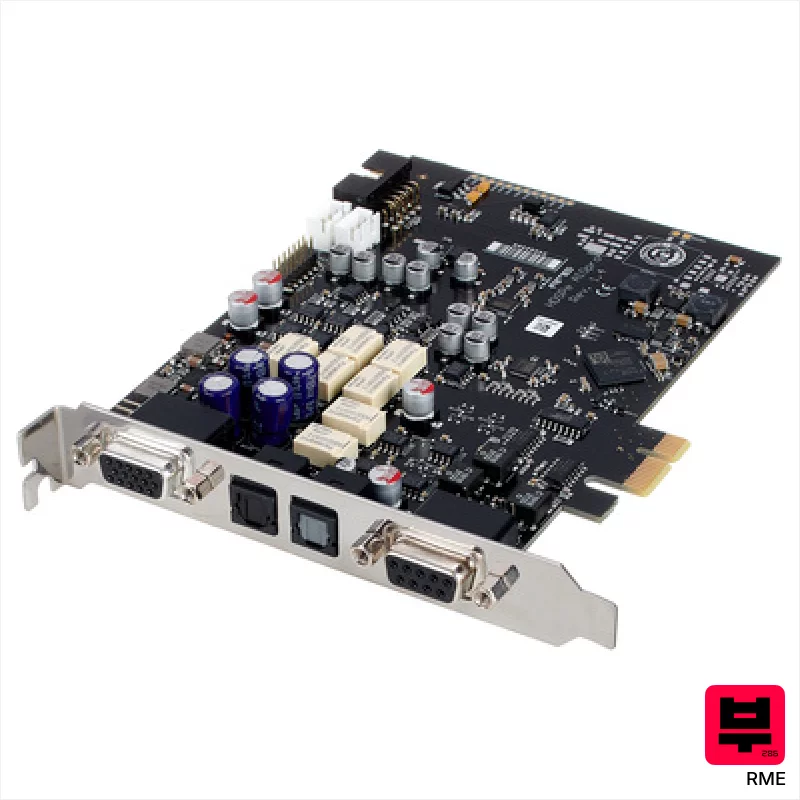
RME HDSPe AIO Pro
- • ADI-2 Pro converters deliver exceptionally clean, detailed audio reproduction
- • SteadyClock FS minimizes jitter for pristine digital clarity
- • Flexible output level options (+24dBu to -2dBu) accommodate diverse setups
- • Mute relays prevent pops and noise during computer startup/shutdown
- • PCIe interface limits portability and upgrade flexibility
- • Complex feature set demands a steeper learning curve for novice users
- • Premium-priced, representing a significant investment for smaller studios
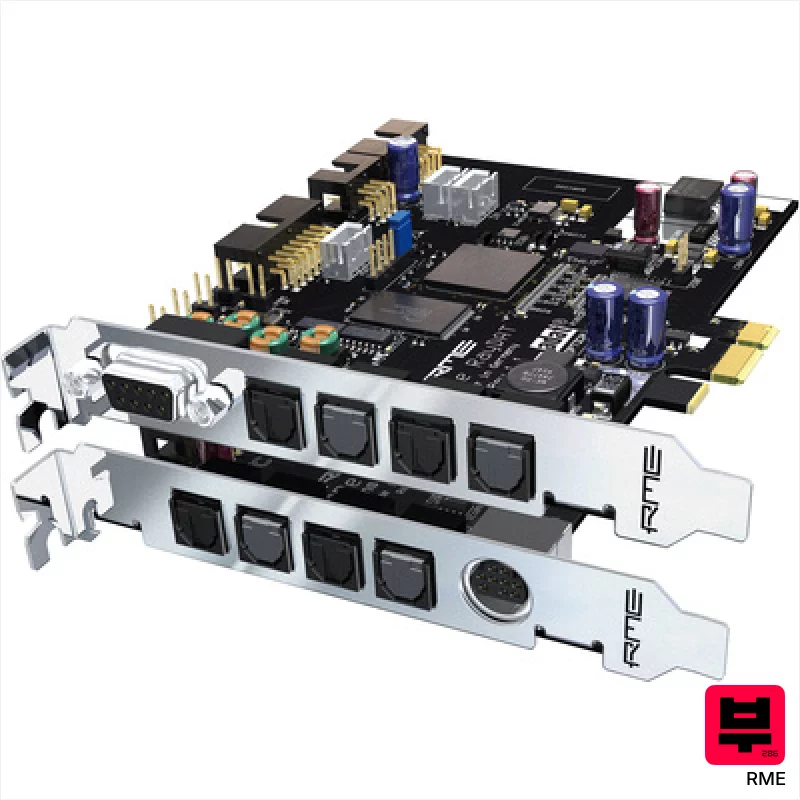
RME HDSPe RayDAT
- • Exceptional channel count for complex recording setups
- • RME's TotalMix DSP mixer is a genuine workflow booster
- • Flexible ADAT, AES/EBU, and SPDIF I/O options offer broad compatibility
- • Rock-solid RME build quality ensures long-term reliability
- • PCIe interface limits portability; desktop systems only
- • Can be complex to configure initially, steep learning curve
- • Premium-priced, a significant investment for smaller studios
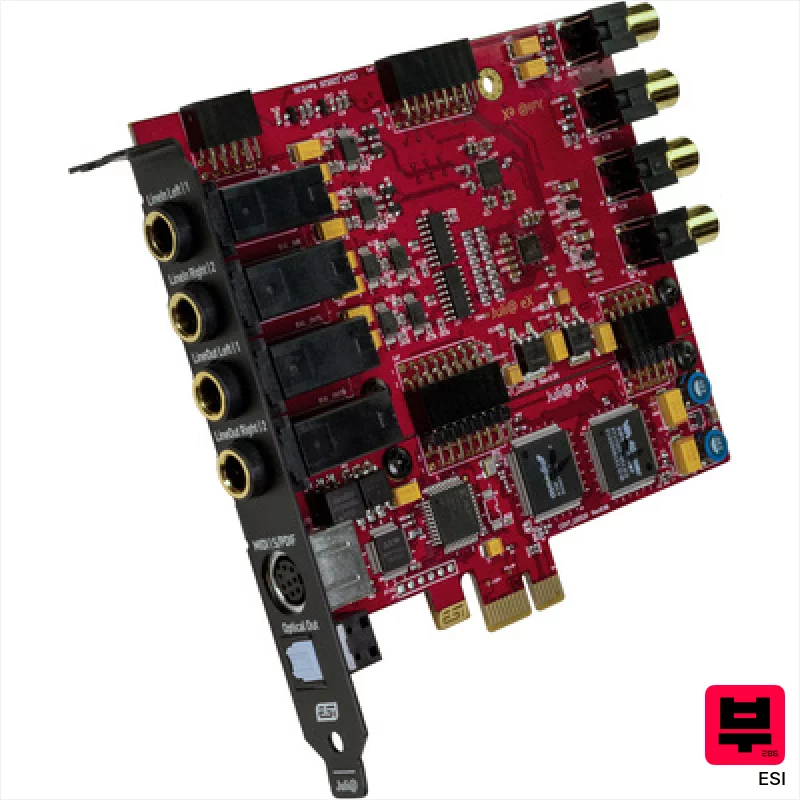
ESI Juli@ eX
- • Sabre ESS converters deliver clean, transparent audio reproduction
- • EWDM driver ensures impressively low latency for real-time tracking
- • Interchangeable I/O panels offer flexible connectivity options
- • Compact form factor suits tight studio spaces and mobile setups
- • Limited preamp gain range restricts use with low-output microphones
- • Plastic enclosure feels less robust than metal alternatives
- • Software bundle is entry-level and may require upgrades soon
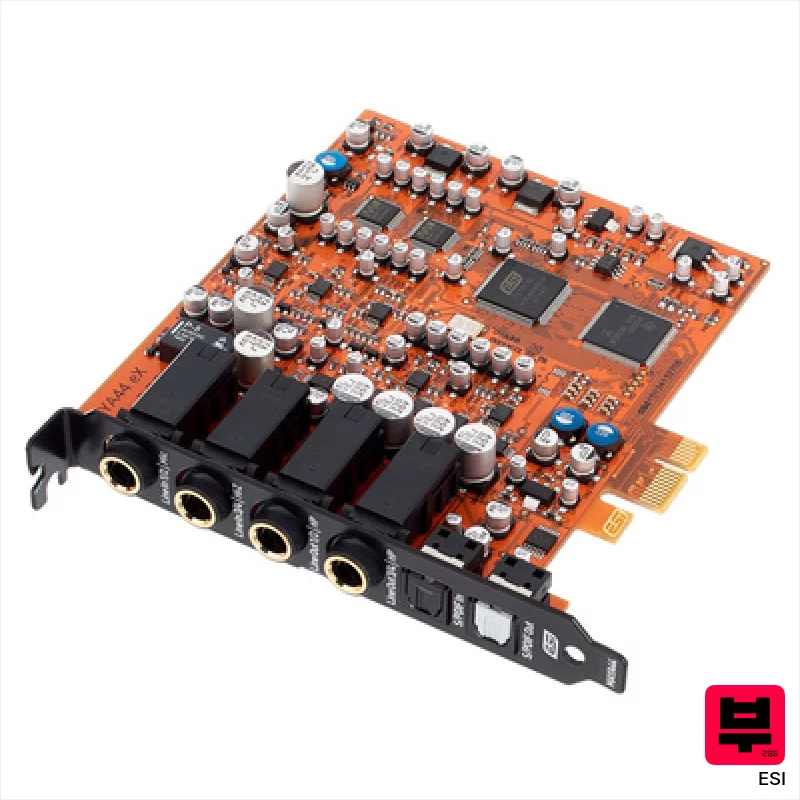
ESI MAYA44 eX
- • Solid build quality for the price point, feels robust in the chassis
- • DirectWIRE 3.0 offers surprisingly low latency for a PCIe interface
- • The single preamp provides clean gain, suitable for vocal recording
- • Optical S/PDIF offers flexible routing options for expanded setups
- • Limited input/output count restricts larger recording projects
- • Driver support is Windows-only, a significant limitation for Mac users
- • Preamp's headroom is modest; struggles with very hot signals
PCIe Audio Interfaces by the numbers
Measured across all 15 models in this category, so «wide», «short» or «expensive» mean something you can check.
How to Choose the Best PCIe Audio Interfaces
Latency
This isn't just about milliseconds; it's about feel. Can you track drums convincingly without flinching? Can you play fast, articulate guitar parts without the delay tripping you up? Low latency is non-negotiable for professional work.
Driver Stability
A rock-solid driver is worth its weight in gold. Dropped audio, crashes, and pops during a crucial take are career-killers. We're looking for interfaces with a proven track record of stability across different operating systems and DAWs.
Preamps & Converters
The preamps need to handle hot signals without clipping, and the converters need to capture the subtle details of your instruments - that transient snap of a snare, the breathy quality of a vocal. We're listening for that clarity and detail, not just 'clean' but musical clean.
I/O Count & Routing
As a pro, you're likely tracking multiple sources simultaneously. Enough inputs and outputs are crucial for drums, ensembles, and complex recording setups. Flexible routing options are a huge bonus for creative signal chains and live performance.
Headroom & Dynamic Range
Clipping is the enemy of a good mix. You need enough headroom to handle unexpected peaks without compromising the overall dynamic range of your recordings. A tight low-end and a clear high-end are what separate a demo from a polished track.
Buying Guide
Don't get seduced by the marketing hype. PCIe interfaces can be pricey, and the extra cost isn't always justified. If you're primarily recording acoustic instruments and vocals, a simpler interface might suffice. Pay attention to the preamps - some cheaper interfaces have preamps that add a colored, sometimes muddy, character. And remember, a fantastic interface won't magically fix a bad performance; focus on the source first.
How This List Is Built
We don't play these instruments — we're a catalog, not a review desk, and we'd rather say so than pretend otherwise. This page covers 15 pcie audio interfaces from the Thomann catalogue, which is the largest single source of specification data in this category: 15 in detail, the rest listed with their specifications.
Position is computed, not curated. We parse the manufacturer's own description into actual values — nut width, scale, fret count, fingerboard radius, size, alloy — and rank on them: how many specifications a model has published, how many of them are measurable numbers, and how precisely it meets this page's criterion. A product image adds a little. Price is not a ranking signal: it tells you nothing about whether a neck fits your hand. The same inputs always produce the same order, so nothing here is shuffled to look fresh.
What this list is good for: narrowing a category down to a shortlist by spec and budget. What it isn't: a substitute for hearing an instrument. Before you buy, read hands-on reviews and, where you can, play it. Full methodology.

