
Best Passive Full-Range PA Speakers for Professional Install 2026
So, you're doing professional installs - bars, restaurants, houses of worship, maybe even a small theater. Forget about hauling around a massive rig; you need reliable, full-range speakers that sound good without needing a ton of power. Passive full-range speakers are the way to go for a clean, consistent sound that doesn't demand a dedicated amp rack, especially when space is at a premium and you're dealing with permanent or semi-permanent setups.
Last updated: July 8, 2026 • Next update: July 15, 2026

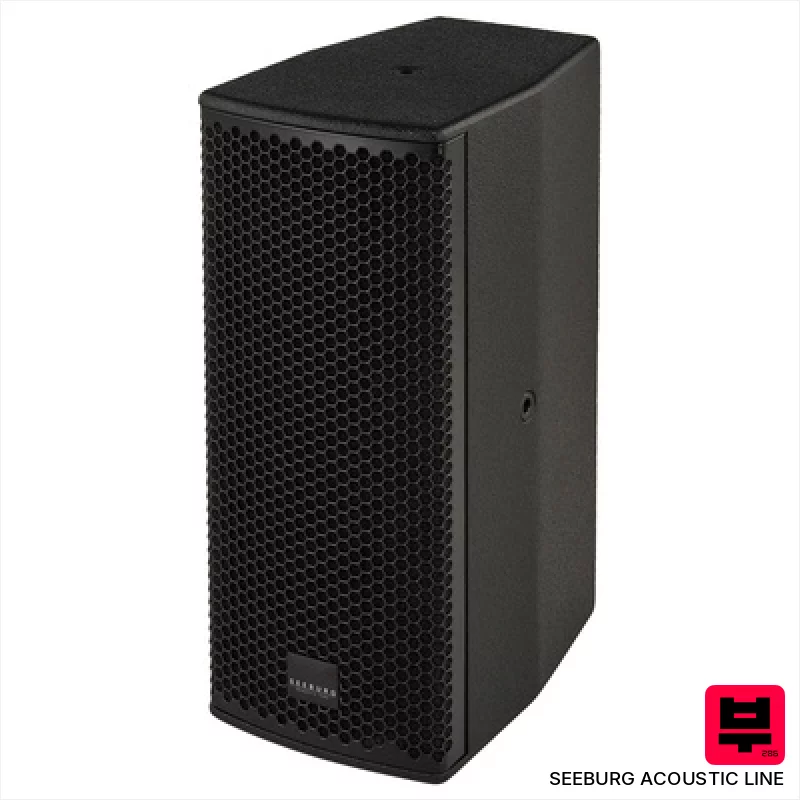
Seeburg Acoustic Line F4
- • Neodymium drivers deliver exceptional power-to-weight ratio.
- • Rotatable horn provides flexible coverage for various venues.
- • Robust construction with M10 rigging points for secure installation.
- • Broad 55Hz-18kHz frequency response offers impressive clarity.
- • 4-ohm impedance demands a capable amplifier; power handling considerations crucial.
- • Weight (25.5kg) makes transport and setup a two-person job.
- • The horn's vertical dispersion may require careful aiming in smaller spaces.
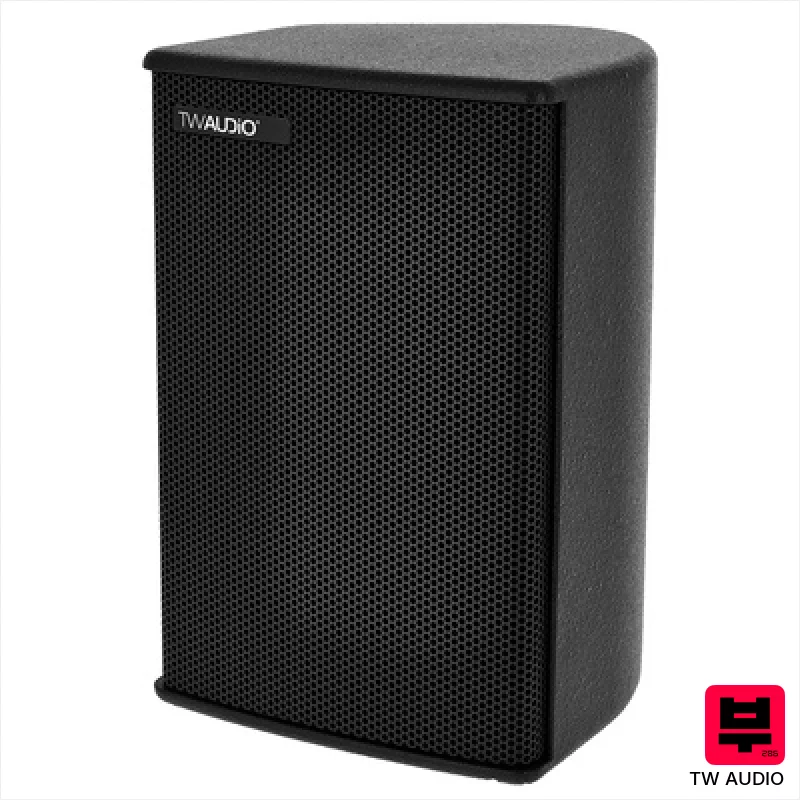
Seeburg Acoustic Line F1
- • Neodymium drivers deliver tight, accurate bass response.
- • Rotatable horn offers flexible vertical coverage for varied setups.
- • Relatively lightweight for a speaker this size, easing transport.
- • Robust construction suggests durability for gigging musicians.
- • 16-ohm impedance requires careful amplifier matching to avoid issues.
- • 90dB sensitivity might necessitate more power for smaller venues.
- • The 70Hz low-end extension might be lacking for serious bass-heavy applications.
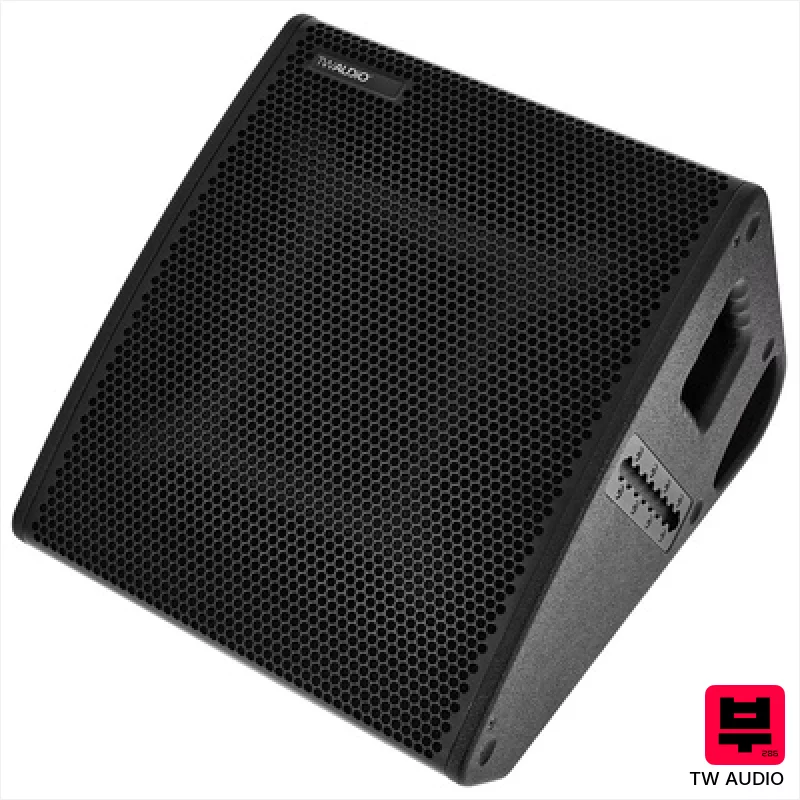
TW AUDiO C5
- • Excellent coaxial design offers surprisingly wide, consistent coverage.
- • Birch multiplex construction provides a robust, resonant enclosure.
- • Compact and lightweight for easy transport and rigging.
- • Compression driver delivers clear, articulate highs with good headroom.
- • 24-ohm impedance requires careful amplifier matching and power management.
- • Limited low-frequency extension; best paired with a sub for full-range use.
- • The recommended amplifier presets suggest a dependency on TW AUDiO’s ecosystem.
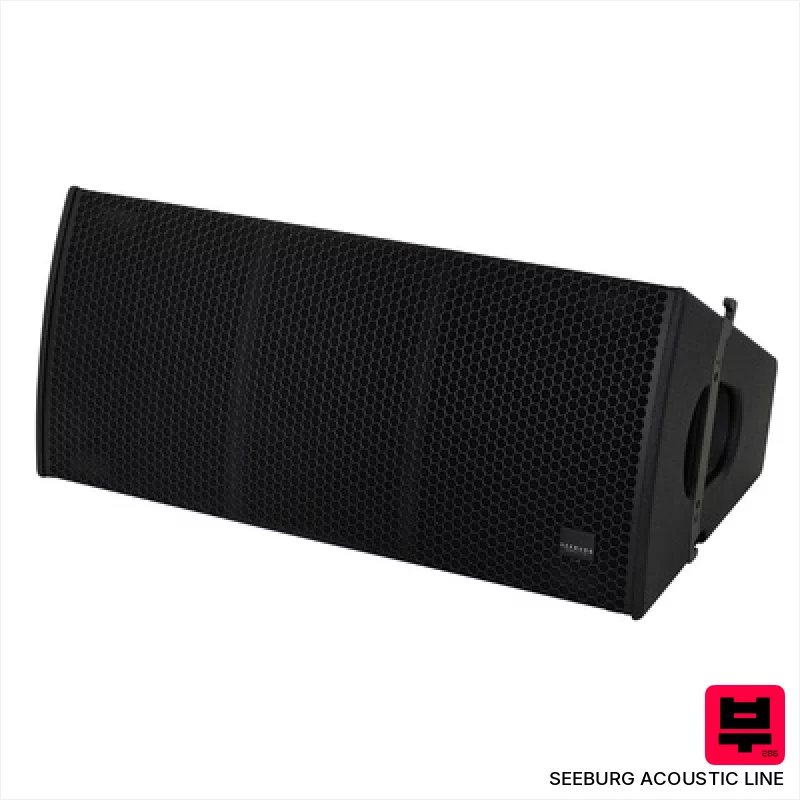
TW AUDiO C12
- • Exceptional coaxial design delivers surprisingly focused coverage.
- • Multiplex birch construction feels robust and handles abuse well.
- • High SPL (132dB) allows for serious volume without distortion.
- • Air-Cargo rigging tracks offer practical and secure deployment options.
- • High impedance (8 Ohm) limits amplifier choices and power efficiency.
- • Weight (19.6 kg) makes transport and setup a two-person job.
- • The recommended amplifier presets add to the overall system cost.
Seeburg Acoustic Line C30
- • Constant curvature array delivers surprisingly even coverage for the size.
- • Baltic birch construction feels incredibly solid and roadworthy.
- • Neodymium drivers offer excellent power-to-weight ratio.
- • Rigging points and MultiRigg compatibility allow for flexible deployment.
- • The 90° x 30° dispersion might be too narrow for some applications.
- • 23.5kg is hefty – moving these solo will be a challenge.
- • Polyurea coating, while durable, can feel a little plasticky.
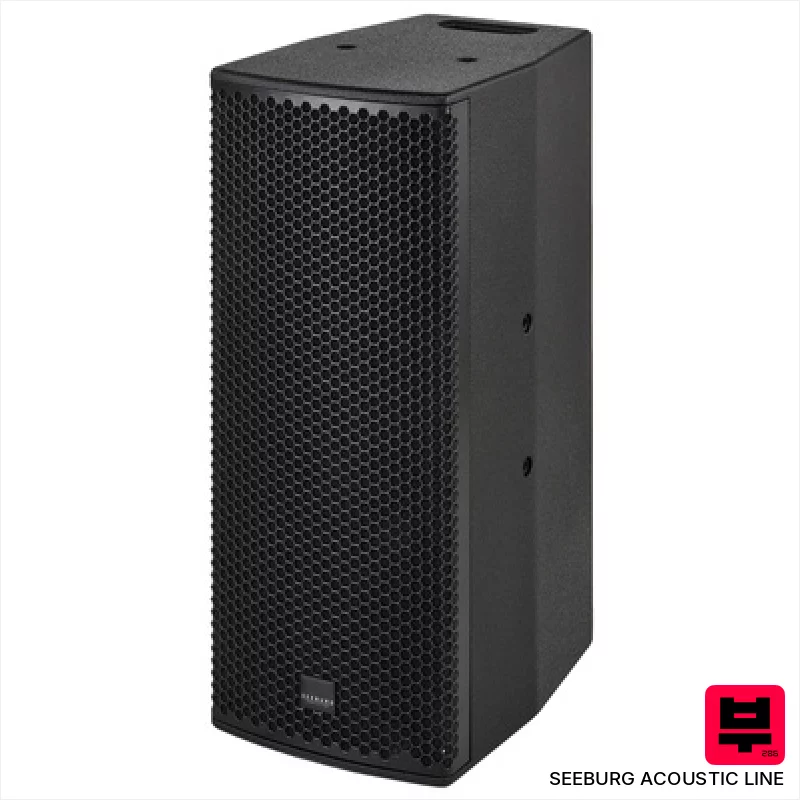
Seeburg Acoustic Line F3
- • Neodymium drivers deliver surprisingly tight, controlled low-end response.
- • Rotatable horn offers excellent pattern control for various venue sizes.
- • Robust construction with M10 rigging points suggests professional durability.
- • 800W AES power handles demanding live performances reliably.
- • 18kg weight makes transport a challenge for solo performers or smaller rigs.
- • 4-ohm impedance requires careful amplifier selection to avoid clipping.
- • Limited connectivity beyond standard NL4 connectors restricts flexibility.

TW AUDiO M8 R
- • Birch multiplex construction provides excellent rigidity and resonance control.
- • The compression driver delivers clear, articulate highs with surprising projection.
- • Slanted monitor angle offers practical stage monitoring capabilities.
- • Compact size and relatively low weight for its power output.
- • Requires a dedicated amplifier with TW AUDiO presets for optimal performance.
- • The 90° x 60° beam angle might be too narrow for wider spaces.
- • While versatile, excels best in smaller to mid-sized venues.
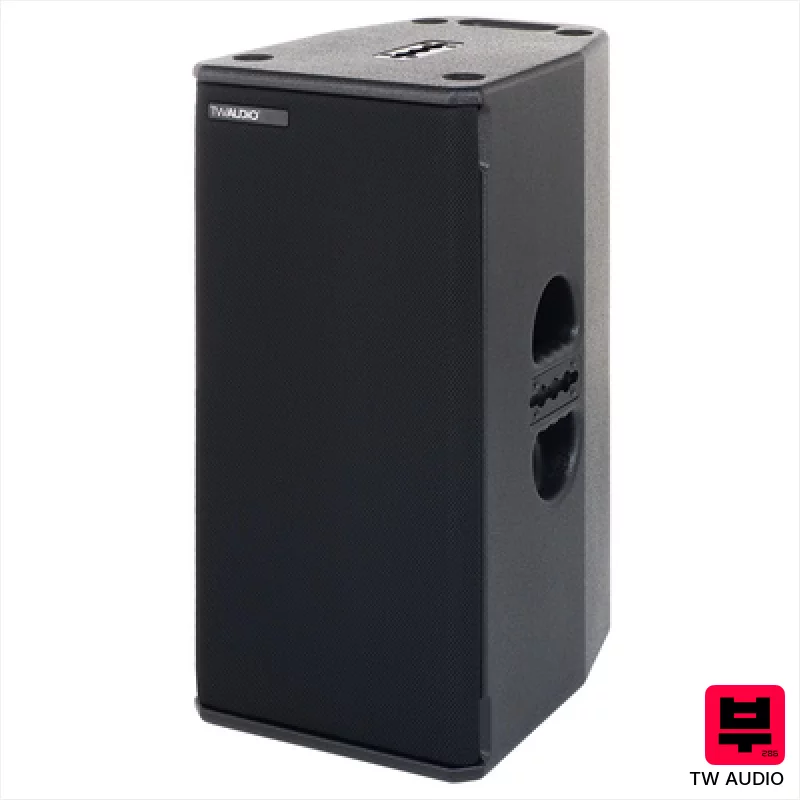
TW AUDiO T20-60
- • Neodymium woofers deliver tight, impactful low-end response.
- • Birch multiplex construction ensures robust build and excellent resonance damping.
- • The horn/compression driver combo provides clear, articulate highs with excellent throw.
- • Integrated rigging rails allow for flexible deployment in various configurations.
- • High price point makes it a premium investment for serious users.
- • The 8-ohm impedance requires careful amplifier selection for optimal performance.
- • The fixed beam angle might not be ideal for all venue types.
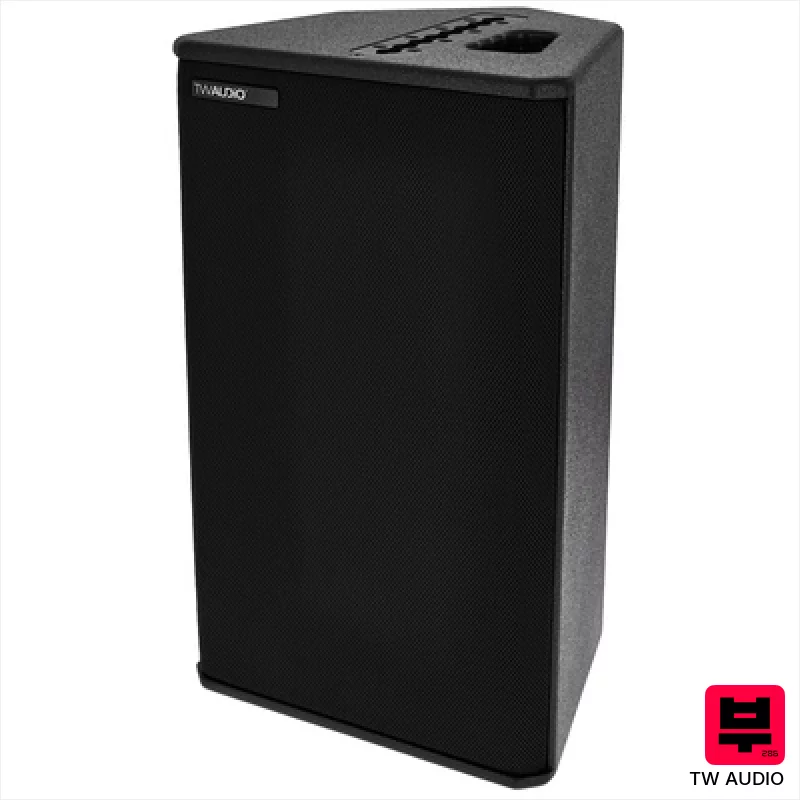
TW AUDiO M12 L
- • Multiplex birch construction delivers exceptional resonance and durability.
- • 1.4" compression driver provides crisp highs with minimal distortion.
- • 75° x 50° dispersion suits a wide range of stage and venue setups.
- • Air-Cargo rigging rails allow for flexible and secure installation.
- • The 20.2 kg weight makes transport a two-person job without proper gear.
- • Requires high-powered, compatible amplifiers for optimal performance, adding to cost.
- • While versatile, its point-source design isn't ideal for large, complex sound reinforcement needs.
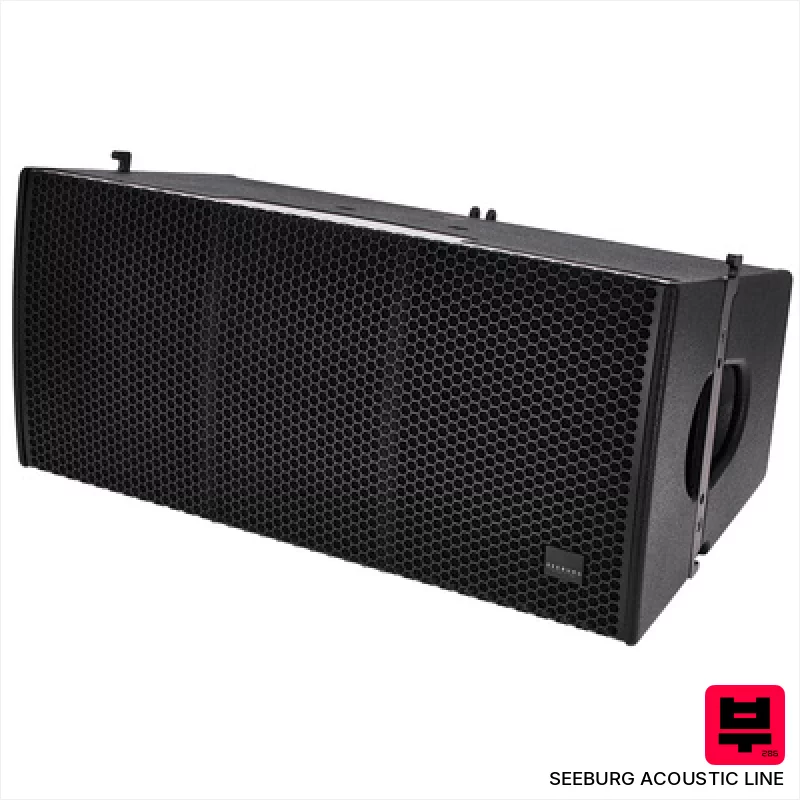
Seeburg Acoustic Line C15
- • Constant curvature array delivers exceptional clarity and controlled coverage.
- • Baltic birch construction with polyurea coating ensures durability for touring.
- • Neodymium drivers offer high power with reduced weight compared to ferrite.
- • 8 Ohm impedance provides compatibility with a wide range of amplifiers.
- • The 90° x 15° dispersion might be too narrow for very wide stages.
- • At 25kg, transport is manageable but requires a team or dedicated gear cart.
- • The polyurea coating, while durable, could be prone to scratching with heavy use.

TW AUDiO M10 R
- • Birch multiplex construction provides exceptional rigidity and resonance control.
- • High-output compression driver delivers clean, articulate highs even at high SPL.
- • Slanted monitor angle facilitates easy floor monitoring for smaller gigs.
- • Air-Cargo rigging rails offer secure and versatile mounting options.
- • Relatively heavy for a 10” speaker, potentially challenging for solo performers.
- • Optimal performance requires compatible, premium-priced amplifiers for best results.
- • Dispersion angle might be too narrow for very wide stage setups.
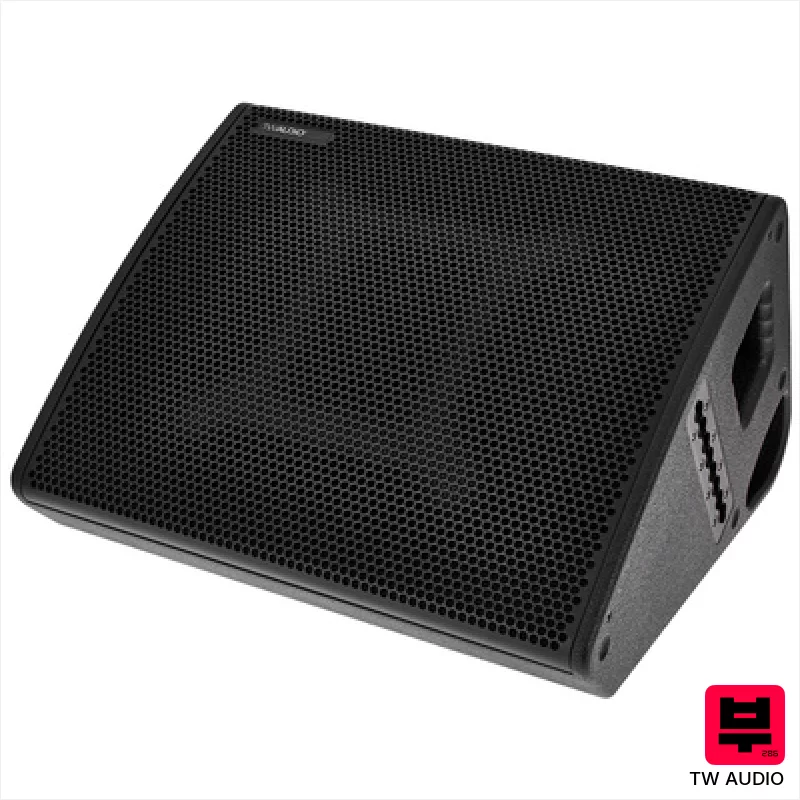
TW AUDiO C15
- • Robust birch multiplex construction ensures durability for touring.
- • Coaxial design delivers excellent off-axis coverage and clarity.
- • High 133dB SPL handles large venues with ease and headroom.
- • Air-Cargo rigging rails simplify complex stage setups and deployment.
- • The 8-ohm impedance limits amplifier choices and power efficiency.
- • Significant weight (23.8kg) makes transport and setup challenging.
- • Optimal performance necessitates dedicated, premium amplifiers, adding to cost.
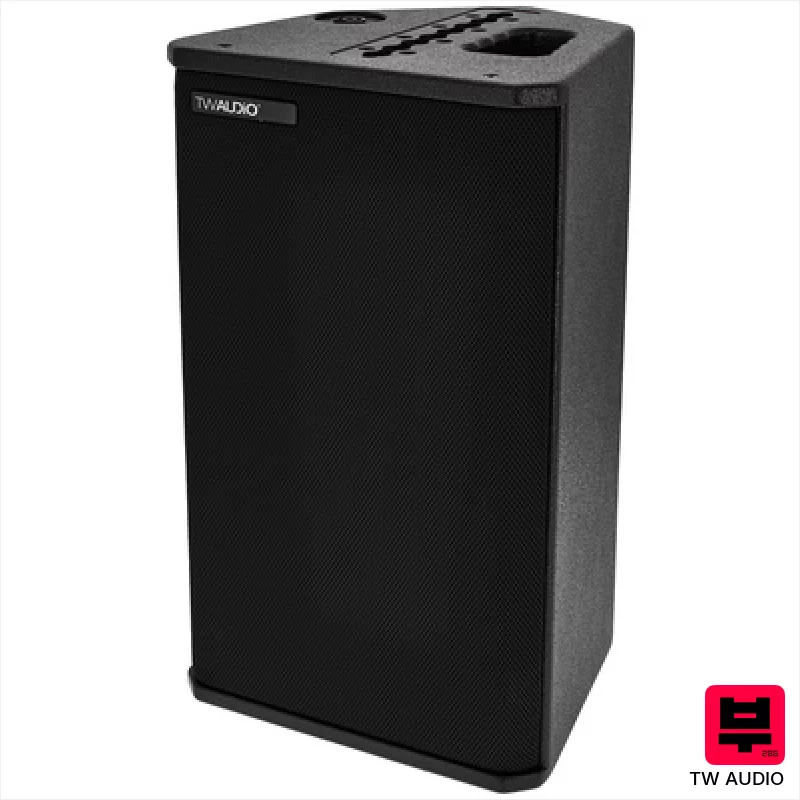
TW AUDiO M10 L
- • Birch multiplex construction provides exceptional rigidity and resonance control.
- • 1.4” compression driver delivers clear, detailed highs with minimal distortion.
- • Slanted monitor angle offers convenient floor monitoring capabilities.
- • Air-Cargo rigging rails allow for flexible and secure installation options.
- • High power requirements necessitate a premium-priced, compatible amplifier.
- • 15.2 kg weight makes transport and handling somewhat cumbersome.
- • The narrow vertical dispersion may require careful placement in larger venues.

TW AUDiO M8 L
- • Robust multiplex birch construction ensures durability for gigging.
- • 90° x 60° dispersion minimizes dead spots in coverage.
- • Compression driver delivers clear highs without harshness.
- • Slanted monitor angle simplifies floor monitoring applications.
- • Relatively heavy at 10kg, can be tiring for solo performers.
- • Optimal performance requires compatible, premium-priced amplification.
- • 8” woofer limits low-frequency extension for very bass-heavy genres.
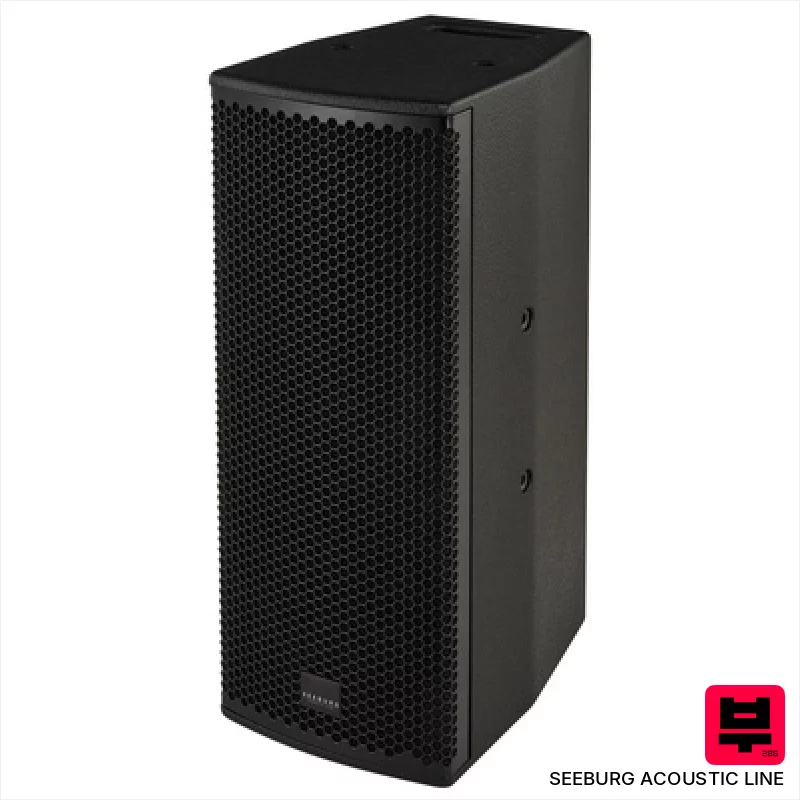
Seeburg Acoustic Line F2
- • Neodymium drivers offer impressive power-to-weight ratio.
- • Rotatable horn provides adaptable coverage for various venues.
- • Robust build quality with ample rigging points inspires confidence.
- • Broad frequency response delivers clean, detailed sound across genres.
- • 12.5 kg is substantial; transport could be challenging for solo users.
- • 8-ohm impedance might require careful amplifier matching for optimal performance.
- • Limited flexibility for complex sound reinforcement beyond straightforward PA needs.
How to Choose the Best Passive Full-Range PA Speakers
Frequency Response & Clarity
Install work isn't about booming sub-bass; it's about clear vocals and natural instrument reproduction. A smooth, extended frequency response without harsh peaks is crucial for background music and spoken word, avoiding that ice-picky top end that makes everything fatiguing. You want intelligibility, not ear fatigue.
Power Handling & Efficiency
Passive speakers need an amp, but you want to minimize the power draw and heat generated in a fixed installation. Higher efficiency means you can use smaller, more efficient amps, saving energy and reducing noise. Proper headroom is essential to avoid distortion when the volume gets cranked for a lively event.
Dispersion Pattern
For a permanent install, you need a wide and even dispersion pattern to cover the listening area without creating dead spots or hot spots. A consistent sound across the room is key, especially in environments with reflective surfaces where sound can easily bounce around.
Durability & Build Quality
Install speakers take a beating - accidental bumps, dust, moisture. A robust enclosure, quality components, and a reliable mounting system are non-negotiable. Cheap plastic enclosures crack, and flimsy mounting brackets fail - leading to costly repairs and downtime.
Versatility & Mounting Options
You need a speaker that can handle a variety of applications, from background music to live performances. Multiple mounting options (wall, ceiling, tripod) and a compact form factor are essential for flexibility in different install scenarios. Think about how it will actually fit in the space.
Buying Guide
Don't get lured in by the biggest numbers on the wattage scale; those are often inflated and don't tell the whole story. Listen critically to the speaker's tonal balance - does it have a muddy low-midrange or a harsh high-end? Pay attention to the crossover design; a poorly implemented crossover will muddy the sound and reduce clarity. Ultimately, a well-designed passive speaker will give you consistent performance and reliability, even if it doesn't have all the flashy features.
Our Methodology
We're not just looking at specs here; we've spent countless hours putting these speakers through their paces. We've run them through everything from acoustic folk gigs to rock band rehearsals, A/B'd them against competing models, and listened critically to their tonal response, clarity, and how they handle dynamic range - the stuff that really matters when you're trying to get a consistent sound across diverse environments.

