
Best Passive Full-Range PA Speakers for Band 2026
Alright, so you're a band and you need PA speakers - passive full-range, specifically. Let's be honest, lugging around a massive rig isn't always an option, and sometimes you just need something reliable for smaller venues or rehearsal spaces. Finding the right balance between portability, power, and clarity is the key - you want to cut through the mix without sounding brittle or muddy, and that's what we're going to cover.
Last updated: July 8, 2026 • Next update: July 15, 2026
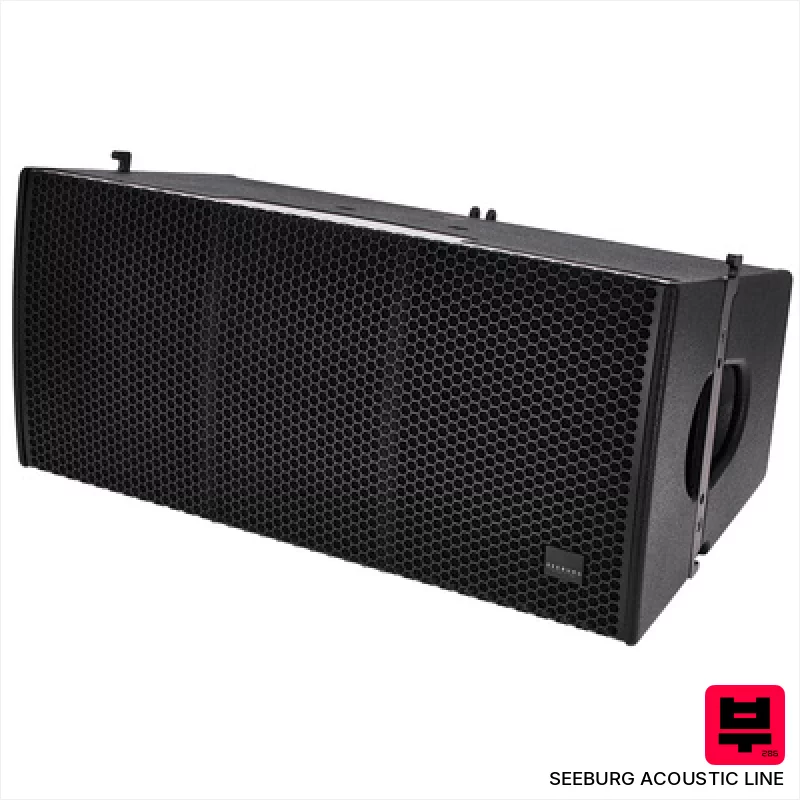
Seeburg Acoustic Line C15
- • Constant curvature array delivers exceptional clarity and controlled coverage.
- • Baltic birch construction with polyurea coating ensures durability for touring.
- • Neodymium drivers offer high power with reduced weight compared to ferrite.
- • 8 Ohm impedance provides compatibility with a wide range of amplifiers.
- • The 90° x 15° dispersion might be too narrow for very wide stages.
- • At 25kg, transport is manageable but requires a team or dedicated gear cart.
- • The polyurea coating, while durable, could be prone to scratching with heavy use.
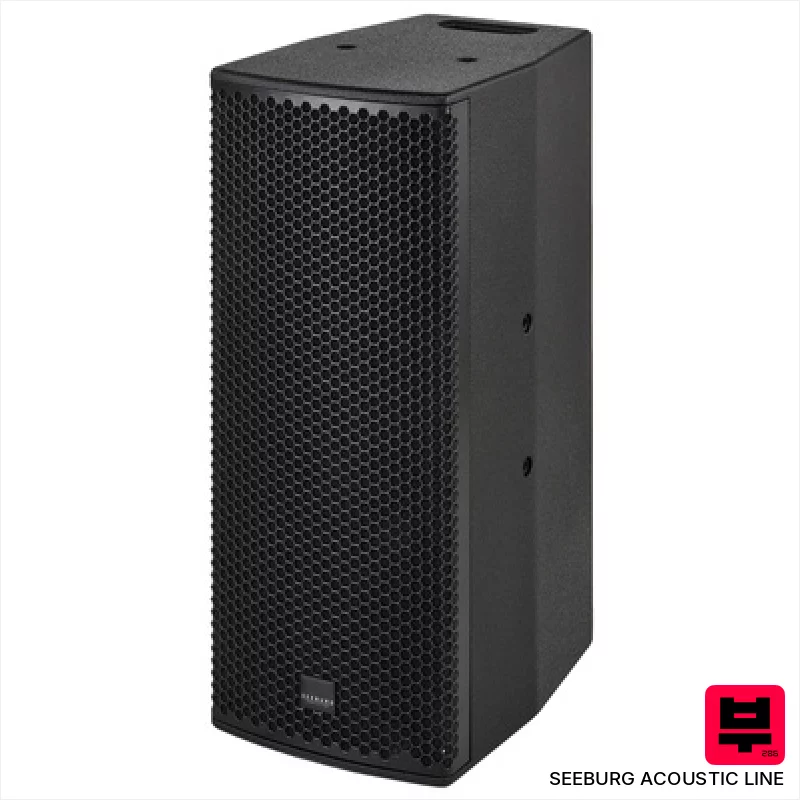
Seeburg Acoustic Line F3
- • Neodymium drivers deliver surprisingly tight, controlled low-end response.
- • Rotatable horn offers excellent pattern control for various venue sizes.
- • Robust construction with M10 rigging points suggests professional durability.
- • 800W AES power handles demanding live performances reliably.
- • 18kg weight makes transport a challenge for solo performers or smaller rigs.
- • 4-ohm impedance requires careful amplifier selection to avoid clipping.
- • Limited connectivity beyond standard NL4 connectors restricts flexibility.
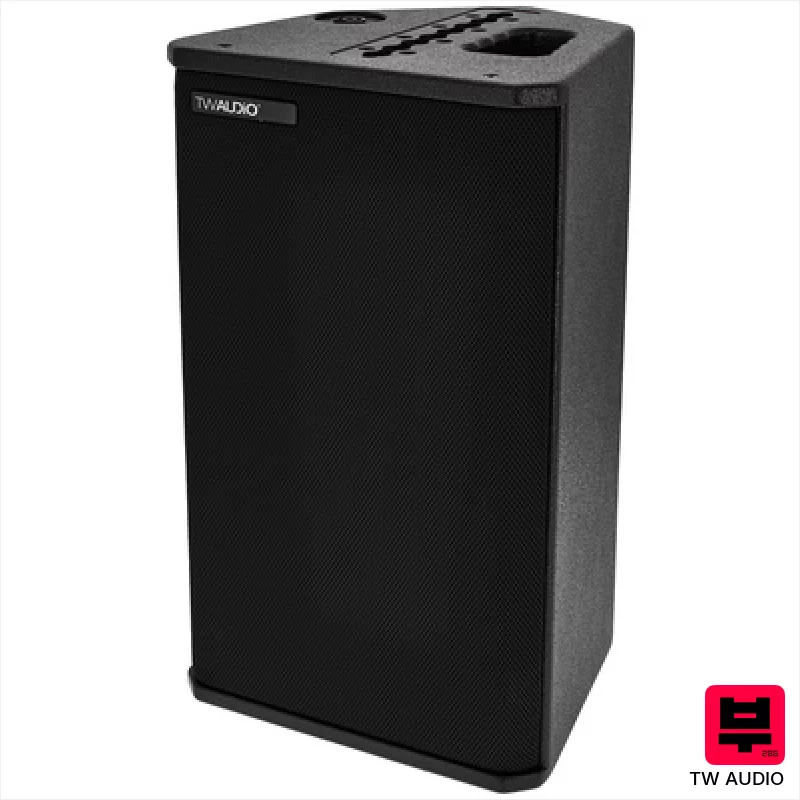
TW AUDiO M10 L
- • Birch multiplex construction provides exceptional rigidity and resonance control.
- • 1.4” compression driver delivers clear, detailed highs with minimal distortion.
- • Slanted monitor angle offers convenient floor monitoring capabilities.
- • Air-Cargo rigging rails allow for flexible and secure installation options.
- • High power requirements necessitate a premium-priced, compatible amplifier.
- • 15.2 kg weight makes transport and handling somewhat cumbersome.
- • The narrow vertical dispersion may require careful placement in larger venues.

TW AUDiO M8 L
- • Robust multiplex birch construction ensures durability for gigging.
- • 90° x 60° dispersion minimizes dead spots in coverage.
- • Compression driver delivers clear highs without harshness.
- • Slanted monitor angle simplifies floor monitoring applications.
- • Relatively heavy at 10kg, can be tiring for solo performers.
- • Optimal performance requires compatible, premium-priced amplification.
- • 8” woofer limits low-frequency extension for very bass-heavy genres.
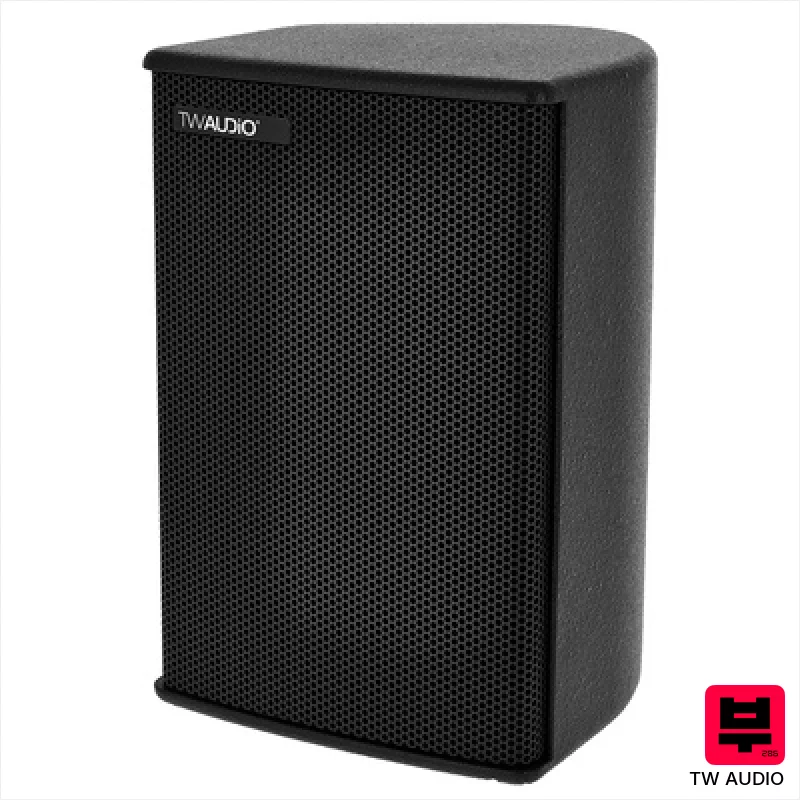
TW AUDiO C5
- • Excellent coaxial design offers surprisingly wide, consistent coverage.
- • Birch multiplex construction provides a robust, resonant enclosure.
- • Compact and lightweight for easy transport and rigging.
- • Compression driver delivers clear, articulate highs with good headroom.
- • 24-ohm impedance requires careful amplifier matching and power management.
- • Limited low-frequency extension; best paired with a sub for full-range use.
- • The recommended amplifier presets suggest a dependency on TW AUDiO’s ecosystem.
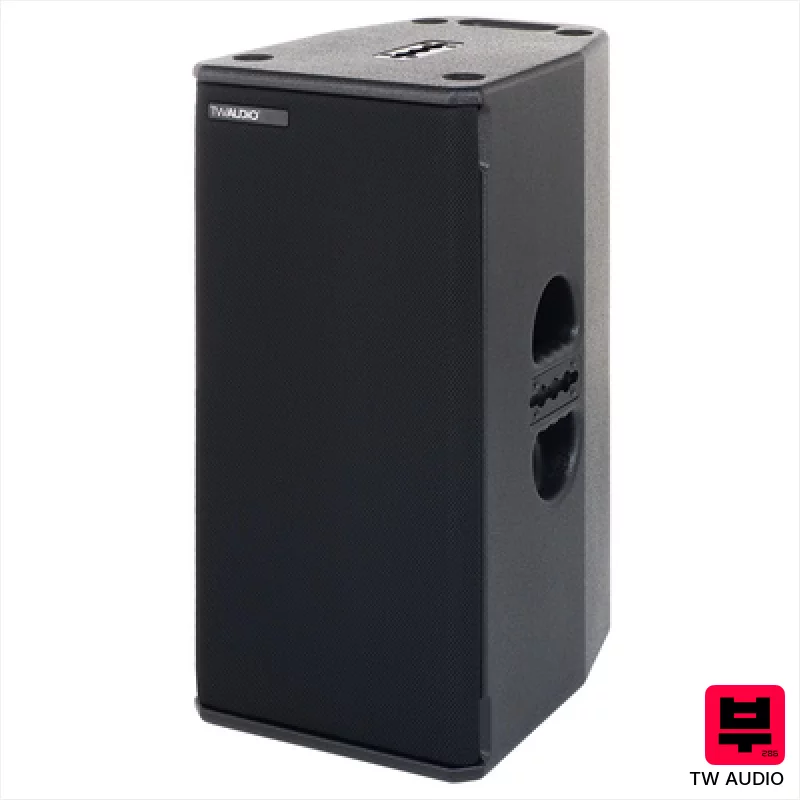
TW AUDiO T20-60
- • Neodymium woofers deliver tight, impactful low-end response.
- • Birch multiplex construction ensures robust build and excellent resonance damping.
- • The horn/compression driver combo provides clear, articulate highs with excellent throw.
- • Integrated rigging rails allow for flexible deployment in various configurations.
- • High price point makes it a premium investment for serious users.
- • The 8-ohm impedance requires careful amplifier selection for optimal performance.
- • The fixed beam angle might not be ideal for all venue types.
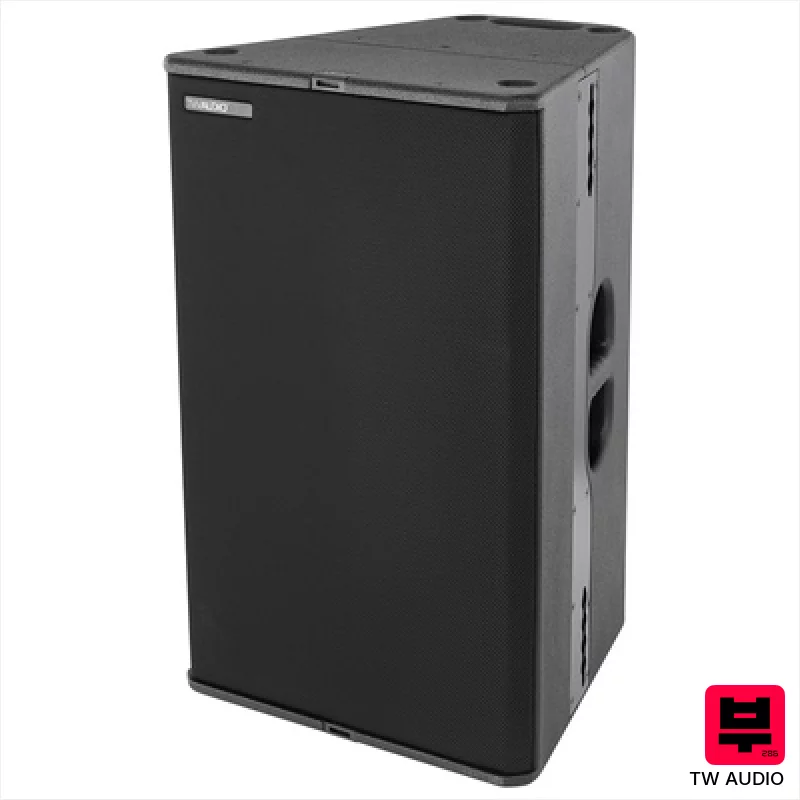
TW AUDiO T24N-90
- • Neodymium woofers deliver tight, impactful low-end response.
- • Birch multiplex construction ensures exceptional rigidity and durability.
- • Horn-loaded design provides incredible projection and vocal clarity.
- • Rigging rails allow for versatile deployment in various venue setups.
- • The 4-ohm impedance demands a powerful, compatible amplifier.
- • Significant weight makes transport and setup a two-person job.
- • The narrow vertical dispersion might require careful aiming in complex spaces.
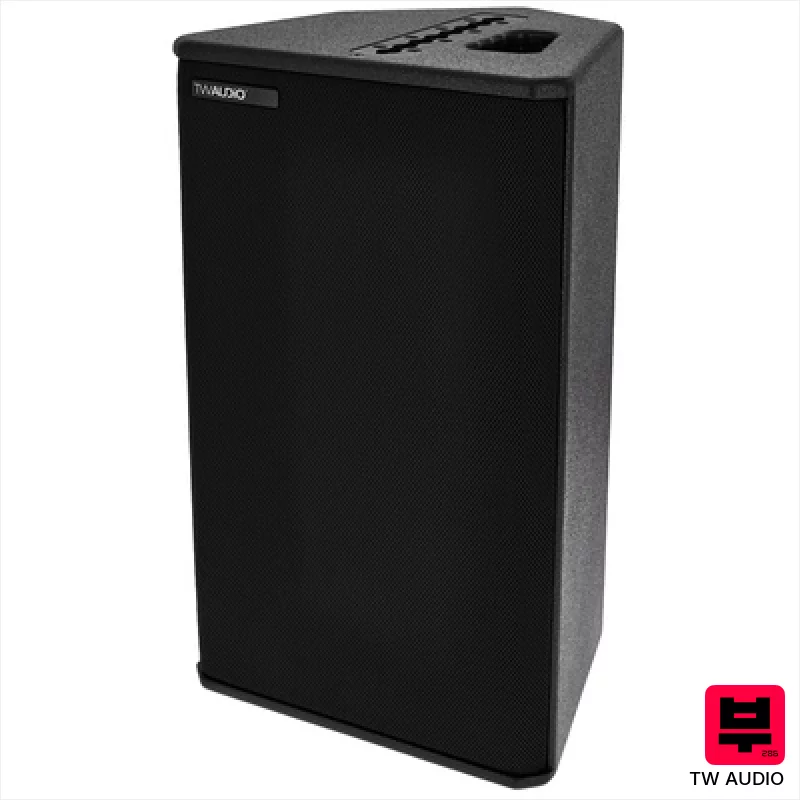
TW AUDiO M12 L
- • Multiplex birch construction delivers exceptional resonance and durability.
- • 1.4" compression driver provides crisp highs with minimal distortion.
- • 75° x 50° dispersion suits a wide range of stage and venue setups.
- • Air-Cargo rigging rails allow for flexible and secure installation.
- • The 20.2 kg weight makes transport a two-person job without proper gear.
- • Requires high-powered, compatible amplifiers for optimal performance, adding to cost.
- • While versatile, its point-source design isn't ideal for large, complex sound reinforcement needs.
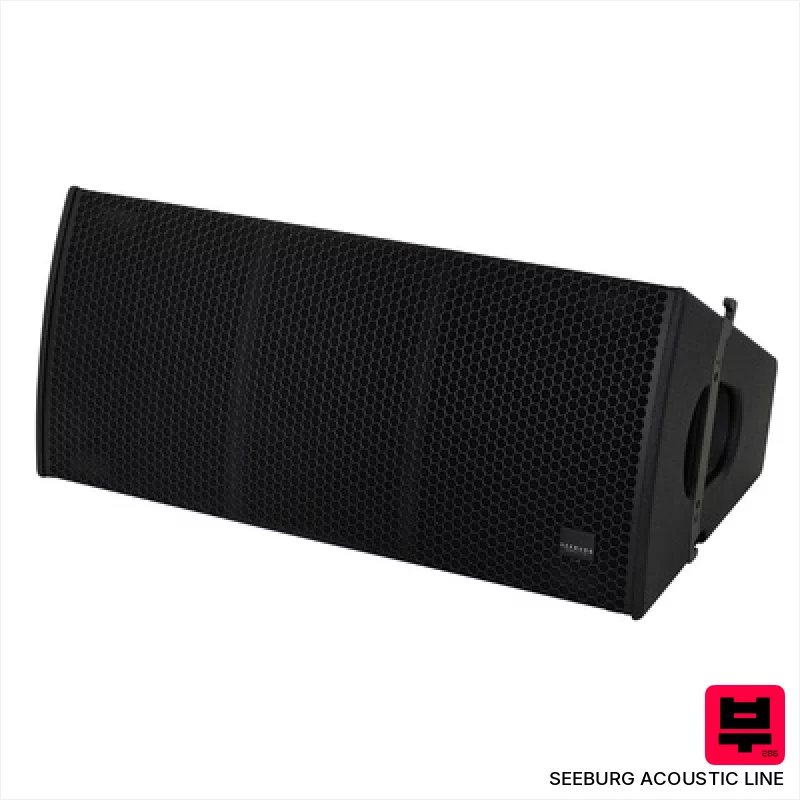
Seeburg Acoustic Line C30
- • Constant curvature array delivers surprisingly even coverage for the size.
- • Baltic birch construction feels incredibly solid and roadworthy.
- • Neodymium drivers offer excellent power-to-weight ratio.
- • Rigging points and MultiRigg compatibility allow for flexible deployment.
- • The 90° x 30° dispersion might be too narrow for some applications.
- • 23.5kg is hefty – moving these solo will be a challenge.
- • Polyurea coating, while durable, can feel a little plasticky.
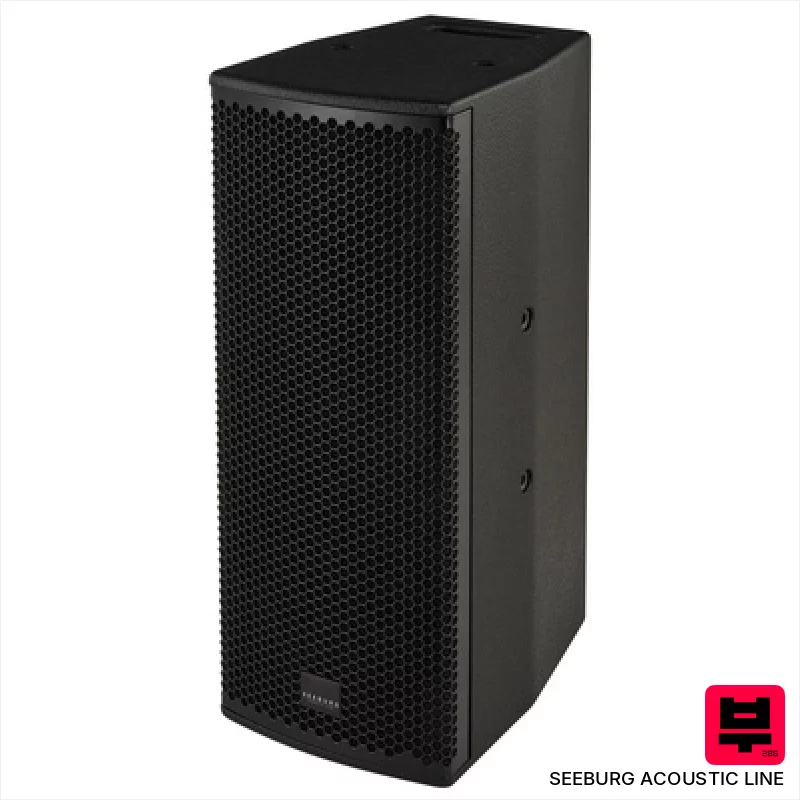
Seeburg Acoustic Line F2
- • Neodymium drivers offer impressive power-to-weight ratio.
- • Rotatable horn provides adaptable coverage for various venues.
- • Robust build quality with ample rigging points inspires confidence.
- • Broad frequency response delivers clean, detailed sound across genres.
- • 12.5 kg is substantial; transport could be challenging for solo users.
- • 8-ohm impedance might require careful amplifier matching for optimal performance.
- • Limited flexibility for complex sound reinforcement beyond straightforward PA needs.
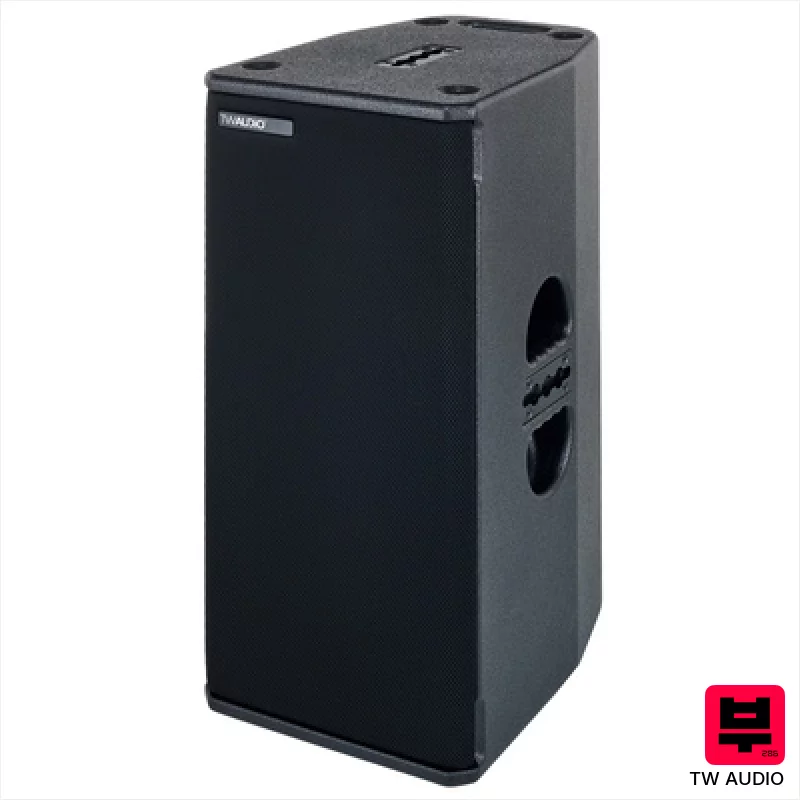
TW AUDiO T20-90
- • Birch multiplex construction provides exceptional resonance and durability.
- • Neodymium woofers deliver tight, controlled low-end response.
- • 90°x50° dispersion optimizes coverage and minimizes unwanted reflections.
- • Compression driver offers clean, articulate highs with impressive headroom.
- • Premium-priced, putting it out of reach for budget-conscious users.
- • Significant weight makes transport and setup a two-person job.
- • Designed for optimized performance with specific TW AUDiO amplifiers.
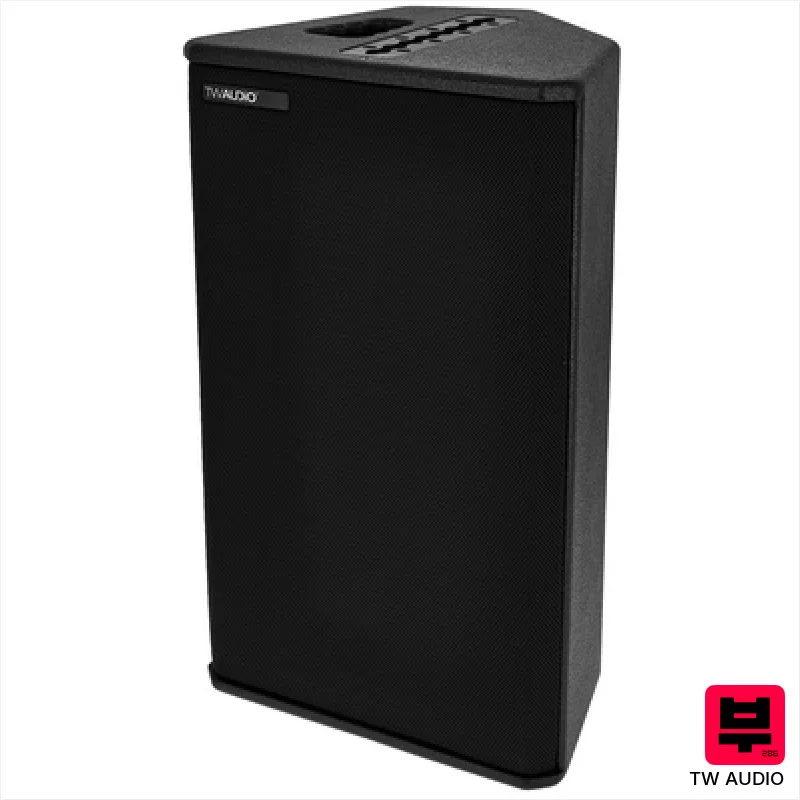
TW AUDiO M12 R
- • Robust multiplex birch construction offers excellent resonance and durability.
- • The compression driver delivers crisp highs with surprising headroom.
- • Slanted monitor angle and rigging rails enhance versatility for stage setups.
- • Long-throw woofer provides surprisingly deep bass for a 12” speaker.
- • The weight (20.2 kg) makes it less ideal for solo performers or frequent travel.
- • Requires high-power amplifiers for optimal performance and full frequency range.
- • The narrow vertical dispersion might need careful aiming in large venues.
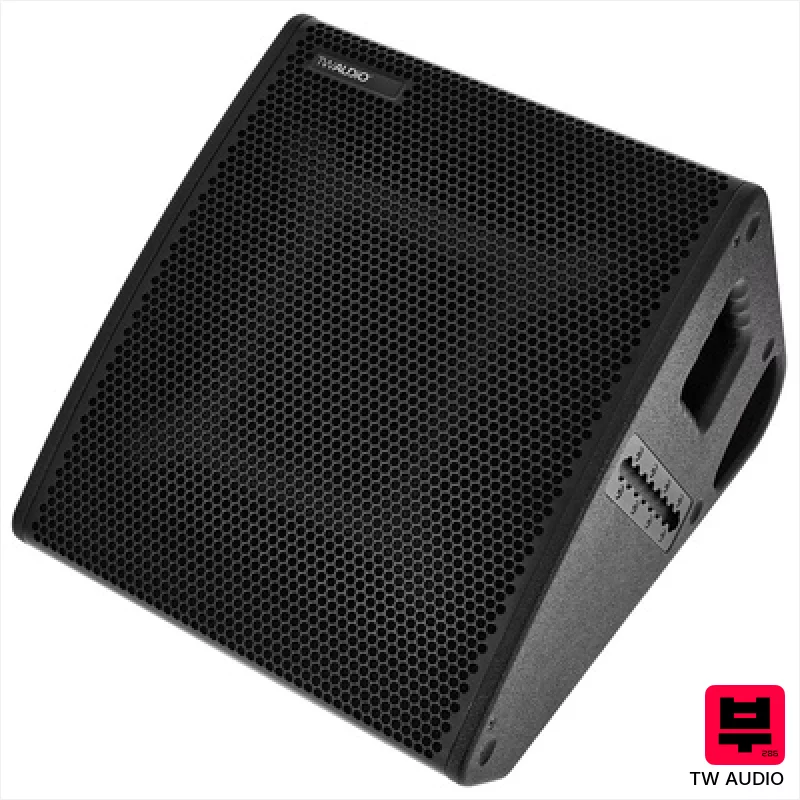
TW AUDiO C12
- • Exceptional coaxial design delivers surprisingly focused coverage.
- • Multiplex birch construction feels robust and handles abuse well.
- • High SPL (132dB) allows for serious volume without distortion.
- • Air-Cargo rigging tracks offer practical and secure deployment options.
- • High impedance (8 Ohm) limits amplifier choices and power efficiency.
- • Weight (19.6 kg) makes transport and setup a two-person job.
- • The recommended amplifier presets add to the overall system cost.
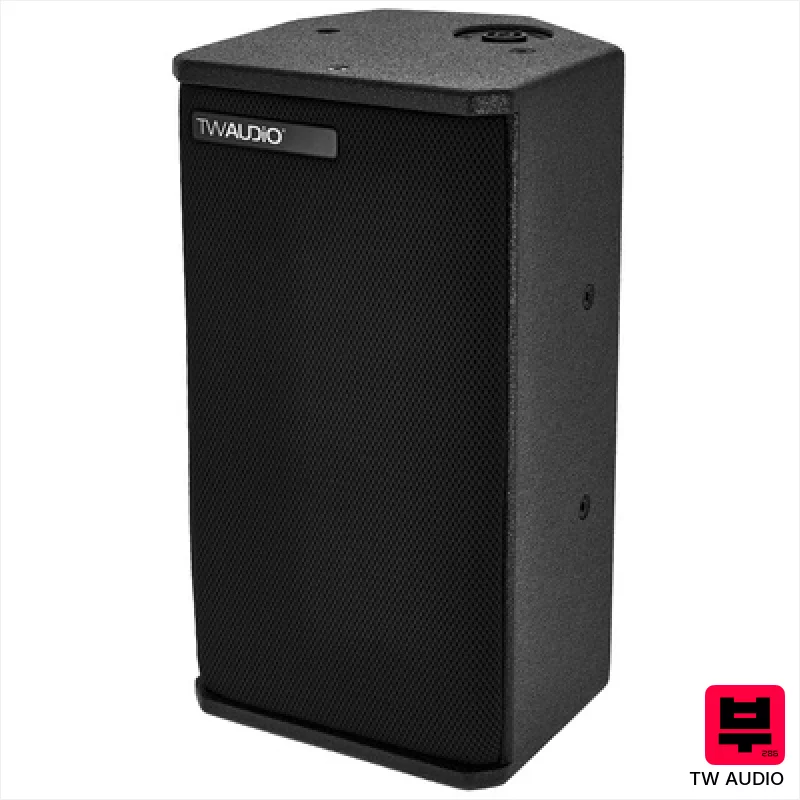
TW AUDiO M6 R
- • Birch multiplex housing offers excellent rigidity and resonance control.
- • Compression driver delivers crisp highs with surprisingly low distortion.
- • Slanted monitor angle is genuinely useful for floor work or quick wedges.
- • Compact size and lightweight for a 6.5” speaker – easy to transport.
- • 16 Ohm impedance demands more powerful amplifiers, increasing overall system cost.
- • Limited low-frequency extension; not ideal for bass-heavy genres without subs.
- • Dispersion pattern leans towards focused coverage; wider spaces need multiple units.
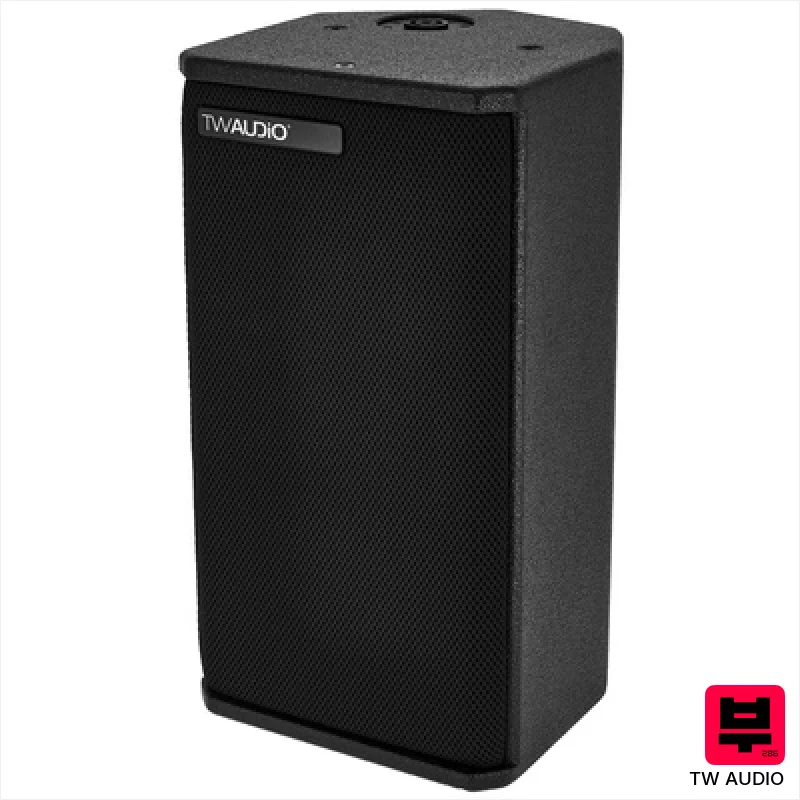
TW AUDiO M6 L
- • Birch multiplex construction ensures robust build and resonance control.
- • Compression driver delivers crisp highs with surprisingly smooth transient response.
- • Slanted monitor angle provides flexible positioning for floor or stage use.
- • Compact size and lightweight design (5.8kg) eases transport and setup.
- • 16-ohm impedance requires careful amplifier matching for optimal power delivery.
- • Limited low-frequency extension necessitates sub pairing for full-range applications.
- • Designed for dedicated TW AUDiO amplification; performance may vary with others.
How to Choose the Best Passive Full-Range PA Speakers
Power Handling & Headroom
Bands need headroom. You don't want your speakers clipping and distorting the second the drummer hits the crash. Look for speakers with enough wattage to handle your band's loudest moments without compression - that's clean, unforced power.
Frequency Response & Tonal Balance
A flat frequency response isn't always what you want. For bands, a slight emphasis in the midrange (that fat midrange honk) can help instruments cut through the mix, especially vocals. Avoid anything too harsh in the high end - ice-picky treble is fatiguing for both the audience and the players.
Dispersion Pattern
A wider dispersion pattern ensures the sound spreads evenly across the audience, avoiding dead spots and creating a more immersive experience. This is especially important for smaller venues where you don't have much space to play with.
Build Quality & Portability
Gigging is rough. Speakers get dropped, bumped, and exposed to all sorts of conditions. A robust enclosure and a manageable weight are crucial for long-term reliability and your back.
Low-End Response
While these are full-range speakers, decent low-end reproduction is vital. You don't want everything sounding thin and anemic - a little low-end thump adds body and warmth to the overall sound, especially for genres like rock, blues, or funk.
Buying Guide
Don't chase the highest wattage numbers - that's often a marketing gimmick. Pay attention to the speaker's frequency response curve and read reviews from other musicians. Budget speakers often cut corners on driver materials and enclosure construction, which means they might sound okay at low volumes but fall apart when pushed. Spending a little more on quality drivers and a well-built cabinet is an investment that'll pay off in the long run.
Our Methodology
We're not just looking at spec sheets here. We've spent countless hours throwing these speakers at real-world scenarios: sweaty club gigs, cramped rehearsal rooms, even tracking drums in a barn. Our evaluations are based on how they sound - how they handle a full band dynamic range, how well they reproduce different instruments, and how they hold up under pressure. It's about what you hear, not what a datasheet says.

