
Best Passive Full-Range PA Speakers for Live Sound 2026
So, you're looking for passive full-range speakers for live gigs? Smart move - reliable power without the amp headaches can save you a ton of hassle. Forget those flimsy practice speakers; we're talking about something that can handle a drummer's low-end thump and a vocalist cutting through the mix. This isn't about hype; it's about finding speakers that'll actually work when you're sweating it out on stage.
Last updated: July 8, 2026 • Next update: July 15, 2026

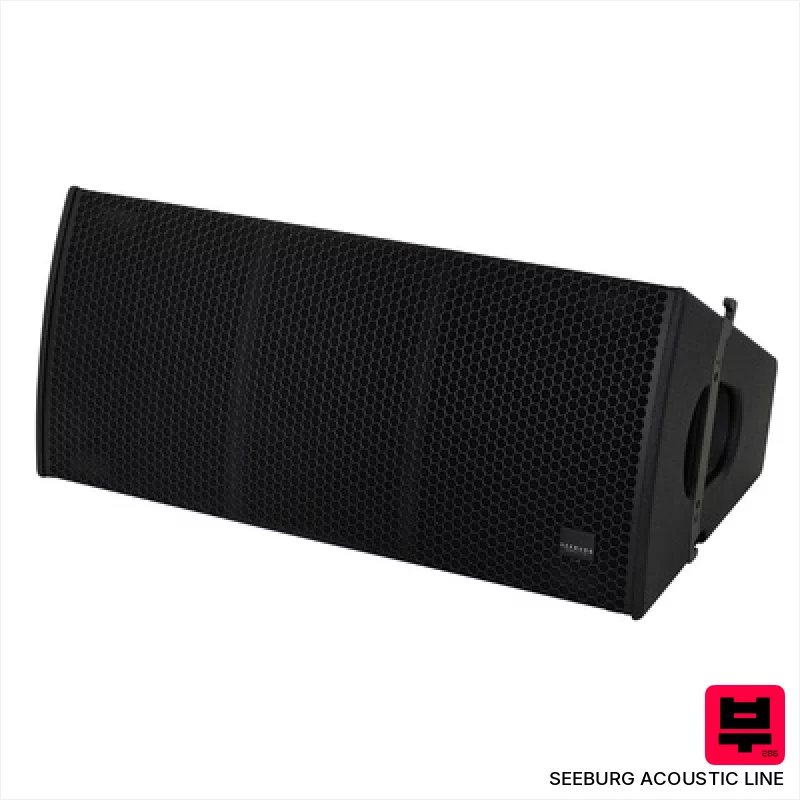
Seeburg Acoustic Line F4
- • Neodymium drivers deliver exceptional power-to-weight ratio.
- • Rotatable horn provides flexible coverage for various venues.
- • Robust construction with M10 rigging points for secure installation.
- • Broad 55Hz-18kHz frequency response offers impressive clarity.
- • 4-ohm impedance demands a capable amplifier; power handling considerations crucial.
- • Weight (25.5kg) makes transport and setup a two-person job.
- • The horn's vertical dispersion may require careful aiming in smaller spaces.
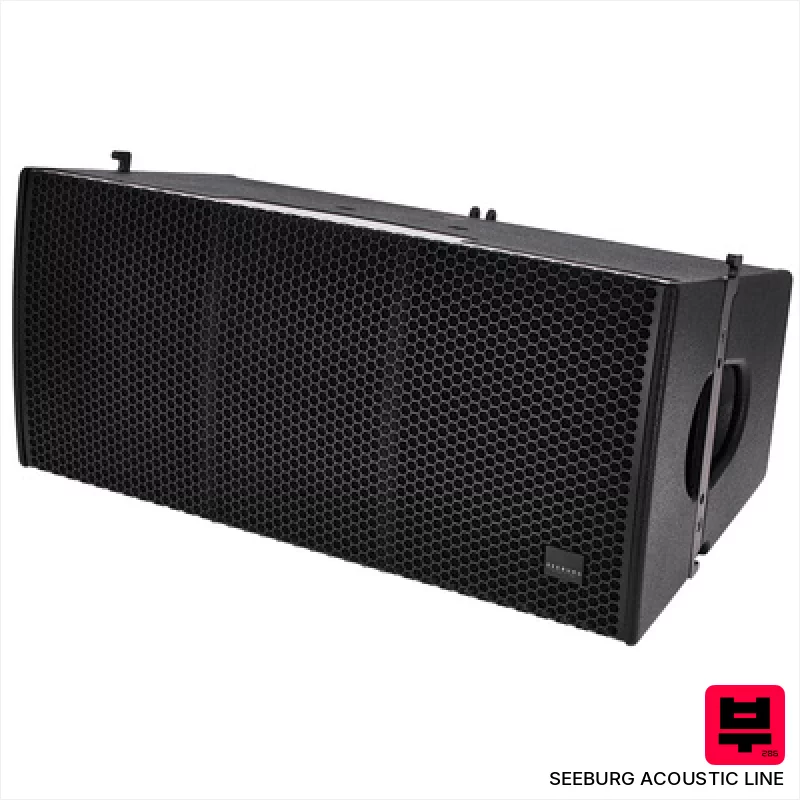
Seeburg Acoustic Line C30
- • Constant curvature array delivers surprisingly even coverage for the size.
- • Baltic birch construction feels incredibly solid and roadworthy.
- • Neodymium drivers offer excellent power-to-weight ratio.
- • Rigging points and MultiRigg compatibility allow for flexible deployment.
- • The 90° x 30° dispersion might be too narrow for some applications.
- • 23.5kg is hefty – moving these solo will be a challenge.
- • Polyurea coating, while durable, can feel a little plasticky.
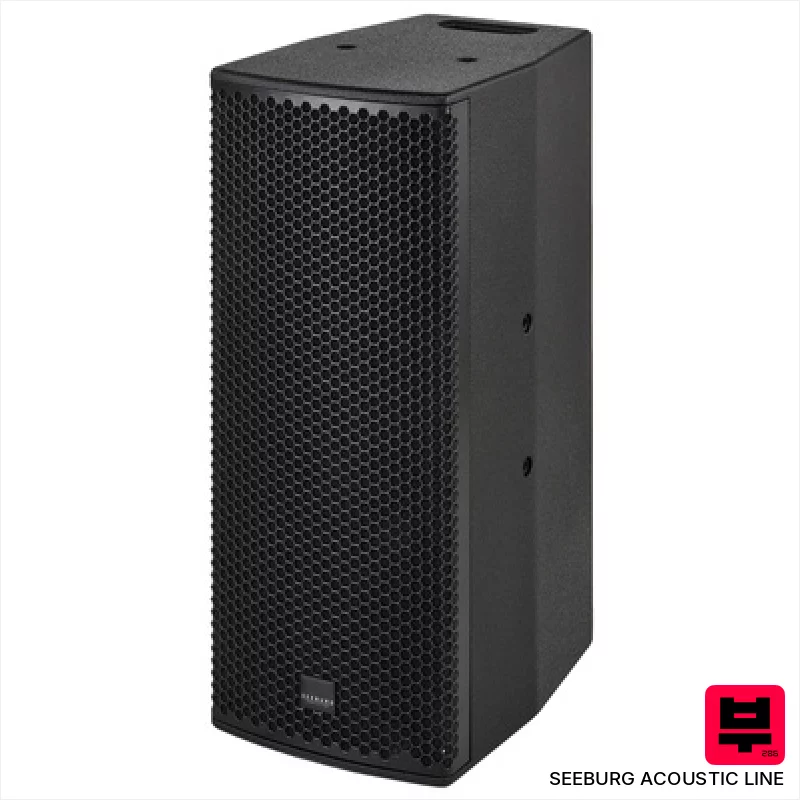
Seeburg Acoustic Line C15
- • Constant curvature array delivers exceptional clarity and controlled coverage.
- • Baltic birch construction with polyurea coating ensures durability for touring.
- • Neodymium drivers offer high power with reduced weight compared to ferrite.
- • 8 Ohm impedance provides compatibility with a wide range of amplifiers.
- • The 90° x 15° dispersion might be too narrow for very wide stages.
- • At 25kg, transport is manageable but requires a team or dedicated gear cart.
- • The polyurea coating, while durable, could be prone to scratching with heavy use.
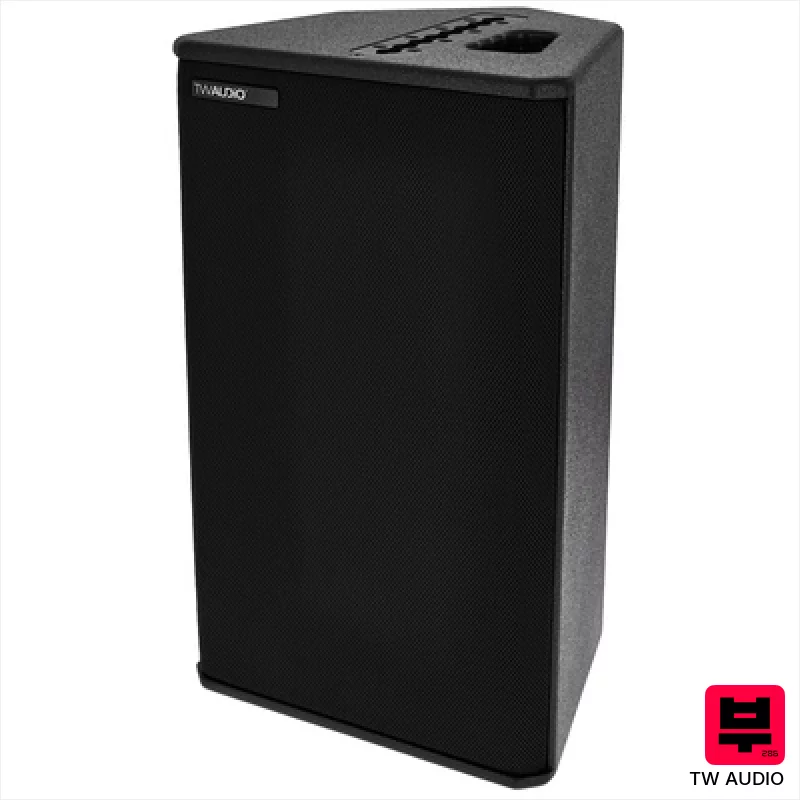
Seeburg Acoustic Line F3
- • Neodymium drivers deliver surprisingly tight, controlled low-end response.
- • Rotatable horn offers excellent pattern control for various venue sizes.
- • Robust construction with M10 rigging points suggests professional durability.
- • 800W AES power handles demanding live performances reliably.
- • 18kg weight makes transport a challenge for solo performers or smaller rigs.
- • 4-ohm impedance requires careful amplifier selection to avoid clipping.
- • Limited connectivity beyond standard NL4 connectors restricts flexibility.
TW AUDiO M12 L
- • Multiplex birch construction delivers exceptional resonance and durability.
- • 1.4" compression driver provides crisp highs with minimal distortion.
- • 75° x 50° dispersion suits a wide range of stage and venue setups.
- • Air-Cargo rigging rails allow for flexible and secure installation.
- • The 20.2 kg weight makes transport a two-person job without proper gear.
- • Requires high-powered, compatible amplifiers for optimal performance, adding to cost.
- • While versatile, its point-source design isn't ideal for large, complex sound reinforcement needs.
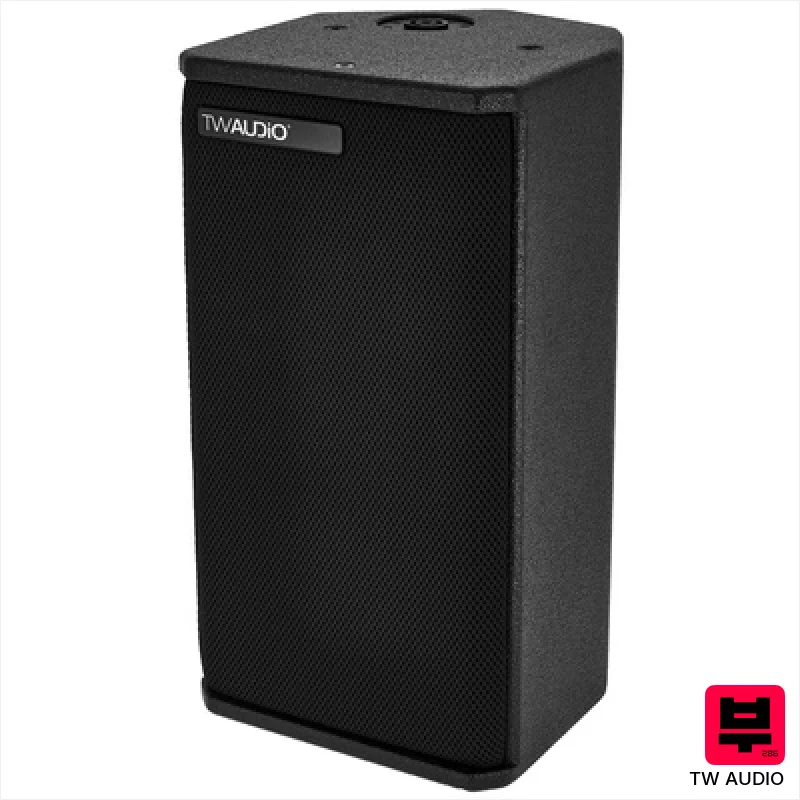
TW AUDiO M6 L
- • Birch multiplex construction ensures robust build and resonance control.
- • Compression driver delivers crisp highs with surprisingly smooth transient response.
- • Slanted monitor angle provides flexible positioning for floor or stage use.
- • Compact size and lightweight design (5.8kg) eases transport and setup.
- • 16-ohm impedance requires careful amplifier matching for optimal power delivery.
- • Limited low-frequency extension necessitates sub pairing for full-range applications.
- • Designed for dedicated TW AUDiO amplification; performance may vary with others.
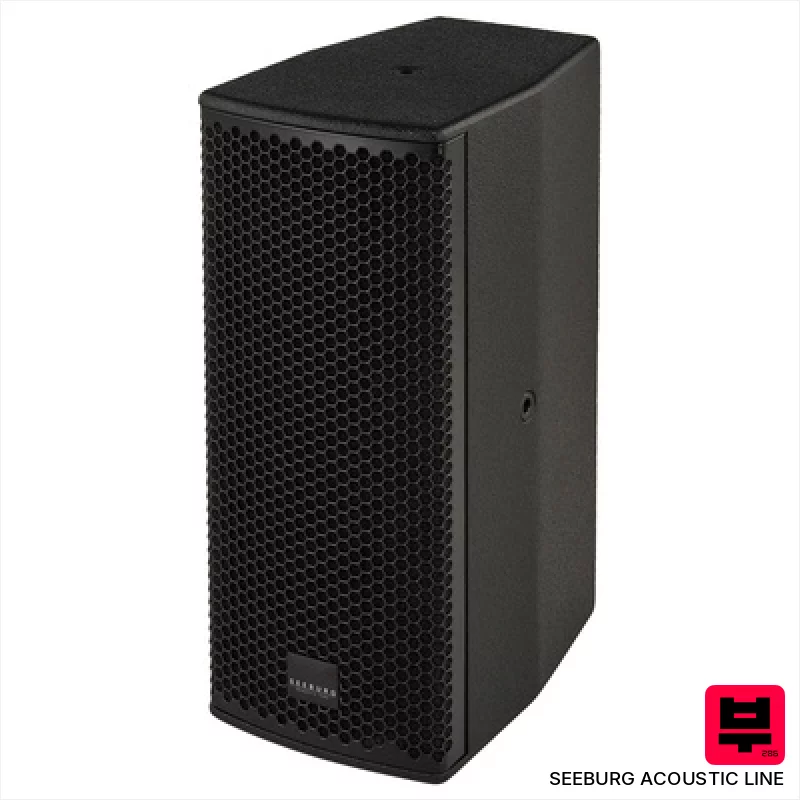
Seeburg Acoustic Line F1
- • Neodymium drivers deliver tight, accurate bass response.
- • Rotatable horn offers flexible vertical coverage for varied setups.
- • Relatively lightweight for a speaker this size, easing transport.
- • Robust construction suggests durability for gigging musicians.
- • 16-ohm impedance requires careful amplifier matching to avoid issues.
- • 90dB sensitivity might necessitate more power for smaller venues.
- • The 70Hz low-end extension might be lacking for serious bass-heavy applications.
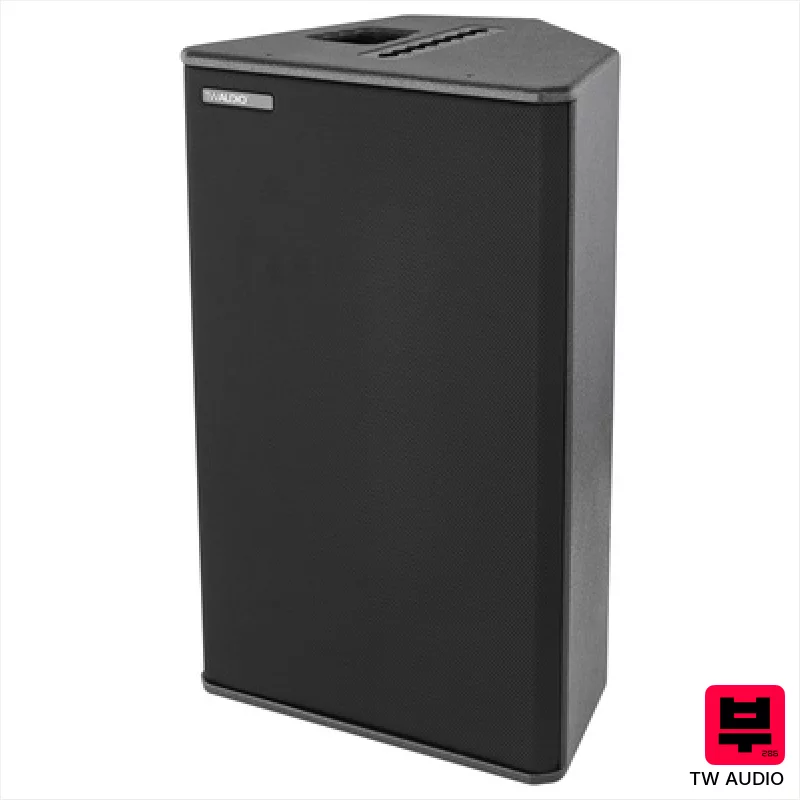
TW AUDiO M15 R
- • Birch multiplex construction ensures exceptional durability and resonance.
- • 1.4” compression driver delivers crisp highs with surprising clarity.
- • Rigging rails simplify flown installations for versatile deployment.
- • Slanted monitor angle offers convenient floor monitoring capabilities.
- • The weight (24.9kg) makes transport and setup a two-person job.
- • Requires a premium amplifier to truly unlock its potential.
- • Beam angles might be too wide for focused, directional sound needs.
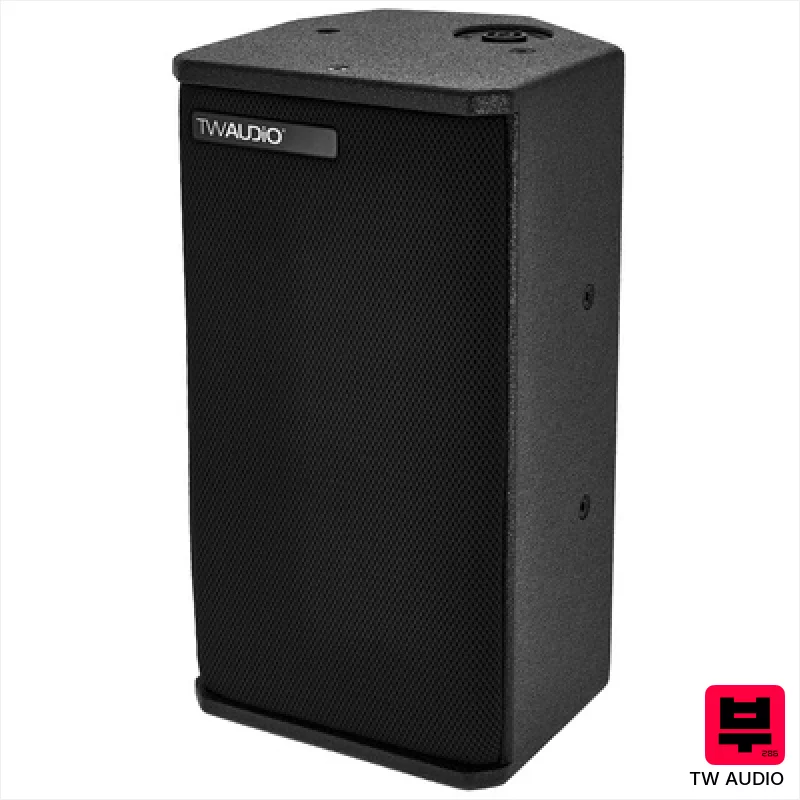
TW AUDiO M6 R
- • Birch multiplex housing offers excellent rigidity and resonance control.
- • Compression driver delivers crisp highs with surprisingly low distortion.
- • Slanted monitor angle is genuinely useful for floor work or quick wedges.
- • Compact size and lightweight for a 6.5” speaker – easy to transport.
- • 16 Ohm impedance demands more powerful amplifiers, increasing overall system cost.
- • Limited low-frequency extension; not ideal for bass-heavy genres without subs.
- • Dispersion pattern leans towards focused coverage; wider spaces need multiple units.
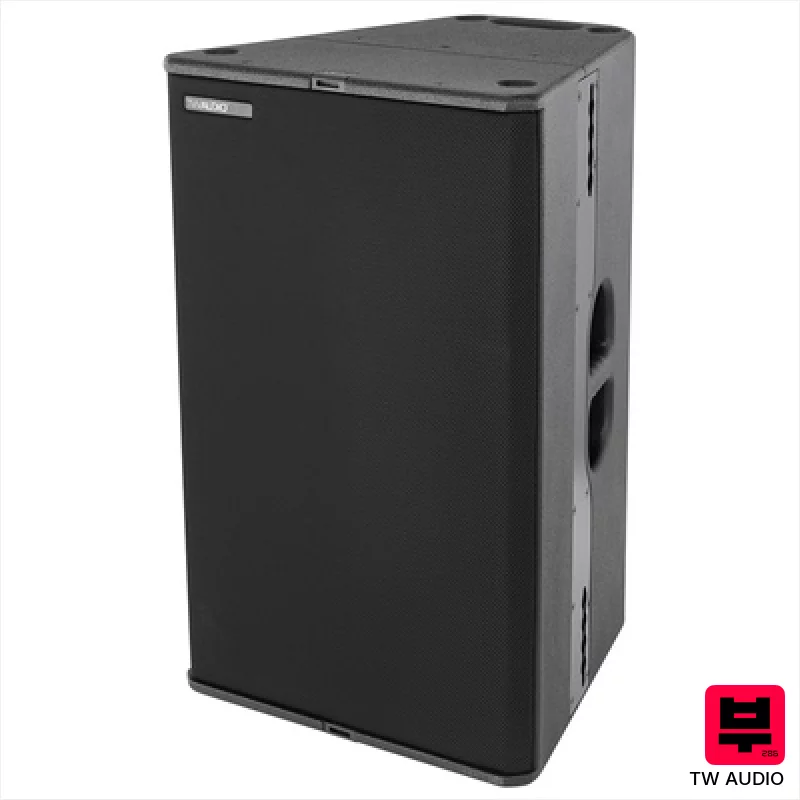
TW AUDiO T24N-90
- • Neodymium woofers deliver tight, impactful low-end response.
- • Birch multiplex construction ensures exceptional rigidity and durability.
- • Horn-loaded design provides incredible projection and vocal clarity.
- • Rigging rails allow for versatile deployment in various venue setups.
- • The 4-ohm impedance demands a powerful, compatible amplifier.
- • Significant weight makes transport and setup a two-person job.
- • The narrow vertical dispersion might require careful aiming in complex spaces.
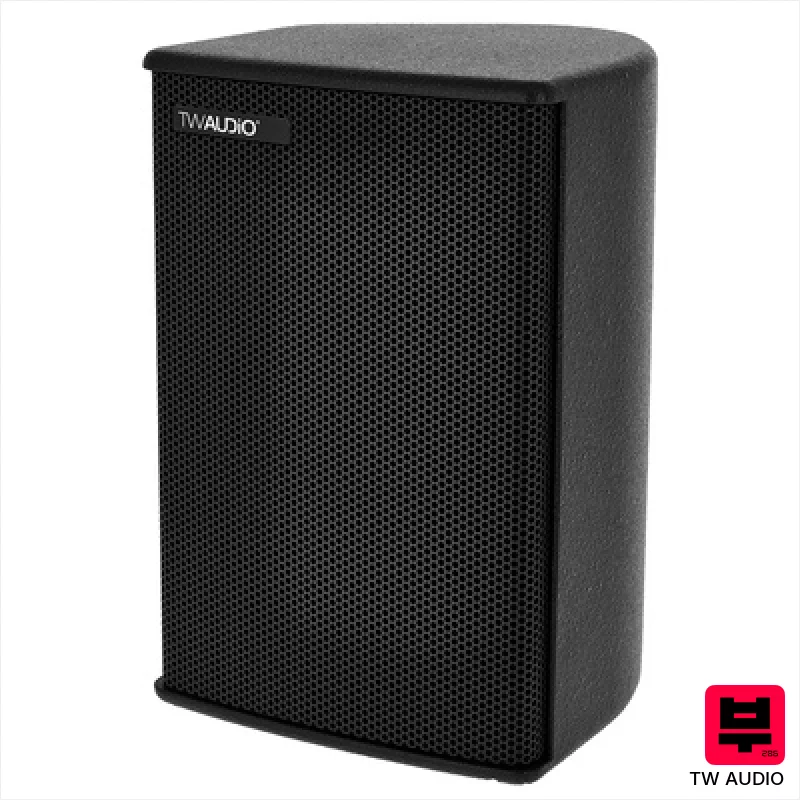
TW AUDiO C5
- • Excellent coaxial design offers surprisingly wide, consistent coverage.
- • Birch multiplex construction provides a robust, resonant enclosure.
- • Compact and lightweight for easy transport and rigging.
- • Compression driver delivers clear, articulate highs with good headroom.
- • 24-ohm impedance requires careful amplifier matching and power management.
- • Limited low-frequency extension; best paired with a sub for full-range use.
- • The recommended amplifier presets suggest a dependency on TW AUDiO’s ecosystem.
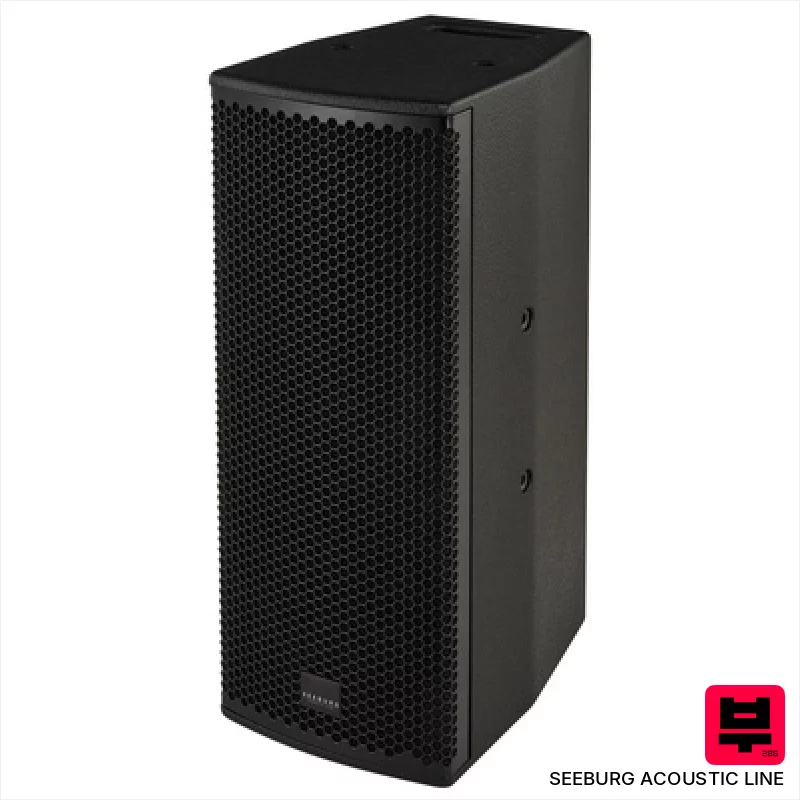
Seeburg Acoustic Line F2
- • Neodymium drivers offer impressive power-to-weight ratio.
- • Rotatable horn provides adaptable coverage for various venues.
- • Robust build quality with ample rigging points inspires confidence.
- • Broad frequency response delivers clean, detailed sound across genres.
- • 12.5 kg is substantial; transport could be challenging for solo users.
- • 8-ohm impedance might require careful amplifier matching for optimal performance.
- • Limited flexibility for complex sound reinforcement beyond straightforward PA needs.

TW AUDiO M10 R
- • Birch multiplex construction provides exceptional rigidity and resonance control.
- • High-output compression driver delivers clean, articulate highs even at high SPL.
- • Slanted monitor angle facilitates easy floor monitoring for smaller gigs.
- • Air-Cargo rigging rails offer secure and versatile mounting options.
- • Relatively heavy for a 10” speaker, potentially challenging for solo performers.
- • Optimal performance requires compatible, premium-priced amplifiers for best results.
- • Dispersion angle might be too narrow for very wide stage setups.

TW AUDiO M15 L
- • Robust multiplex birch construction ensures excellent durability and resonance.
- • The 1.4” compression driver delivers clear, articulate highs with minimal distortion.
- • The angled design and rigging points provide versatile deployment options for live sound.
- • Long-throw 15” woofer provides impactful low-end response and headroom.
- • The 24.9 kg weight makes transport and setup a two-person job, realistically.
- • The recommended amplifier pairings significantly increase the overall system cost.
- • The 75°x50° beam angle might be too wide for some smaller, more intimate venues.
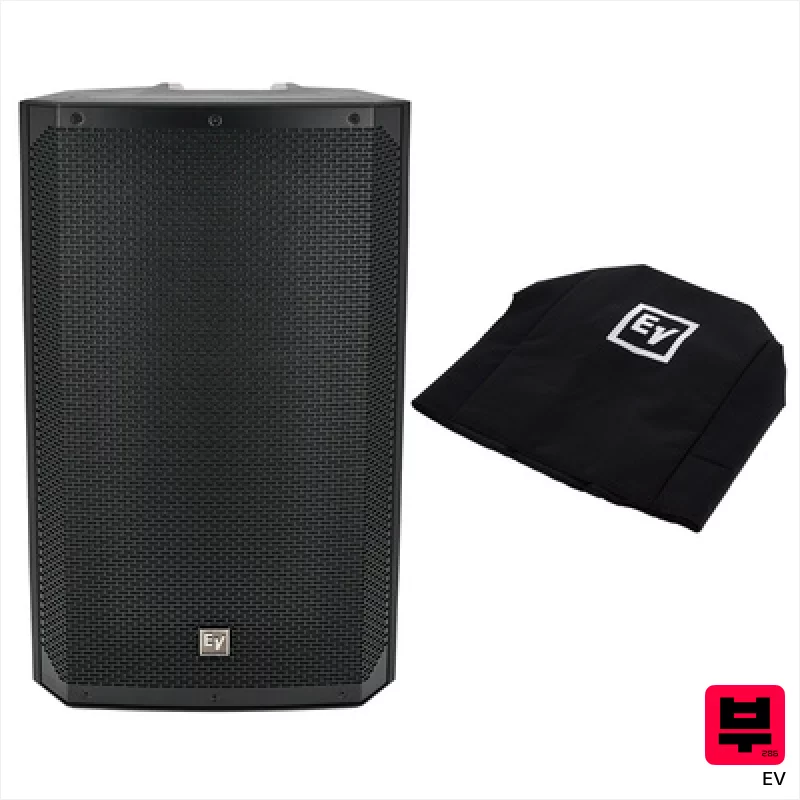
EV ELX200-15 Cover Bundle
- • The included cover provides essential protection from dust, bumps, and minor spills.
- • EV's coaxial design delivers a surprisingly wide and coherent soundstage for its size.
- • The ball-proof certification is a huge bonus for gigging musicians in tougher venues.
- • 300W RMS power handles most small to medium-sized gigs without straining the drivers.
- • At nearly 19kg, transporting these speakers solo will be a workout.
- • The plastic housing, while durable, doesn’t offer the premium feel of metal alternatives.
- • 8 Ohm impedance requires an amplifier with adequate power handling capabilities.
How to Choose the Best Passive Full-Range PA Speakers
Power Handling
Live sound demands headroom. You need speakers that can handle peaks without clipping, otherwise you're just asking for distortion and blown drivers. A decent 12" or 15" speaker with a clean 800W+ is a good starting point.
Frequency Response
Don't be fooled by wide ranges; listen for evenness. A speaker that's hyped in the highs but muddy in the lows will make everything sound a mess. We're looking for a balanced response that lets instruments breathe.
Dispersion Pattern
Wider dispersion means more even coverage, especially crucial for smaller stages or when you're trying to avoid hot spots. A 90x60 or 100x60 pattern is generally a good compromise between directivity and overall coverage.
Durability
Gigging isn't kind to gear. Look for robust cabinets, solid grilles (that actually stay attached), and quality components that can withstand transport and occasional abuse. Corners cut here will cost you down the line.
Voice/Tonal Character
Some speakers are bright and sparkly, others are warm and mellow. Consider your band's style; a rock band might appreciate a speaker with a bit more bite, while a folk act might prefer something smoother. It's about finding the right 'color' for your sound.
Buying Guide
Passive speakers are a significant investment. Don't cheap out; you'll pay for it in frustration and repairs. Pay attention to the crossover design - a poorly designed crossover can muddy the low end. Also, consider the weight; hauling heavy speakers around gets old fast. A few extra watts and a bit more clarity are worth the extra pounds.
Our Methodology
We don't just look at spec sheets here. We've dragged these speakers to rehearsals, club gigs, and even a few outdoor festivals. We've A/B'd them against industry standards, listened for that fat midrange honk, and checked for distortion under pressure - because a number on a page doesn't tell you how something sounds at 2 AM after three sets.

