
Best Microphones for Trumpet, Horn ETC for Big Band 2026
So, you're stepping up to Big Band, or maybe you're already there and your trumpet's getting lost in the section? Getting the right mic is crucial - it's not just about capturing the sound, it's about helping your horn cut through that dense ensemble without sounding harsh or thin. Forget the generic 'instrument mic' recommendations; we're talking about the nuances of brass in a full band, where every little detail matters. Let's dial in some mics that'll make your lead lines sing and your section sound tight.
Last updated: July 22, 2026 • Next update: July 29, 2026

beyerdynamic M 160 (2023)
- • Pure aluminum cone delivers a remarkably warm, natural brass tone.
- • Hypercardioid pattern excels at isolating brass instruments in live settings.
- • Double ribbon design offers impressive transient response and detail.
- • Robust construction feels built to withstand the rigors of gigging.
- • Hypercardioid pattern demands precise mic placement, less forgiving than cardioid.
- • 200 Ohm impedance can require a high-quality preamp for optimal performance.
- • Limited versatility outside of brass, guitar, and drum applications.
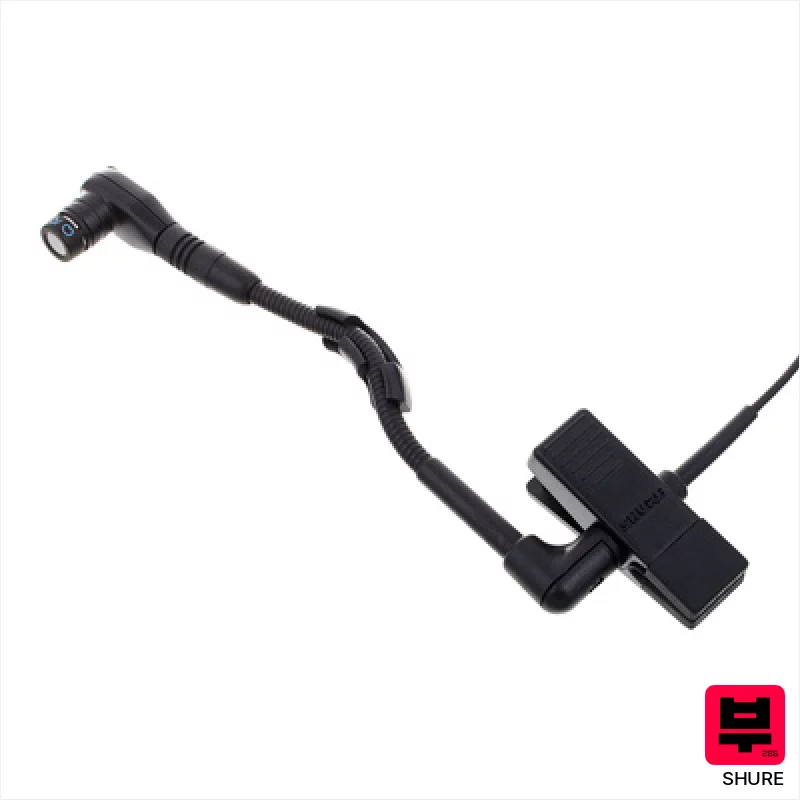
Shure Beta 98 H/C
- • Excellent transient response captures brass articulation precisely
- • Robust construction with a reliable, integrated gooseneck
- • Cardioid pattern minimizes bleed from unwanted stage noise
- • Foam windscreen effectively reduces plosives and breath noise
- • Can be a bit unwieldy for smaller instruments or tight stage setups
- • Requires phantom power, limiting use with some older consoles
- • Capsule options are extra, adding to the overall investment
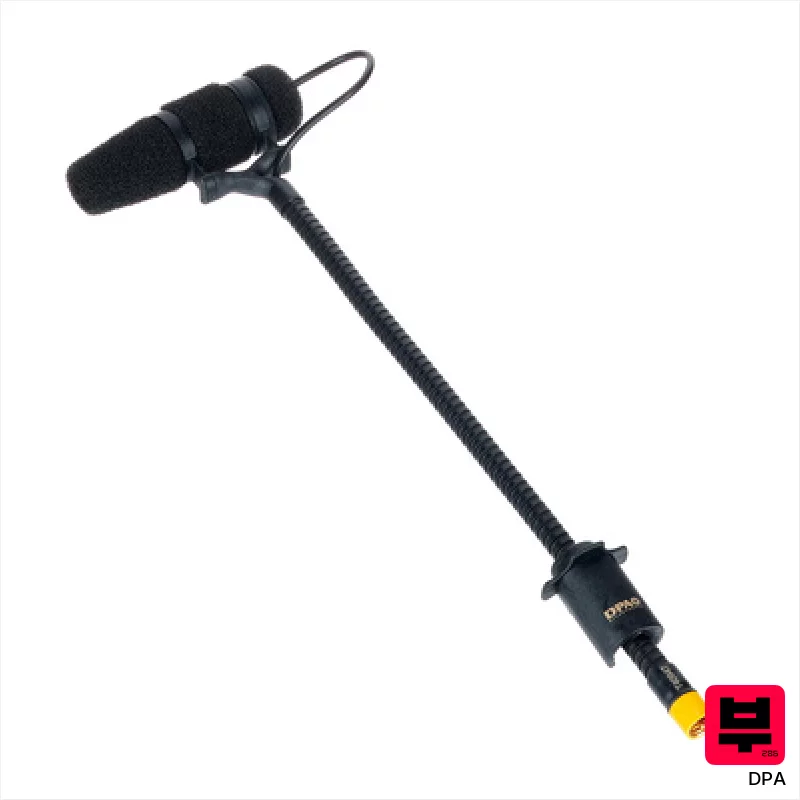
DPA 4099-DC-2
- • Exceptional transient response captures nuances of brass tone
- • DPA’s renowned clarity and detail shine through recordings
- • Supercardioid pattern minimizes bleed from other instruments
- • Robust construction and gooseneck offer reliable positioning
- • Price point places it beyond the reach of many budget-conscious players
- • Micro-Dot connector requires specific cabling and adapters
- • Gooseneck length may be limiting for some horn configurations
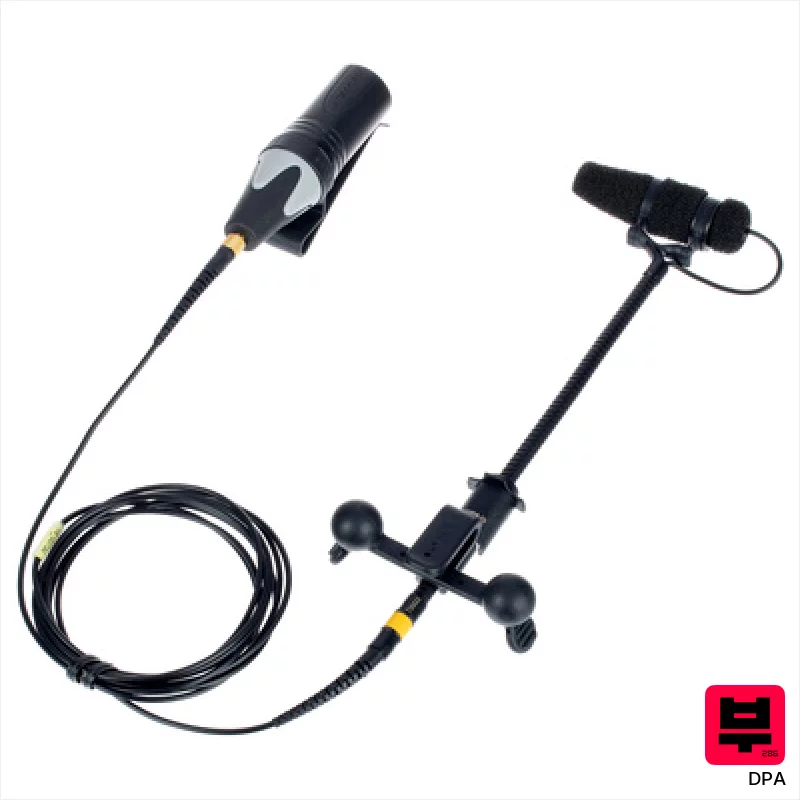
DPA 4099 Core Trumpet / Brass
- • Exceptional transient response captures brass articulation precisely
- • DPA's renowned clarity reveals subtle nuances in tone
- • Robust construction with improved suspension minimizes handling noise
- • The 2 dB soft boost adds sparkle without harshness.
- • Premium-priced, represents a significant investment for many players
- • Supercardioid pattern demands careful mic placement to avoid feedback
- • Cable, while detachable, could benefit from more robust shielding.
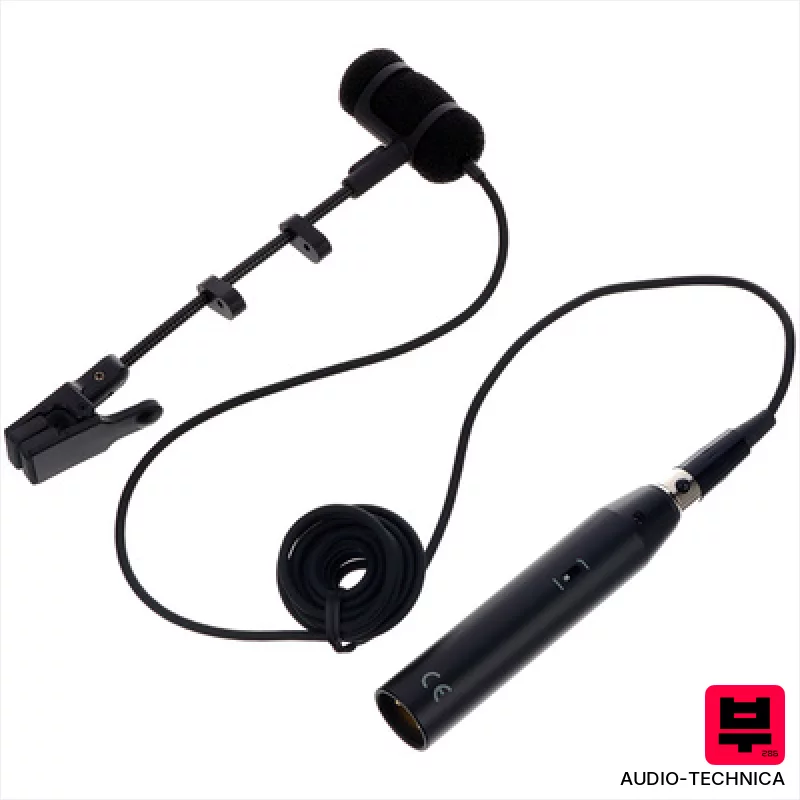
Audio-Technica Pro35
- • Extremely lightweight, virtually disappears during performance
- • Cardioid pattern effectively isolates brass instruments
- • Roll-off switch tames harsh transients, adds warmth
- • Robust construction for reliable on-stage use
- • 250 Ohm impedance requires a preamp or mic pre with sufficient gain
- • Limited frequency response compared to studio condensers
- • Mounting can be tricky on certain horn designs
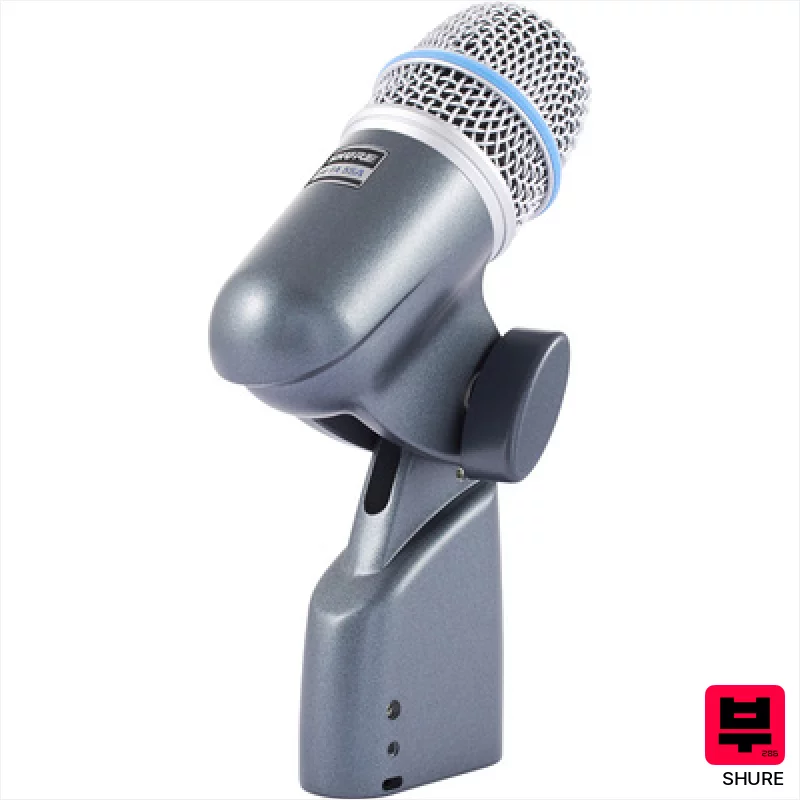
Shure Beta 56 A
- • Rugged hardened steel basket provides excellent protection during gigging.
- • Neodymium magnet delivers high output, minimizing preamp noise.
- • Supercardioid pattern offers excellent feedback rejection on stage.
- • Integrated stand adapter simplifies mounting and positioning.
- • Supercardioid pattern can be tricky to position consistently.
- • Somewhat heavy, potentially impacting stability on lighter stands.
- • Limited versatility; primarily designed for instrument miking.

the t.bone BD 200
- • Robust metal housing provides excellent durability for stage use
- • Supercardioid pattern effectively rejects bleed from other instruments
- • Surprisingly clear and present sound for a microphone in this price bracket
- • Included mount makes setup quick and convenient, adding to its value
- • Limited frequency response may lack detail for critical recording applications
- • Supercardioid pattern can be tricky to manage in live environments
- • 400-ohm impedance requires a microphone preamp with sufficient gain

Shure WB98 H/C
- • Excellent transient response captures brass articulation precisely
- • Gooseneck provides flexible positioning for optimal pickup
- • TQG connector simplifies integration with wireless systems
- • Foam windshield minimizes wind noise and plosives effectively
- • Requires phantom power, adding to equipment needs and cost
- • Cardioid pattern can pick up stage bleed in loud environments
- • Limited capsule options restrict versatility for different applications

the t.bone Lucan System Stand Bundle
- • Excellent value for a condenser instrument mic system
- • Flexible gooseneck provides precise instrument placement
- • Detachable cable simplifies storage and wireless integration
- • Hard case offers protection and portability for gigging musicians
- • Gooseneck can be a bit flimsy with heavier instruments
- • Cardioid pattern limits stereo imaging possibilities
- • Phantom power adapter adds another item to manage
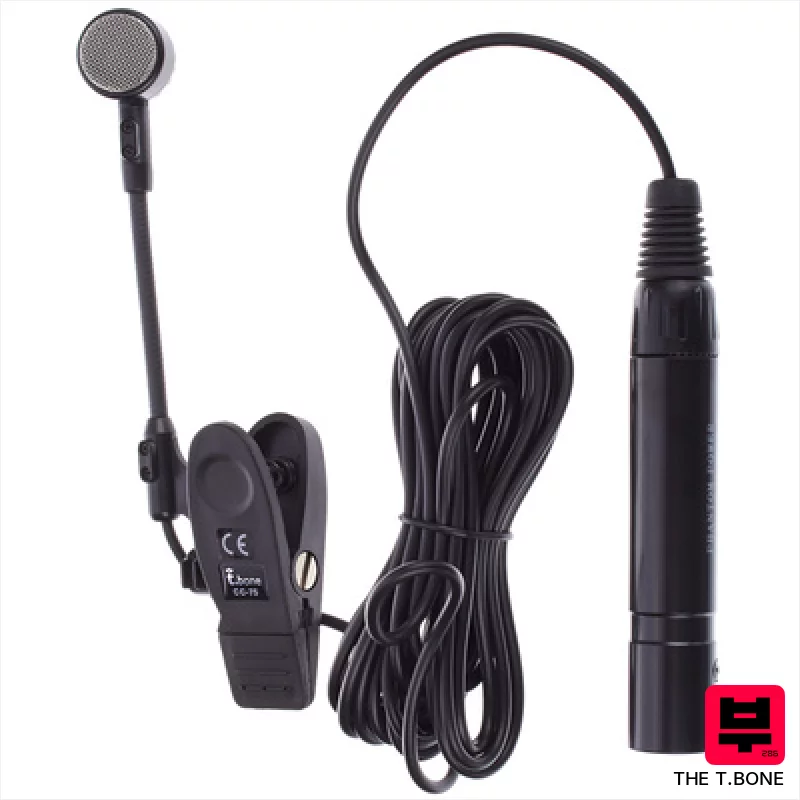
the t.bone CC 75
- • Surprisingly robust clip mechanism holds securely even during vigorous playing
- • Cardioid pattern effectively isolates the instrument, reducing room noise
- • Balanced XLR output allows for clean signal into mixers and interfaces
- • Frequency response captures a surprisingly natural brass tone for its price
- • Plastic housing feels a little cheap; lacks the premium feel of higher-end mics
- • Limited versatility; not ideal for vocals or acoustic instruments
- • Cable length, while adequate, could be a bit longer for stage use
How to Choose the Best Microphones for Trumpet, Horn ETC
Frequency Response
Big Band demands a mic that captures the full range of the trumpet - that bright, biting high end and the fundamental low-end thump. A hyped upper-midrange can sound brittle in a section, while a scooped low-end will leave you sounding weak. It's a balancing act.
Polar Pattern
Cardioid is your bread and butter for most trumpet work in a Big Band. It'll reject some of the bleed from the other horns, helping you sit better in the mix. However, hypercardioid can be useful for isolating a lead player in a particularly noisy environment, but be mindful of the off-axis coloration.
Transient Response
Brass is all about attack - that initial 'pop' of the bell. A mic with a slow transient response will muddy the sound and make it hard to hear individual articulations. You want something that's quick and responsive, capturing the detail of your tonguing and embouchure.
Handling Noise
Let's be real, mic stands aren't always rock solid, and brass gets vibrated. A noisy mic will just add unwanted rumble and stickiness to your tone. This is especially important if you're recording or doing close-miking for a live broadcast.
Off-Axis Response
How does the mic sound when it's not pointed directly at the bell? A harsh or colored off-axis response will create problems when other players are in the mic's pickup area. Smooth, consistent sound is key for a cohesive section sound.
Buying Guide
Don't chase the 'expensive' label. A $500 mic isn't automatically better than a well-chosen $200 option. Many budget mics compromise on transient response or have noticeable self-noise. Look for mics with a natural, balanced sound - something that captures the character of your horn without adding its own agenda. Consider your stage volume - a dynamic mic will be more robust for loud gigs than a condenser, which can overload easily.
Our Methodology
We're not basing this on spec sheets. We've spent years gigging, recording countless sessions, and A/B'ing mics in real band situations - everything from smoky jazz clubs to full-blown concert halls. Our evaluations are about how the mic feels and sounds in a band context, not just theoretical measurements. We're looking for mics that translate well across different rooms and PA systems.

