AudioFu Chart · October 2026
Best Microphones for Trumpet, Horn ETC for Beginner 2026
The top pick is the t.bone BD 200 ($30). Beyerdynamic M 160 V2 Hypercardioid Double Ribbon Microphone leads the high end. Ranked by the AudioFu Index from 9 models across 5 brands, prices checked every night.
Last updated: October 19, 2026
Top 9
Full detail for the 9 highest AudioFu Index scores. Every other model is listed below.
-
The t.bone BD 200 is a surprisingly capable mic for the money. It's ideal for gigging horn players or guitarists on a tight budget who need something durable and relatively focused. Don't expect studio-grade detail, but it’ll cut through a loud band just fine.
Pros
- Robust metal housing provides excellent durability for stage use
- Supercardioid pattern effectively rejects bleed from other instruments
- Surprisingly clear and present sound for a microphone in this price bracket
Cons
- Limited frequency response may lack detail for critical recording applications
- Supercardioid pattern can be tricky to manage in live environments
-
The t.bone CC 75 is a surprisingly capable little mic for brass instruments, especially trumpet and horn. It's a great budget-friendly option for gigging musicians, students, or anyone needing a simple, reliable way to mic their wind instruments for rehearsal or small gigs. Don't expect studio-grade results, but it's a solid performer for the money.
Pros
- Surprisingly robust clip mechanism holds securely even during vigorous playing
- Cardioid pattern effectively isolates the instrument, reducing room noise
- Balanced XLR output allows for clean signal into mixers and interfaces
Cons
- Plastic housing feels a little cheap; lacks the premium feel of higher-end mics
- Limited versatility; not ideal for vocals or acoustic instruments
-
- Size8"
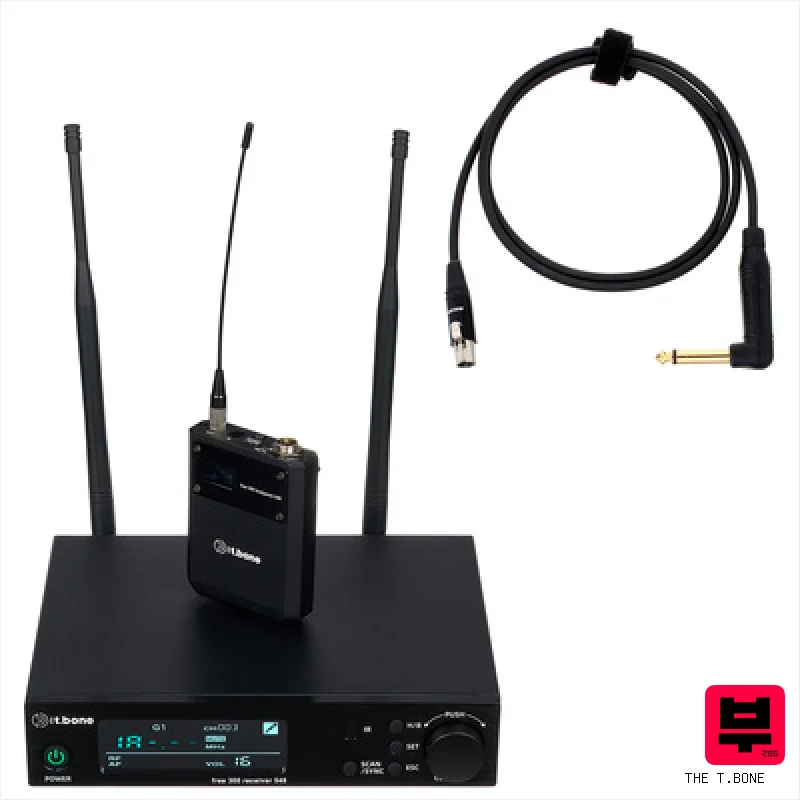
The t.bone Lucan is a surprisingly capable entry-level instrument mic system. It's a great option for brass players, especially trumpet and horn, who need a budget-friendly way to mic their instruments for practice, recording, or small gigs. The included accessories and hard case are a real bonus for the price.
Pros
- Excellent value for a condenser instrument mic system
- Flexible gooseneck provides precise instrument placement
- Detachable cable simplifies storage and wireless integration
Cons
- Gooseneck can be a bit flimsy with heavier instruments
- Cardioid pattern limits stereo imaging possibilities
-
Shure BETA 56A Compact Dynamic Drum Microphone
Beta 56 A · Shure
35 for sale on Reverb1 finish at Thomann
The Beta 56 A is a workhorse mic, especially for brass instruments like trumpets and horns. Its supercardioid pickup pattern is fantastic for getting a tight, focused sound on stage with minimal bleed, and the build quality is seriously solid – it’ll take a beating. A great choice for gigging musicians needing a reliable, high-output instrument mic.
Pros
- Rugged hardened steel basket provides excellent protection during gigging.
- Neodymium magnet delivers high output, minimizing preamp noise.
- Supercardioid pattern offers excellent feedback rejection on stage.
Cons
- Supercardioid pattern can be tricky to position consistently.
- Somewhat heavy, potentially impacting stability on lighter stands.
77AudioFu
IndexStableno change since Aug 17Aug 17$213 now$213€189 at Thomann · in stockCheck price ↗ -
Shure BETA 98H / C Clip-On Instrument Microphone
Beta 98 H/C · Shure
30 for sale on Reverb1 finish at Thomann
The Beta 98 H/C is a fantastic choice for serious brass and wind players needing a clean, focused amplified sound. Its cardioid pattern and quick response really nail the nuances of horn playing, making it ideal for both stage and studio. While a bit heavier than some alternatives, the build quality and sound are well worth it.
Pros
- Excellent transient response captures brass articulation precisely
- Robust construction with a reliable, integrated gooseneck
- Cardioid pattern minimizes bleed from unwanted stage noise
Cons
- Can be a bit unwieldy for smaller instruments or tight stage setups
- Requires phantom power, limiting use with some older consoles
76AudioFu
IndexStableno change since Aug 17Aug 17$335 now$335€298 at Thomann · in stockCheck price ↗ -
Audio-Technica PRO35 Cardioid Condenser Clip On Instrument Microphone
Pro 35 · Audio-Technica
25 for sale on Reverb1 finish at Thomann
The Pro35 is a surprisingly capable clip-on mic for brass, especially trumpets and horns. It's incredibly small and light, making it almost unnoticeable while playing, and the roll-off switch is a real lifesaver for controlling bright peaks. Ideal for gigging musicians who need a reliable, compact, and budget-friendly solution for amplifying their brass instruments.
Pros
- Extremely lightweight, virtually disappears during performance
- Cardioid pattern effectively isolates brass instruments
- Roll-off switch tames harsh transients, adds warmth
Cons
- 250 Ohm impedance requires a preamp or mic pre with sufficient gain
- Limited frequency response compared to studio condensers
69AudioFu
IndexStableno change since Aug 17Aug 17$223 now$223€198 at Thomann · in stockCheck price ↗ -
Beyerdynamic M 160 V2 Hypercardioid Double Ribbon Microphone
M 160 · beyerdynamic
13 for sale on Reverb1 finish at Thomann
The M 160 is a serious contender for brass players needing a focused, detailed sound. Its double ribbon design and aluminum cone give it a unique warmth and clarity, especially great for trumpet, horn, and trombone. It's a premium-priced mic, but the performance justifies the investment for discerning musicians.
Pros
- Pure aluminum cone delivers a remarkably warm, natural brass tone.
- Hypercardioid pattern excels at isolating brass instruments in live settings.
- Double ribbon design offers impressive transient response and detail.
Cons
- Hypercardioid pattern demands precise mic placement, less forgiving than cardioid.
- 200 Ohm impedance can require a high-quality preamp for optimal performance.
62AudioFu
IndexStableno change since Aug 17Aug 17$898 now$898€798 at Thomann · in stockCheck price ↗ -
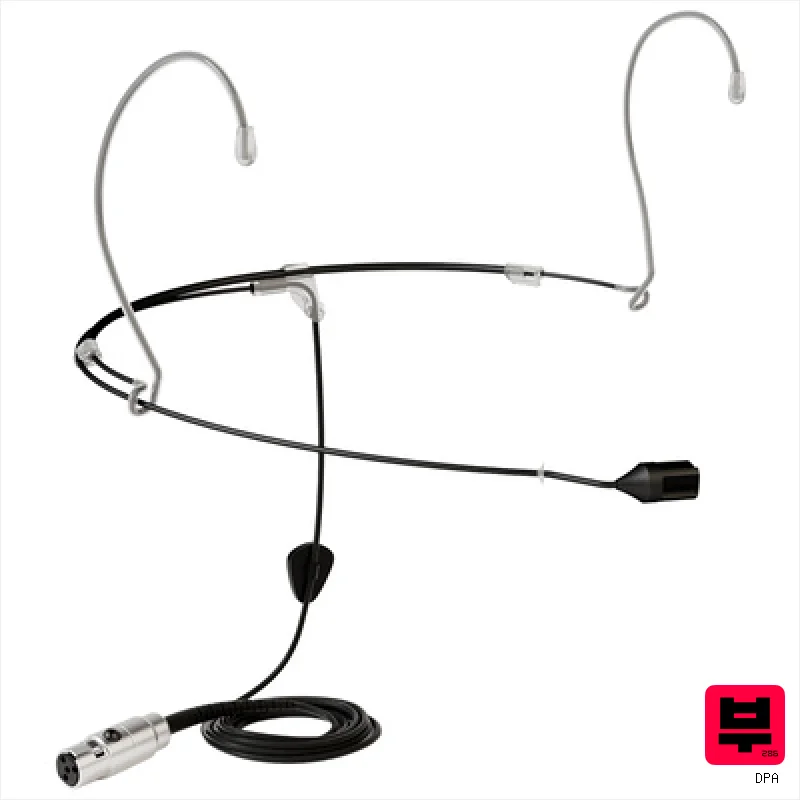
The WB98 H/C is a solid choice for brass players needing a discreet and reliable mic. Its cardioid pattern and responsive capsule deliver a clear, detailed sound, especially well-suited for stage performances and amplified practice. If you’re a horn player looking for a quality, relatively affordable clip-on mic for live or recording, this is worth a serious look.
Pros
- Excellent transient response captures brass articulation precisely
- Gooseneck provides flexible positioning for optimal pickup
- TQG connector simplifies integration with wireless systems
Cons
- Requires phantom power, adding to equipment needs and cost
- Cardioid pattern can pick up stage bleed in loud environments
-
This tiny 18-gram mic clips right onto your trumpet. It handles very loud notes without distortion thanks to its high SPL rating. The super cardioid pattern keeps room noise out while you play.
Pros
- Lightweight 18g body makes it easy to handle
- Super cardioid pattern reduces unwanted background noise
- Includes dedicated trumpet clip for secure mounting
Cons
- No gooseneck length detail is a missing spec
- Missing stated sound character in the description
44AudioFu
IndexStableno change since Aug 17Aug 17$719 now$719€639 at Thomann · in stockCheck price ↗
Microphones for Trumpet, Horn ETC by the numbers
Measured across all 9 models we track, not a sample.
Median $223 — half of all microphones for trumpet, horn ETC here cost less.
How to choose the best microphones for trumpet, horn ETC
Frequency Response
Brass instruments have a wide frequency range. You want a mic that doesn't roll off the high end too aggressively (which can dull the sparkle) or get muddy in the low mids (which makes it sound boomy and indistinct). A fairly neutral response is key for capturing the natural tone.
Polar Pattern
Cardioid is your friend for most beginner applications. It's directional, meaning it picks up sound primarily from the front and rejects a lot of the room noise - crucial for getting a clean signal when you're not in a perfectly treated studio.
Sensitivity
A mic with good sensitivity will pick up quieter playing dynamics. This is important if you're trying to capture subtle phrasing or quieter passages. Lower sensitivity means you'll need more gain, which can introduce noise - a problem for quieter settings.
Durability
Let's be real, gear gets knocked around. A mic that can take a little abuse is a must, especially if you're gigging regularly. Look for a solid build and a decent shock mount.
Ease of Use
As a beginner, you don't want to spend hours tweaking EQ and compression just to make a mic sound decent. Simple controls and a forgiving nature are ideal for learning the ropes.
Buying guide
So, you're finally miking your horn? Awesome. It's a game-changer, whether you're tracking a killer trumpet solo in your bedroom or trying to make your lead horn cut through a loud rehearsal. But grabbing just any mic won't do; you need something that captures the nuances of your playing without costing a fortune or driving you crazy with complicated settings. Let's break down some solid options for beginner brass players.
Don't fall for the trap of thinking more expensive always means better. A lot of high-end mics are designed for very specific, nuanced applications that a beginner doesn't need. Focus on getting a mic with a solid, neutral sound and good build quality.
Dynamic mics are generally tougher and more affordable than condensers, but condensers can offer a bit more detail - it's a trade-off. Watch out for mics that claim to be 'all-in-one' solutions; they often cut corners in build or sound quality.
How the AudioFu Index works
Five measured signals and nothing else — no stars from strangers, no “tested by experts” we didn’t do. The weights are fixed and public. We don’t play these instruments; we measure the market around them.
This chart covers 9 microphones for trumpet, horn ETC from the Thomann catalogue. Before you buy, read hands-on reviews and, where you can, play it. Full methodology.
AudioFu earns a commission when you buy through our Thomann links. It never changes the order — the index does.
- Demand40%
How many of this exact model are for sale on Reverb right now — what musicians actually buy and resell.
- Lineup20%
How many finishes Thomann stocks — makers expand the models that sell.
- Price15%
Where the price has moved since we started tracking in August.
- Specs15%
How completely the maker documents it.
- Maker10%
How deep the brand’s range is in this category.
Questions
Can I use a vocal mic on my trumpet?
Technically, yes. But vocal mics are often tuned for the human voice, which has a different frequency profile than brass instruments. You might end up with a dull or unnatural sound. It's not ideal, but in a pinch, it'll work.
What's the difference between a dynamic and condenser mic?
Dynamic mics are robust and handle high sound pressure levels (SPL) well - perfect for loud horns. Condenser mics are more sensitive and capture more detail, but they're generally more fragile and require phantom power.
Do I need a preamp?
Most likely, yes. Microphones output a very low signal that needs to be boosted. An audio interface with a built-in preamp is a great option for beginners. Don't skimp on this - a noisy preamp will ruin your recording.
What about shock mounts and pop filters?
A shock mount isolates the mic from vibrations, reducing rumble and handling noise. A pop filter isn't as critical for brass as it is for vocals, but it can help reduce plosives if you're playing very close to the mic.
How close should I put the mic to my horn?
Start around 4-6 inches away. Experiment! Closer will give you a more direct, powerful sound, while further away will capture more of the room ambience. It's all about finding what sounds best for your horn and playing style.