
Best Microphones for Saxophone Under $300 2026
Alright, so you're a sax player on a budget - I get it. Finding a mic that captures that sweet, breathy tone without emptying your wallet can be tough. This isn't about chasing boutique studio sounds; it's about getting a mic that'll cut through a rehearsal, record a decent demo, or even handle a small gig without sounding like you're playing through a tin can. Let's find some real contenders under $300.
Last updated: September 28, 2026
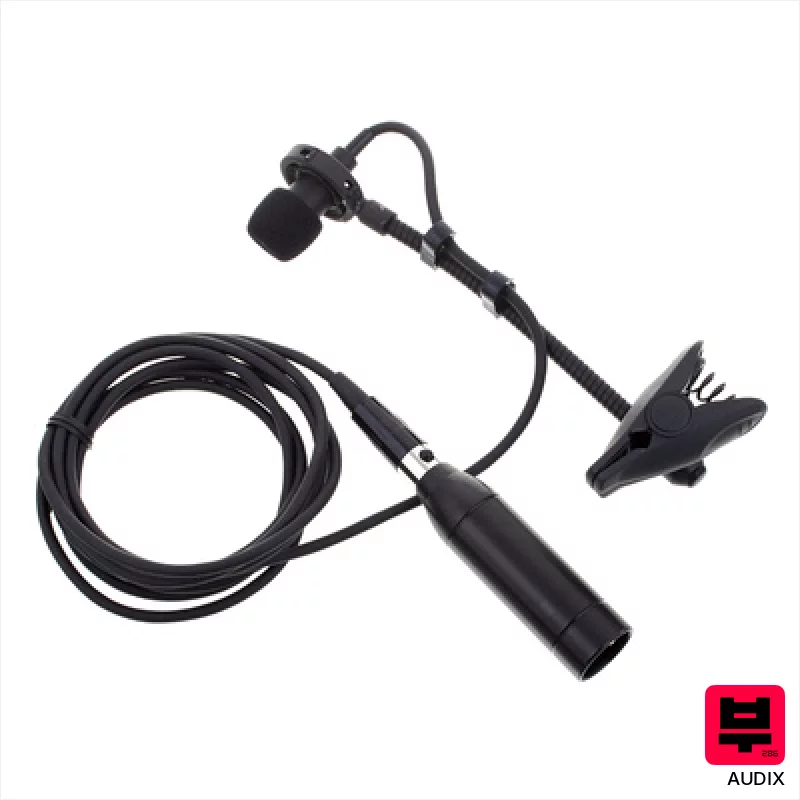
Audix ADX 20 i-p
- • Excellent transient response captures fast wind articulations
- • Gooseneck and elastic suspension minimize handling noise effectively
- • APS910 voltage converter provides flexibility with various audio interfaces
- • Cardioid pattern offers good isolation from room ambience
- • Mini XLR connector can be fragile and requires careful handling
- • Limited frequency response compared to larger diaphragm condensers
- • Gooseneck can be a bit stiff, requiring some adjustment
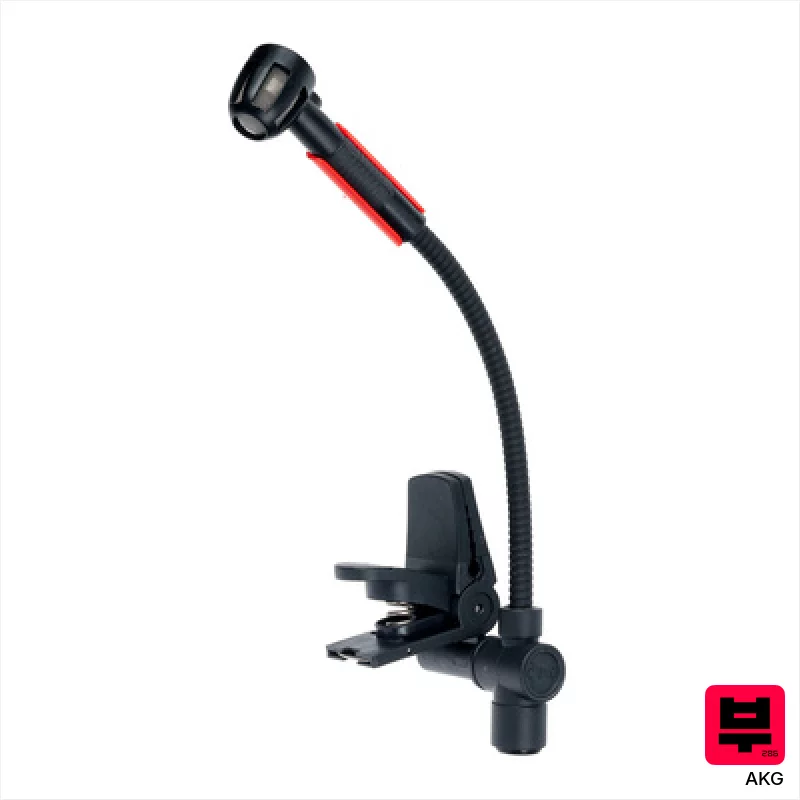
AKG C 519 M
- • Excellent transient response captures subtle saxophone nuances
- • Gooseneck design offers precise mic placement flexibility
- • Cardioid pattern minimizes room noise effectively
- • Durable construction with a robust metal body and clamp
- • Can be somewhat unwieldy due to its length and gooseneck
- • Requires phantom power, limiting use without a mixer or interface
- • Sound can be a little clinical without careful EQ adjustment
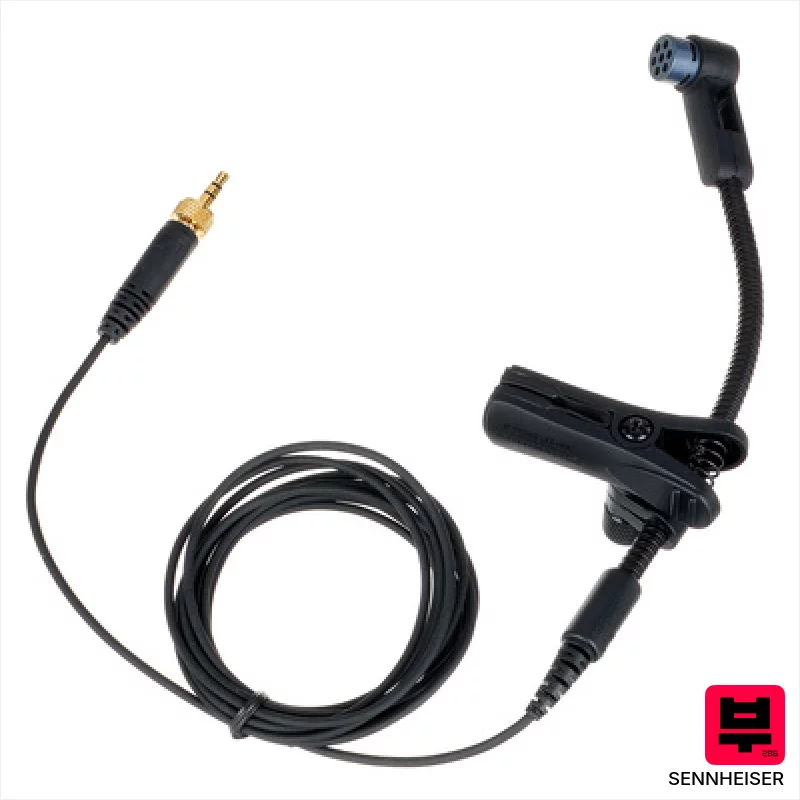
Sennheiser E 908 B EW System
- • Excellent transient response captures subtle wind instrument nuances
- • Robust gooseneck design minimizes handling noise effectively
- • Cardioid pattern provides focused pickup, reduces room reflections
- • Well-matched clip offers secure and stable instrument mounting
- • Requires a Sennheiser EW wireless system – significant investment
- • Gooseneck can be a bit unwieldy for some performance styles
- • Limited frequency response compared to studio-grade condensers
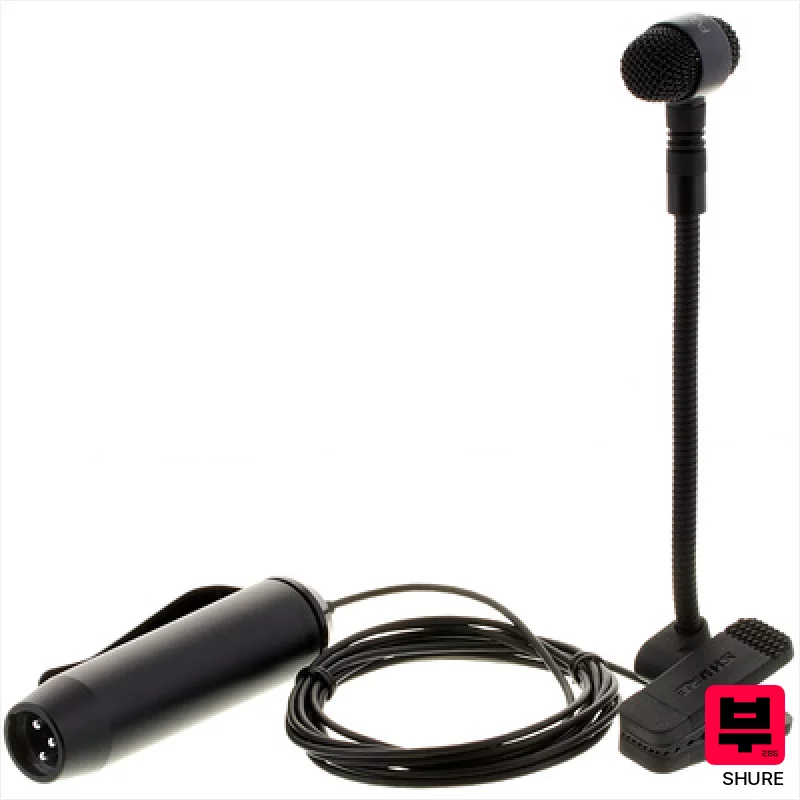
Shure PGA98H-XLR
- • Excellent transient response captures fast saxophone articulations
- • Robust construction feels durable for stage use and frequent transport
- • Cardioid pattern effectively isolates the sax from stage noise
- • Gooseneck provides flexible positioning for optimal sound capture
- • Higher phantom power requirement (11-52V) limits compatibility with some mixers
- • Gooseneck can be prone to accidental bumps and adjustments on stage
- • The beltpack adds bulk and potential for cable snagging
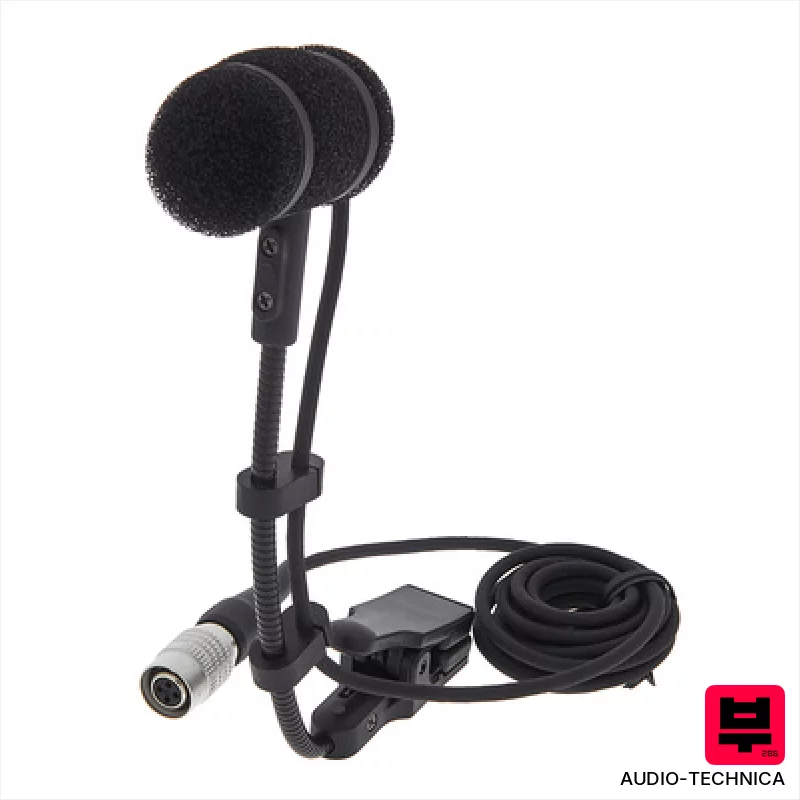
Audio-Technica Pro35 CW
- • Excellent transient response captures fast articulation on sax and trumpet.
- • Robust clip design securely holds mic without unwanted vibration.
- • Audio-Technica’s inHRS connector ensures reliable wireless transmission.
- • Frequency response is well-balanced, avoiding harshness or muddiness.
- • Limited to Audio-Technica wireless systems; lacks universal compatibility.
- • Requires a phantom adapter (AT8539) for power – adds extra cost.
- • Cable length is somewhat short for some stage setups.
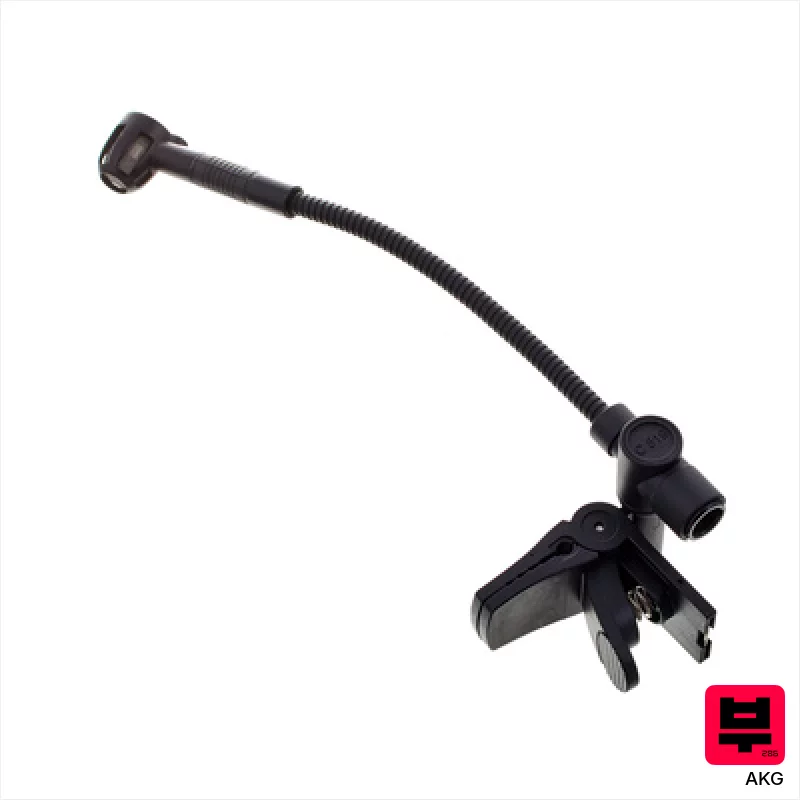
AKG C 519 ML
- • Secure clamp provides stable, vibration-free mounting on saxophones
- • Cardioid pattern effectively rejects stage noise and feedback
- • Lightweight design minimizes instrument handling interference
- • Included accessories offer flexible positioning options for optimal tone capture
- • AKG L connector requires a dedicated wireless system or adapter
- • Limited frequency response might slightly dull extreme high frequencies on some horns
- • Gooseneck flexibility can be affected by cable weight
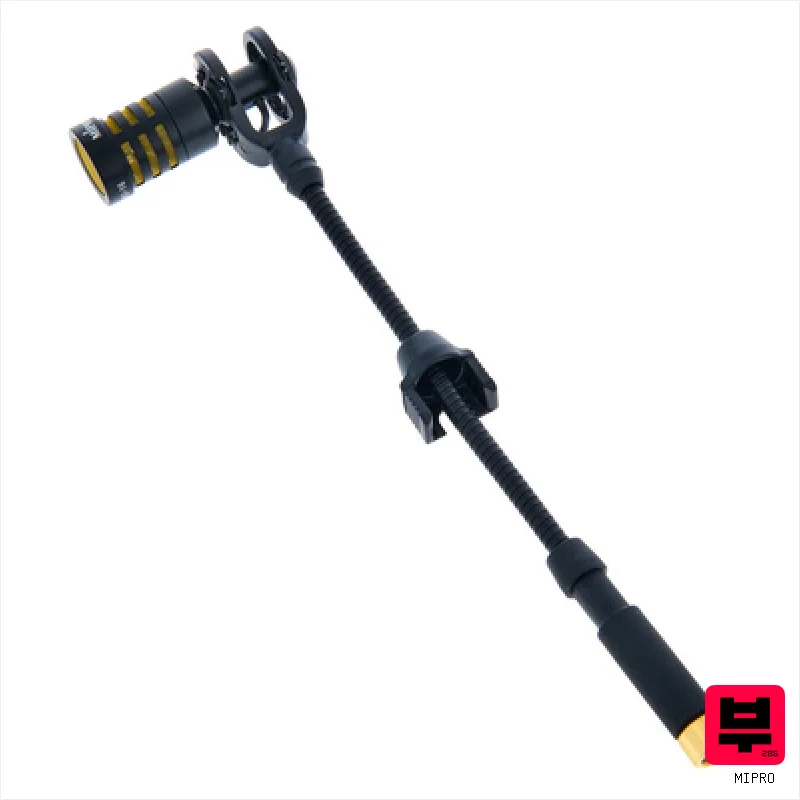
Mipro SM-10A
- • Lightweight 57g design fits easily in a bag
- • Large 10mm capsule captures rich low-end detail
- • Wide frequency range from 65Hz to 20kHz
- • Includes dedicated SH-32 holder for secure mounting
- • Cardioid pattern limits soundstage width
- • No built-in preamp for clean low-level signals
- • Standard 3.5mm jack requires external cables
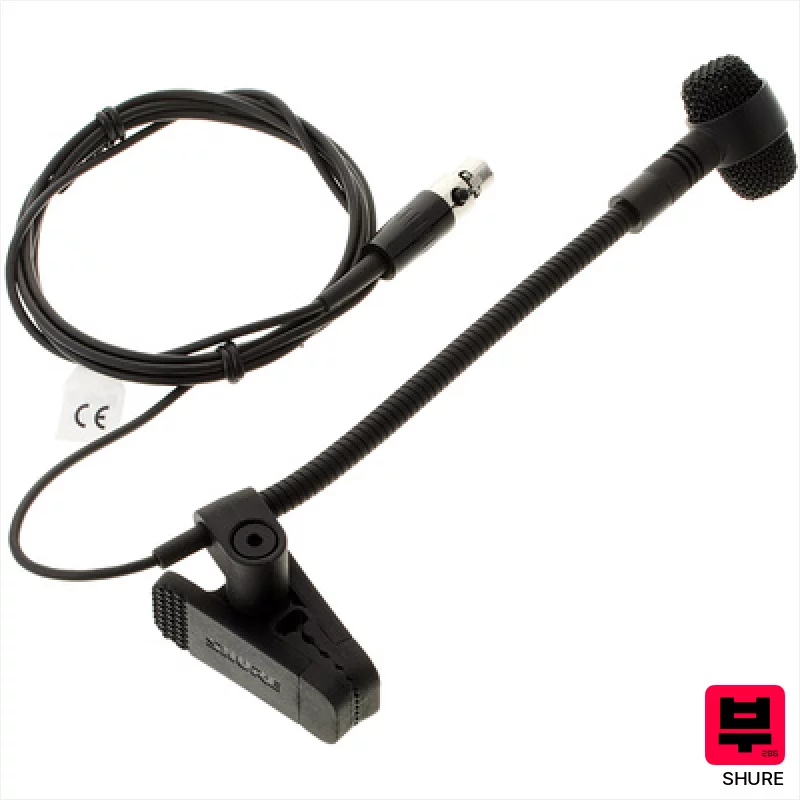
Shure PGA98H-TQG
- • Robust TQG connector ensures reliable wireless integration.
- • Cardioid pattern effectively isolates the saxophone from stage noise.
- • Gooseneck provides flexible positioning for optimal sound capture.
- • Lightweight design minimizes fatigue during extended performance.
- • High output impedance requires a preamp for best results.
- • Limited frequency response compared to higher-end condenser mics.
- • Gooseneck can be prone to accidental bumps and adjustments.
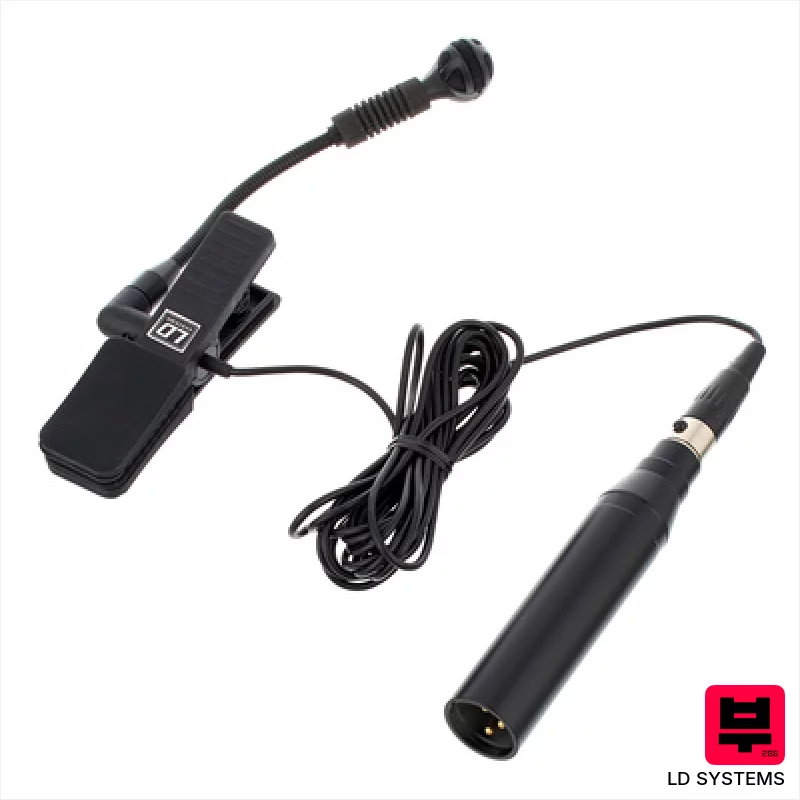
LD Systems LDWS1000MW
- • Surprisingly robust clip mechanism for secure instrument attachment
- • Cardioid pattern effectively rejects stage bleed and feedback
- • Mini-XLR connector offers a slightly more secure connection than basic clips
- • Lightweight design minimizes performance fatigue during extended use
- • The 250 Ohm impedance requires a preamp or decent mixer input
- • Plastic gooseneck feels a bit fragile for heavy-handed players
- • Frequency response lacks some high-end sparkle for brighter saxophone tones

the t.bone CC 915
- • Sturdy rubberized clip provides secure, vibration-dampened instrument mounting
- • Cardioid pattern effectively isolates the sax from room noise
- • Surprisingly wide frequency response for its price point captures detail
- • Mini-XLR to XLR adapter offers flexible connectivity options
- • Mini-XLR connector limits compatibility outside the t.bone ecosystem
- • Gooseneck could be longer for optimal positioning flexibility
- • Build quality feels somewhat plasticky, lacking premium robustness
Microphones for Saxophone by the numbers
Measured across all 10 models in this category, so «wide», «short» or «expensive» mean something you can check.
How to Choose the Best Microphones for Saxophone
Frequency Response
A flat response is nice, but sax needs a little help. Look for a mic that emphasizes the upper mids - that's where the articulation and 'honk' live. Too much low-end, and you'll get muddy; not enough highs, and it'll sound dull.
Polar Pattern
Cardioid is your go-to. It rejects bleed from other instruments, which is crucial for both recording and live performance. Figure-8 is okay if you're doing a duet or need to capture room tone, but it's generally not ideal for sax.
Sensitivity & Output
Lower sensitivity means you'll need more gain, which can introduce noise. A decent output level is important for getting a clean signal without pushing your preamp too hard. Think about your preamps' headroom.
Build Quality
Plastic parts and flimsy clips? Skip it. You're going to be handling this mic, so it needs to be able to take a little abuse, especially if you're gigging.
Transient Response
Sax is all about quick, precise movements of air. A mic that's slow to respond will smear your articulation and make it sound sluggish. Listen for clarity and detail in the higher registers.
Buying Guide
At this price point, you're making trade-offs. Don't expect pristine studio quality - you'll likely compromise on build materials or a completely neutral frequency response. Look for mics that prioritize the upper-midrange clarity and decent transient response, even if the low-end isn't super tight. Consider a dynamic mic for live use - they're more durable - and a condenser for recording where you can EQ to compensate for any shortcomings. Don't skimp on a decent mic cable either.
How This List Is Built
We don't play these instruments — we're a catalog, not a review desk, and we'd rather say so than pretend otherwise. This page covers 10 microphones for saxophone from the Thomann catalogue, which is the largest single source of specification data in this category: 10 in detail, the rest listed with their specifications.
Position is computed, not curated. We parse the manufacturer's own description into actual values — nut width, scale, fret count, fingerboard radius, size, alloy — and rank on them: how many specifications a model has published, how many of them are measurable numbers, and how precisely it meets this page's criterion. A product image adds a little. Price is not a ranking signal: it tells you nothing about whether a neck fits your hand. The same inputs always produce the same order, so nothing here is shuffled to look fresh.
What this list is good for: narrowing a category down to a shortlist by spec and budget. What it isn't: a substitute for hearing an instrument. Before you buy, read hands-on reviews and, where you can, play it. Full methodology.

