AudioFu
AudioFu Chart · October 2026
Best Microphones for Saxophone 2026
The top pick is Shure SM7B Cardioid Dynamic Microphone ($595). the t.bone CC 915 gives you the most for the money at $51. Ranked by the AudioFu Index from 14 models across 11 brands, prices checked every night.
Last updated: October 17, 2026
Narrow the chart
All Microphones for SaxophoneTop 10
Full detail for the 10 highest AudioFu Index scores. Every other model is listed below.
-
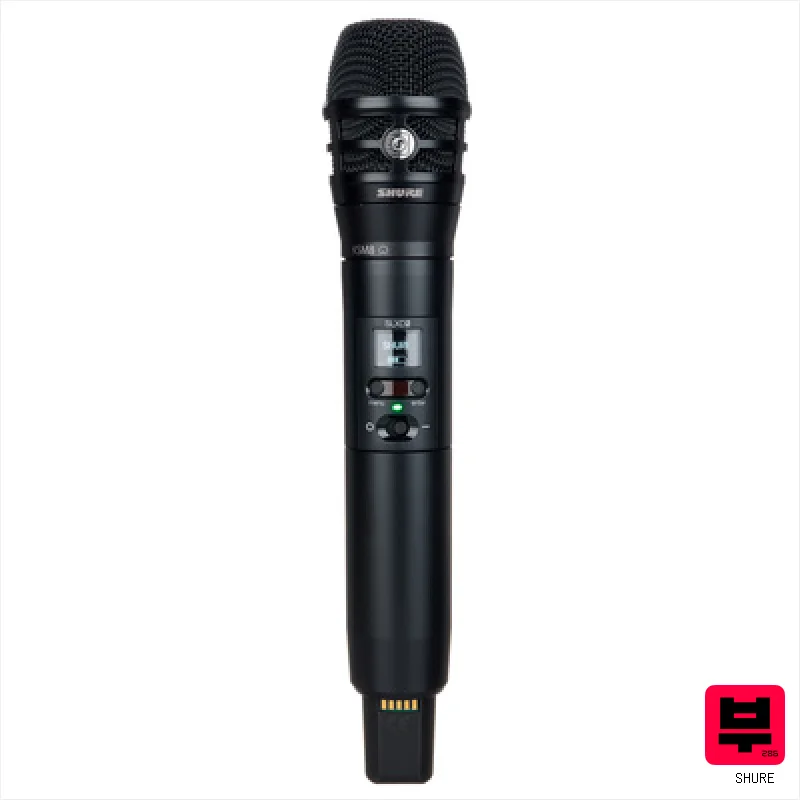
The SM 7 dB is a serious upgrade for sax players needing a focused, clean sound. It’s a workhorse mic—great for stage or studio—particularly if you’re battling loud environments or need extra gain. It’s a premium-priced option, but the build quality and performance justify the investment for serious players.
Pros
- Exceptional rejection of stage bleed with its tight cardioid pattern.
- Integrated preamp offers substantial gain for quieter sources or longer cable runs.
- The mid-boost switch adds clarity and presence for saxophone articulation.
Cons
- Relatively heavy, can be fatiguing for extended handheld use.
- Cardioid pattern limits versatility for multi-mic setups or room ambience capture.
78AudioFu
Index↓ 0.6%since Aug 14 · lowest so far$599 · Aug 14$595 now$595€529 at Thomann · in stockCheck price ↗ -
The E 908 B is a solid choice for sax players needing a reliable, gooseneck mic, particularly for stage or smaller recording spaces. Its direct sound capture and focused pattern are great for cutting through a band, and the included clip makes mounting a breeze. It's a workhorse mic that delivers professional results without the premium price tag of some studio options.
Pros
- Excellent transient response captures fast sax articulations
- Gooseneck design minimizes unwanted room noise
- Robust metal construction feels durable for stage use
Cons
- Can be prone to feedback in less-than-ideal acoustic environments
- Gooseneck can be unwieldy for some players or setups
54AudioFu
Index↓ 12.2%since Aug 14 · lowest so far$370 · Aug 14$325 now$325€289 at Thomann · in stockCheck price ↗ -
AKG C519ML Clip-On Cardioid Instrument Microphone
C 519 ML · AKG
16 for sale on Reverb2 finishes at Thomann
The AKG C 519 ML is a solid choice for sax players needing a reliable, clip-on mic for live performance or recording. It's lightweight and the gooseneck offers some flexibility in placement, making it a great option for both seasoned pros and gigging musicians wanting a straightforward, quality solution without the complexity of more expensive setups.
Pros
- Secure clamp provides stable, vibration-free mounting on saxophones
- Cardioid pattern effectively rejects stage noise and feedback
- Lightweight design minimizes instrument handling interference
Cons
- AKG L connector requires a dedicated wireless system or adapter
- Limited frequency response might slightly dull extreme high frequencies on some horns
53AudioFu
Index↓ 5.9%since Aug 14 · lowest so far$210 · Aug 14$198 now$198€176 at Thomann · in stockCheck price ↗ -
Audio-Technica PRO35 Cardioid Condenser Clip On Instrument Microphone
Pro 35 CW · Audio-Technica
25 for sale on Reverb1 finish at Thomann
The Pro35 CW is a solid choice for gigging sax and trumpet players needing a reliable wireless setup. Its clip-on design is convenient, and the sound is surprisingly clean and natural, making it ideal for a wide range of musical styles from jazz to funk. Just be sure you’re already in the Audio-Technica wireless ecosystem.
Pros
- Excellent transient response captures fast articulation on sax and trumpet.
- Robust clip design securely holds mic without unwanted vibration.
- Audio-Technica’s inHRS connector ensures reliable wireless transmission.
Cons
- Limited to Audio-Technica wireless systems; lacks universal compatibility.
- Requires a phantom adapter (AT8539) for power – adds extra cost.
47AudioFu
IndexStableno change since Aug 14Aug 14$201 now$201€179 at Thomann · in stockCheck price ↗ -
Shure PGA98H-TQG Cardioid Condenser Gooseneck Instrument Mic w/ TA4F…
PGA98H-TQG · Shure
4 for sale on Reverb2 finishes at Thomann
The PGA98H-TQG is a solid, budget-friendly option for sax players who need a reliable wireless setup. It's surprisingly clear and cuts through a band well, making it perfect for gigging musicians or students who want a no-fuss, functional solution without spending a fortune.
Pros
- Robust TQG connector ensures reliable wireless integration.
- Cardioid pattern effectively isolates the saxophone from stage noise.
- Gooseneck provides flexible positioning for optimal sound capture.
Cons
- High output impedance requires a preamp for best results.
- Limited frequency response compared to higher-end condenser mics.
45AudioFu
IndexStableno change since Aug 14Aug 14$163 now$163€145 at Thomann · in stockCheck price ↗ -
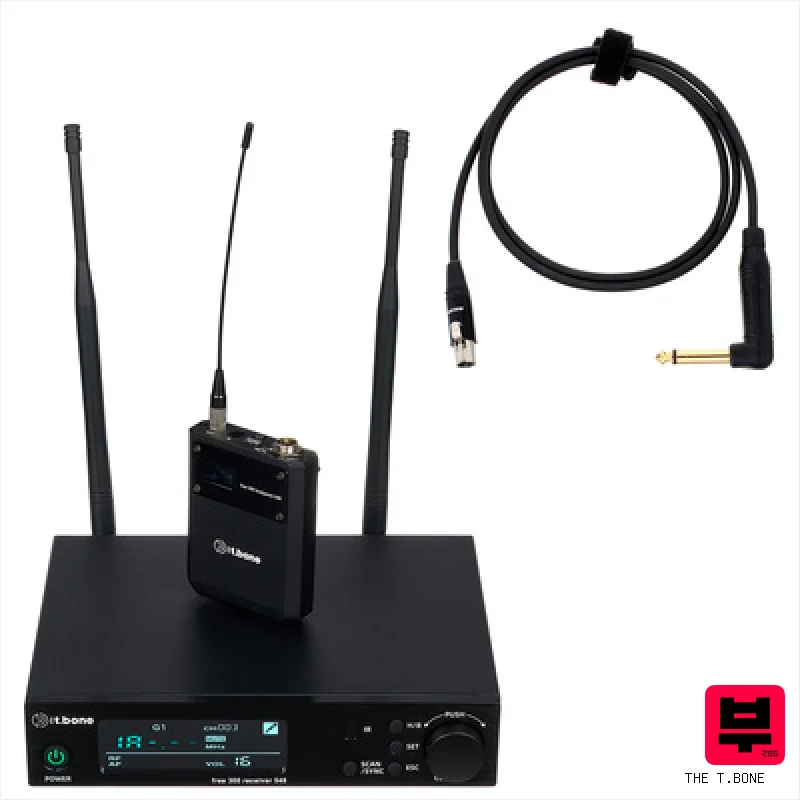
The t.bone CC 915 is a surprisingly capable little mic, perfect for sax players on a tight budget who need a reliable, close-mic'd sound. Its small size makes it ideal for gigs where space is limited, and the included adapter provides decent flexibility for connecting to standard audio interfaces. Don't expect studio-grade performance, but it's a solid performer for practice, small gigs, and recording demos.
Pros
- Sturdy rubberized clip provides secure, vibration-dampened instrument mounting
- Cardioid pattern effectively isolates the sax from room noise
- Surprisingly wide frequency response for its price point captures detail
Cons
- Mini-XLR connector limits compatibility outside the t.bone ecosystem
- Gooseneck could be longer for optimal positioning flexibility
35AudioFu
Index↓ 8.2%since Aug 14 · lowest so far$55 · Aug 14$51 now$51€45 at Thomann · in stockCheck price ↗ -
This little mic is perfect for recording sax in a school or home studio. The 10mm capsule picks up warm lows well, and the included holder makes it easy to clip on. It works with standard cables, but you'll need your own preamp for best results.
Pros
- Lightweight 57g design fits easily in a bag
- Large 10mm capsule captures rich low-end detail
- Wide frequency range from 65Hz to 20kHz
Cons
- Cardioid pattern limits soundstage width
- No built-in preamp for clean low-level signals
32AudioFu
IndexStableno change since Aug 17Aug 17$168 now$168€149 at Thomann · in stockCheck price ↗ -
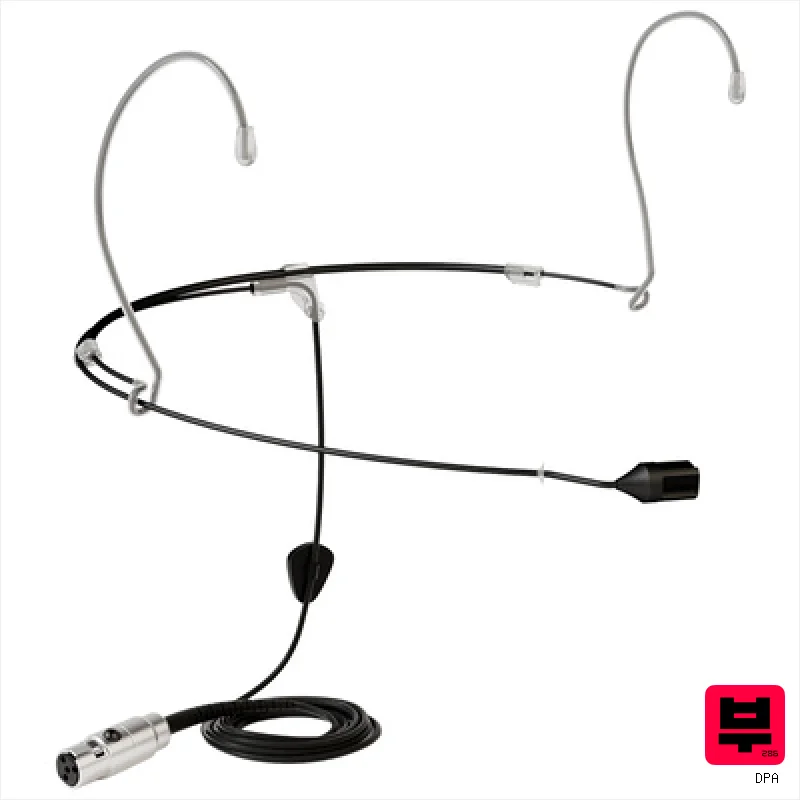
The DPA 4099 is a game-changer for serious sax players wanting pristine, detailed sound. It's built like a tank, rejects stage noise like a champ, and captures the instrument’s full dynamic range. If you’re performing regularly or recording at a high level, this mic will elevate your sound significantly.
Pros
- Exceptional transient response captures subtle nuances in sax tone.
- Supercardioid pattern minimizes bleed, ideal for stage environments.
- Micro Lock connector offers robust and reliable signal transfer.
Cons
- Premium-priced, represents a significant investment for many players.
- Supercardioid's narrow pickup pattern requires precise mic placement.
-
The LCM 85 MK II is a solid, reliable mic for sax players who want a convenient, all-in-one solution. It’s particularly good for stage work where you need a quick setup and decent sound without a lot of fuss – perfect for gigging musicians and students alike.
Pros
- Excellent transient response captures brass articulation precisely
- Integrated preamp offers convenient tone shaping and gain
- Robust construction feels durable for stage use
Cons
- Plastic case feels cheap compared to the microphone itself
- Battery power option limits gig duration without external supply
-
The SD Systems SDS MD is a dependable workhorse mic for sax players, especially those in louder, more energetic settings. It's a solid choice for gigging musicians needing a reliable, focused sound without fuss. While it won’t replace a premium condenser, it's a surprisingly capable and affordable option for the working musician.
Pros
- Robust dynamic capsule handles high stage volumes effortlessly
- Modular clamp offers secure, adaptable mounting to various saxophones
- Cardioid pattern effectively rejects stage bleed and feedback
Cons
- Frequency response lacks the extended highs for truly nuanced detail
- Limited polar pattern selection restricts versatility in different recording scenarios
All 14 microphones for saxophone
Same index, same nightly prices — compact. Colour options of one model share a row. Tap a photo to zoom.
- 11
SD Systems LCM 85TSD Systems28↑ 16.5%$785€698$785€698Check ↗
- 12
LD Systems LDWS1000MWLD Systems27↑ 10.6%$106€94$106€94Check ↗
- 13
Audix ADX20iP Miniature Clip-On Wireless Condenser MicrophoneADX 20 i-p · Audix24↑ 17.4%$296€263$296€263Check ↗
- 14
Schoeps Saxophone SetSchoeps20↓ 2.9%$1,912€1,699$1,912€1,699Check ↗
Microphones for Saxophone by the numbers
Measured across all 20 models we track, not a sample.
Median $325 — half of all microphones for saxophone here cost less.
How to choose the best microphones for saxophone
Polar Pattern
Cardioid is your workhorse - it rejects bleed from the sides, crucial for recording or gigging with a band. Figure-8 can be useful for duets or capturing room tone, but demands more mic placement finesse. Omni is great for a natural, airy sound, but only if you can control the room.
Frequency Response
You want a mic that captures the full range of the saxophone, but pay attention to the mid-range. Too scooped, and you lose that crucial body. Too hyped, and it'll sound honky and fatiguing. A gentle roll-off above 10kHz can tame any harshness.
Sensitivity & SPL Handling
Saxophones can get loud, especially in a rock or funk setting. A mic with decent SPL handling (130dB or higher) will avoid distortion when you're really pushing the dynamics. Lower sensitivity means you'll need more preamp gain, which can introduce noise - a trade-off to consider.
Transient Response
This is huge for sax. A slow mic will smear those fast attacks and make the sound muddy. Look for mics that capture the initial transient cleanly, preserving the articulation and 'bite' of the instrument. This is where a lot of cheaper mics fall down.
Build Quality & Durability
Gigs aren't gentle on gear. A mic that can take a few bumps and bruises is worth its weight in gold. Solid construction, a robust shock mount, and a reliable cable are all part of the equation.
Buying guide
Alright, so you're looking for a mic for your sax? It's a surprisingly nuanced choice - you need something that captures that breathy warmth, the snappiness of the keys, and cuts through a band without sounding harsh. Forget what the specs say; a mic needs to feel right. This isn't about just picking something that looks cool, it's about finding that sweet spot between detail, warmth, and headroom for everything from a smoky jazz club to a loud rehearsal space.
Don't chase the hype. A Neumann U87 sounds amazing, but is it necessary for your alto sax? Probably not.
Often, a well-chosen dynamic or condenser in the $150-$400 range will do the job beautifully. Be wary of mics that promise "studio quality" for under $100 - they almost always cut corners somewhere, usually in transient response or build quality. Ultimately, trust your ears; what sounds good in your space and for your style is the best mic, regardless of the brand name.
How the AudioFu Index works
Five measured signals and nothing else — no stars from strangers, no “tested by experts” we didn’t do. The weights are fixed and public. We don’t play these instruments; we measure the market around them.
This chart covers 20 microphones for saxophone from the Thomann catalogue. Before you buy, read hands-on reviews and, where you can, play it. Full methodology.
AudioFu earns a commission when you buy through our Thomann links. It never changes the order — the index does.
- Demand40%
How many of this exact model are for sale on Reverb right now — what musicians actually buy and resell.
- Lineup20%
How many finishes Thomann stocks — makers expand the models that sell.
- Price15%
Where the price has moved since we started tracking in August.
- Specs15%
How completely the maker documents it.
- Maker10%
How deep the brand’s range is in this category.
Questions
What's the difference between a dynamic and condenser mic for sax?
Dynamic mics are tougher, handle higher SPLs, and are less sensitive - great for loud gigs. Condenser mics are more detailed and capture more nuance, ideal for studio recording or quieter settings, but need phantom power and are more delicate.
Can I use a vocal mic on my saxophone?
Sure, you can, but it might not be ideal. Vocal mics are often tuned for the human voice, which has a different frequency range and timbre than a saxophone. You might find it lacks detail or sounds muddy.
What's 'proximity effect' and how does it affect my sax tone?
Proximity effect is the bass boost you get when you get close to a directional mic. For sax, it can add warmth and body, but too much makes it boomy and indistinct. Experiment with mic placement to find the sweet spot.
I'm recording at home - do I need a shock mount?
Absolutely. Even vibrations from your floor or stand can muddy the recording. A shock mount isolates the mic and cleans up the signal. It's a cheap upgrade with a noticeable impact.
My mic sounds harsh - what can I do?
Try moving the mic further away from the horn, or angling it slightly. A pop filter can help tame high-frequency transients. EQ can be used, but it's better to get the mic placement right first.