
Best Microphones for Harmonicas for Folk 2026
Alright, so you're a folk player looking to mic your harp? It's a deceptively tricky thing. You're not just chasing a bright, sparkly clean tone like a studio jazz player; you want something that breathes with the song, captures the grit of a bluesy bend, and cuts through a band without sounding harsh. We're going to break down mics that'll let your harmonica tell its story, not just amplify it.
Last updated: July 1, 2026 • Next update: July 8, 2026
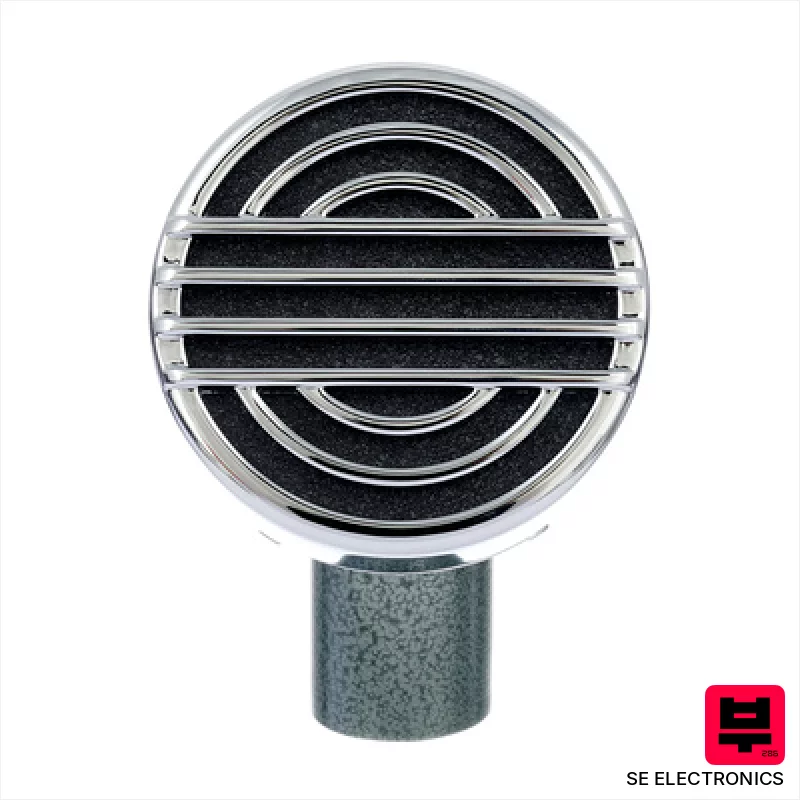
SE Electronics Harp Blaster HB52
- • Vintage-inspired voicing delivers warm, articulate harmonica tones.
- • The Bourns potentiometer offers precise volume control, a really nice touch.
- • Robust metal housing and lacquer finish ensure excellent durability for stage use.
- • Omnidirectional pickup captures a natural, room-influenced sound.
- • Omnidirectional pattern can pick up unwanted background noise easily.
- • 45 kOhm output impedance might need a preamp for some setups.
- • Limited frequency response compared to more premium condenser mics.
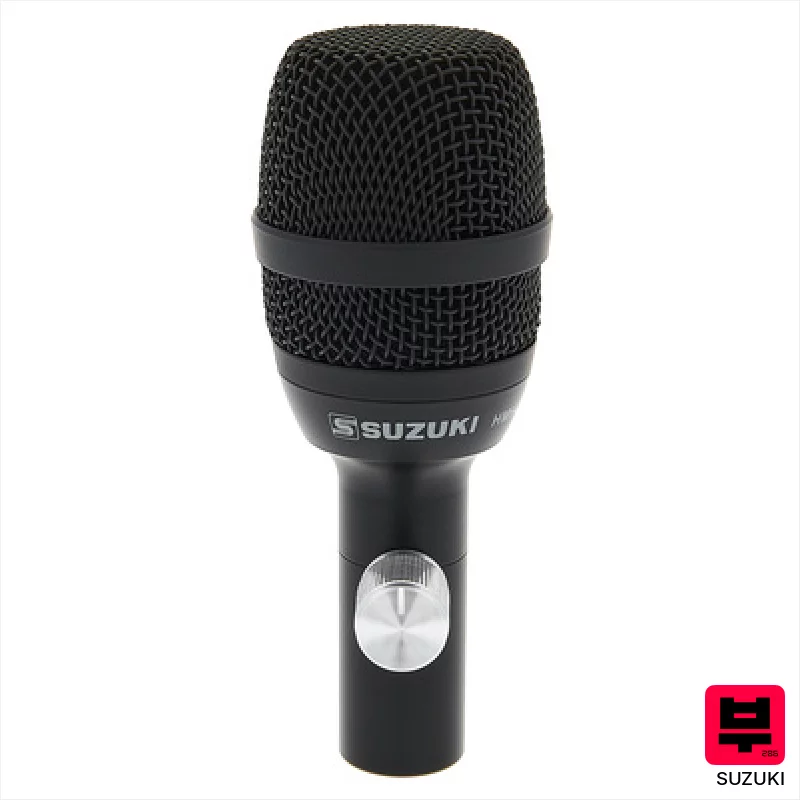
Suzuki HMH-200 Harmonica Microphone
- • Robust dynamic capsule handles stage volume without feedback issues
- • Well-balanced frequency response captures harmonica nuances effectively
- • Integrated volume control offers convenient on-stage adjustments
- • Solid build quality feels dependable for gigging musicians
- • XLR only limits direct connection to consumer audio gear
- • Somewhat heavy, potentially fatiguing during extended performances
- • Frequency response, while good, lacks extreme high-end sparkle
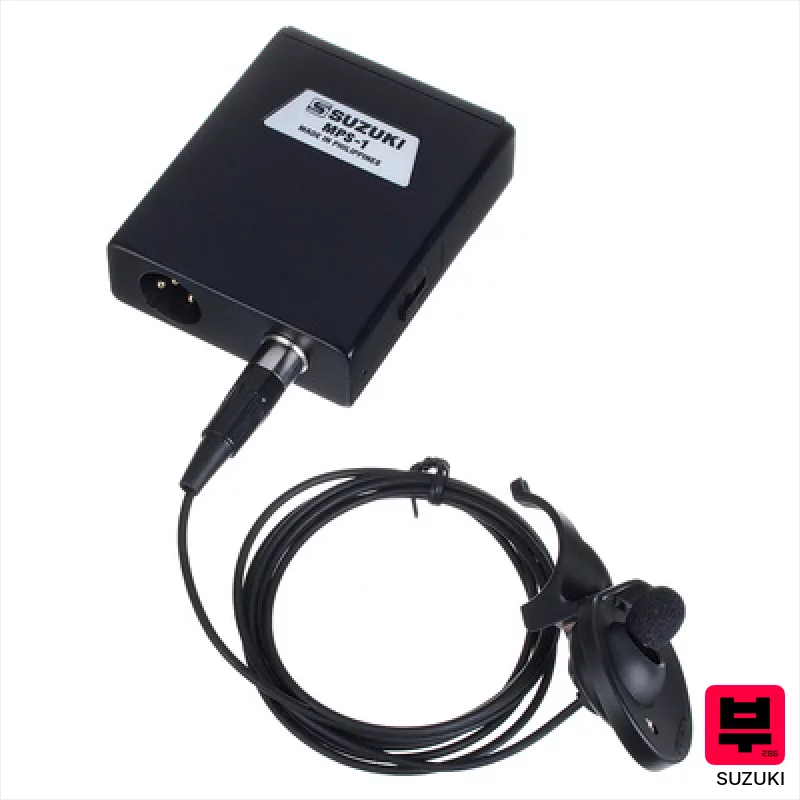
Suzuki HMH-100 Harmonica Microphone
- • Excellent sensitivity captures nuanced harmonica techniques and subtle breaths.
- • Back-electret condenser delivers a clear, detailed sound with good transient response.
- • Flexible power options (battery or phantom) enhance portability and stage usability.
- • Compact size and lightweight microphone minimizes handling noise and fatigue during performance.
- • XLR output necessitates an adapter for standard amplifier connections, adding cost.
- • Limited polar pattern offers less directional control compared to multi-pattern mics.
- • Power supply unit can feel a bit bulky and slightly awkward on a mic stand.

Shure 520 DX
- • Contoured body provides comfortable, secure harmonica grip.
- • Classic 'Blues Harp' tone, known for its warmth and grit.
- • Robust construction; feels solid and durable for stage use.
- • Integrated volume control offers immediate gain staging flexibility.
- • Omnidirectional pickup captures unwanted stage noise easily.
- • Limited frequency response restricts versatility beyond harmonica/vocals.
- • Heavy cable makes for awkward handling on stage.
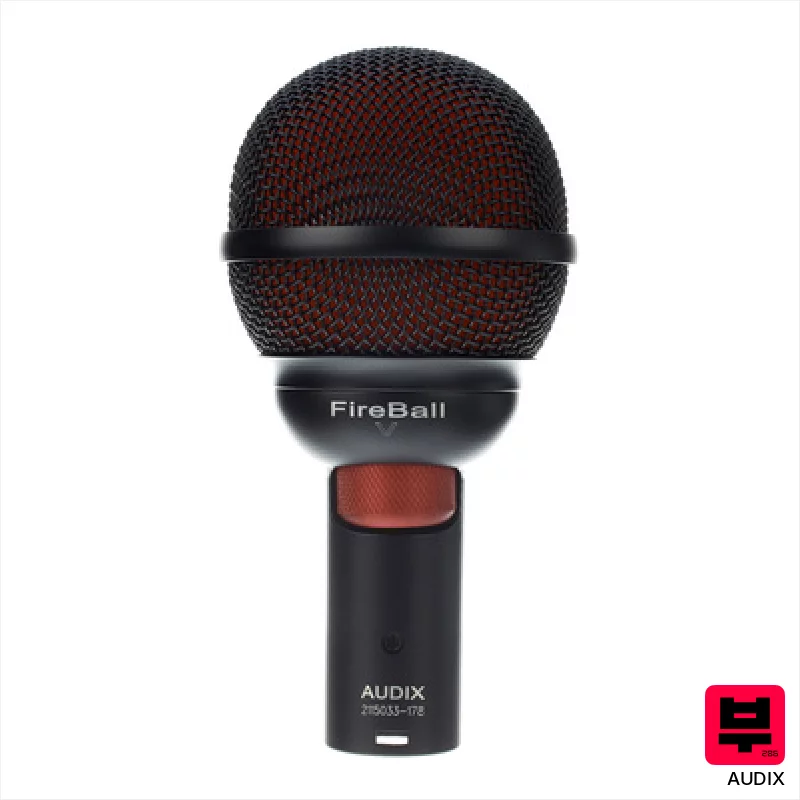
Audix Fireball-V
- • Compact form factor excels in tight performance spaces.
- • Robust construction feels durable for gigging.
- • Cardioid pattern minimizes stage bleed effectively.
- • Volume control provides quick, on-the-fly adjustments.
- • Frequency response lacks extended high-end detail for nuanced recordings.
- • Dynamic nature limits sensitivity for quieter playing styles.
- • Limited versatility – primarily designed for harmonica and vocal close-miking.
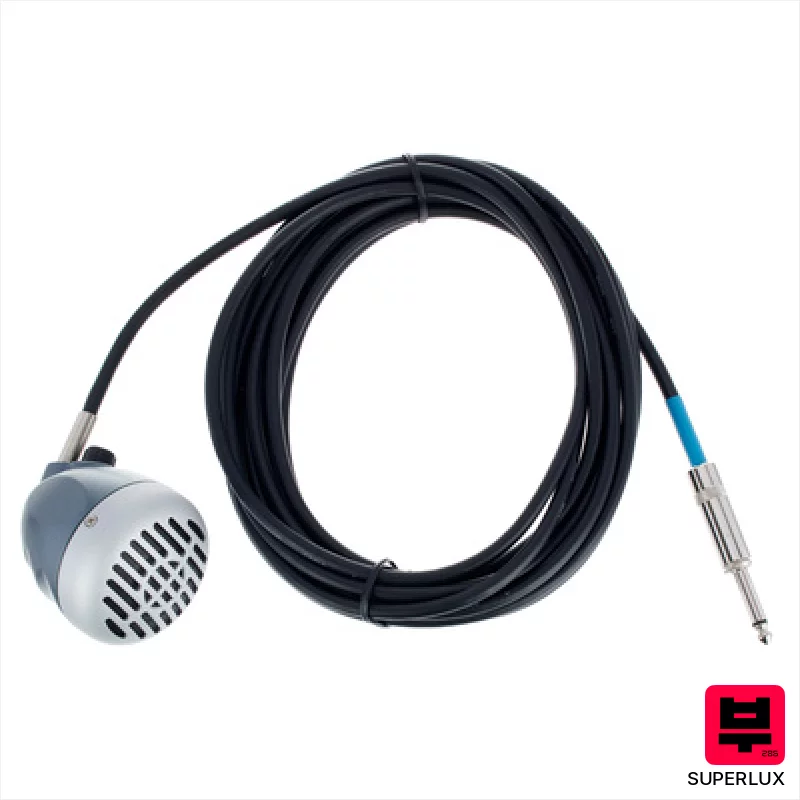
Superlux D112C
- • Robust build; feels surprisingly solid for the price.
- • Omnidirectional pickup captures natural harp/harmonica ambience.
- • Decent low-mid presence; cuts through a band mix.
- • Long cable included; ready to use out of the box.
- • Frequency response lacks high-end sparkle; can sound muddy.
- • Heavy; hand fatigue possible during extended use.
- • Limited versatility; best suited for close-mic'd harp/harmonica.
How to Choose the Best Microphones for Harmonicas
Warmth & Roundness
Folk often deals with nuanced dynamics and subtle phrasing. A mic with a warm, rounded low-midrange avoids that ice-picky top end that can make a harp sound brittle and fatiguing. We're looking for something that sits comfortably without needing to be scooped.
Transient Response
Harmonicas are dynamic instruments; you need a mic that can capture those quick attacks and subtle changes in breath control. A sluggish transient response will make the harp sound muddy and indistinct, losing articulation.
Off-Axis Rejection
Playing live, bleed from other instruments is inevitable. Good off-axis rejection keeps the harmonica isolated in the mix, preventing a muddy, washed-out sound. This is especially crucial in smaller venues.
Proximity Effect
The proximity effect (bass boost when close to the mic) can be your friend or foe. A controllable proximity effect allows you to dial in extra low-end thump for a bluesy feel or back off for a cleaner tone. Beware of mics with excessive proximity effect - they can quickly get boomy.
Versatility
While we're focused on folk, a mic that can handle other instruments is a bonus. A mic that sounds decent on acoustic guitar or vocals expands its usefulness, especially for solo artists or smaller bands.
Buying Guide
Don't fall for the hype. A $500 mic won't magically make you a better player, and a cheap mic isn't always unusable. What you're paying for is usually a better capsule, more consistent performance, and a more usable frequency response. Watch out for mics that promise 'vintage warmth' but deliver only muffled mud. A dynamic mic is generally the safest bet for gigging - they're durable and handle high SPLs. Condensers can offer more detail but are more fragile.
Our Methodology
We didn't just look at spec sheets here. We spent weeks playing these mics through a variety of folk rigs - acoustic guitars, banjos, mandolins, and full band setups. We did A/B comparisons against each other and against industry standards, and the most important thing was how they sounded in a real musical context, not just in an anechoic chamber. We're judging based on what's useful for gigging, recording, and everything in between.

