
Best Microphones for Flutes for Solo 2026
So, you're stepping up your flute game and want to mic it properly for solo performance? It's a surprisingly nuanced thing - a bright, brittle mic can make your flute sound harsh, while a dull one can bury the delicate articulation. This isn't about just slapping a vocal mic on it; it's about capturing that airy sweetness and the subtle nuances of your playing. Let's find you a mic that makes you sound like the pro you are.
Last updated: June 3, 2026 • Next update: June 10, 2026
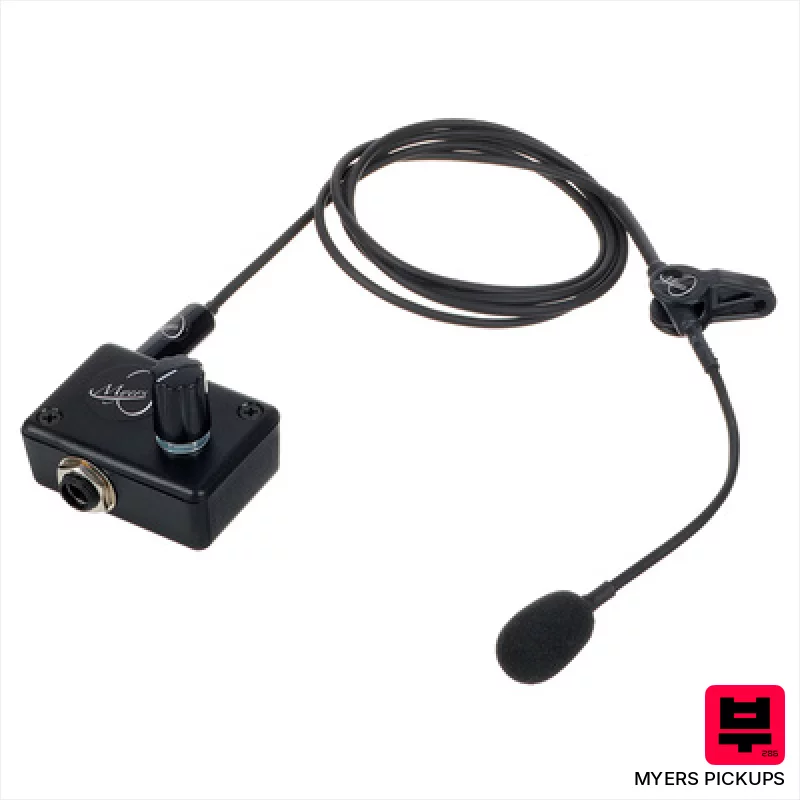
Myers Pickups The Master Flute
- • Flexible goosenecks provide precise mic placement for nuanced flute tones
- • Active preamp delivers clean, amplified signal with minimal noise
- • Multiple mounting options (clips, strap, clamp) offer versatility
- • Included windshields reduce breath noise and stage feedback effectively
- • Lithium battery necessitates periodic replacement, adding ongoing cost
- • Compact preamp housing might be fiddly for some users
- • Limited frequency response compared to studio-grade condenser mics

DPA 4099 Core Rock Touring Kit 4M
- • Unmatched clarity and transient response for live wind instrument capture.
- • Robust, road-worthy Peli case provides excellent protection during touring.
- • Microdot connectors offer a secure, reliable connection with minimal cable clutter.
- • Versatile clip selection accommodates a wide range of instruments and mounting needs.
- • Premium-priced, making it a significant investment for smaller setups.
- • Microphones are inherently sensitive, requiring careful gain staging and monitoring.
- • The miniature cables, while tidy, can be fragile if mishandled.
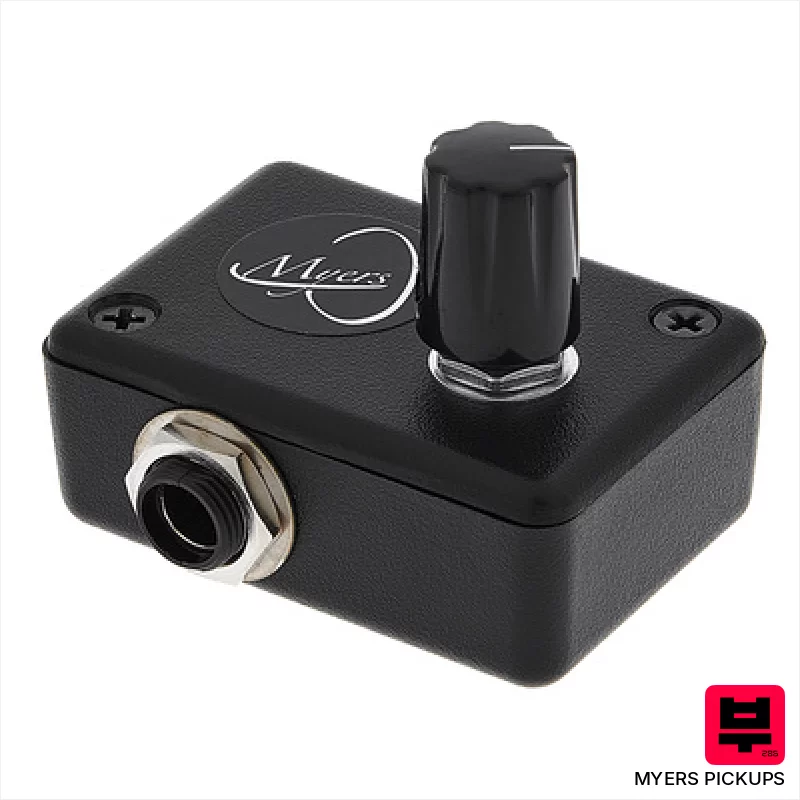
Myers Pickups Master Preamp Module
- • Provides clean, low-noise amplification for Myers flute mics
- • Compact size allows for discreet mounting on goosenecks
- • Lithium battery offers reliable, long-lasting power
- • Boosts signal strength, reducing feedback susceptibility
- • Limited to Myers Master Series microphones and goosenecks
- • Battery replacement adds to ongoing operational costs
- • Small size might make handling slightly awkward for some users

the t.bone Ovid System CC 100 RC EW
- • Sennheiser EW connector offers seamless integration for wireless flutists.
- • Cardioid pattern minimizes room noise, crucial for stage performance.
- • Flexible gooseneck precisely positions the mic for optimal capture.
- • Foam windscreen reduces breath pops and plosives effectively.
- • Build quality feels somewhat plasticky for repeated, demanding use.
- • Limited to Sennheiser EW systems without additional cables.
- • Frequency response, while broad, lacks detail for critical recording.

Audix ADX 10 FLP
- • Excellent transient response captures flute nuances beautifully
- • Belt pack provides unparalleled freedom and stage mobility
- • Well-designed clip minimizes handling noise and feedback
- • Cardioid pattern effectively rejects stage bleed and room noise
- • Mini-XLR connector limits cable options and can be fragile
- • Battery dependence requires frequent changes or phantom power
- • Sound might be slightly bright for darker flute timbres
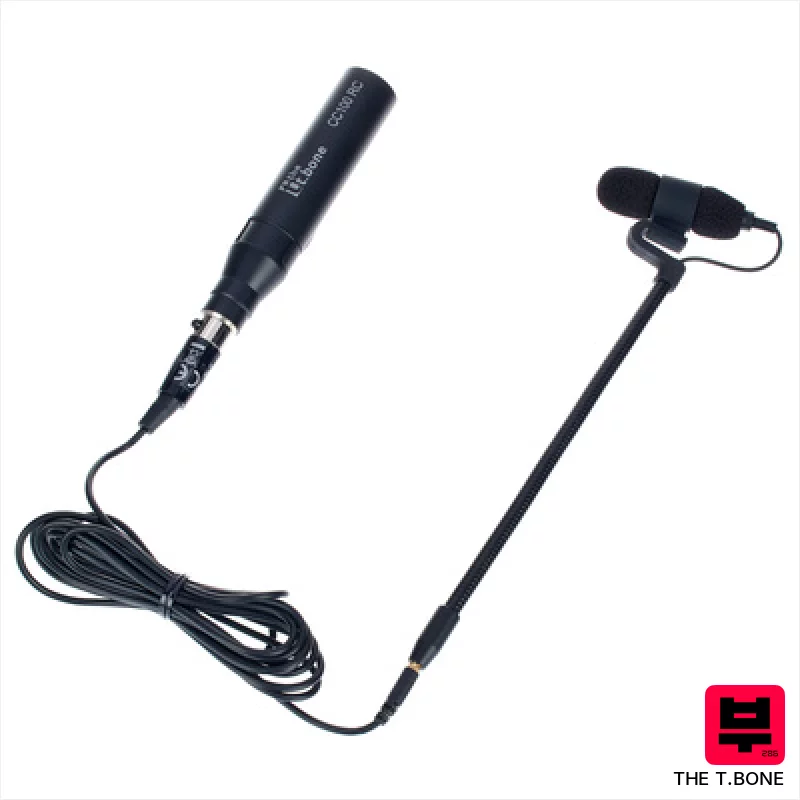
the t.bone Ovid System CC 100 RC
- • Cardioid pattern minimizes room noise for focused flute recordings
- • Mini-XLR connector expands compatibility with wireless systems
- • Flexible gooseneck allows precise instrument placement
- • Foam windshield reduces breath pops and wind noise effectively
- • Plastic construction feels somewhat fragile for frequent gigging
- • Limited frequency response might lack subtle high-end detail
- • Requires phantom power, adding to setup complexity

the t.bone Ovid System CC 100 RC Shure
- • Compact design minimizes obstruction during performance
- • Cardioid pattern effectively rejects stage noise and feedback
- • 4-Pin mini XLR enables seamless integration with Shure wireless systems
- • Foam windshield reduces breath plosives and wind noise
- • Build quality feels somewhat plasticky, not as robust as higher-end options
- • Gooseneck flexibility may loosen over time with frequent adjustments
- • Limited frequency response compared to dedicated studio condenser microphones
How to Choose the Best Microphones for Flutes
Frequency Response
Flutes live in a higher frequency range, so a mic with a smooth, extended high end is crucial. You want to capture that breathy quality without it becoming ice-picky or harsh. A slight presence boost around 3-5kHz can help cut through, but be careful-too much and it'll sound brittle.
Polar Pattern
Cardioid is the workhorse, rejecting stage noise and focusing on your sound. Figure-8 can be interesting for capturing room ambience or a more conversational tone, but it's less forgiving of background noise. Omni is rarely the best choice for solo flute unless you have a perfectly controlled acoustic environment.
Transient Response
Flutes are all about quick attacks and decays. A mic that's slow to respond will muddy the articulation and make it sound sluggish. Look for mics known for their clarity and ability to resolve fast details - it's what separates a good flute recording from a great one.
Sensitivity & Self-Noise
A quieter mic means less noise floor, which is critical for capturing the subtle nuances of a flute. Especially if you're recording in a less-than-ideal space, low self-noise is your friend. High output sensitivity can also mean you need less gain from your preamp, which is a bonus.
Off-Axis Response
How does the mic sound when you're not directly in front of it? A good mic will maintain a relatively even tone, even when you move around a bit on stage. This is important for a natural, believable sound and helps avoid sudden tonal shifts.
Buying Guide
Don't chase the most expensive mic; a $500 mic isn't automatically going to make you sound better than a good $200 one. Often, cheaper mics cut corners on capsule design or internal components, resulting in a less accurate and more colored sound. Consider your acoustic space - a brighter mic might work wonders in a dead room, while a warmer mic might be better suited for a more lively environment. And remember, a good preamp can often do more to improve your sound than a slightly pricier mic.
Our Methodology
We didn't pull these choices from spec sheets. I've spent years micing instruments, both in studios and on stage - everything from smoky jazz clubs to full-blown orchestral recordings. We've A/B'd these mics against each other, listened critically in different acoustic spaces, and, crucially, considered how they'll actually perform in a gigging situation. It's about real-world usability, not just theoretical perfection.

