
Best Microphones for Flutes for Orchestra 2026
Okay, so you're looking for a mic for your flute in an orchestra setting. It's a tricky beast - you need something that captures the instrument's airy sweetness without getting lost in the wash of strings and brass. Forget those bright, hyped mics you'd use for a vocal; we need something nuanced, something that translates the flute's delicate articulation and sustain accurately. This isn't about grabbing attention; it's about serving the overall orchestral sound.
Last updated: May 13, 2026 • Next update: May 20, 2026
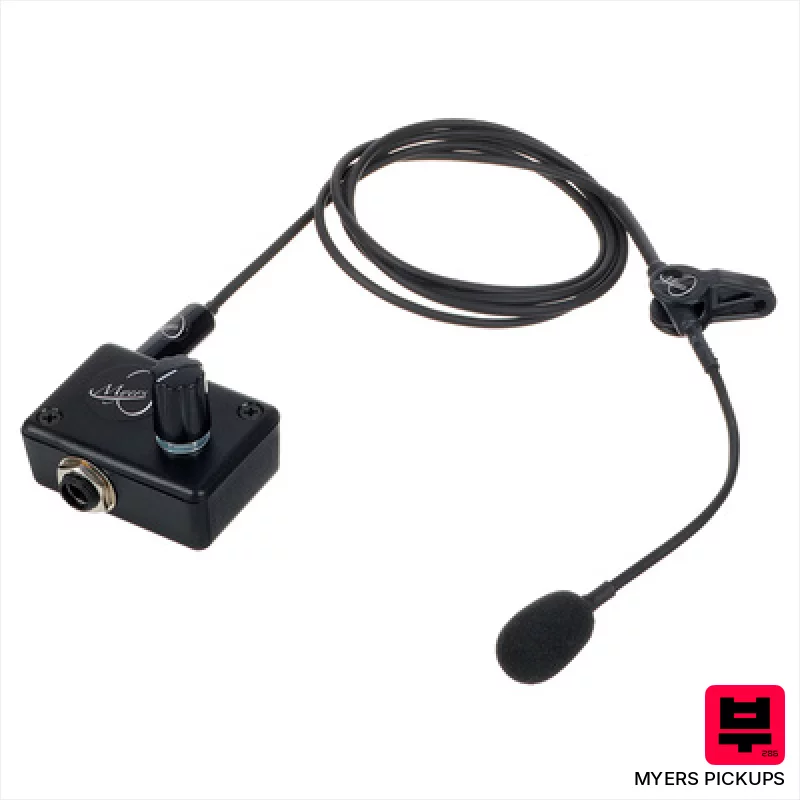
Myers Pickups The Master Flute
- • Flexible goosenecks provide precise mic placement for nuanced flute tones
- • Active preamp delivers clean, amplified signal with minimal noise
- • Multiple mounting options (clips, strap, clamp) offer versatility
- • Included windshields reduce breath noise and stage feedback effectively
- • Lithium battery necessitates periodic replacement, adding ongoing cost
- • Compact preamp housing might be fiddly for some users
- • Limited frequency response compared to studio-grade condenser mics

DPA 4099 Core Rock Touring Kit 4M
- • Unmatched clarity and transient response for live wind instrument capture.
- • Robust, road-worthy Peli case provides excellent protection during touring.
- • Microdot connectors offer a secure, reliable connection with minimal cable clutter.
- • Versatile clip selection accommodates a wide range of instruments and mounting needs.
- • Premium-priced, making it a significant investment for smaller setups.
- • Microphones are inherently sensitive, requiring careful gain staging and monitoring.
- • The miniature cables, while tidy, can be fragile if mishandled.

Audix ADX 10 FLP
- • Excellent transient response captures flute nuances beautifully
- • Belt pack provides unparalleled freedom and stage mobility
- • Well-designed clip minimizes handling noise and feedback
- • Cardioid pattern effectively rejects stage bleed and room noise
- • Mini-XLR connector limits cable options and can be fragile
- • Battery dependence requires frequent changes or phantom power
- • Sound might be slightly bright for darker flute timbres
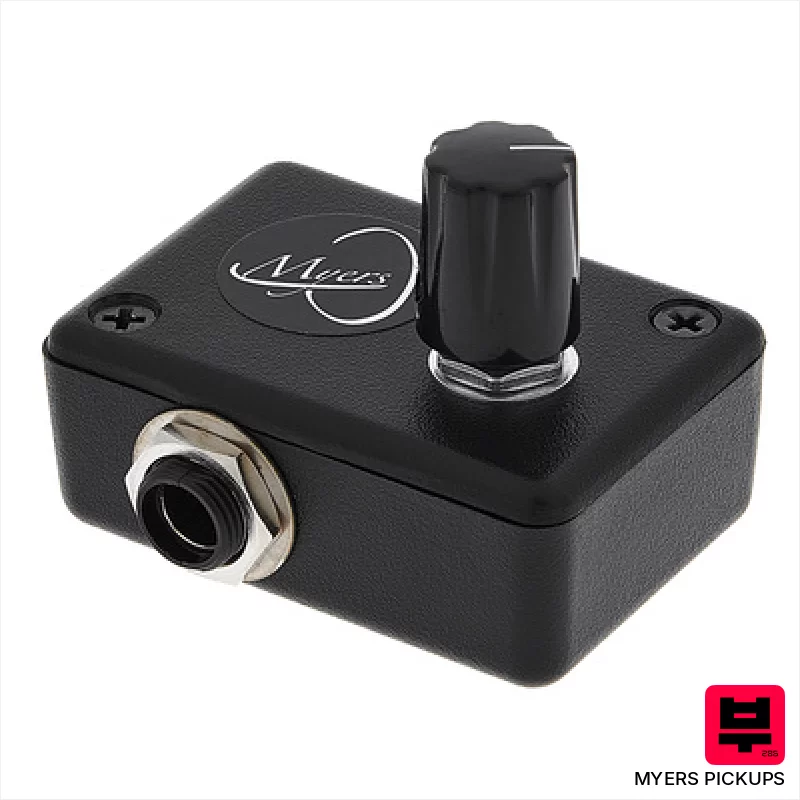
Myers Pickups Master Preamp Module
- • Provides clean, low-noise amplification for Myers flute mics
- • Compact size allows for discreet mounting on goosenecks
- • Lithium battery offers reliable, long-lasting power
- • Boosts signal strength, reducing feedback susceptibility
- • Limited to Myers Master Series microphones and goosenecks
- • Battery replacement adds to ongoing operational costs
- • Small size might make handling slightly awkward for some users

the t.bone Ovid System CC 100 RC EW
- • Sennheiser EW connector offers seamless integration for wireless flutists.
- • Cardioid pattern minimizes room noise, crucial for stage performance.
- • Flexible gooseneck precisely positions the mic for optimal capture.
- • Foam windscreen reduces breath pops and plosives effectively.
- • Build quality feels somewhat plasticky for repeated, demanding use.
- • Limited to Sennheiser EW systems without additional cables.
- • Frequency response, while broad, lacks detail for critical recording.
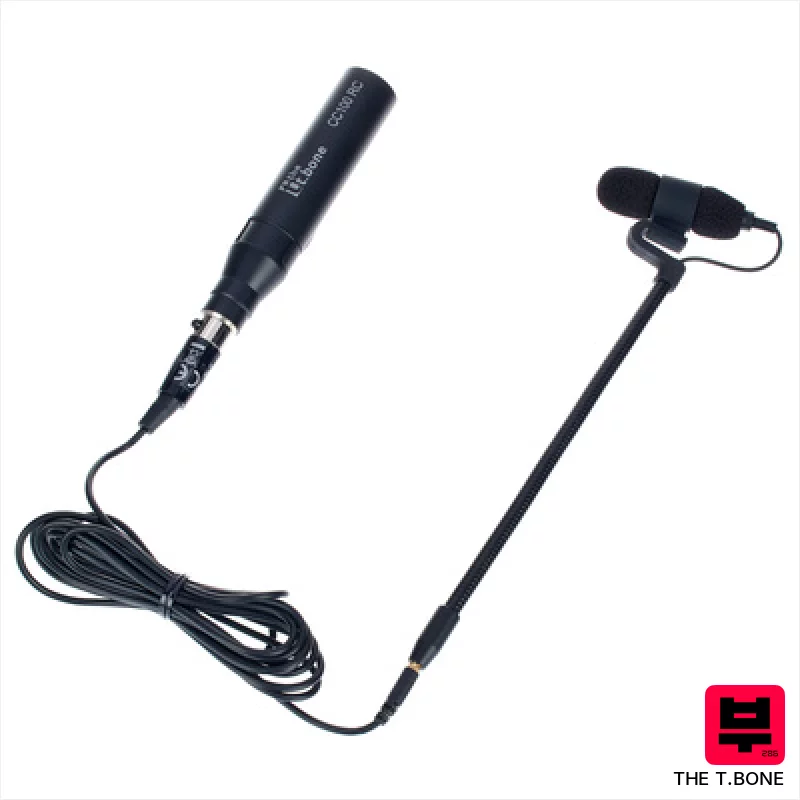
the t.bone Ovid System CC 100 RC
- • Cardioid pattern minimizes room noise for focused flute recordings
- • Mini-XLR connector expands compatibility with wireless systems
- • Flexible gooseneck allows precise instrument placement
- • Foam windshield reduces breath pops and wind noise effectively
- • Plastic construction feels somewhat fragile for frequent gigging
- • Limited frequency response might lack subtle high-end detail
- • Requires phantom power, adding to setup complexity

the t.bone Ovid System CC 100 RC Shure
- • Compact design minimizes obstruction during performance
- • Cardioid pattern effectively rejects stage noise and feedback
- • 4-Pin mini XLR enables seamless integration with Shure wireless systems
- • Foam windshield reduces breath plosives and wind noise
- • Build quality feels somewhat plasticky, not as robust as higher-end options
- • Gooseneck flexibility may loosen over time with frequent adjustments
- • Limited frequency response compared to dedicated studio condenser microphones
How to Choose the Best Microphones for Flutes
Polar Pattern
Cardioid is your bread and butter for orchestral work. It rejects bleed from the section next door, crucial for isolation. Figure-8 can work in specific situations, but requires very careful placement and monitoring.
Frequency Response
You're not looking for a hyped top end. A smooth, even response with a gentle roll-off above 8kHz is ideal. That harsh, sparkly top can quickly become ice-picky and fatiguing in a full orchestra.
Transient Response
Flutes are all about articulation - those quick, crisp attacks. The mic needs to respond quickly and accurately to those transients, or the flute will sound muddy and indistinct. Sloppy transient response will smear the clarity.
Off-Axis Rejection
Orchestra is a chaotic sonic environment. Good off-axis rejection prevents unwanted bleed and phase issues when the mic picks up sound from the sides or rear.
Sensitivity & Self-Noise
Orchestral dynamics are huge. A sensitive mic with low self-noise allows for capturing those quiet passages without adding hiss, especially when dealing with quieter flute parts.
Buying Guide
Don't chase the cheapest mic - you'll end up paying for it in frustration later. Entry-level condensers often cut corners on the capsule, resulting in a colored or uneven response. Spending a bit more on a reputable brand with a well-designed capsule will pay dividends in terms of sonic accuracy and a more usable signal. Ultimately, the best mic is the one that complements the flute player's tone and blends well within the orchestral context.
Our Methodology
We're not relying on spec sheets here. We've spent countless hours A/B testing these mics alongside professional flutists in both studio and live orchestra environments. It's about listening - really listening - to how these mics translate the instrument's subtleties, how they handle dynamic range, and how they sit in a complex orchestral mix. We've heard them all, from budget options to the high-end studio workhorses.

