
Best Microphones for Flutes for Chamber Music 2026
Okay, so you're playing flute in a chamber ensemble - string quartets, woodwind quintets, maybe a little baroque. That's a different beast than laying down a solo track or gigging with a rock band. You need a mic that captures the flute's delicate nuances without sounding thin or brittle, and blends well with other acoustic instruments. This isn't about cutting through a wall of amps; it's about subtlety and realism.
Last updated: June 3, 2026 • Next update: June 10, 2026
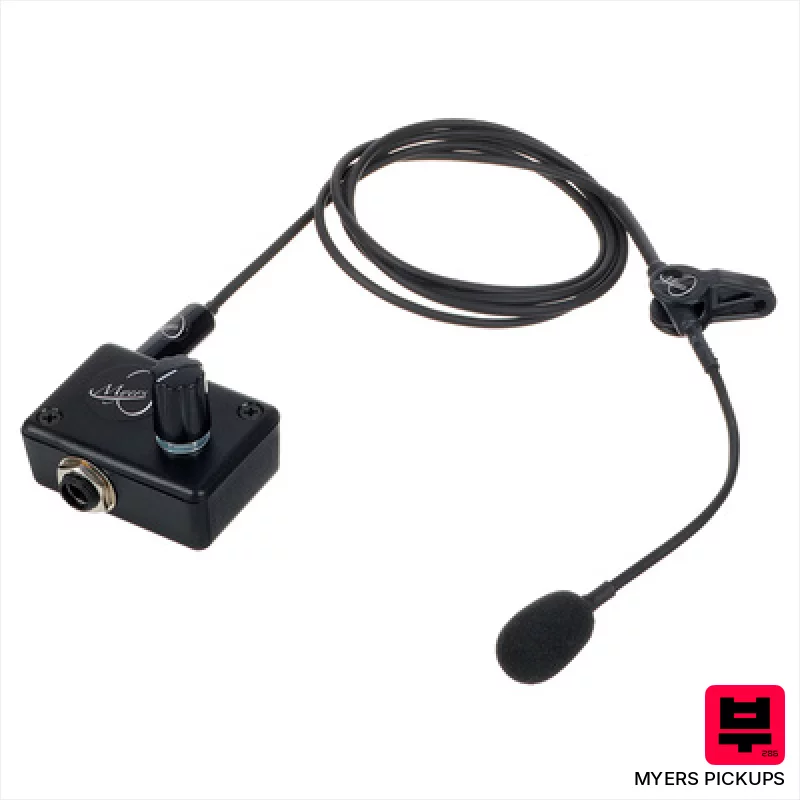
Myers Pickups The Master Flute
- • Flexible goosenecks provide precise mic placement for nuanced flute tones
- • Active preamp delivers clean, amplified signal with minimal noise
- • Multiple mounting options (clips, strap, clamp) offer versatility
- • Included windshields reduce breath noise and stage feedback effectively
- • Lithium battery necessitates periodic replacement, adding ongoing cost
- • Compact preamp housing might be fiddly for some users
- • Limited frequency response compared to studio-grade condenser mics

DPA 4099 Core Rock Touring Kit 4M
- • Unmatched clarity and transient response for live wind instrument capture.
- • Robust, road-worthy Peli case provides excellent protection during touring.
- • Microdot connectors offer a secure, reliable connection with minimal cable clutter.
- • Versatile clip selection accommodates a wide range of instruments and mounting needs.
- • Premium-priced, making it a significant investment for smaller setups.
- • Microphones are inherently sensitive, requiring careful gain staging and monitoring.
- • The miniature cables, while tidy, can be fragile if mishandled.
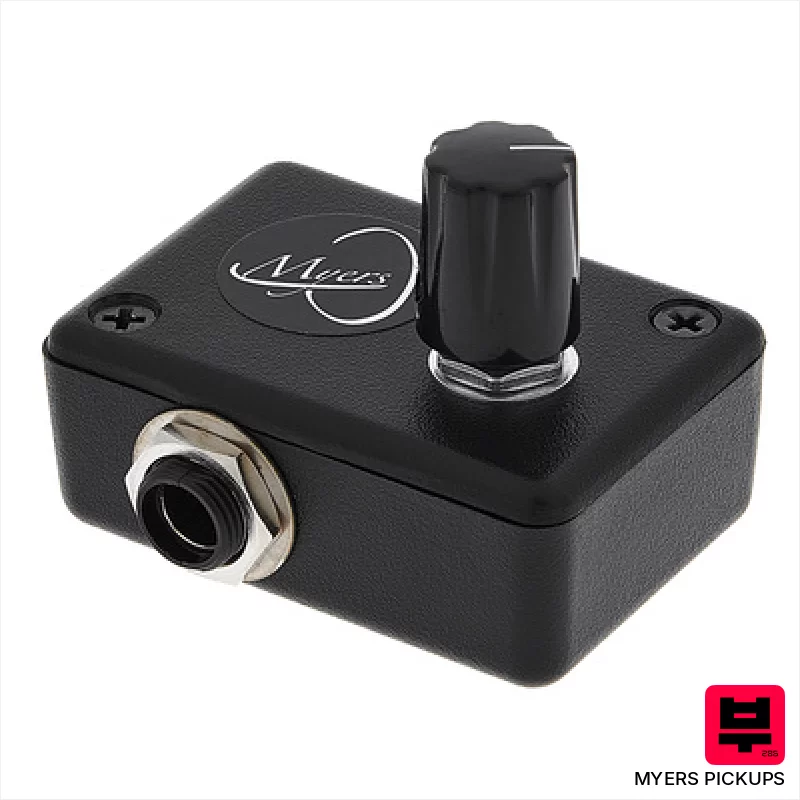
Myers Pickups Master Preamp Module
- • Provides clean, low-noise amplification for Myers flute mics
- • Compact size allows for discreet mounting on goosenecks
- • Lithium battery offers reliable, long-lasting power
- • Boosts signal strength, reducing feedback susceptibility
- • Limited to Myers Master Series microphones and goosenecks
- • Battery replacement adds to ongoing operational costs
- • Small size might make handling slightly awkward for some users
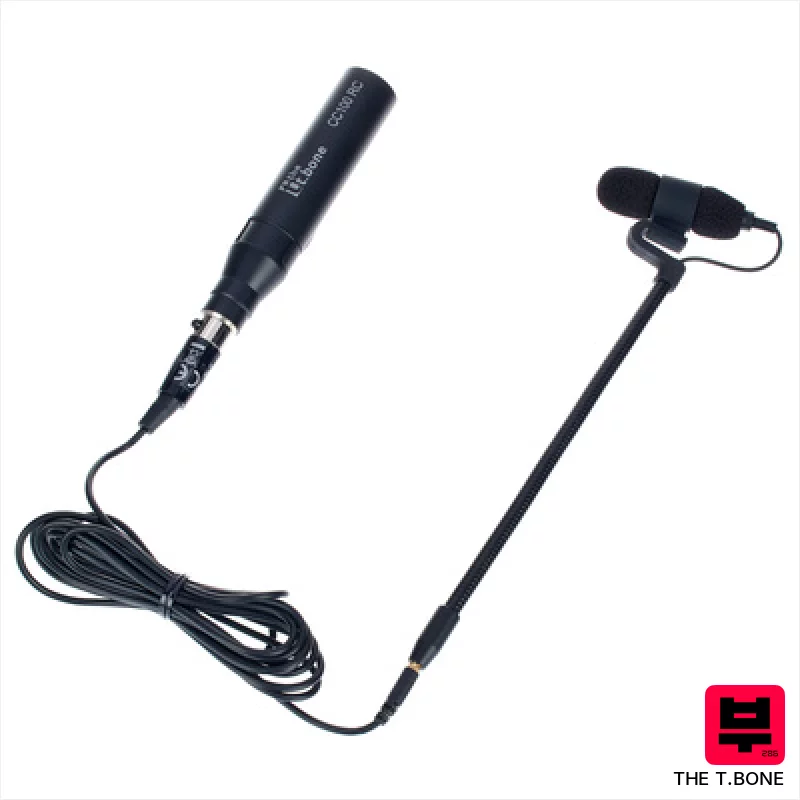
the t.bone Ovid System CC 100 RC
- • Cardioid pattern minimizes room noise for focused flute recordings
- • Mini-XLR connector expands compatibility with wireless systems
- • Flexible gooseneck allows precise instrument placement
- • Foam windshield reduces breath pops and wind noise effectively
- • Plastic construction feels somewhat fragile for frequent gigging
- • Limited frequency response might lack subtle high-end detail
- • Requires phantom power, adding to setup complexity

Audix ADX 10 FLP
- • Excellent transient response captures flute nuances beautifully
- • Belt pack provides unparalleled freedom and stage mobility
- • Well-designed clip minimizes handling noise and feedback
- • Cardioid pattern effectively rejects stage bleed and room noise
- • Mini-XLR connector limits cable options and can be fragile
- • Battery dependence requires frequent changes or phantom power
- • Sound might be slightly bright for darker flute timbres

the t.bone Ovid System CC 100 RC Shure
- • Compact design minimizes obstruction during performance
- • Cardioid pattern effectively rejects stage noise and feedback
- • 4-Pin mini XLR enables seamless integration with Shure wireless systems
- • Foam windshield reduces breath plosives and wind noise
- • Build quality feels somewhat plasticky, not as robust as higher-end options
- • Gooseneck flexibility may loosen over time with frequent adjustments
- • Limited frequency response compared to dedicated studio condenser microphones

the t.bone Ovid System CC 100 RC EW
- • Sennheiser EW connector offers seamless integration for wireless flutists.
- • Cardioid pattern minimizes room noise, crucial for stage performance.
- • Flexible gooseneck precisely positions the mic for optimal capture.
- • Foam windscreen reduces breath pops and plosives effectively.
- • Build quality feels somewhat plasticky for repeated, demanding use.
- • Limited to Sennheiser EW systems without additional cables.
- • Frequency response, while broad, lacks detail for critical recording.
How to Choose the Best Microphones for Flutes
Tonality
Chamber music demands a balanced, natural tone. We're looking for mics that avoid harsh high-end spikes or a muddy low-end. The ideal flute mic will capture that breathy quality and the subtle changes in timbre, without sounding brittle or overly bright. Think 'warm and present' rather than 'sparkly and aggressive.'
Off-Axis Response
When you're playing with a string section, bleed is inevitable. A mic with a smooth, predictable off-axis response will minimize unwanted coloration from nearby instruments. You don't want the cello's low-end thump to smear your flute's articulation.
Sensitivity & Dynamics
Flute playing is all about dynamic range, from the quietest pianissimo to a full-bodied forte. A sensitive mic will pick up those subtle shifts without being overly noisy or prone to distortion when you really blow.
Polar Pattern Options
Cardioid is a safe bet for most chamber settings, but having options like omni (for a more natural, room-influenced sound) or figure-8 (for isolating the flute) can be invaluable depending on the ensemble and acoustics.
Build Quality & Reliability
Gigs happen. Rehearsals get sloppy. You need a mic that can take a little abuse and consistently deliver a good sound. Cheap mics often use fragile capsules or have noisy preamps - those are the first things to fail when you need them most.
Buying Guide
Don't chase the 'expensive' label. A $500 mic isn't automatically better than a well-chosen $200 option. Pay attention to the tonal qualities - listen to recordings and, if possible, demo the mic with your flute. Be wary of mics that promise 'studio-quality' sound for next to nothing; those usually cut corners somewhere, often in the capsule or preamp. Investing in a decent shock mount and pop filter is also essential to minimize unwanted noise.
Our Methodology
We're not just looking at spec sheets here. We've spent hours A/B-ing these mics in a variety of chamber music settings - small halls, studios, even a few less-than-ideal rehearsal spaces. We've paired them with different flute models, recorded alongside other instruments, and listened critically to how they translate in both stereo and mono mixes. It's about real-world performance, not theoretical numbers.

