
Best Microphones for Clarinets for Klezmer 2026
Alright, so you're looking for a mic for your clarinet, specifically for Klezmer? It's a unique challenge - you need to capture that mournful, expressive wail, that complex ornamentation, and that ability to cut through a lively band without sounding sterile. It's not about a pristine, studio-clean sound; it's about character, warmth, and the ability to convey the kvell. We're gonna break down mics that'll actually help you do that.
Last updated: July 22, 2026 • Next update: July 29, 2026
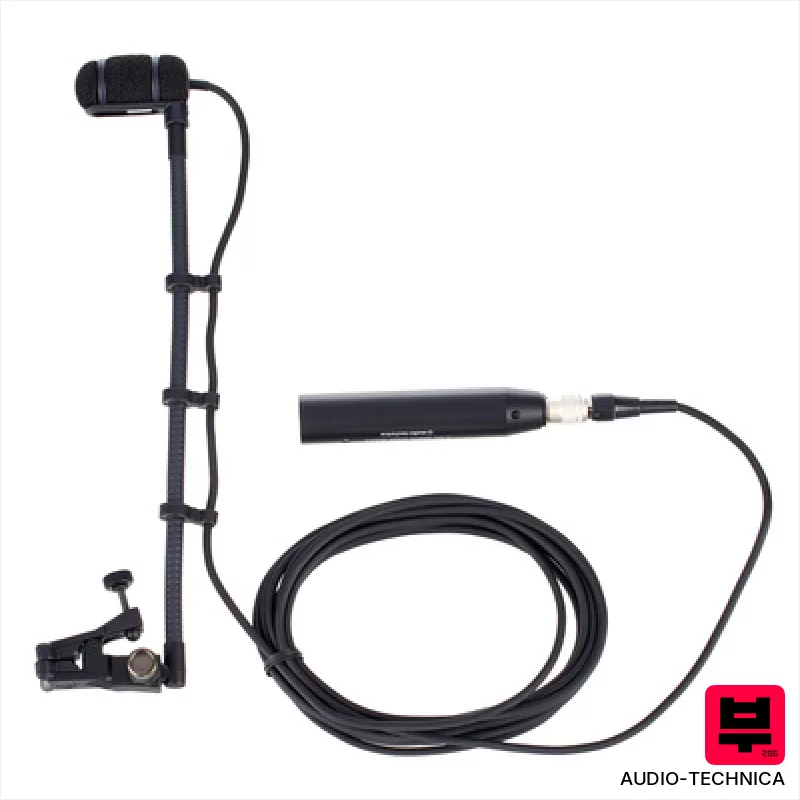
Audio-Technica ATM350UL
- • Excellent transient response captures clarinet articulation beautifully
- • Gooseneck provides precise mic placement and stability
- • Cardioid pattern minimizes room noise and feedback effectively
- • Durable construction and 15-year warranty inspire confidence
- • Gooseneck can be a bit unwieldy in very cramped performance spaces
- • High-end preamp recommended to fully realize its potential
- • Universal clip may require some adjustment for optimal clarinet contact
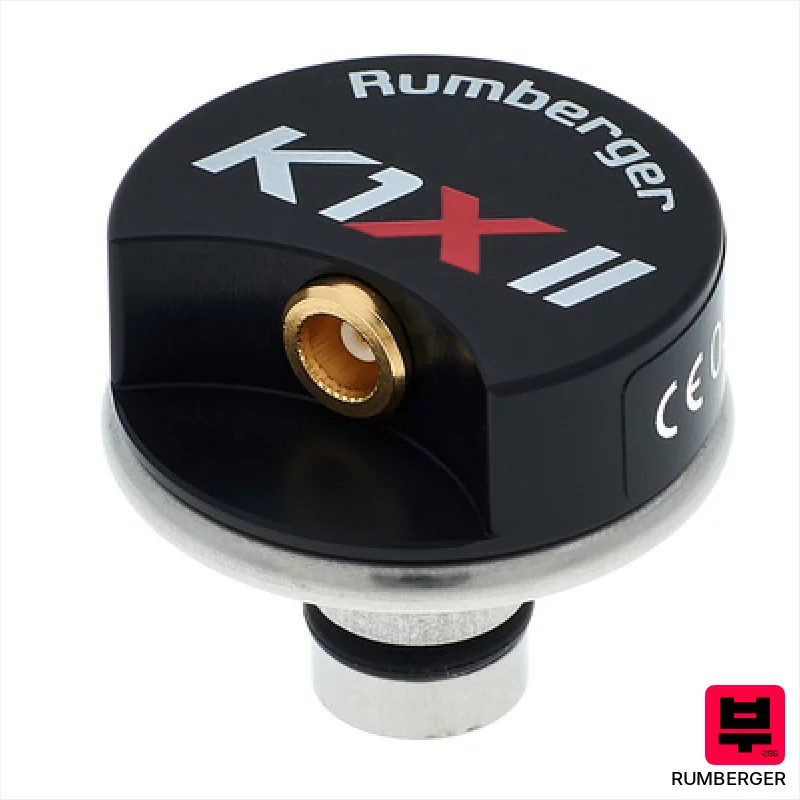
Rumberger K1X II Pickup Clarinet Set
- • Improved diaphragm mounting yields a noticeably more natural timbre.
- • The included PA-F1 adapter unlocks the pickup's full sonic potential.
- • AJM adapter allows for flexible radio or console connectivity.
- • Mounting sleeve and grease ensure secure, vibration-dampened clarinet attachment.
- • Requires the PA-F1 adapter to achieve optimal sound quality; a significant dependency.
- • The set's price point places it in a premium-priced category for clarinet pickups.
- • Limited versatility without the PA-F1; radio operation can be complex.
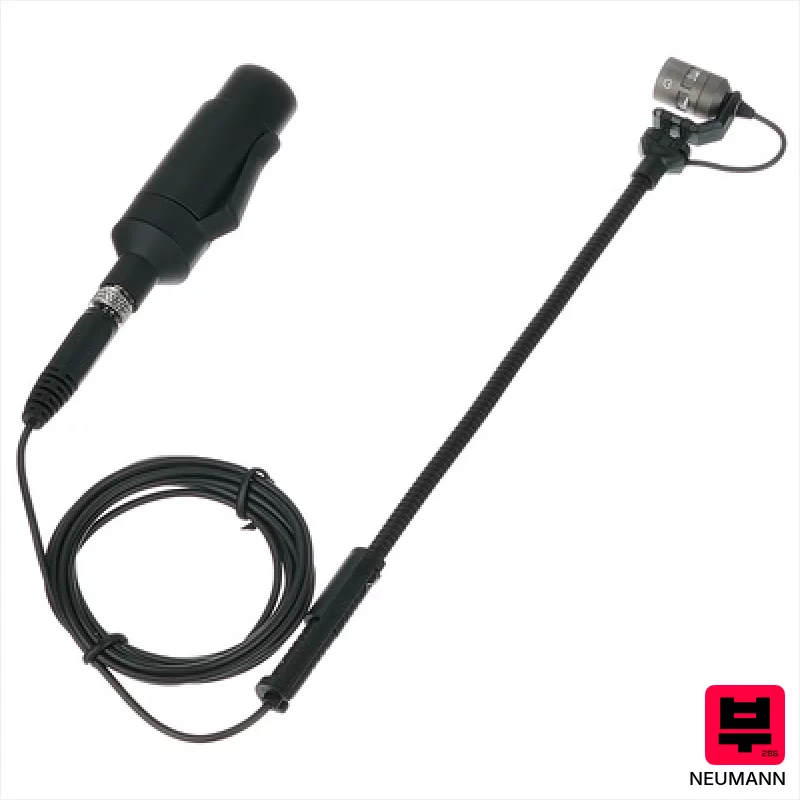
Neumann MCM 114 Set Woodwind
- • KK 14 capsule offers exceptional detail and clarity for woodwinds.
- • SH 150 gooseneck provides precise mic placement flexibility.
- • The MCM 100 output stage delivers clean, low-noise amplification.
- • MC 5 mounting clip ensures secure and stable instrument attachment.
- • Limited polar pattern options restrict adaptability for varied recording scenarios.
- • The mini-jack connector might require adapters for some interfaces.
- • Premium-priced, potentially prohibitive for hobbyist or beginner woodwind recording.
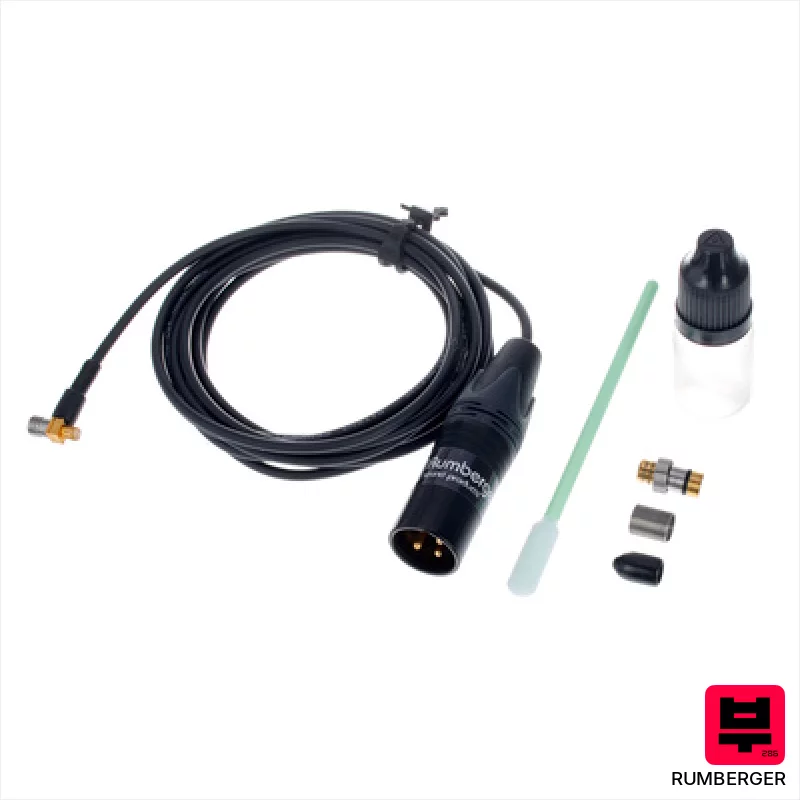
Rumberger WP-1X Pickup Woodwind
- • Miniature design eliminates instrument modification, simplifying installation
- • Small diameter (7.5 mm) ensures inconspicuous placement within the mouthpiece
- • Bass control allows for tailoring low-frequency response to avoid muddiness
- • High-quality workmanship suggests durability and long-term reliability
- • Limited frequency response compared to external microphones, potentially sacrificing detail
- • Reliance on external radio systems introduces potential for interference or latency
- • Mouthpiece mounting might affect instrument resonance and tone slightly
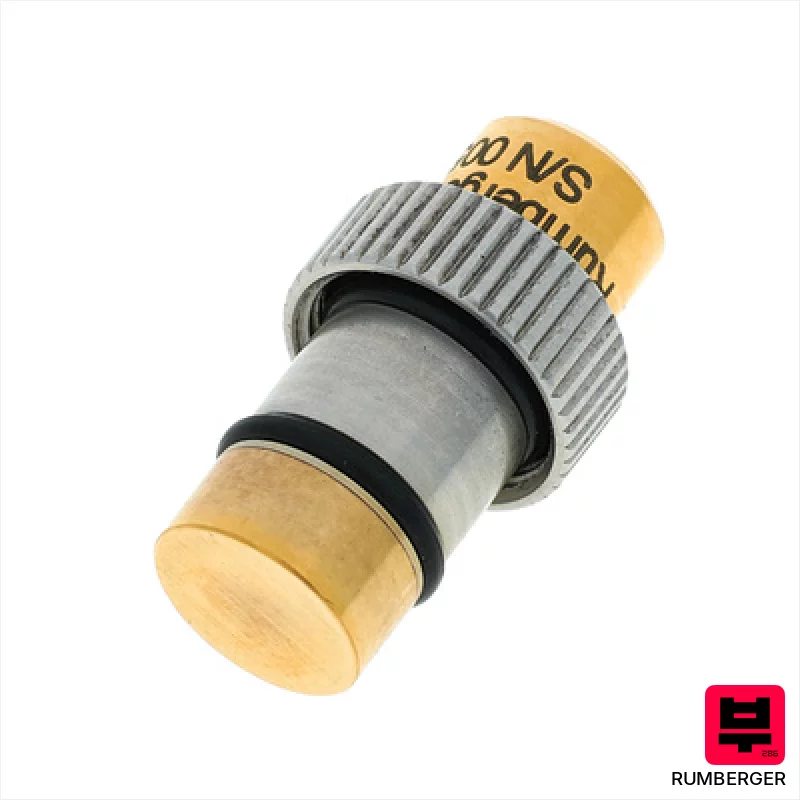
Rumberger WP-1X Replacement Mic
- • Excellent transient response captures subtle clarinet articulations accurately.
- • Miniature design minimizes interference with embouchure and tone production.
- • Robust construction with a durable housing, suitable for gigging musicians.
- • Provides a noticeably cleaner, more focused sound compared to many budget options.
- • Limited frequency response may not suit all playing styles or recording needs.
- • Mounting requires careful adjustment to avoid unwanted resonances or vibrations.
- • Single pickup configuration restricts stereo or multi-mic recording possibilities.
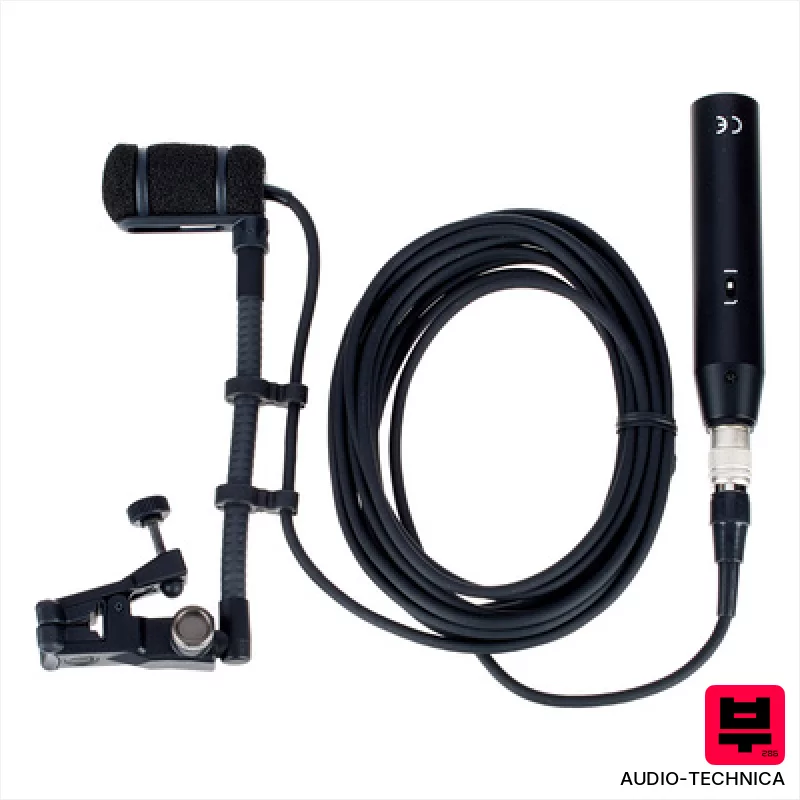
Audio-Technica ATM350U
- • Excellent transient response captures fast clarinet articulations
- • Modular design allows for capsule swaps, future-proofing the investment
- • Lightweight build minimizes instrument handling noise and fatigue
- • Cardioid pattern effectively isolates clarinet sound from room ambience
- • Requires phantom power, limiting compatibility with some interfaces
- • Universal clip can feel somewhat flimsy with heavier instruments
- • Sound character leans slightly bright, may need EQ for darker tones
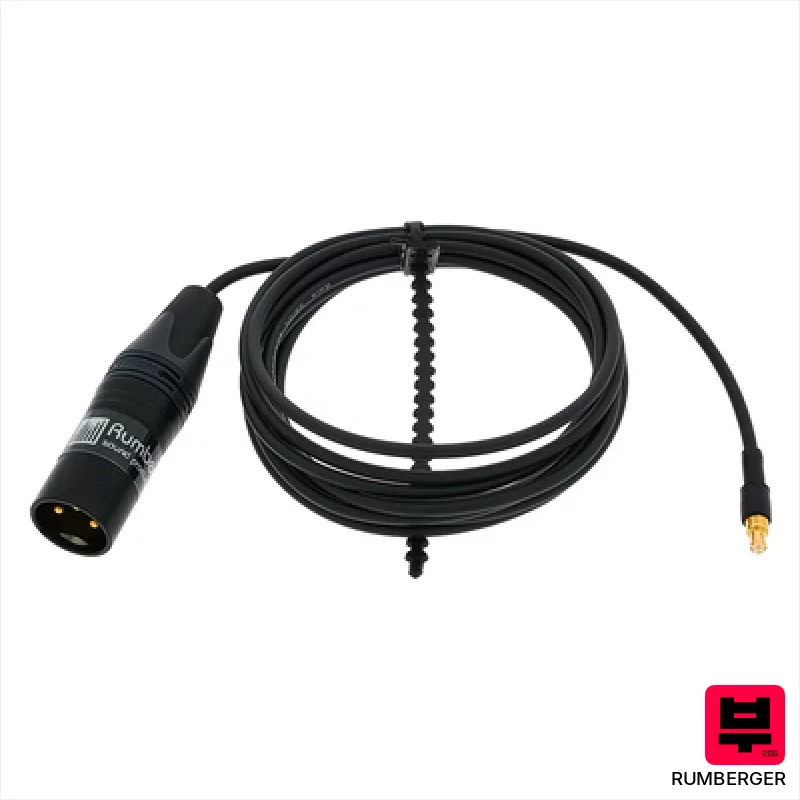
Rumberger PA-F1 Phantom Power Adapter
- • Neutrik XLR connector ensures robust signal integrity and reliability.
- • Mogami cable offers exceptional signal clarity and durability for live use.
- • Integrated impedance matching optimizes clarinet microphone performance and tone.
- • Compact design and 2.5m length provide flexibility for stage setups.
- • Relatively premium-priced compared to basic phantom power solutions.
- • Limited to K1/K1X clarinet microphones; not universally compatible.
- • Cable length might be restrictive for some larger stage setups.
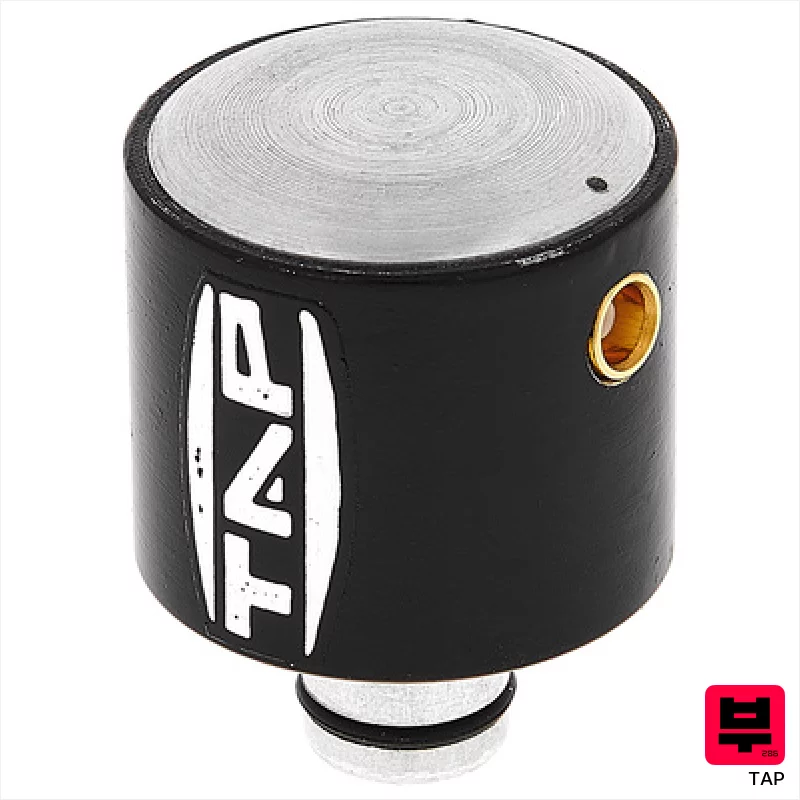
TAP Tonal Plus
- • APT technology minimizes feedback, crucial for stage performance with clarinets.
- • Passive design eliminates external power needs, simplifying setup and reliability.
- • Quick-change mechanism allows for rapid instrument switching during gigs.
- • Sheathed tube and sealing plug effectively isolate sound, reducing unwanted vibrations.
- • MCX connector is less common, requiring adapters for standard audio setups.
- • Limited frequency response below 30Hz might slightly dull lower register tones.
- • Small size and light weight could make it feel less secure on some instruments.

the t.bone Lucan System Clarinet Bundle
- • Surprisingly robust condenser mic for the price point.
- • The included phantom power adapter expands compatibility.
- • Detachable cable and mini XLR offer wireless system flexibility.
- • Hard case provides excellent protection and storage options.
- • Gooseneck is a bit flimsy and prone to shifting position.
- • Cardioid pattern limits recording versatility in complex acoustic spaces.
- • Sound quality leans towards bright; may need EQ for warmer tones.

Rumberger K1X II Replacement Mic
- • Exceptional clarity and detail for clarinet and sax tones.
- • Improved transient response over the original K1X, more accurate reproduction.
- • Robust construction with a durable, shielded cable for stage reliability.
- • Compact size minimizes interference with embouchure and playing technique.
- • Limited versatility; primarily designed for clarinet/sax, not a general-purpose mic.
- • Replacement only – requires existing Rumberger system, adds to overall cost.
- • Can be sensitive to handling noise, requires careful mic placement.
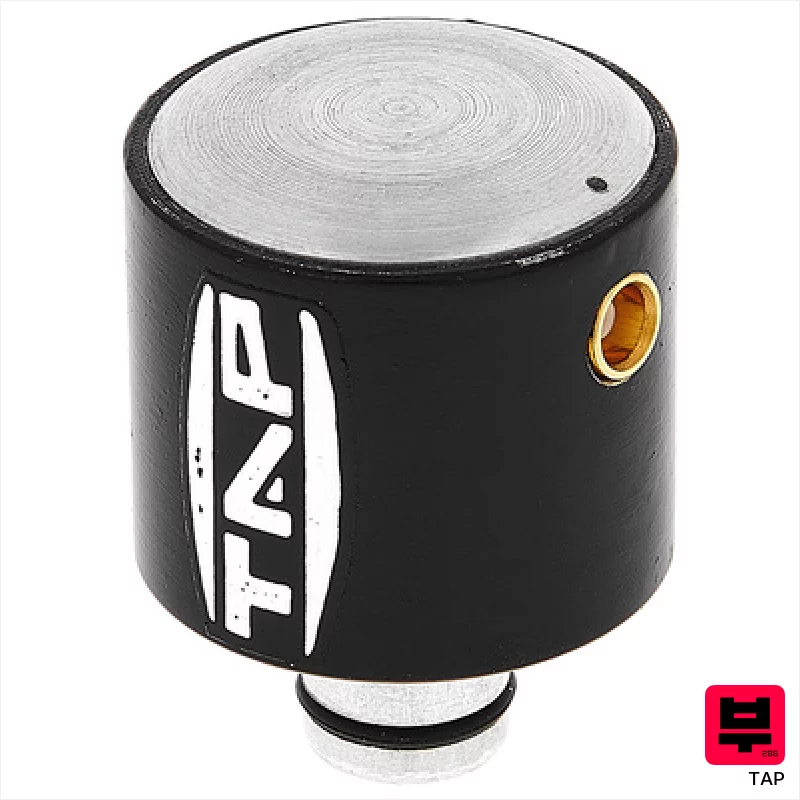
TAP Tonal
- • APT technology minimizes feedback, a huge win for stage performance.
- • Passive operation simplifies setup; no batteries or phantom power needed.
- • Compact size and lightweight design ensure comfortable playing feel.
- • Quick-change mechanism allows for rapid instrument switching on gigs.
- • The MCX connector is less common, requiring an adapter for many mixers.
- • Limited polar pattern – optimized for clarinet/sax, less versatile for other instruments.
- • Piezo pickups can sometimes exhibit a slight 'zing' if not carefully positioned.
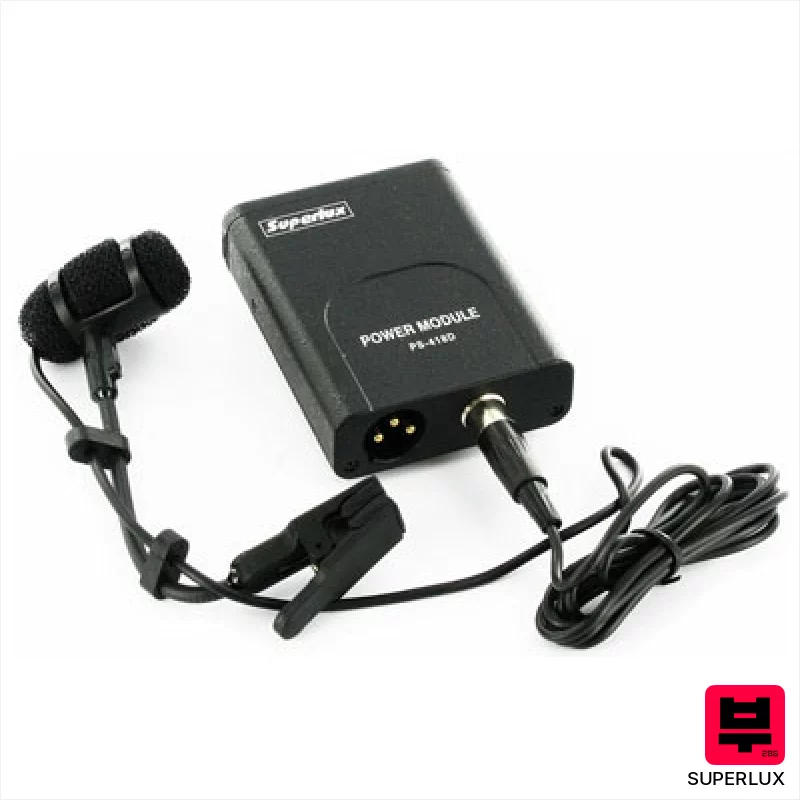
Superlux PRA-383D XLR
- • Surprisingly robust build for the price, feels solid in the hand
- • Cardioid pattern effectively rejects stage bleed, crucial for brass
- • Good transient response captures the attack of brass instruments
- • Includes power supply, simplifying setup and portability
- • High-end detail retrieval is limited compared to pricier mics
- • Body can be prone to vibrations if not properly isolated
- • Frequency response could be more extended for modern recording styles
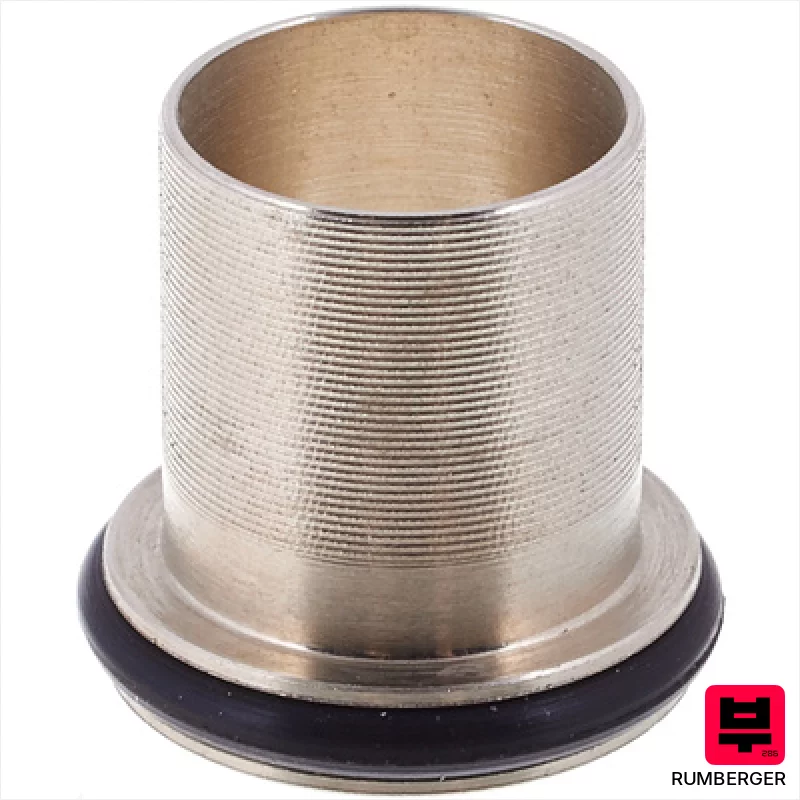
Rumberger Extra Pipe for K1 Pickup
- • Nickel silver construction provides excellent resonance and durability
- • Specifically designed for seamless integration with K1 clarinet pickups
- • Installation sleeve ensures a secure and stable pickup mounting
- • Lightweight design minimizes any alteration to clarinet’s natural vibration
- • Limited to K1 pickups; incompatible with other clarinet microphone systems
- • Nickel silver can tarnish with prolonged exposure to moisture
- • The sleeve's internal diameter may vary slightly between clarinet models
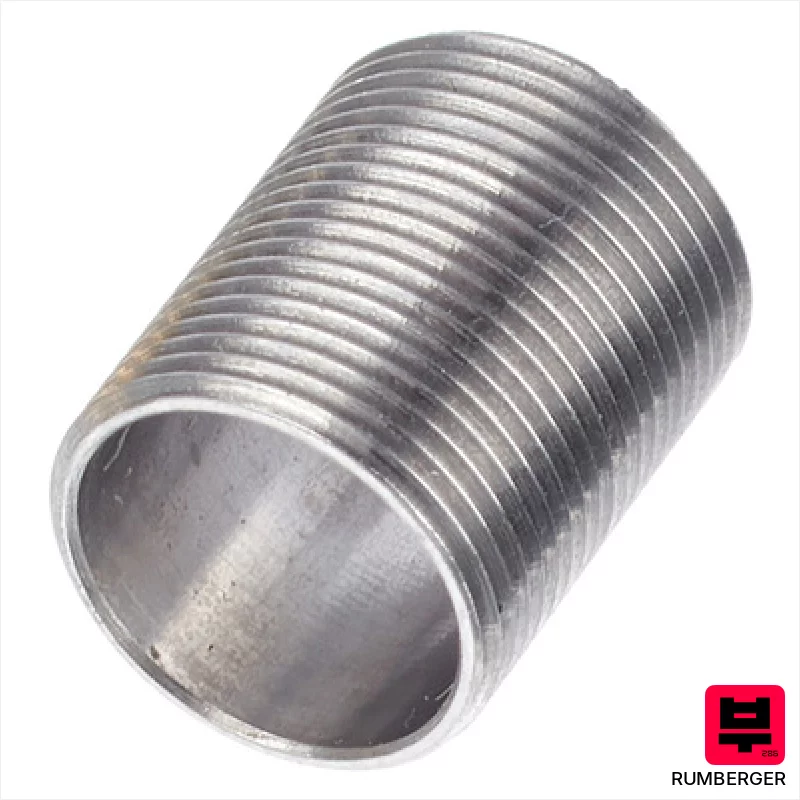
Rumberger Extra Pipe for WP-1X Pickup
- • Stainless steel construction ensures durability and resists corrosion.
- • Provides a secure, stable mounting for the Rumberger WP-1X pickup.
- • Precise fit minimizes unwanted vibrations and resonances.
- • Allows for optimal pickup placement for a balanced tone.
- • Only compatible with the Rumberger WP-1X pickup system.
- • The stainless steel can introduce a slight metallic tone if not properly dampened.
- • Limited to clarinet applications; not versatile for other instruments.
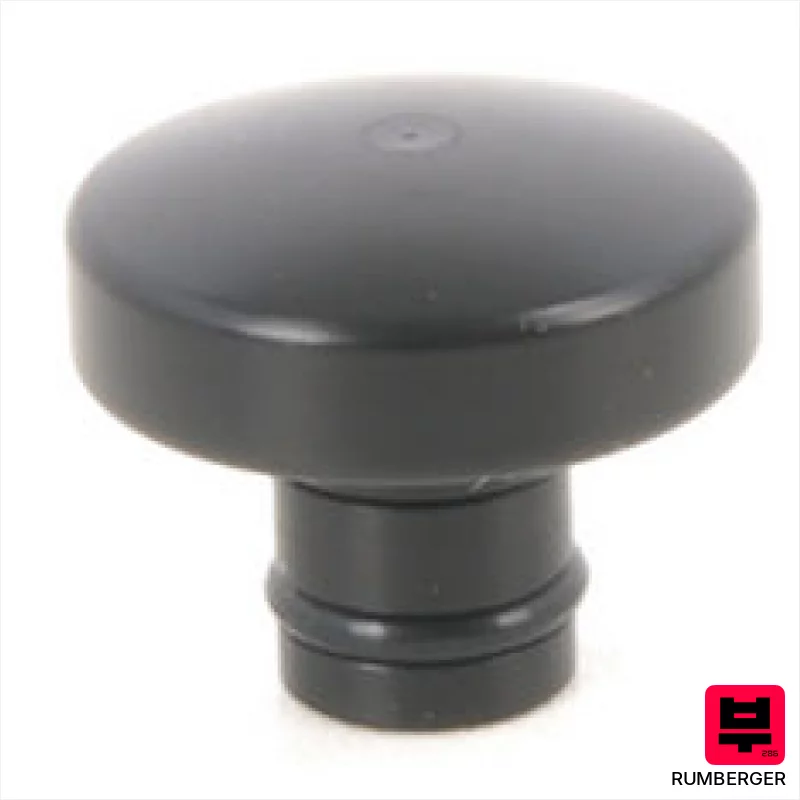
Rumberger Replacement Plug for K1
- • Precise fit ensures optimal microphone capsule alignment
- • Durable polymer construction resists moisture and wear
- • Simple plug-and-play replacement simplifies maintenance
- • Restores original sound quality and responsiveness to the K1 mic
- • Limited to K1 clarinet microphones; not universal
- • May require careful handling during installation to avoid damage
- • Doesn’t improve inherent microphone limitations; just restores functionality
How to Choose the Best Microphones for Clarinets
Warmth & Body
Klezmer thrives on a full, rich tone. You want a mic that avoids that brittle, overly-bright sound and emphasizes the fundamental and those lower harmonics - gives it that soulful, slightly woody character.
Transient Response
Klezmer is full of fast, complex passages and ornamentation. The mic needs to respond quickly to those transients without sounding harsh or clinical. Sloppy response smears those details.
Off-Axis Rejection
Playing in a Klezmer band means dealing with horns, drums, and often a lot of bleed. Good off-axis rejection helps isolate the clarinet and keeps the mix clean.
Sensitivity & Dynamics
Clarinets have a surprisingly wide dynamic range, from a whisper to a full-throated cry. The mic needs to handle that without distorting or sounding flat.
Handling Noise
Many mics, especially cheaper ones, have noticeable handling noise. This is a killer for a quiet, expressive clarinet performance - every breath noise becomes amplified.
Buying Guide
Don't chase the 'best' mic; chase the mic that suits your clarinet and your style. A hyped, bright mic might sound 'good' in a demo, but it'll likely be a headache live. Solid-state mics are generally more detailed, but tube mics often have that extra warmth that Klezmer craves. Budget-wise, you're looking at a trade-off: cheaper mics often cut corners on capsule quality and self-noise, which will really impact the performance.
Our Methodology
We're not just looking at specs here. We've spent hours A/B'ing these mics against each other, recording clarinet in various settings - from bedroom practice to packed clubs - and listening critically for how they handle the instrument's dynamic range and nuanced timbre. We've gigged with these too, so we know how they hold up in the real world, not just in a controlled studio environment.

