AudioFu Chart · November 2026
Best Microphones for Clarinets for Intermediate 2026
The top pick is Rumberger WP-1X Replacement Mic ($286). Rumberger Extra Pipe for WP-1X Pickup gives you the most for the money at $28. Audio-Technica ATM350PL Cardioid Small Diaphragm Condenser Microphone leads the high end. Ranked by the AudioFu Index from 12 models across 5 brands, prices checked every night.
Last updated: November 16, 2026
Top 10
Full detail for the 10 highest AudioFu Index scores. Every other model is listed below.
-
You might like this mic if you play a woodwind instrument and want to amplify it. It is a small pickup that sits on the mouthpiece, and it also works with saxophones when you use the neck. It makes most sense as a replacement for an existing mic.
Pros
- Miniature pickup fits on the mouthpiece of woodwind instruments
- Also works with saxophones when fitted with the neck
- Replacement mic, so it can swap into an existing setup
58AudioFu
IndexStableno change since Aug 17Aug 17$286 now$286€259 at Thomann · in stockCheck price ↗ -
This little condenser mic is super light and easy to clip onto any stand. It picks up your clarinet clearly with a wide frequency range and comes with a preamp. Perfect for students or gigging musicians who want a simple, reliable setup.
Pros
- Lightweight 31 gram body fits on any stand easily.
- Cardioid pattern isolates your clarinet sound perfectly.
- Includes XLR preamp for clean audio output.
Cons
- Small 125 mm gooseneck may feel short.
- No built-in gain control on the mic body.
-
This is a phantom power adapter, so it is a part for your mic setup, not a mic on its own. It works with all K1 and K1X versions, and it has a Neutrik XLR connector and a 2.5 m Mogami cable. If you own a K1 or K1X and want a sturdy cable that can handle travel, this one suits you well.
Pros
- Includes impedance matching electronics for proper signal transfer
- Neutrik XLR connector with integrated active electronics
- Robust Mogami cable built for road use
Cons
- Needs phantom power from your mixer or interface to run
50AudioFu
IndexStableno change since Aug 17Aug 17$132 now$132€119 at Thomann · in stockCheck price ↗ -
The TAP Black-R is a surprisingly capable little mic for clarinet and sax. It’s a great option for gigging musicians needing a compact, easily-mounted solution to amplify their sound – especially if you're prioritizing clarity and high-frequency detail over a warmer, vintage tone. It’s a budget-friendly way to get a decent amplified signal.
Pros
- Ceramic capsule delivers surprisingly detailed high-frequency response for reed instruments.
- The integrated potentiometer allows for quick, on-the-fly gain adjustments to avoid clipping.
- Moisture protection is genuinely useful for gigging clarinetists and saxophonists.
Cons
- Ceramic capsules can exhibit a slightly brittle, less 'warm' tone compared to dynamic mics.
- 3.5mm connector limits compatibility without an adapter, a common annoyance.
-
If you play clarinet or saxophone and want to amplify it, you may like this system. It uses a piezo pickup that runs passively, so you do not need batteries or power. It weighs 18 g and comes with a small bag and lubricant, which makes it easy to carry to rehearsals and gigs.
Pros
- Advanced Piezo Technology (APT) pickup for clarinet and saxophone
- Works without feedback, so it suits loud playing situations
- Quick-change mechanism makes placing and removing it fast
Cons
- Only one MCX output with volume control, so no other controls or connections
45AudioFu
IndexStableno change since Aug 17Aug 17$219 now$219€198 at Thomann · in stockCheck price ↗ -
Audio-Technica ATM350PL Cardioid Small Diaphragm Condenser Microphone
ATM350U · Audio-Technica
8 for sale on Reverb2 finishes at Thomann
This is a clip-on condenser mic that suits a variety of instruments, including wind instruments like the clarinet. The box includes a gooseneck, a universal clip, a violin mount, a power module, and a hardcase. It needs phantom power to run, so it suits you if you have a mixer or interface that can supply it.
Pros
- Condenser design with a cardioid pickup pattern for focused sound capture
- Universal clip-on mount suits a variety of instruments, and a violin mount is included
- Modular design with a gooseneck and interchangeable capsules for flexible placement
Cons
- Needs 11 to 52 V phantom power to run, so you need a mixer or interface that can supply it
85AudioFu
IndexStableno change since Aug 17Aug 17$375 now$375€339 at Thomann · in stockCheck price ↗ -
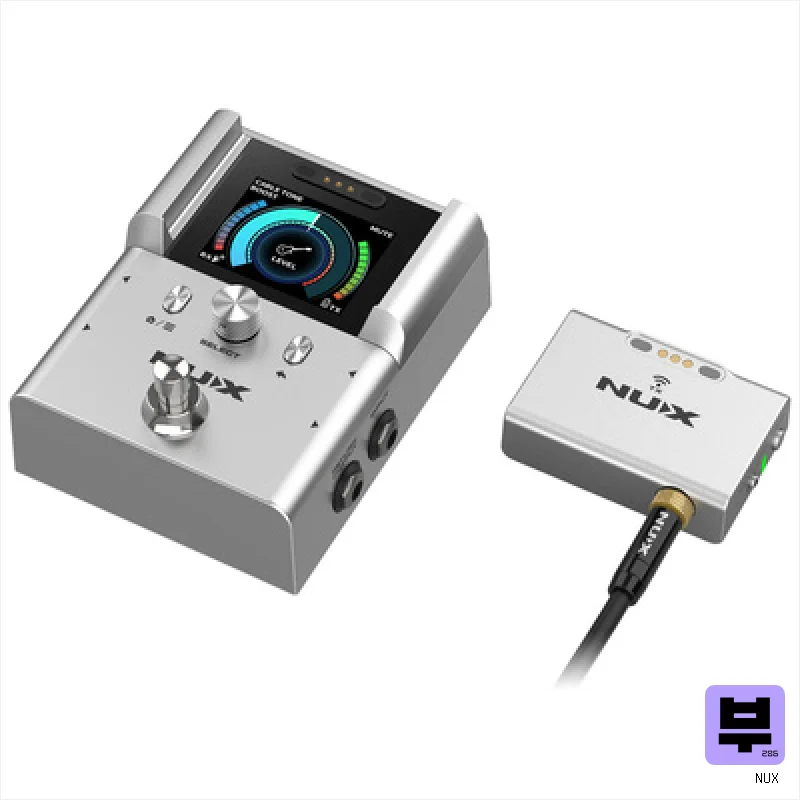
If you play clarinet and already own a Rumberger K1X II pickup, this adapter lets you go wireless. It goes from a jack to an MCX connector, so you can plug the pickup into compatible wireless gear. Check that your wireless system has an MCX input before you buy.
Pros
- Converts a standard jack to an MCX connector for wireless use
- Built specifically for the Rumberger K1X II clarinet pickup
- Simple plug-in adapter with no extra wiring needed
Cons
- Only works with the Rumberger K1X II pickup
-
The t.bone Lucan System is a remarkable value for clarinetists needing a dedicated mic. It's ideal for student musicians, practice sessions, or budget-conscious home recording. Don't expect studio-grade fidelity, but the convenience and functionality are surprisingly good for the asking price.
Pros
- Surprisingly robust condenser mic for the price point.
- The included phantom power adapter expands compatibility.
- Detachable cable and mini XLR offer wireless system flexibility.
Cons
- Gooseneck is a bit flimsy and prone to shifting position.
- Cardioid pattern limits recording versatility in complex acoustic spaces.
30AudioFu
Index↓ 15.3%since Aug 17 · lowest so far$94 · Aug 17$80 now$80€72 at Thomann · in stockCheck price ↗ -
This is a replacement pickup for clarinet and saxophone, and it is the newer version of the Rumberger K1X. You get just the single pickup, with no extras in the box. It suits you if you already own a clarinet or sax and want to swap in a Rumberger pickup.
Pros
- Replacement pickup designed for clarinet and saxophone
- Successor model of the Rumberger K1X microphone
- Sold as a single pickup for simple swapping in
Cons
- Comes as the pickup alone with no accessories included
58AudioFu
IndexStableno change since Aug 17Aug 17$297 now$297€269 at Thomann · in stockCheck price ↗ -
This is a stainless steel mounting sleeve, sold as a spare part for the Rumberger WP-X1 pickup. If you already own that pickup and need a replacement or extra sleeve, this is the piece to look for. It is not a microphone on its own, so it only makes sense if you have the matching pickup.
Pros
- Made of stainless steel, a tough metal for a mounting part
- Built as a mounting sleeve that fits the Rumberger WP-X1 pickup
- Sold on its own as a replacement or spare part for that pickup
All 12 microphones for clarinets
Same index, same nightly prices — compact. Colour options of one model share a row. Tap a photo to zoom.
Microphones for Clarinets by the numbers
Measured across all 16 models we track, not a sample.
Median $219 — half of all microphones for clarinets here cost less.
How to choose the best microphones for clarinets
Frequency Response
Clarinets have a wide frequency range, so you need a mic that captures it without sounding scooped out or overly bright. We're looking for a balanced response that highlights the instrument's warmth and articulation, avoiding that harsh, ice-picky top end that can make your sound brittle.
Polar Pattern
Cardioid is generally the sweet spot for intermediate players. It'll reject some of the stage rumble and feedback without being too isolating, allowing you to blend better with the rest of the band. Omni can be nice for a more natural, room sound, but it's trickier to manage.
Sensitivity & Dynamics
A mic that can handle your dynamic range is crucial. You don't want it clipping when you hit a loud passage, nor do you want it sounding thin and lifeless during softer moments. Good sensitivity means you can get a clean signal at lower volumes, which is a boon for quieter passages and recording.
Off-Axis Rejection
How well does the mic reject sounds coming from the sides? This is critical for live gigs where you're dealing with other instruments and stage noise. Poor off-axis rejection means you'll be picking up bleed from the drummer or the guitarist's amp.
Build Quality & Durability
Let's be realistic, you're probably gigging. A mic that falls apart after a few gigs isn't worth it. We're looking for something that feels solid and can handle the bumps and bruises of the road, even if it's not a boutique studio mic.
Buying guide
So, you're stepping up your clarinet game and want to mic it properly? Good move. For too long, clarinets have been an afterthought in the mic world - often relegated to some cheap dynamic stuck on a stand. But a decent mic can really bring out the nuances of your playing, whether you're laying down a track in the studio or trying to cut through a noisy rehearsal. Let's find something that won't break the bank but will still give you a professional-sounding result.
For an intermediate player, you're looking for a good balance of performance and value. Don't fall for the hype around super-expensive mics; you can get fantastic results without spending a fortune. Watch out for mics that sound overly colored or hyped - they might sound 'good' in a demo, but they won't translate well to different recording environments or live sound systems.
A slight boost in the low-mids can help a clarinet cut through the mix, but be careful not to overdo it.
How the AudioFu Index works
Five measured signals and nothing else — no stars from strangers, no “tested by experts” we didn’t do. The weights are fixed and public. We don’t play these instruments; we measure the market around them.
This chart covers 16 microphones for clarinets from the Thomann catalogue. Before you buy, read hands-on reviews and, where you can, play it. Full methodology.
AudioFu earns a commission when you buy through our Thomann links. It never changes the order — the index does.
- Demand40%
How many of this exact model are for sale on Reverb right now — what musicians actually buy and resell.
- Lineup20%
How many finishes Thomann stocks — makers expand the models that sell.
- Price15%
Where the price has moved since we started tracking in August.
- Specs15%
How completely the maker documents it.
- Maker10%
How deep the brand’s range is in this category.
Questions
What's the difference between a dynamic and condenser mic for clarinet?
Dynamic mics are generally more robust and handle high sound pressure levels (SPL) better - great for loud stages. Condenser mics are more sensitive and capture more detail - ideal for studio recording or quieter settings, but need phantom power.
Do I need a pop filter for my clarinet mic?
Not usually for clarinet like you would for vocals, but a windscreen is a good idea to reduce breath noise and plosives, especially if you're close-miking.
What about ribbon mics? Are they any good for clarinet?
Ribbon mics can offer a really warm, smooth tone, but they're often more fragile and have lower output - requiring a good preamp to really shine. They're a bit advanced for most intermediate players, honestly.
Can I use a vocal mic on my clarinet?
Sure, in a pinch. But most vocal mics are tailored for the human voice, and they might not capture the full range and nuances of a clarinet. You'll likely be missing out on some detail and clarity.
How close should I mic my clarinet?
Experiment! Start around 4-6 inches and move closer or further away to adjust the tone. Closer miking emphasizes the direct sound, while further away captures more room ambience.