
Best Microphones for Bass Drum for Rock 2026
So, you're trying to nail that gut-punch bass drum sound for your rock band? It's more than just slapping a mic on the front head - it's about capturing the low-end rumble, the attack, and that crucial feel. A bad mic choice can leave you with a boxy, undefined thump that gets buried in the mix, or a brittle, lifeless sound that just doesn't have the weight. Let's break down the best microphones for bass drum in a rock context, from studio tracking to stage volume.
Last updated: July 22, 2026 • Next update: July 29, 2026
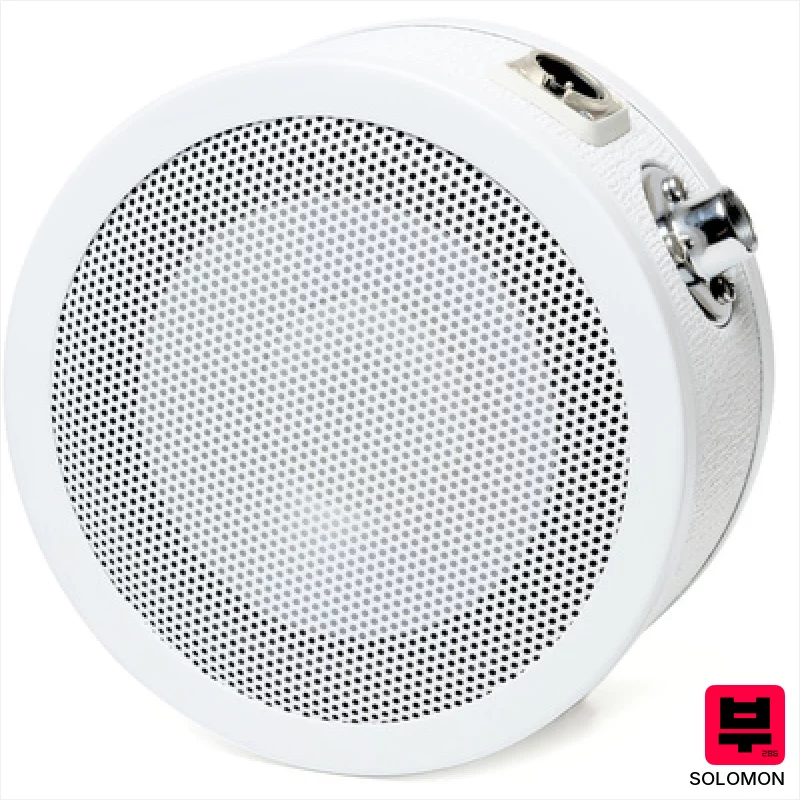
Solomon SubKick LoFReQ White
- • Tolex-covered wood fibre shell dampens resonance for focused low-end
- • Built-in dynamic mic avoids external capsule and mounting complications
- • Figure-8 pattern allows for creative miking techniques and room tone
- • Neutrik XLR output ensures robust and reliable signal transfer
- • Limited frequency range restricts high-frequency detail capture
- • The 50-3000Hz range might be too narrow for some modern genres
- • Bulky design and weight can be cumbersome for mobile setups
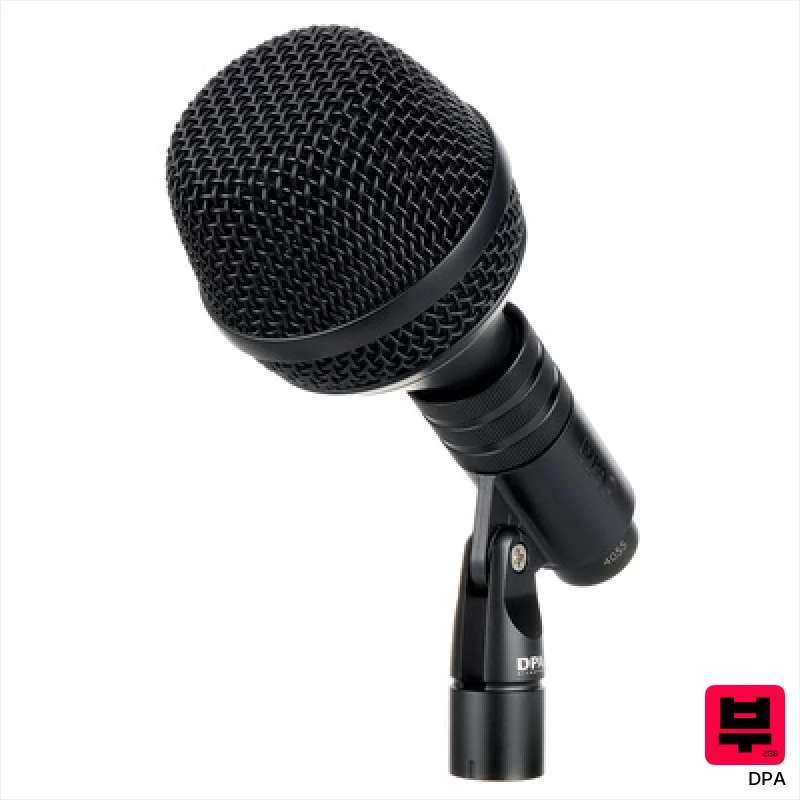
DPA 4055 Kick-Drum Microphone
- • Exceptional transient response captures low-end detail precisely.
- • DPA's renowned build quality ensures road-worthiness and longevity.
- • Open cardioid pattern offers controlled proximity effect and clarity.
- • The 6dB 10kHz boost adds subtle air and presence to the kick.
- • Premium-priced, a significant investment for most home studios.
- • Relatively low sensitivity may require a high-quality preamp.
- • Open cardioid isn't ideal for very loud, uncontrolled stage environments.
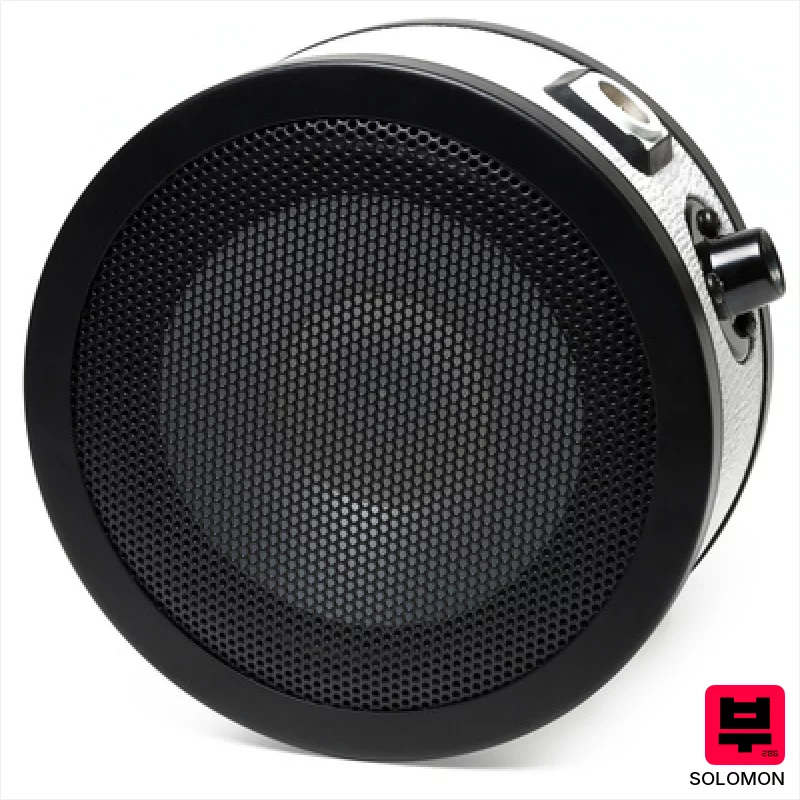
Solomon SubKick LoFReQ Trooper
- • Tolex wrapped wood fibre shell dampens resonances beautifully
- • Built-in dynamic element delivers focused, powerful low-end response
- • Custom in-line pad handles extremely loud kick drum sources effectively
- • Figure-8 pattern allows for creative miking techniques and phase control
- • Frequency response is limited, unsuitable for nuanced detail capture
- • Figure-8 pattern demands careful mic placement for optimal results
- • The wooden shell adds significant weight, making transport cumbersome
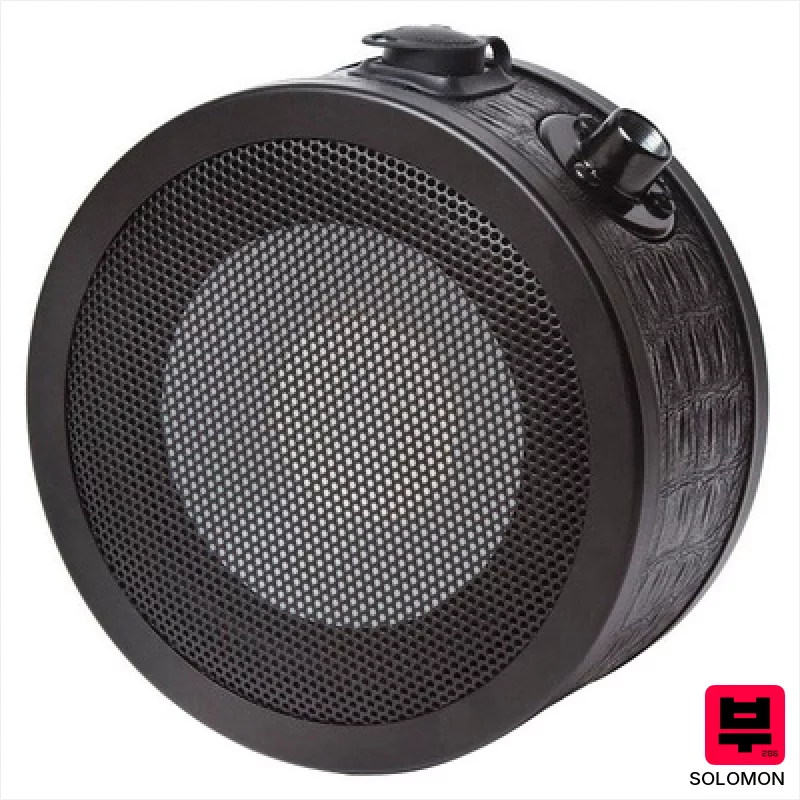
Solomon SubKick LoFReQ Daru Jones
- • Foil-wrapped wood fibre shell minimizes resonances and adds warmth.
- • Daru Jones signature voicing delivers impactful, defined low-end thump.
- • Integrated dynamic capsule is robust and handles high SPLs with ease.
- • Custom in-line pad provides useful gain management for powerful sources.
- • Limited frequency response restricts high-end detail and flexibility.
- • Eight polar pattern is less versatile than cardioid or omni.
- • Relatively heavy build might require a sturdy mic stand.
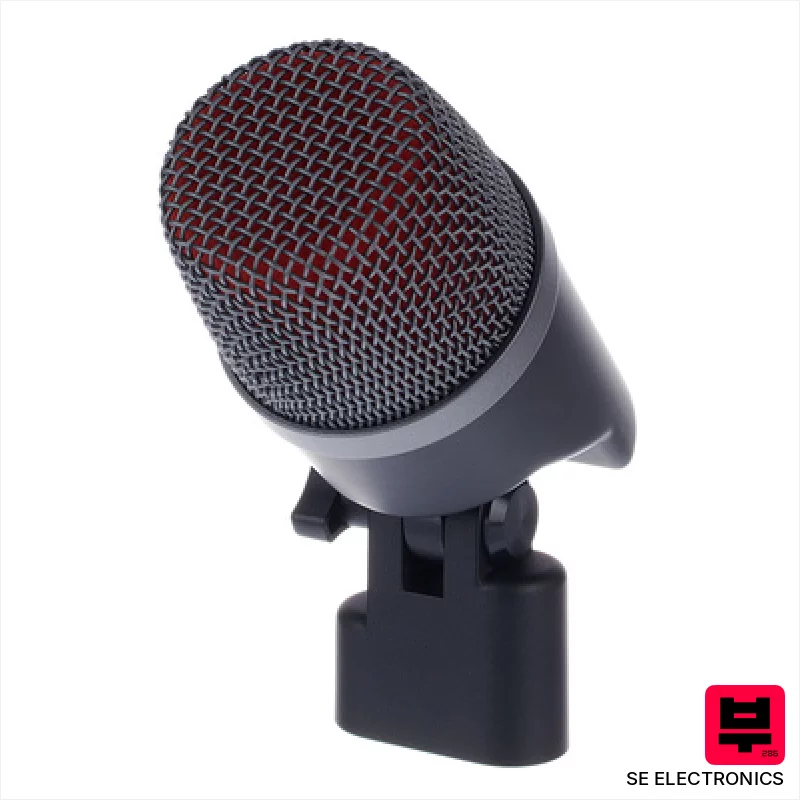
SE Electronics V Kick
- • Robust all-metal housing inspires confidence and durability.
- • Supercardioid pattern excels at isolating bass drum thump.
- • Integrated shockmount noticeably reduces handling and floor vibrations.
- • Multiple voicing switches offer surprising tonal flexibility for a dynamic mic.
- • Supercardioid pattern demands careful mic placement to avoid phase issues.
- • Limited frequency extension compared to condenser alternatives.
- • While versatile, it's primarily a bass instrument mic – less useful elsewhere.
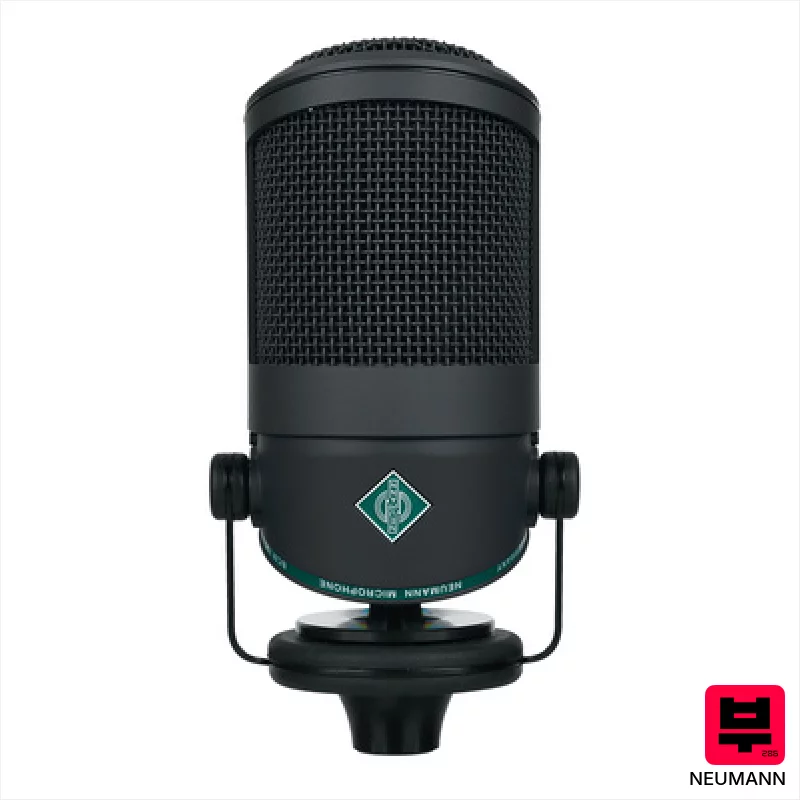
Neumann BCM 705 MT
- • Exceptional transient response for tight, punchy bass drum tones.
- • Robust, all-steel construction inspires confidence and longevity.
- • Integrated pop filter minimizes proximity effect and plosives.
- • Hypercardioid pattern isolates the drum, reducing bleed.
- • Hypercardioid pattern demands precise mic placement for optimal results.
- • Weight can be a factor when mounting to a resonant bass drum head.
- • Limited versatility outside of bass drum applications.
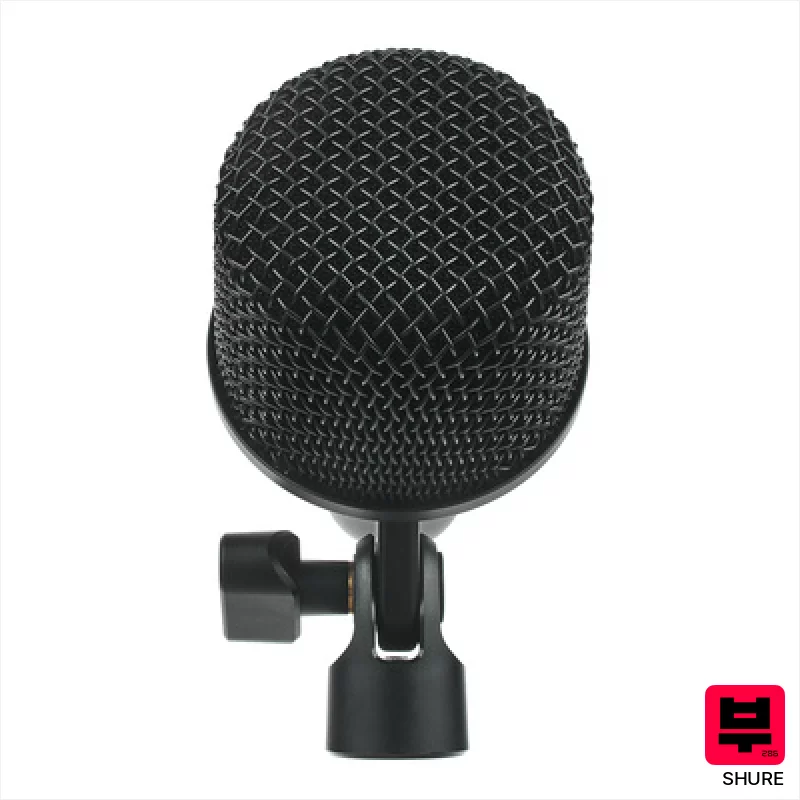
Shure Nexadyne 2
- • Robust build with a solid, zinc die-cast body for gigging.
- • Revonic dual-engine delivers a surprisingly full, low-end thump.
- • Supercardioid pattern effectively rejects bleed from other kit pieces.
- • Good rejection of stage rumble and low-frequency feedback issues.
- • Supercardioid pattern demands precise mic placement for optimal results.
- • Relatively heavy, can be a burden on a lightweight drum stand.
- • Lacks the extended high-frequency detail of some premium kick mics.

Audio-Technica Pro 25 AX
- • Robust construction handles serious bass drum SPLs without distortion
- • Hypercardioid pattern isolates sources well in busy drum mixes
- • Full frequency response captures detail beyond typical bass drum mics
- • Affordable price point makes it accessible for budget-conscious studios
- • Hypercardioid pattern demands precise mic placement to avoid phase issues
- • 600-ohm impedance may require a preamp with sufficient gain
- • Somewhat heavy, can be less stable on tom mounts
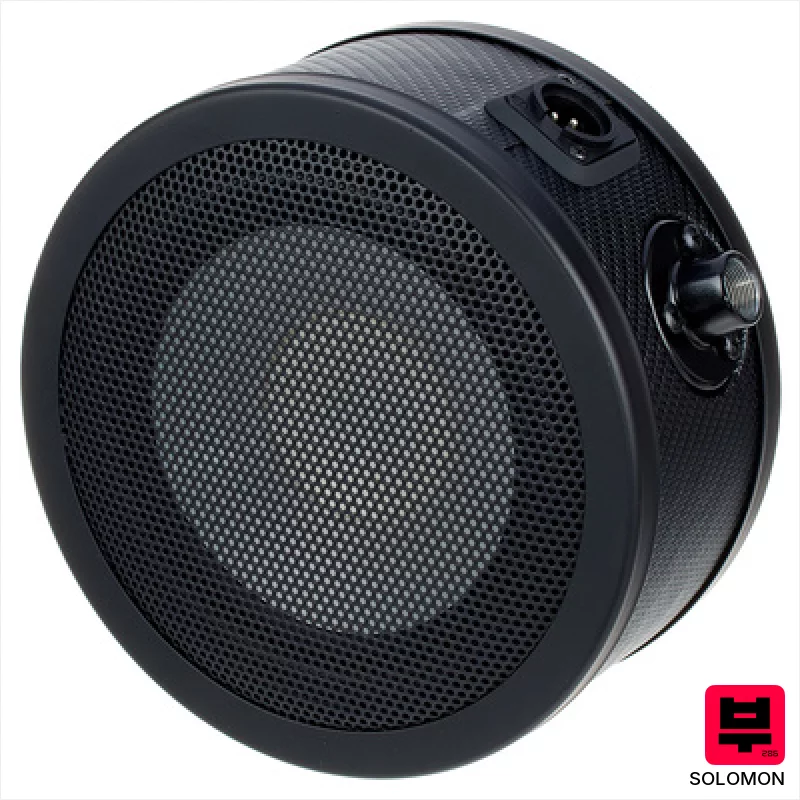
Solomon SubKick LoFReQ Black
- • Wood fibre shell delivers natural resonance and warmth
- • Dynamic capsule captures powerful low-end without harshness
- • Figure-8 pattern offers excellent isolation and flexibility
- • Tolex wrapping provides a durable, professional aesthetic
- • Limited frequency response restricts high-end detail and versatility
- • Bulky design and weight can be awkward in tight spaces
- • Figure-8 pattern demands careful mic placement for optimal results

AKG D12 VR
- • Transformer imparts a pleasing, vintage-style harmonic richness.
- • Bass chamber delivers genuinely powerful and defined low-end response.
- • Switchable presets offer tailored sounds without external EQ manipulation.
- • Robust construction with AKG’s usual reliable build quality.
- • Requires 48V phantom power, adding complexity to the setup.
- • Cardioid pattern limits flexibility in multi-mic drum setups.
- • Relatively heavy, which can be a factor on drum stands.
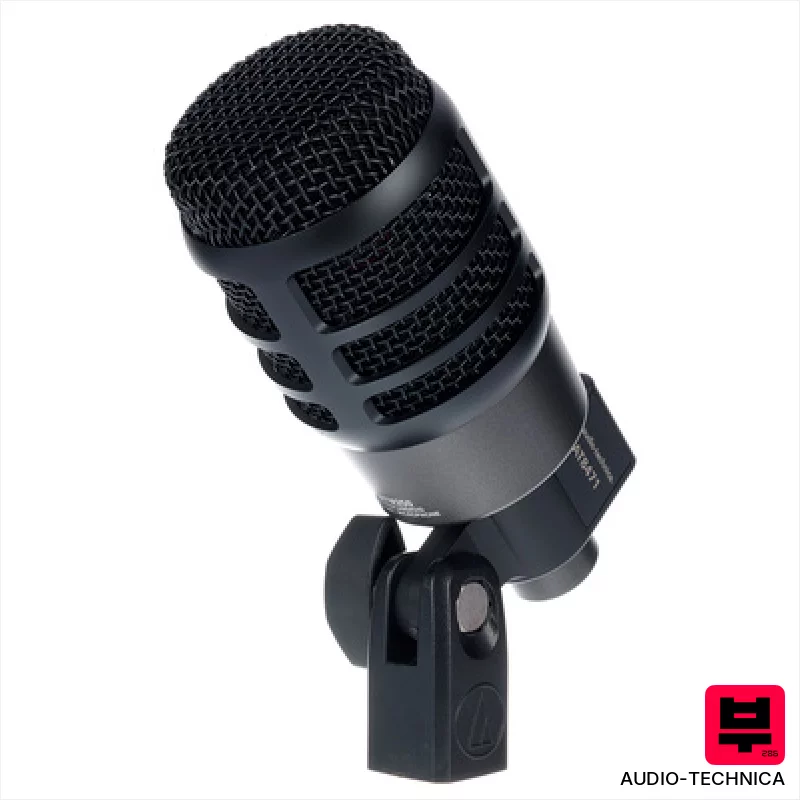
Audio-Technica ATM250
- • Robust zinc die-cast body handles serious stage abuse.
- • Hypercardioid pattern isolates the drum, minimizing bleed.
- • Excellent transient response captures punchy low-end detail.
- • Integrated stand adapter simplifies mounting and positioning.
- • Hypercardioid pattern demands precise mic placement for optimal results.
- • 600-ohm impedance may require a preamp with sufficient gain.
- • Limited versatility; primarily a bass drum microphone.
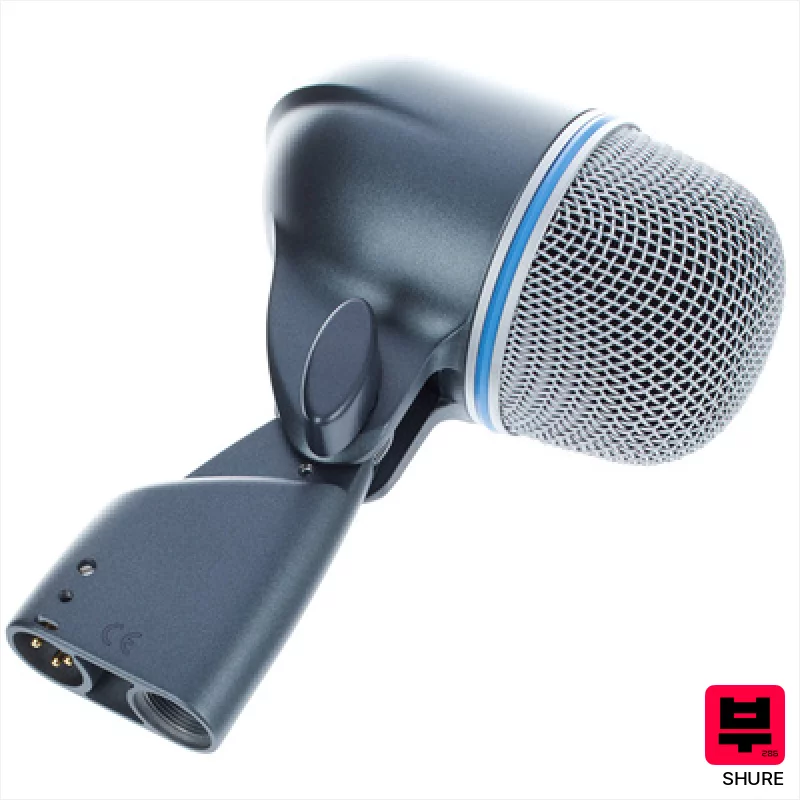
Shure Beta 52A
- • Exceptional low-frequency response delivers powerful bass drum impact
- • Robust hardened steel basket protects against stage abuse and vibrations
- • High output simplifies gain staging, reducing noise floor
- • Integrated tripod adapter simplifies positioning and secures firmly
- • Can be overly boomy in smaller, untreated rooms
- • Limited versatility beyond low-frequency instruments
- • Relatively heavy, impacting mic stand stability
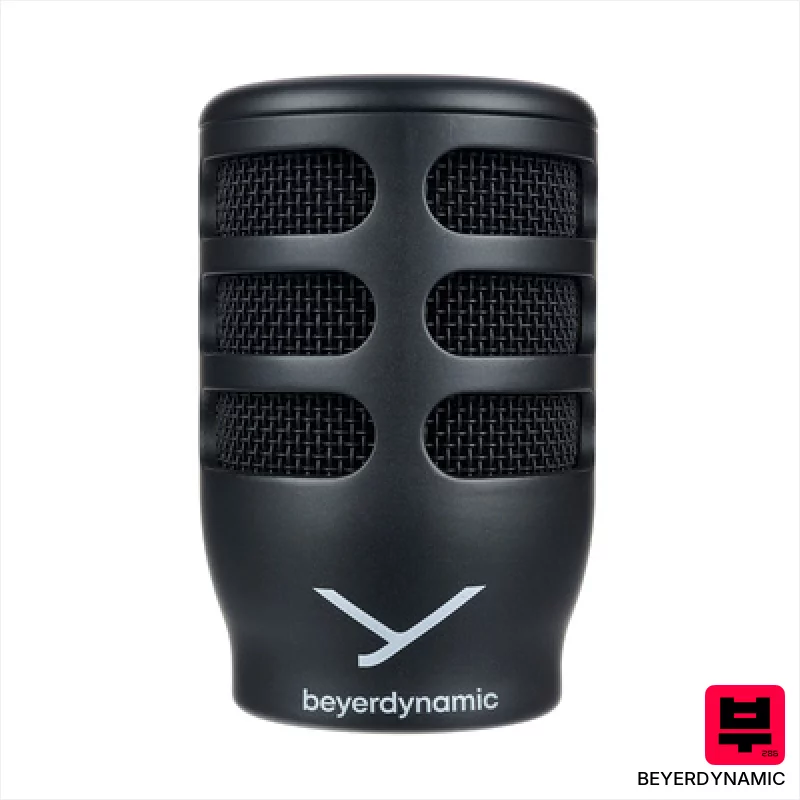
beyerdynamic TG D70 MK II
- • Robust construction: milled brass internal housing enhances durability.
- • Hypercardioid pattern: excellent isolation, minimizes bleed from other drums.
- • Detailed low-end response: captures punch without excessive boominess.
- • Excellent transient response: tight, defined kick drum attack.
- • Hypercardioid's narrow pattern: requires precise mic placement.
- • Can be dark: may need EQ to brighten for certain genres.
- • Relatively heavy: could be cumbersome on a stand.
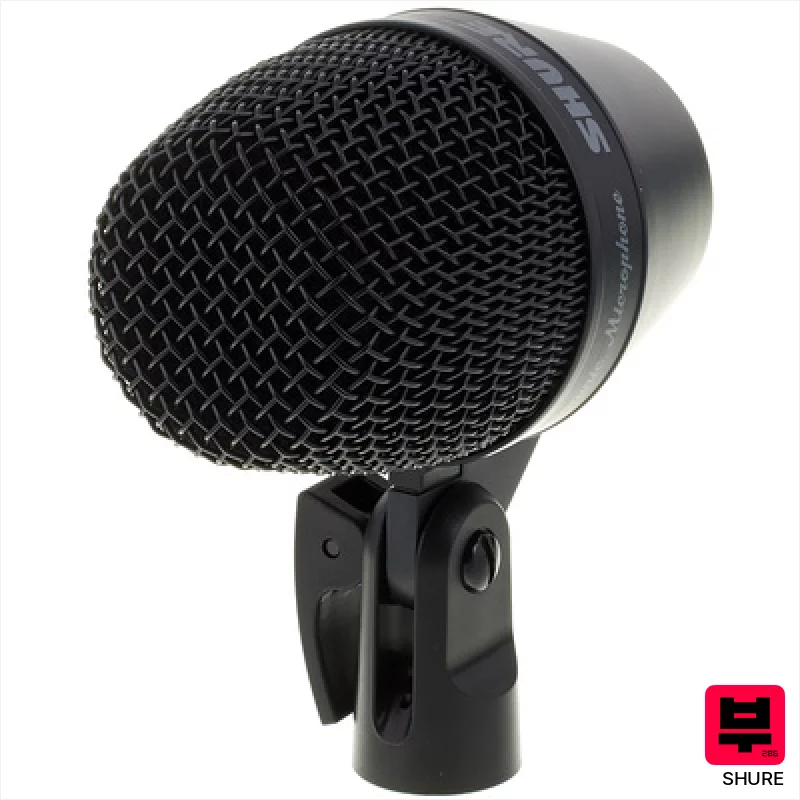
Shure PGA52
- • Robust metal housing withstands heavy drum kit abuse
- • Cardioid pattern effectively isolates bass drum sound
- • Delivers a focused, punchy low-end response for rock/metal
- • Integrated XLR cable provides immediate, functional connectivity
- • Lacks the nuanced detail of higher-end bass drum mics
- • Sensitivity is relatively low, requiring a decent preamp
- • Cardioid pattern limits flexibility for varied miking techniques
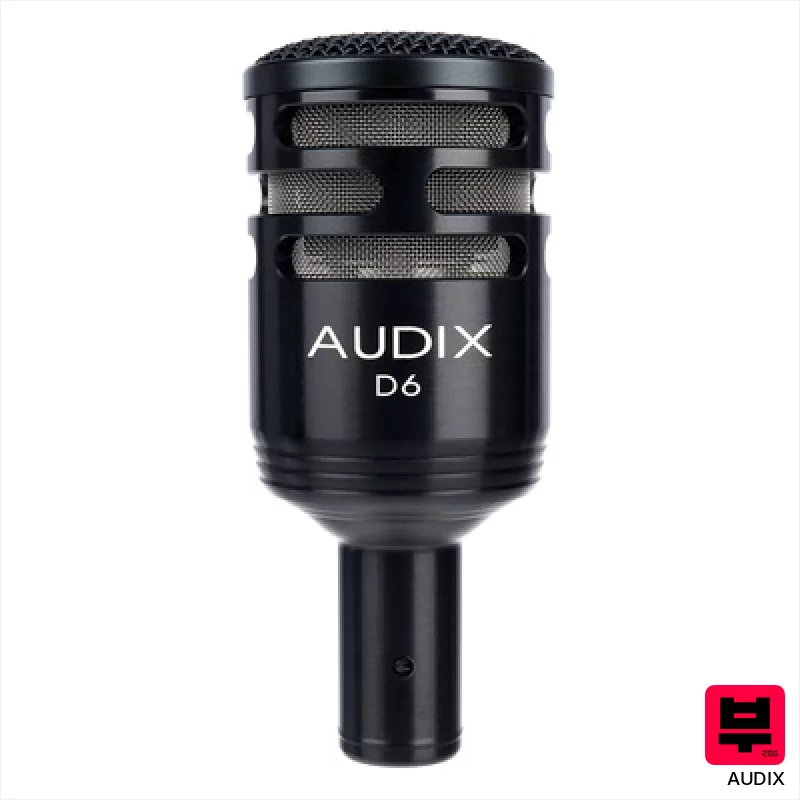
Audix D6
- • Robust construction handles punishing bass drum environments
- • Excellent low-frequency response captures deep kick drum thumps
- • Cardioid pattern minimizes bleed from other kit elements
- • Transformerless design preserves sonic clarity and low-end detail
- • Can be overly boomy in certain low-tuned kick drum setups
- • Somewhat limited versatility beyond low-frequency instruments
- • Relatively heavy for some mic stand applications
How to Choose the Best Microphones for Bass Drum
Low-End Extension
Rock bass drum needs serious sub-bass presence. We're looking for mics that can accurately reproduce frequencies below 60Hz without sounding muddy or rolled-off. That's the foundation of a good thump.
Transient Response
A slow mic will smear the attack of the beater, making the drum sound sluggish. Rock demands punch and articulation, so a mic needs to capture those transients cleanly and accurately.
Handling of High SPL
Rock drums get loud. Really loud. The mic needs to handle high sound pressure levels (SPL) without distortion or flanging - otherwise, you'll be fighting a losing battle on stage or in a hot tracking room.
Polar Pattern Versatility
While cardioid is often the go-to, having options like subcardioid or figure-8 can be invaluable for controlling room reflections and experimenting with mic techniques, especially in less-than-ideal acoustic spaces.
Overall Tone
'Tone' isn't just about frequency response. It's about the character - does it impart a warmth, a clarity, a grit? Some mics can add a desirable 'color' to the sound that helps it cut through a dense rock mix.
Buying Guide
Don't chase the most expensive mic thinking it'll magically solve your problems. A good drummer and a decent room will do more than a $1000 mic in a bad situation. Dynamic mics are the workhorses here - condensers are generally too sensitive and prone to feedback on stage. Be wary of super-cheap mics; they often cut corners on diaphragm material, leading to a dull, lifeless sound. Investing in a decent shock mount is also crucial to minimize unwanted rumble.
Our Methodology
We're not relying on spec sheets here. Our evaluations are based on real-world use - tracking rock bands in various studios, gigging with these mics, and doing countless A/B comparisons. We're listening for how the mic interacts with different drum kits, playing styles, and room acoustics, because that's what truly matters when you're chasing a killer drum sound.

