
Best Microphones for Bass Drum for Live Sound 2026
Alright, let's talk bass drum mics for live gigs. You're not looking for pristine studio clarity here; you need something that can handle a wall of sound, cut through the PA, and survive a sweaty stage. Forget about that hyper-detailed, nuanced sound - we're chasing a solid, punchy low-end with enough attack to be heard over the guitars and vocals. A bad bass drum mic can sink an entire band's sound, so let's get this right.
Last updated: July 22, 2026 • Next update: July 29, 2026

AKG D12 VR
- • Transformer imparts a pleasing, vintage-style harmonic richness.
- • Bass chamber delivers genuinely powerful and defined low-end response.
- • Switchable presets offer tailored sounds without external EQ manipulation.
- • Robust construction with AKG’s usual reliable build quality.
- • Requires 48V phantom power, adding complexity to the setup.
- • Cardioid pattern limits flexibility in multi-mic drum setups.
- • Relatively heavy, which can be a factor on drum stands.
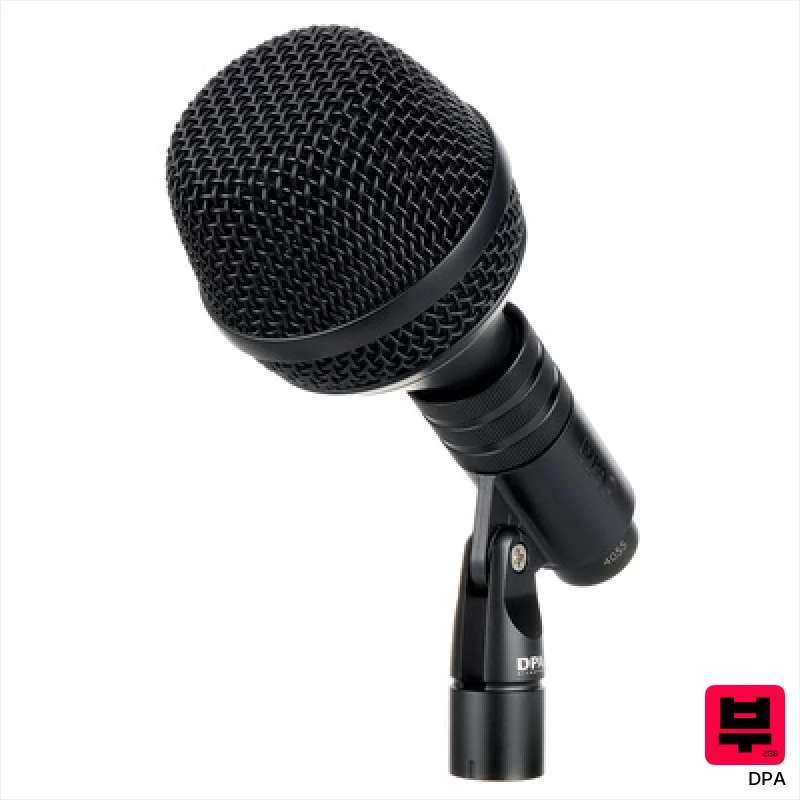
DPA 4055 Kick-Drum Microphone
- • Exceptional transient response captures low-end detail precisely.
- • DPA's renowned build quality ensures road-worthiness and longevity.
- • Open cardioid pattern offers controlled proximity effect and clarity.
- • The 6dB 10kHz boost adds subtle air and presence to the kick.
- • Premium-priced, a significant investment for most home studios.
- • Relatively low sensitivity may require a high-quality preamp.
- • Open cardioid isn't ideal for very loud, uncontrolled stage environments.
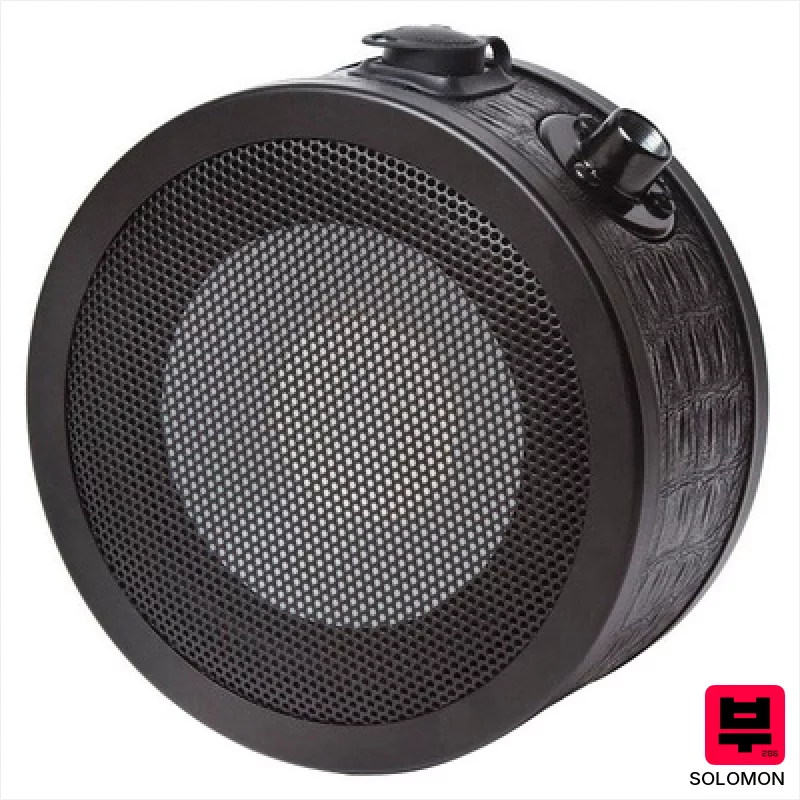
Solomon SubKick LoFReQ Daru Jones
- • Foil-wrapped wood fibre shell minimizes resonances and adds warmth.
- • Daru Jones signature voicing delivers impactful, defined low-end thump.
- • Integrated dynamic capsule is robust and handles high SPLs with ease.
- • Custom in-line pad provides useful gain management for powerful sources.
- • Limited frequency response restricts high-end detail and flexibility.
- • Eight polar pattern is less versatile than cardioid or omni.
- • Relatively heavy build might require a sturdy mic stand.
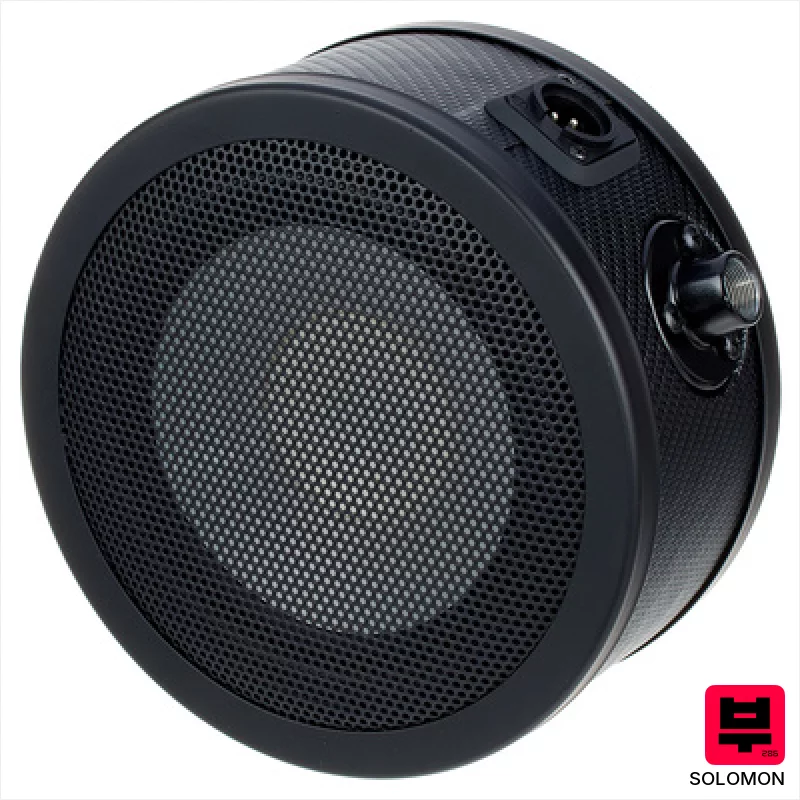
Solomon SubKick LoFReQ Black
- • Wood fibre shell delivers natural resonance and warmth
- • Dynamic capsule captures powerful low-end without harshness
- • Figure-8 pattern offers excellent isolation and flexibility
- • Tolex wrapping provides a durable, professional aesthetic
- • Limited frequency response restricts high-end detail and versatility
- • Bulky design and weight can be awkward in tight spaces
- • Figure-8 pattern demands careful mic placement for optimal results
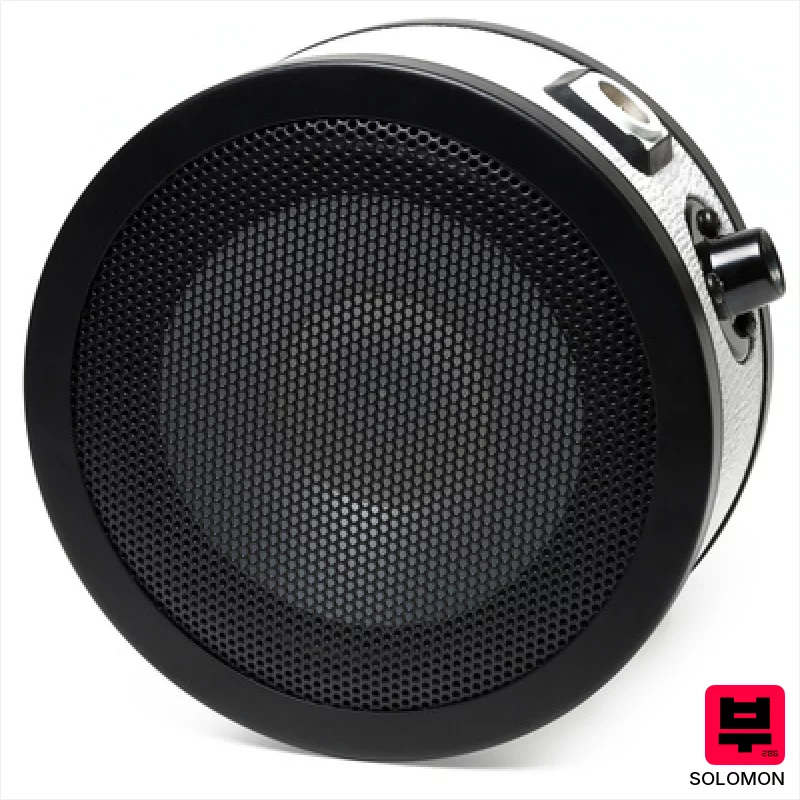
Solomon SubKick LoFReQ Trooper
- • Tolex wrapped wood fibre shell dampens resonances beautifully
- • Built-in dynamic element delivers focused, powerful low-end response
- • Custom in-line pad handles extremely loud kick drum sources effectively
- • Figure-8 pattern allows for creative miking techniques and phase control
- • Frequency response is limited, unsuitable for nuanced detail capture
- • Figure-8 pattern demands careful mic placement for optimal results
- • The wooden shell adds significant weight, making transport cumbersome
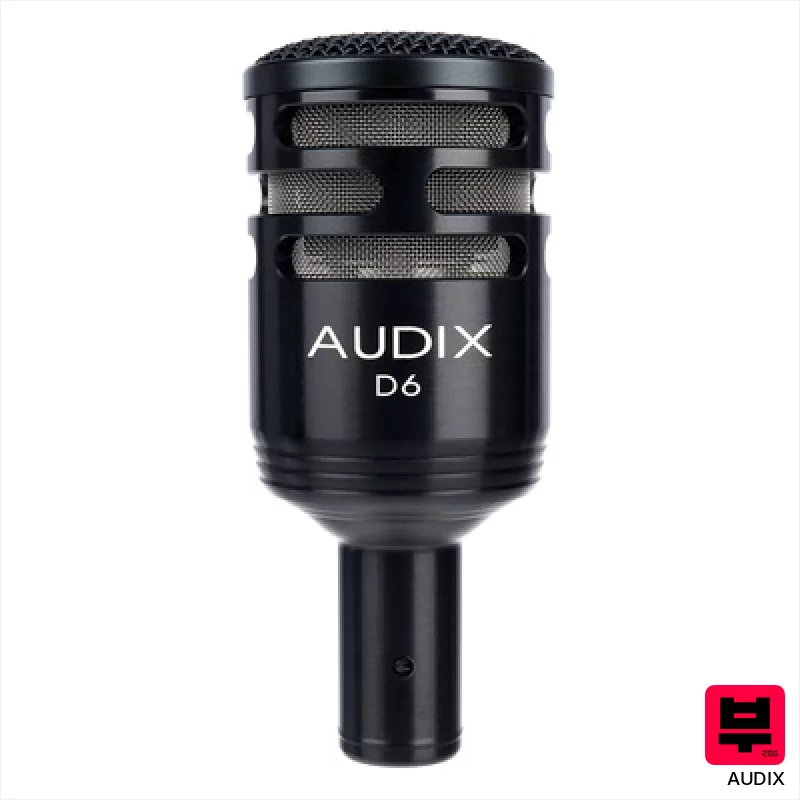
Audix D6
- • Robust construction handles punishing bass drum environments
- • Excellent low-frequency response captures deep kick drum thumps
- • Cardioid pattern minimizes bleed from other kit elements
- • Transformerless design preserves sonic clarity and low-end detail
- • Can be overly boomy in certain low-tuned kick drum setups
- • Somewhat limited versatility beyond low-frequency instruments
- • Relatively heavy for some mic stand applications
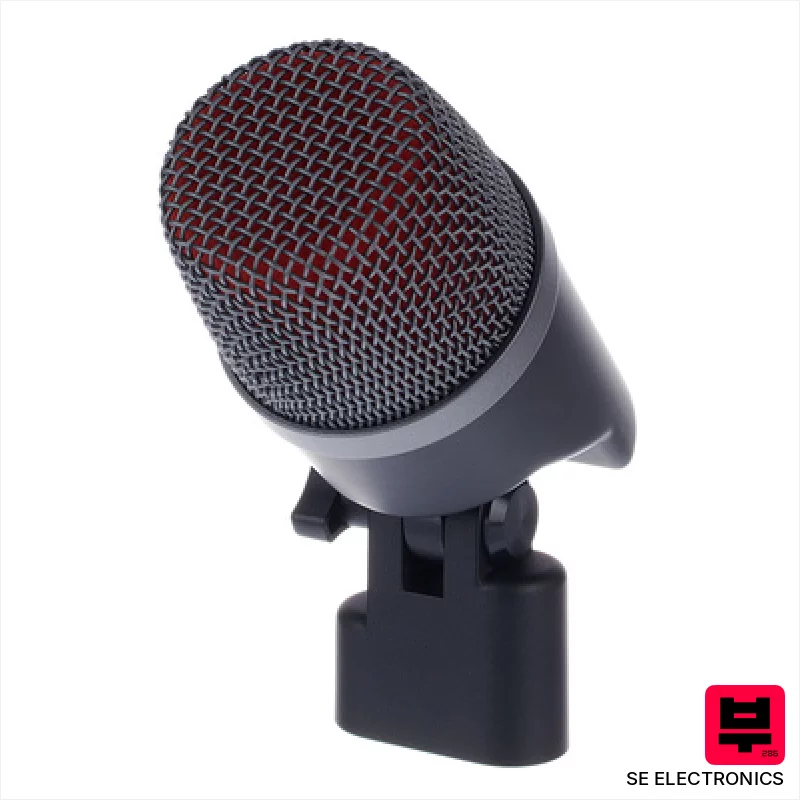
SE Electronics V Kick
- • Robust all-metal housing inspires confidence and durability.
- • Supercardioid pattern excels at isolating bass drum thump.
- • Integrated shockmount noticeably reduces handling and floor vibrations.
- • Multiple voicing switches offer surprising tonal flexibility for a dynamic mic.
- • Supercardioid pattern demands careful mic placement to avoid phase issues.
- • Limited frequency extension compared to condenser alternatives.
- • While versatile, it's primarily a bass instrument mic – less useful elsewhere.
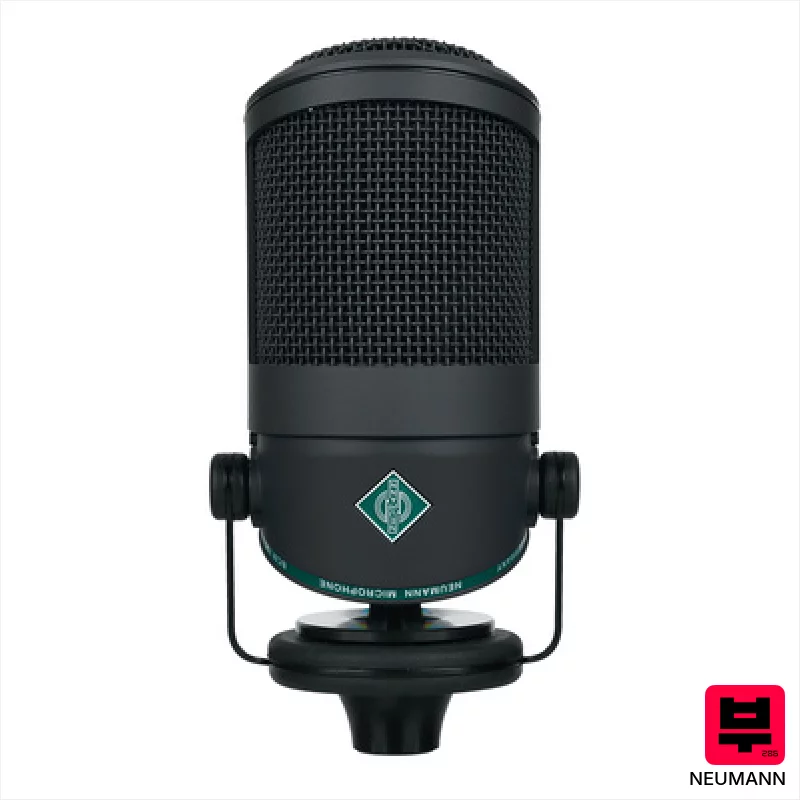
Neumann BCM 705 MT
- • Exceptional transient response for tight, punchy bass drum tones.
- • Robust, all-steel construction inspires confidence and longevity.
- • Integrated pop filter minimizes proximity effect and plosives.
- • Hypercardioid pattern isolates the drum, reducing bleed.
- • Hypercardioid pattern demands precise mic placement for optimal results.
- • Weight can be a factor when mounting to a resonant bass drum head.
- • Limited versatility outside of bass drum applications.
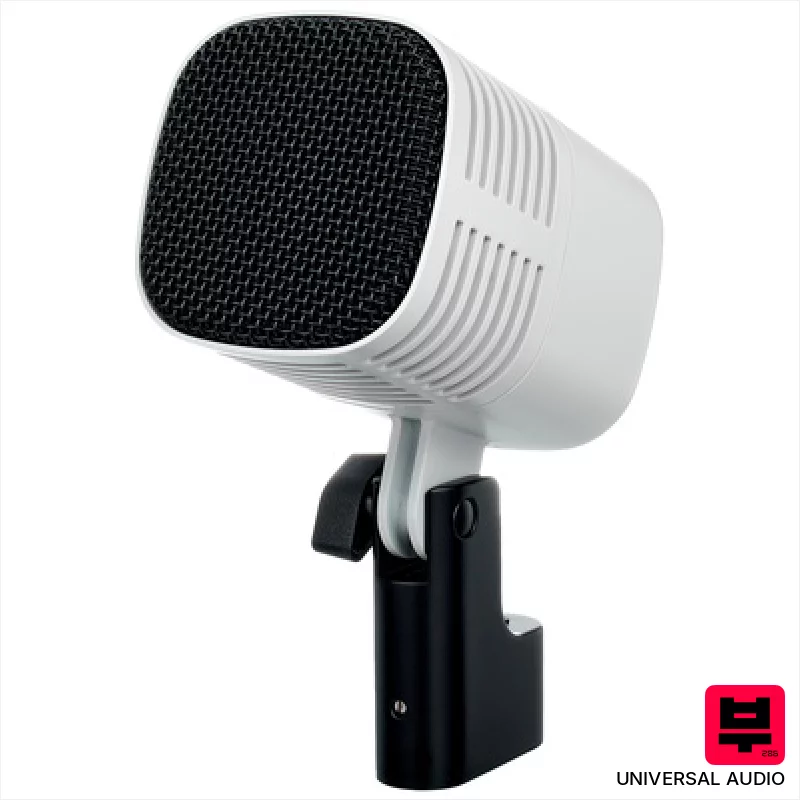
Universal Audio SD-5
- • Solid all-metal construction feels exceptionally robust for its class.
- • Hemisphere modelling offers surprising flexibility in post-recording shaping.
- • Supercardioid pattern effectively isolates the low-end sound source.
- • Integrated stand mount simplifies setup and offers angled placement.
- • The weight (727g) can be cumbersome on a standard mic stand.
- • Supercardioid pattern demands careful mic placement to avoid phase issues.
- • Modelling, while clever, won't perfectly replicate true Sennheiser/Beyerdynamic.
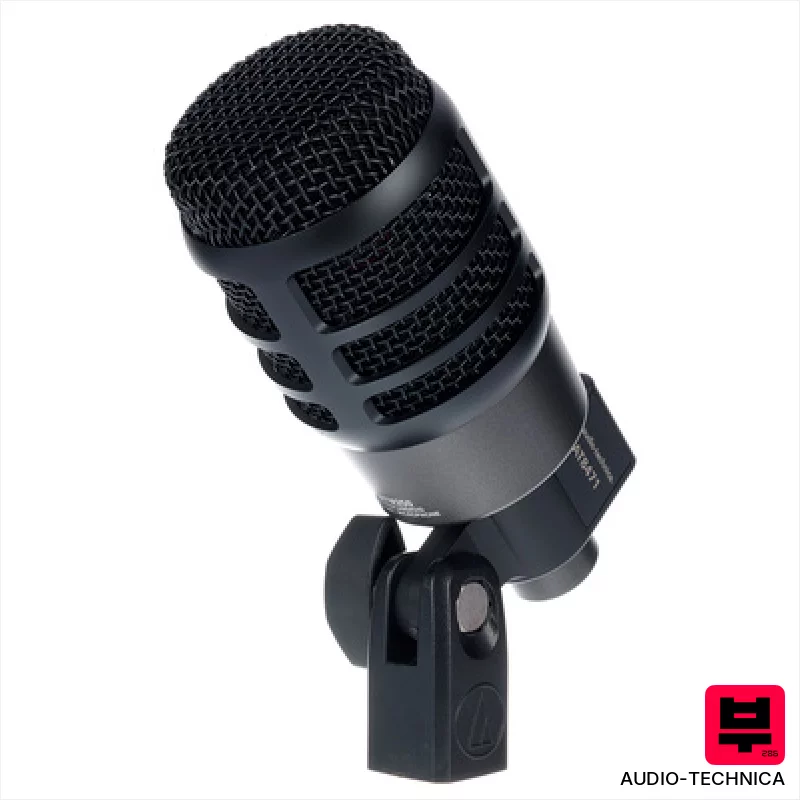
Audio-Technica ATM250
- • Robust zinc die-cast body handles serious stage abuse.
- • Hypercardioid pattern isolates the drum, minimizing bleed.
- • Excellent transient response captures punchy low-end detail.
- • Integrated stand adapter simplifies mounting and positioning.
- • Hypercardioid pattern demands precise mic placement for optimal results.
- • 600-ohm impedance may require a preamp with sufficient gain.
- • Limited versatility; primarily a bass drum microphone.
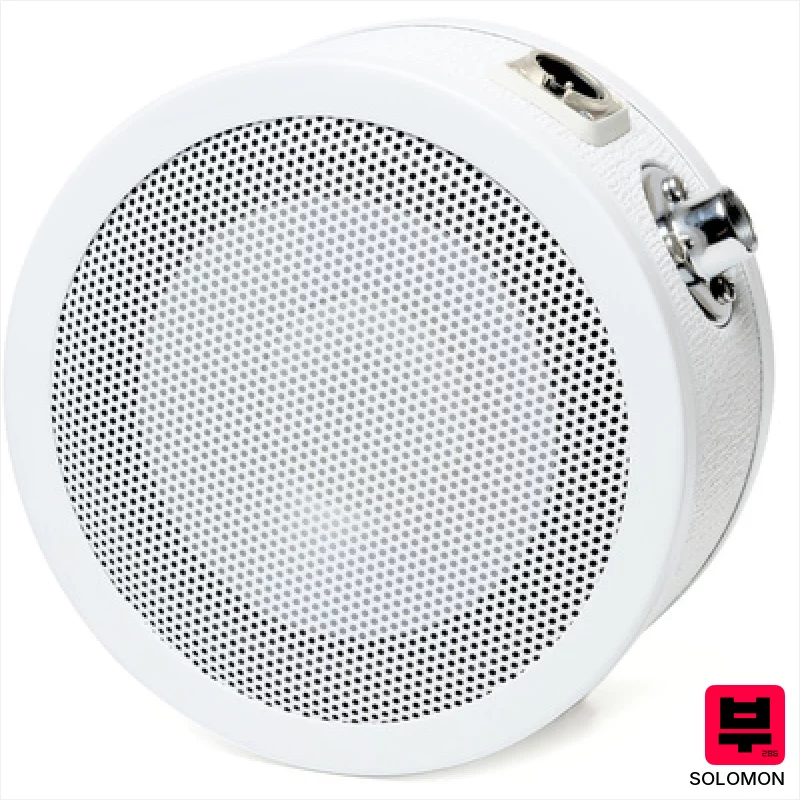
Solomon SubKick LoFReQ White
- • Tolex-covered wood fibre shell dampens resonance for focused low-end
- • Built-in dynamic mic avoids external capsule and mounting complications
- • Figure-8 pattern allows for creative miking techniques and room tone
- • Neutrik XLR output ensures robust and reliable signal transfer
- • Limited frequency range restricts high-frequency detail capture
- • The 50-3000Hz range might be too narrow for some modern genres
- • Bulky design and weight can be cumbersome for mobile setups
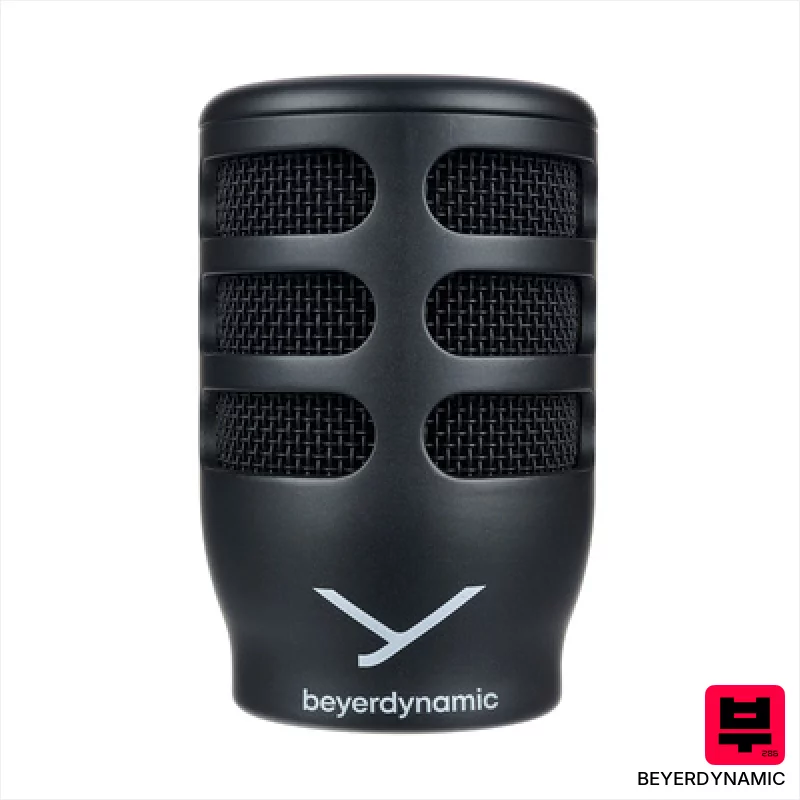
beyerdynamic TG D70 MK II
- • Robust construction: milled brass internal housing enhances durability.
- • Hypercardioid pattern: excellent isolation, minimizes bleed from other drums.
- • Detailed low-end response: captures punch without excessive boominess.
- • Excellent transient response: tight, defined kick drum attack.
- • Hypercardioid's narrow pattern: requires precise mic placement.
- • Can be dark: may need EQ to brighten for certain genres.
- • Relatively heavy: could be cumbersome on a stand.

Audio-Technica Pro 25 AX
- • Robust construction handles serious bass drum SPLs without distortion
- • Hypercardioid pattern isolates sources well in busy drum mixes
- • Full frequency response captures detail beyond typical bass drum mics
- • Affordable price point makes it accessible for budget-conscious studios
- • Hypercardioid pattern demands precise mic placement to avoid phase issues
- • 600-ohm impedance may require a preamp with sufficient gain
- • Somewhat heavy, can be less stable on tom mounts
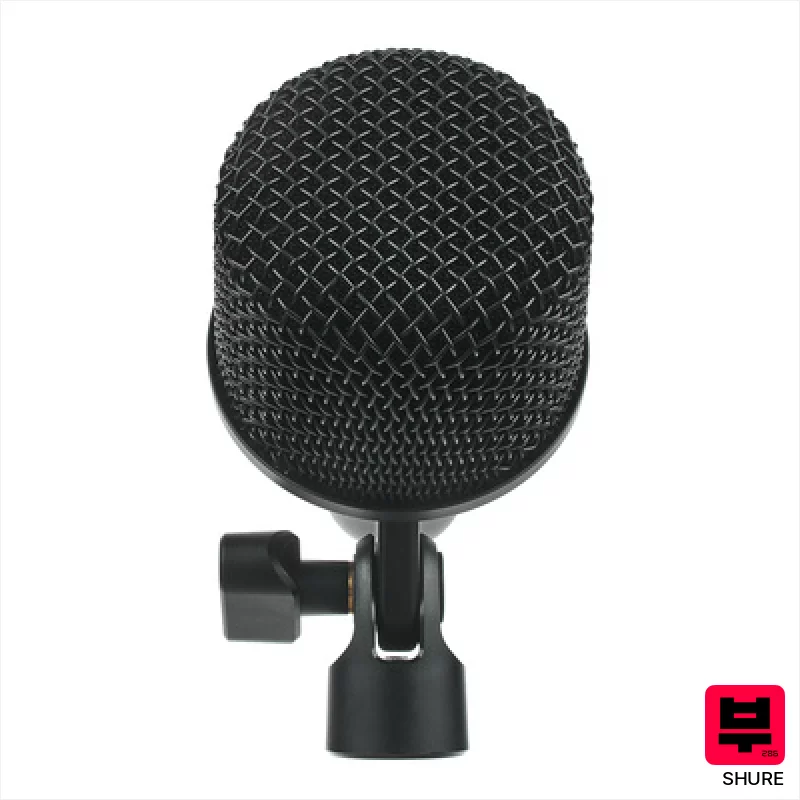
Shure Nexadyne 2
- • Robust build with a solid, zinc die-cast body for gigging.
- • Revonic dual-engine delivers a surprisingly full, low-end thump.
- • Supercardioid pattern effectively rejects bleed from other kit pieces.
- • Good rejection of stage rumble and low-frequency feedback issues.
- • Supercardioid pattern demands precise mic placement for optimal results.
- • Relatively heavy, can be a burden on a lightweight drum stand.
- • Lacks the extended high-frequency detail of some premium kick mics.
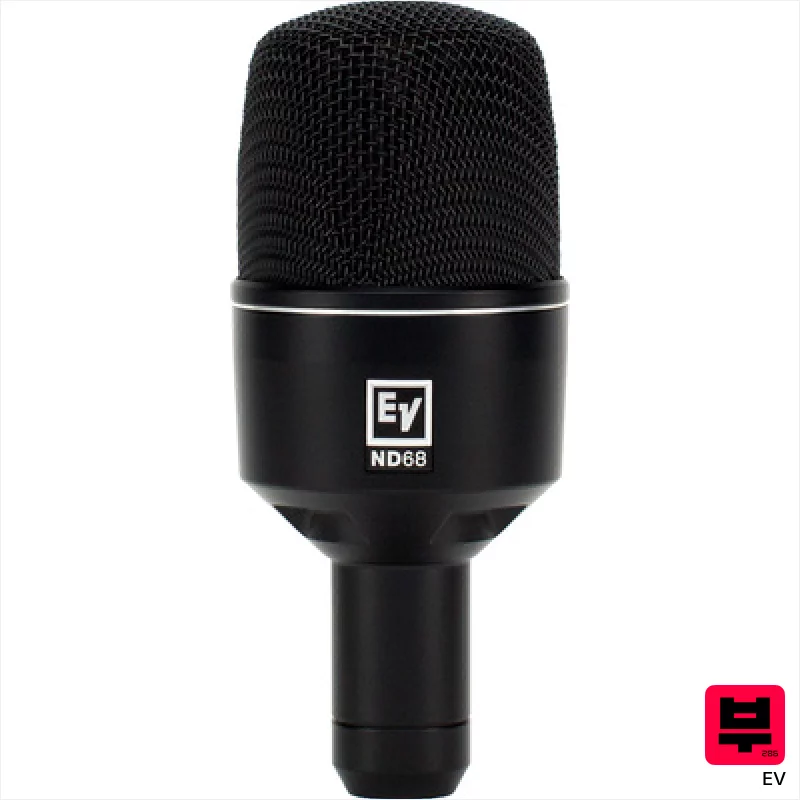
EV ND68
- • Robust zinc die-cast housing offers excellent durability on stage.
- • Supercardioid pattern effectively rejects bleed from other drums.
- • Handles high SPLs effortlessly, perfect for aggressive playing.
- • SAND-1 clamp provides secure, stable bass drum mounting.
- • Supercardioid pattern can be tricky to position consistently.
- • Frequency response lacks extended high-end detail for some tastes.
- • Limited versatility beyond bass drum and bass amp applications.
How to Choose the Best Microphones for Bass Drum
Low-End Response
This isn't about a deep low end, it's about a punchy low end. You want that fundamental to be present and felt, not muddy. Too much boominess and you'll just get a sloppy mess; too little and it'll disappear completely.
Transient Response/Attack
Live drums are dynamic. A mic needs to respond quickly to the beater hitting the head, capturing that initial 'thwack' and transient detail that defines the drum's attack. Slow response = mush.
Handling of High SPL
Bass drum hits are LOUD. A mic needs to handle serious sound pressure levels without distorting or clipping. Distortion on a bass drum is never a good thing.
Feedback Rejection
Let's be real, feedback is a constant battle live. A mic with good off-axis rejection (how it sounds from the sides and back) helps minimize feedback issues, especially when miking close to the kit.
Versatility/Pattern
While cardioid is the standard, sometimes you need a hypercardioid to really isolate the drum or even a dynamic pattern for a different flavor. Having options is a plus.
Buying Guide
Don't get caught up in the hype. A $500 mic isn't always better than a $150 mic for live bass drum duty. Cheap mics often cut corners on the diaphragm material, leading to a duller, less responsive sound. The sweet spot is usually in the $100-$300 range - you can get a mic that delivers a solid performance without breaking the bank. Dynamic mics are almost exclusively what you'll want for live - condensers are just asking for feedback trouble.
Our Methodology
We're not just looking at spec sheets here. We've spent countless hours A/B testing these mics in real-world band scenarios - loud rock clubs, small pubs, even a few outdoor festivals. We're listening for that low-end thump, how well they handle dynamics, and whether they'll actually cut through the mix without needing a PA overhaul. It's about what sounds good on stage, not what looks good on paper.

