AudioFu Chart · October 2026
Best Measurement Microphones Under $300 2026
The top pick is PreSonus PRM1 Precision Reference Measurement Microphone ($75). Behringer ECM8000 Omnidirectional Measurement Microphone gives you the most for the money at $23. Audix TM1 Omnidirectional Test/Measurement Condenser Mic leads the high end. Ranked by the AudioFu Index from 12 models across 10 brands, prices checked every night.
Last updated: October 26, 2026
Top 10
Full detail for the 10 highest AudioFu Index scores. Every other model is listed below.
-
PreSonus PRM1 Precision Reference Measurement Microphone
PRM1 · Presonus
5 for sale on Reverb1 finish at Thomann
- Size4"
The PRM1 is a surprisingly capable entry-level measurement mic, especially when paired with Presonus’s Virtual StudioLive. It’s perfect for home studio owners, live sound engineers on a budget, or anyone needing basic room response data without the premium price tag of more sophisticated tools.
Pros
- Excellent value for basic room and system analysis.
- Surprisingly robust ball capsule for its price point.
- Well-matched frequency response for measurement accuracy.
Cons
- Lacks the precision of higher-end measurement microphones.
- 1/4 in capsule limits flexibility for complex acoustic setups.
-
Behringer ECM8000 Omnidirectional Measurement Microphone
ECM8000 · Behringer
8 for sale on Reverb1 finish at Thomann
The ECM8000 is a shockingly capable measurement mic for the money. It's perfect for home recording enthusiasts, budding audio engineers, or anyone needing a basic, reliable tool for room acoustics analysis and basic sound reinforcement checks. Don't expect studio-grade performance, but for its class, it's tough to beat.
Pros
- Robust metal body offers surprising durability for the price.
- Omnidirectional pattern captures accurate room acoustics.
- Gold-plated XLR connector minimizes signal degradation.
Cons
- Limited frequency response compared to higher-end measurement mics.
- Sensitivity is relatively low, requiring a clean preamp.
-
Audix TM1 Omnidirectional Test / Measurement Condenser Mic
TM-1 · Audix
4 for sale on Reverb2 finishes at Thomann
The Audix TM-1 is a surprisingly capable measurement mic, especially considering its price point. It's built like a tank thanks to that brass housing, and its flat response makes it ideal for room analysis, acoustic testing, and capturing realistic ambience. A great option for budding audio engineers, room acoustic enthusiasts, and anyone needing a reliable, affordable measurement tool.
Pros
- Solid nickel-plated brass housing provides excellent durability and resonance.
- Omnidirectional pickup ensures accurate room and ambience capture.
- Wide 20 Hz - 25 kHz frequency response captures subtle details.
Cons
- Limited to omnidirectional pattern, restricting versatility for focused recording.
- Relatively long body (150 mm) can be unwieldy in tight spaces.
65AudioFu
IndexStableno change since Aug 17Aug 17$279 now$279€249 at Thomann · in stockCheck price ↗ -
- Weight0.15 kg
The Superlux ECM999 is a surprisingly capable measurement mic for the budget-conscious. Its flat response makes it ideal for room acoustics analysis or basic recording where accuracy trumps character. It's a fantastic tool for DIY enthusiasts, podcasters on a tight budget, or anyone needing a clean, neutral microphone without spending a fortune.
Pros
- Remarkably flat frequency response for accurate measurements
- Surprisingly robust plastic body considering the price point
- Included windscreen effectively reduces plosives and wind noise
Cons
- Plastic body feels noticeably less premium than metal alternatives
- Sensitivity could be higher for quieter environments
-
Beyerdynamic MM 1 Omnidirectional Measurement Microphone
MM 1 · beyerdynamic
6 for sale on Reverb1 finish at Thomann
The MM 1 is a seriously handy tool for anyone calibrating sound systems or needing precise acoustic measurements. It’s a well-built, compact condenser mic that’s perfect for sound engineers, audio technicians, and anyone who needs repeatable, reliable results – it's not a vocal mic for performance.
Pros
- Excellent omnidirectional response for accurate sound measurement.
- Robust Beyerdynamic build quality; feels durable and reliable.
- Lightweight design minimizes handling noise and mounting issues.
Cons
- Limited to omnidirectional pattern; lacks directional versatility.
- Sensitivity requires careful gain staging to avoid noise floor.
61AudioFu
IndexStableno change since Aug 17Aug 17$245 now$245€219 at Thomann · in stockCheck price ↗ -
- Size4"
The Superlux ECM 888 B is a surprisingly capable measurement mic for the budget-conscious. It's ideal for acoustic analysis, room correction, or basic sound reinforcement system tuning where pinpoint accuracy isn't critical, and portability is a plus. It's a great entry point for DIY audio enthusiasts and home studio owners.
Pros
- Nickel housing provides a surprisingly robust and professional feel.
- Omnidirectional response captures a wide, natural sound field.
- Battery operation offers portability and flexibility in measurement setups.
Cons
- High impedance necessitates a preamp with sufficient gain and impedance matching.
- Large size can be cumbersome in tight spaces or crowded environments.
-
- Size4"
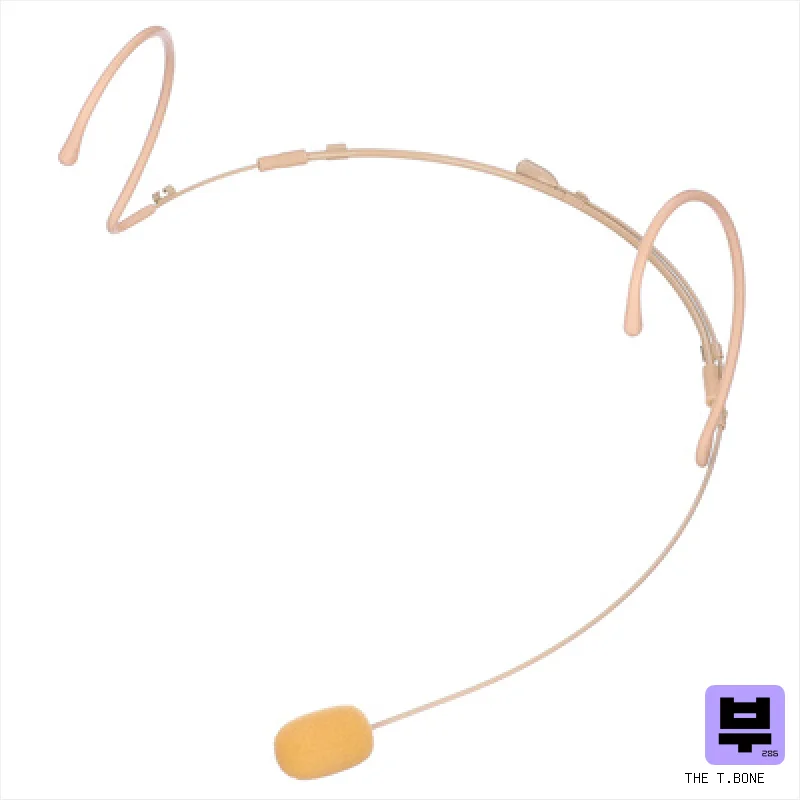
The t.bone MM-1 is a remarkably affordable entry point into measurement microphones. It's a great option for home recording enthusiasts, budding sound engineers, or anyone needing basic room acoustic analysis – just be mindful of its limitations and use a decent preamp. Don't expect studio-grade accuracy, but it's surprisingly capable for the price.
Pros
- Surprisingly robust 1/4in polarized capsule for its price.
- Decent frequency response for basic room and system analysis.
- Included holder provides stable, usable mounting options.
Cons
- Limited dynamic range compared to professional measurement mics.
- Higher output impedance requires a low-noise preamp for best results.
-
This little mic is built like a tank with a metal body, making it tough for rough live gigs. It picks up sound from all directions so you don't have to fiddle with placement. Just plug it in with phantom power, and it gives you clean numbers for your analysis software.
Pros
- Omnidirectional pickup captures sound from every angle perfectly
- Robust metal housing survives daily professional use without damage
- High maximum SPL handles loud PA environments reliably
Cons
- No built-in controls to adjust settings manually
- Requires 15 to 48 volts of phantom power to work
-
The Mipro MM-100 is a solid, dependable measurement mic for sound engineers and AV techs. It’s built to handle field work and provides accurate readings, making it a great value for calibrating systems and analyzing frequency responses. It's a no-frills tool for the job, not a studio-grade luxury item.
Pros
- Robust metal housing provides excellent durability for field use.
- Omnidirectional pattern ensures accurate, consistent measurements in varied environments.
- Wide 20Hz-20kHz frequency response captures a full spectrum of audio.
Cons
- 200-ohm impedance may require a preamp for optimal signal level.
- Limited connector options restrict compatibility with some older audio systems.
40AudioFu
IndexStableno change since Aug 17Aug 17$279 now$279€249 at Thomann · in stockCheck price ↗ -
This MEMS mic is a clever little tool specifically designed to work with IK Multimedia’s ARC room correction system. It's great for anyone serious about getting accurate acoustic measurements for their studio or listening space – it’s a solid, affordable solution for calibrating your room’s response, but it’s not a standalone mic you’d use for recording vocals.
Pros
- Excellent frequency response accuracy when paired with ARC system
- Compact and lightweight design ideal for various acoustic environments
- Transformerless output minimizes noise and distortion for clean measurements
Cons
- Limited standalone functionality without ARC software integration
- Signal-to-noise ratio could be improved for extremely quiet environments
All 12 measurement microphones
Same index, same nightly prices — compact. Colour options of one model share a row. Tap a photo to zoom.
- 11
Sonarworks SoundID Ref Measurement MicroSonarworks37Stable$95€85$95€85Check ↗
- 12
DBX DriveRack RTA-MDBX37Stable$140€125$140€125Check ↗
Measurement Microphones by the numbers
Measured across all 14 models we track, not a sample.
Median $82 — half of all measurement microphones here cost less.
How to choose the best measurement microphones
Frequency Response Flatness
This isn't about 'tone', it's about accuracy. A measurement mic needs to capture what's actually happening, not color it with its own weird bump. Expect some deviation at the extremes in this price range, but look for consistency in the critical midrange.
Self-Noise
Low self-noise is crucial. A noisy mic will mask subtle details and make it harder to identify problems. Anything above 18 dBA-weighted is going to be noticeable, especially when analyzing quiet passages.
Polar Pattern Accuracy
Most measurement mics are omnidirectional, and that pattern needs to be consistent across the frequency spectrum. Irregularities can lead to inaccurate reflections and misleading data. Don't expect perfect accuracy, but avoid mics with wildly uneven patterns.
Durability & Build Quality
These mics often take a beating. Gigging, transport, and general abuse are part of the deal. A cheap plastic body might look fine on a website, but it won't survive a dropped case at a venue.
Sensitivity
A more sensitive mic needs less gain from your interface or preamp, which can help reduce noise floor. While not a deal-breaker, higher sensitivity often translates to a cleaner overall measurement process.
Buying guide
So, you need a measurement mic, huh? Don't go dropping a grand on a Neumann when you just need to dial in your room or check your PA's response curve. This list is for the rest of us - players who want accurate response data without emptying their bank account. We're focusing on mics under $300 that actually deliver usable results for tracking, mixing, and acoustic treatment.
At this price point, you're making compromises. Don't expect pristine, studio-grade performance. The biggest trade-off will be frequency response accuracy at the very low and high ends - those sub-bass frequencies and the upper air will often be less precise.
Look for mics with a good reputation for consistent performance and a decent warranty. Spend a little more for a metal body if you plan to use it on the road; it'll pay for itself.
How the AudioFu Index works
Five measured signals and nothing else — no stars from strangers, no “tested by experts” we didn’t do. The weights are fixed and public. We don’t play these instruments; we measure the market around them.
This chart covers 14 measurement microphones from the Thomann catalogue. Before you buy, read hands-on reviews and, where you can, play it. Full methodology.
AudioFu earns a commission when you buy through our Thomann links. It never changes the order — the index does.
- Demand40%
How many of this exact model are for sale on Reverb right now — what musicians actually buy and resell.
- Lineup20%
How many finishes Thomann stocks — makers expand the models that sell.
- Price15%
Where the price has moved since we started tracking in August.
- Specs15%
How completely the maker documents it.
- Maker10%
How deep the brand’s range is in this category.
Questions
Can I use this mic for vocals or instruments?
Technically, yes, but these mics aren't designed for that. They're optimized for flat response, not pleasing coloration. You might find a use for them in a quirky recording situation, but don't expect a 'warm' or 'bright' sound.
What's the difference between omnidirectional and cardioid measurement mics?
Omni mics pick up sound equally from all directions, giving a more accurate representation of the room's response. Cardioid mics reject sound from the rear, which can be useful for isolating sources but can skew your room analysis.
Do I need a preamp for a measurement mic?
Absolutely. They're typically low-output. A decent audio interface with clean preamps will work fine. Just be mindful of the gain you're using to avoid adding noise.
How do I calibrate a measurement mic?
Calibration involves measuring the mic's actual response and creating a correction curve in your measurement software (like Room EQ Wizard). It's a bit technical, but there are plenty of tutorials online.
What's the deal with 'A-weighted' self-noise?
A-weighting is a standardized filter that emphasizes frequencies humans are most sensitive to. Lower A-weighted numbers are better, but be aware that it doesn't tell the whole story. Some mics might have low A-weighted noise but still have noticeable broadband noise.