AudioFu Chart · October 2026
Best Measurement Microphones for Professional 2026
The top pick is NTI Audio M2211 ($1,846). PreSonus PRM1 Precision Reference Measurement Microphone gives you the most for the money at $75. Ranked by the AudioFu Index from 20 models across 14 brands, prices checked every night.
Last updated: October 26, 2026
Top 10
Full detail for the 10 highest AudioFu Index scores. Every other model is listed below.
-
The NTI Audio M2211 is a serious tool for the audio engineer or acoustician needing precision measurements. Its Class 1 response and robust metal diaphragm are top-notch. If you’re calibrating a studio, analyzing a PA system, or conducting room acoustics research, this mic is a worthwhile investment.
Pros
- Metal diaphragm ensures accurate transient response and durability
- Removable capsule allows for future upgrades and customization
- Class 1 frequency response delivers exceptionally flat and neutral measurements
Cons
- High-end price point puts it out of reach for casual users
- Limited application beyond acoustic measurement and analysis
42AudioFu
IndexStableno change since Aug 17Aug 17$1,846 now$1,846€1,649 at Thomann · in stockCheck price ↗ -
- Weight0.75 kg
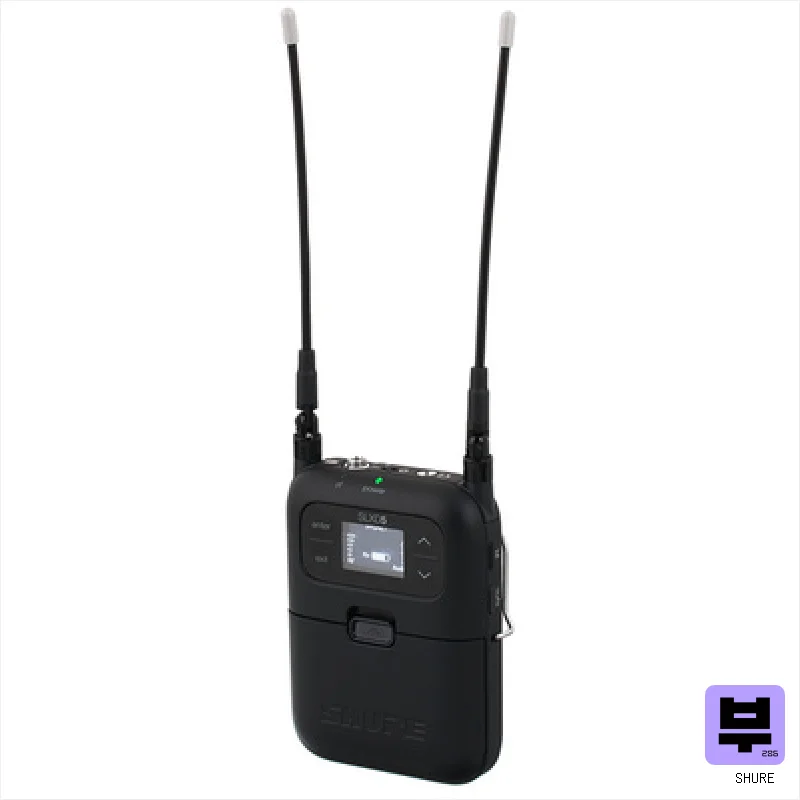
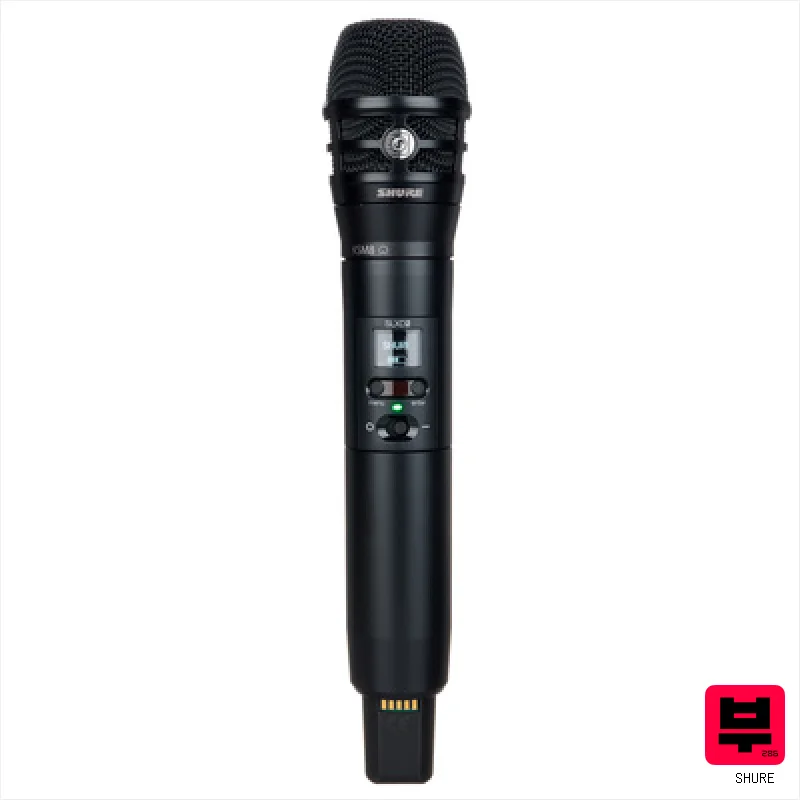
This bundle is perfect for engineers who need accurate measurements without lag. The low-latency transmitter pairs well with any dynamic or condenser mic, and the rechargeable battery keeps you working for hours. While the measuring mic handles loud sounds up to 125 dB, you'll need to buy the transmitter separately if you don't have it.
Pros
- Low 1.5 ms latency for real-time monitoring
- Rechargeable battery lasts up to 12 hours
- Omnidirectional mic captures full frequency range
Cons
- Transmitter requires separate purchase from bundle
- No specific weight listed for the transmitter unit
33AudioFu
IndexStableno change since Aug 17Aug 17$906 now$906€809 at Thomann · in stockCheck price ↗ -
- Size8"
This little mic is perfect for anyone who needs accurate measurements without breaking the bank. It eats up to 140 dB of sound and reaches deep bass and high treble. Just remember to bring your own power supply since it doesn't have a built-in preamp.
Pros
- Captures full range from 5 Hz to 35 kHz with flat response
- Handles loud sounds up to 140 dB SPL without distortion
- Includes windscreen and adapter for outdoor and studio use
Cons
- Sensitivity value is completely missing from the specs
- No built-in preamp, so you need an external power source
55AudioFu
IndexStableno change since Aug 17Aug 17$704 now$704€629 at Thomann · in stockCheck price ↗ -
Audix TM1 Omnidirectional Test / Measurement Condenser Mic
TM-1 Plus · Audix
4 for sale on Reverb2 finishes at Thomann
The TM-1 Plus is a seriously well-built measurement mic. It's perfect for acoustic engineers, sound designers, or anyone needing accurate room analysis and ambient recordings. The included calibration file is a huge plus, ensuring your measurements are spot-on.
Pros
- Brass housing provides exceptional durability and reduces resonance
- Pre-polarized capsule simplifies operation and eliminates external bias
- Included calibration data file ensures accurate measurements and repeatability
Cons
- Omnidirectional pickup inherently captures unwanted room reflections
- Limited versatility compared to multi-pattern microphones
65AudioFu
Index↓ 0.8%since Aug 17 · lowest so far$292 · Aug 17$290 now$290€259 at Thomann · in stockCheck price ↗ -
PreSonus PRM1 Precision Reference Measurement Microphone
PRM1 · Presonus
5 for sale on Reverb1 finish at Thomann
- Size4"
The PRM1 is a surprisingly capable entry-level measurement mic, especially when paired with Presonus’s Virtual StudioLive. It’s perfect for home studio owners, live sound engineers on a budget, or anyone needing basic room response data without the premium price tag of more sophisticated tools.
Pros
- Excellent value for basic room and system analysis.
- Surprisingly robust ball capsule for its price point.
- Well-matched frequency response for measurement accuracy.
Cons
- Lacks the precision of higher-end measurement microphones.
- 1/4 in capsule limits flexibility for complex acoustic setups.
-
Beyerdynamic MM 1 Omnidirectional Measurement Microphone
MM 1 · beyerdynamic
6 for sale on Reverb1 finish at Thomann
The MM 1 is a seriously handy tool for anyone calibrating sound systems or needing precise acoustic measurements. It’s a well-built, compact condenser mic that’s perfect for sound engineers, audio technicians, and anyone who needs repeatable, reliable results – it's not a vocal mic for performance.
Pros
- Excellent omnidirectional response for accurate sound measurement.
- Robust Beyerdynamic build quality; feels durable and reliable.
- Lightweight design minimizes handling noise and mounting issues.
Cons
- Limited to omnidirectional pattern; lacks directional versatility.
- Sensitivity requires careful gain staging to avoid noise floor.
61AudioFu
IndexStableno change since Aug 17Aug 17$245 now$245€219 at Thomann · in stockCheck price ↗ -
This NTI Audio M4262 is a workhorse measurement mic, particularly well-suited for sound engineers, acoustic consultants, and anyone needing precise, repeatable data with their NTI XL2 system. The direct calibration data readout is a huge time-saver, and the build quality feels genuinely professional. It's not a studio recording mic, but a highly accurate tool for analysis.
Pros
- Excellent frequency response, accurate for critical acoustic measurements.
- Robust construction with a solid, reliable capsule housing.
- ASD function provides direct calibration data for NTI XL2 systems.
Cons
- Higher inherent noise floor might be a concern for ultra-quiet environments.
- Limited polar pattern options restricts its use in certain recording scenarios.
42AudioFu
IndexStableno change since Aug 17Aug 17$781 now$781€698 at Thomann · in stockCheck price ↗ -
This little NTI Audio Mini SPL is a seriously useful tool for anyone needing precise acoustic measurements. It's ideal for sound engineers, recording studio technicians, and even DIY audio enthusiasts who want to dial in their room or monitor system. The included calibration certificate is a huge bonus for ensuring accuracy.
Pros
- Excellent calibration certificate ensures reliable, repeatable measurements.
- Compact size and micro-clamp offer incredible versatility in tight spaces.
- Electret capsule delivers surprisingly accurate and detailed sound reproduction.
Cons
- Limited frequency response compared to higher-end measurement microphones.
- The electret capsule's dynamic range isn't as broad as condenser alternatives.
42AudioFu
IndexStableno change since Aug 17Aug 17$838 now$838€749 at Thomann · in stockCheck price ↗ -
Neumann MA 1 Studio Monitor Alignment Microphone
MA 1 · Neumann
4 for sale on Reverb1 finish at Thomann
The MA 1 is a game-changer for serious studio engineers and producers using Neumann monitors. It automates the tedious calibration process, ensuring a perfectly flat and accurate stereo image – a massive time saver and accuracy booster. If you're building a reference-grade monitoring system, this is an essential component.
Pros
- Exceptional accuracy for monitor calibration, thanks to Fraunhofer IIS algorithms
- Space-adaptive target curve simplifies room correction significantly
- Compact design minimizes interference during measurement process
Cons
- Limited to Neumann monitors, restricting broader studio compatibility
- Omnidirectional pattern can pick up unwanted room reflections easily
54AudioFu
IndexStableno change since Aug 17Aug 17$335 now$335€299 at Thomann · in stockCheck price ↗ -
This mic is built for accuracy, covering an amazing range from 3 Hz up to 40 kHz. Its solid weight keeps it steady, and the kit includes everything you need for calibration and outdoor use. It suits engineers who need reliable data without flashy features.
Pros
- Extremely wide frequency range from 3 Hz to 40 kHz for accurate measurements
- Heavy 140 g weight ensures stability on recording tables during sessions
- Includes windscreen and calibration adapter for outdoor field work conditions
Cons
- Omnidirectional pattern limits directional control compared to cardioid models
- No USB connectivity requires external audio interface for signal output
40AudioFu
IndexStableno change since Aug 17Aug 17$894 now$894€799 at Thomann · in stockCheck price ↗
All 20 measurement microphones
Same index, same nightly prices — compact. Colour options of one model share a row. Tap a photo to zoom.
- 11
Haun MBNM 550 ELHaun36↑ 2.1%$536€479$536€479Check ↗
- 12
Mipro MM-100Mipro40Stable$279€249$279€249Check ↗
- 13
DBX DriveRack RTA-MDBX37Stable$140€125$140€125Check ↗
- 14
Sonarworks SoundID Ref Measurement MicroSonarworks37Stable$95€85$95€85Check ↗
- 15
IK Multimedia MEMS Microphone for ARC SystemIK Multimedia37Stable$82€73$82€73Check ↗
- 16
Behringer ECM8000 Omnidirectional Measurement MicrophoneECM8000 · Behringer68Stable$23€20$23€20Check ↗
- 17
Superlux ECM999Superlux · 2 finishes64Stable$39€35$39€35Check ↗
- 18
Superlux ECM 888 BSuperlux57Stable$44€39$44€39Check ↗
- 19
the t.bone MM-1the t.bone52Stable$39€35$39€35Check ↗
- 20
Behringer ECM ProBehringer40Stable$66€59$66€59Check ↗
Measurement Microphones by the numbers
Measured across all 22 models we track, not a sample.
Median $279 — half of all measurement microphones here cost less.
How to choose the best measurement microphones
Frequency Response Accuracy
It's gotta be flat, or your measurements are garbage. A slight bump or dip can throw off your perception of the tone you're chasing, especially when dialing in IRs. We're looking for mics that accurately represent what's happening, not color the sound.
Self-Noise (A-Weighting)
Low self-noise is critical, especially when measuring quiet passages or delicate acoustic tones. A noisy mic will mask subtle details and make it hard to identify problem areas - that low-end thump you're trying to dial in gets lost in the hiss.
Dynamic Range
You need headroom. A mic that clips easily won't capture the full dynamic range of your amp's breakup or the transient response of a snare drum. Clipping introduces distortion and inaccurate data, making it hard to make informed decisions.
Polar Pattern Consistency
Cardioid is usually fine, but some measurements benefit from omni or figure-8. The pattern needs to be consistent across the frequency spectrum - a pattern that changes drastically will skew your measurements and lead to inaccurate IR captures.
Durability & Build Quality
Let's be honest, gear gets abused. A mic that can handle being tossed in a gig bag and surviving a dropped cable is going to last longer and save you money in the long run. The capsule is the heart of the mic, so that's a critical area to inspect.
Buying guide
So you're stepping up your game, huh? Beyond just dialing in a decent amp tone, you're starting to think about why it sounds the way it does. Measurement microphones aren't just for studio engineers; serious players use them to dial in FRFR systems, analyze cabs, and truly understand what's happening with their rigs. This isn't about chasing numbers; it's about informed tweaking to get a sound that cuts through a loud room or translates well in a recording.
Don't fall for the hype. A pristine frequency response spec doesn't guarantee a good measurement mic. Budget models often cut corners on self-noise or dynamic range, making them less useful in practical situations.
Spending a bit more on a reputable brand with a proven track record is an investment in accurate data and a more reliable workflow. Understand your needs - do you really need omni patterns, or will cardioid suffice?
How the AudioFu Index works
Five measured signals and nothing else — no stars from strangers, no “tested by experts” we didn’t do. The weights are fixed and public. We don’t play these instruments; we measure the market around them.
This chart covers 22 measurement microphones from the Thomann catalogue. Before you buy, read hands-on reviews and, where you can, play it. Full methodology.
AudioFu earns a commission when you buy through our Thomann links. It never changes the order — the index does.
- Demand40%
How many of this exact model are for sale on Reverb right now — what musicians actually buy and resell.
- Lineup20%
How many finishes Thomann stocks — makers expand the models that sell.
- Price15%
Where the price has moved since we started tracking in August.
- Specs15%
How completely the maker documents it.
- Maker10%
How deep the brand’s range is in this category.
Questions
Do I really need a measurement microphone?
If you're serious about dialing in your tones consistently across different venues and recording setups, then yes. It's a tool that takes the guesswork out of the equation and lets you make informed decisions.
What's the difference between a measurement mic and a studio vocal mic?
Vocal mics are designed to flatter the human voice, often with a tailored frequency response. Measurement mics need to be as neutral as possible. They're tools, not instruments.
How do I interpret the data I get from a measurement microphone?
That's the tricky part. You'll need some basic knowledge of acoustics and signal processing. There are plenty of resources online - start with Room EQ Wizard (REW) and learn the basics of frequency response and phase.
Are expensive measurement mics really that much better?
Often, yes. The improvements in self-noise, dynamic range, and capsule accuracy add up. But for a beginner, a mid-range option like the Dayton Audio EMM-6 is a great starting point.
Can I use any microphone for measurement?
Technically, yes, but the results will be questionable. Using a mic with a colored response will skew your measurements, making it difficult to accurately assess your gear's true character. It's like trying to tune a guitar with a piano.