
Best Looper Pedals Under $500 2026
So, you want to layer some textures, build a backing track on the fly, or just get weird with your sound? A looper pedal is the ticket, but dropping five hundred bucks on one can feel steep. Luckily, there's a ton of solid options under $500 that'll get you looping without breaking the bank - we're talking gig-ready functionality, not just bedroom noodling toys. Let's break down the best bang-for-your-buck loopers on the market.
Last updated: October 8, 2026
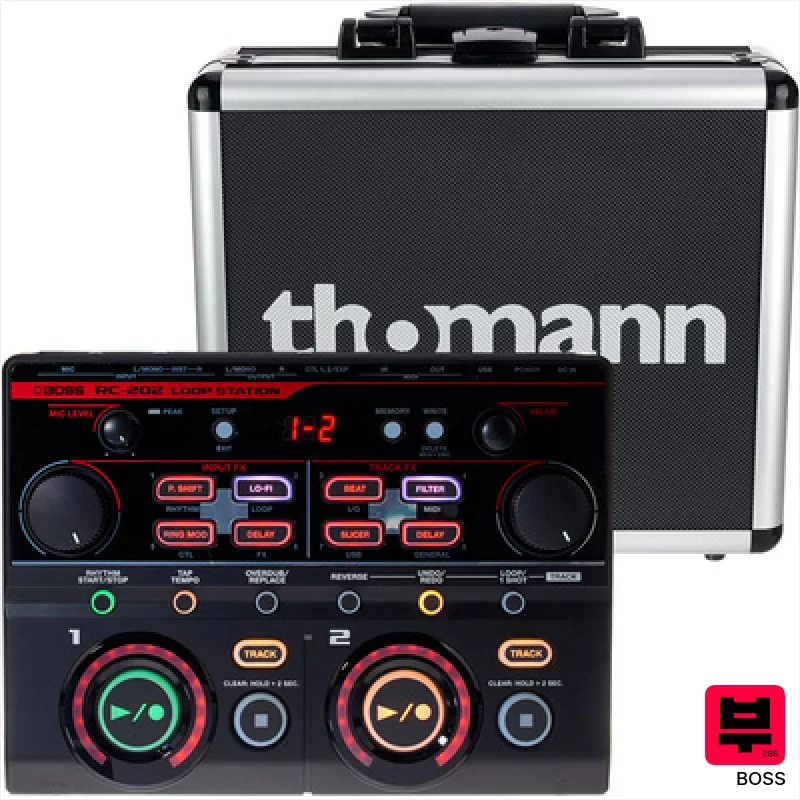
Boss RC-202 Case Set
- • Durable Thomann case offers excellent protection during transport.
- • Two stereo tracks provide significant layering and arrangement flexibility.
- • Built-in XLR mic input with phantom power simplifies vocal looping setups.
- • Compact desktop design optimizes studio and live performance space.
- • The included case, while sturdy, can be a bit bulky for frequent travel.
- • Limited track effects compared to more advanced loopers in the market.
- • Workflow can be initially complex, requiring a learning curve for advanced features.
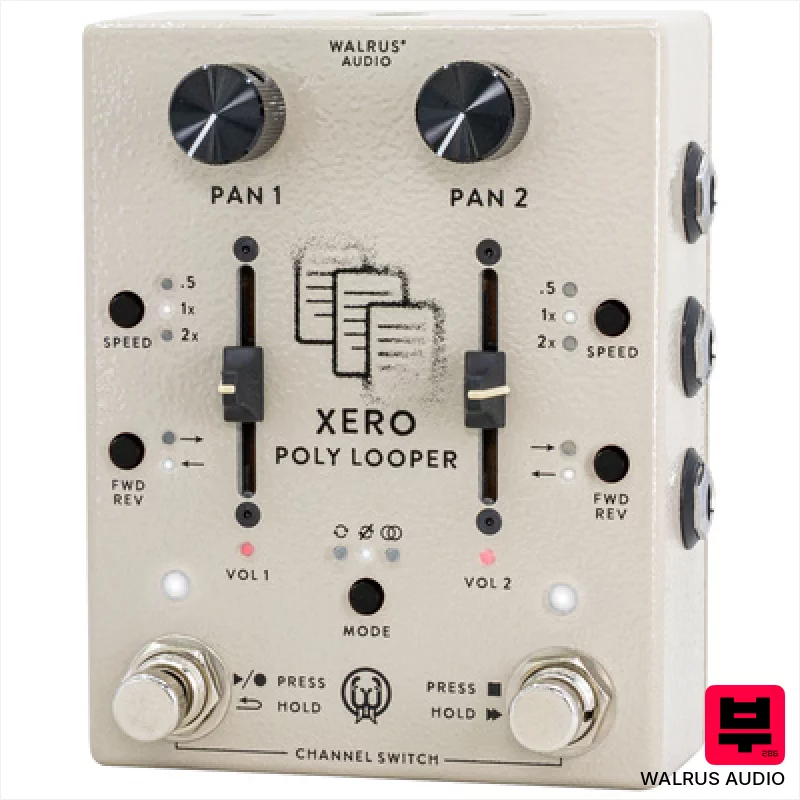
Walrus Audio Xero Polylooper Cream
- • Excellent stereo looping capabilities for nuanced soundscapes
- • Polyrhythmic mode unlocks genuinely creative, complex rhythmic textures
- • Intuitive interface avoids frustrating menu diving for quick performance use
- • Walrus Audio's build quality ensures long-term reliability and road-worthiness
- • Limited track count might frustrate users needing complex arrangements
- • Cream finish shows fingerprints easily, requiring frequent cleaning
- • Price point places it beyond budget-friendly options for beginners
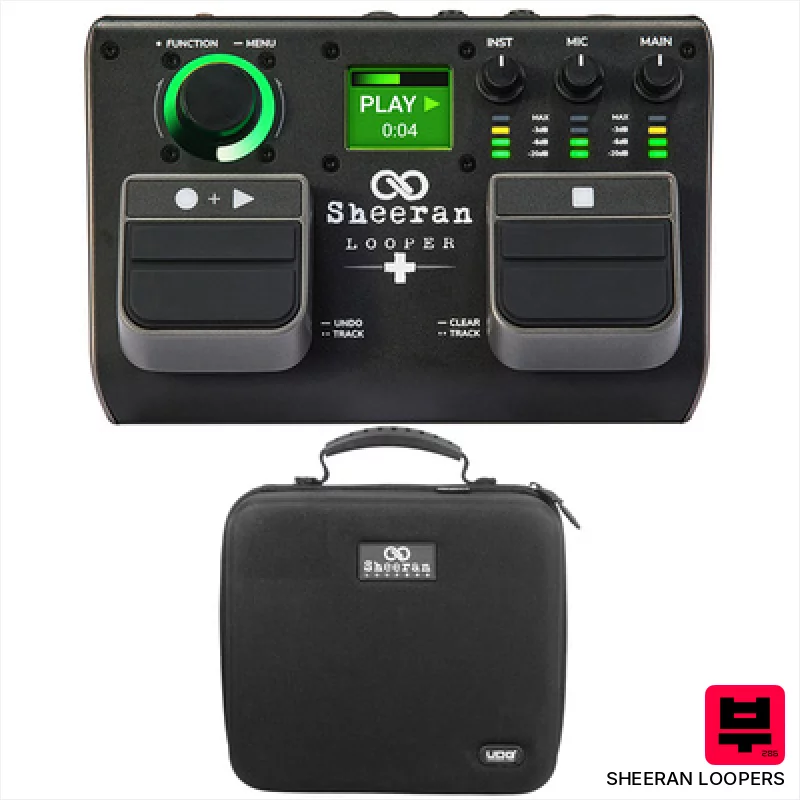
Sheeran Loopers Looper + EVA Case Bundle
- • Robust die-cast aluminum construction ensures gig-ready durability.
- • HeadRush DSP provides pristine, high-resolution audio quality.
- • EVA case offers excellent protection for transport and storage.
- • Integrated USB audio interface simplifies recording and loop sharing.
- • Limited track count compared to higher-end, multi-track loopers.
- • Single-track mode might feel restrictive for complex arrangements.
- • The color display, while functional, could be brighter in direct sunlight.
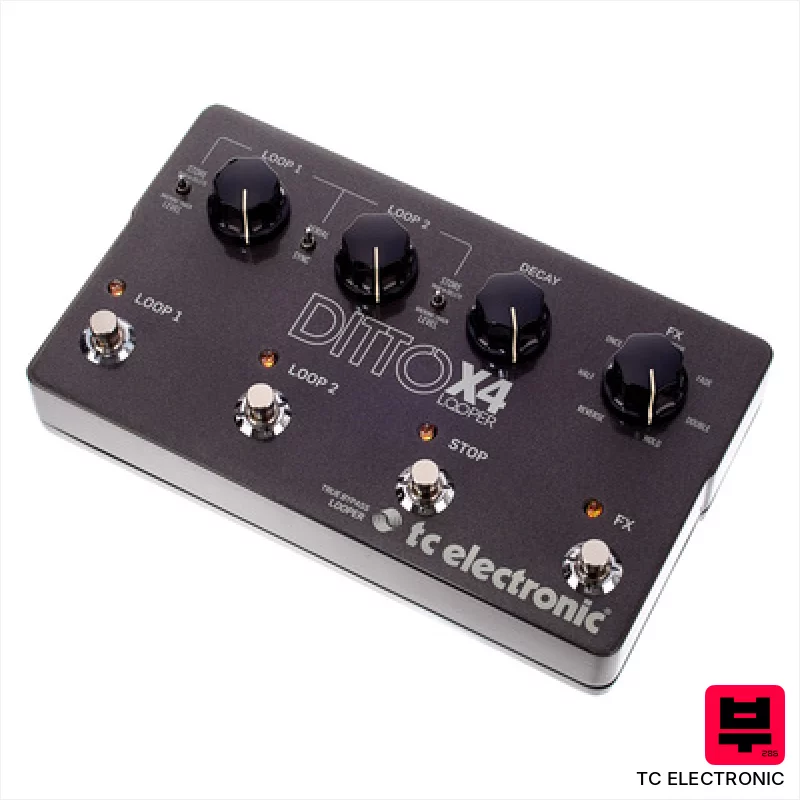
tc electronic Ditto X4 Looper
- • Intuitive interface streamlines complex looping tasks quickly.
- • Dual tracks offer significant creative flexibility for layering.
- • Excellent audio fidelity preserves nuances of your playing.
- • Compact footprint saves valuable pedalboard real estate.
- • Limited 5-minute recording time can be restrictive for longer compositions.
- • Starjam loops, while a bonus, can feel gimmicky and require registration.
- • Lack of expression pedal input limits dynamic control options.

MXR M303 Clone Looper
- • Robust metal housing provides excellent durability for gigging musicians
- • True/Buffered bypass switch offers flexibility in tone preservation
- • Intuitive tap tempo functionality simplifies loop timing adjustments
- • Speed manipulation (half, double, reverse) unlocks creative soundscapes
- • Limited track storage might frustrate loop-heavy performers
- • No USB connectivity hinders direct computer integration for editing
- • Footswitches feel a bit plasticky compared to MXR's higher-end pedals
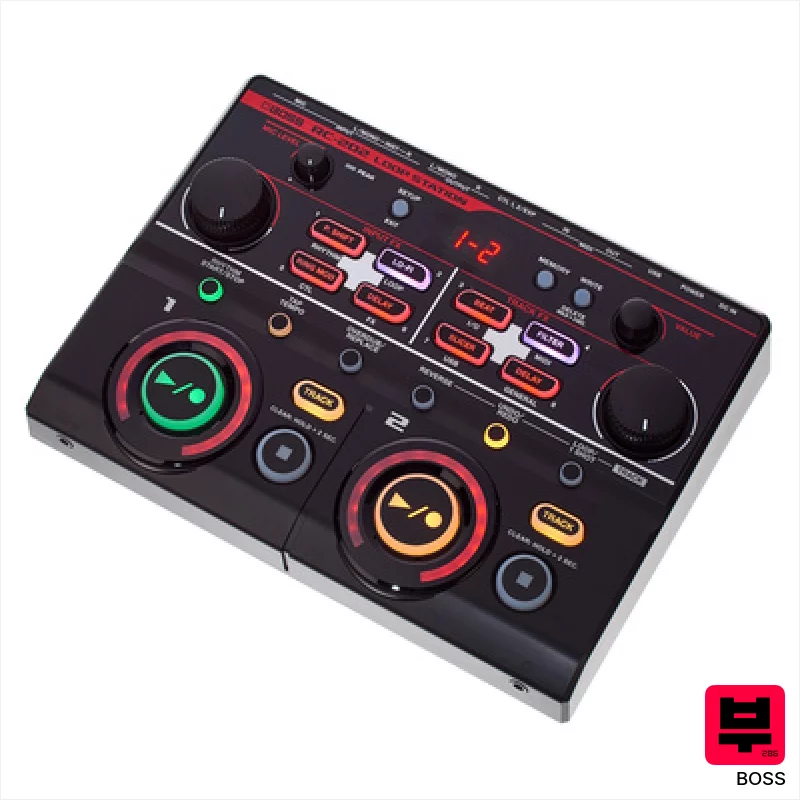
Boss RC-202
- • Intuitive layout simplifies complex looping for live performance.
- • Dedicated track controls offer precise, hands-on manipulation.
- • Built-in mic preamp with phantom power expands creative possibilities.
- • Compact desktop design saves valuable space in studio or on stage.
- • Limited track time compared to larger, rack-mounted loopers.
- • Microphone input lacks dedicated gain control beyond phantom power.
- • Phrase memory capacity, while decent, could be larger for extensive projects.
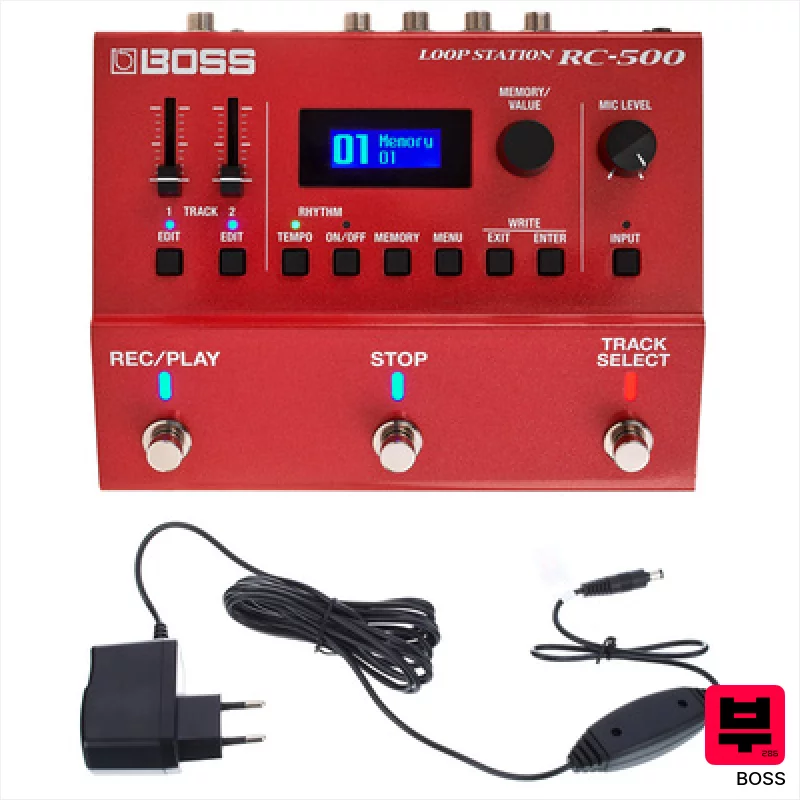
Boss RC-500 Loop Station Bundle
- • Exceptional 32-bit processing delivers pristine, noise-free loop quality.
- • Versatile XLR input with phantom power expands recording possibilities significantly.
- • Intuitive controls and backlit LCD simplify complex looping workflows quickly.
- • Robust Boss build quality ensures reliable performance for years of gigging.
- • Limited track count compared to higher-end, dedicated loop recorders.
- • Menu diving can be a bit cumbersome for quick parameter adjustments.
- • The bundled power supply is adequate but lacks premium features.
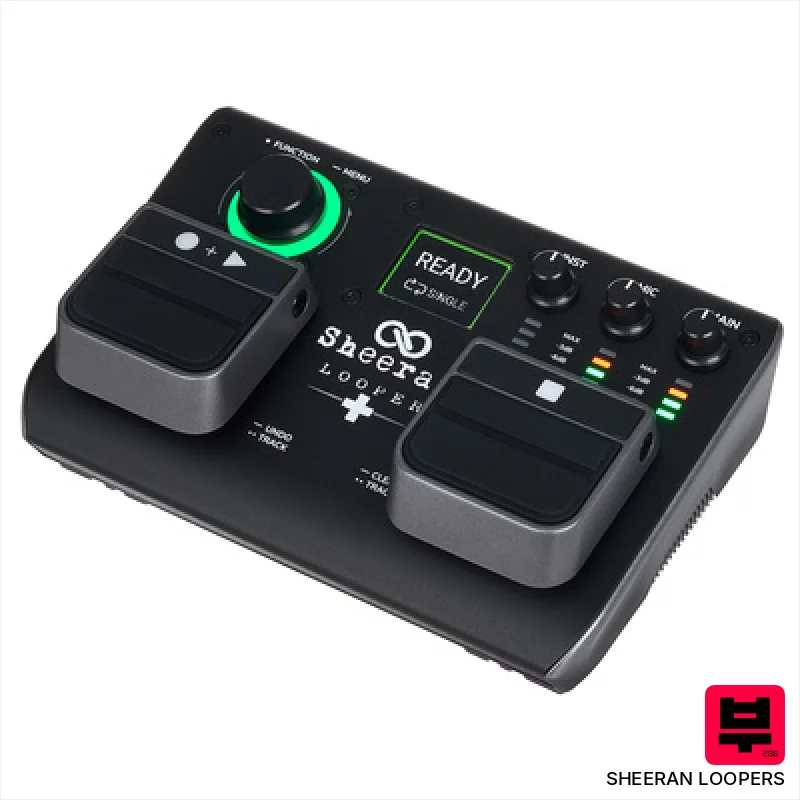
Sheeran Loopers Looper +
- • Robust die-cast aluminum construction ensures stage-ready durability.
- • HeadRush custom DSP delivers pristine, 32-bit audio quality and processing.
- • Flexible loop modes cater to both simple and complex performance needs.
- • Integrated USB audio interface simplifies recording and loop sharing.
- • The smaller form factor might feel cramped for players with larger feet.
- • Limited track count compared to higher-end looping workstations.
- • MIDI implementation lacks advanced parameter control.
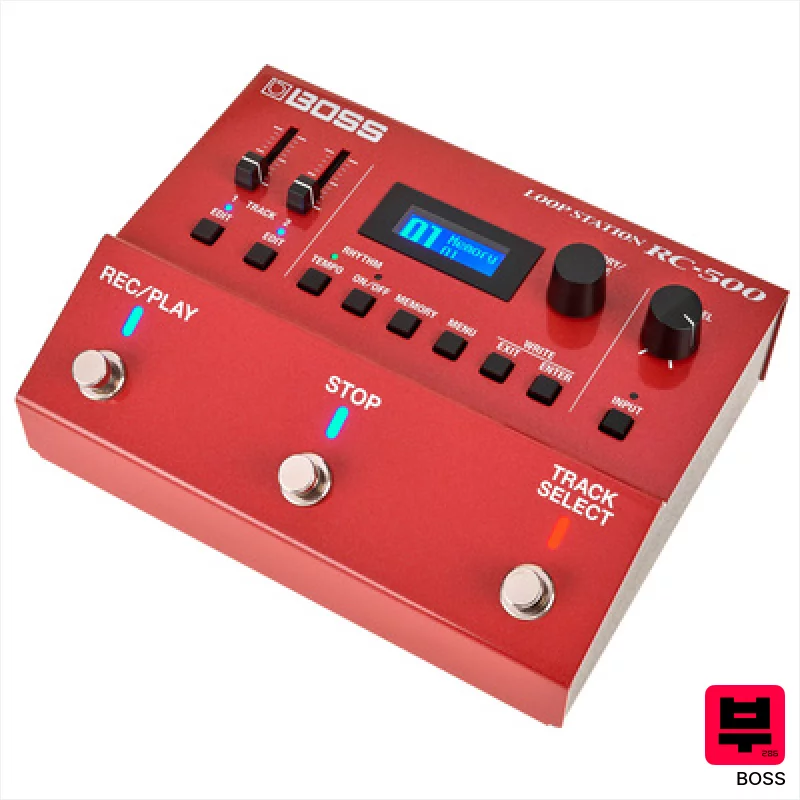
Boss RC-500 Loop Station
- • Exceptional 32-bit processing delivers pristine, noise-free loop quality.
- • Flexible XLR input with phantom power expands recording possibilities.
- • Intuitive controls and clear LCD simplify complex looping workflows.
- • Extensive rhythm options and drum kits inspire creative layering.
- • Menu diving can be a bit cumbersome for quick parameter adjustments.
- • Limited track count might restrict advanced, complex arrangement ideas.
- • Power supply is external, adding another item to pedalboard clutter.

Boss RC-10R Rhythm Loop Station
- • Boss’s renowned build quality ensures road-worthy durability.
- • Integrated rhythms offer a surprisingly organic and inspiring backing.
- • Independent loop and rhythm engines provide flexible performance options.
- • MIDI connectivity unlocks deep customization and integration with other gear.
- • The LCD screen can be a little cramped for complex editing on the fly.
- • 250mA current draw might be a consideration for battery-powered setups.
- • Limited track count restricts complex, layered compositions.
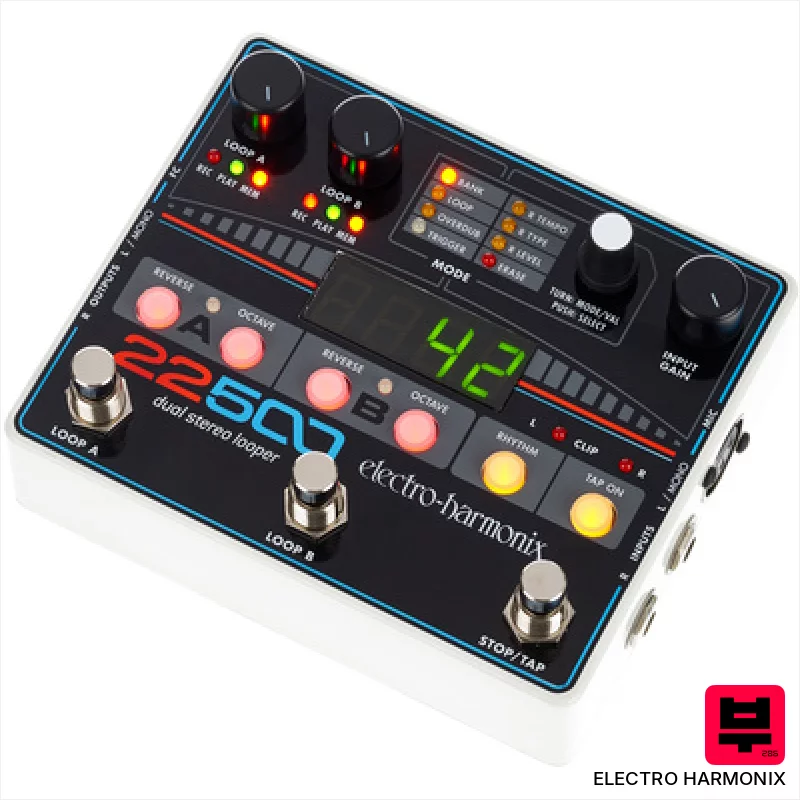
Electro Harmonix 22500 Dual Stereo Looper
- • Stereo looping expands creative possibilities significantly.
- • SD card storage provides ample space for extensive loop libraries.
- • Microphone input with phantom power unlocks vocal loop experimentation.
- • Intuitive interface simplifies complex looping functions for quick workflow.
- • Compact size can feel cramped for users with larger hands.
- • Limited onboard effects beyond reverse and octave may frustrate some.
- • Reliance on SD card introduces a potential point of failure.
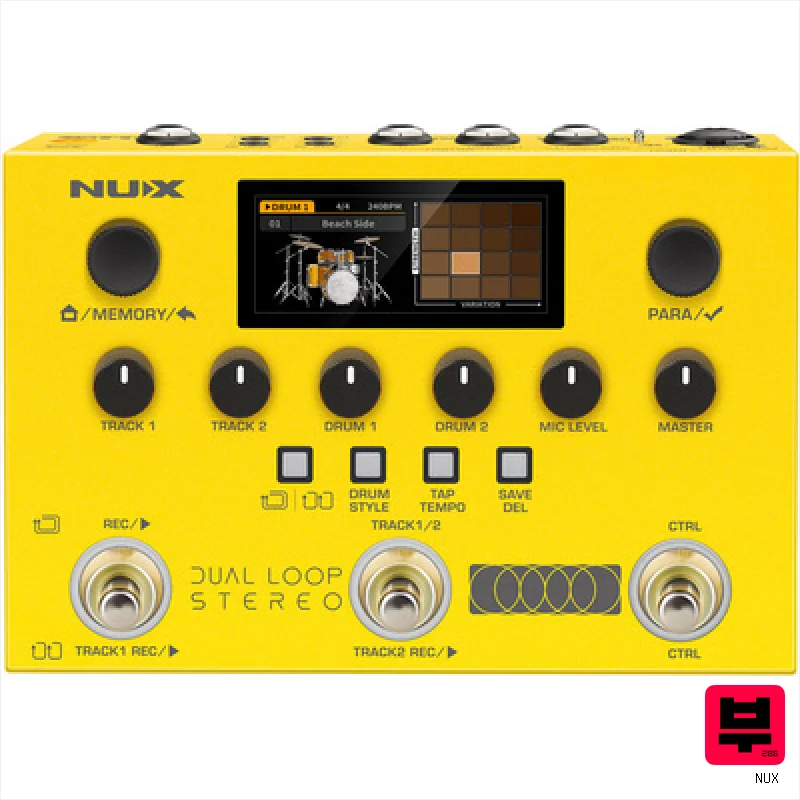
Nux Dual Loop Stereo
- • Two independent stereo loops let you build complex structures live.
- • 32-bit floating-point processing keeps loops clear after many overdubs.
- • 90 minutes of recording time per track equals 26 hours total.
- • MIDI and USB connections enable direct recording and file import.
- • No mention of built-in amp models or specific drum sounds.
- • Description lacks details on power supply type or battery life.
- • Personalization features are cut off and unverified in text.

Boss RC-5 Loop Station
- • Solid Boss build quality; feels robust and reliable for gigging.
- • 32-bit processing delivers clean, noise-free looping even at high overdub counts.
- • Versatile rhythm section with diverse drum kits and patterns for backing.
- • USB WAV import/export simplifies loop management and collaboration.
- • Limited track count restricts complex layering and arrangement possibilities.
- • Menu navigation can be a bit clunky, especially for real-time adjustments.
- • No dedicated expression pedal input; requires MIDI for nuanced control.
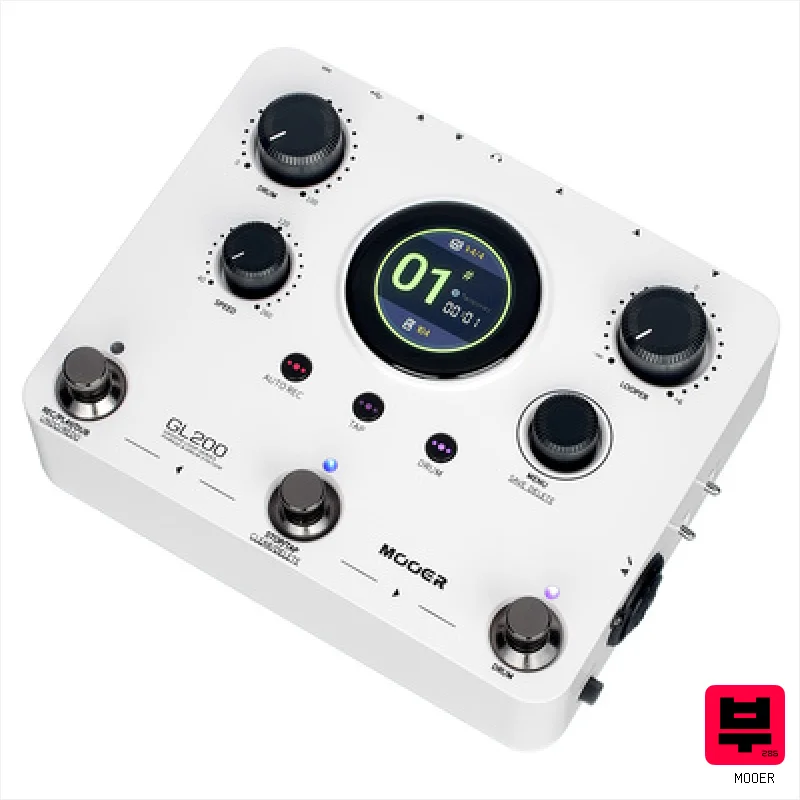
Mooer GL200 Groove Loop
- • Stereo looper and drum computer work together or separately.
- • Huge 800 minutes of total recording time in 100 slots.
- • Easy tap tempo input for quick BPM adjustments.
- • Automatic recording start prevents sync issues instantly.
- • No mention of actual track count or layers per loop.
- • Missing specific details on built-in effects or EQ.
- • Input and output types are vague in the text.
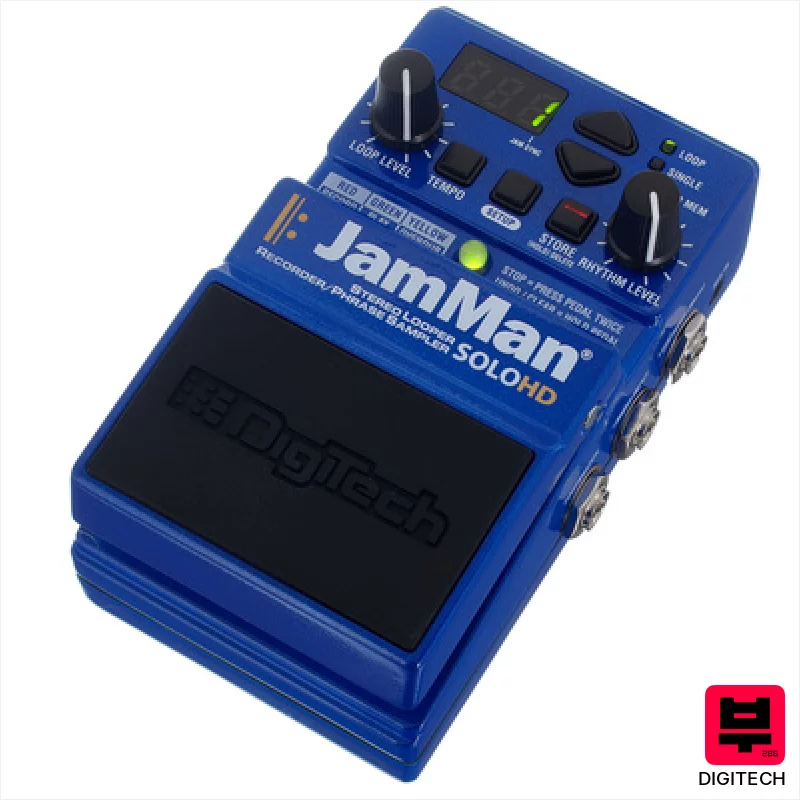
Digitech Jam Man Solo HD
- • JamSync functionality is genuinely useful for collaborative looping setups.
- • The automatic quantisation is surprisingly effective for tightening up live performances.
- • Built-in rhythm patterns offer a decent foundation for backing tracks.
- • Compact footprint makes it stage-friendly without sacrificing features.
- • Menu navigation can feel a bit clunky and unintuitive compared to newer models.
- • The included memory isn’t vast; SD card is almost essential for serious users.
- • The rhythm patterns, while present, are somewhat basic and limited in style.
Every looper pedals that matches
49 models match this page. The 15 above are covered in detail; the rest are listed here with their published specifications.
Looper Pedals by the numbers
Measured across all 49 models in this category, so «wide», «short» or «expensive» mean something you can check.
How to Choose the Best Looper Pedals
Loop Time
Longer loop times (at least 10 minutes) are crucial for building complex arrangements and avoiding the constant need to re-record. Shorter times feel restrictive, especially when you're experimenting.
Overdubbing Capabilities
How many overdubs can you stack? More overdubs mean more sonic possibilities, but also more potential for muddiness if your layering isn't clean. 99 overdubs is a marketing number - listen for how the layers stack dynamically.
Ease of Use
A confusing interface is a creativity killer. Look for pedals with clear layout, intuitive buttons, and a logical workflow. Gigging with a looper is stressful enough without fighting the controls.
Audio Quality
This isn't just about 'clean' - it's about how the looper handles your signal. Does it add unwanted noise? Does it subtly color the tone? Does it maintain the dynamic range of your instrument? Cheap converters can really thin out your low-end thump.
Footswitch Reliability
Let's be honest, footswitches are the first thing to fail on gigging pedals. Solid construction and responsive action are vital. Mushy or unreliable footswitches will make your loops a disaster.
Buying Guide
At this price point, you'll often find trade-offs. Some loopers might have shorter loop times, while others might have slightly noisier converters. Don't get hung up on features you won't use - a simple, reliable looper that records cleanly is better than a feature-packed brick. Pay attention to the overall build quality - a flimsy plastic enclosure screams 'cheap' and likely won't survive a gigging environment.
How This List Is Built
We don't play these instruments — we're a catalog, not a review desk, and we'd rather say so than pretend otherwise. This page covers 49 looper pedals from the Thomann catalogue, which is the largest single source of specification data in this category: 15 in detail, the rest listed with their specifications.
Position is computed, not curated. We parse the manufacturer's own description into actual values — nut width, scale, fret count, fingerboard radius, size, alloy — and rank on them: how many specifications a model has published, how many of them are measurable numbers, and how precisely it meets this page's criterion. A product image adds a little. Price is not a ranking signal: it tells you nothing about whether a neck fits your hand. The same inputs always produce the same order, so nothing here is shuffled to look fresh.
What this list is good for: narrowing a category down to a shortlist by spec and budget. What it isn't: a substitute for hearing an instrument. Before you buy, read hands-on reviews and, where you can, play it. Full methodology.

