
Best Looper Pedals Under $100 2026
So, you want to loop. Awesome. It's a total game-changer for practice, songwriting, even live gigs. But you're on a budget - totally get it. We've hunted down the best looper pedals you can snag for under $100, focusing on those that actually deliver usable performance and don't just sound like digital garbage.
Last updated: October 8, 2026
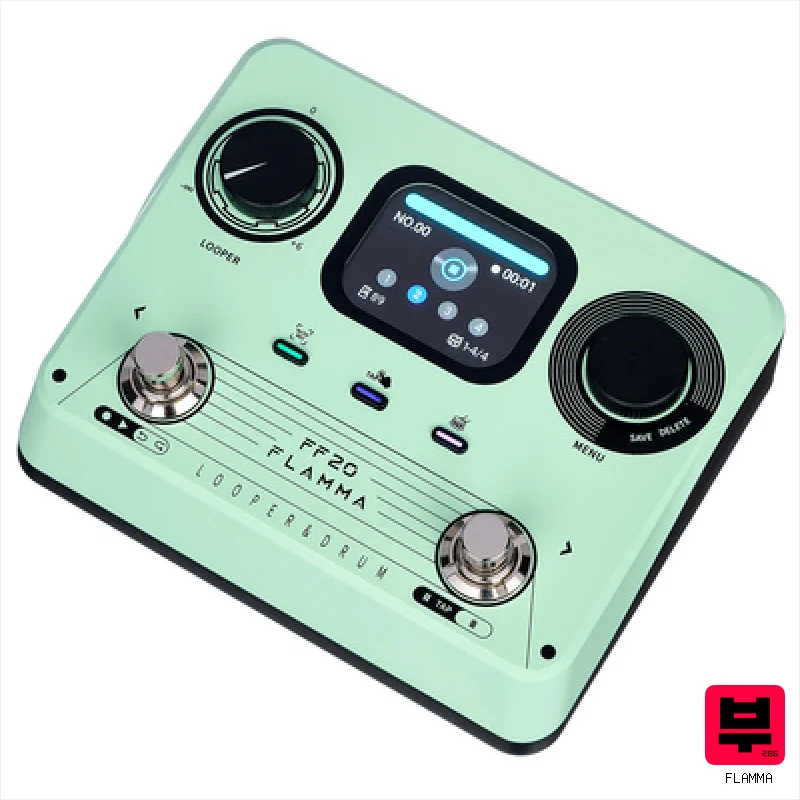
Flamma FF20 Looper & Drum Machine
- • Records up to 300 minutes of stereo audio
- • Includes 11 drum groove patterns for variety
- • Offers time stretch and speed adjustment
- • Has separate footswitches for looper and drums
- • No specific loop time duration is listed
- • Does not state maximum number of tracks
- • Lacks details on audio file format support
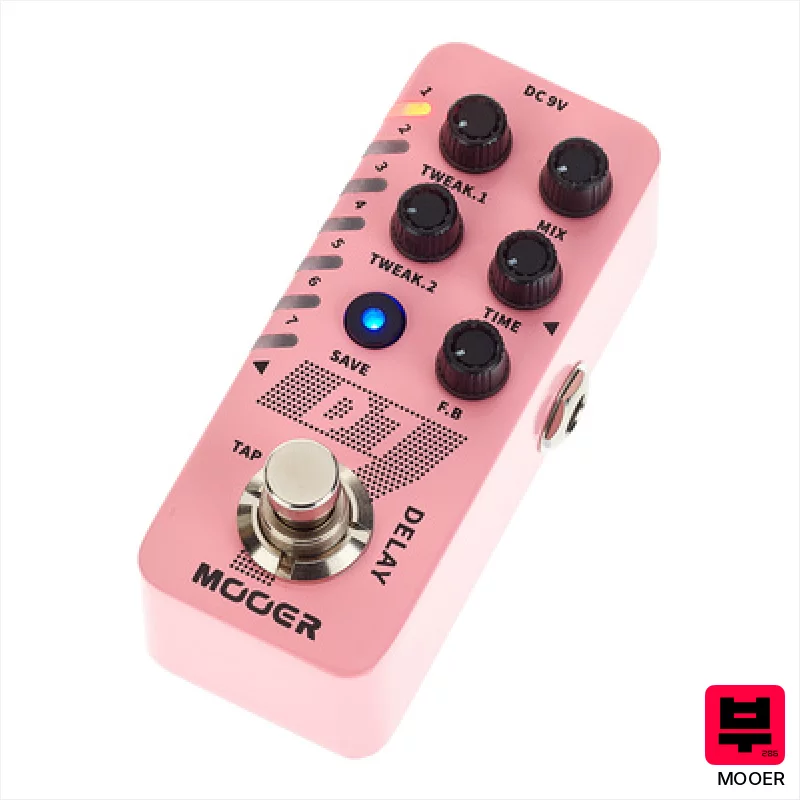
Mooer D7 Delay / Looper
- • Six distinct delay modes offer surprising tonal versatility beyond typical digital delays.
- • Metal enclosure feels robust and provides a reassuringly solid build quality for its size.
- • Integrated looper provides a convenient practice and performance tool with decent recording time.
- • Buffered bypass preserves signal strength, avoiding tone suck when the effect is off.
- • Limited track count restricts complex looper arrangements; best for simple phrases.
- • Power supply not included; a common omission, but still an added expense.
- • The small footprint can make knob adjustments a bit fiddly, especially live.
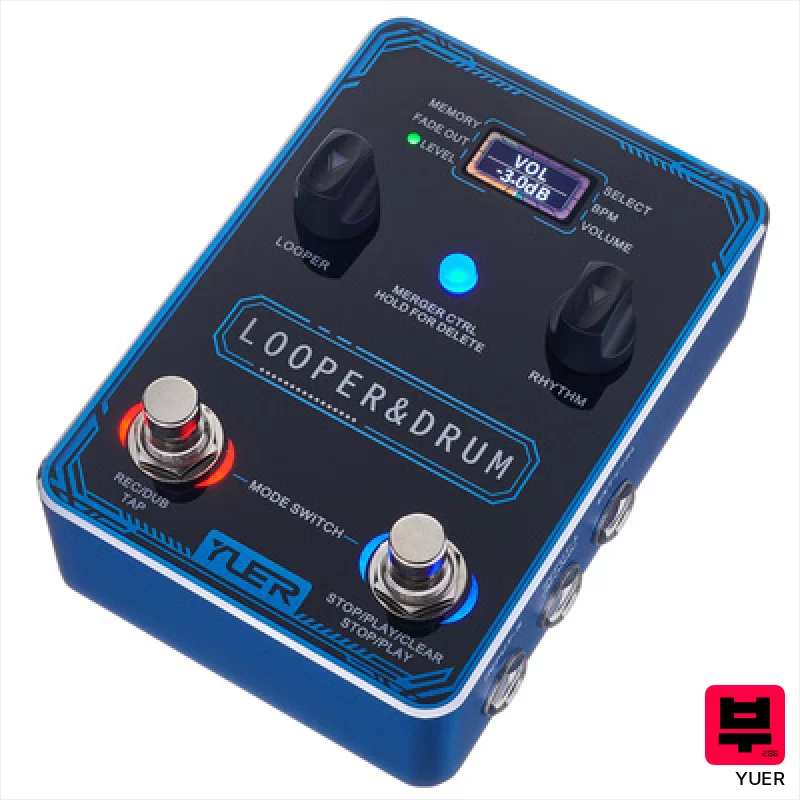
Yuer XS-04 Looper & Drum
- • Aluminum housing feels surprisingly robust for the price point.
- • LCD display is clear and functional, even in low light.
- • Drum grooves offer a decent range of styles for backing tracks.
- • Independent looper and drum functions provide flexible practice options.
- • Build quality, while decent, lacks the premium feel of more established brands.
- • The merger control button’s function isn’t intuitive; requires some learning.
- • Limited USB functionality likely restricts advanced editing or sample import.
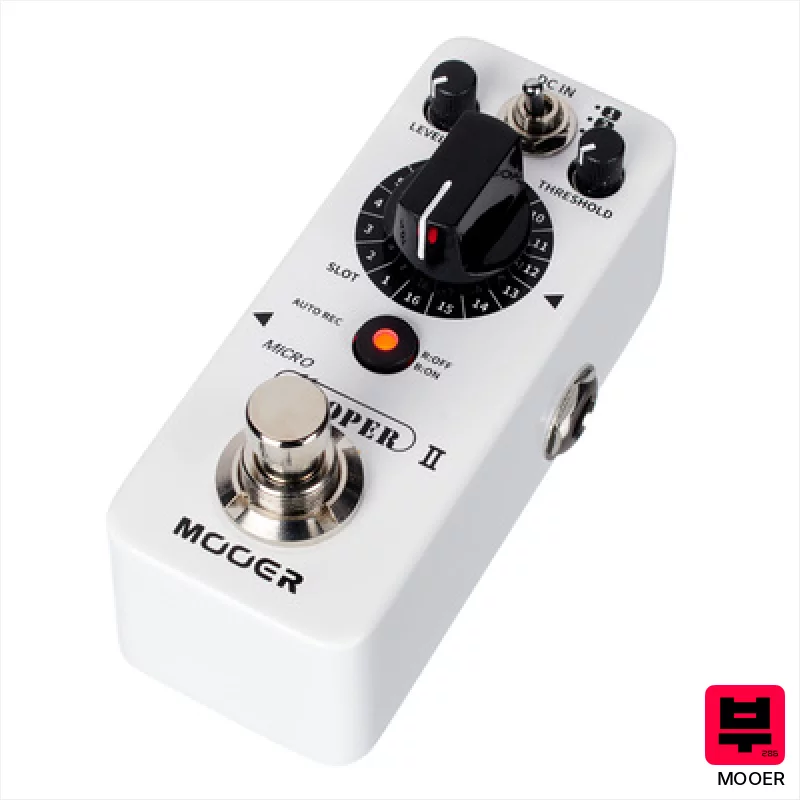
Mooer Micro Looper II
- • Compact size makes it incredibly pedalboard-friendly.
- • Excellent value; feature set punches well above its price.
- • Intuitive controls allow for quick looping and layering.
- • Solid metal enclosure provides surprising durability for its size.
- • No battery power makes it reliant on an external power supply.
- • Limited track layering compared to higher-end loopers.
- • Digital bypass can be slightly audible in silent passages.
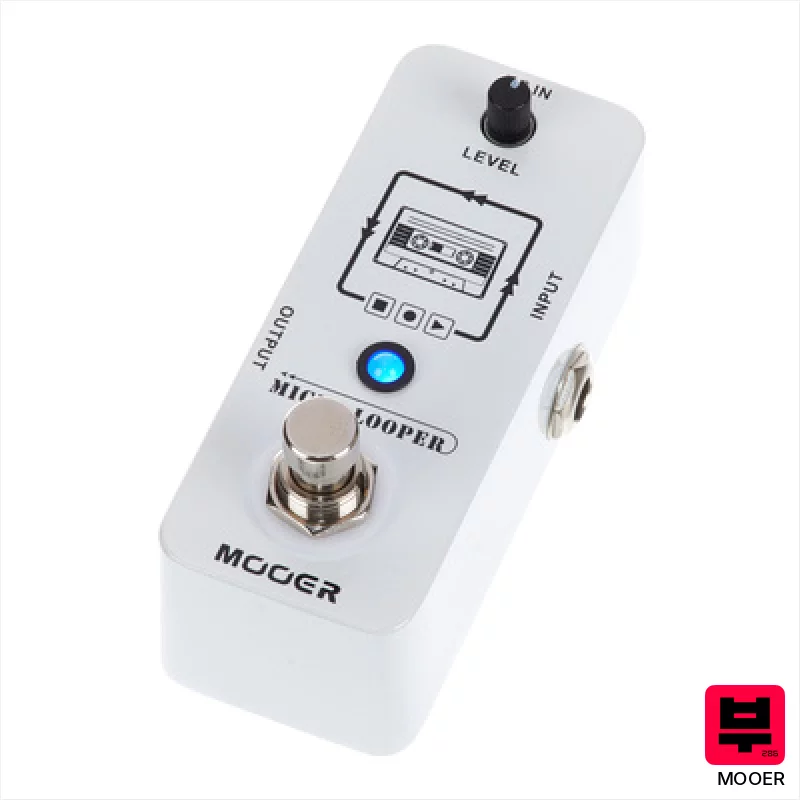
Mooer Micro Looper
- • Compact metal housing provides surprising durability for the size
- • Intuitive footswitch control simplifies real-time looping adjustments
- • 30 minutes of recording time offers ample space for complex loops
- • True bypass ensures signal integrity when the looper is disengaged
- • Limited track count restricts layering possibilities for intricate arrangements
- • Sampling rate of 32 kHz might be noticeable to critical audio professionals
- • Lack of USB connectivity hinders direct computer integration and file transfer
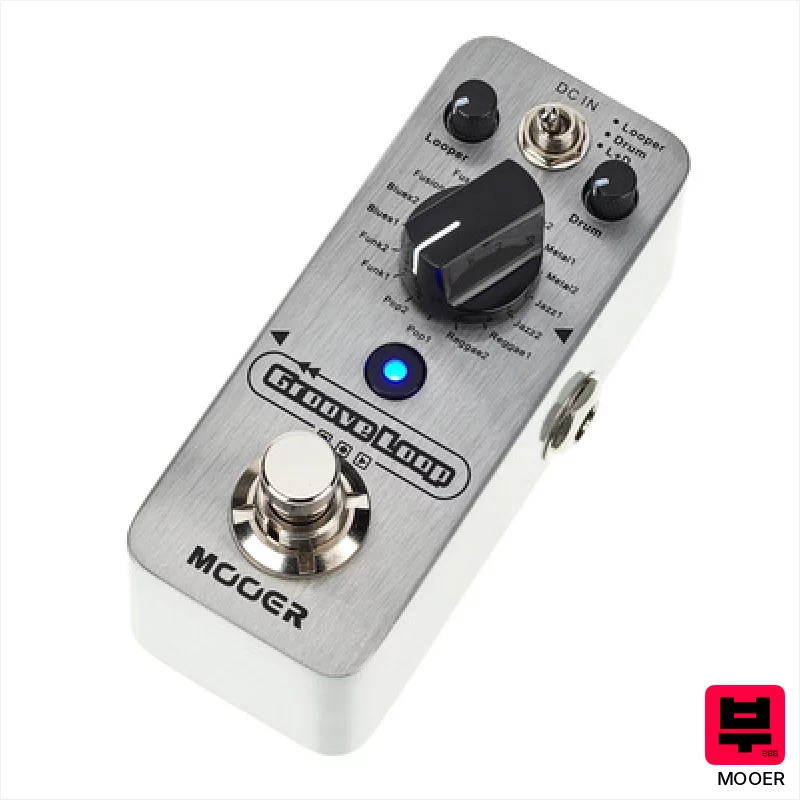
Mooer Groove Loop
- • Metal housing provides surprising durability for its size and price point.
- • Compact footprint makes it ideal for pedalboards with limited space.
- • The 16-way rotary knob offers intuitive genre and variation selection.
- • Tap tempo function is responsive and useful for live performance.
- • Lacks USB connectivity for direct computer recording or firmware updates.
- • Power supply not included; a common omission, but still an added expense.
- • Limited drum sounds compared to dedicated drum machines or software.

tc electronic Ditto + Looper
- • Intuitive interface dramatically shortens the learning curve for looping.
- • Compact footprint saves valuable pedalboard real estate.
- • Uncompressed 24-bit audio preserves loop clarity and detail.
- • True bypass ensures pristine signal when the looper is inactive.
- • Limited track count restricts complex arrangement possibilities.
- • Lack of battery power makes it reliant on an external power supply.
- • Basic display lacks detailed information or visual feedback.
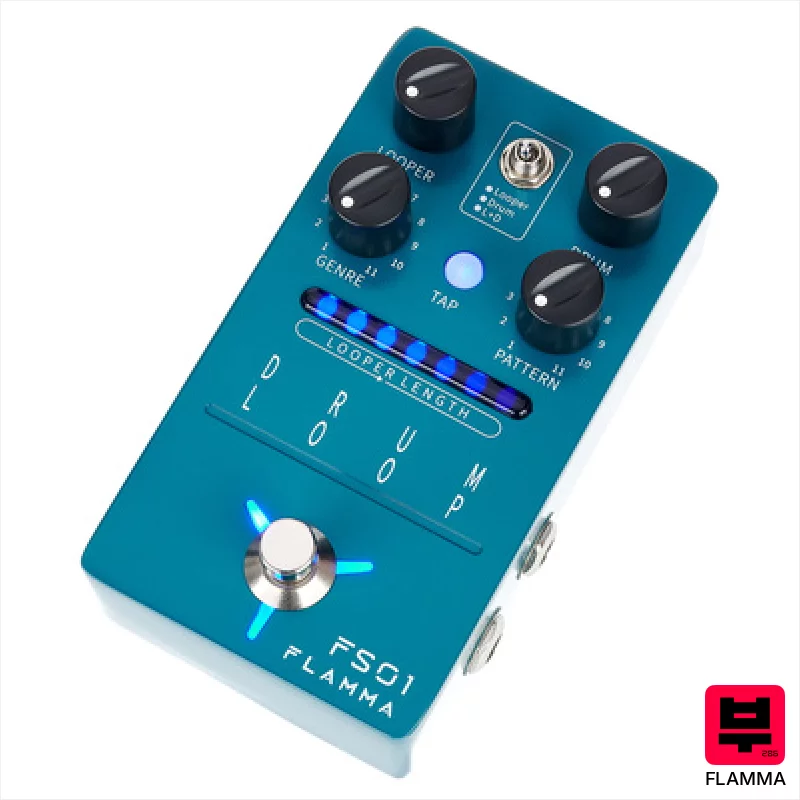
Flamma FS01 Looper/Drum Machine
- • Surprisingly robust enclosure for the price point, feels stable on pedalboard.
- • Drum machine grooves are genuinely usable, not just cheesy samples.
- • Individual volume controls offer nice mixing flexibility for layering.
- • Loop recording bar provides visual feedback, easing loop creation.
- • Plastic knobs feel cheap and will likely wear quickly with frequent use.
- • 20 minutes of loop time is limiting for complex arrangements.
- • Drum machine's sound quality is basic, lacks nuance and detail.
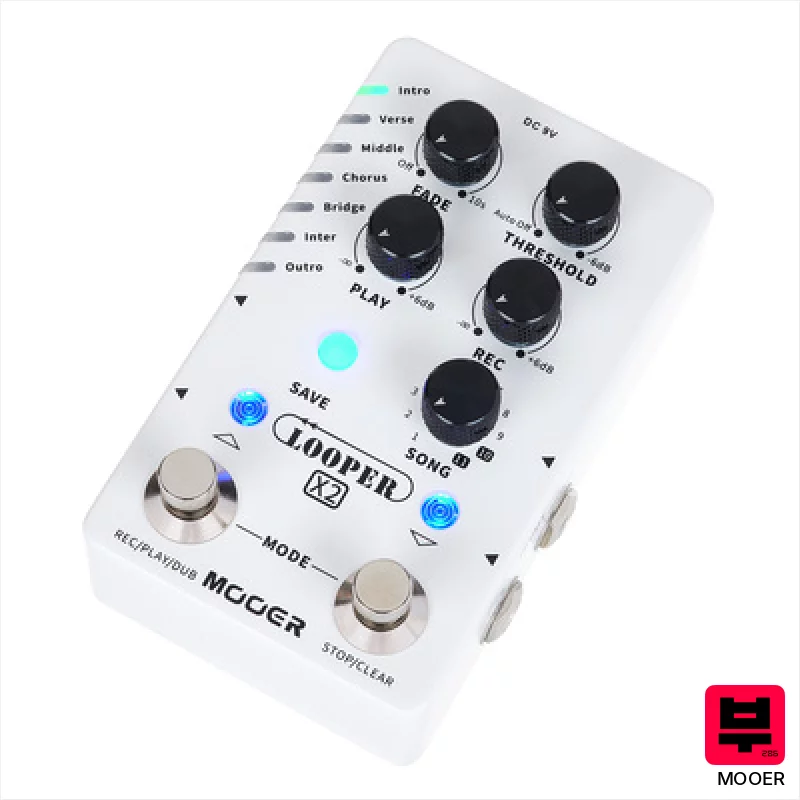
Mooer Stereo Looper X2
- • Solid metal housing feels robust for gigging; excellent value for stereo looping.
- • 11 song banks offer substantial organization for complex arrangements.
- • Intuitive footswitch modes streamline track switching during live performance.
- • Adjustable auto-record simplifies capturing spontaneous musical ideas.
- • Menu navigation can feel a little clunky compared to higher-end loopers.
- • Mono input only; limits versatility for certain recording scenarios.
- • Limited physical controls; relies heavily on menu adjustments.
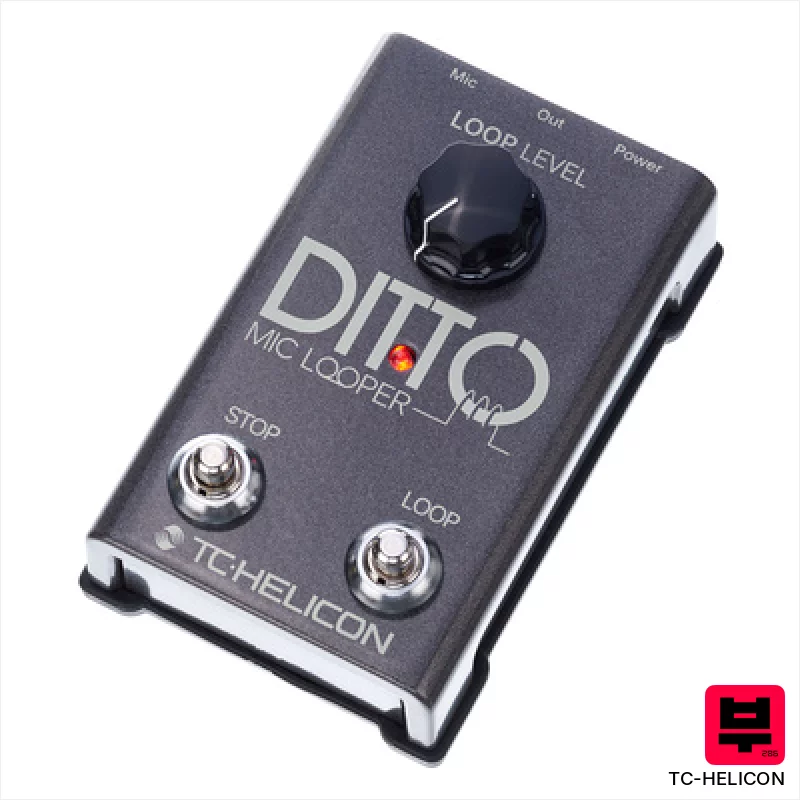
TC-Helicon Ditto Mic Looper
- • Excellent audio resolution for pristine loop clarity
- • Compact, rugged build perfect for gigging musicians
- • Phantom power simplifies condenser mic use on the fly
- • Saved loop functionality prevents frustrating data loss
- • Limited effects beyond basic looping functionality
- • Small footprint can make footswitching feel cramped
- • No MIDI control for advanced parameter adjustments
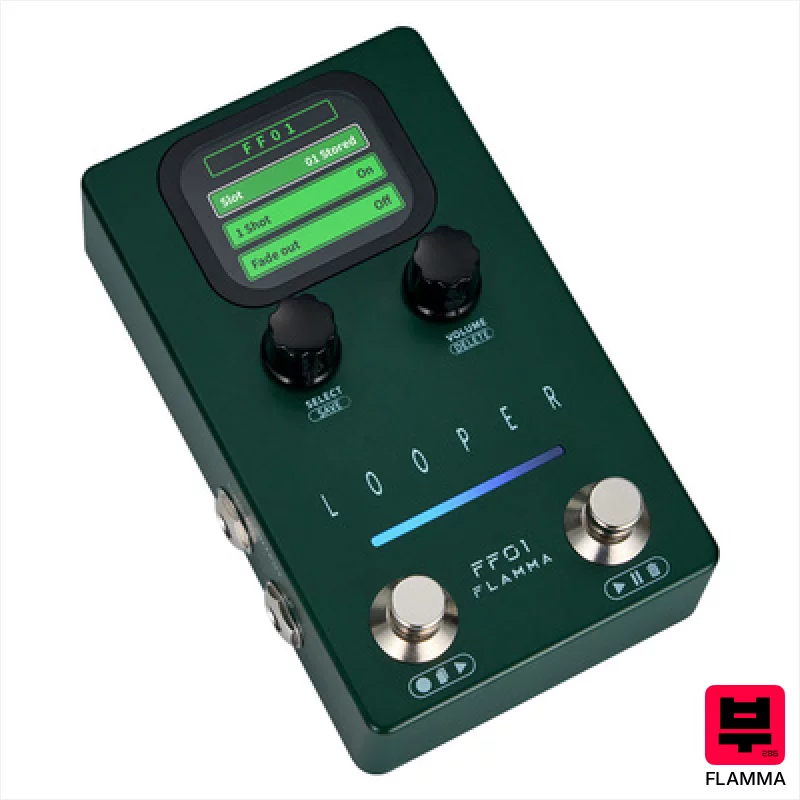
Flamma FF01 Looper
- • Impressive storage capacity for a looper in this price range.
- • USB-C connectivity simplifies loop management and software access.
- • Intuitive footswitch layout allows for seamless looping operation.
- • Stereo recording expands creative possibilities for layered sounds.
- • Plastic enclosure feels somewhat flimsy compared to metal alternatives.
- • Mini-jack headphone output limits high-end headphone options.
- • Limited track count restricts complex, multi-layered looping arrangements.
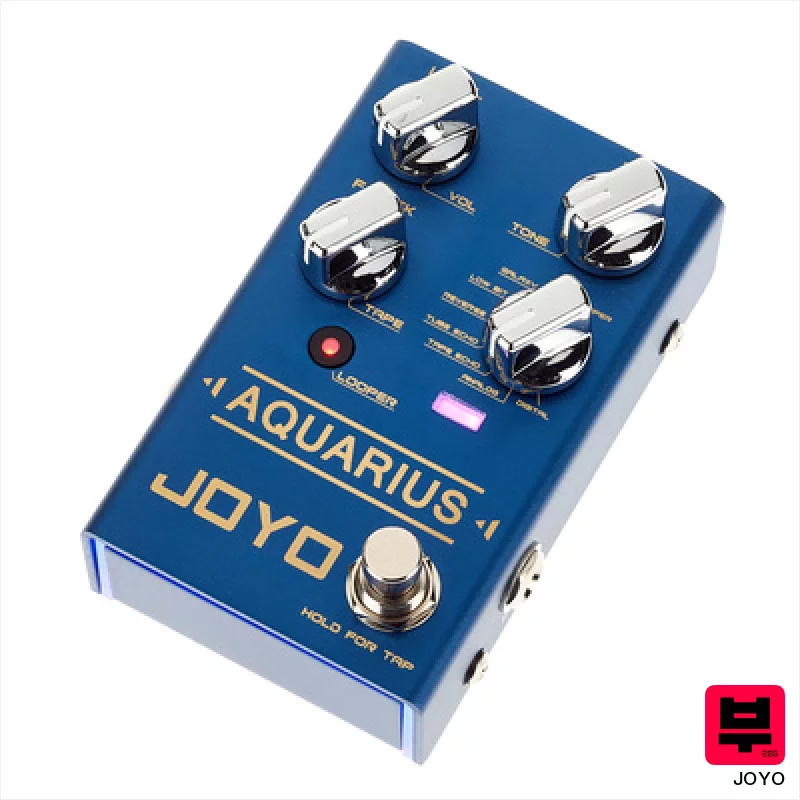
Joyo R-07 Aquarius Delay+Looper
- • Simultaneous delay and looper offers creative flexibility.
- • LED lighting adds a cool visual element on stage.
- • Compact size makes it pedalboard-friendly for smaller setups.
- • Surprisingly decent delay tones for the budget price point.
- • Plastic enclosure feels a bit flimsy, lacks durability for heavy gigging.
- • Limited delay modes lack the nuance of higher-end units.
- • Looper's 5-minute limit can feel restrictive for longer compositions.
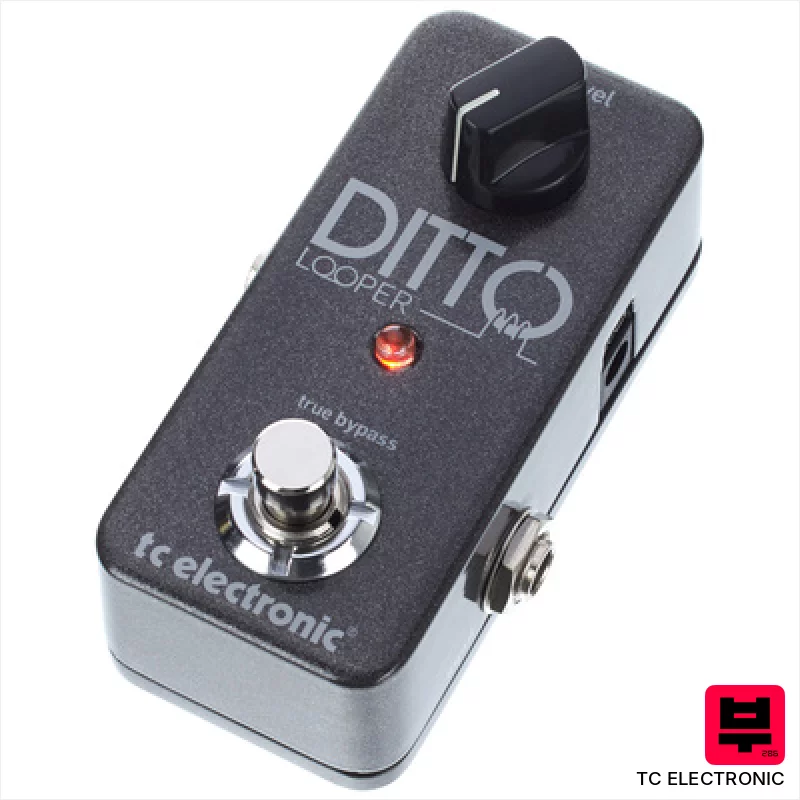
tc electronic Ditto Looper
- • Robust metal enclosure provides excellent protection during gigging.
- • Intuitive single-knob interface is remarkably easy to learn quickly.
- • True bypass preserves your signal when the looper is inactive.
- • 24-bit uncompressed audio delivers clear, pristine loop recordings.
- • No battery operation limits its portability significantly.
- • Limited track memory restricts complex, layered loop arrangements.
- • Lack of USB connectivity hinders direct computer integration.
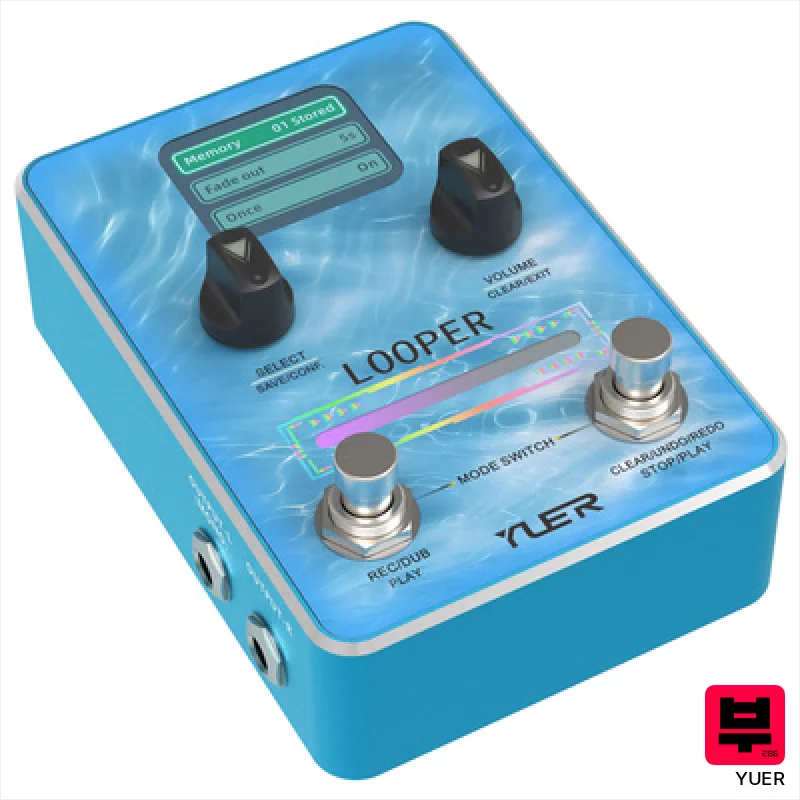
Yuer XS-02 Looper
- • Stereo looping offers wider creative possibilities for layering sounds
- • Aluminum housing suggests a degree of durability beyond typical plastic pedals
- • LCD display provides clear visual feedback on loop status and parameters
- • USB-C connectivity allows for easy file transfer and project backup
- • Yuer is a less established brand, raising concerns about long-term support
- • The 3.5mm headphone jack feels like a cost-saving compromise
- • The power supply isn't included, adding to the initial investment
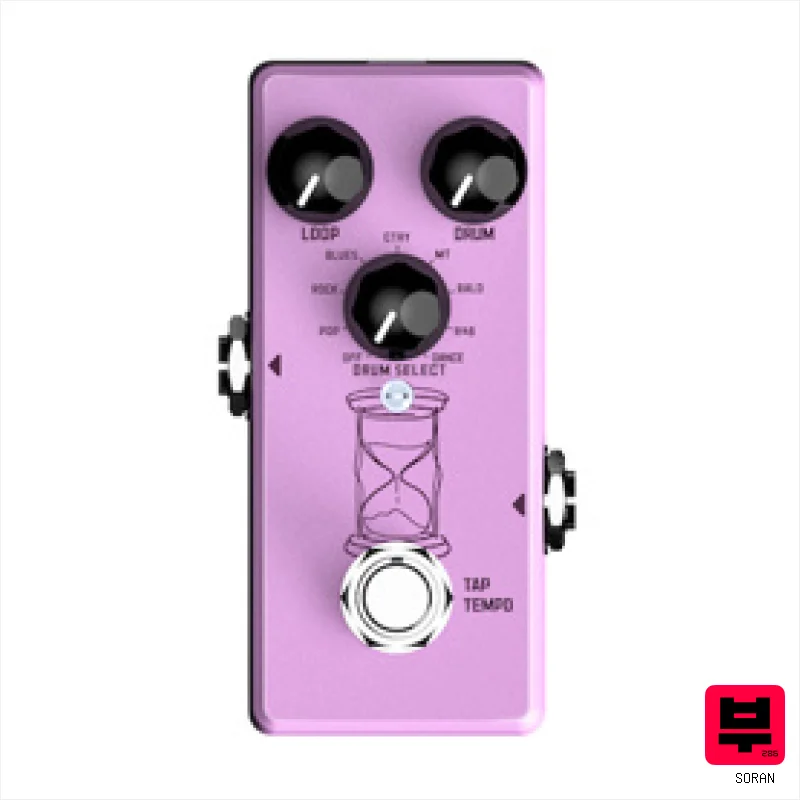
Soran Mini Drum & Looper
- • 300 seconds of recording time for long loops
- • Eight distinct drum patterns to mix in
- • Automatic tempo syncs with your music
- • USB-C port lets you save tracks easily
- • Power adapter sold separately from the unit
- • Compact size limits knob size and reach
- • No listed track count or memory details
Every looper pedals that matches
18 models match this page. The 15 above are covered in detail; the rest are listed here with their published specifications.
| # | Model | Specifications | Price |
|---|---|---|---|
| 16 | Harley Benton MiniStomp Copy Paste | not published | $55 |
| 17 | Joyo JF-329 Iron Loop | not published | $55 |
| 18 | Harley Benton Mini Looper | not published | $44 |
Looper Pedals by the numbers
Measured across all 18 models in this category, so «wide», «short» or «expensive» mean something you can check.
How to Choose the Best Looper Pedals
Loop Time
Most sub-$100 loopers will have limited loop time - typically around 10-20 seconds. Enough for simple phrases, but not epic jam stacks. Longer loop time is a premium feature.
Sound Quality
Digital artifacts are the enemy. We're listening for clean recording and playback - no unwanted hiss, muddiness, or that harsh, brittle digital edge that makes everything sound cheap.
Ease of Use
A complicated interface is a frustration. We're looking for intuitive controls, clear footswitch functionality, and a workflow that doesn't require a PhD in signal processing.
Overdub Capabilities
The ability to layer multiple takes is key. We're checking for how many overdubs a looper can handle before it starts to get glitchy or lose fidelity.
Durability
Gigging means abuse. We're assessing build quality - are the footswitches solid? Can it take a beating in a cramped van? Cheap plastic often means short lifespan.
Buying Guide
At this price point, you're making trade-offs. Don't expect studio-grade fidelity or endless loop time. The biggest corner that gets cut is often in the A/D and D/A converters - it's where you'll hear the compromises in clarity. Focus on a pedal with a clean recording, a simple layout, and a build that'll survive a few gigs - those are the things that matter most.
How This List Is Built
We don't play these instruments — we're a catalog, not a review desk, and we'd rather say so than pretend otherwise. This page covers 18 looper pedals from the Thomann catalogue, which is the largest single source of specification data in this category: 15 in detail, the rest listed with their specifications.
Position is computed, not curated. We parse the manufacturer's own description into actual values — nut width, scale, fret count, fingerboard radius, size, alloy — and rank on them: how many specifications a model has published, how many of them are measurable numbers, and how precisely it meets this page's criterion. A product image adds a little. Price is not a ranking signal: it tells you nothing about whether a neck fits your hand. The same inputs always produce the same order, so nothing here is shuffled to look fresh.
What this list is good for: narrowing a category down to a shortlist by spec and budget. What it isn't: a substitute for hearing an instrument. Before you buy, read hands-on reviews and, where you can, play it. Full methodology.

