
Best Looper Pedals for Intermediate 2026
Alright, so you're past the basic one-button looper, but the full-blown, multi-track studio rigs feel overwhelming? That's the intermediate zone, and it's a sweet spot for looping creativity. We're not looking for beginner simplicity, but we also don't need to break the bank on features you'll probably never touch. This guide breaks down the best loopers for players who want to actually use their looping, not just have it as a gimmick.
Last updated: October 8, 2026
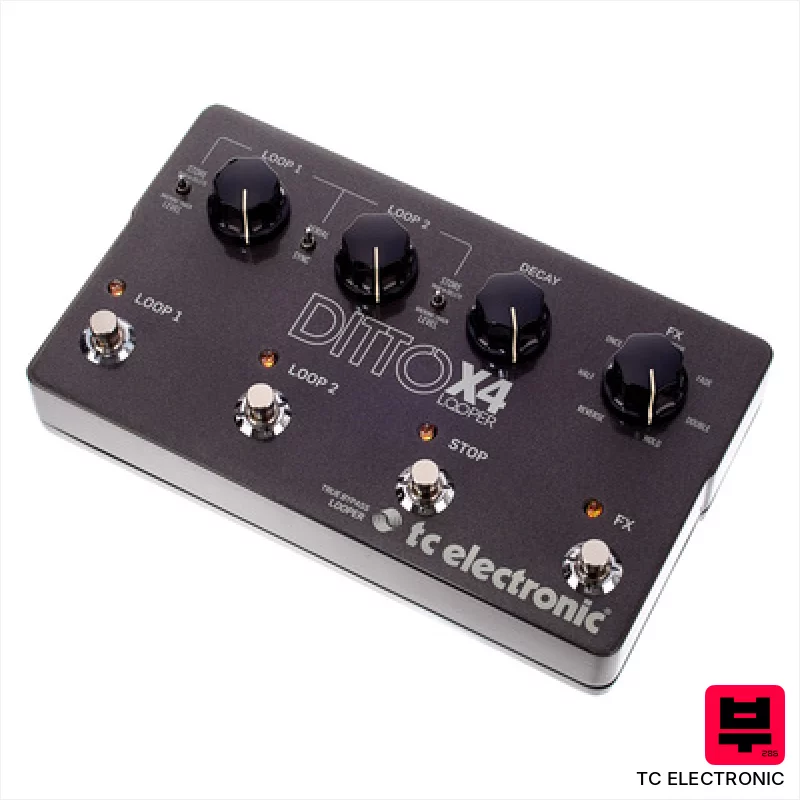
tc electronic Ditto X4 Looper
- • Intuitive interface streamlines complex looping tasks quickly.
- • Dual tracks offer significant creative flexibility for layering.
- • Excellent audio fidelity preserves nuances of your playing.
- • Compact footprint saves valuable pedalboard real estate.
- • Limited 5-minute recording time can be restrictive for longer compositions.
- • Starjam loops, while a bonus, can feel gimmicky and require registration.
- • Lack of expression pedal input limits dynamic control options.

MXR M303 Clone Looper
- • Robust metal housing provides excellent durability for gigging musicians
- • True/Buffered bypass switch offers flexibility in tone preservation
- • Intuitive tap tempo functionality simplifies loop timing adjustments
- • Speed manipulation (half, double, reverse) unlocks creative soundscapes
- • Limited track storage might frustrate loop-heavy performers
- • No USB connectivity hinders direct computer integration for editing
- • Footswitches feel a bit plasticky compared to MXR's higher-end pedals
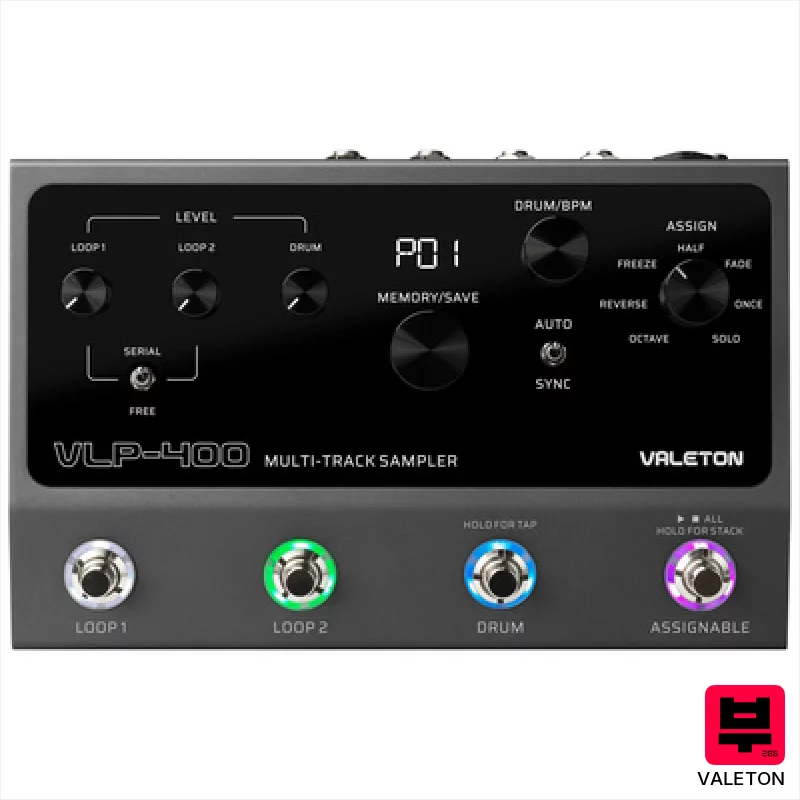
Valeton VLP-400 Multi Sampler Looper
- • Dual loopers offer creative layering and switching possibilities.
- • Built-in drum machine adds substantial rhythmic backing for solo practice.
- • USB import/export simplifies project management and collaboration.
- • Intuitive footswitch assignment allows for flexible performance control.
- • Valeton's build quality, while decent, isn't as robust as Boss or Stryen.
- • Limited dynamic range in the drum machine compared to dedicated units.
- • Menu navigation can feel slightly cumbersome for complex setups.
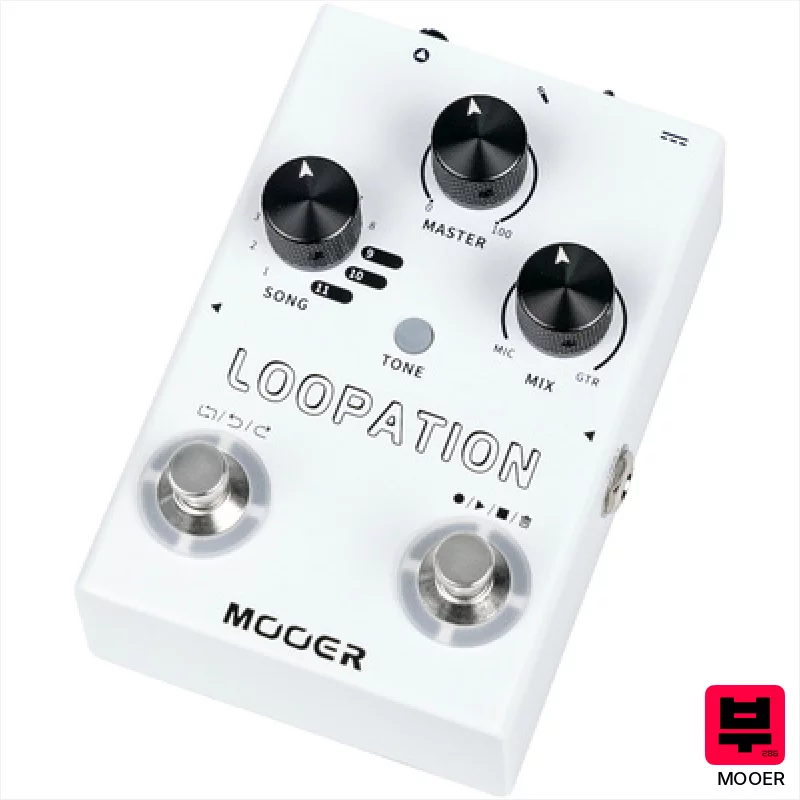
Mooer MVP3 Loopation
- • Solid metal housing provides roadworthy durability and a reassuring heft.
- • Integrated reverb adds depth without needing external pedals.
- • Versatile vocal processing modes cater to diverse performance needs.
- • 70 minutes of recording time offers substantial loop creation potential.
- • Mooer's menu navigation can sometimes feel a bit clunky and less intuitive.
- • Limited vocal processing options compared to dedicated vocal processors.
- • The 2.1mm power jack is less common and may require a new adapter.
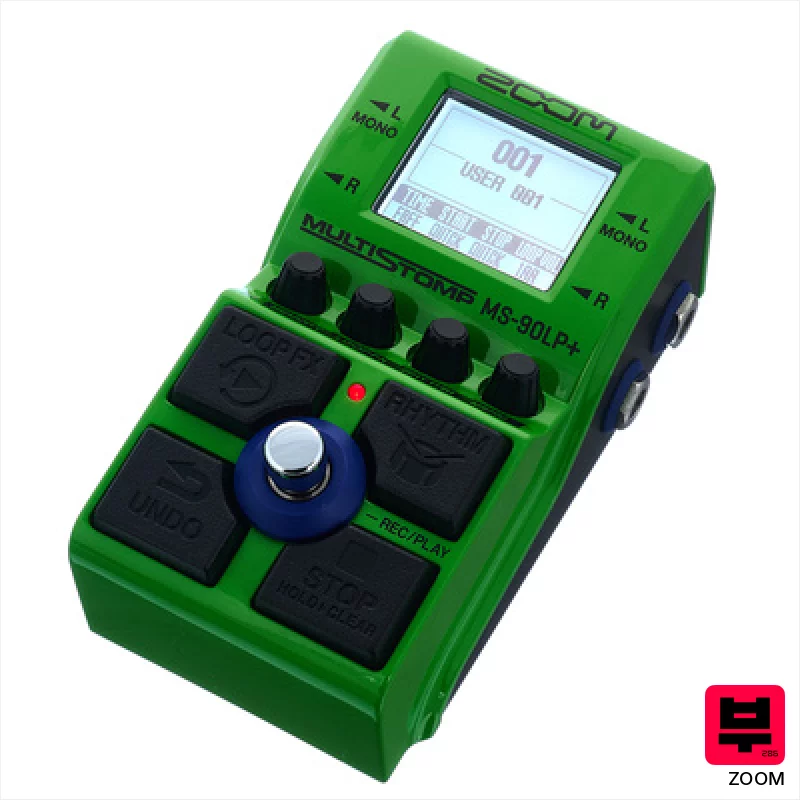
Zoom MS-90LP+ Multistomp Looper
- • Impressive 90-minute stereo loop time offers significant creative flexibility.
- • UNDO function is genuinely useful for correcting mistakes in real-time.
- • Compact size makes it pedalboard-friendly without sacrificing features.
- • USB-C connectivity provides convenient loop importing/exporting options.
- • Plastic enclosure feels somewhat cheap compared to metal alternatives.
- • Battery life with intensive looping will be noticeably shorter than advertised.
- • Menu navigation can be a bit clunky and less intuitive than dedicated loopers.
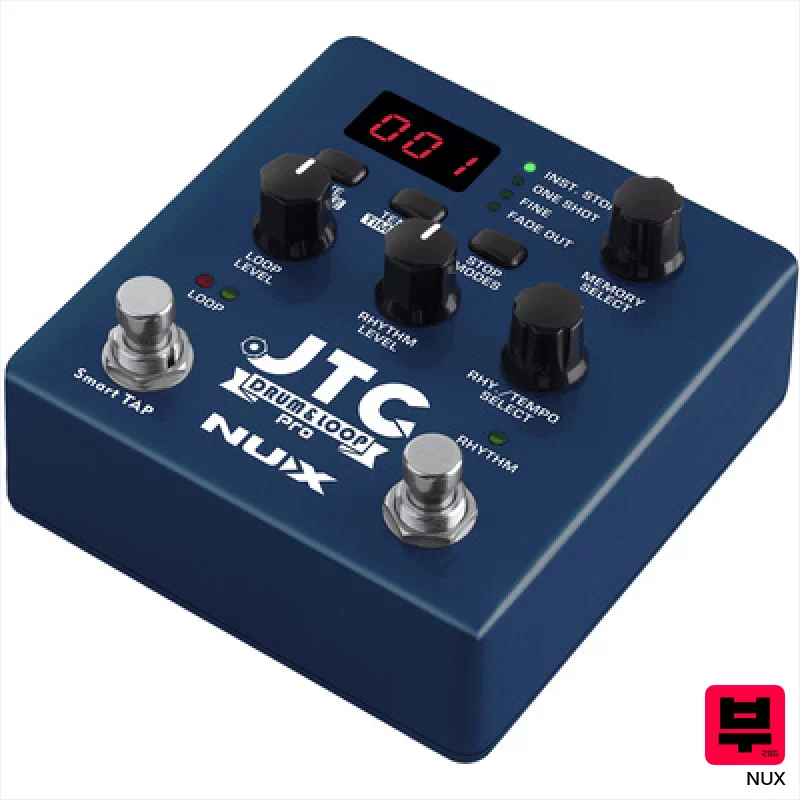
Nux JTC Drum&Loop Pro
- • Impressive 6-hour recording capacity offers serious looping flexibility.
- • Dual-switch design allows for loop and drum engine independence.
- • Compact footprint (115 x 105 x 57 mm) is great for pedalboard space.
- • Micro-B USB input enables easy file transfer and software integration.
- • Plastic enclosure feels less robust than metal alternatives at this price.
- • Limited routing options compared to higher-end, more complex loopers.
- • Battery operation isn't detailed; likely short runtime and not practical for gigs.
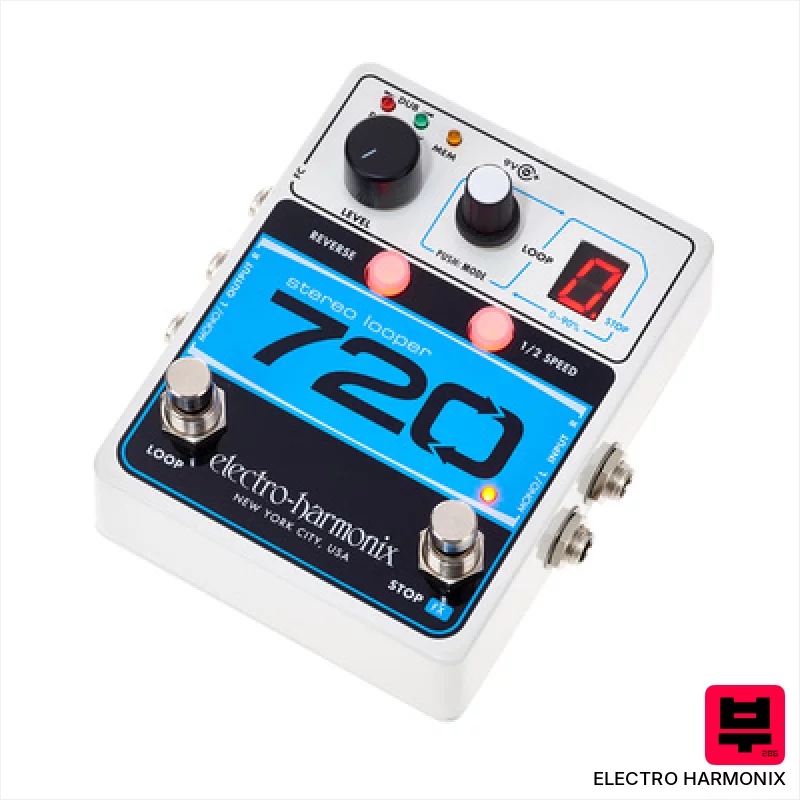
Electro Harmonix 720 Stereo Looper
- • Die-cast chassis provides robust, gig-ready durability.
- • 12 minutes stereo recording offers ample creative space.
- • Silent footswitches ensure unobtrusive performance on stage.
- • EHX's uncompressed audio preserves loop clarity and detail.
- • Lacks USB connectivity for direct computer editing or file transfer.
- • Limited track organization compared to more complex loopers.
- • Footswitch input requires a separate purchase for full control.
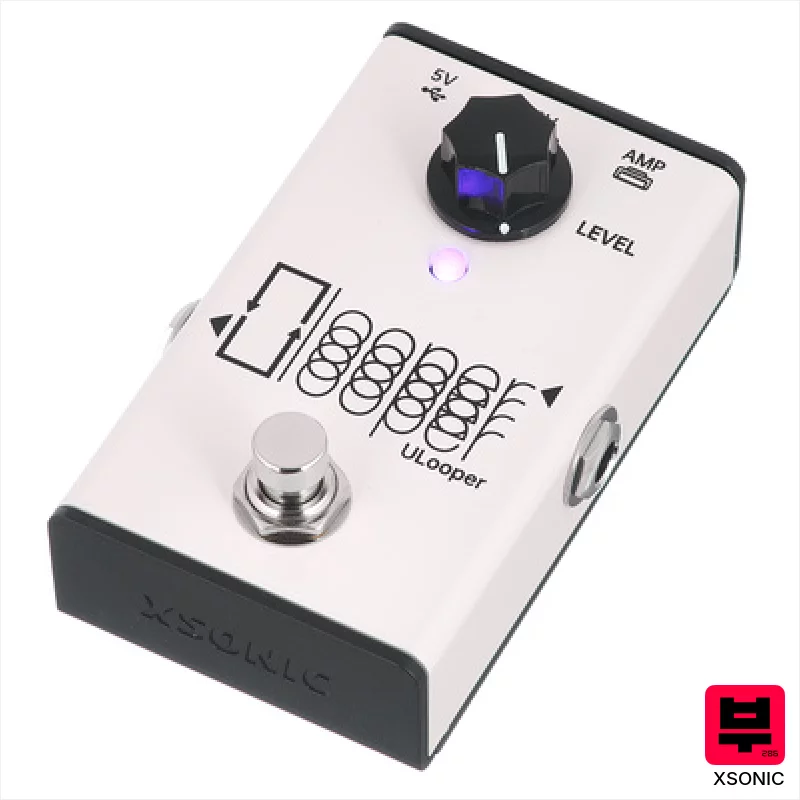
Xsonic ULooper
- • Metal housing feels robust, suggesting decent durability for gigging.
- • USB-C power option offers flexibility and modern convenience.
- • Generous 180 minutes total recording time allows for complex loops.
- • Reserved input suggests potential future expansion and feature additions.
- • Lack of battery power limits portability; requires external power source.
- • 6.3mm input's 'reserved' status feels like a missed opportunity now.
- • Simple LED status indicator lacks detailed information on loop status.

Mooer GL100 Groove Loop/Drum
- • Intuitive touchscreen simplifies complex looping and drum programming.
- • DrumMatch feature genuinely syncs drum grooves to your playing.
- • 100 memory locations provide ample space for song ideas and practice.
- • Compact size and stereo I/O make it gig-ready and versatile.
- • Touchscreen responsiveness can feel a bit laggy at times.
- • Limited drum style variety compared to dedicated drum machines.
- • Plastic enclosure feels a little less robust than higher-end loopers.
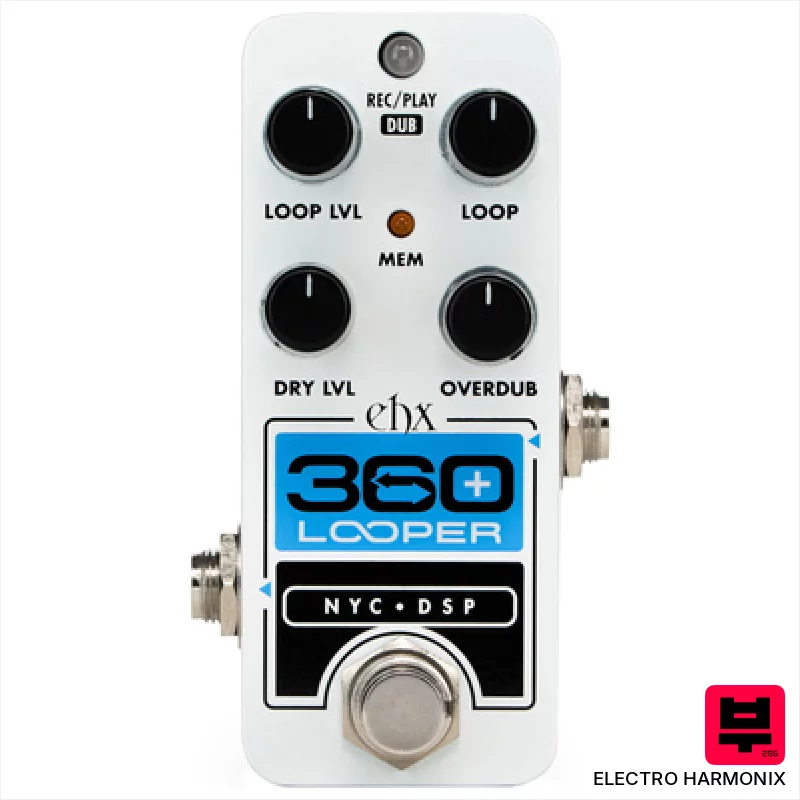
Electro Harmonix Pico 360+ Looper
- • Incredibly compact size makes it ideal for pedalboard space constraints.
- • 360 seconds of loop time offers substantial recording flexibility.
- • Overdub volume control provides nuanced layering possibilities.
- • Simple, intuitive interface ensures quick learning and immediate use.
- • Lack of battery power limits its portability and gig-friendliness.
- • Mono input/output restricts stereo loop creation and more complex routing.
- • Limited memory slots might be restrictive for serious loop composition.

tc electronic Ditto X2 Looper
- • Intuitive two-button interface streamlines looping workflow significantly.
- • Uncompressed 24-bit audio ensures pristine loop quality, even with multiple overdubs.
- • Compact size and robust build quality make it gig-ready and easy to transport.
- • Import/Export functionality expands creative possibilities and allows for sharing loops.
- • Limited track memory can be restrictive for complex, layered compositions.
- • Mono input option would broaden its appeal to a wider range of musicians.
- • Lack of MIDI control limits integration with more sophisticated setups.
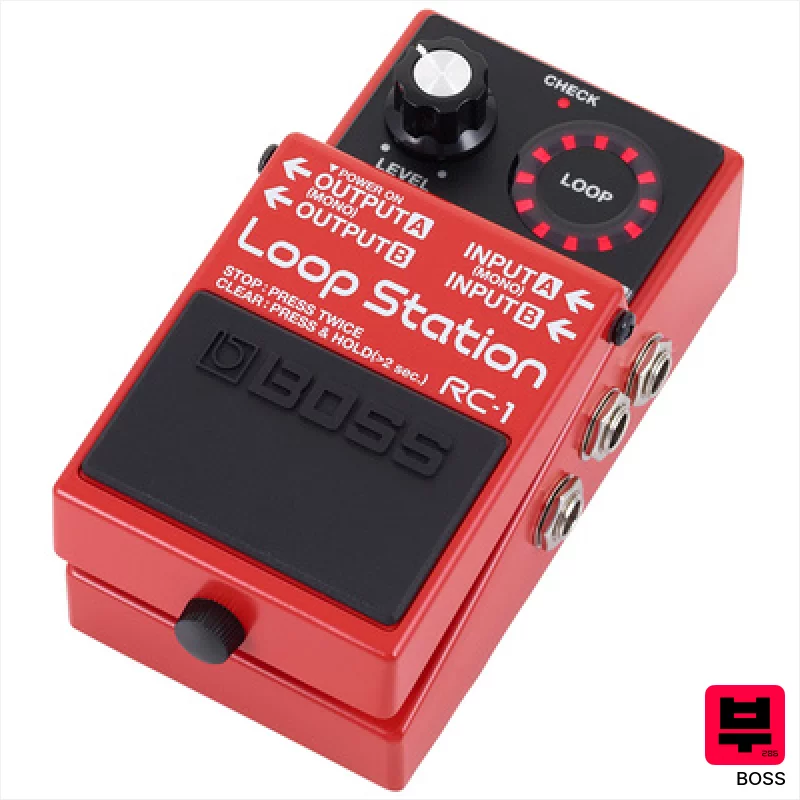
Boss RC-1
- • Compact size makes it pedalboard-friendly and highly portable
- • Boss reliability ensures robust construction and long-term durability
- • Intuitive interface allows for quick looping and experimentation onstage
- • Undo/Redo function is a genuine time-saver in live performance
- • Limited track count restricts complex layering possibilities
- • 12 minutes of total loop time can feel restrictive for extended compositions
- • No USB recording capability limits workflow flexibility

Nux Loop Core Stereo
- • Stereo looping capability expands sonic textures and creative possibilities significantly.
- • Color LCD display offers clear visual feedback, simplifying loop management.
- • Built-in drum patterns provide instant backing tracks for practice and performance.
- • MIDI control unlocks advanced functionality and integration with other gear.
- • NUX’s build quality, while decent, feels plasticky and less robust than premium competitors.
- • Limited track layering can restrict complex arrangement possibilities for experienced loopers.
- • The menu system can feel slightly clunky and less intuitive than some rivals.
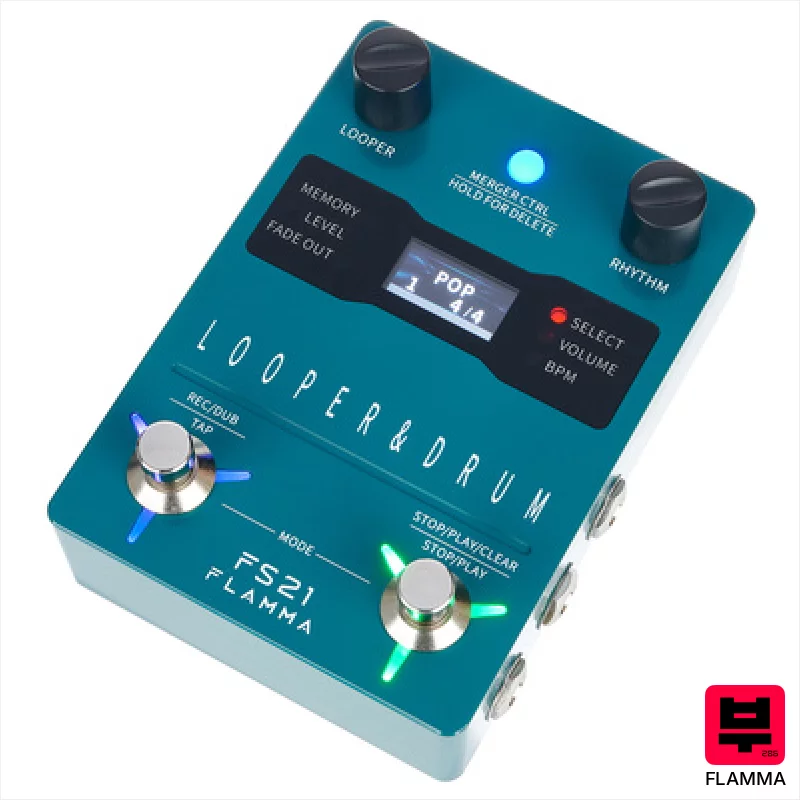
Flamma FS21 Looper/Drum Machine
- • Excellent value for a looper and drum machine combo
- • 4 minutes loop time offers considerable creative flexibility
- • USB import/export simplifies project management and sharing
- • Drum grooves provide instant backing tracks for practice/performance
- • Plastic enclosure feels somewhat flimsy; not gig-ready without a case
- • Limited track layering capabilities compared to higher-end loopers
- • Drum machine sounds are serviceable, but lack high-end realism
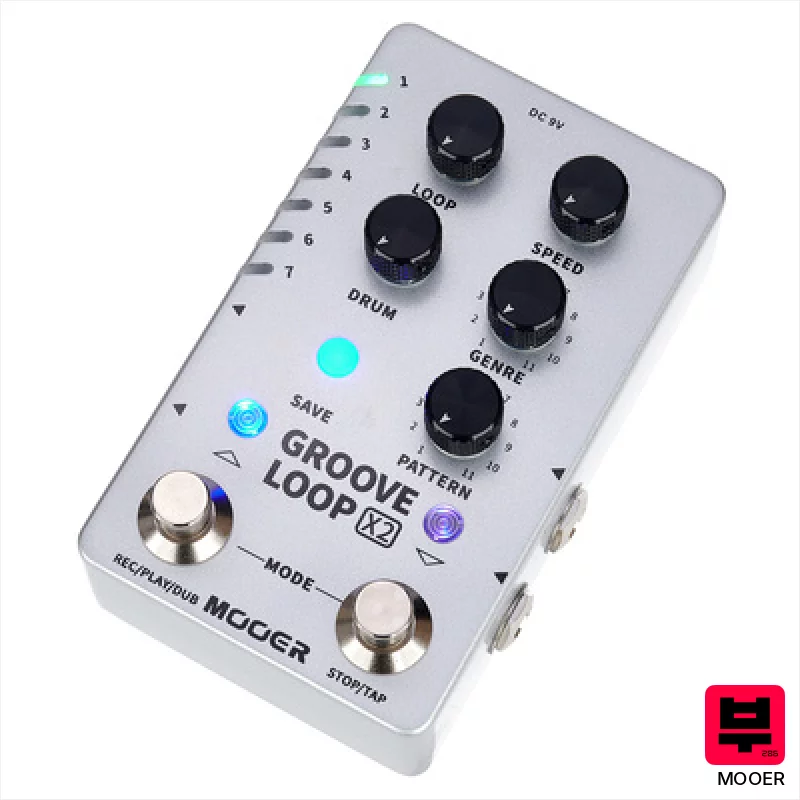
Mooer Groove Loop X2
- • The 'Justify' function provides rock-solid synchronization between looper and drum machine.
- • Metal housing feels robust and can withstand gigging demands; a nice touch for the price.
- • Time Stretch feature is genuinely useful for creative manipulation of loop speeds.
- • Separate loop and drum outputs offer flexibility for routing to different amps/FX.
- • The 10-minute maximum recording time per track can feel restrictive for longer compositions.
- • The drum sounds, while varied, lack the dynamic realism of dedicated drum machines.
- • Editor software, while present, might feel basic compared to more advanced DAW integration.
Every looper pedals that matches
60 models match this page. The 15 above are covered in detail; the rest are listed here with their published specifications.
Looper Pedals by the numbers
Measured across all 60 models in this category, so «wide», «short» or «expensive» mean something you can check.
How to Choose the Best Looper Pedals
Playability
This is paramount. A looper that's clunky to navigate or has an awkward footswitch layout will kill your flow, especially live. We're looking for intuitive layouts and responsive controls - you shouldn't be fumbling during a build-up.
Track Count & Layers
Intermediate players generally want more than just two tracks, but a massive 99-track studio isn't necessary. 3-5 tracks offer flexibility for layering rhythms, harmonies, or creating more complex textures without becoming a programming nightmare.
Overdub Quality & Articulation
Cheap loopers often muddy up your overdubs, blurring the articulation of your notes. We're listening for clarity and headroom - can you hear individual notes, or is it a sonic soup? Looping bass needs to retain its low-end thump; looping leads needs to maintain clarity.
Memory & Storage
Being able to save and recall loops is a must for gigging. Limited memory means constantly overwriting your creations, which is a major frustration. Storage space also matters for backing tracks you might incorporate.
Effects Integration (if applicable)
Some loopers offer built-in effects like reverb or delay. While not essential, a subtle reverb can add depth and cohesion to your loops. However, poorly implemented effects can sound cheesy, so we're assessing tone quality and control.
Buying Guide
Don't fall for the feature creep. A ton of buttons doesn't equal a better looper - it usually means a steeper learning curve. Spend your money on a looper with a well-thought-out layout and good audio quality. Cheaper loopers often cut corners on the A/D converters, which directly impacts the sound. Think about your gigging situation - do you need robust footswitches and MIDI control? If not, a smaller, simpler unit will likely suit you just fine.
How This List Is Built
We don't play these instruments — we're a catalog, not a review desk, and we'd rather say so than pretend otherwise. This page covers 60 looper pedals from the Thomann catalogue, which is the largest single source of specification data in this category: 15 in detail, the rest listed with their specifications.
Position is computed, not curated. We parse the manufacturer's own description into actual values — nut width, scale, fret count, fingerboard radius, size, alloy — and rank on them: how many specifications a model has published, how many of them are measurable numbers, and how precisely it meets this page's criterion. A product image adds a little. Price is not a ranking signal: it tells you nothing about whether a neck fits your hand. The same inputs always produce the same order, so nothing here is shuffled to look fresh.
What this list is good for: narrowing a category down to a shortlist by spec and budget. What it isn't: a substitute for hearing an instrument. Before you buy, read hands-on reviews and, where you can, play it. Full methodology.

