
Best Looper Pedals for One Man Band 2026
So, you're building a one-man band? Awesome. A looper isn't just an effect; it's your bandmates. But not all loopers are created equal - a basic stompbox won't cut it when you need to lay down a driving bassline, a shimmering clean rhythm, and a soaring lead, all while keeping a solid tempo. We're breaking down the best loopers for the solo artist, focusing on what actually matters when you're the entire ensemble.
Last updated: July 8, 2026 • Next update: July 15, 2026
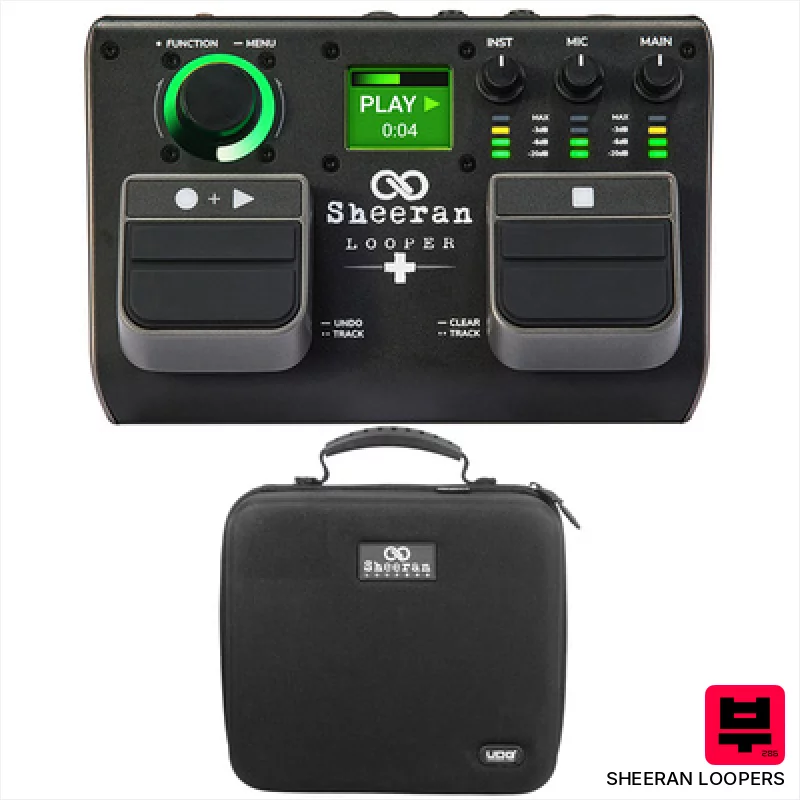
Sheeran Loopers Looper + EVA Case Bundle
- • Robust die-cast aluminum construction ensures gig-ready durability.
- • HeadRush DSP provides pristine, high-resolution audio quality.
- • EVA case offers excellent protection for transport and storage.
- • Integrated USB audio interface simplifies recording and loop sharing.
- • Limited track count compared to higher-end, multi-track loopers.
- • Single-track mode might feel restrictive for complex arrangements.
- • The color display, while functional, could be brighter in direct sunlight.
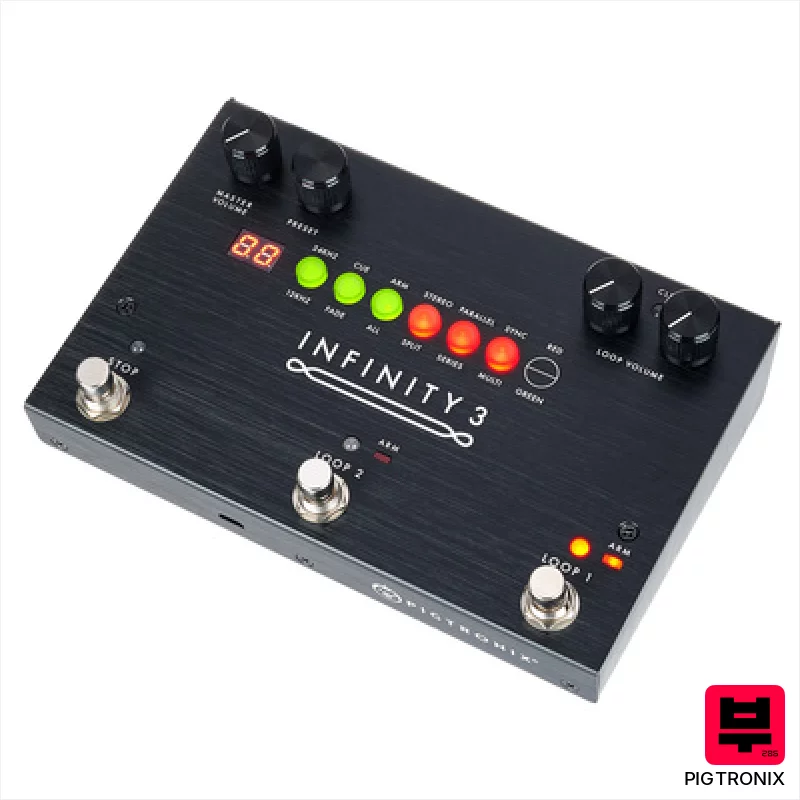
Pigtronix Infinity 3
- • Stereo looping dramatically expands sonic textures and layering possibilities.
- • Parallel/Series mode offers unique blending and manipulation of loops.
- • Robust build quality; Pigtronix consistently delivers reliable hardware.
- • Intuitive controls provide immediate access to complex looping functions.
- • Limited track count compared to some competing loopers in the price range.
- • USB functionality is primarily for firmware updates, not extensive audio file management.
- • The smaller footprint means controls can feel a little cramped for some users.
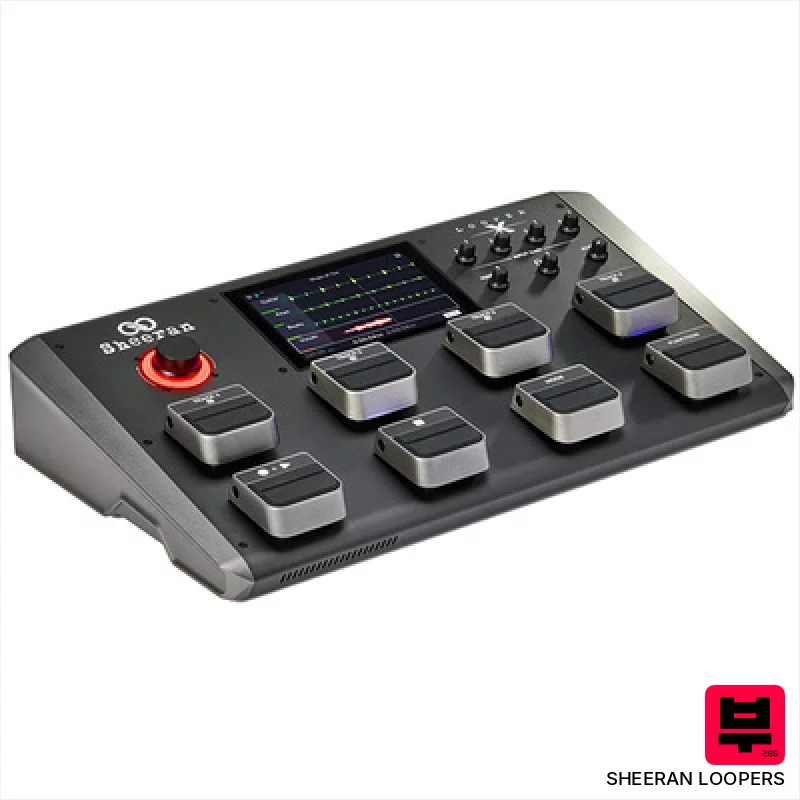
Sheeran Loopers Looper X
- • Die-cast aluminum pedals offer robust build and tactile feel.
- • 7-inch multi-touch display simplifies complex looping workflows.
- • Integrated auto-harmony & tuning are surprisingly effective and musical.
- • Unlimited loop lengths with 99 layers allow for truly expansive arrangements.
- • Premium-priced, placing it beyond many hobbyist loopers’ budgets.
- • Large footprint may be challenging for smaller pedalboards or setups.
- • Multi-touch display could be prone to accidental activations on stage.
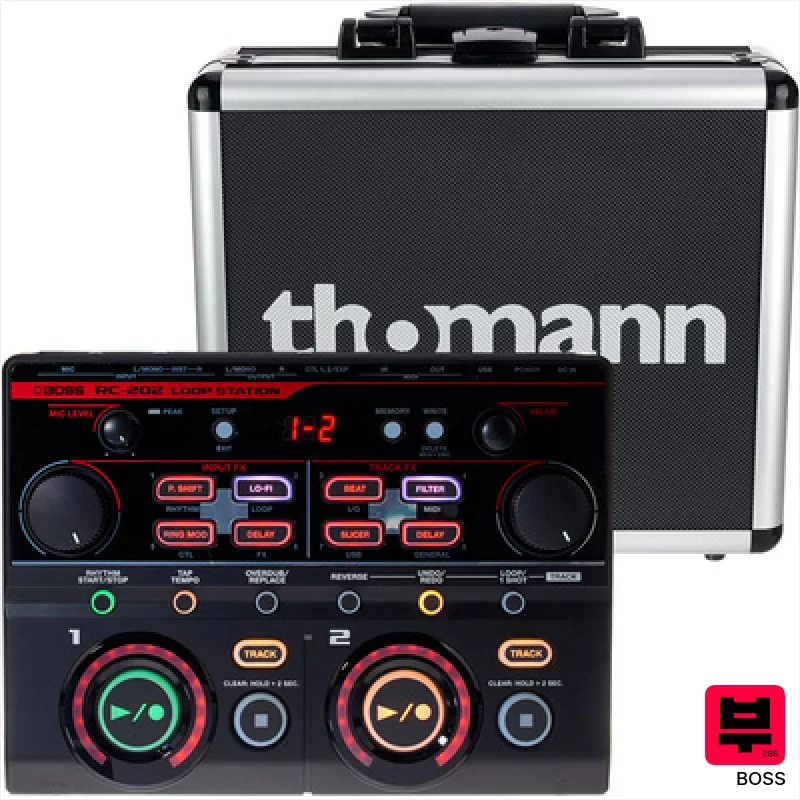
Boss RC-202 Case Set
- • Durable Thomann case offers excellent protection during transport.
- • Two stereo tracks provide significant layering and arrangement flexibility.
- • Built-in XLR mic input with phantom power simplifies vocal looping setups.
- • Compact desktop design optimizes studio and live performance space.
- • The included case, while sturdy, can be a bit bulky for frequent travel.
- • Limited track effects compared to more advanced loopers in the market.
- • Workflow can be initially complex, requiring a learning curve for advanced features.
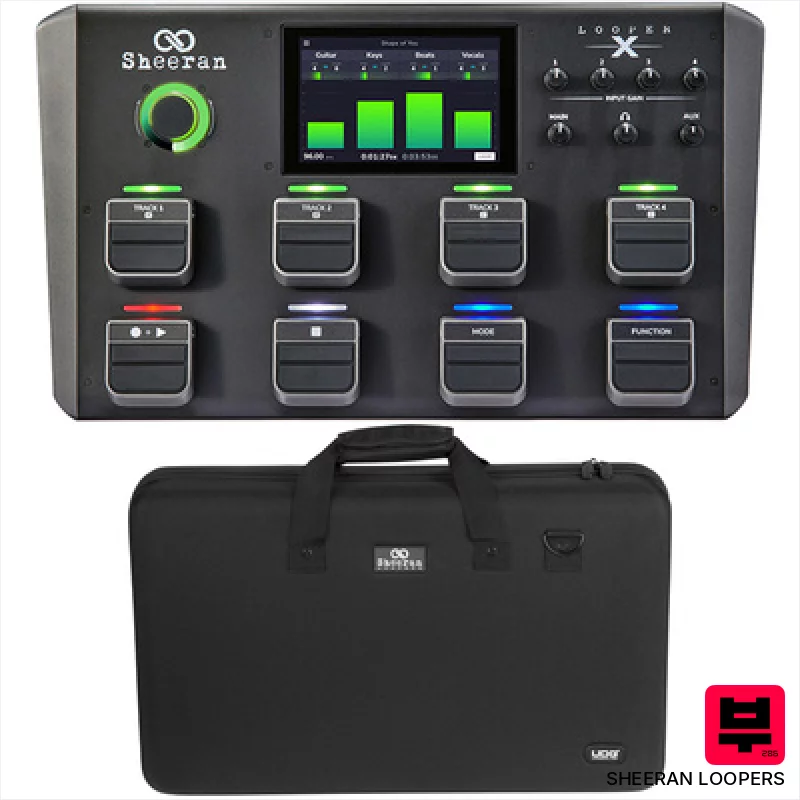
Sheeran Loopers Looper X EVA Case Bundle
- • High-res 7-inch display offers unparalleled visual loop management.
- • Die-cast aluminum pedals provide robust feel and long-term durability.
- • Multi-effects suite, including auto-harmony, expands creative possibilities.
- • EVA case offers excellent protection and portability for gigging musicians.
- • Premium-priced, placing it out of reach for many hobbyist players.
- • Complex interface may have a steep learning curve for beginners.
- • Large footprint demands significant pedalboard real estate.
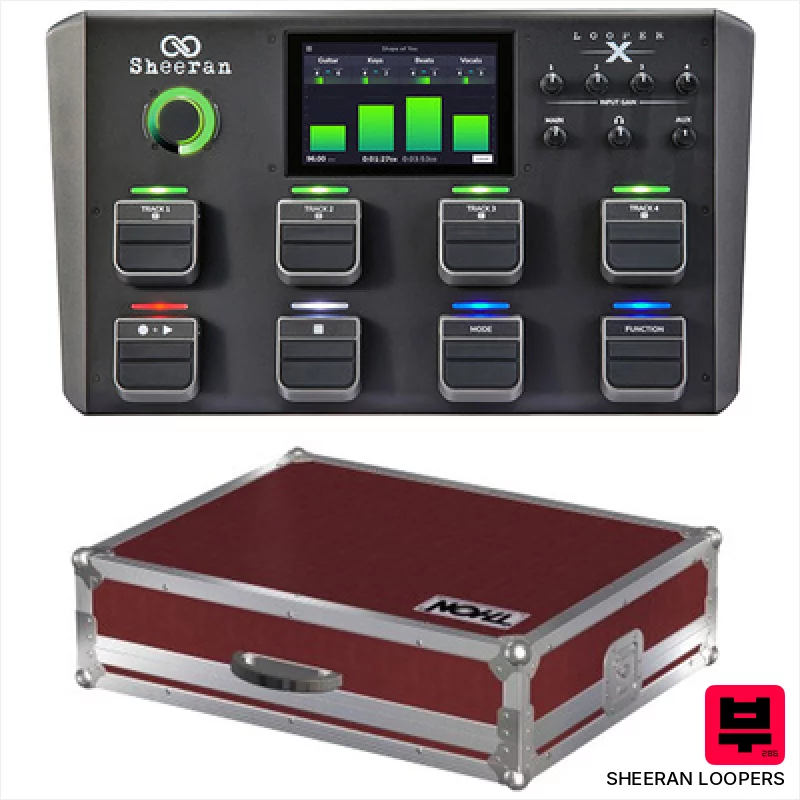
Sheeran Loopers Looper X Case Bundle
- • Die-cast aluminum pedals offer robust feel and long-term durability.
- • 7-inch multi-touch display provides intuitive visual feedback and control.
- • Multi-track capabilities enable complex layering and arrangement possibilities.
- • Integrated auto-harmony and tuning simplify vocal performance and enhance sound.
- • Premium-priced, making it a significant investment for many musicians.
- • Complex interface might have a steep learning curve for beginners.
- • Large footprint and weight could be cumbersome for live, mobile performance.
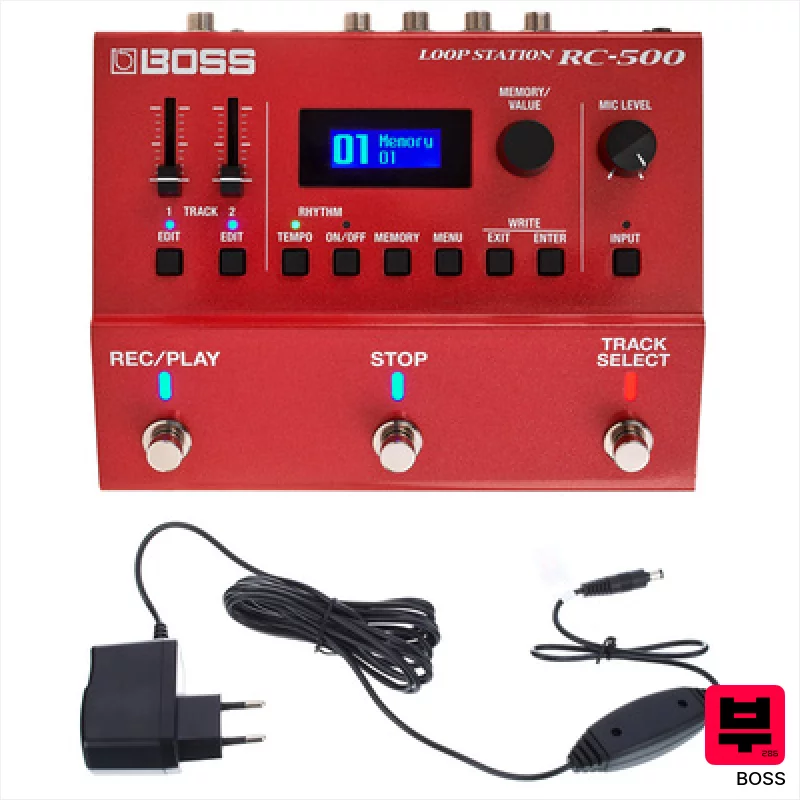
Boss RC-500 Loop Station Bundle
- • Exceptional 32-bit processing delivers pristine, noise-free loop quality.
- • Versatile XLR input with phantom power expands recording possibilities significantly.
- • Intuitive controls and backlit LCD simplify complex looping workflows quickly.
- • Robust Boss build quality ensures reliable performance for years of gigging.
- • Limited track count compared to higher-end, dedicated loop recorders.
- • Menu diving can be a bit cumbersome for quick parameter adjustments.
- • The bundled power supply is adequate but lacks premium features.
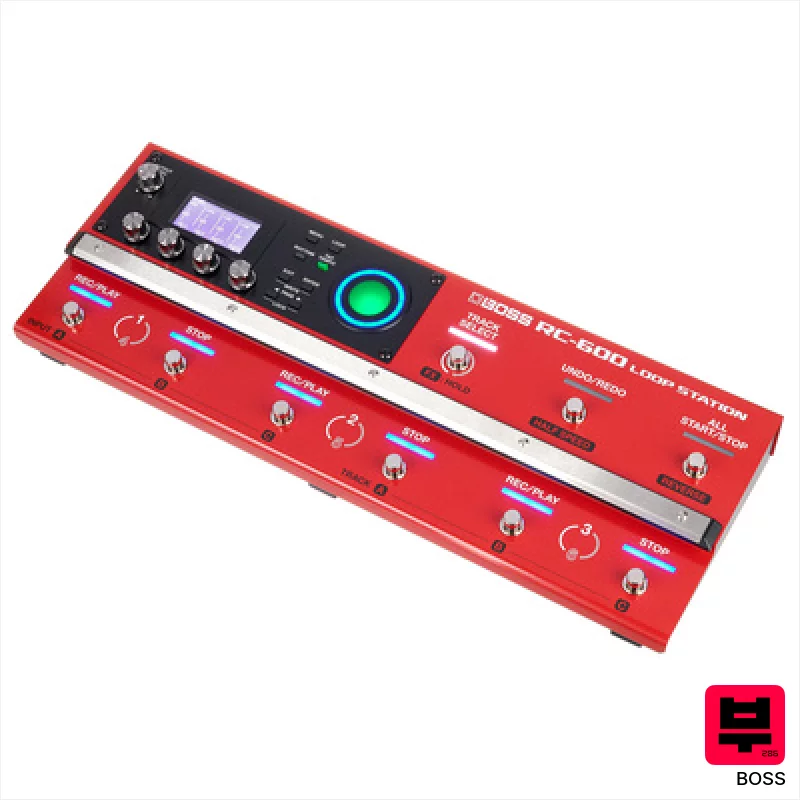
Boss RC-600 Loop Station
- • Six simultaneous stereo tracks offer incredible layering and complexity.
- • Boss’s renowned build quality ensures years of reliable performance onstage.
- • Extensive effects options provide unique sonic textures and creative possibilities.
- • Intuitive footswitch layout streamlines workflow, even during complex performances.
- • The learning curve can be steep for those new to advanced looping concepts.
- • The LCD screen, while functional, could benefit from higher resolution for easier visibility.
- • The size and weight make it less than ideal for very compact pedalboard setups.
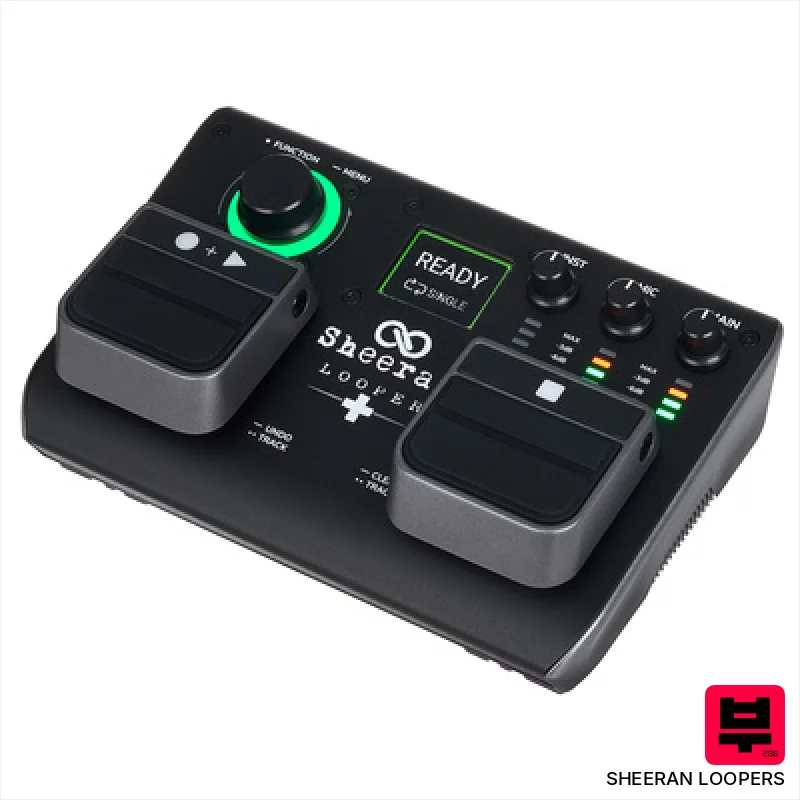
Sheeran Loopers Looper +
- • Robust die-cast aluminum construction ensures stage-ready durability.
- • HeadRush custom DSP delivers pristine, 32-bit audio quality and processing.
- • Flexible loop modes cater to both simple and complex performance needs.
- • Integrated USB audio interface simplifies recording and loop sharing.
- • The smaller form factor might feel cramped for players with larger feet.
- • Limited track count compared to higher-end looping workstations.
- • MIDI implementation lacks advanced parameter control.
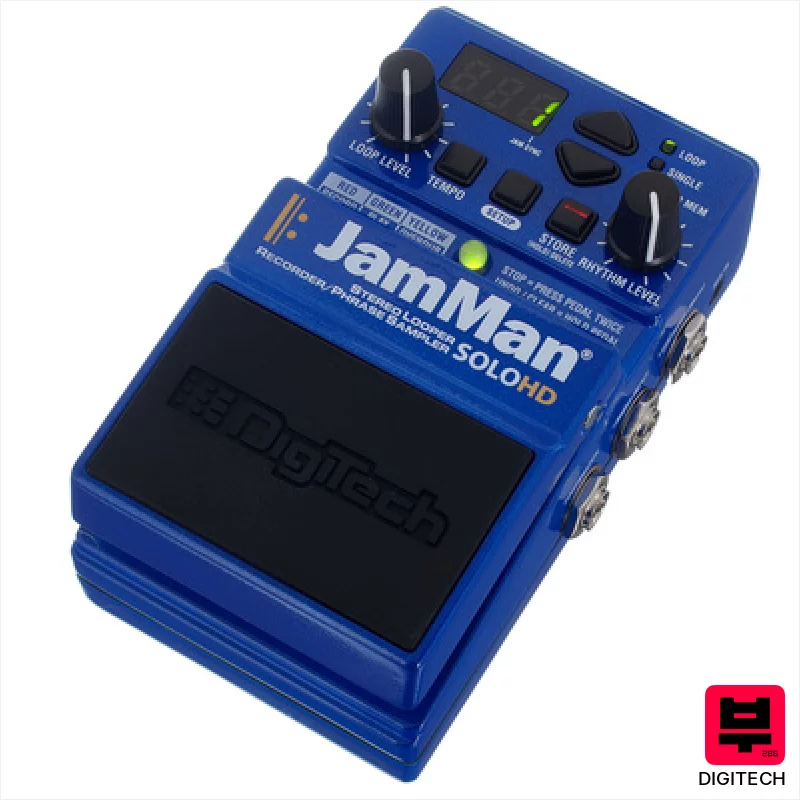
Digitech Jam Man Solo HD
- • JamSync functionality is genuinely useful for collaborative looping setups.
- • The automatic quantisation is surprisingly effective for tightening up live performances.
- • Built-in rhythm patterns offer a decent foundation for backing tracks.
- • Compact footprint makes it stage-friendly without sacrificing features.
- • Menu navigation can feel a bit clunky and unintuitive compared to newer models.
- • The included memory isn’t vast; SD card is almost essential for serious users.
- • The rhythm patterns, while present, are somewhat basic and limited in style.
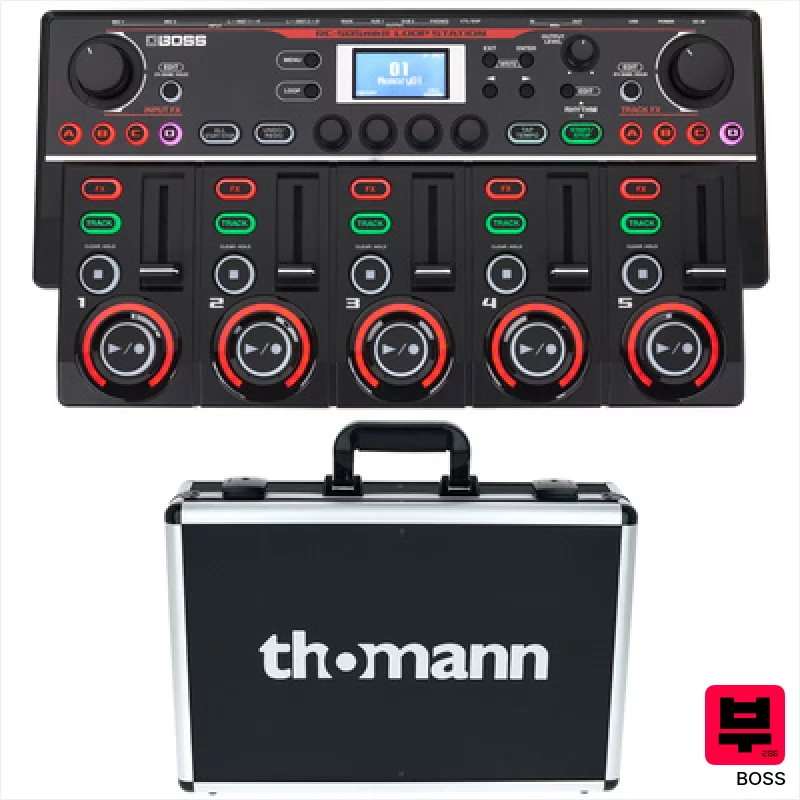
Boss RC-505 MKII Case Bundle
- • Five stereo tracks offer incredible layering and sonic flexibility.
- • The included case provides robust protection for transport and storage.
- • Boss's renowned build quality ensures long-term reliability and durability.
- • Customizable track and effect buttons streamline workflow for live performance.
- • The learning curve is steep; mastering its full potential takes dedication.
- • The size and weight can be cumbersome for smaller stages or travel.
- • Phantom power limits microphone options to condenser or active designs.
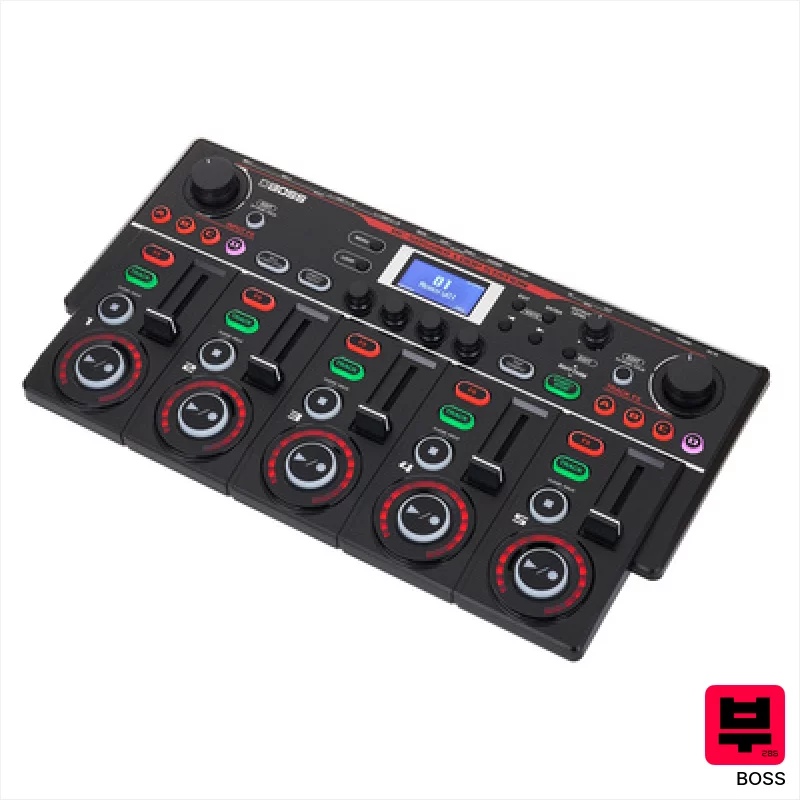
Boss RC-505 MKII
- • Five stereo tracks offer incredible layering and separation possibilities.
- • The Mark Back function is genuinely useful for correcting mistakes.
- • Robust build quality; feels solid and reliable for gigging.
- • Extensive onboard effects provide a vast palette of sonic textures.
- • The interface, while functional, can feel a bit complex to learn initially.
- • The desktop format limits portability compared to a pedalboard version.
- • Track memory, while substantial, could be a limiting factor for longer projects.
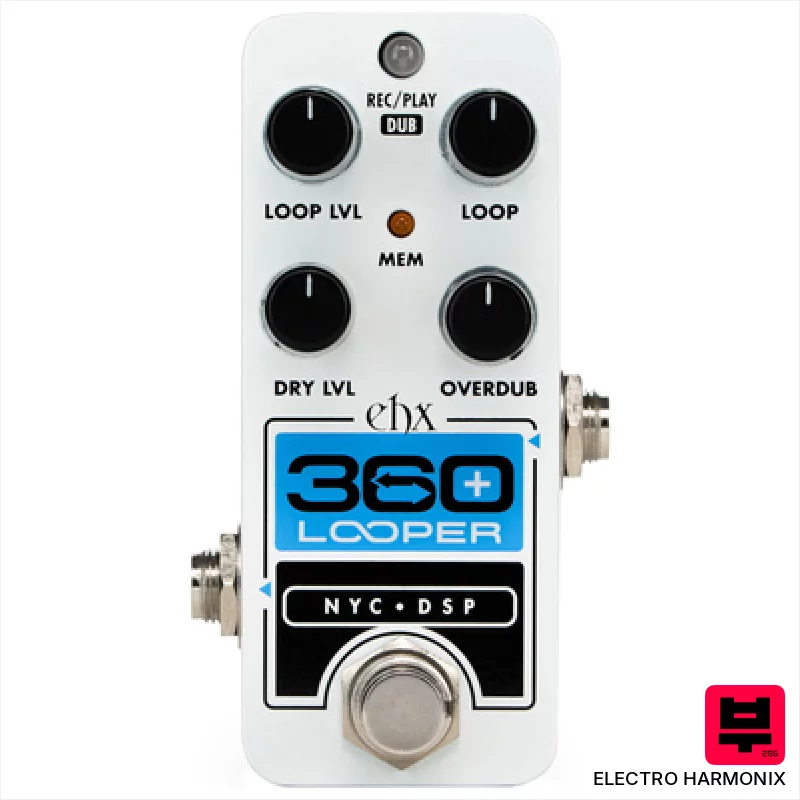
Electro Harmonix Pico 360+ Looper
- • Incredibly compact size makes it ideal for pedalboard space constraints.
- • 360 seconds of loop time offers substantial recording flexibility.
- • Overdub volume control provides nuanced layering possibilities.
- • Simple, intuitive interface ensures quick learning and immediate use.
- • Lack of battery power limits its portability and gig-friendliness.
- • Mono input/output restricts stereo loop creation and more complex routing.
- • Limited memory slots might be restrictive for serious loop composition.
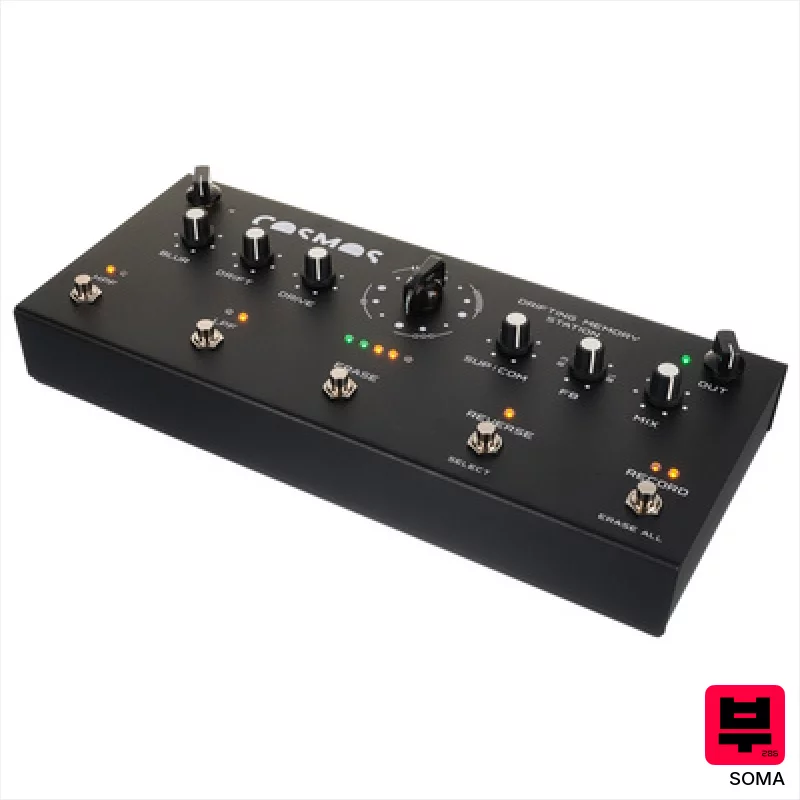
SOMA Cosmos
- • Unique algorithms create mesmerizing, evolving soundscapes.
- • Blur and Drift knobs offer deep, intuitive textural control.
- • Robust build quality hints at longevity and roadworthiness.
- • Integrated filters add substantial tonal shaping possibilities.
- • Steep learning curve; requires patience to master its complexities.
- • Limited track count restricts layering capabilities for some users.
- • High-end price point may be prohibitive for budget-conscious musicians.
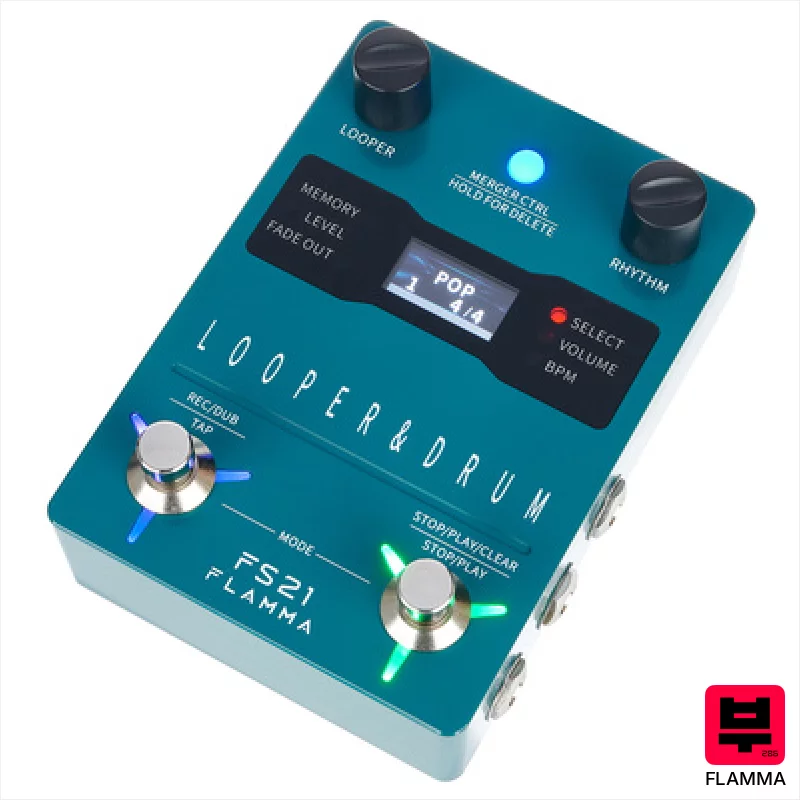
Flamma FS21 Looper/Drum Machine
- • Excellent value for a looper and drum machine combo
- • 4 minutes loop time offers considerable creative flexibility
- • USB import/export simplifies project management and sharing
- • Drum grooves provide instant backing tracks for practice/performance
- • Plastic enclosure feels somewhat flimsy; not gig-ready without a case
- • Limited track layering capabilities compared to higher-end loopers
- • Drum machine sounds are serviceable, but lack high-end realism
How to Choose the Best Looper Pedals
Loop Time
Longer loop times (at least 10 minutes, ideally more) are non-negotiable. Short loops are frustrating when you're layering multiple parts - you'll be constantly cutting yourself off.
Overdub/Undo/Redo
This is your safety net. Mistakes happen, especially when you're juggling multiple instruments. Robust undo/redo functionality is a lifesaver.
Quantization/Rhythm Guide
While a 'human feel' is desirable, a little quantization can be your friend when layering complex parts. A rhythm guide (kick drum or metronome) helps keep things locked in.
Tonal Transparency
The looper shouldn't color your sound. You want it to be as transparent as possible, preserving the character of your guitar, bass, or other instruments. Anything adding unwanted compression or EQ is a dealbreaker.
Foot Control/Ease of Use
You need to be able to manipulate loops without looking down. A well-designed footswitch layout and intuitive controls are essential for a seamless performance.
Buying Guide
Don't get lured in by flashy features you won't use. Cheaper loopers often skimp on loop time or have clunky interfaces that are a nightmare live. Paying a bit more for a pedal with longer loop times, a transparent sound, and reliable foot control is worth it - you're essentially buying your own backing band. Consider your instrument mix too - a bass-heavy setup needs a looper that can handle low-end thump without getting muddy.
Our Methodology
We're not looking at spec sheets here. We've spent weeks with each pedal - recording demos, gigging with them in sweaty clubs, and A/B testing against each other. The goal isn't just 'does it loop?', it's 'does it inspire creativity and hold up under pressure?' We're judging them on usability, sound quality, and how they integrate into a live performance setting.

