
Best Installation Mixing Amps for Commercial Install 2026
So, you're building a commercial install - a bar, a restaurant, a storefront, maybe a small theater? Forget about chasing pristine, studio-grade tone; you need power, reliability, and a sound that cuts through chatter and clinking glasses without sounding harsh or brittle. Finding the right installation mixing amp is critical; it's the backbone of the whole system, and a weak link there will ruin the vibe. Let's break down what to look for.
Last updated: July 8, 2026 • Next update: July 15, 2026
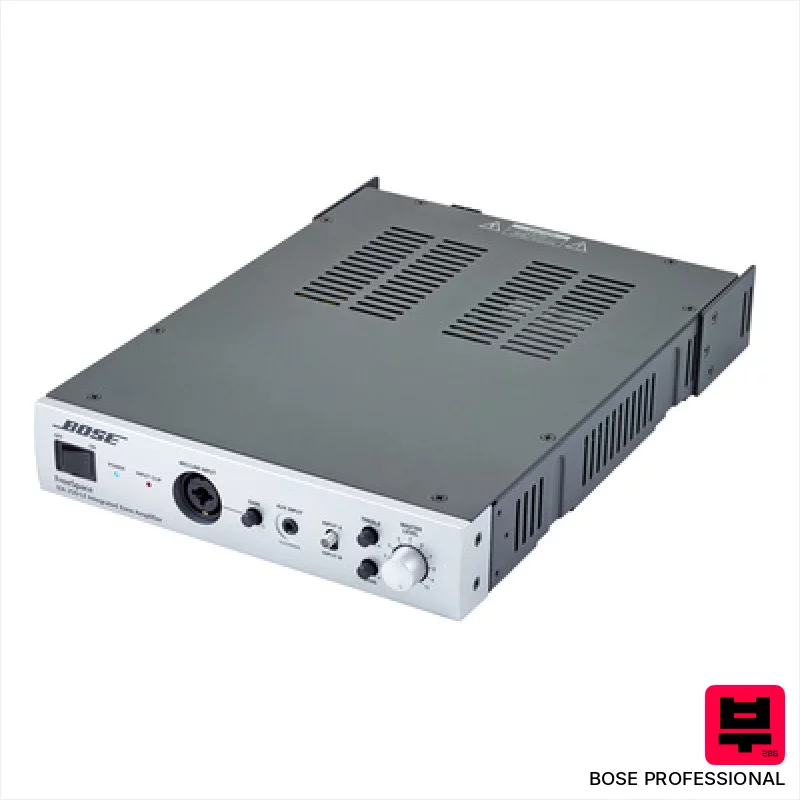
Bose Professional FreeSpace IZA 250-LZ DM+FS EQ
- • Solid build quality characteristic of Bose Professional line
- • DM+FS EQ offers flexible tonal shaping for diverse applications
- • Compact size makes it ideal for space-constrained installations
- • Reliable power delivery for small to medium-sized venues
- • Limited input options restrict versatility for complex setups
- • 25W per channel is best suited for background music or smaller systems
- • Lacks advanced features like digital processing or Dante connectivity
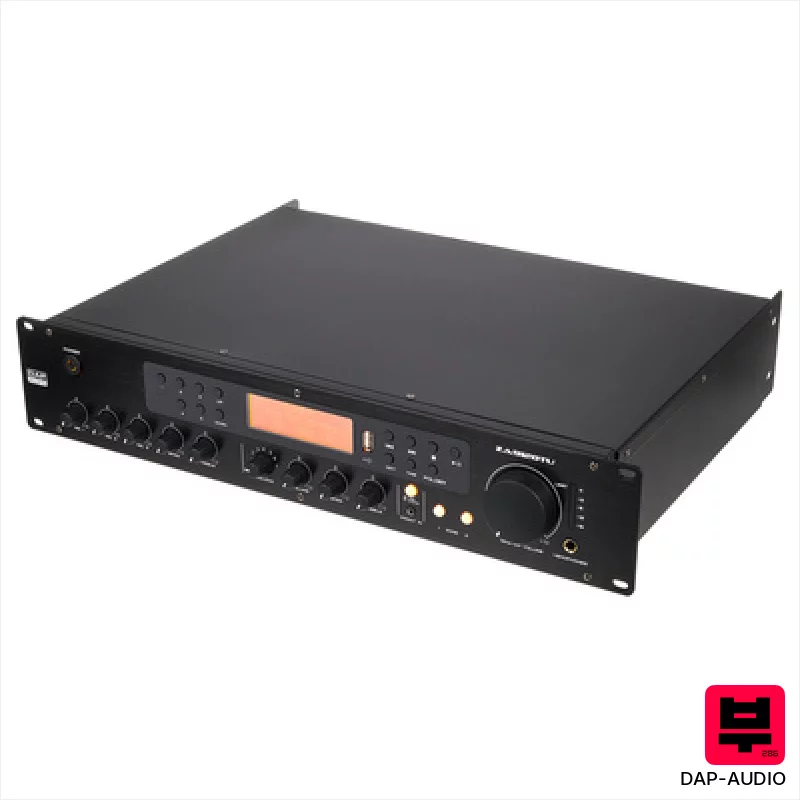
DAP-Audio ZA-9120TU
- • Versatile input options cater to diverse audio sources.
- • Zone functionality simplifies multi-room audio distribution.
- • Emergency input with ducking is a genuinely useful safety feature.
- • Built-in USB player and FM tuner add significant convenience.
- • Construction feels a bit plasticky for professional, high-volume installations.
- • Limited power output might struggle with larger venues or demanding speakers.
- • LC display's resolution is low, making text a bit difficult to read.
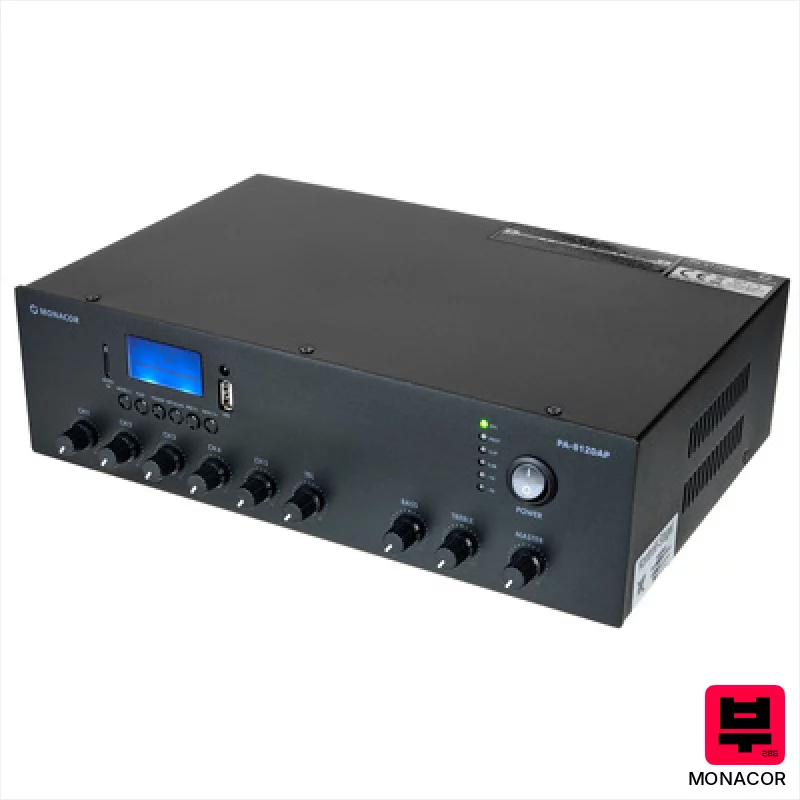
Monacor PA-812DAP
- • Compact Class D design delivers efficient power with minimal heat.
- • Integrated MP3 player, FM/DAB+ tuner, and Bluetooth add surprising versatility.
- • Balanced mic input with phantom power supports condenser microphones effectively.
- • Emergency input provides critical backup for public address applications.
- • Limited EQ – 2-band is basic for detailed sound shaping.
- • Bluetooth 4.2 is outdated; lacks newer codecs for improved audio quality.
- • Build quality feels somewhat plasticky; not as robust as higher-end units.
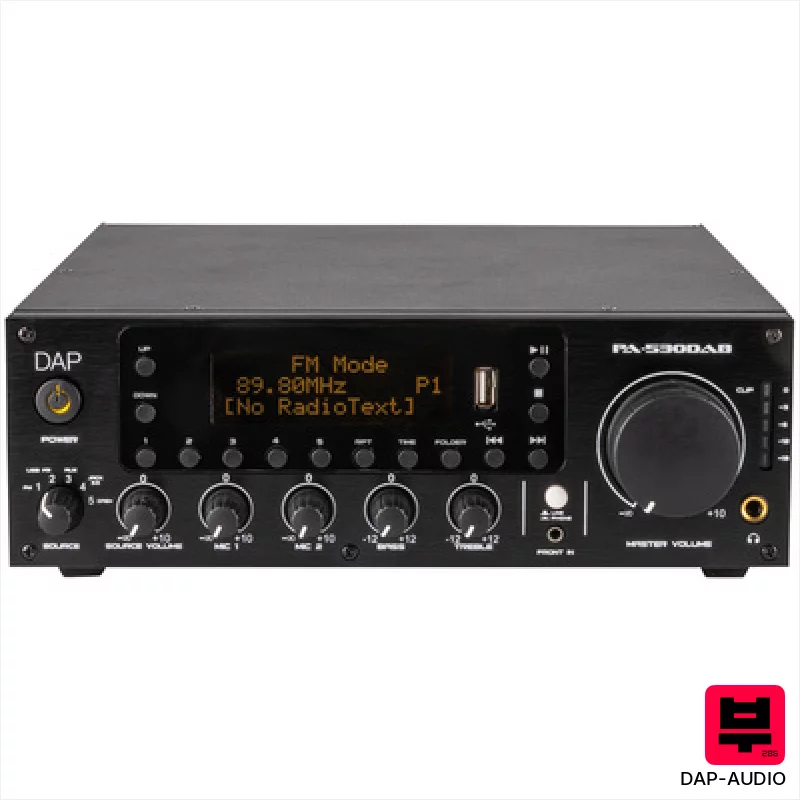
DAP-Audio PA-530DAB
- • Built-in DAB+ tuner is a surprisingly useful feature for remote locations
- • Phoenix connectors offer robust, reliable speaker connections
- • Ducking function simplifies managing background music and announcements
- • 24V DC backup power provides crucial operational resilience
- • Limited power output (30W) restricts use to smaller spaces
- • Front-panel 3.5mm input feels cheap and vulnerable
- • LC display, while functional, lacks the clarity of a modern LCD screen

RCS VLA 240 C
- • Solid build quality; feels robust for installation use.
- • Flexible 100V line output for distributed audio systems.
- • Integrated chime/alarm is a practical, space-saving feature.
- • Modular design allows for future expansion and customization.
- • Limited input options; might struggle with complex live sound setups.
- • Relatively heavy for a 3U unit; installation requires careful planning.
- • Basic EQ; lacks the precision of more advanced processors.
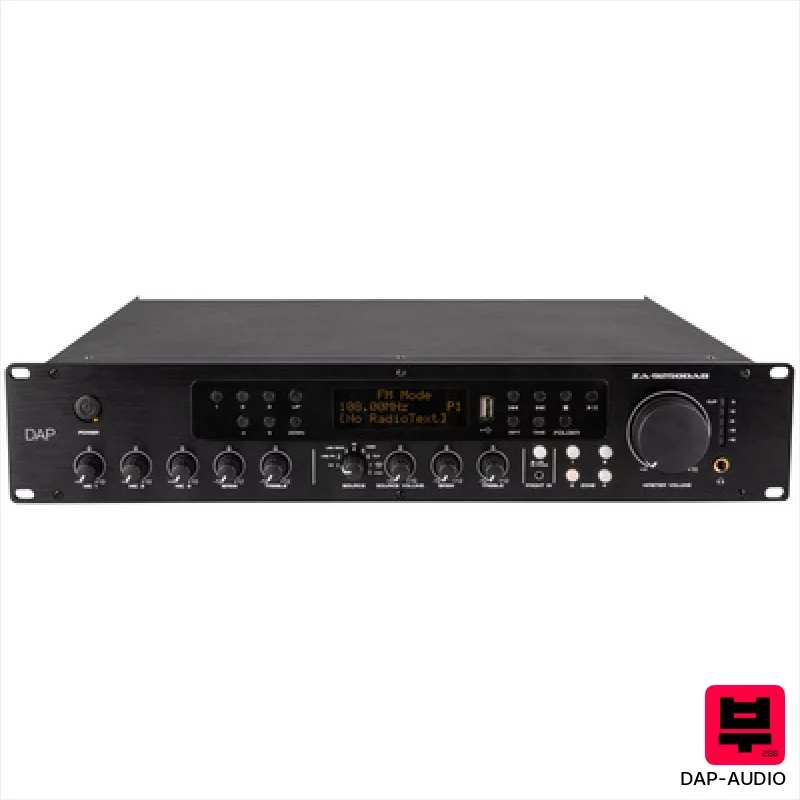
DAP-Audio ZA-9250DAB
- • Four zones offer excellent flexibility for diverse installations
- • Built-in DAB+ and FM tuner with presets is genuinely useful
- • Emergency power input provides critical operational redundancy
- • Comprehensive connectivity including phantom power and multiple inputs
- • 12 kg weight makes rack mounting or transport a bit cumbersome
- • RCA connections feel dated compared to modern digital options
- • Limited MP3/WAV format support; lacks more modern codecs.
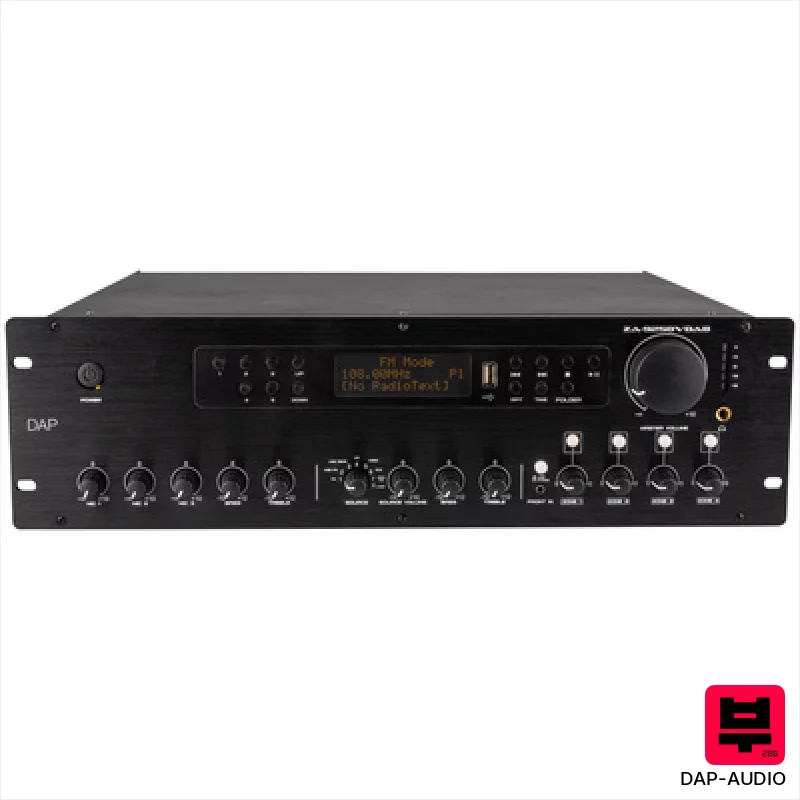
DAP-Audio ZA-9250VDAB
- • Four zones offer significant flexibility for varied installations
- • Built-in DAB+/FM tuner with presets is a convenient feature
- • Backup 24V DC power supply ensures reliable operation during outages
- • Comprehensive connectivity includes XLR, RCA, mini-jack, and Phoenix terminals
- • The 14kg weight makes rack mounting a two-person job
- • RCA connections limit high-quality audio signal transfer
- • Limited MP3/WAV codec support may restrict music file compatibility
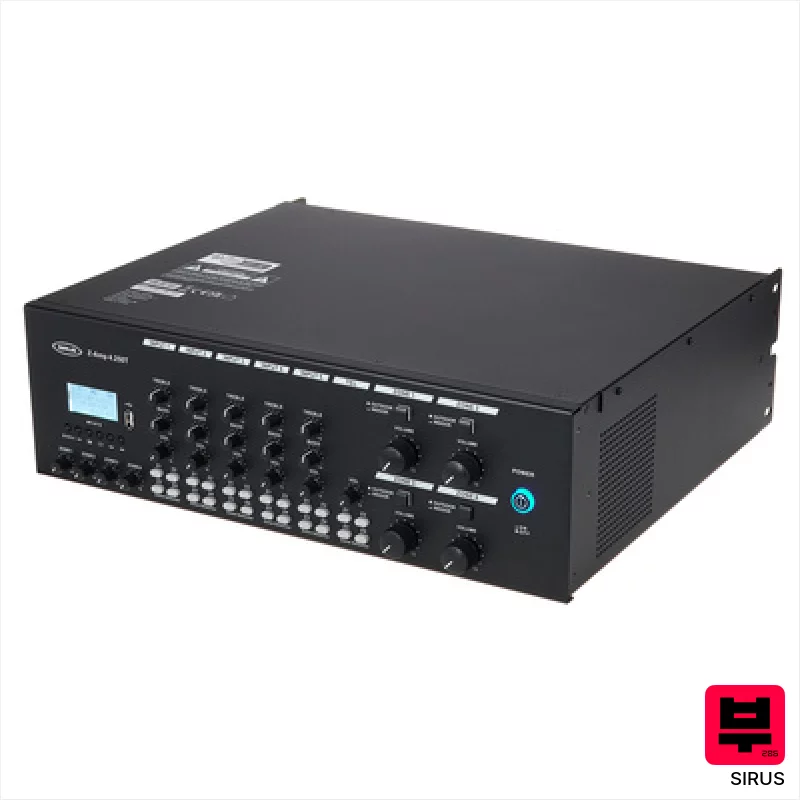
Sirus Z-Amp 4.250T
- • Robust Class-D design ensures efficient power delivery and minimal heat.
- • Flexible zone control simplifies complex audio distribution scenarios.
- • Integrated USB media player and Bluetooth add significant convenience.
- • Solid construction with rack-mount capability allows for professional installations.
- • Frequency response, while adequate, lacks the extended highs of more premium amplifiers.
- • RCA input limits high-quality stereo source options; only suitable for basic playback.
- • The 19” 3RU form factor may be restrictive for some installations.

Bosch Plena PLE-1MA 60 EU 90/60 W
- • Robust metal chassis provides excellent durability for install environments
- • Front-panel controls offer convenient on-site adjustments and monitoring
- • RJ45 input enables integration with Bosch’s building automation systems
- • Flexible 100V and 8-ohm speaker outputs cater to diverse installations
- • Limited channel count restricts complexity in larger, multi-source audio systems
- • VU meter lacks peak hold or other advanced metering features
- • Physical size (430mm wide) can be restrictive in tight spaces
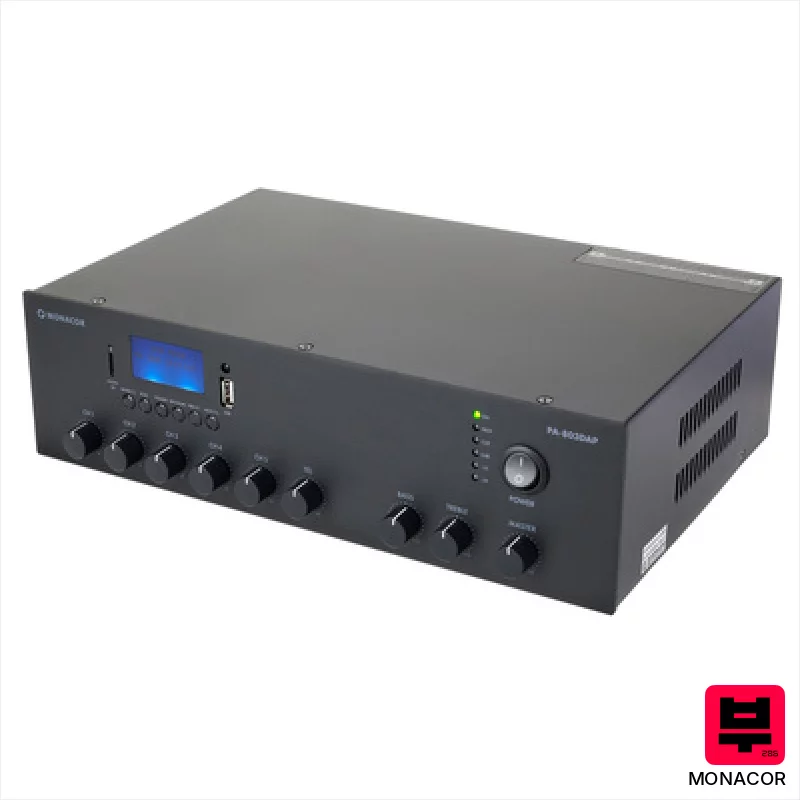
Monacor PA-803DAP
- • Class-D amplification offers efficient power delivery and manageable heat.
- • Integrated MP3 player, FM/DAB+ tuner, and Bluetooth add significant convenience.
- • Phantom power supports condenser microphones for flexible vocal recording.
- • Prioritization circuitry ensures critical announcements override background music.
- • Cinch connections feel dated; modern users may prefer balanced options.
- • Limited power output (30W) restricts use to smaller spaces or quieter applications.
- • Build quality, while adequate, feels budget-oriented with plastic housing.
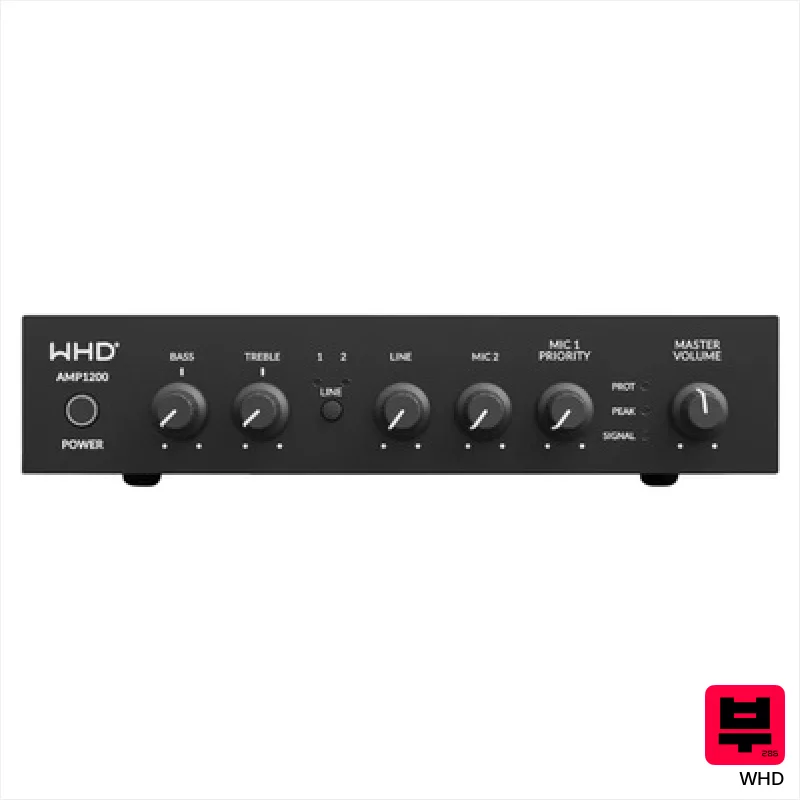
WHD AMP 1200
- • Compact Class-D design minimizes weight and rack space.
- • Flexible 70V/100V operation expands coverage options significantly.
- • Web interface allows for detailed DSP customization and presets.
- • Phoenix connectors offer reliable, professional-grade signal transfer.
- • Single channel limits flexibility for complex sound reinforcement needs.
- • RCA inputs are a bit dated for a modern installation amplifier.
- • DSP capabilities, while present, may be basic for advanced users.
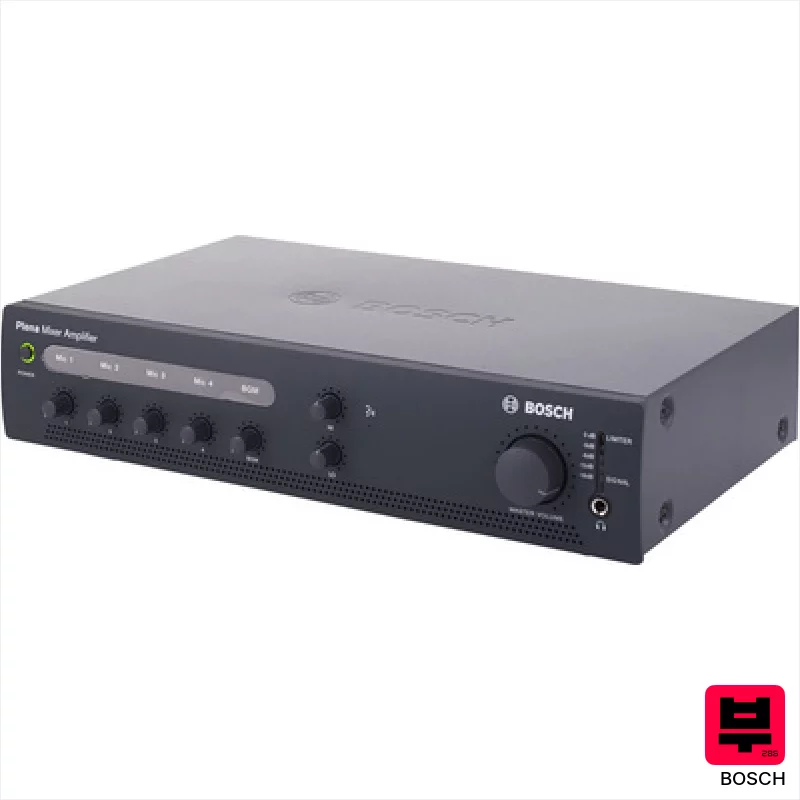
Bosch Plena PLE-1ME 240 EU 360/240W
- • Robust metal chassis offers excellent durability for installations
- • External adjustments simplify setup in fixed locations
- • 100V line output provides flexible zoning capabilities
- • Priority input ensures critical announcements override background music
- • Limited channel count restricts complex mixing scenarios
- • Size (100 x 430 x 270 mm) can be restrictive in smaller spaces
- • Lacks advanced DSP features found in more premium installation amplifiers
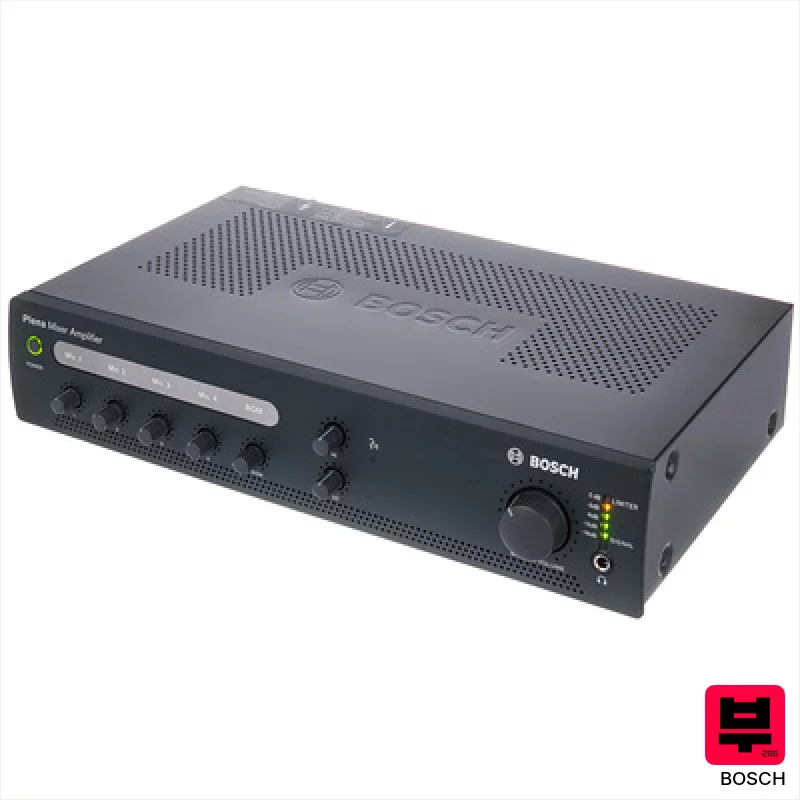
Bosch Plena PLE-1ME 60 EU 90/60 W
- • Robust build quality typical of Bosch commercial equipment
- • Flexible 100V line and 4 Ohm speaker outputs provide versatility
- • Front-panel controls offer convenient on-site adjustments
- • Priority input simplifies announcements and emergency overrides
- • Limited channel count restricts complex mixing scenarios
- • Physical size (430mm deep) can be restrictive in tight spaces
- • VU meter is basic; lacks advanced metering options

Bosch Plena PLE-1MA 120 EU 180/120W
- • Robust metal chassis inspires confidence in long-term reliability
- • 180/120W power handles surprisingly large spaces effectively
- • External controls simplify adjustments in noisy or dark environments
- • Emergency/telephone connector offers critical fail-safe communication
- • Limited routing options restrict complex signal chains
- • Cinch inputs may be a drawback for modern digital workflows
- • Physical size (430mm deep) demands significant rack space
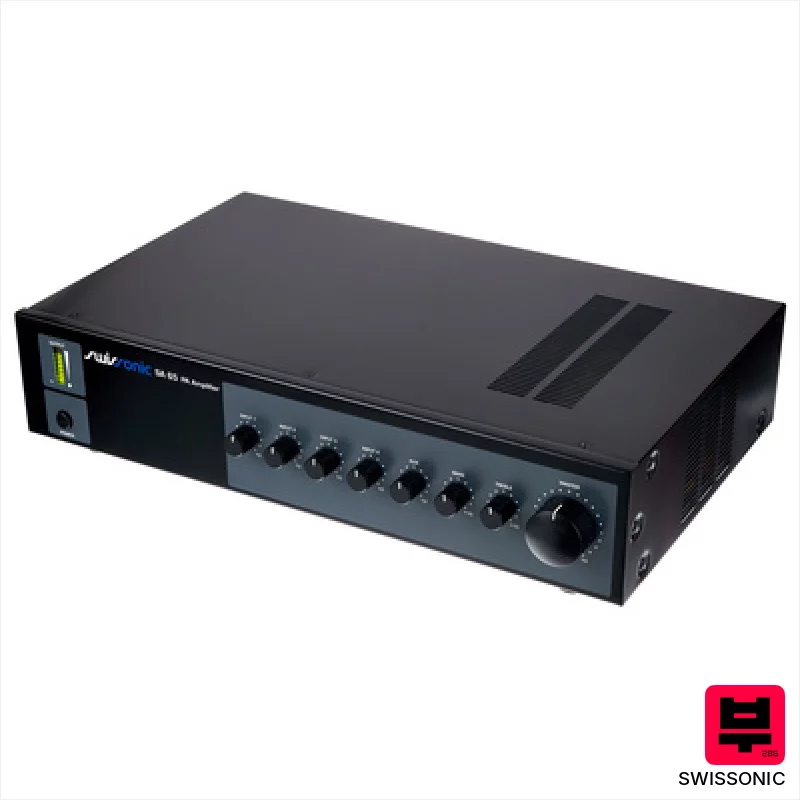
Swissonic SA 65
- • Solid convection cooling eliminates fan noise, a real boon for installations
- • Decent power for small venues or background music applications
- • Phantom power is a welcome addition for condenser mics
- • Compact footprint minimizes rack space or floor area
- • Master tone control lacks precision, feels a bit rudimentary
- • Limited routing options restrict more complex audio setups
- • Build quality feels budget-oriented; plastic casing feels less robust
How to Choose the Best Installation Mixing Amps
Power Output & Headroom
Commercial spaces need serious volume. You want enough headroom to handle unexpected peaks without clipping and introducing distortion - that nasty, brittle sound that makes people cringe. 4 Ohm stability is non-negotiable.
Damping Factor
This impacts low-end tightness. A higher damping factor (above 300 is good) helps control speakers, preventing a boomy, uncontrolled low-end that muddies everything up - especially important with the often-less-than-ideal speaker choices in installs.
Thermal Management
These amps are often rack-mounted and enclosed. Adequate cooling is crucial to prevent overheating and failure. Look for models with decent heatsinks and fan designs, especially if the environment is warm.
Protection Circuitry
Short-circuit, over-temperature, and DC protection are essential. These aren't luxuries; they're lifesavers that prevent catastrophic damage when things go wrong - and they will go wrong eventually.
Signal-to-Noise Ratio
Low noise is paramount. In a noisy environment, even a slightly noisy amp will be amplified, creating a distracting hum. A good SNR (90dB or higher) ensures your music isn't battling a constant hiss.
Buying Guide
Don't be swayed by flashy features you won't use. Commercial installs are about reliability and consistent performance. Cheaper amps often skimp on components and protection, leading to early failure and headaches. Paying a bit more for a reputable brand with a proven track record is an investment in your sanity - and your business. Consider bridged mode capabilities for more power, but factor in speaker impedance matching to avoid damage.
Our Methodology
We're not just looking at spec sheets here. We've spent years building and maintaining commercial sound systems, from dive bars to corporate lobbies. Our evaluations involve real-world testing - throwing these amps into situations they'll actually face - alongside A/B comparisons with other industry standards, and listening for that elusive balance of power, clarity, and durability.

