
Best In-Ear Transmitters Under $1,000 2026
So, you're ditching the wedge monitors and stepping up to in-ear monitoring - smart move. But blowing a grand on a transmitter feels a little steep when you're still paying off that vintage Strat. Let's be real, you need reliable wireless without emptying your gig bag. I've seen enough bands struggle with flaky, cheap IEM systems to know what works and what doesn't, and this list is about finding that sweet spot of performance and price.
Last updated: September 29, 2026
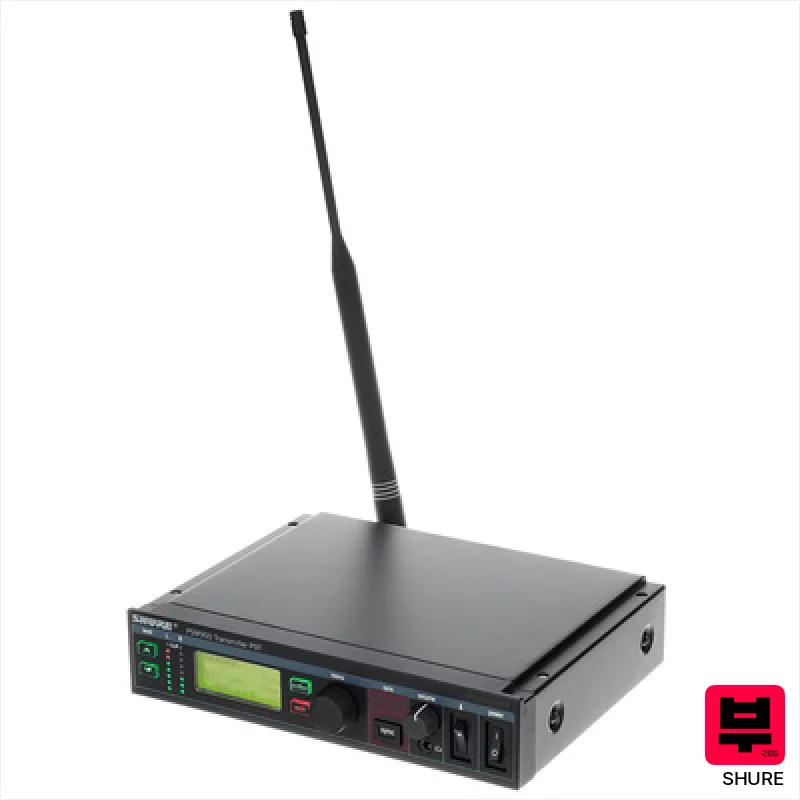
Shure P9T PSM 900 G6E
- • Robust metal chassis provides excellent durability on stage.
- • Shure's Audio Reference Companding delivers exceptionally clear in-ear monitoring.
- • Improved scan and sync simplifies frequency management in crowded RF environments.
- • Switchable power offers flexibility for range and battery life optimization.
- • The weight (850g) makes it less ideal for extended handheld operation.
- • G6E frequency band availability can be limited depending on your region.
- • Premium-priced, representing a significant investment for smaller venues or solo artists.
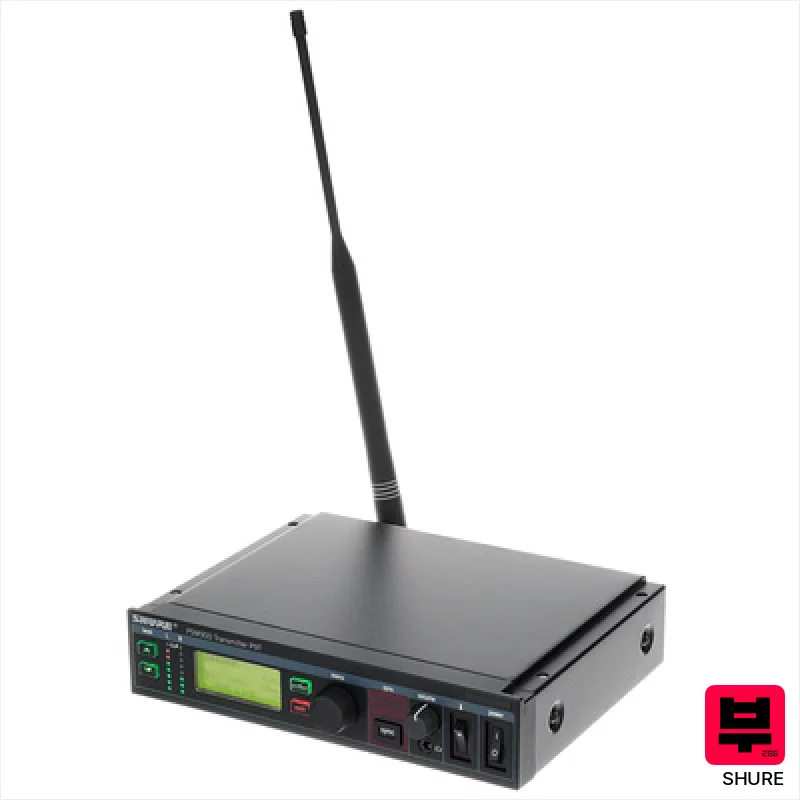
Shure P9T PSM 900 G7E
- • Robust metal chassis provides excellent durability on stage.
- • G7E band offers reliable frequency access in congested RF environments.
- • Shure's audio reference companding delivers exceptionally clear monitoring.
- • Improved scan and sync simplifies frequency management, saving valuable time.
- • The substantial weight (850g) can be tiring during extended use.
- • Limited to 20 frequencies per band restricts flexibility in very crowded environments.
- • The 3.5mm headphone output is a bit dated; a ¼ in option would be preferable.
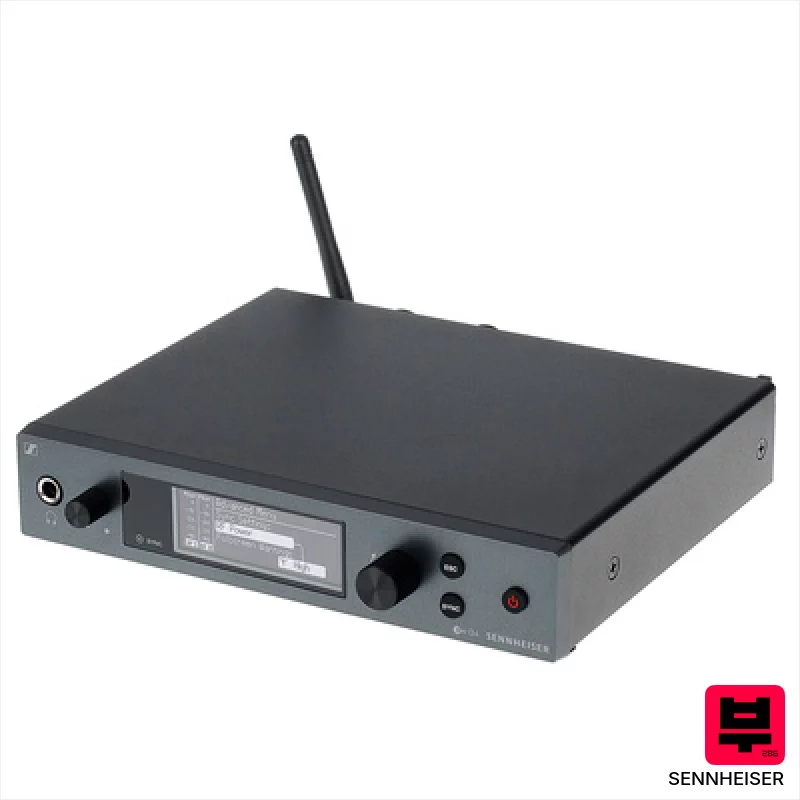
Sennheiser SR IEM G4 A1-Band
- • Rock-solid Sennheiser build quality; feels immediately durable.
- • Excellent HDX compander minimizes stage noise and feedback.
- • Flexible channel banks and presets offer serious customization.
- • WSM integration simplifies frequency coordination in complex setups.
- • A1 band availability varies geographically; check local regulations.
- • Infrared frequency sync can be finicky with obstructions.
- • Premium-priced; a significant investment for smaller gigs.
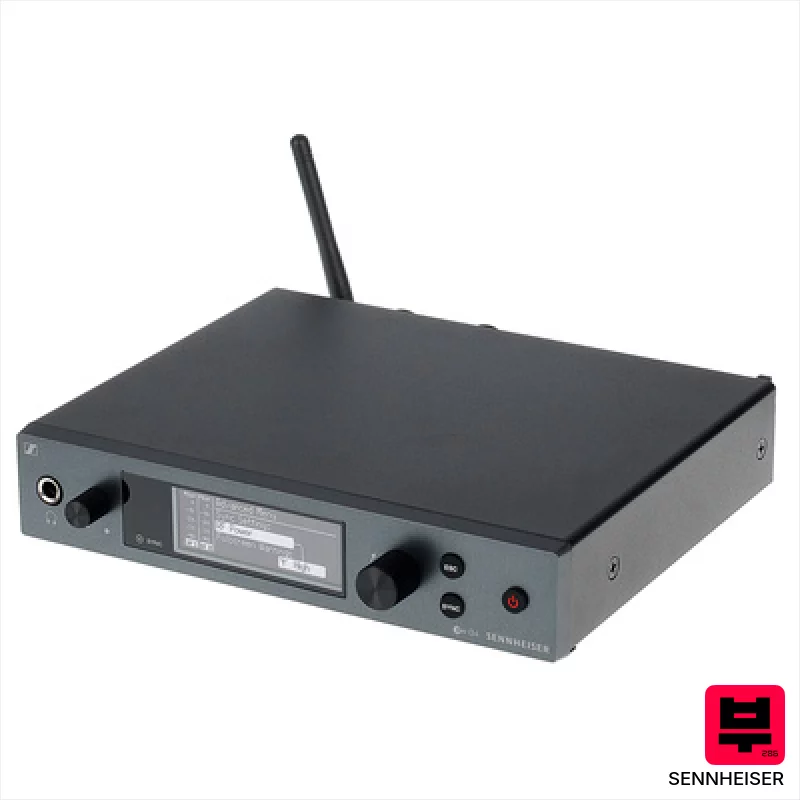
Sennheiser SR IEM G4 GB-Band
- • Rock-solid GB-band frequency allocation for reliable performance.
- • HDX compander delivers clear audio even in noisy environments.
- • Intuitive OLED display simplifies level and frequency management.
- • WSM support allows for centralized frequency coordination in complex setups.
- • GB-band availability varies significantly by region, limiting portability.
- • Premium-priced, representing a significant investment for smaller operations.
- • Limited frequency range compared to wider bandwidth systems.
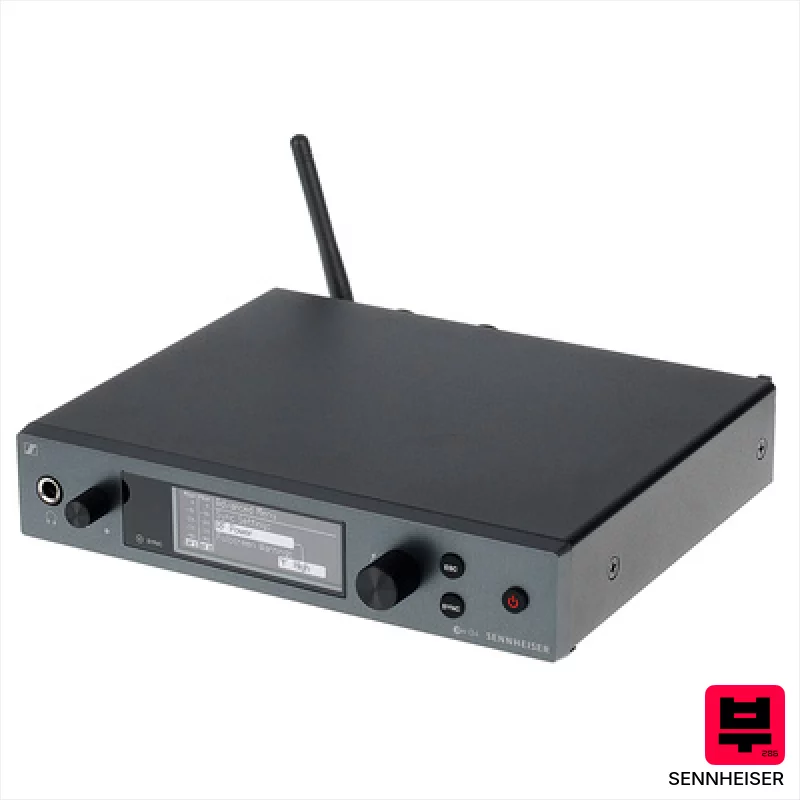
Sennheiser SR IEM G4 B-Band
- • B-band provides reliable, license-free operation in many regions
- • HDX compander delivers excellent audio clarity and minimizes interference
- • OLED display offers clear, real-time feedback on settings and signal levels
- • WSM integration simplifies frequency management in complex RF environments
- • B-band frequencies can be congested in densely populated areas
- • Limited frequency range compared to wider UHF systems
- • Higher power settings can significantly reduce battery life with handheld receivers
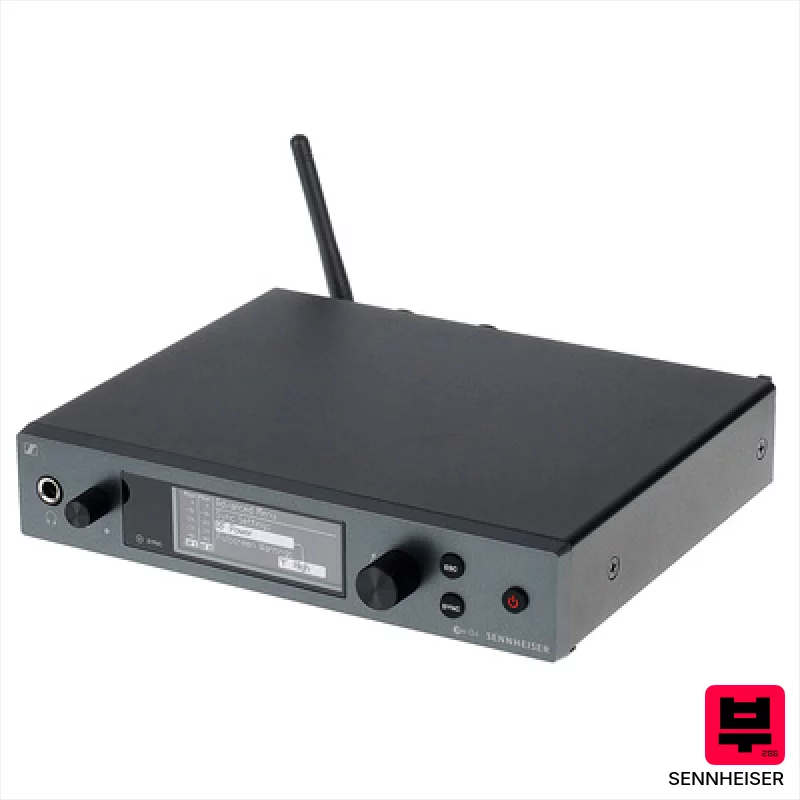
Sennheiser SR IEM G4 A-Band
- • Robust build quality; feels like it'll withstand serious stage abuse
- • Excellent HDX compander minimizes RF interference and feedback
- • Wide frequency range and channel count offer exceptional flexibility
- • Intuitive OLED display provides clear, at-a-glance monitoring data
- • A-band operation can be problematic in congested RF environments
- • Infrared frequency synchronization is less reliable than radio-based systems
- • Premium-priced, potentially prohibitive for budget-conscious performers
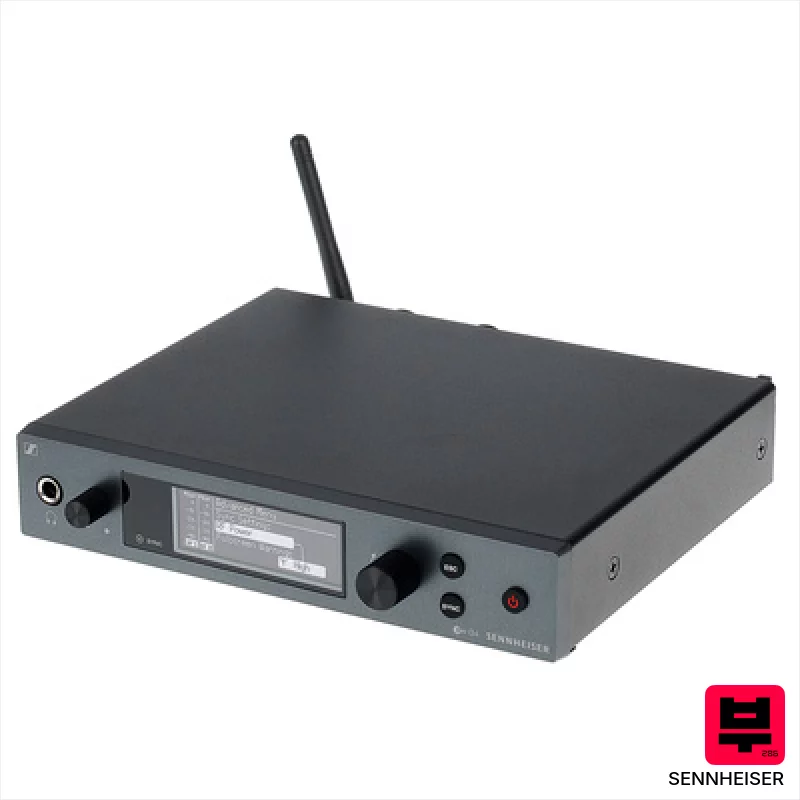
Sennheiser SR IEM G4 E-Band
- • E-band provides exceptional RF clarity and minimal interference.
- • HDX compander delivers transparent audio with excellent dynamic range.
- • Intuitive OLED display offers clear, at-a-glance system status.
- • WSM integration simplifies frequency coordination for complex setups.
- • E-band licensing can be complex and vary by region.
- • The unit's size and weight make it less portable than some alternatives.
- • Limited channel count per receiver compared to some broader band systems.
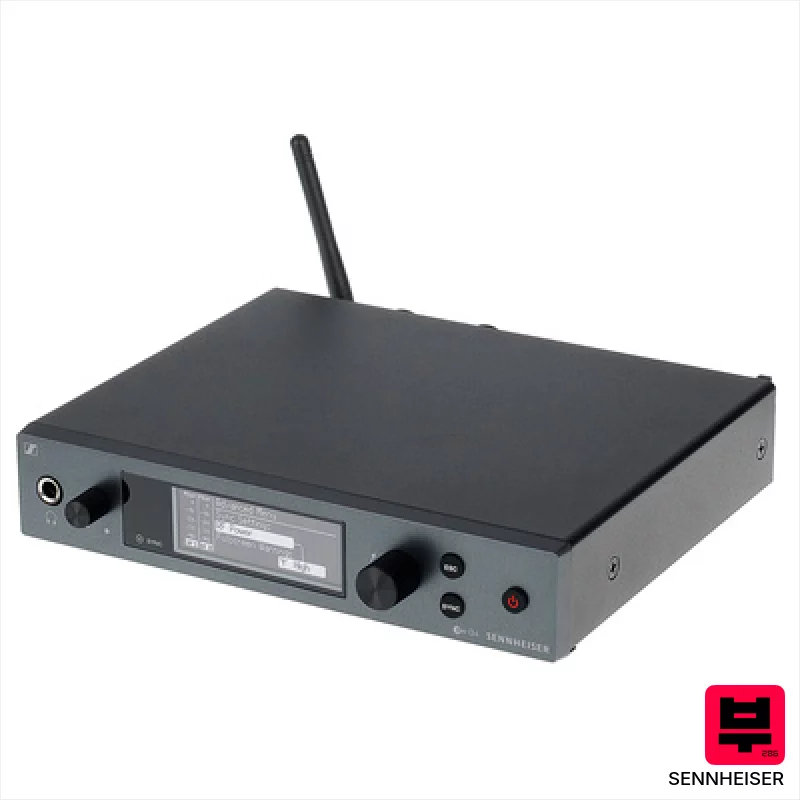
Sennheiser SR IEM G4 G-Band
- • G-band offers clean, reliable wireless performance even in crowded RF environments
- • HDX compander delivers excellent audio clarity and reduces unwanted noise
- • Intuitive OLED display provides real-time feedback on signal strength and settings
- • WSM integration allows for professional frequency management and remote control
- • G-band licensing can be complex and may require permits in certain regions
- • The unit’s size and weight make it less ideal for mobile performers
- • Limited frequency band compared to wider spectrum systems can restrict channel availability

Shure P3T PSM 300 K3E
- • Shure’s Audio Reference Companding delivers exceptionally clean, clear audio.
- • MixMode offers incredible flexibility for stage monitoring mixes.
- • The K3E band provides a good selection of usable frequencies in many regions.
- • Robust build quality – feels solid and reliable for gigging.
- • Infrared transmission can be susceptible to interference from stage lighting.
- • Limited channel count compared to some higher-end systems.
- • The BNC antenna is basic; an upgraded antenna would improve range.

Shure P3T PSM 300 S8
- • Excellent 24-bit audio processing minimizes noise and artifacts
- • Shure’s Audio Reference Companding delivers transparent, high-fidelity sound
- • MixMode function offers flexible stage monitoring control
- • Robust build quality and detachable BNC antenna enhance durability and versatility
- • Infrared transmission can be susceptible to interference in crowded RF environments
- • Limited frequency band (S8) restricts channel availability in some locations
- • Requires a compatible Shure PSM 300 receiver for full functionality

Shure P3T PSM 300 T11
- • Excellent 24-bit audio processing maintains pristine sound quality
- • Shure’s Audio Reference companding delivers a transparent, professional sound
- • MixMode offers flexible input routing for complex monitor mixes
- • Robust construction and detachable BNC antenna ensure reliability on stage
- • Infrared transmission can be susceptible to interference in crowded RF environments
- • Limited frequency band requires careful coordination in multi-transmitter setups
- • The case format is a bit bulky for easy transport in smaller venues

LD Systems MEI 1000 G2 T
- • Solid build quality with a metal chassis for stage durability
- • Dual combo inputs offer flexibility for instrument and vocal use
- • Detachable BNC antenna allows for optimized reception
- • Compact 9.5in form factor suits tight stage setups
- • Limited frequency range compared to higher-end systems
- • Antenna performance can be susceptible to interference in crowded RF environments
- • No Dante connectivity for network integration
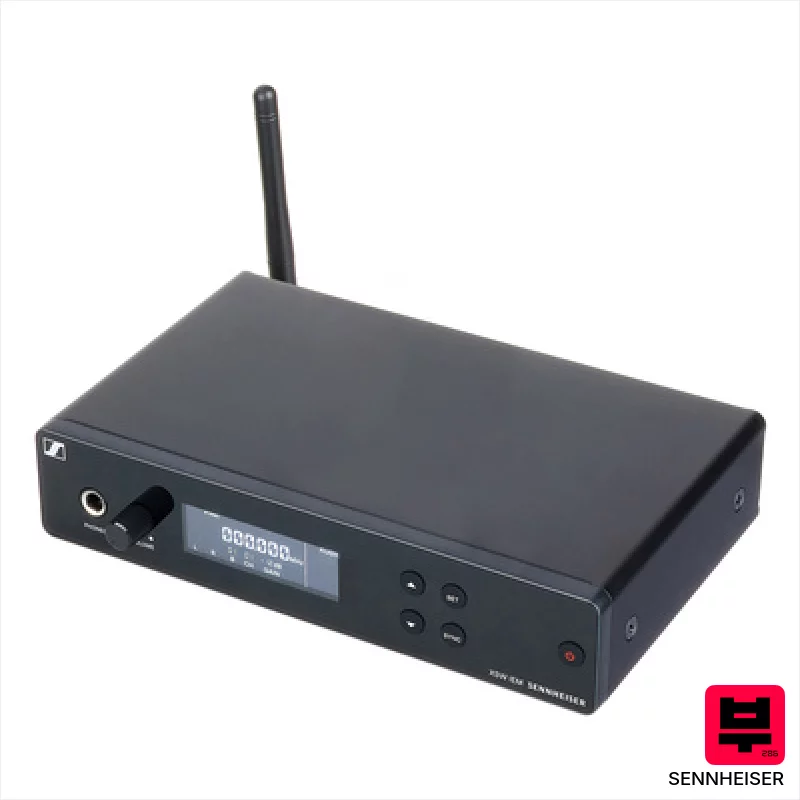
Sennheiser XSW IEM SR C-Band
- • Robust C-band operation avoids common RF congestion issues.
- • Infrared sync simplifies frequency matching across multiple units.
- • Solid Sennheiser build quality ensures reliable gig-to-gig performance.
- • Sufficient transmitting power delivers a respectable range for most stage setups.
- • The 700g weight makes it a bit cumbersome for extended handheld use.
- • Limited channel count compared to higher-end systems restricts scalability.
- • C-band licensing requirements can be a hurdle in certain regions.
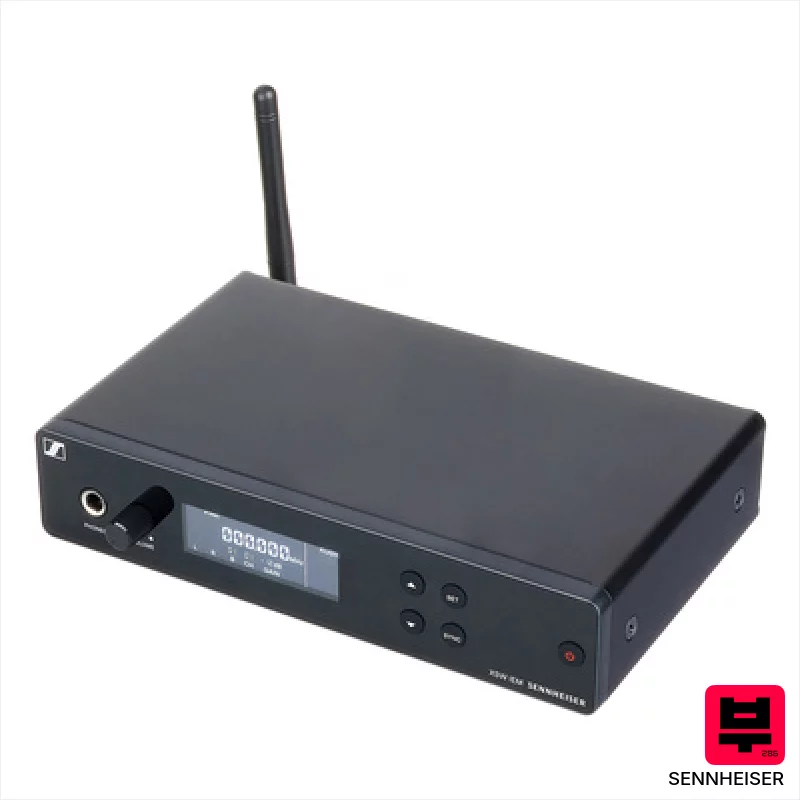
Sennheiser XSW IEM SR B-Band
- • Solid build quality; feels robust and reliable for stage use.
- • Infrared sync simplifies channel matching, a real time-saver.
- • B-band offers relatively clean spectrum, minimizing interference potential.
- • Good frequency response; delivers clear audio for vocals and instruments.
- • B-band availability varies geographically; check local regulations.
- • Limited channel count compared to wider-band systems.
- • The unit is fairly heavy, can be a burden for extended handheld use.
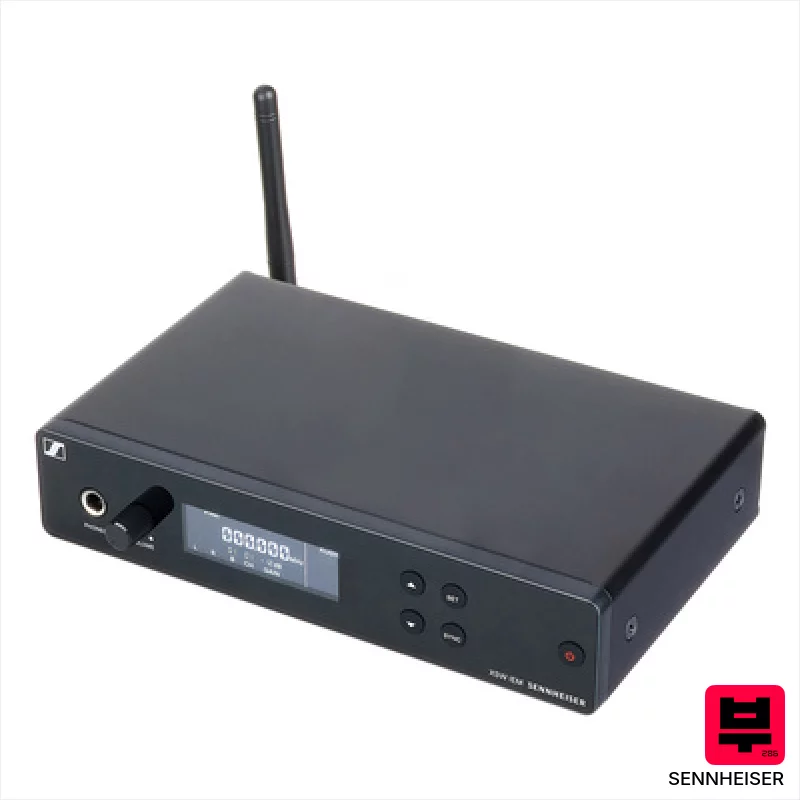
Sennheiser XSW IEM SR A-Band
- • Solid Sennheiser build quality; feels robust and reliable.
- • Infrared sync simplifies frequency matching across multiple units.
- • Wide 24 MHz bandwidth allows for greater channel flexibility.
- • Excellent audio clarity; handles complex mixes well.
- • A-Band frequencies can be susceptible to interference in crowded RF environments.
- • Relatively heavy; portability might be a concern for frequent travel.
- • Limited channel count compared to higher-end systems.
Every in-ear transmitters that matches
17 models match this page. The 15 above are covered in detail; the rest are listed here with their published specifications.
| # | Model | Specifications | Price |
|---|---|---|---|
| 16 | XVive U45 In-Ear Monitor Transmitter | not published | $158 |
| 17 | XVive U4 Wireless System Transmitter | not published | $135 |
In-Ear Transmitters by the numbers
Measured across all 17 models in this category, so «wide», «short» or «expensive» mean something you can check.
How to Choose the Best In-Ear Transmitters
Frequency Range
A wider range (like 500MHz+) gives you more channel options and reduces interference, especially in venues with a lot of wireless activity. Don't get caught battling another band for the same frequency.
Dynamic Range
This is crucial for headroom. A higher dynamic range means you can crank the volume without clipping and distortion - important for those moments when you need to really push the dynamics. Low dynamic range means a muddy, compressed sound.
RF Output Power
More power = better range and penetration through walls and stage clutter. It's a trade-off - higher power can mean more interference for others, so be mindful of regulations.
Audio Quality (THD+N)
Total Harmonic Distortion plus Noise. Lower numbers are better. You want clean, articulate audio - not a fuzzy, distorted mess, especially when you're relying on IEMs for your monitor mix.
Build Quality & Durability
Gigs are rough. Dropped transmitters, sweat, beer spills - it all happens. A solid, well-built transmitter will last longer and save you money in the long run. Plastic housings are fine, but look for robust construction overall.
Buying Guide
Under $1000, you're making compromises. Don't expect broadcast-grade performance - you'll be looking at single or dual diversity antennas, likely a shorter operating range, and potentially less refined audio processing. Watch out for transmitters that promise the world but have limited frequency bandwidth or weak RF output. Prioritize reliability and a clean signal over flashy features you won't use.
How This List Is Built
We don't play these instruments — we're a catalog, not a review desk, and we'd rather say so than pretend otherwise. This page covers 17 in-ear transmitters from the Thomann catalogue, which is the largest single source of specification data in this category: 15 in detail, the rest listed with their specifications.
Position is computed, not curated. We parse the manufacturer's own description into actual values — nut width, scale, fret count, fingerboard radius, size, alloy — and rank on them: how many specifications a model has published, how many of them are measurable numbers, and how precisely it meets this page's criterion. A product image adds a little. Price is not a ranking signal: it tells you nothing about whether a neck fits your hand. The same inputs always produce the same order, so nothing here is shuffled to look fresh.
What this list is good for: narrowing a category down to a shortlist by spec and budget. What it isn't: a substitute for hearing an instrument. Before you buy, read hands-on reviews and, where you can, play it. Full methodology.

