
Best Sennheiser In-Ear Transmitters 2026
So, you're ditching the floor wedges and going wireless in-ear? Smart move - it's a game changer for stage monitoring. Sennheiser's been the gold standard in pro audio for decades, and their in-ear transmitters are no exception. We're diving into what makes them tick, because a good IEM system isn't just about convenience; it's about hearing your mix properly and delivering a killer performance.
Last updated: September 28, 2026
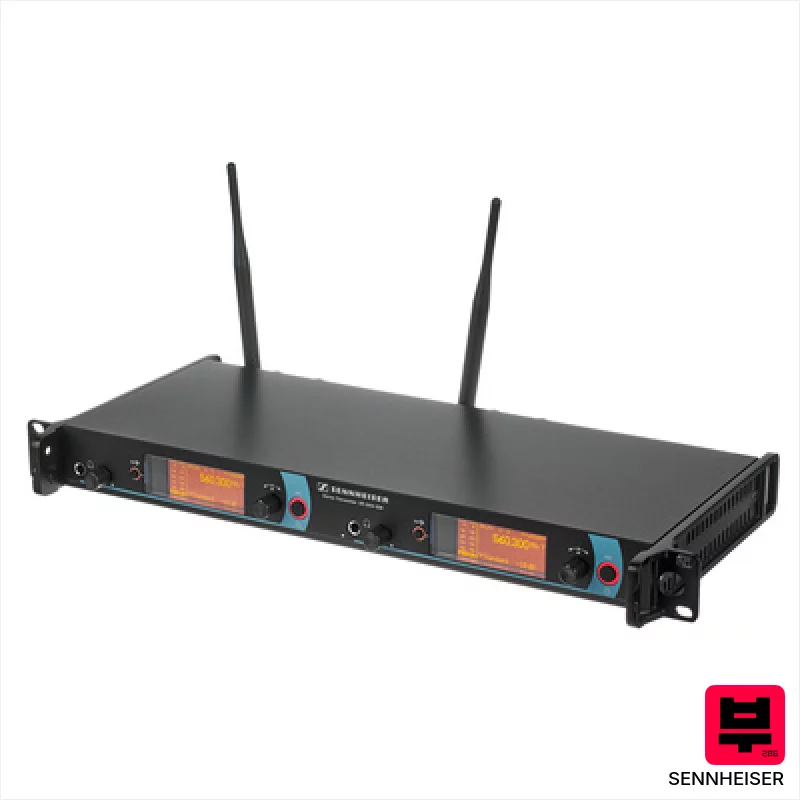
Sennheiser SR 2050 IEM-GW
- • Excellent RF stability even in crowded wireless environments.
- • HDX compander provides clean, dynamic audio with minimal noise.
- • Flexible channel bank system simplifies frequency coordination for multiple users.
- • Robust 19in rackmount design allows for seamless integration into professional rigs.
- • Premium-priced, representing a significant investment for smaller operations.
- • Limited frequency band compared to some competing systems, potentially restricting channel availability.
- • Ethernet connectivity adds complexity; may not be essential for all users.
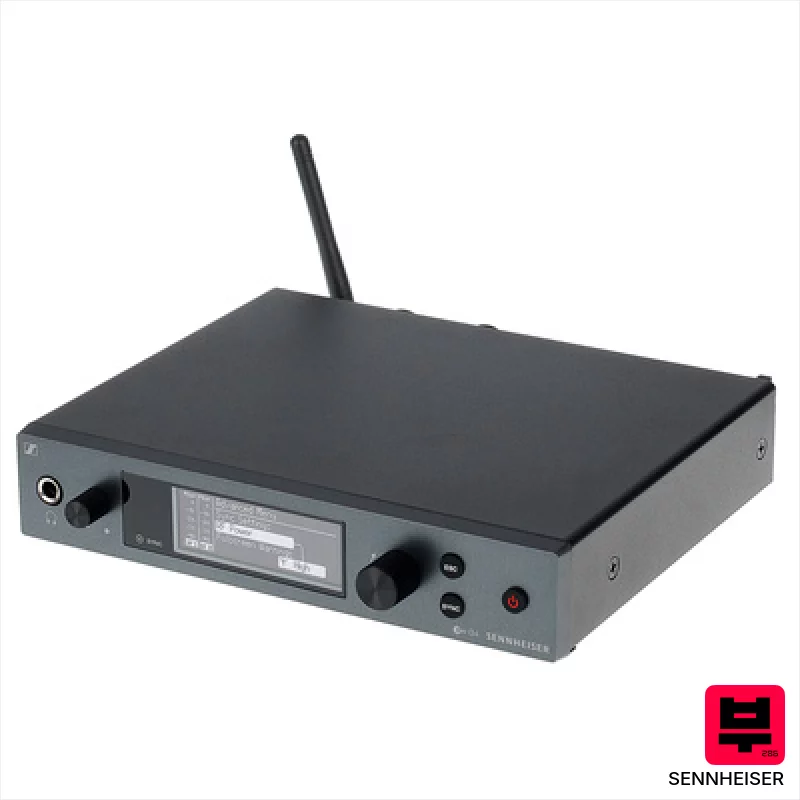
Sennheiser SR IEM G4 E-Band
- • E-band provides exceptional RF clarity and minimal interference.
- • HDX compander delivers transparent audio with excellent dynamic range.
- • Intuitive OLED display offers clear, at-a-glance system status.
- • WSM integration simplifies frequency coordination for complex setups.
- • E-band licensing can be complex and vary by region.
- • The unit's size and weight make it less portable than some alternatives.
- • Limited channel count per receiver compared to some broader band systems.
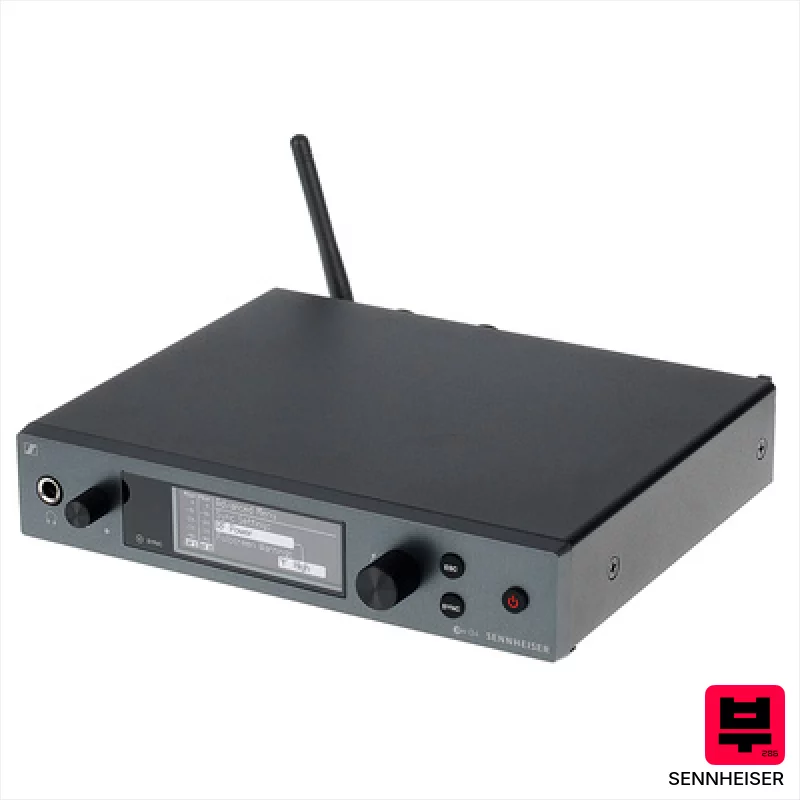
Sennheiser SR IEM G4 B-Band
- • B-band provides reliable, license-free operation in many regions
- • HDX compander delivers excellent audio clarity and minimizes interference
- • OLED display offers clear, real-time feedback on settings and signal levels
- • WSM integration simplifies frequency management in complex RF environments
- • B-band frequencies can be congested in densely populated areas
- • Limited frequency range compared to wider UHF systems
- • Higher power settings can significantly reduce battery life with handheld receivers
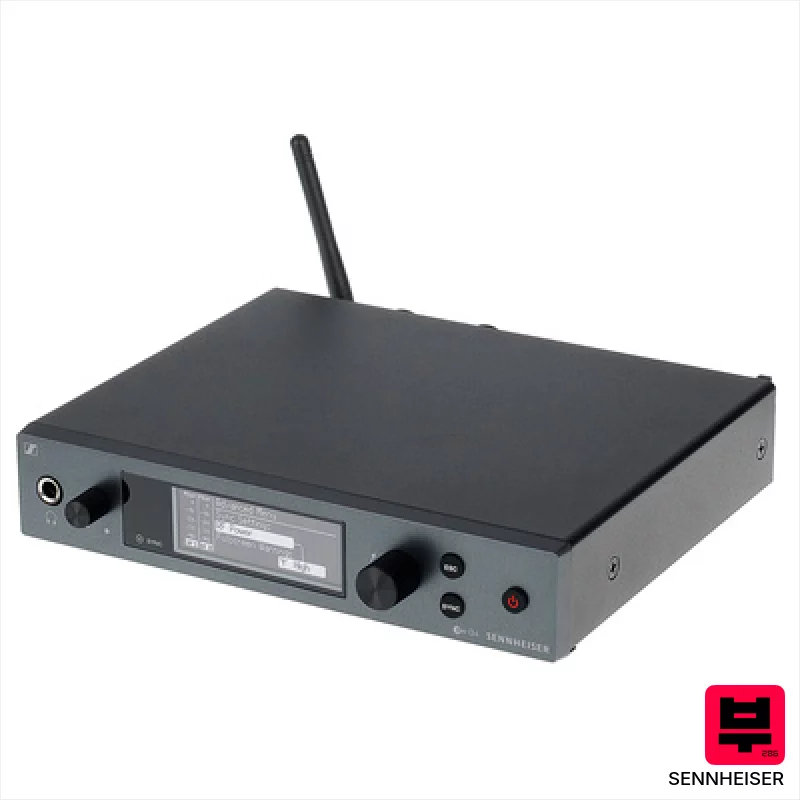
Sennheiser SR IEM G4 G-Band
- • G-band offers clean, reliable wireless performance even in crowded RF environments
- • HDX compander delivers excellent audio clarity and reduces unwanted noise
- • Intuitive OLED display provides real-time feedback on signal strength and settings
- • WSM integration allows for professional frequency management and remote control
- • G-band licensing can be complex and may require permits in certain regions
- • The unit’s size and weight make it less ideal for mobile performers
- • Limited frequency band compared to wider spectrum systems can restrict channel availability
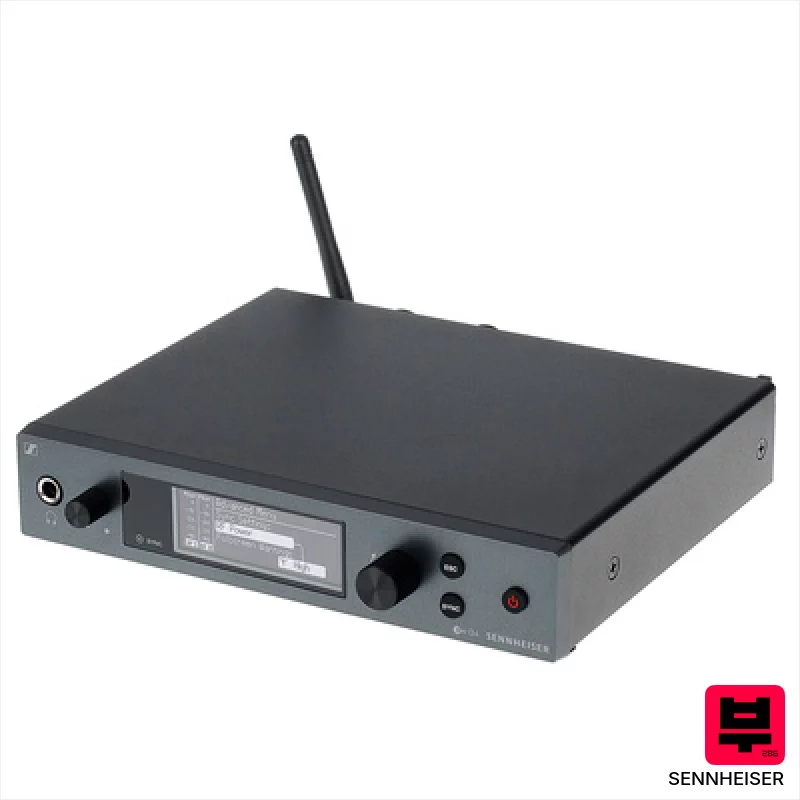
Sennheiser SR IEM G4 A1-Band
- • Rock-solid Sennheiser build quality; feels immediately durable.
- • Excellent HDX compander minimizes stage noise and feedback.
- • Flexible channel banks and presets offer serious customization.
- • WSM integration simplifies frequency coordination in complex setups.
- • A1 band availability varies geographically; check local regulations.
- • Infrared frequency sync can be finicky with obstructions.
- • Premium-priced; a significant investment for smaller gigs.
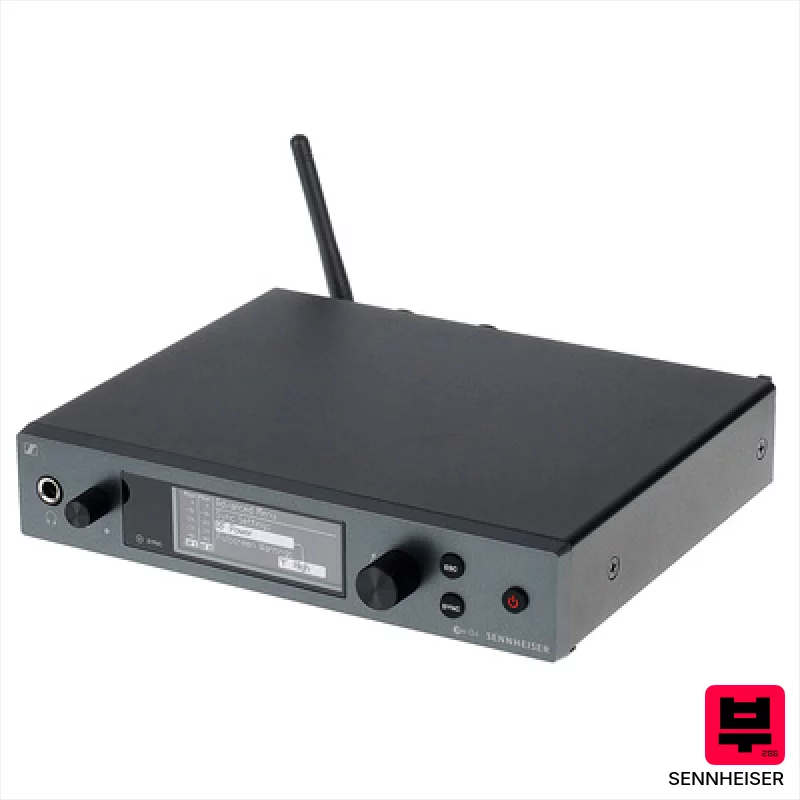
Sennheiser SR IEM G4 A-Band
- • Robust build quality; feels like it'll withstand serious stage abuse
- • Excellent HDX compander minimizes RF interference and feedback
- • Wide frequency range and channel count offer exceptional flexibility
- • Intuitive OLED display provides clear, at-a-glance monitoring data
- • A-band operation can be problematic in congested RF environments
- • Infrared frequency synchronization is less reliable than radio-based systems
- • Premium-priced, potentially prohibitive for budget-conscious performers

Sennheiser SR 2050 IEM-BW
- • Exceptional audio clarity with Sennheiser's HDX compander system.
- • Wide 75 MHz bandwidth allows for dense channel allocation.
- • Robust 19-inch rack mountable design for professional setups.
- • Ethernet connectivity enables remote control and monitoring.
- • Premium-priced, a significant investment for smaller acts.
- • Limited frequency band versatility compared to broader spectrum systems.
- • The larger size and weight might be cumbersome for portable use.
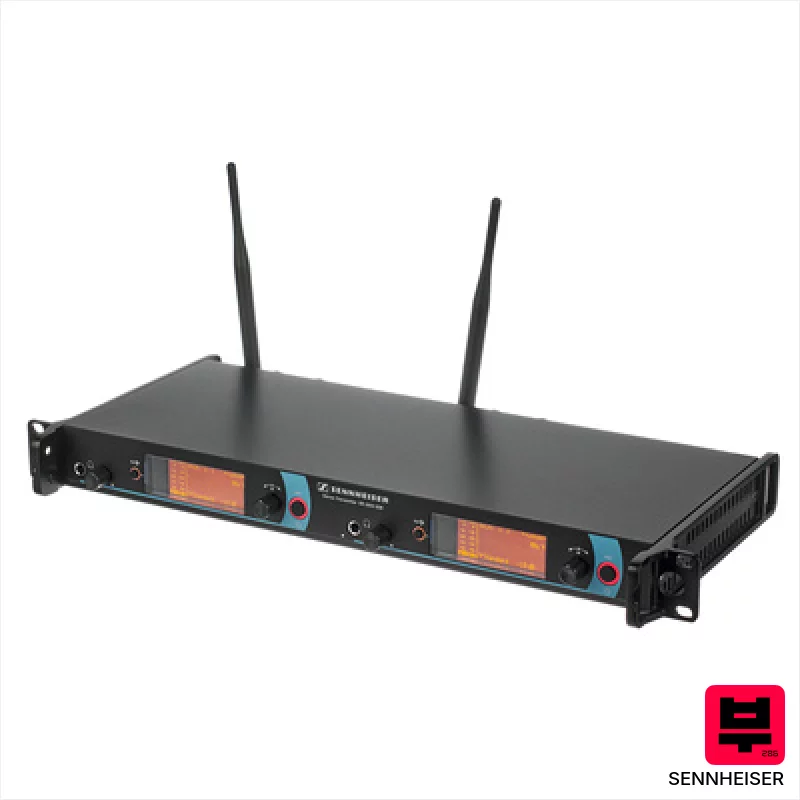
Sennheiser SR 2050 IEM-AW+
- • Exceptional audio clarity with Sennheiser's HDX compander system
- • Wide 75 MHz bandwidth provides substantial frequency flexibility
- • Robust 19in rackmount design simplifies professional setups
- • Multiple power settings optimize range and battery life for IEMs
- • Premium-priced, represents a significant investment for smaller acts
- • Limited frequency band compared to some competing systems
- • Ethernet connectivity adds complexity for simpler setups
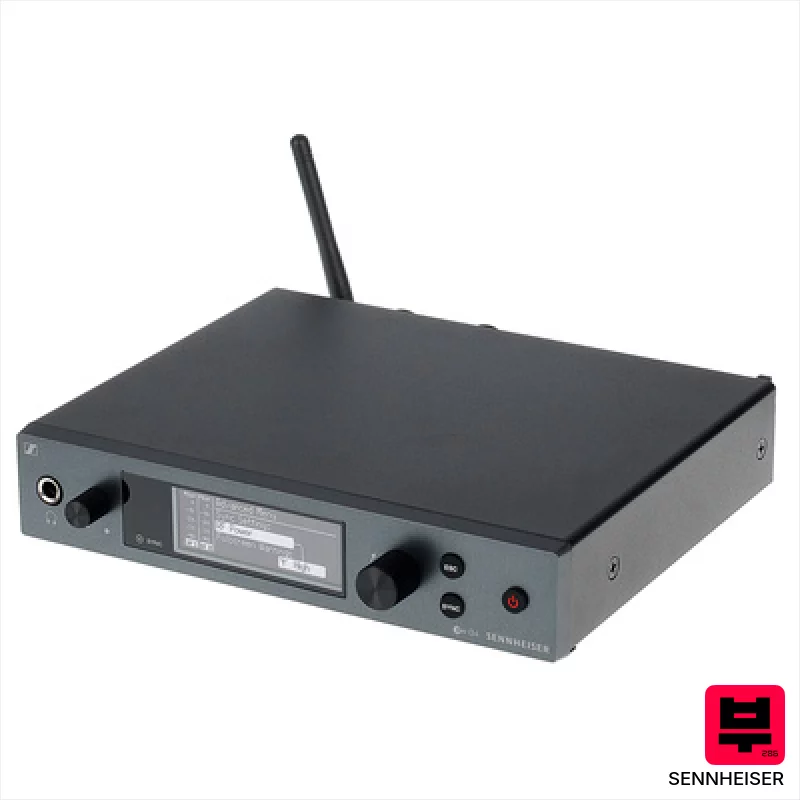
Sennheiser SR IEM G4 GB-Band
- • Rock-solid GB-band frequency allocation for reliable performance.
- • HDX compander delivers clear audio even in noisy environments.
- • Intuitive OLED display simplifies level and frequency management.
- • WSM support allows for centralized frequency coordination in complex setups.
- • GB-band availability varies significantly by region, limiting portability.
- • Premium-priced, representing a significant investment for smaller operations.
- • Limited frequency range compared to wider bandwidth systems.
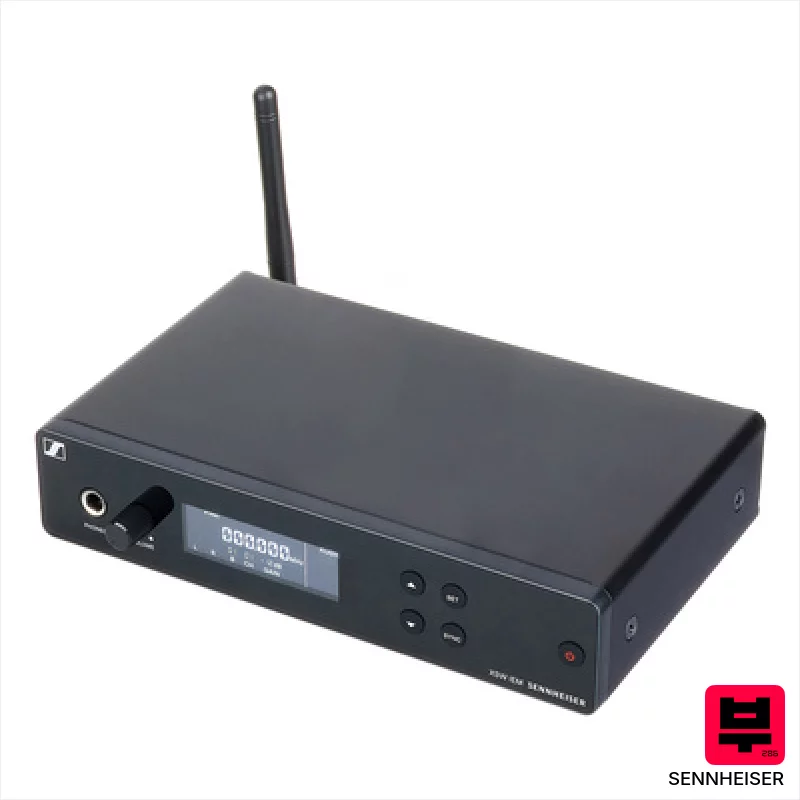
Sennheiser XSW IEM SR C-Band
- • Robust C-band operation avoids common RF congestion issues.
- • Infrared sync simplifies frequency matching across multiple units.
- • Solid Sennheiser build quality ensures reliable gig-to-gig performance.
- • Sufficient transmitting power delivers a respectable range for most stage setups.
- • The 700g weight makes it a bit cumbersome for extended handheld use.
- • Limited channel count compared to higher-end systems restricts scalability.
- • C-band licensing requirements can be a hurdle in certain regions.
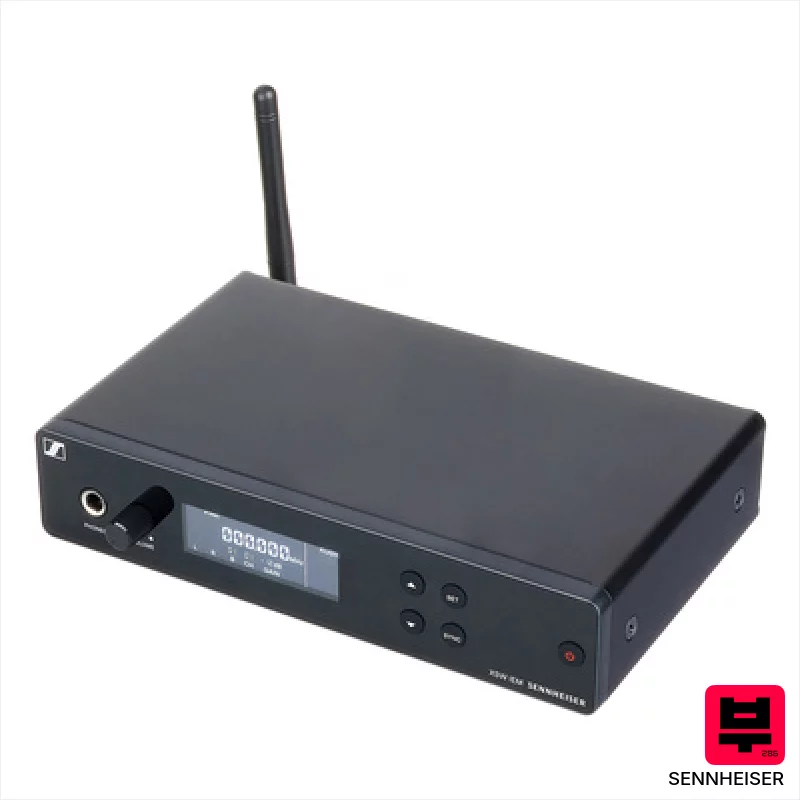
Sennheiser XSW IEM SR B-Band
- • Solid build quality; feels robust and reliable for stage use.
- • Infrared sync simplifies channel matching, a real time-saver.
- • B-band offers relatively clean spectrum, minimizing interference potential.
- • Good frequency response; delivers clear audio for vocals and instruments.
- • B-band availability varies geographically; check local regulations.
- • Limited channel count compared to wider-band systems.
- • The unit is fairly heavy, can be a burden for extended handheld use.
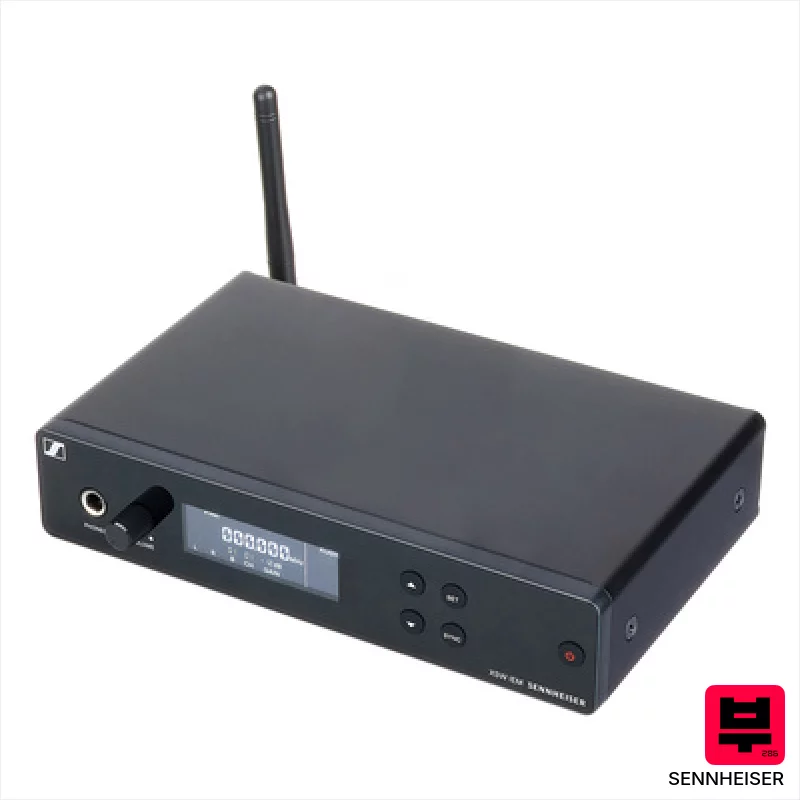
Sennheiser XSW IEM SR A-Band
- • Solid Sennheiser build quality; feels robust and reliable.
- • Infrared sync simplifies frequency matching across multiple units.
- • Wide 24 MHz bandwidth allows for greater channel flexibility.
- • Excellent audio clarity; handles complex mixes well.
- • A-Band frequencies can be susceptible to interference in crowded RF environments.
- • Relatively heavy; portability might be a concern for frequent travel.
- • Limited channel count compared to higher-end systems.
In-Ear Transmitters by the numbers
Measured across all 21 models in this category, so «wide», «short» or «expensive» mean something you can check.
How to Choose the Best In-Ear Transmitters
Clarity & Frequency Response
Sennheiser consistently delivers a clean, uncolored sound. It's not a hyped low-end thump or a brittle high-end sparkle; it's accurate. This is crucial for hearing your instruments and vocals clearly in a complex mix - you need to hear the articulation, not just the volume.
Dynamic Range & Headroom
These transmitters have serious headroom. You can crank the levels without introducing unwanted compression or distortion, even with a loud stage volume. That's vital when your drummer's laying down some serious dynamics.
RF Performance & Stability
Sennheiser's RF performance is legendary. They're known for rock-solid signal stability, even in environments with a lot of wireless interference - think crowded festivals or venues with dodgy power. Less dropouts = more confidence.
Build Quality & Durability
These aren't disposable gadgets. The metal chassis and robust construction mean they can take a beating from gigging life. You're paying for longevity - a transmitter that's still working flawlessly years down the line.
Features & Integration
Sennheiser's systems often offer smart features like Dante integration (for seamless digital workflows) and intuitive frequency management. This isn't just about plugging in and playing; it's about integrating into a professional audio ecosystem.
Buying Guide
Look, Sennheiser transmitters aren't cheap. You're paying for that legendary reliability and clean sound. Don't skimp on the receivers either - the whole system needs to work together. Be wary of heavily discounted used gear; RF components can degrade over time, leading to dropouts and instability. Consider your band size and stage layout - more band members and a bigger stage demand more channels and a more robust system.
How This List Is Built
We don't play these instruments — we're a catalog, not a review desk, and we'd rather say so than pretend otherwise. This page covers 12 of 21 in-ear transmitters from the Thomann catalogue, which is the largest single source of specification data in this category: 12 in detail, the rest listed with their specifications.
Position is computed, not curated. We parse the manufacturer's own description into actual values — nut width, scale, fret count, fingerboard radius, size, alloy — and rank on them: how many specifications a model has published, how many of them are measurable numbers, and how precisely it meets this page's criterion. A product image adds a little. Price is not a ranking signal: it tells you nothing about whether a neck fits your hand. The same inputs always produce the same order, so nothing here is shuffled to look fresh.
What this list is good for: narrowing a category down to a shortlist by spec and budget. What it isn't: a substitute for hearing an instrument. Before you buy, read hands-on reviews and, where you can, play it. Full methodology.

