
Best Headphone Amps Under $5,000 2026
Alright, so you're looking for a headphone amp that won't drain your gig money, but still delivers some serious sonic muscle. Let's be honest, the top-tier stuff can easily climb past five grand, but there's a ton of fantastic gear lurking just below that mark. We're gonna break down the best headphone amps under $5000, focusing on what you actually need for tracking, mixing, and even late-night practice without annoying the neighbors.
Last updated: April 11, 2026
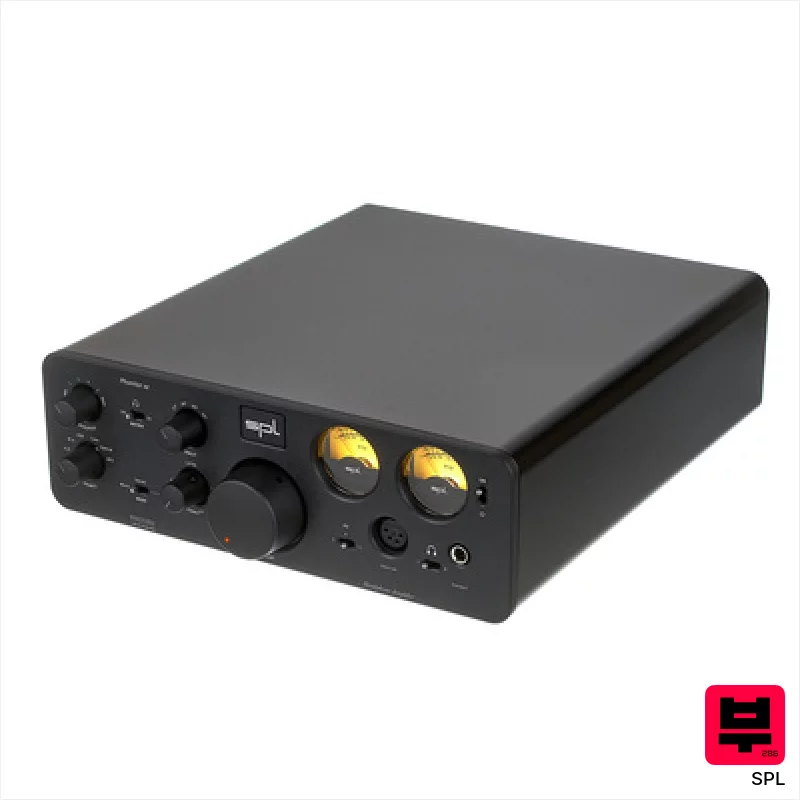
SPL Phonitor xe black + DAC768v2
- • Exceptional AKM DAC provides remarkably detailed and transparent audio reproduction.
- • Phonitor Matrix genuinely reduces listening fatigue, even during long sessions.
- • Versatile input options cater to diverse recording and playback scenarios.
- • Robust, understated build quality; feels premium and durable in hand.
- • The sheer number of inputs/controls can be overwhelming for less experienced users.
- • Significant weight makes it less ideal for portable or mobile setups.
- • Premium-priced, representing a considerable investment for most home studios.
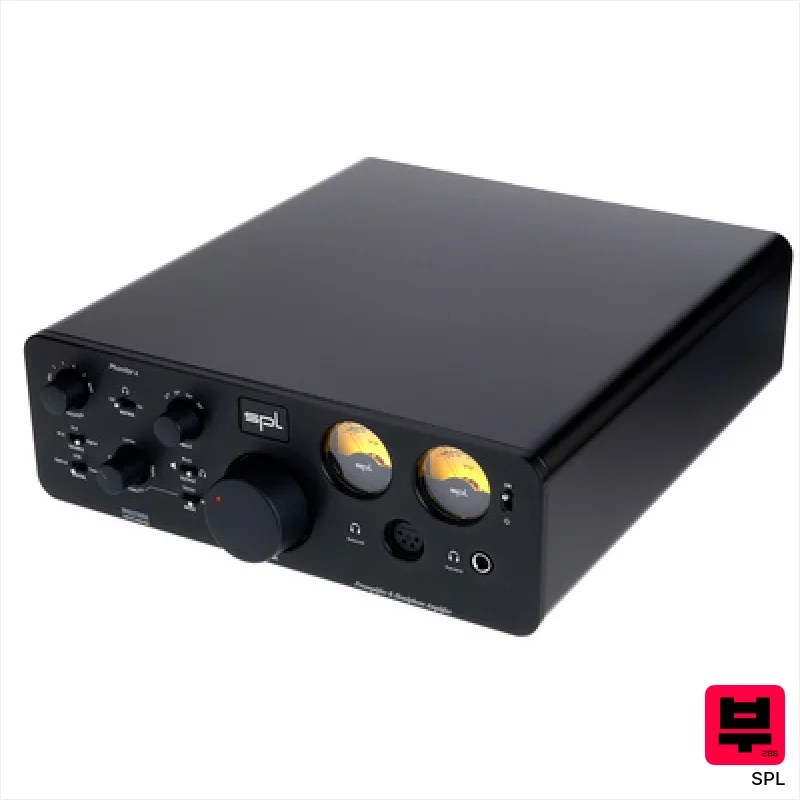
SPL Phonitor x + DAC768xs
- • Exceptional clarity and detail across the entire frequency spectrum
- • Robust, German-engineered build quality with aluminum faceplate and steel housing
- • Remarkable channel balance control allows for precise mono compatibility checks
- • Linear power supply minimizes noise and provides exceptionally clean power
- • Premium-priced, making it a significant investment for most users
- • Size and weight (4.3 kg) limit portability and require ample space
- • Limited connectivity beyond standard analog inputs and outputs
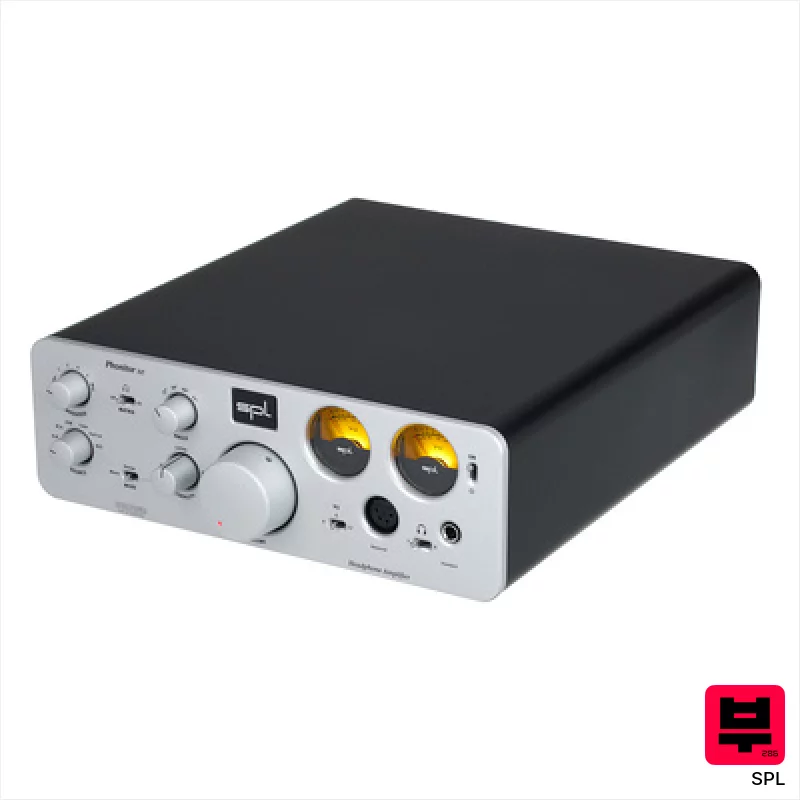
SPL Phonitor xe Silver
- • The Phonitor Matrix genuinely reduces listening fatigue, even during long sessions.
- • Silver-plated internal wiring contributes to a remarkably clean and detailed sound.
- • Excellent channel separation and crosstalk performance; imaging is precise and wide.
- • The Laterality control is surprisingly effective for critical headphone mixing and mastering.
- • The weight makes it less than ideal for portable or mobile studio setups.
- • The extensive feature set can feel overwhelming for casual headphone listeners.
- • The premium-priced tag puts it out of reach for many home recording enthusiasts.

SPL Phonitor xe black
- • Exceptional transient response; reveals micro-details in recordings.
- • Phonitor Matrix drastically reduces listening fatigue during long sessions.
- • Discrete Class A circuitry delivers a remarkably clean, powerful signal.
- • Robust, milled aluminum enclosure feels incredibly solid and well-built.
- • Premium-priced; a significant investment for most home studios.
- • Limited input options compared to some competing headphone amps.
- • Size and weight make it less ideal for portable setups.
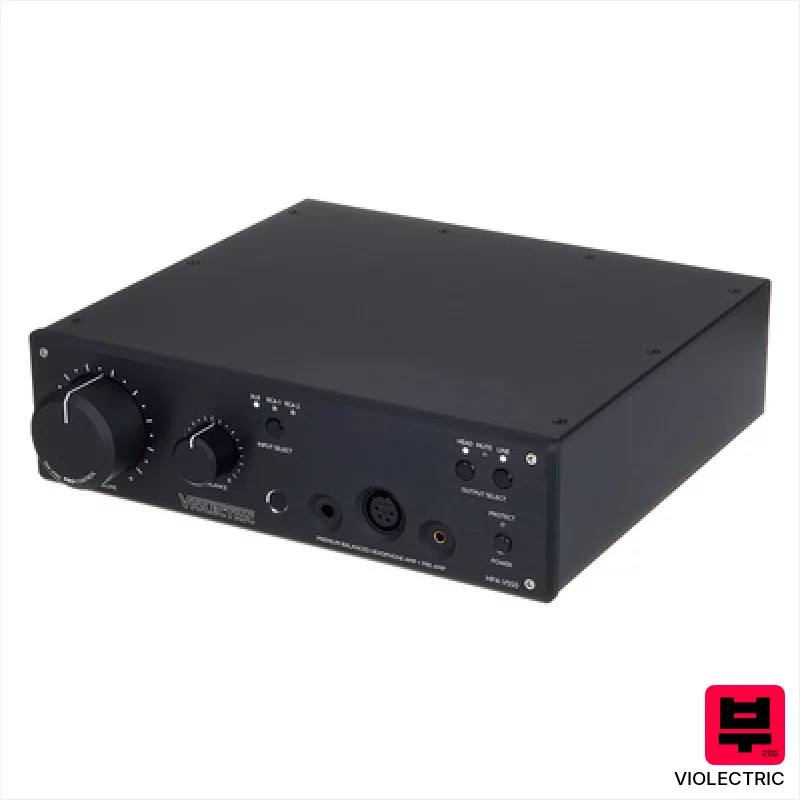
Violectric HPA V550 Pro
- • 256-step relay volume provides unparalleled precision and control over gain.
- • Multiple amp paths ensure exceptional flexibility with diverse headphone impedances.
- • Robust toroidal transformers deliver clean, stable power, minimizing noise.
- • Balanced XLR inputs/outputs offer significantly improved signal-to-noise ratio.
- • The sheer size and weight make it less ideal for portable use.
- • The extensive feature set can be overwhelming for less experienced users.
- • Premium-priced, limiting accessibility for budget-conscious audiophiles.

SPL Phonitor 3 DAC
- • The 120V technology delivers a truly remarkable, clean power delivery for exceptional headroom.
- • The Phonitor matrix offers genuinely useful and customizable crossfeed and mono/stereo imaging tools.
- • Build quality is superb; the robust chassis and discrete component design inspire confidence.
- • The extensive input options (including ES/EBU) make it a versatile hub for high-end audio setups.
- • The size and weight make it less ideal for smaller, more portable studio environments.
- • The sheer number of features and controls can be overwhelming for less experienced users.
- • The premium-priced tag puts it out of reach for many home listening setups.
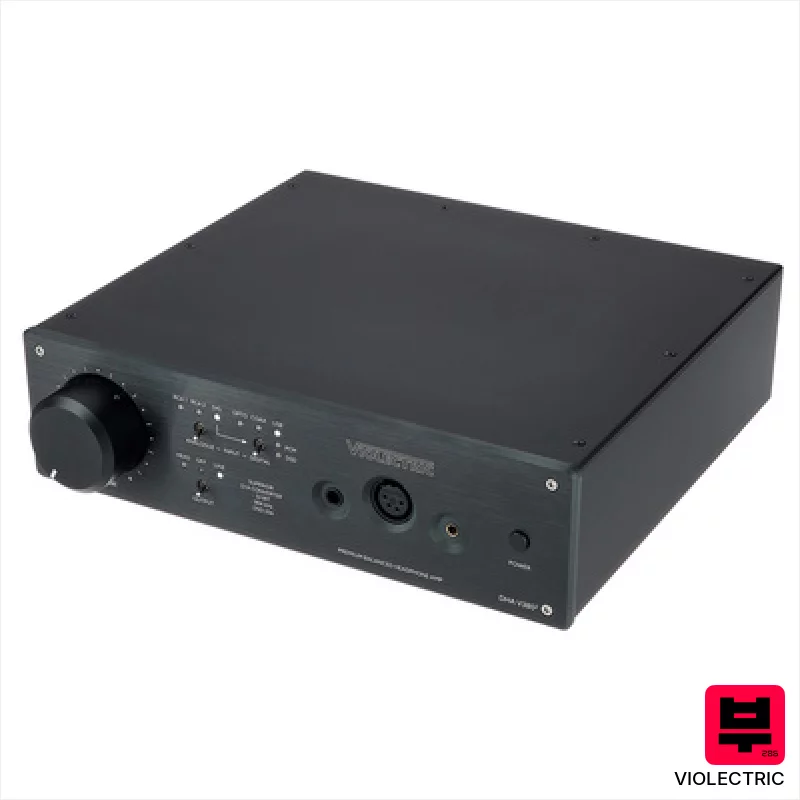
Violectric DHA V380 MK2
- • Exceptional channel separation thanks to dual ESS ES9026 PRO converters.
- • RK27 potentiometer provides precise, smooth volume control and avoids harshness.
- • Impressive power delivery handles demanding planar magnetic headphones effortlessly.
- • Balanced XLR output offers a cleaner, more detailed signal path.
- • Premium-priced, making it a significant investment for most users.
- • Size and weight can be cumbersome for portable use; it's a desktop unit.
- • Limited input options compared to some competitors; no AES/EBU.

Violectric HPA V550
- • Exceptional channel separation and low noise floor for critical listening
- • Motorized volume control with balance adjustment offers precise control
- • Multiple balanced and unbalanced outputs accommodate diverse setups
- • Robust build quality with dual toroidal transformers ensures stable power
- • Premium-priced, putting it out of reach for many hobbyists
- • Size and weight make it less portable than smaller amps
- • Limited input options; no USB DAC functionality built-in
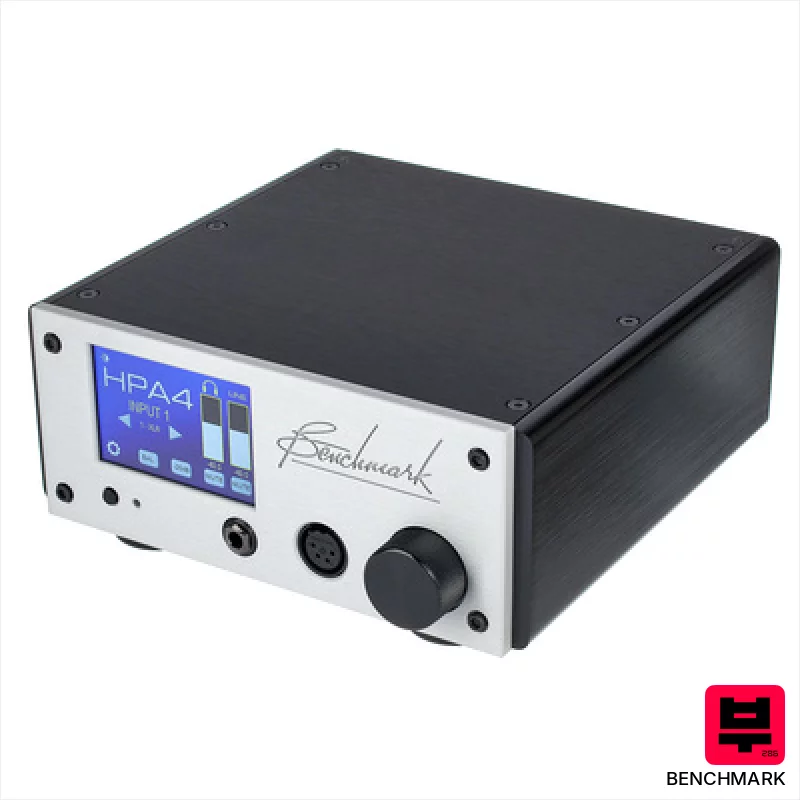
Benchmark HPA4
- • Exceptional THX AAA amplification minimizes distortion for pristine clarity
- • 256-step relay gain offers incredibly precise volume control
- • Ultra-low output impedance maximizes headphone driver performance
- • Balanced XLR inputs/outputs ensure clean signal transfer and headroom
- • Premium-priced, a significant investment for most users
- • Limited feature set beyond headphone amplification and preamping
- • Relay-based gain control introduces a subtle click upon volume changes

Violectric HPA V324
- • Exceptional dynamic range exceeding 131dB, revealing subtle details.
- • True balanced architecture delivers remarkably clean and powerful output.
- • ALPS motorised potentiometer offers precise, refined volume control.
- • Robust, understated build quality using premium metal chassis.
- • Premium-priced, a significant investment for most users.
- • Size and weight make it less portable than smaller alternatives.
- • Limited connectivity compared to some multi-purpose interfaces.

Lake People G111 MKII Phone-Amp
- • V100 discrete output stages deliver exceptional channel separation and clarity.
- • Alps RK 27 potentiometer provides precise, smooth volume control.
- • Toroidal transformer ensures clean, stable power delivery minimizing noise.
- • Channel-separated construction reduces crosstalk, enhancing stereo imaging.
- • The all-black aesthetic might not appeal to everyone's taste; lacks visual flair.
- • Relay-based outputs introduce a slight, but audible, delay during power-up.
- • Premium-priced, limiting accessibility for budget-conscious audiophiles.
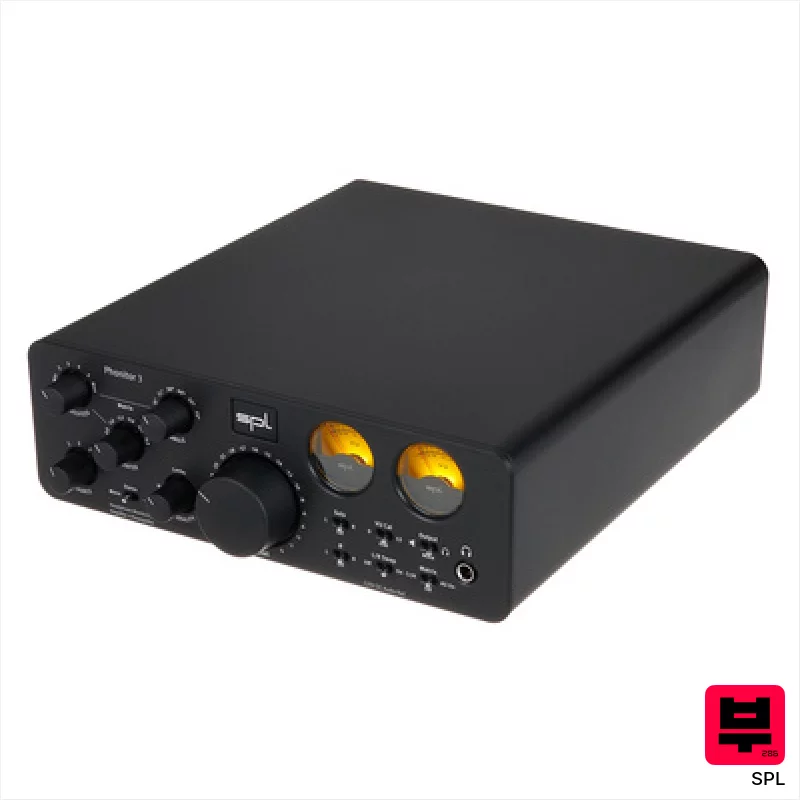
SPL Phonitor 3
- • 120V technology delivers exceptional headroom and dynamic range, noticeably cleaner.
- • Phonitor matrix offers precise crossfeed and speaker angle adjustments for critical listening.
- • Robust build quality with solid metal chassis ensures long-term reliability and durability.
- • Flexible input options (XLR) cater to professional studio setups and high-end sources.
- • Premium-priced, making it a significant investment for many home studios.
- • Relatively heavy, which might be a concern for portable or mobile setups.
- • Complex feature set demands time to master its full potential and nuances.

Apogee Groove Anniversary Edition
- • The machined aluminum enclosure feels incredibly solid and premium, radiating quality.
- • Apogee's ESS Sabre DAC delivers exceptionally clean, detailed audio reproduction.
- • Remarkable dynamic range (119dB) ensures subtle nuances aren't lost in the mix.
- • iPhone 15 Pro Max compatibility provides a convenient, high-quality mobile listening solution.
- • USB bus-powered operation might limit performance with power-hungry headphones.
- • Limited to 250 units creates a potential barrier for those seeking widespread availability.
- • Windows driver requirement adds a slight complication for Windows users.

Violectric DHA V226
- • Exceptional dynamic range (130dB) reveals subtle sonic details.
- • Robust all-aluminum knob feels substantial and precise in operation.
- • Multiple balanced outputs cater to diverse headphone setups.
- • Powerful amplification handles even high-impedance headphones effortlessly.
- • Significant weight (3kg) makes portability a real challenge.
- • Premium-priced, representing a substantial investment for most users.
- • Delayed headphone connection can be slightly inconvenient initially.
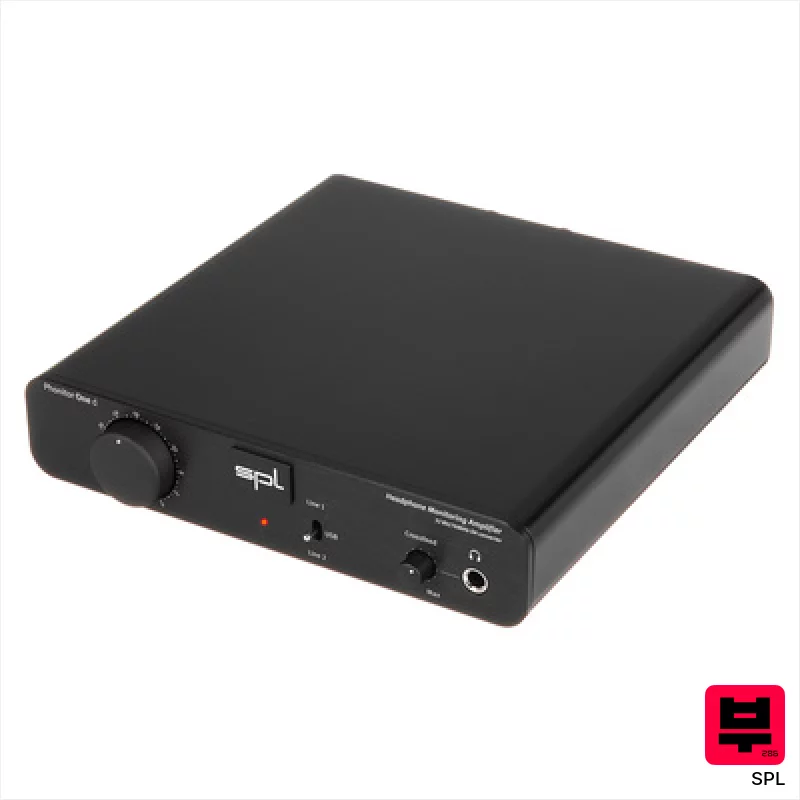
SPL Phonitor One d
- • Burr-Brown OPA2134 preamps deliver exceptionally low noise and pristine clarity
- • Crossfeed function creates a surprisingly immersive and realistic listening experience
- • 768kHz/DSD256 digital input handles high-resolution audio with ease and precision
- • Robust build quality and understated design suggest a long-lasting, professional tool
- • Premium-priced, placing it outside reach for casual headphone users
- • Limited connectivity compared to some multi-purpose audio interfaces
- • Size and weight make it less portable than smaller headphone amplifiers
How to Choose the Best Headphone Amps
Power Output
This isn't just about decibels; it's about headroom. You want enough juice to drive your headphones - whether they're open-back Beyerdynamics or closed-back Sennheisers - without introducing distortion or compression when the track gets loud. Lack of headroom will squash your dynamics.
Frequency Response & Transparency
A flat, accurate frequency response is crucial for critical listening and mixing. You need to hear what's really there, not a colored or hyped sound signature. Watch out for mid-bass bloat or overly bright highs - they'll mess with your perception.
THD+N (Total Harmonic Distortion + Noise)
Lower numbers are better, plain and simple. High distortion introduces unwanted artifacts and muddies the signal, especially noticeable in complex mixes or when tracking subtle nuances. It's a measure of how clean the signal remains.
Output Impedance
This is important for headphone matching. A mismatched impedance can alter the frequency response of your headphones, making things sound unnatural. Ideally, look for an amp with a low output impedance to ensure a transparent sound.
Connectivity & Features
XLR inputs/outputs are a huge plus for professional setups, offering balanced connections and reduced noise. Multiple headphone outputs are useful for sharing or monitoring. Don't overpay for features you won't use, but consider the long-term usability.
Buying Guide
At this price range, you're mostly looking at solid-state designs, though some hybrid options offer a warmer character. Don't chase the 'warmth' unless you specifically need it; it often masks detail. The biggest trade-off you'll see is build quality - cheaper amps might feel plasticky or have less robust connectors. Prioritize power and transparency over flashy aesthetics; a clean signal is worth more than a pretty case.
How This List Is Built
We don't play these instruments — we're a catalog, not a review desk, and we'd rather say so than pretend otherwise. This page ranks 15 headphone amps from the Thomann catalogue, which is the largest single source of specification data in this category.
Position is computed, not curated. Four signals, in order of weight: how completely the manufacturer documents the instrument (number of published specifications), where it sits in the price range, how specific the model designation is — which filters out generic accessories — and whether a product image exists. The same inputs always produce the same order, so nothing here is shuffled to look fresh.
What this list is good for: narrowing a category down to a shortlist by spec and budget. What it isn't: a substitute for hearing an instrument. Before you buy, read hands-on reviews and, where you can, play it. Full methodology.

