
Best Hardware Sequencers and Arrangers for Solo Performance 2026
So, you're a solo performer looking to ditch the laptop and bring some serious sequencing firepower to your gigs? It's a good move - that tactile control and immediate feedback is a game changer. But choosing a hardware sequencer for solo work isn't just about features; it's about finding something that inspires you, sounds good, and can handle the demands of a live performance without adding a ton of complexity. Let's break down some options that'll actually get you playing music, not wrestling with menus.
Last updated: April 11, 2026
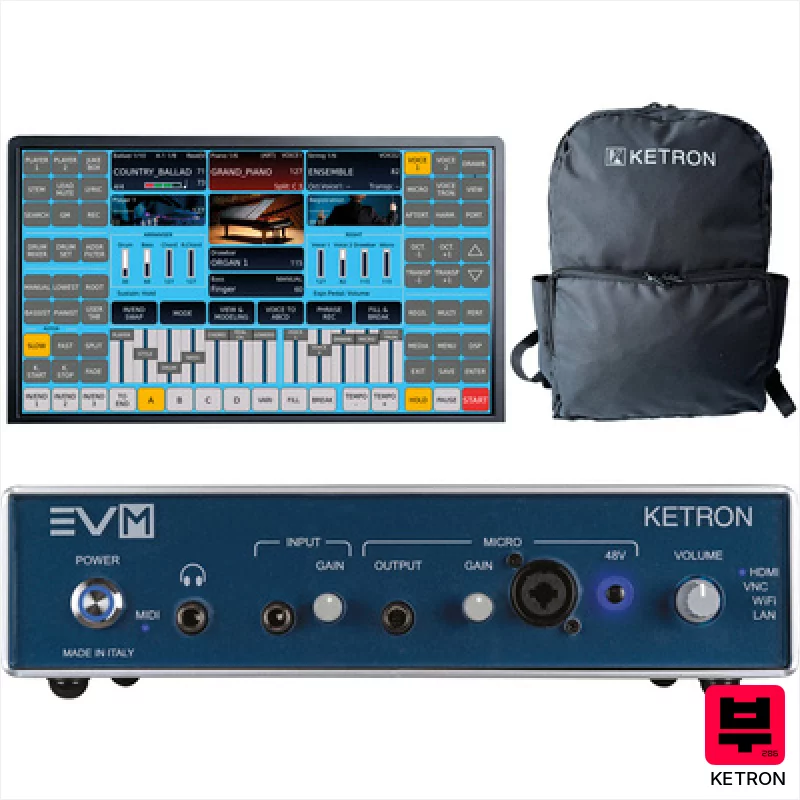
Ketron EVM Event Bundle
- • Extensive voice library offers incredible sonic versatility
- • Real Audio Bass provides a remarkably organic low-end feel
- • Voicetronin vocal harmonies add a unique and polished touch
- • Integrated tablet control streamlines performance and arrangement
- • Steep learning curve due to complex arrangement features
- • Physically bulky and heavy, limiting portability
- • Limited compatibility with third-party VST plugins
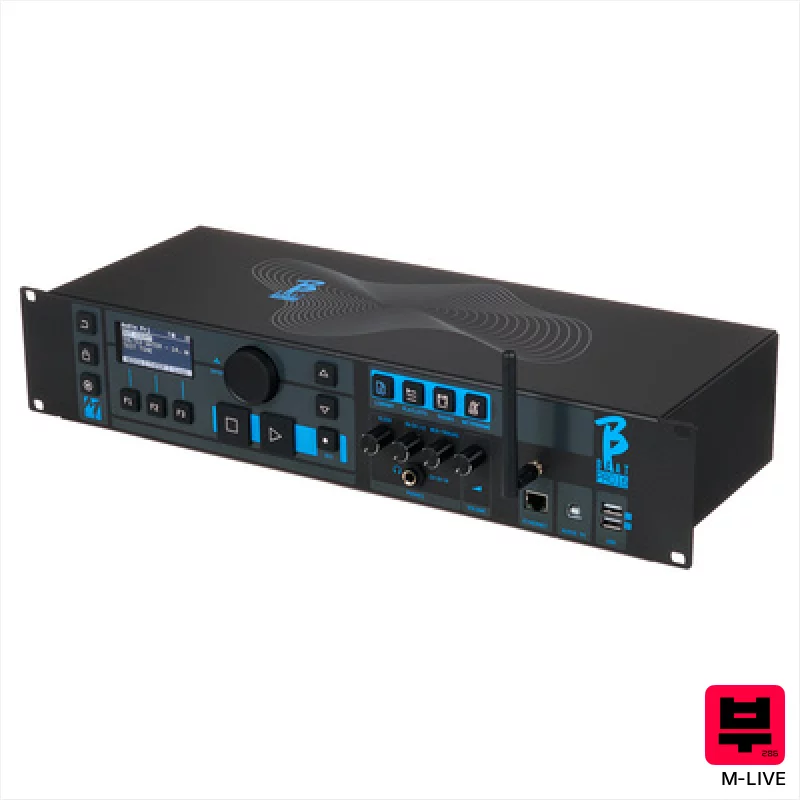
M-Live B.Beat PRO 16 Plus 1TB
- • Massive 1TB internal storage allows for extensive song and video libraries.
- • WLAN transmission of lyrics/chords to tablets streamlines live performance.
- • Rack-mountable 2U format integrates seamlessly into existing setups.
- • Flexible audio format support handles a wide range of production workflows.
- • Limited CV/Gate functionality restricts integration with older analog gear.
- • 16-bit/24-bit audio resolution, while decent, isn't top-tier for critical recording.
- • The B.Beat Manager app's reliance on Windows/macOS can be restrictive.
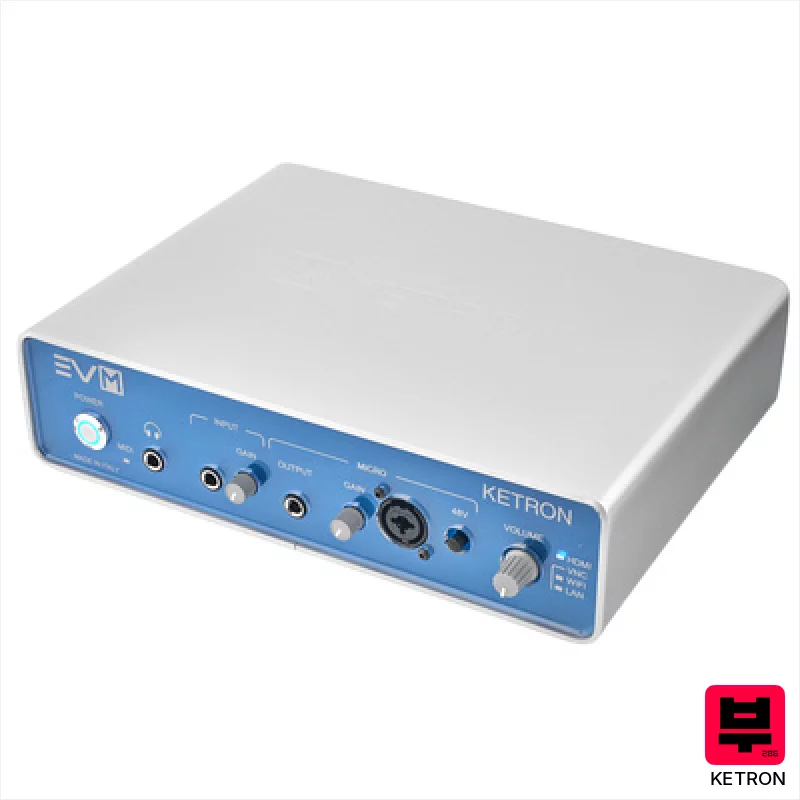
Ketron EVM Event Module
- • Massive voice library offers incredible sonic versatility across genres.
- • Dual/layer and split modes enable complex, layered arrangements.
- • Integrated SSD provides ample storage for samples and projects.
- • Voicetron adds realistic vocal textures, a unique arranging tool.
- • Limited CV/Gate connectivity restricts modular synth integration.
- • Premium-priced, a significant investment for many keyboardists.
- • Form factor, while compact, may feel cramped for extended use.
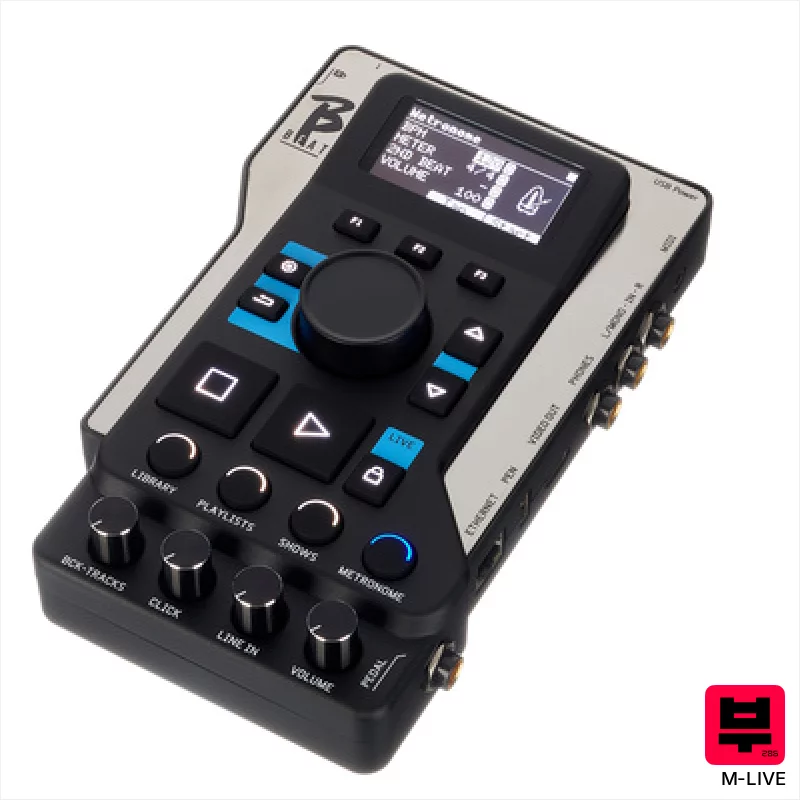
M-Live B.Beat 128GB Limited Edition
- • Integrated WiFi removes dependency on M-Pen for connectivity.
- • 128GB storage allows for extensive track libraries and video content.
- • Multiple output options (6.3mm mono jack, HDMI) offer flexible routing.
- • B.Beat Manager App provides intuitive multitrack file creation and management.
- • 2.4in OLED display feels cramped for detailed video editing or score viewing.
- • USB 2.0 interface limits transfer speeds for large files.
- • Limited CV/Gate functionality restricts integration with modular synth setups.
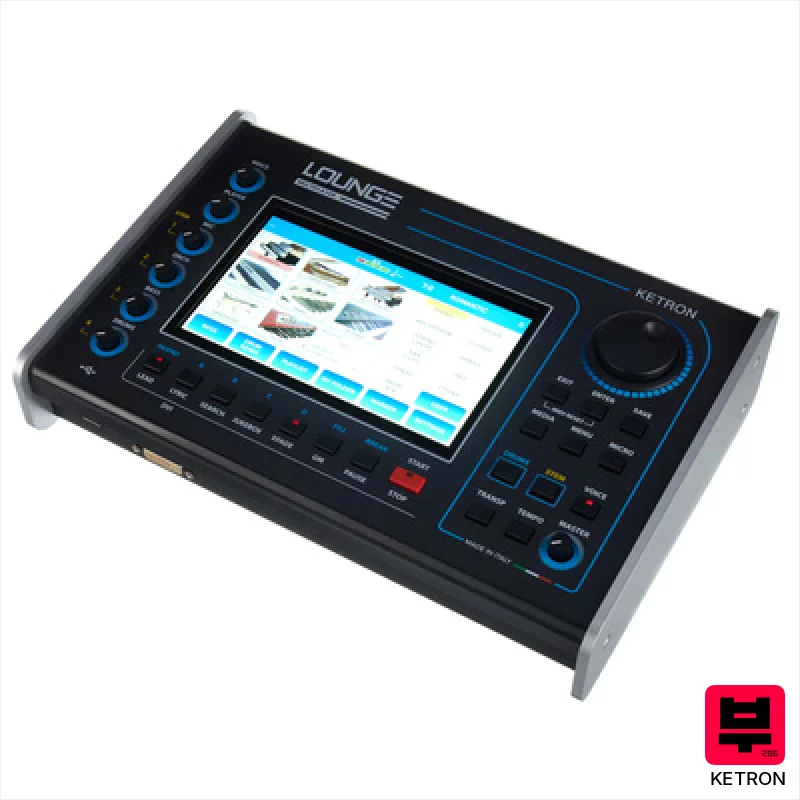
Ketron Lounge SSD 240 GB
- • Massive sound library offers incredible sonic versatility across genres.
- • SSD storage ensures incredibly fast loading and responsiveness.
- • Stem player functionality provides advanced, creative audio layering options.
- • Comprehensive effects suite allows for deep sound shaping and customization.
- • The interface, while functional, might feel dated compared to newer touchscreen options.
- • Arranger workflow leans towards pre-programmed styles, limiting true improvisation.
- • Weight makes it less ideal for gigging musicians needing portability.
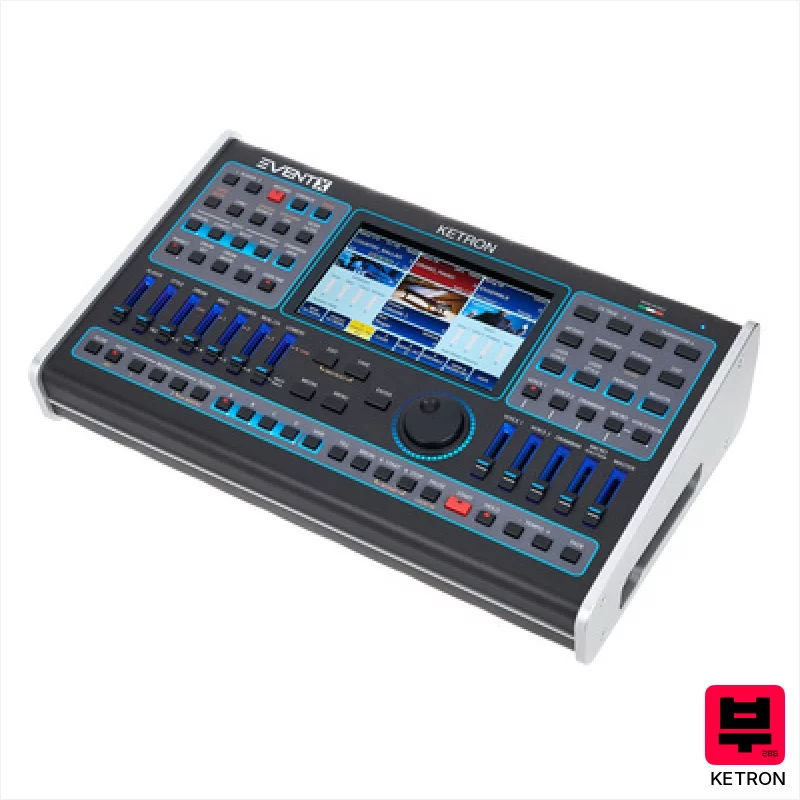
Ketron EventX
- • Massive voice library offers incredible sonic versatility and realism.
- • Intuitive touchscreen and sliders streamline performance and arrangement.
- • Robust 240GB SSD provides ample space for user samples and recordings.
- • Integrated vocal processing adds a unique layer to live performances.
- • The complex interface demands a significant learning curve for new users.
- • Limited CV/Gate capabilities restrict integration with older analog gear.
- • Premium-priced, potentially prohibitive for budget-conscious musicians.
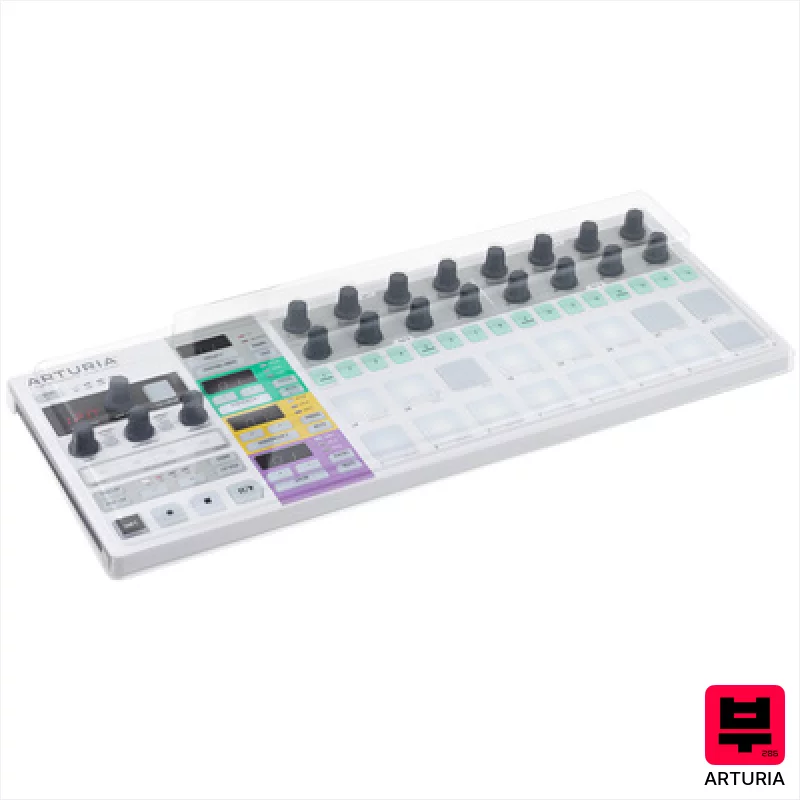
Arturia Beatstep Pro Decksaver Set
- • Decksaver protection prevents dust and accidental spills
- • Intuitive step sequencing for both melodic and drum parts
- • Compact form factor maximizes portability for studio or live use
- • Versatile CV/Gate outputs integrate with modular synths
- • Limited polyphony restricts complex chord progressions
- • Plastic construction feels less premium than some competitors
- • Drum sequencing lacks advanced features like individual track effects

M-Live Merish 5+
- • Massive 512GB SSD provides ample storage for extensive song libraries
- • Integrated digital mixer offers detailed editing of MIDI and audio
- • Built-in microphone preamps with phantom power are surprisingly clean and usable
- • Direct internet connection simplifies access to online song services and updates
- • 67-key keyboard limits performance for pianists accustomed to full 88-key range
- • The 'Grinta Live' software ecosystem might present a learning curve for some users
- • Compact size, while portable, sacrifices some tactile control and knob density
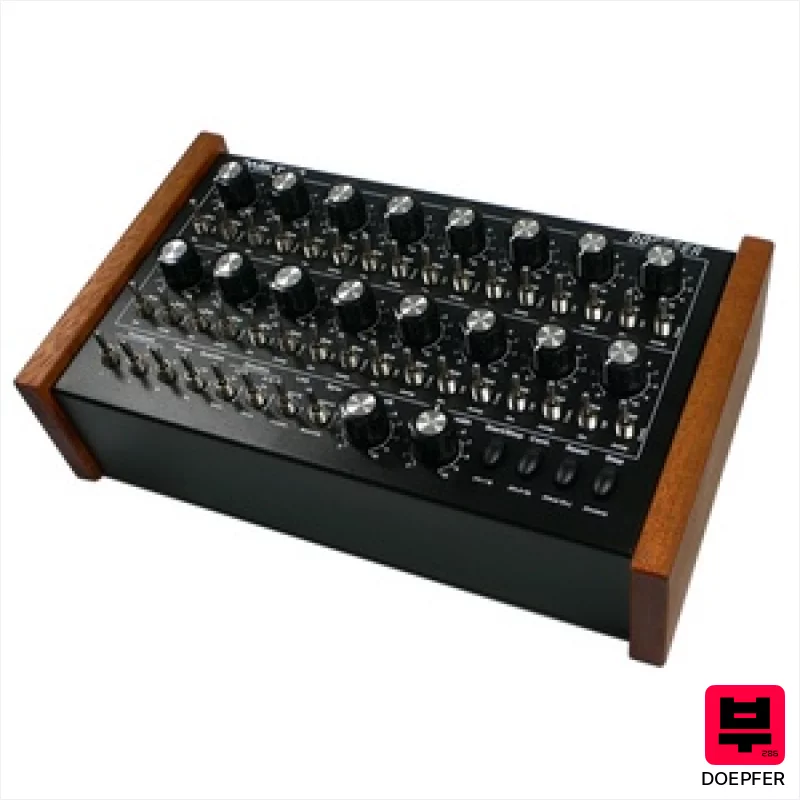
Doepfer Dark Time Blue/White
- • Solid, robust build with quality potentiometer action
- • Versatile sequencing modes cater to varied rhythmic needs
- • Blue/white LED illumination is visually appealing and functional
- • Comprehensive CV/Gate control for deep modular integration
- • Limited step resolution compared to more modern sequencers
- • 3.5mm jacks can be a fiddly connection for some users
- • The interface, while functional, lacks a more immediate visual feedback
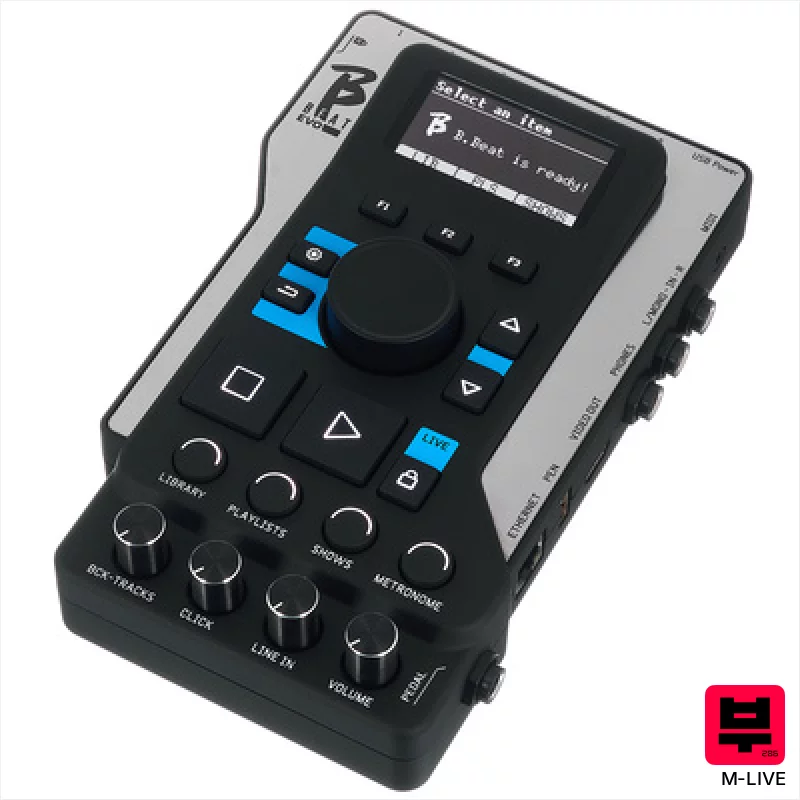
M-Live B.Beat Evo 256GB
- • Integrated WiFi eliminates the need for an M-Pen, simplifying setup.
- • Robust 256GB storage handles extensive multitrack projects.
- • Six balanced outputs enable complex, layered live performances.
- • B.Beat Manager software offers intuitive file creation and management.
- • 2.4in OLED screen is small; onscreen navigation can be fiddly.
- • USB 2.0 connectivity limits transfer speeds for large files.
- • Lacks dedicated CV/Gate outputs, restricting modular integration.
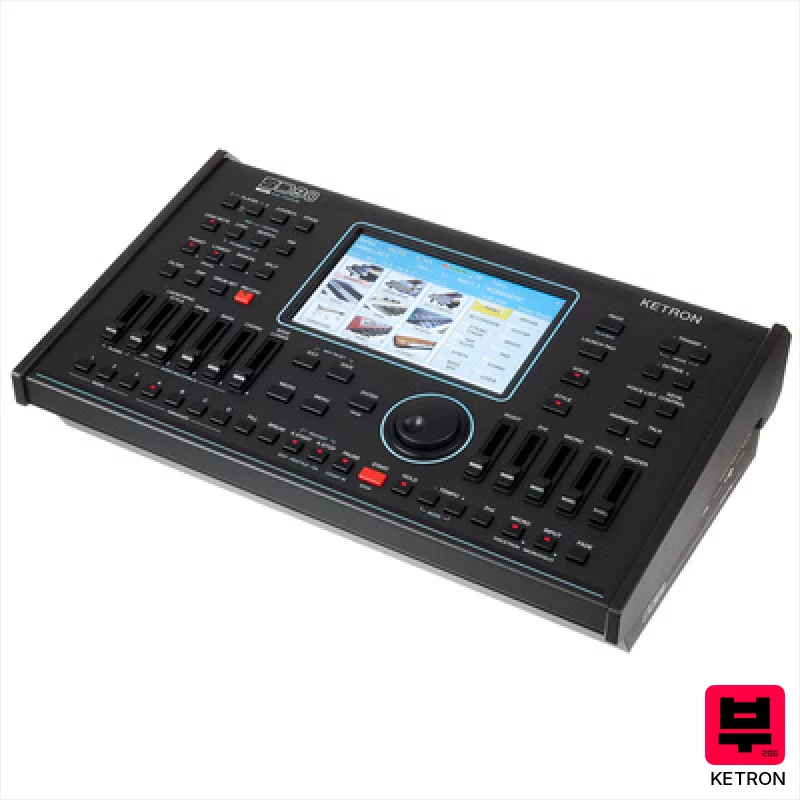
Ketron SD-90
- • Extensive sound library caters to diverse musical styles.
- • Audio multitrack player offers robust playback capabilities.
- • Master keyboard mode expands versatility for live performance.
- • Internal SSD provides ample storage for samples and projects.
- • Limited key count (672) may restrict some player's comfort.
- • Arranger-focused design restricts broader synthesizer functionality.
- • Learning curve can be steep for users unfamiliar with Ketron's workflow.
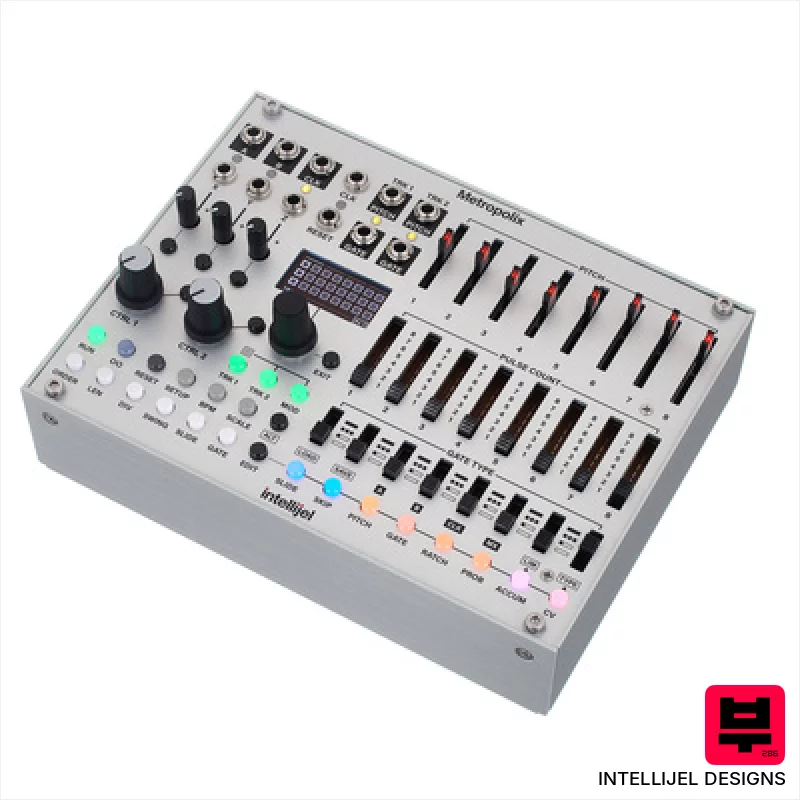
Intellijel Designs Metropolix Solo
- • Exceptional sequencing depth for complex rhythmic patterns.
- • Intuitive workflow despite extensive parameter modulation options.
- • Solid build quality; feels robust and well-engineered.
- • Assignable rotary encoders offer immediate, tactile control.
- • Steep learning curve; mastering takes considerable time and effort.
- • Limited polyphony restricts its use in certain musical contexts.
- • Desktop format can be space-consuming on a smaller studio setup.
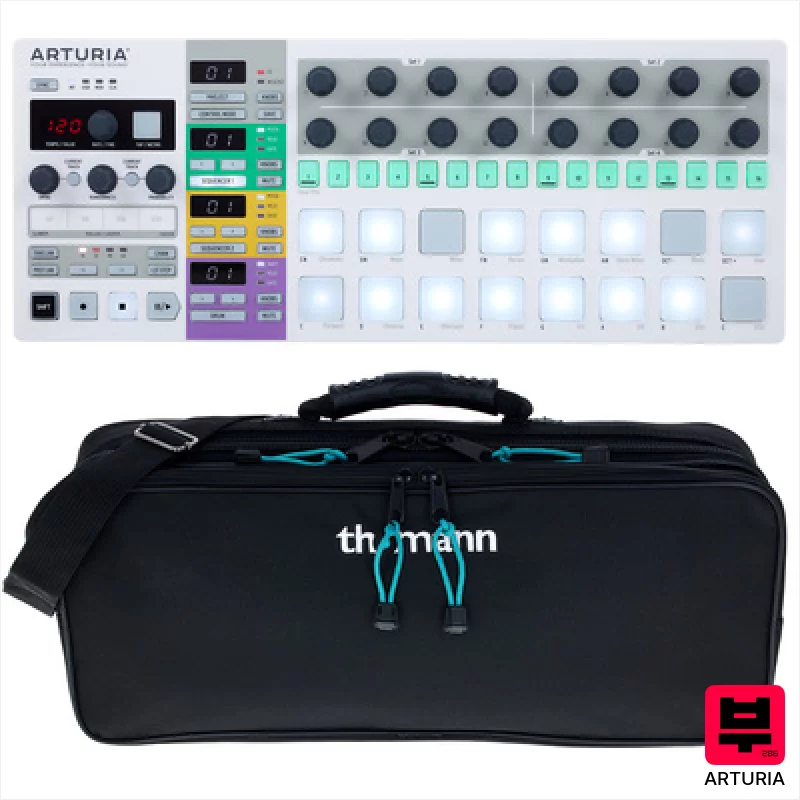
Arturia Beatstep Pro Bag Bundle
- • The included bag offers excellent portability and protection during travel.
- • Dual step sequencers provide incredible flexibility for complex arrangements.
- • CV/Gate outputs unlock powerful integration with modular synths and hardware.
- • Pressure-sensitive pads offer nuanced control over drum and melodic sequences.
- • Limited polyphony restricts layering of complex, full-sounding chords.
- • The plastic construction, while lightweight, doesn't feel as premium as some competitors.
- • The learning curve can be steep for those unfamiliar with step sequencing concepts.
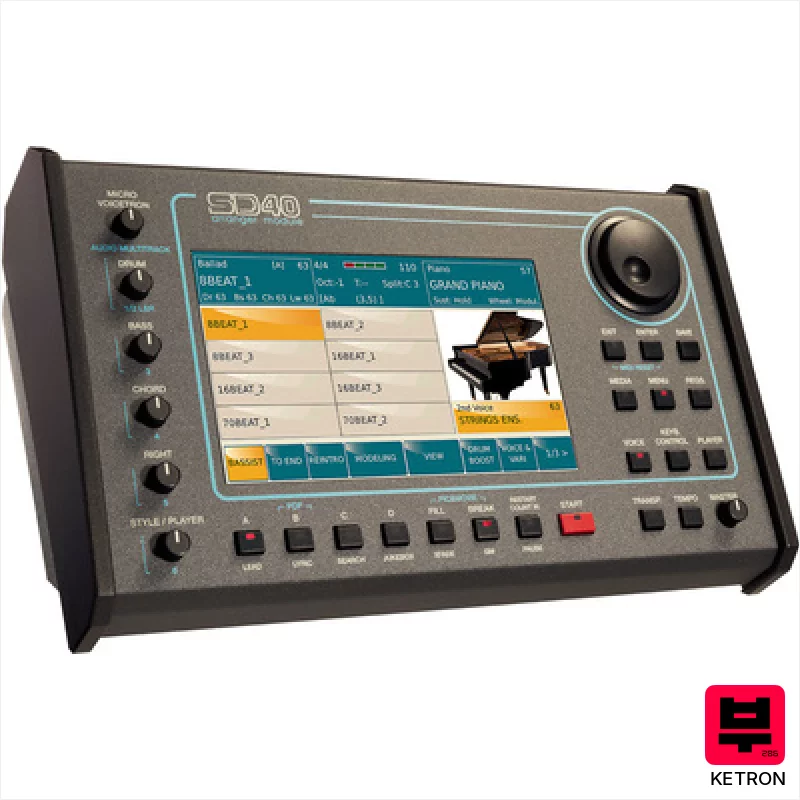
Ketron SD-40
- • Excellent sound library, particularly strong in European folk styles
- • Intuitive arranger engine with deep customization options
- • Solid build quality; feels robust despite its compact size
- • Comprehensive file format support simplifies workflow significantly
- • Limited keyboard action; best suited for programmed performances
- • The colour display, while functional, could be brighter and higher resolution
- • Master keyboard mode lacks advanced MIDI parameter control
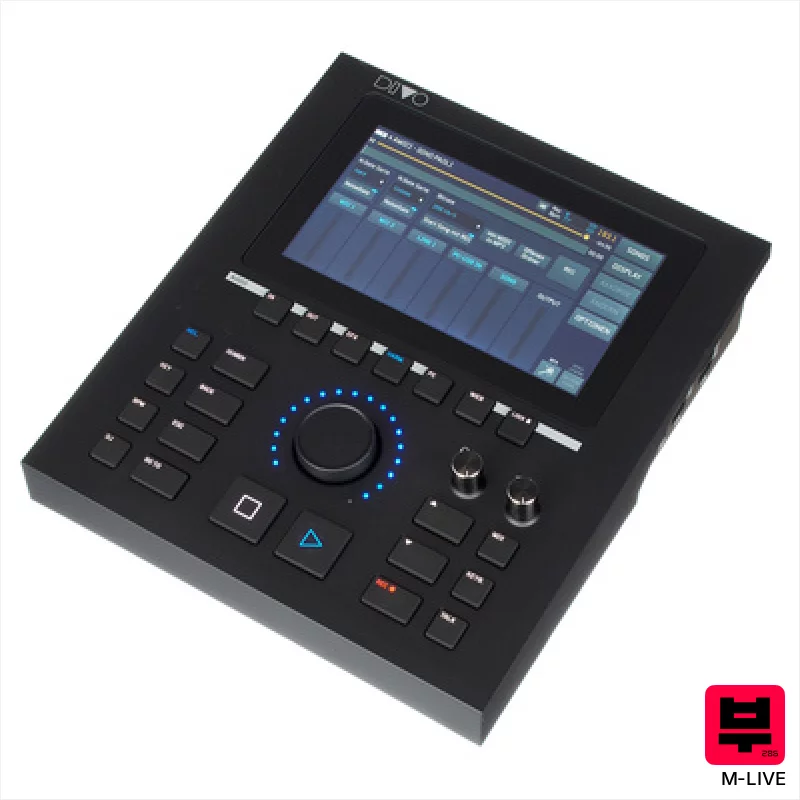
M-Live Divo Pro
- • Massive 512GB SSD provides ample storage for extensive MIDI and audio libraries.
- • Integrated digital mixer with parametric EQ offers detailed sound shaping capabilities.
- • Built-in microphone preamps with phantom power and vocal processing are surprisingly good.
- • Direct internet connectivity to songservice.de simplifies track acquisition and management.
- • The reliance on the M-Pen for data transfer and some controls feels somewhat cumbersome.
- • Polyphony of 240 voices might limit complex arrangements with dense instrumentation.
- • The user interface, while functional, could benefit from a more modern design aesthetic.
How to Choose the Best Hardware Sequencers and Arrangers
Sequencing Depth
More than just 16 steps. A solo performer often needs to layer multiple patterns, use advanced timing tricks, and potentially control multiple instruments-look for options with substantial memory and flexible pattern chaining.
Sound Quality (Drive & Effects)
A lot of these units are more than just sequencers; they're mini-grooveboxes. The quality of the built-in drive, filters, and effects drastically affects the final sound-a warm, saturated tone can fill out a solo performance far better than a sterile, digital one.
Live Performance Workflow
Can you tweak parameters on the fly without throwing everything off? Things like dedicated performance knobs, real-time recording, and intuitive pattern editing are vital for a compelling solo show.
Connectivity & Control
MIDI I/O is a given, but consider CV/Gate for modular integration, USB for syncing and audio output, and the ability to control external gear-it's all about expanding your sonic palette.
Portability & Durability
You're hauling this thing around to gigs. A compact size and robust build quality will save you headaches down the road. Those flimsy plastic knobs on some cheaper units? They won't last a year of gigging.
Buying Guide
Don't get caught up in the feature list - focus on the core sequencing functionality and sound quality. Cheaper units often cut corners on build quality or have overly complicated interfaces that hinder live performance. Paying a little more for a unit with a well-thought-out workflow and solid construction is an investment in your sanity and your show-and those cheap plastic knobs will break.
How This List Is Built
We don't play these instruments — we're a catalog, not a review desk, and we'd rather say so than pretend otherwise. This page ranks 15 hardware sequencers and arrangers from the Thomann catalogue, which is the largest single source of specification data in this category.
Position is computed, not curated. Four signals, in order of weight: how completely the manufacturer documents the instrument (number of published specifications), where it sits in the price range, how specific the model designation is — which filters out generic accessories — and whether a product image exists. The same inputs always produce the same order, so nothing here is shuffled to look fresh.
What this list is good for: narrowing a category down to a shortlist by spec and budget. What it isn't: a substitute for hearing an instrument. Before you buy, read hands-on reviews and, where you can, play it. Full methodology.

