
Best Zoom Guitar Multi Effects 2026
Look, multi-effects units get a bad rap, and a lot of them deserve it. But Zoom's taken a different approach over the years, evolving from those early, kinda-muddy modelers to genuinely usable and surprisingly inspiring processors. If you're tired of lugging around a pedalboard the size of a small dog, or just want a killer practice rig, Zoom's worth a serious look - especially if you value tweakability and a surprising amount of grit for the price.
Last updated: October 7, 2026
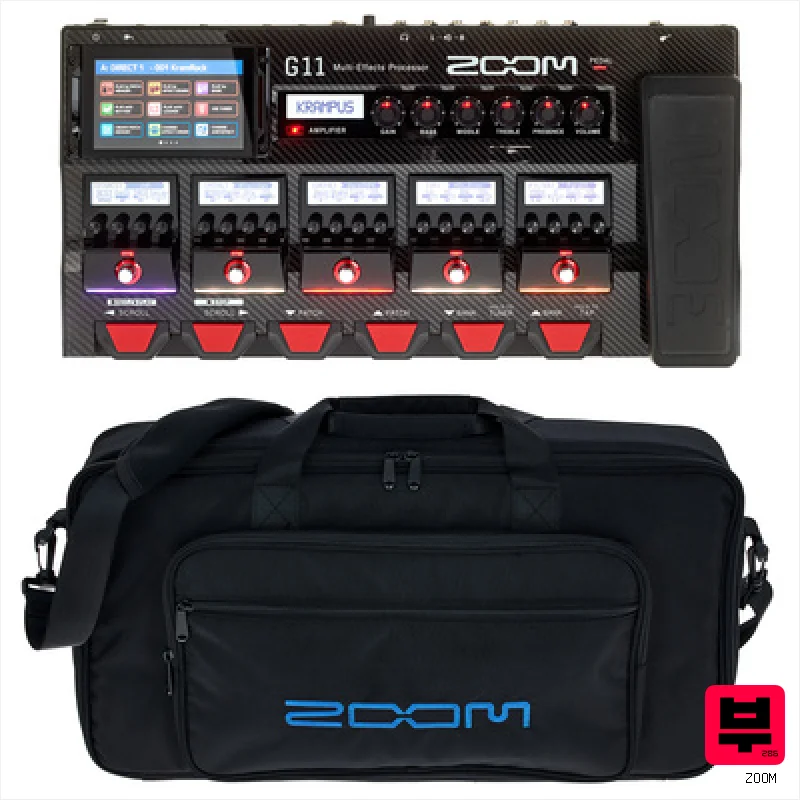
Zoom G 11 Guitar Effect/Bag Bundle
- • Drag-and-drop touchscreen makes changing settings super fast
- • Includes a real guitar bag for easy transport
- • Has 70 built-in impulse response guitar tone simulations
- • Stands alone as a pedalboard with separate amp controls
- • 5-minute looper time is short for long jams
- • No listed number of specific amp models available
- • Does not specify how many total preset slots exist
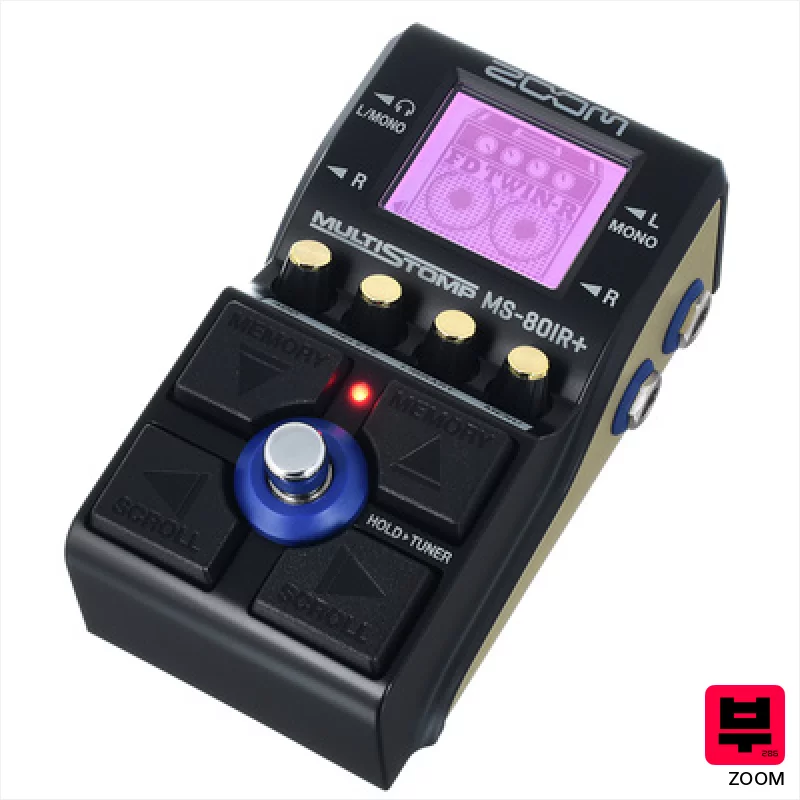
Zoom MS-80IR+
- • Excellent IR speaker cabinet simulations provide surprisingly realistic amp tones.
- • The USB-C audio interface functionality is genuinely useful for recording.
- • Compact size and lightweight design make it gig-ready and travel-friendly.
- • Cross-switching offers intuitive control over multiple effects on the fly.
- • Build quality feels somewhat plasticky; not as robust as higher-end pedals.
- • Limited modulation effects compared to some competitors in the same price bracket.
- • The user interface, while functional, can be a little clunky to navigate.
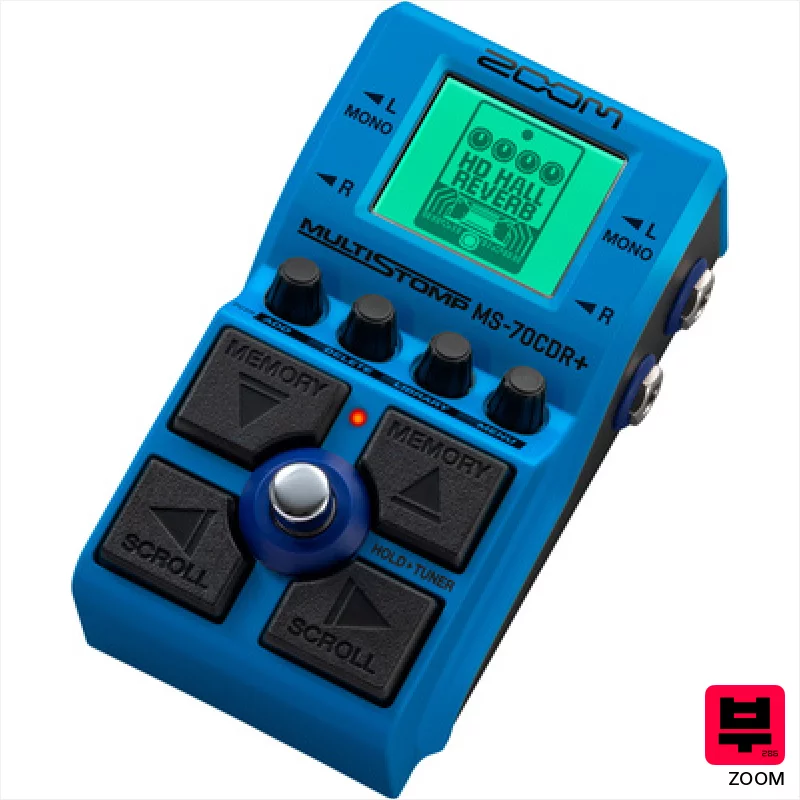
Zoom MS-70CDR+
- • Excellent value; a surprisingly wide range of usable effects for the price.
- • The analog circuit design noticeably preserves signal clarity and warmth.
- • Intuitive cross-key switching system simplifies real-time effect adjustments.
- • Compact size and battery power offer considerable stage-friendly portability.
- • Build quality feels somewhat plasticky; not as robust as higher-end units.
- • Limited amp modeling compared to more expensive multi-effects processors.
- • The LCD screen, while color-coded, could be brighter and more detailed.
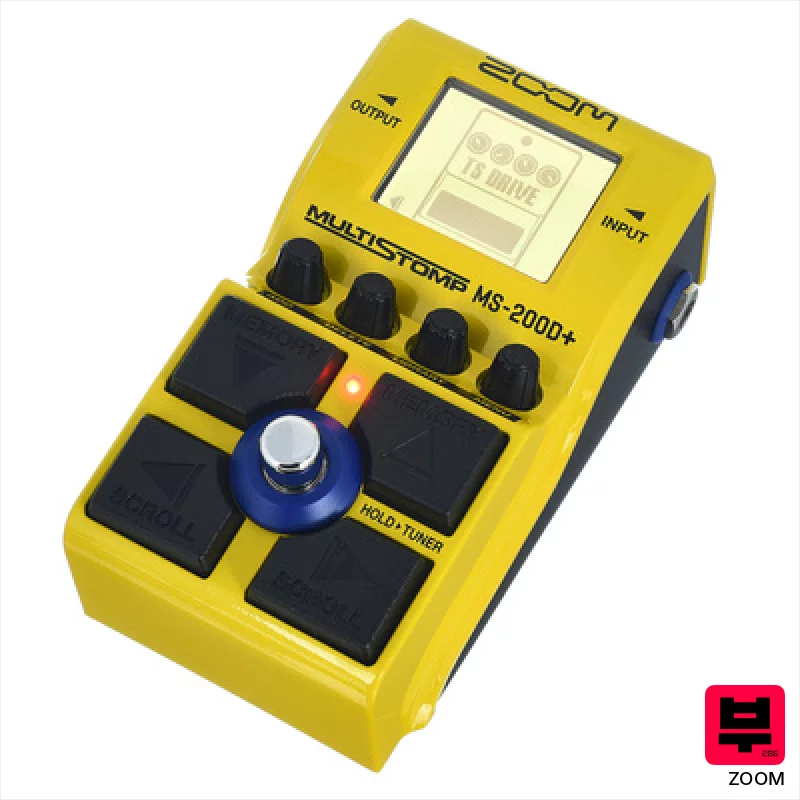
Zoom MS-200D+
- • Sturdy metal housing provides surprising durability for its size.
- • Handy Guitar Lab app significantly expands sound palette and customization.
- • Chromatic tuner is accurate and convenient for quick on-the-fly adjustments.
- • Impressive range of effects considering the budget-friendly price point.
- • Limited preset storage restricts experimentation and complex signal chains.
- • 6.3mm mono jacks feel somewhat cheap and less robust than standard.
- • LCD screen resolution is low, making some menus a little difficult to navigate.
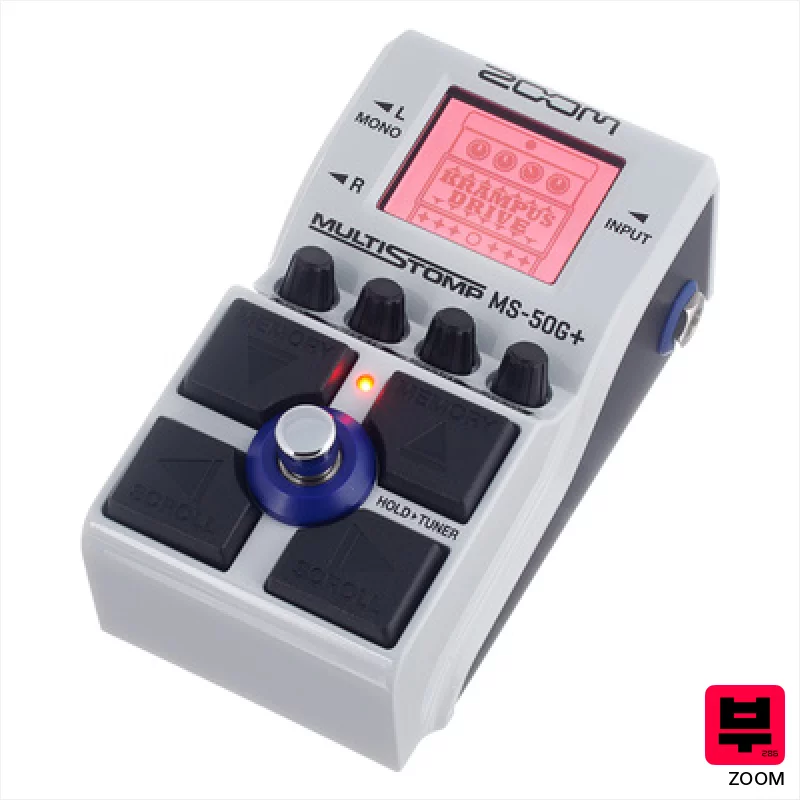
Zoom MS-50G+
- • Solid metal housing provides surprising durability for the price.
- • Handy Guitar Lab app expands sonic possibilities significantly.
- • Compact size makes it ideal for travel and pedalboard integration.
- • Decent range of effects covers a wide spectrum of genres.
- • Effect quality is serviceable, but lacks the nuance of higher-end units.
- • Limited preset storage restricts experimentation and saving complex setups.
- • USB-C connectivity feels a bit basic for a modern device.
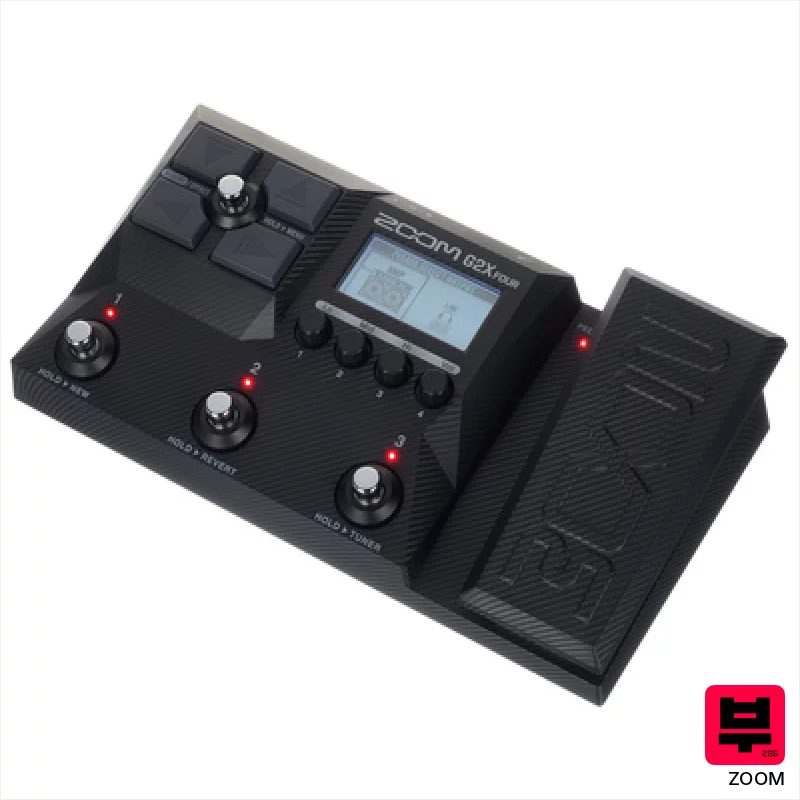
Zoom G2X FOUR Guitar Multi-Effect
- • Compact size makes it incredibly gig-friendly and easy to transport.
- • The multi-layer IR amp models genuinely capture the essence of classic amps.
- • Handy Guitar Lab app provides deep editing and patch management capabilities.
- • Expression pedal adds real-time control, enhancing performance versatility.
- • Build quality feels plasticky; doesn't inspire confidence for heavy gigging.
- • Effect quality, while decent, doesn't quite match dedicated boutique pedals.
- • Limited physical controls can make complex edits feel cumbersome.
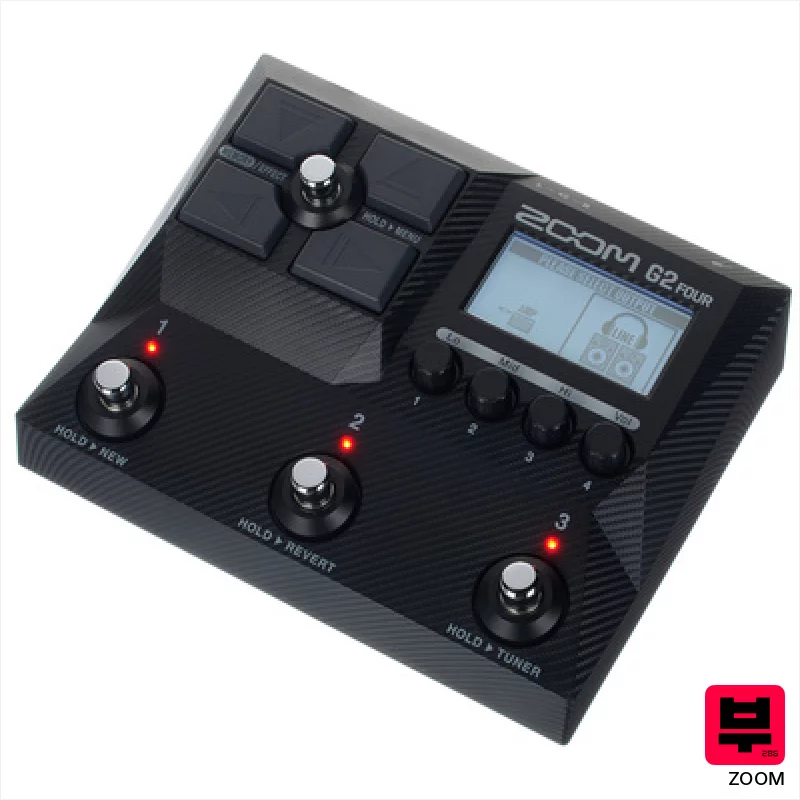
Zoom G2 FOUR Guitar Multi-Effect
- • Excellent value for money, surprising sonic depth for the price.
- • Newly developed IR technology delivers convincingly realistic amp tones.
- • Compact size makes it incredibly portable and gig-friendly.
- • Handy Guitar Lab app offers extensive customization and expansion.
- • Build quality feels somewhat plasticky, lacking premium robustness.
- • Effect routing can be a bit cumbersome initially, requiring practice.
- • Limited modulation options compared to higher-end multi-effects.
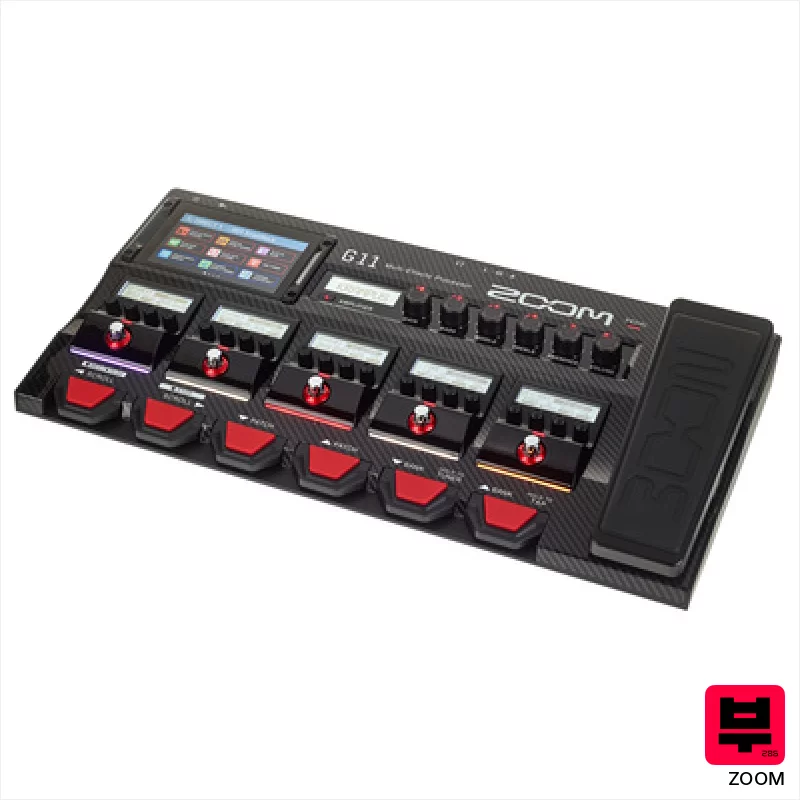
Zoom G 11 Guitar Multi Effect
- • Intuitive touchscreen interface streamlines patch creation and editing.
- • Impressive amp modeling offers a wide range of usable tones.
- • Versatile effects suite covers everything from subtle modulation to heavy distortion.
- • Integrated looper is excellent for practice and live performance improvisation.
- • Build quality feels somewhat plasticky compared to higher-end processors.
- • The expression pedal’s range can feel a bit limited for nuanced control.
- • The sheer number of options can be overwhelming for beginners.
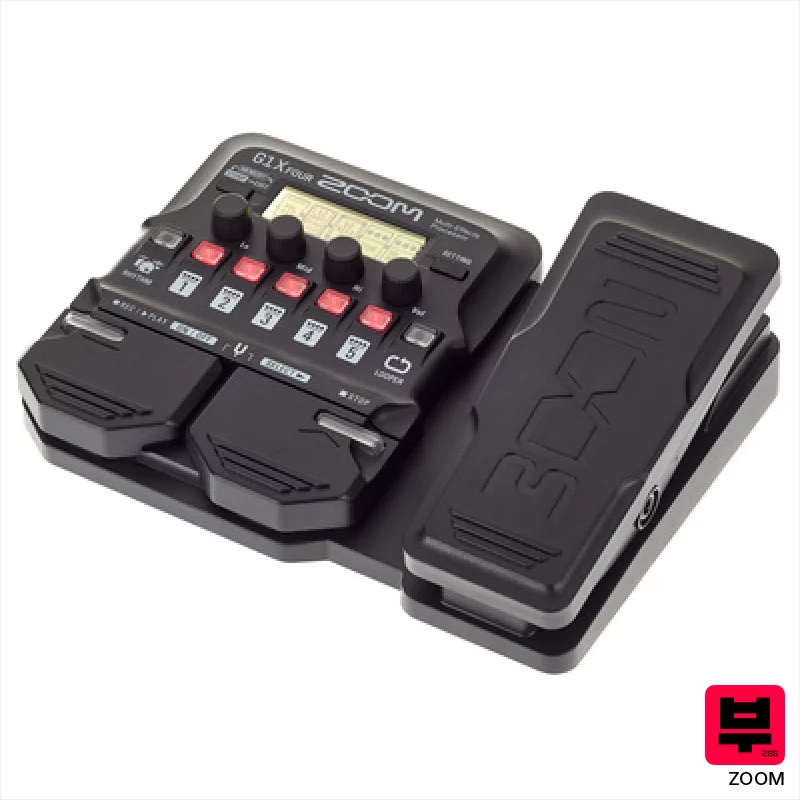
Zoom G1X Four Multi Effect-Pedal
- • Surprisingly deep effects library for the price point
- • Guitar Lab software offers extensive customization options
- • Compact size and lightweight design ideal for gigging
- • Expression pedal provides immediate control over effects parameters
- • Build quality feels plasticky; not quite road-ready for heavy use
- • Effect quality, while varied, leans towards digital and less organic
- • Limited routing flexibility compared to higher-end multi-effects units

Zoom G1 Four Multi-Effect-Pedal
- • Surprisingly robust plastic enclosure for its price point
- • Decent amp models offer a usable range of tones
- • The Guitar Lab software provides deep editing capabilities
- • Compact size makes it gigbag-friendly and easy to transport
- • Effects quality is entry-level, lacks nuance of higher-end units
- • Limited expression pedal control – only one assignable parameter
- • Patch management, while improved, can still feel clunky at times
Guitar Multi Effects by the numbers
Measured across all 160 models in this category, so «wide», «short» or «expensive» mean something you can check.
How to Choose the Best Guitar Multi Effects
Modeling Accuracy
Zoom's been steadily improving their modeling engine. The latest generations, like the G7 and G9, nail the fundamental character of many amps and cabs surprisingly well, though the high-end shimmer and nuanced dynamics can still be a bit lacking compared to the real thing. It's more about capturing that core vibe than a 1:1 clone.
Effects Quality & Customization
Zoom's effects are genuinely good - not just 'acceptable for a multi-effects' good. The reverbs are usable, the delays have character, and the modulation effects are surprisingly nuanced. What sets them apart is the deep level of editing; you're not just twisting a knob, you're diving into parameters.
Interface & Workflow
Zoom's interface has always been a bit...unique. It's button-heavy, but once you wrap your head around the menu structure, it's incredibly powerful for dialing in specific sounds on the fly. The expression pedal control is also very responsive, making it great for live use.
Build Quality
Let's be honest, Zoom isn't building boutique gear. The chassis are plastic, which keeps the price down, but it does feel less robust than a metal enclosure. Gigging regularly? A road case is a must. The footswitches are serviceable, but not as satisfyingly clicky as some higher-end units.
Value for Money
This is where Zoom really shines. You're getting a lot of sounds and features for the price. While the tone might not fool a seasoned engineer in a top-tier studio, for the average gigging musician or dedicated home recordist, the bang-for-your-buck is undeniable.
Buying Guide
Don't expect boutique-level tone-it's a multi-effects, not a $3000 amp modeler. The G7 is a great starting point for most players, while the G9 gives you more amp models and effects. Pay attention to the expression pedal input - crucial for live performance. If you're a serious tone purist, this probably isn't for you, but for the rest of us, Zoom offers a seriously compelling solution.
How This List Is Built
We don't play these instruments — we're a catalog, not a review desk, and we'd rather say so than pretend otherwise. This page covers 10 of 160 guitar multi effects from the Thomann catalogue, which is the largest single source of specification data in this category: 10 in detail, the rest listed with their specifications.
Position is computed, not curated. We parse the manufacturer's own description into actual values — nut width, scale, fret count, fingerboard radius, size, alloy — and rank on them: how many specifications a model has published, how many of them are measurable numbers, and how precisely it meets this page's criterion. A product image adds a little. Price is not a ranking signal: it tells you nothing about whether a neck fits your hand. The same inputs always produce the same order, so nothing here is shuffled to look fresh.
What this list is good for: narrowing a category down to a shortlist by spec and budget. What it isn't: a substitute for hearing an instrument. Before you buy, read hands-on reviews and, where you can, play it. Full methodology.

