
Best Guitar Multi Effects for Multiple Genres 2026
So, you're a gigging guitarist, or maybe a studio cat, and you're tired of lugging around a pedalboard the size of a small dog? A multi-effects unit can be a lifesaver, but finding one that actually sounds good across multiple genres - blues, rock, funk, even a little jazz - is the challenge. It's not just about having a million sounds; it's about having sounds you actually want to use, that respond to your playing, and don't sound like digital garbage. Let's break down the best options for the genre-hopping player.
Last updated: July 8, 2026 • Next update: July 15, 2026
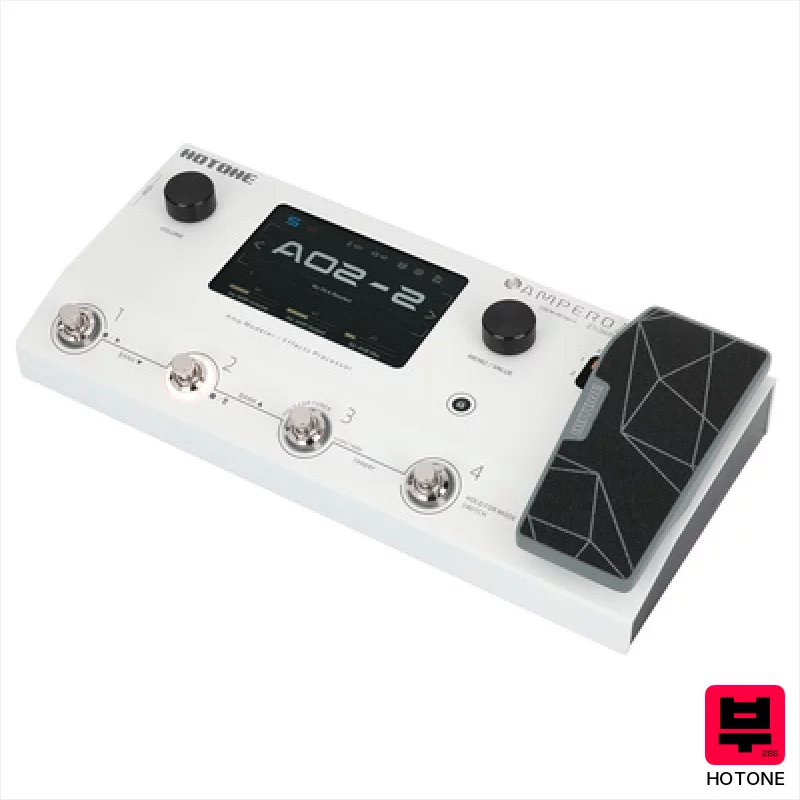
Hotone Ampero II
- • Tri-Core DSP delivers surprisingly authentic amp and cab emulations.
- • Tone Capture feature fosters community sharing and personalized sounds.
- • Intuitive touchscreen interface simplifies complex effect chains and navigation.
- • Lightweight aluminum housing makes it gig-ready without excessive bulk.
- • Menu navigation, while touchscreen-based, can feel a little clunky at times.
- • While versatile, its 'amp modeling' leans towards modern, high-gain tones; vintage cleans are less convincing.
- • The looper's 60-second limit is restrictive for more complex arrangements.
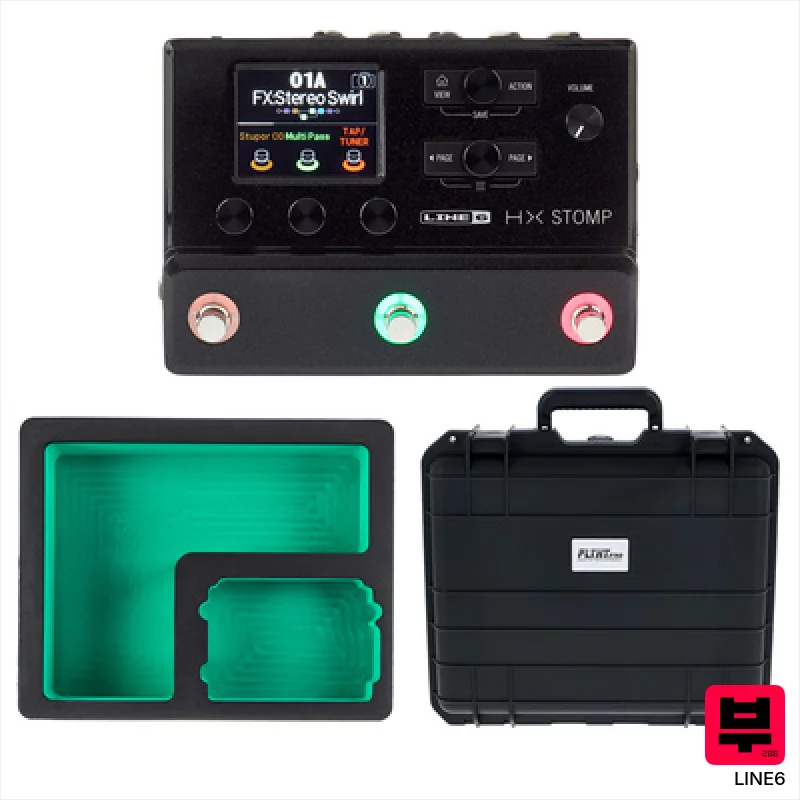
Line6 HX Stomp Inlay Case Bundle
- • Excellent Helix sound in a compact, stompbox format.
- • Custom inlay case provides robust protection during transport.
- • Built-in audio interface simplifies recording and live streaming.
- • Footswitch LED rings offer clear visual feedback during performance.
- • HX Stomp's limited physical controls can require menu diving.
- • The compact size might feel cramped for users accustomed to larger Helix units.
- • Price point positions it as a premium investment for serious players.

Hotone Ampero II Stage Bundle
- • Excellent amp modeling provides surprisingly realistic tones.
- • Intuitive touchscreen interface simplifies complex effect chains.
- • Built-in drum module adds practice convenience and versatility.
- • IR loader allows for significant tonal customization and expansion.
- • Touchscreen responsiveness can occasionally feel slightly laggy.
- • The bundled drum module's sounds are basic; upgrade for serious practice.
- • Limited physical controls demand reliance on the touchscreen for adjustments.

Polyend Mess
- • Unique step-sequenced effects offer unparalleled rhythmic complexity.
- • The granular burst effect delivers truly experimental and textural soundscapes.
- • Intuitive interface allows for complex patterns despite the feature set.
- • Compact size belies its powerful and versatile processing capabilities.
- • The learning curve is steep, demanding time and dedication to master.
- • Limited physical controls necessitate menu diving for parameter adjustments.
- • TRS MIDI implementation might require adapters for existing MIDI setups.

Headrush Flex Prime
- • Excellent ReValver amp models deliver authentic, nuanced tones across genres.
- • The high-resolution touchscreen is genuinely intuitive and responsive for quick edits.
- • Flexible signal routing (5 paths) allows for complex and creative signal chains.
- • Cloud integration simplifies preset sharing and expands custom impulse response options.
- • The unit's size and weight make it less ideal for gigging without a dedicated case.
- • The sheer number of options can be overwhelming for less experienced users initially.
- • Reliance on Headrush's ecosystem means limited compatibility outside their platform.
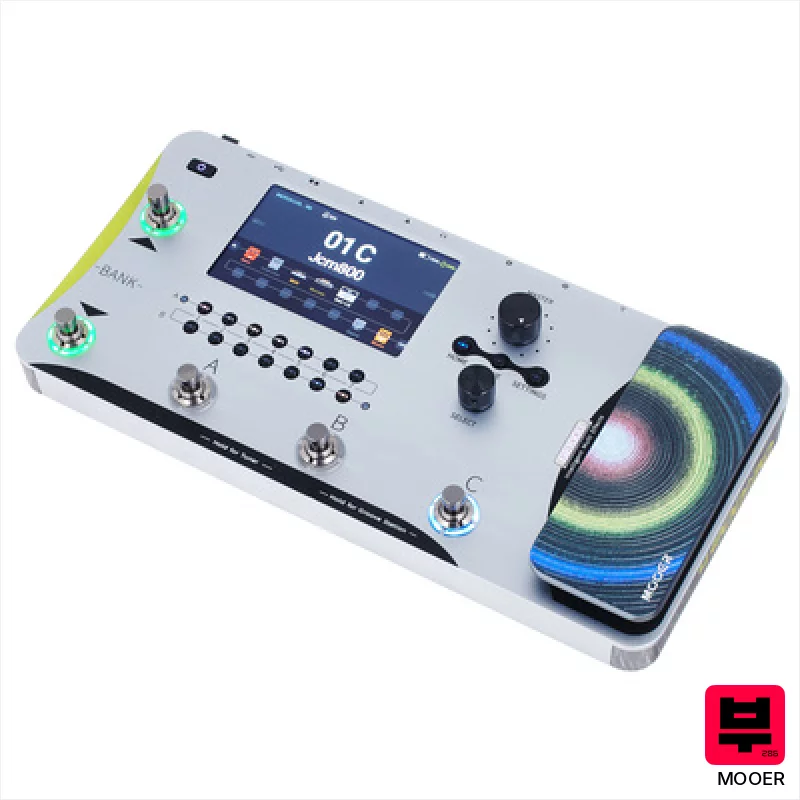
Mooer GE1000Li Amp Modelling & Multi
- • Touchscreen interface is genuinely intuitive and responsive for quick adjustments.
- • MNRS file support unlocks a vast library of custom preamp tones.
- • Integrated battery offers impressive portability and playtime on the go.
- • ASIO USB interface provides low-latency recording for serious home studio use.
- • Plastic enclosure feels less robust than higher-end metal units in its class.
- • Effect quality, while broad, doesn't consistently reach boutique-level fidelity.
- • The smaller form factor can make complex editing on the touchscreen cramped.
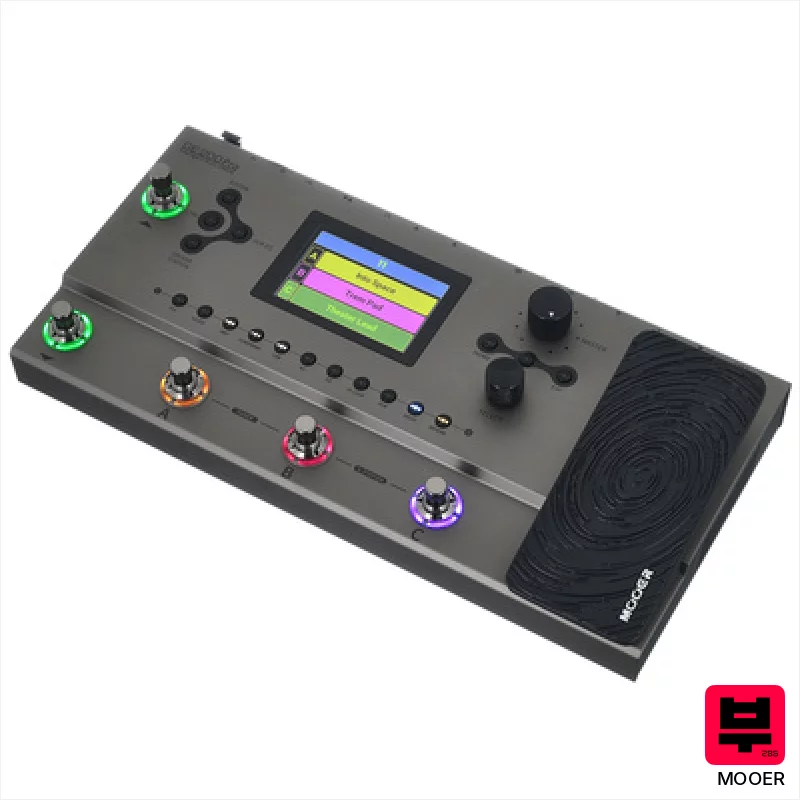
Mooer GE200 PRO
- • Impressive effect library offers a vast palette for sonic experimentation.
- • Intuitive LCD screen and editor software simplify complex parameter adjustments.
- • Drum machine and looper provide songwriting and practice tools on-the-go.
- • Solid build quality for a pedal in its price bracket; feels robust.
- • Mooer's amp models, while decent, don't match the fidelity of higher-end dedicated modelers.
- • The user interface, while improved, can still feel slightly overwhelming initially.
- • Expression pedal input lacks dedicated assignable controls for nuanced tweaking.

Valeton GP-200X Anniversary
- • Robust metal housing feels solid and inspires confidence.
- • HD modeling delivers surprisingly organic amp and cab simulations.
- • Extensive effects library offers diverse tonal sculpting possibilities.
- • Built-in expression pedal adds real-time control and flexibility.
- • Menu navigation can feel a bit clunky compared to more premium units.
- • Looper’s 180-second limit may be restrictive for longer compositions.
- • While versatile, high-gain metal tones might lack the ultimate clarity.
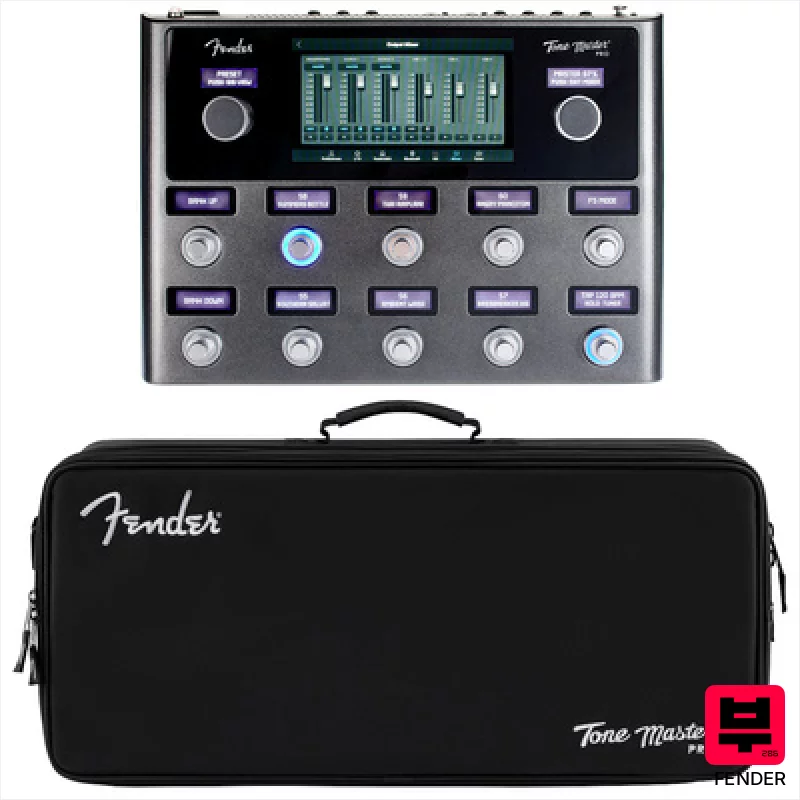
Fender Tone Master Pro Bundle
- • Exceptional amp modeling captures the nuance of classic Fender circuits.
- • Intuitive touchscreen interface drastically simplifies complex effect chains.
- • Integrated Impulse Responses deliver realistic, stage-ready speaker tones.
- • Footswitches with LCD scribble strips offer unparalleled customization and recall.
- • The unit's size and weight make it less ideal for gigging musicians.
- • Reliance on digital modeling might not satisfy purists seeking analog warmth.
- • The learning curve for advanced features like Song Mode can be steep.
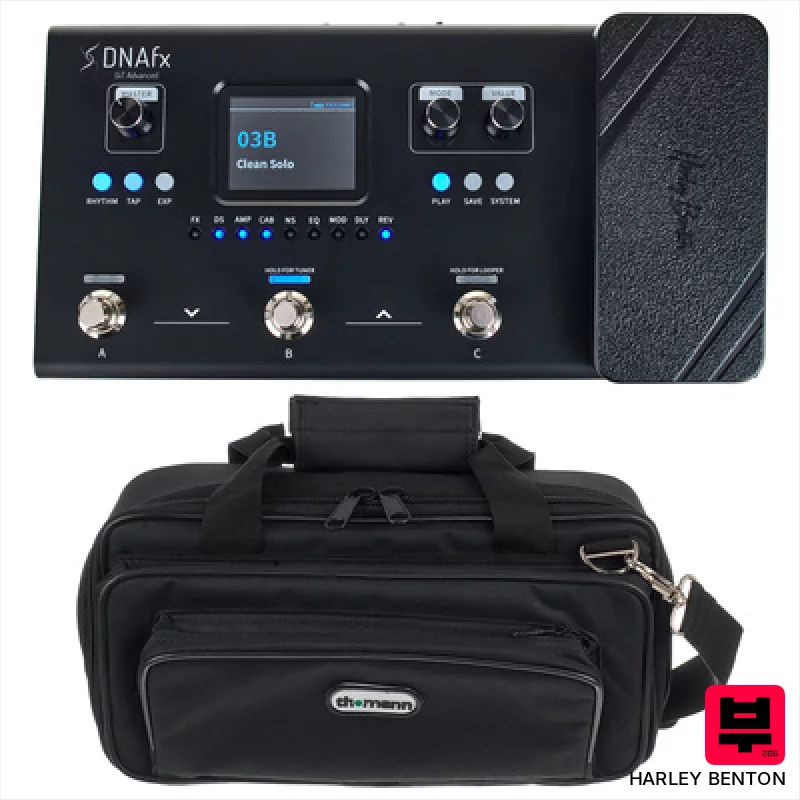
Harley Benton DNAfx GiT Advanced w/Bag
- • Impressive amp modeling convincingly emulates tube amp characteristics and dynamics.
- • Integrated expression pedal offers immediate, intuitive control over effect parameters.
- • Extensive effects library provides a wide palette for sonic experimentation.
- • The included gig bag is surprisingly robust, offering decent protection for transport.
- • Build quality, while acceptable for the price, lacks the refinement of higher-end units.
- • The user interface can feel somewhat clunky and less intuitive than competitors.
- • While versatile, the DNAfx's amp models might not satisfy purists seeking absolute authenticity.

Line6 Helix Rack Control Bundle
- • HX modeling engine delivers incredibly realistic amp and cab tones.
- • Flexible I/O allows seamless integration into complex studio and live rigs.
- • Robust 3U rackmount format provides stability and professional appearance.
- • Extensive MIDI control enables deep customization and integration with other gear.
- • Steep learning curve; the sheer number of options can be overwhelming initially.
- • Rack format limits portability; not ideal for gigging musicians needing a floor unit.
- • Premium-priced; represents a significant investment for most guitarists.

JAM pedals Koch Ness Monster
- • Handmade analog circuit delivers exceptional warmth and responsiveness.
- • Greg Koch's signature tones are instantly accessible and inspiring.
- • Synchronized tap tempo between tremolo and delay is genuinely useful.
- • Compact size makes it gig-ready without sacrificing sonic quality.
- • Limited effect selection may not suit players needing extensive tonal palettes.
- • 100% analog design can be susceptible to noise if gain staging isn't careful.
- • Premium-priced, making it a significant investment for many guitarists.
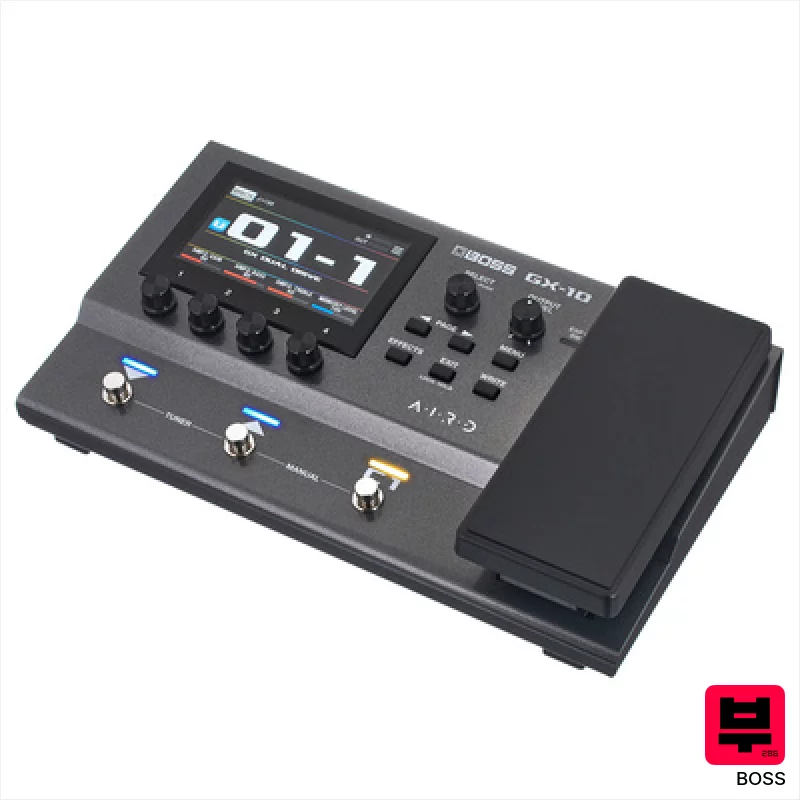
Boss GX-10
- • Intuitive touchscreen drastically simplifies complex routing and editing.
- • AIRD amp modeling provides surprisingly realistic tube amp response.
- • Compact size makes it ideal for gigging musicians and studio use.
- • Extensive effects library covers a wide range of tonal possibilities.
- • Limited physical controls can feel restrictive for experienced users.
- • While versatile, the routing can be overwhelming for absolute beginners.
- • The chassis, while robust, feels a bit plasticky compared to higher-end units.
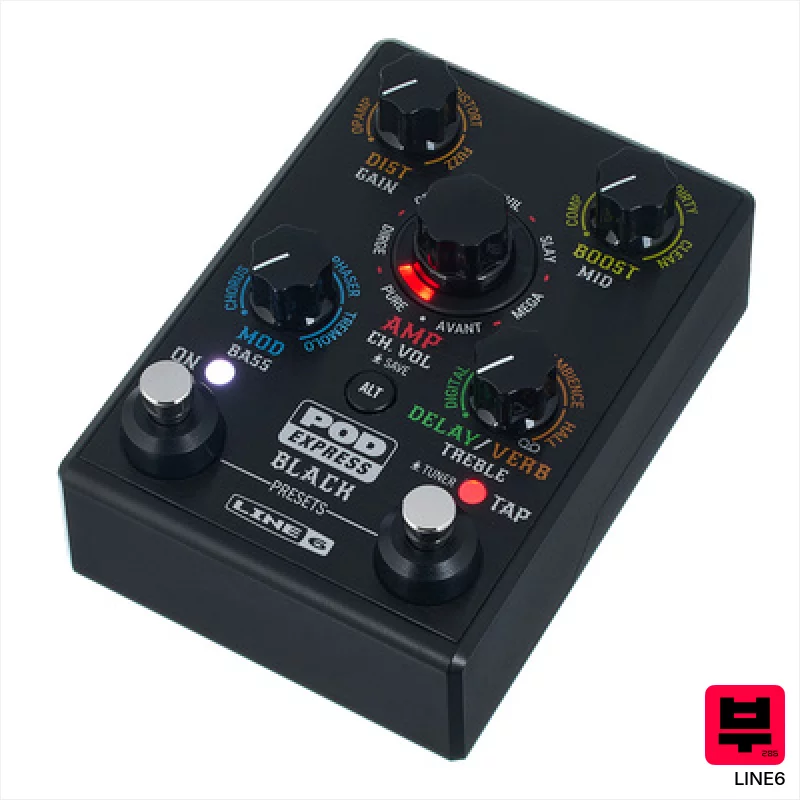
Line6 Pod Express Guitar Black
- • Compact design makes it ideal for small practice spaces or gigging.
- • Line 6's amp modeling provides decent, recognizable tones for the price.
- • USB interface allows for recording directly into DAW software.
- • Simple layout and controls are easy to learn and navigate quickly.
- • Limited amp and effect selection compared to higher-end Helix units.
- • Plastic enclosure feels somewhat cheap and less durable than metal alternatives.
- • Headphone output lacks the power and clarity for serious monitoring.

Mooer GE200 PRO Li
- • Excellent value for the sheer volume of effects and amp models.
- • The integrated Li-battery provides genuinely usable, gig-ready power.
- • Intuitive LCD screen and editor software simplify complex parameter adjustments.
- • Drum machine and looper add significant creative workflow possibilities.
- • Build quality, while decent, doesn’t match premium, all-metal stompboxes.
- • The menu diving, while improved, can still feel overwhelming for beginners.
- • While versatile, the amp models lean towards modern high-gain tones; vintage cleans are less convincing.
How to Choose the Best Guitar Multi Effects
Tonal Versatility
A multi-effects unit needs to cover a wide range of sonic ground. Can it nail a creamy blues overdrive, a tight rock distortion, a shimmering chorus, and a usable clean amp model? We're looking for units that avoid that generic, "digital" flavor and offer genuine character.
Dynamic Response
This is critical. A great multi-effects unit reacts to your playing. It shouldn't squash your dynamics or add unwanted compression. It needs to let your pick attack and volume swells shine through, especially when chasing nuanced tones.
Amp Modeling Quality
Let's be honest, amp models are the heart of most of these units. We scrutinized how accurately they replicated the feel and response of classic amps, paying attention to things like speaker interaction and power amp sag. A bad amp model makes the entire unit unusable.
Effects Algorithm Quality
Beyond the amp models, the individual effects (reverb, delay, modulation) need to be top-notch. Cheap reverbs sound like underwater recordings; cheap delays are muddy. We looked for effects that are transparent, articulate, and inspiring.
User Interface & Workflow
A complicated, frustrating interface will kill your creativity. We assessed how easy it was to navigate menus, save presets, and tweak settings on the fly - both on stage and in the studio. A unit that's a pain to use is useless, no matter how good it sounds.
Buying Guide
Don't fall for the 'more is more' trap. A unit with 1000 presets you never use is worse than one with 50 killer sounds you reach for every time. Pay attention to the amp models - if they sound like canned tones, move on. And remember, a lot of these units need a good external power supply to avoid noise and achieve maximum headroom. That extra $50 for a quality power brick is worth it.
Our Methodology
We didn't just read spec sheets here. We spent weeks playing these units through a variety of amps - Fender Deluxe Reverbs, Mesa Boogie Mark V's, even a Peavey 6505 - with different guitars (Strats, Les Pauls, humbucker and single-coil rigs) to see how they performed. Our evaluations were based on how well they captured classic amp tones, how responsive they were to dynamics, and how easily they could be dialed in for different musical situations - from quiet, clean rhythm parts to searing lead work.

