
Best Headrush Guitar Multi Effects 2026
Alright, so you're wading into the multi-effects pool, huh? It's a rabbit hole, but a rewarding one. Headrush has carved out a serious niche for themselves, and for good reason - they're not just slapping digital algorithms on a box, they're genuinely trying to replicate amp and pedal tones with a surprising amount of accuracy. If you're tired of chasing that elusive 'vintage' tone through a stack of pedals, Headrush is a place to start seriously considering.
Last updated: October 8, 2026

Headrush Flex Prime
- • Excellent ReValver amp models deliver authentic, nuanced tones across genres.
- • The high-resolution touchscreen is genuinely intuitive and responsive for quick edits.
- • Flexible signal routing (5 paths) allows for complex and creative signal chains.
- • Cloud integration simplifies preset sharing and expands custom impulse response options.
- • The unit's size and weight make it less ideal for gigging without a dedicated case.
- • The sheer number of options can be overwhelming for less experienced users initially.
- • Reliance on Headrush's ecosystem means limited compatibility outside their platform.

Headrush Prime Bundle
- • Steel enclosure provides exceptional durability for gigging musicians and studio use.
- • Antares Auto-Tune integration is genuinely useful for vocal processing and experimentation.
- • Amp Cloner is a game-changer for replicating unique amp tones and pedal sounds.
- • Intuitive touchscreen and Wi-Fi connectivity simplify preset management and sharing.
- • The Prime's size and weight can be cumbersome for smaller stages or travel.
- • The sheer number of options can be overwhelming for beginners; a learning curve exists.
- • While versatile, its focus leans towards modern and high-gain tones, limiting some genres.

Headrush Core Bundle
- • Exceptional amp modeling accuracy, rivaling dedicated hardware rigs.
- • Antares Auto-Tune integration offers studio-quality vocal processing.
- • Intuitive touchscreen simplifies complex effect chains and routing.
- • Amp Cloner is a game-changer for replicating unique tones.
- • The size and weight make it less than ideal for gigging regularly.
- • Steep learning curve for users unfamiliar with digital modeling platforms.
- • Reliance on the HeadRush Cloud can be a drawback for some users.
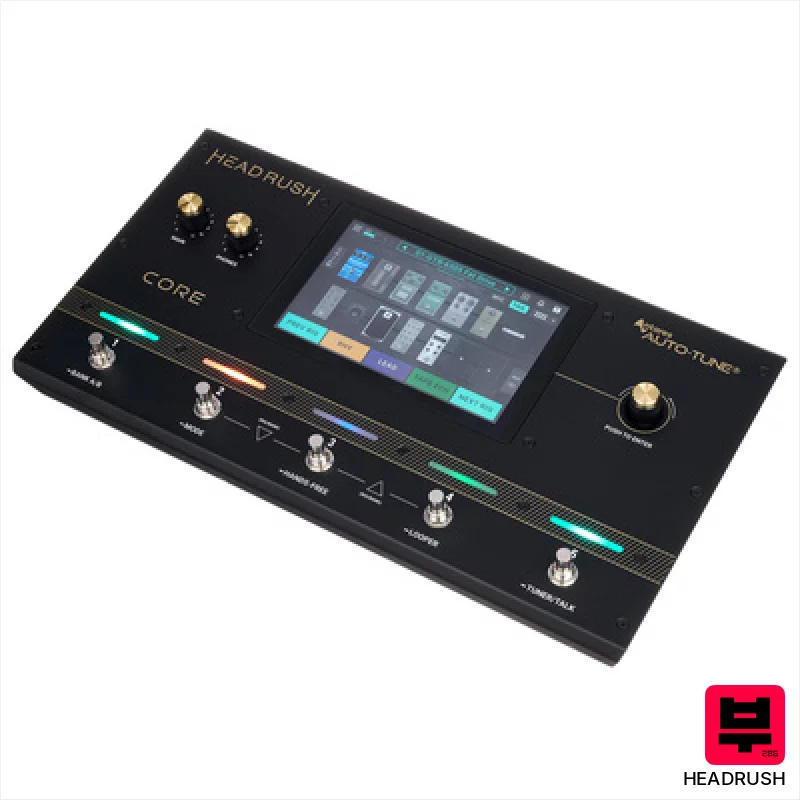
Headrush Core
- • Exceptional amp modeling rivals boutique hardware, incredibly detailed and nuanced.
- • Antares Auto-Tune integration is genuinely useful, not just a gimmick.
- • Amp Cloner is a game-changer for recreating unique tones and pedalboards.
- • Intuitive touchscreen interface simplifies complex routing and editing.
- • Size and weight make it less ideal for gigging musicians needing portability.
- • Steep learning curve for those unfamiliar with digital modeling workflows.
- • Vocal processing, while present, isn't as deep as dedicated vocal processors.
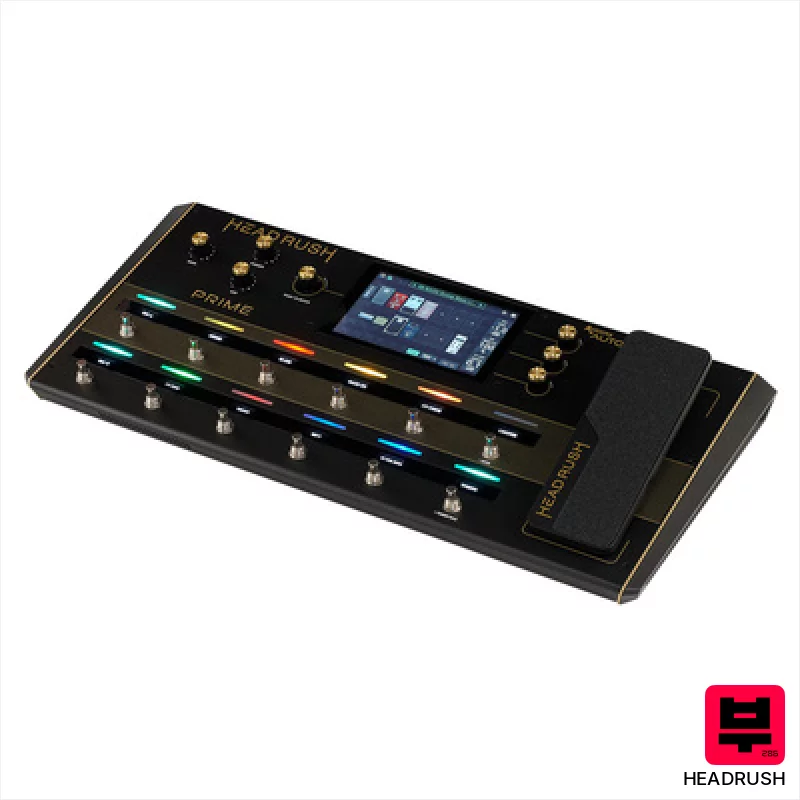
Headrush Prime
- • Steel housing feels incredibly robust; this unit is built to tour.
- • Amp Cloner accurately replicates boutique amp tones remarkably well.
- • 7” touchscreen is responsive and genuinely improves workflow compared to menus.
- • Seamless preset switching eliminates pops and clicks; performance is exceptional.
- • The size and weight make it less ideal for smaller practice spaces or travel.
- • Steep learning curve for beginners overwhelmed by the sheer number of options.
- • Vocal processing, while present, isn't a primary strength compared to dedicated units.
Guitar Multi Effects by the numbers
Measured across all 160 models in this category, so «wide», «short» or «expensive» mean something you can check.
How to Choose the Best Guitar Multi Effects
Modeling Accuracy
Headrush's TonePrint technology, combined with their proprietary algorithms, consistently delivers some of the most convincing amp and pedal emulations on the market. We're talking about capturing the subtle nuances of a Plexi's breakup or the specific sag of a vintage Marshall - it's impressive, especially when you consider the size.
TonePrint Customization
This is the big one. The ability to download and use custom-designed impulse responses (IRs) and effects from artists and users worldwide is a game-changer. Want a specific cabinet tone? There's probably a TonePrint for that. It's a massive library and constantly expanding.
Low-Latency Performance
Let's be honest, latency is the killer of digital modeling. Headrush has consistently kept latency low enough to be usable even for sensitive techniques like single-note picking and fast runs. It's not zero, but it's far better than many competitors.
Build Quality & User Interface
The chassis is solid, and the knobs feel substantial. The UI is intuitive, once you get past the initial learning curve. It's not as immediately accessible as some other units, but the depth of control is worth the effort - you're not just tweaking parameters, you're shaping tone.
Dynamics & Articulation
Where some modelers fall short is in accurately replicating how an amp responds to your playing dynamics. Headrush shines here; the units respond realistically to pick attack, volume knob swells, and even subtle changes in picking intensity. This is key for getting that responsive, 'breathing' feel.
Buying Guide
Headrush units aren't cheap, but you're paying for the modeling accuracy and that TonePrint ecosystem. The smaller units like the FR1-X are great for bedroom practice or recording, but if you're gigging regularly, the larger units with more I/O and headroom are worth the investment. Don't skimp on a good power supply either - these units draw a fair bit of juice.
How This List Is Built
We don't play these instruments — we're a catalog, not a review desk, and we'd rather say so than pretend otherwise. This page covers 5 of 160 guitar multi effects from the Thomann catalogue, which is the largest single source of specification data in this category: 5 in detail, the rest listed with their specifications.
Position is computed, not curated. We parse the manufacturer's own description into actual values — nut width, scale, fret count, fingerboard radius, size, alloy — and rank on them: how many specifications a model has published, how many of them are measurable numbers, and how precisely it meets this page's criterion. A product image adds a little. Price is not a ranking signal: it tells you nothing about whether a neck fits your hand. The same inputs always produce the same order, so nothing here is shuffled to look fresh.
What this list is good for: narrowing a category down to a shortlist by spec and budget. What it isn't: a substitute for hearing an instrument. Before you buy, read hands-on reviews and, where you can, play it. Full methodology.

