
Best Guitar Amp Attenuators for Apartment Playing 2026
So, you're a gearhead with a tube amp and a landlord who doesn't appreciate glorious, saturated distortion at 3 AM? Welcome to the club. Apartment playing and high-gain amps are a tricky combo, but attenuators are your lifeline. We're going to break down what to look for to keep your neighbors happy and your tone fat, not just muffled.
Last updated: July 22, 2026 • Next update: July 29, 2026
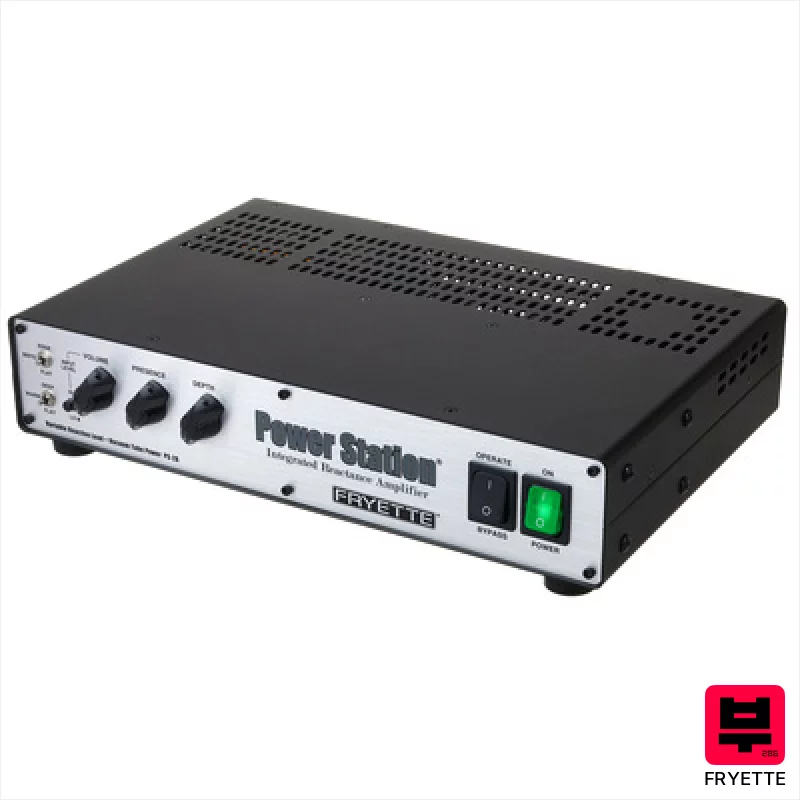
Fryette Power Station PS-2A
- • Fryette’s reactive load maintains dynamic feel, unlike many attenuators
- • Built-in 50W 6L6 amp adds headroom and clean power
- • Flexible impedance switching accommodates diverse amp and speaker setups
- • Effects loop and line-in expand versatility for recording and practice
- • High-end price point makes it a significant investment
- • Weight can be cumbersome for frequent transport or smaller setups
- • Limited tonal shaping beyond power reduction and reactive load
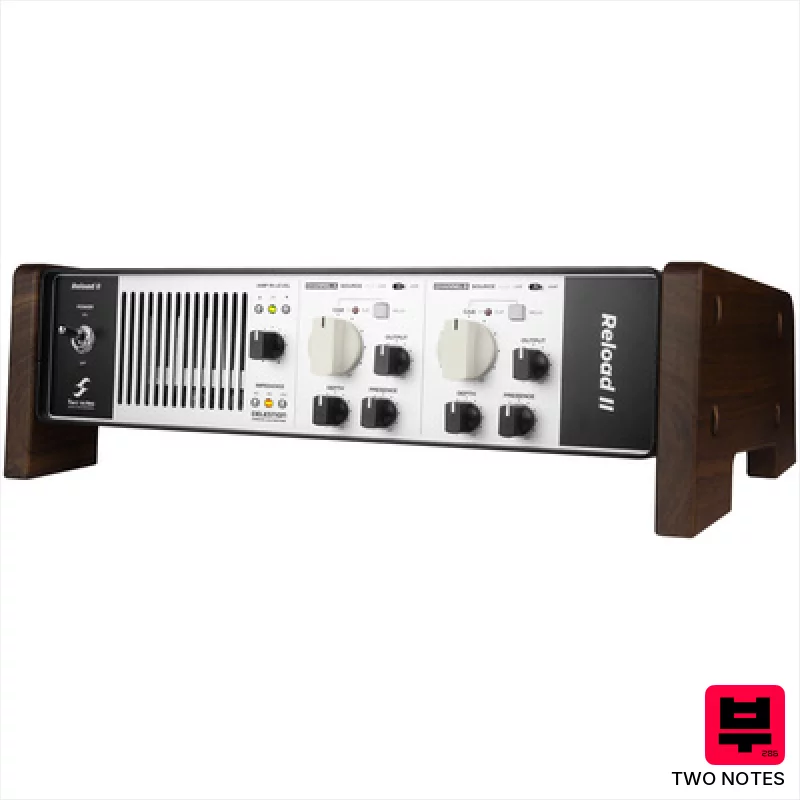
Two Notes Reload II Loadbox & Attenuator
- • Excellent Celestion-approved reactive load response delivers authentic amp tones.
- • Integrated power amp eliminates the need for a separate amp for monitoring.
- • GENOME Reload II plugin provides incredible cabinet simulation versatility.
- • Robust build quality with Celestion speaker compatibility suggests longevity.
- • Significant weight makes it less portable for gigging musicians.
- • Premium-priced, a substantial investment for home recording or practice.
- • Limited control over individual speaker characteristics within the Celestion voicing.

Palmer Supreme Soaker
- • Excellent reactive load, preserves amp's dynamic response remarkably well.
- • Versatile EQ and tone shaping options for speaker and line outputs.
- • The 'hard/soft' tone switch subtly alters speaker simulation for varied sounds.
- • Robust build quality; Palmer's reputation for durability is evident.
- • Relatively heavy, making it less ideal for frequent transport.
- • The sheer number of controls can feel overwhelming initially.
- • Line out character isn't as 'transparent' as some dedicated DI boxes.

Two Notes Torpedo Captor X 16
- • Exceptional DynIR modeling provides incredibly realistic amp tones.
- • Stereo expander adds significant creative possibilities for sound design.
- • Versatile routing options (DI, stereo, dual mono) suit various performance needs.
- • GENOME software offers a massive library of tones and customization.
- • The weight can be a factor for frequent gigging or travel.
- • Learning the GENOME software's full capabilities takes time and effort.
- • Reactive loadboxes aren't a perfect substitute for a traditional speaker cab.
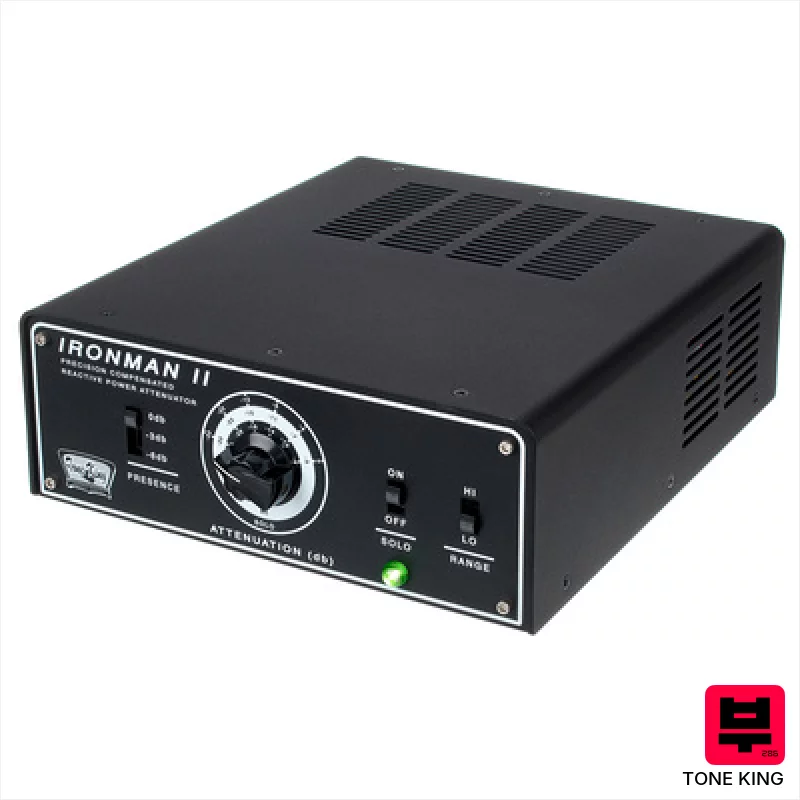
Tone King Ironman II Attenuator
- • Reactive Load Tech preserves amp's dynamic response convincingly
- • 6-level damping offers precise volume attenuation for varied needs
- • XLR DI output with speaker simulation is a gig-ready convenience
- • Presence control effectively tames harsh high frequencies in high gain settings
- • Premium-priced, a significant investment for most guitarists
- • Relatively heavy for portable use; 6.8 kg is noticeable
- • While versatile, excels most with higher wattage tube amps
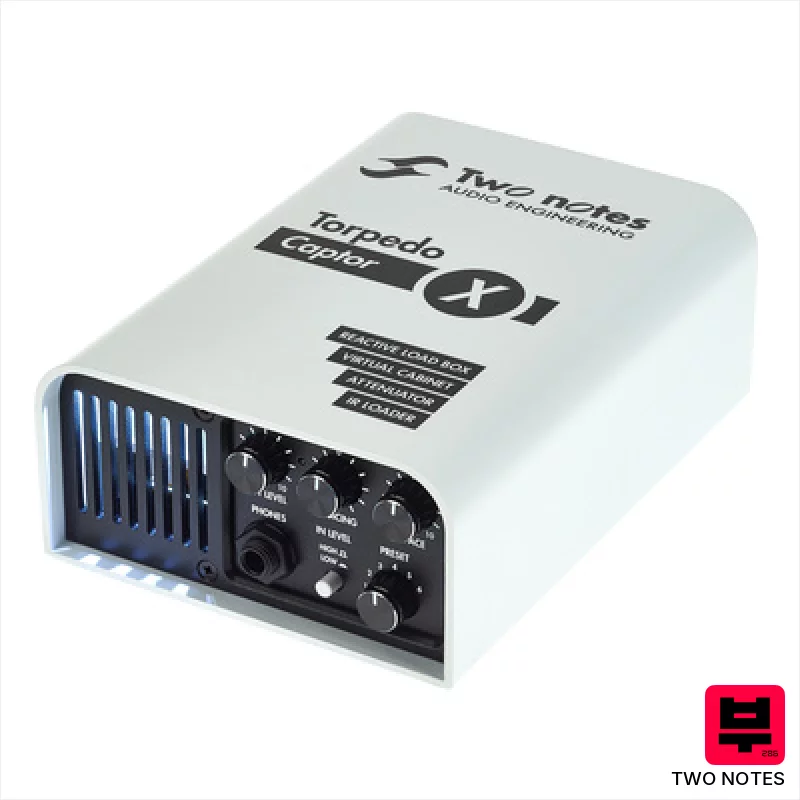
Two Notes Torpedo Captor X 8
- • Excellent DynIR modeling delivers surprisingly authentic tube amp response
- • Stereo expander adds significant depth and creative possibilities
- • Flexible routing options (DI, stereo, dual mono) cover diverse recording needs
- • GENOME software offers a massive library of tones and customization options
- • GENOME software learning curve can be steep for new users
- • Reactive loadbox may introduce slight coloration compared to a true speaker
- • Size and weight make it less portable than some alternatives
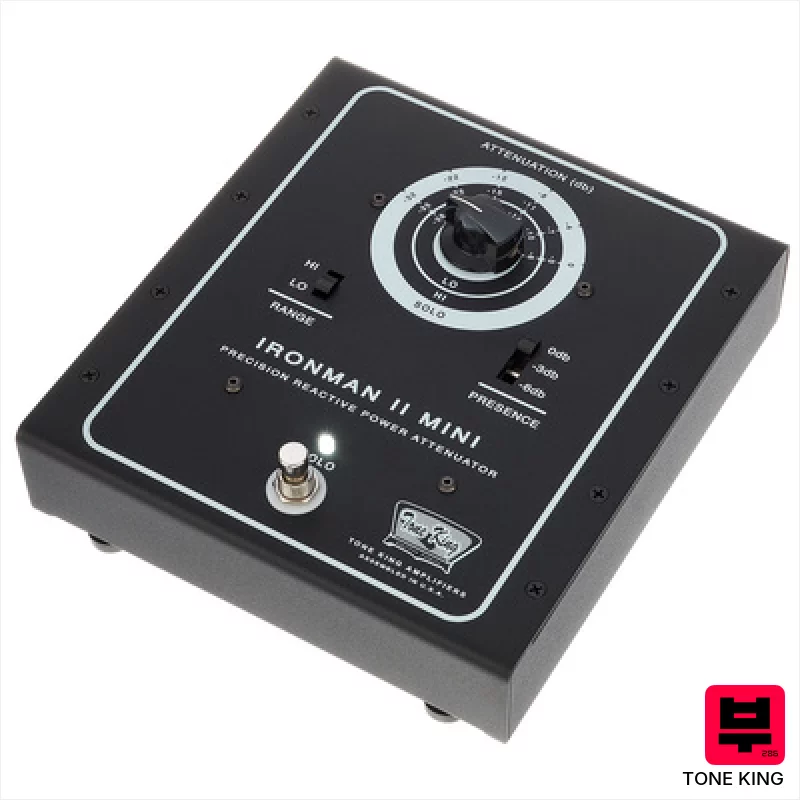
Tone King Ironman II Mini Attenuator
- • Reactive Load tech preserves tube saturation at low volumes
- • 6-Level attenuation provides a wide dynamic range for versatility
- • Footswitchable solo function offers instant volume boost for leads
- • Presence control effectively tames harsh high frequencies in attenuations
- • 30W power limit restricts use with very high-powered amplifiers
- • Line out lacks balanced connectivity for professional recording setups
- • Relatively premium-priced compared to simpler, resistive attenuators

Boss WAZA Tube Amp Expander
- • Variable reactive attenuation preserves nuanced tube amp distortion character
- • Discrete Class AB power amp delivers authentic, high-headroom clean tones
- • Speaker emulations offer surprising realism, expanding sonic possibilities
- • Memory slots and MIDI control streamline complex live performance setups
- • The weight makes it less than ideal for frequent transport
- • Premium-priced, representing a significant investment for most players
- • DSP effects, while capable, may not satisfy purists seeking only analog
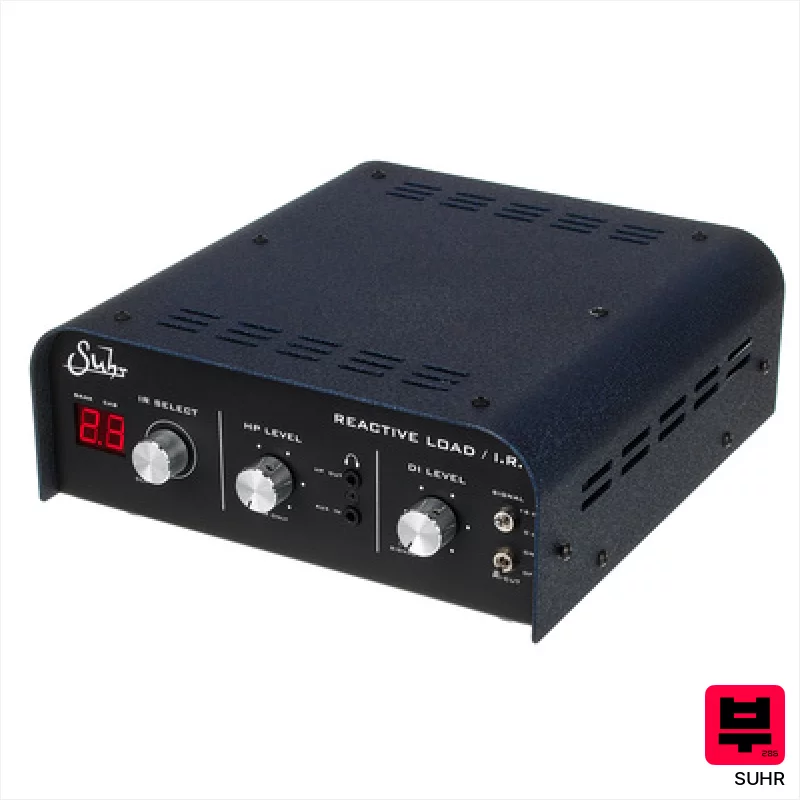
Suhr Reactive Load IR
- • Exceptional speaker simulation avoids thin, lifeless amp tones
- • USB loading expands IR library beyond pre-installed options
- • Balanced DI output offers clean, professional recording signal
- • Robust Suhr build quality ensures long-term reliability.
- • Premium-priced, a significant investment for home recording setups
- • Limited speaker output; not a replacement for a full cab
- • IR selection process could be more intuitive or have a display.
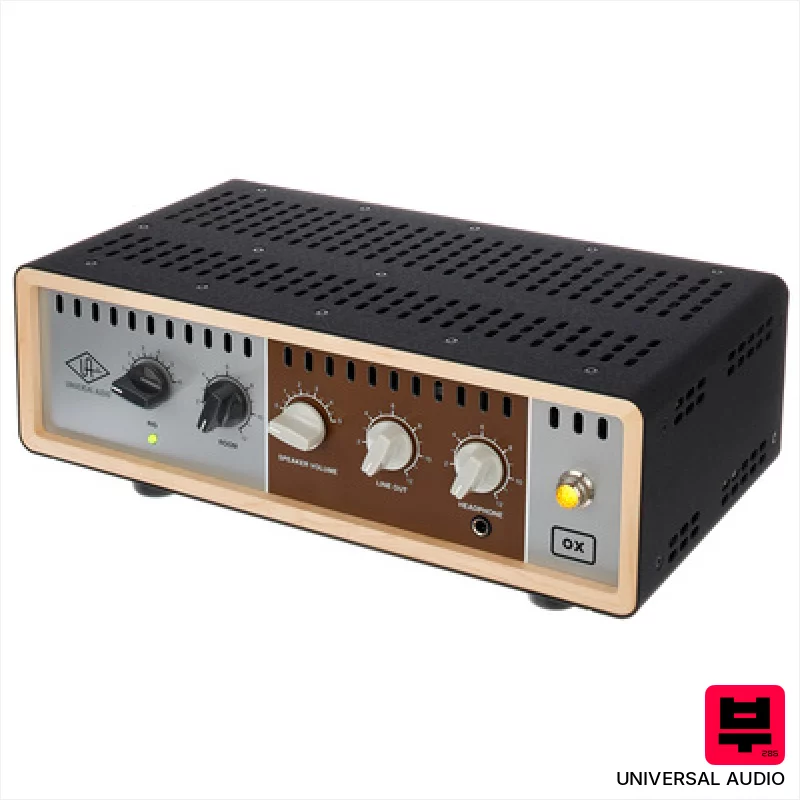
Universal Audio OX Amp Top Box
- • Exceptional UA Dynamic Speaker Modelling creates remarkably realistic amp tones.
- • Five attenuation levels offer broad volume control without sacrificing tone.
- • Integrated effects provide convenient, high-quality ambience shaping.
- • WiFi connectivity and app control unlock extensive preset customization.
- • The unit's weight makes it less than ideal for frequent transport.
- • Premium-priced, limiting accessibility for budget-conscious players.
- • Limited power handling restricts use with extremely high-wattage amplifiers.
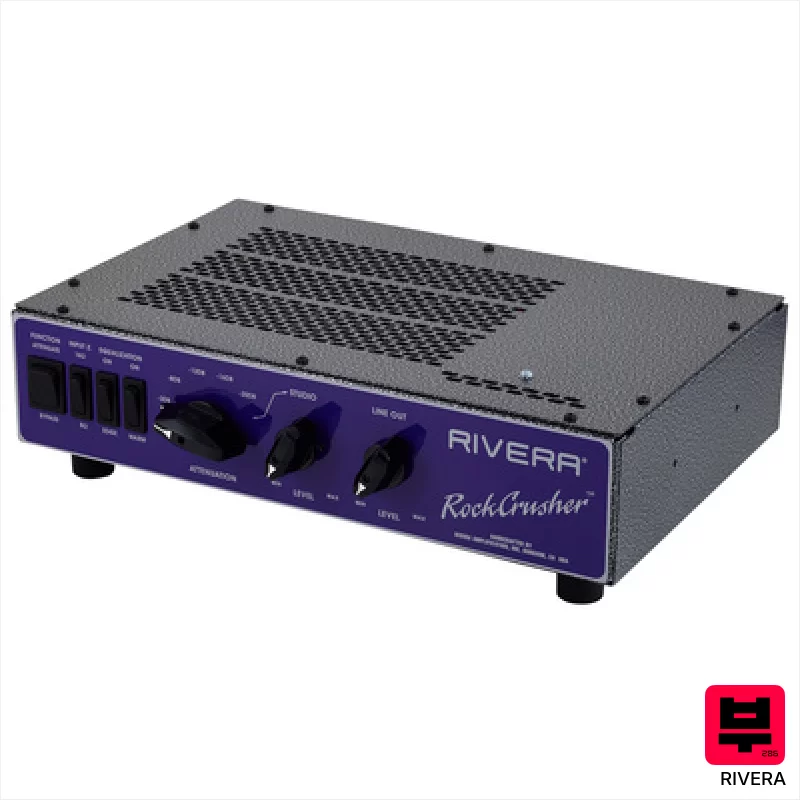
Rivera RockCrusher
- • Excellent reactive load network preserves amp's natural response.
- • Robust build quality with high-grade components for longevity.
- • Flexible EQ allows tailoring attenuated tones precisely.
- • XLR outputs offer clean, noise-free signal for recording.
- • Premium-priced compared to simpler attenuators or solid-state power soak.
- • Significant weight makes it less portable for frequent gigs.
- • Limited headroom at very low attenuation levels; can get fizzy.
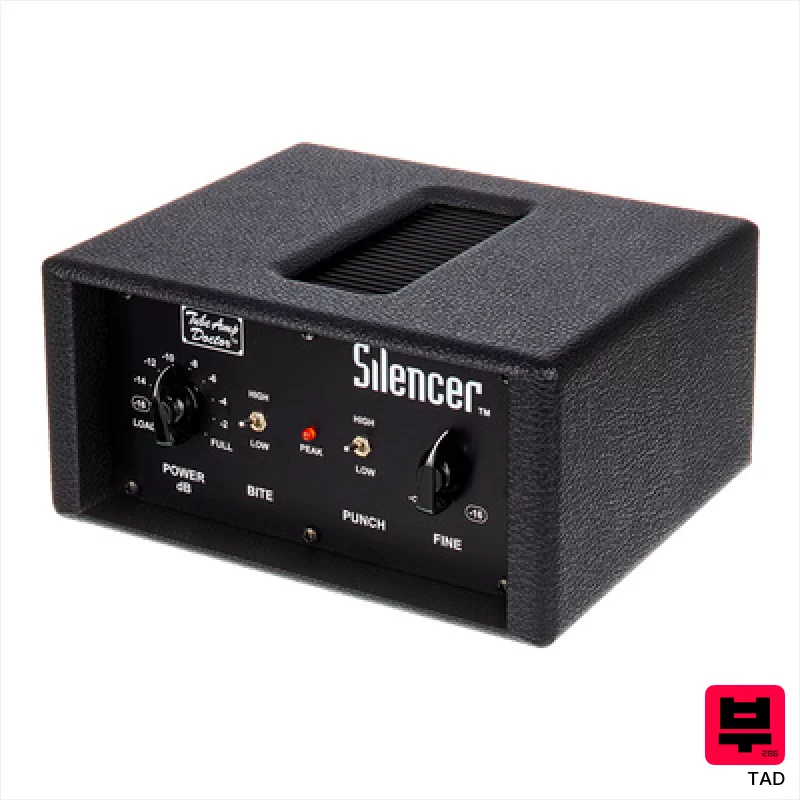
TAD Silencer 8 Ohms Black
- • German engineering yields exceptional build quality and reliability.
- • F.A.N.T.A. output provides surprisingly usable speaker emulation for recording.
- • Precise attenuation steps (-2dB to -16dB) offer granular volume control.
- • Bite and Punch boost adds crucial harmonic richness when attenuating.
- • The weight (2.5 kg) makes it less ideal for frequent gigging or travel.
- • The F.A.N.T.A. emulation, while decent, won't fool a seasoned engineer.
- • Limited power handling (150W) restricts use with high-wattage amps.

SPL Reducer
- • Robust metal enclosure provides excellent shielding and durability
- • Selectable impedance offers amp matching flexibility for various speaker setups
- • Passive design preserves amp's original tonal character without added coloration
- • Well-executed build quality suggests long-term reliability and performance
- • Relatively heavy for portable use, impacting gigging convenience
- • Limited control beyond impedance selection; no tone shaping features
- • Higher power ratings might be overkill for lower-wattage amplifiers
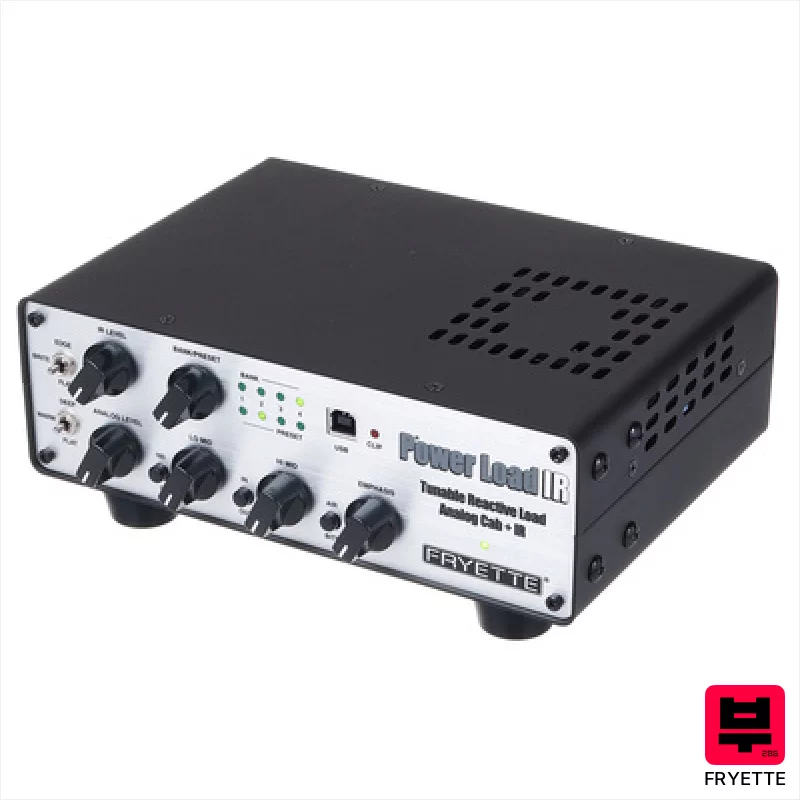
Fryette Power Load IR
- • Fryette’s reactive load accurately emulates speaker interaction for authentic tube tone
- • Cab simulations offer a surprisingly realistic alternative to mic’d cabs
- • Flexible impedance switching caters to a wide range of amp heads
- • Integrated headphone amp provides private practice with amp modeling
- • The GUI software, while functional, could benefit from a more modern interface design
- • 200W power rating limits use with very high-wattage amplifiers
- • Size and weight make it less portable than some competing attenuator solutions

TAD Silencer 16 Ohms Black
- • German engineering delivers exceptional build quality and reliability.
- • The inFinein control offers nuanced attenuation for precise volume shaping.
- • BITE and PUNCH boosts add crucial harmonic richness and drive.
- • LOAD-BOX function allows silent amp practice with realistic response.
- • The 150W power rating limits its use with very high-wattage amplifiers.
- • Relatively heavy for studio or mobile use – 2.5 kg is noticeable.
- • F.A.N.T.A. speaker emulation may not fool seasoned ears completely.
How to Choose the Best Guitar Amp Attenuators
Attenuation Level
This isn't just about decibels; it's about how much volume you can realistically knock down while still retaining usable tone. A 10dB attenuator might sound good at bedroom levels, but a 30dB unit lets you really crank that Marshall stack without getting evicted.
Tonal Character
Cheap attenuators often choke the life out of your amp, turning a roaring Plexi into a compressed, lifeless mess. Good ones aim to preserve the amp's core character, even at low volumes, with minimal colorations - though some intentionally add a specific flavor.
Load Matching
This is crucial. Your amp needs a proper load to function correctly. An attenuator that doesn't provide adequate load impedance can lead to weird, unpredictable behavior and even damage your amp's power tubes. Check the impedance settings carefully.
Versatility
Can it handle different amp types? A Fender Twin wants a different load than a Bogner Shiva. Some attenuators are designed for specific amp voicings, while others are more flexible. Consider what you play through most often.
Noise and Hum
Attenuators can introduce noise and hum, especially at lower volumes. Cheap components and poor shielding are usually to blame. Listen carefully for unwanted artifacts - they'll drive you crazy when you're trying to dial in a clean tone.
Buying Guide
Don't cheap out on an attenuator. It's the last thing standing between you and a noise complaint. Pay attention to the load impedance - it's not just a number, it's your amp's health. Some attenuators will color your tone in a way that's not desirable - listen closely to demos and, if possible, try before you buy. Ultimately, you want something that lets you dial in that cranked amp tone without waking the entire building.
Our Methodology
We've spent the last few months putting a bunch of attenuators through their paces - bedroom shredding, dialing in cleans for recording, and even pushing them with a full band to see how they hold up. Forget the marketing hype; we're judging these things based on how they sound and how they feel when you're actually playing, not just what the specs sheet says.

