
Best Guitar Amp Attenuators Under $300 2026
Alright, so you're chasing that cranked amp tone but your apartment walls (or your drummer) are screaming for mercy? An attenuator is your best bet, but dropping five figures on a boutique head isn't. We're looking at attenuators under $300 - it's a tricky zone, but there are some surprisingly decent options if you know what to look for. Let's find you something that'll let you dial in that sweet spot without needing noise-canceling headphones.
Last updated: September 29, 2026
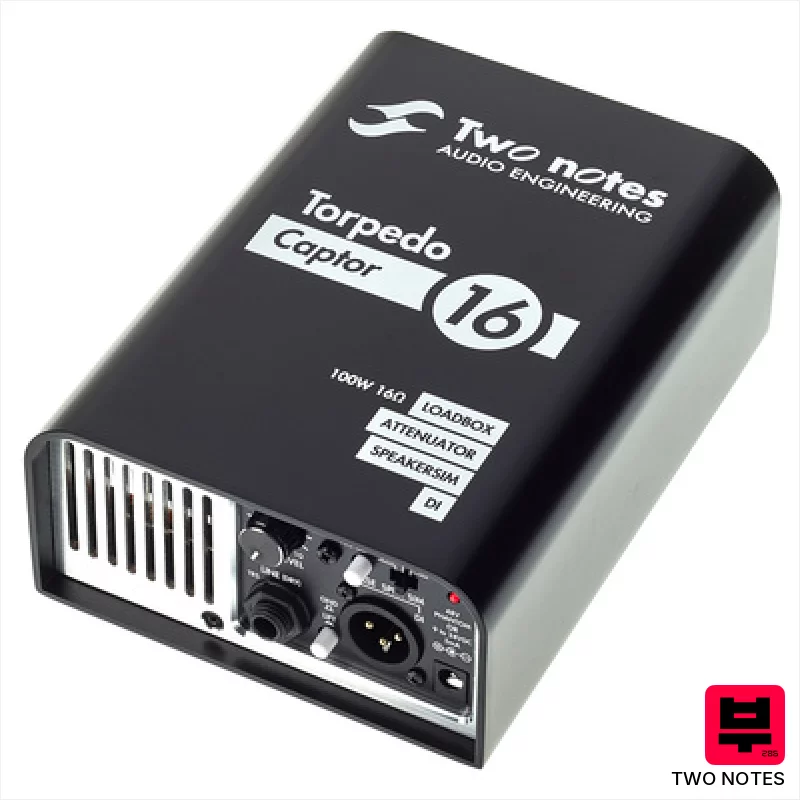
Two Notes Torpedo Captor 16 Ohms
- • Solid metal chassis offers excellent protection for gigging musicians.
- • GENOME software provides a vast library of amp and speaker simulations.
- • Reactive load ensures accurate power handling and avoids amp damage.
- • Compact size and pedalboard-friendly design increase versatility.
- • Requires an external power supply, adding to the overall cost and complexity.
- • 100W RMS power limit restricts use with very high-wattage amplifiers.
- • Speaker simulation, while good, may not perfectly replicate a real cab's feel.
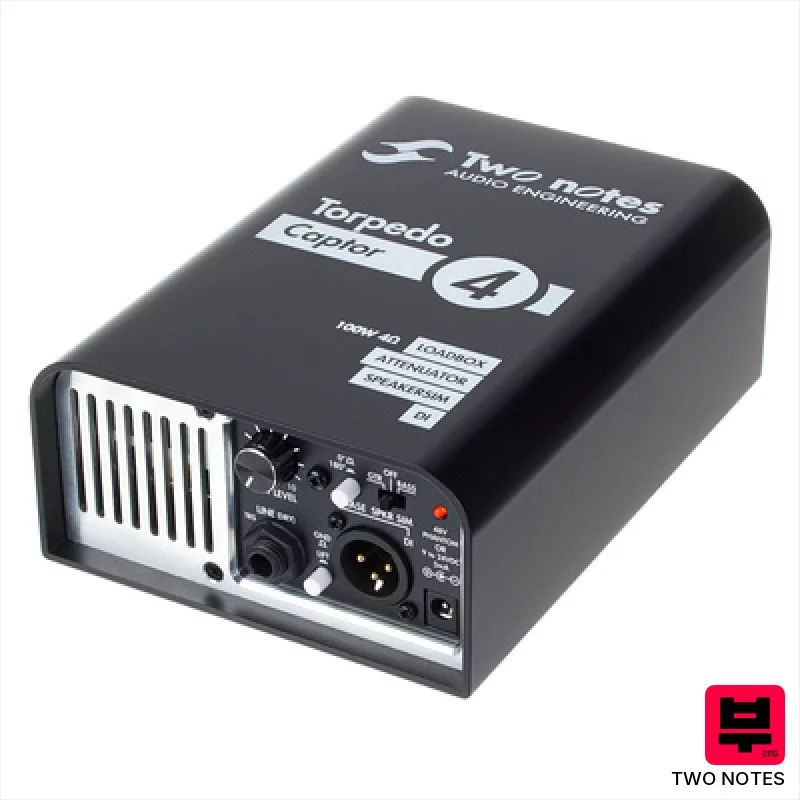
Two Notes Torpedo Captor 4 Ohms
- • Solid metal housing provides robust protection during gigging.
- • GENOME software offers a massive library of amp and effects models.
- • Reactive load accurately simulates speaker response for realistic tones.
- • Compact size makes it pedalboard-friendly for easy integration.
- • Requires an external power supply, adding to overall cost and complexity.
- • 4 Ohm impedance limits compatibility with some amplifier configurations.
- • The included GENOME software can be overwhelming for beginners.
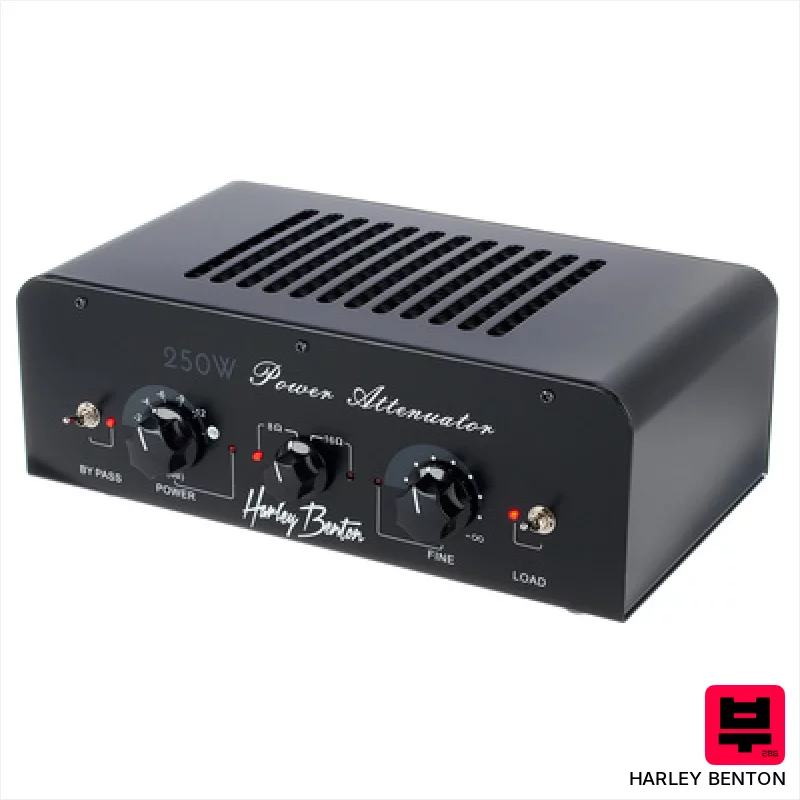
Harley Benton PA-250 Power Attenuator
- • Solid build quality for the price point; feels surprisingly robust.
- • Multiple power reduction levels offer great volume control flexibility.
- • Integrated DI output simplifies recording directly without extra gear.
- • Fan cooling prevents overheating during extended high-volume use.
- • The fan, while quiet, is audible at higher power settings.
- • 8/16 Ohm impedance selection might limit compatibility with some amps.
- • The 'inFinein' control feels a little plasticky and less refined.
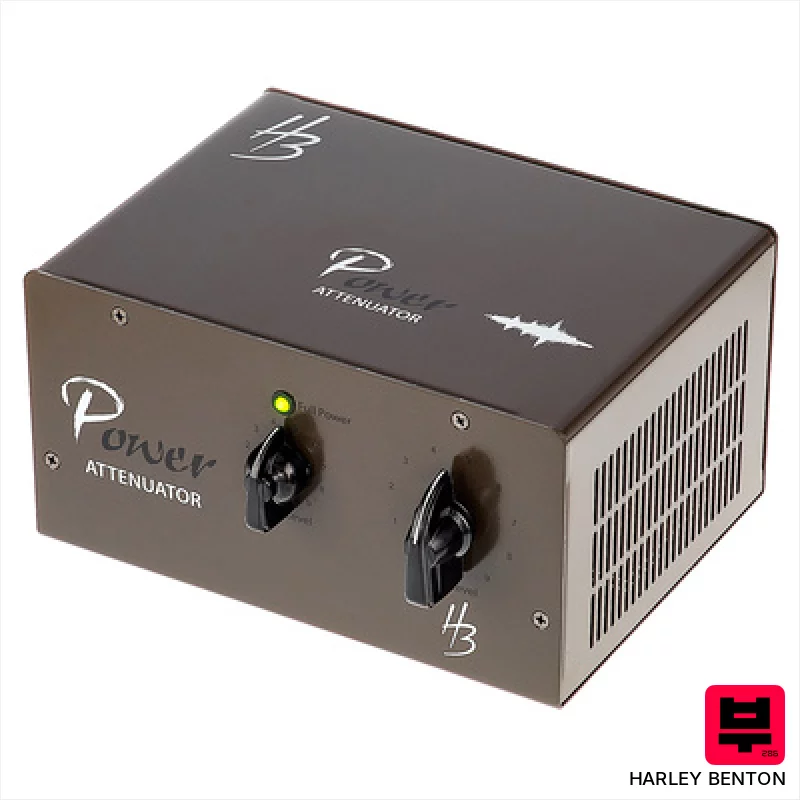
Harley Benton PA-100 Power Attenuator
- • Excellent value for attenuating high-wattage tube amps.
- • Quiet fan operation minimizes unwanted noise during recording.
- • DI output with speaker simulation offers convenient recording flexibility.
- • Multiple impedance options cater to diverse amp and speaker setups.
- • Build quality feels somewhat plasticky, typical of this price range.
- • Fan, while quiet, is still audible in very quiet recording scenarios.
- • Speaker simulation is a 'best guess' and won't perfectly replicate a real speaker.
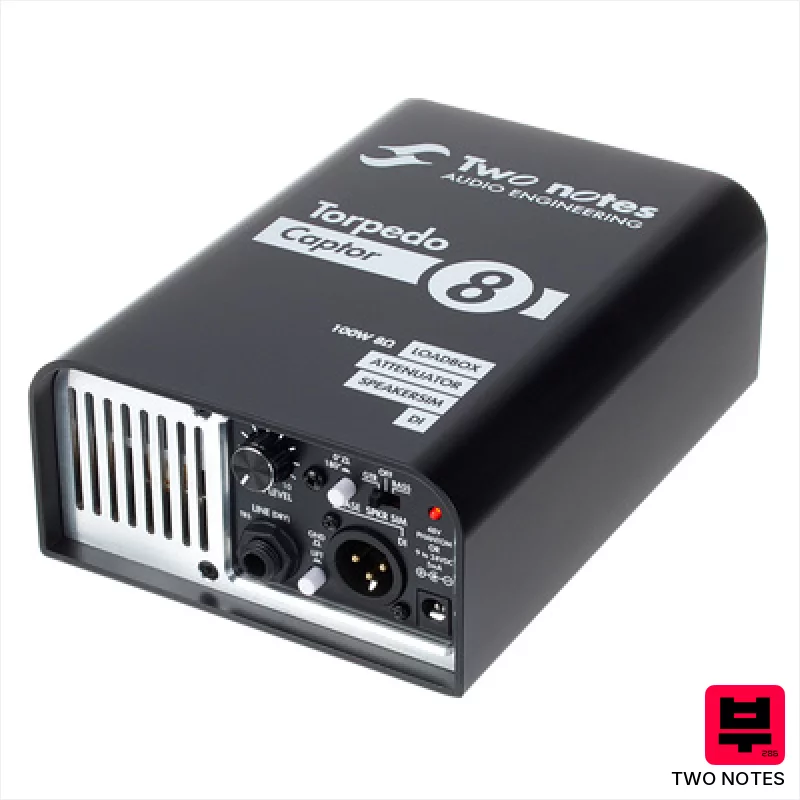
Two Notes Torpedo Captor 8 Ohms
- • Solid metal housing provides excellent durability for gigging musicians.
- • GENOME software integration unlocks a vast library of amp and cab simulations.
- • Reactive load accurately simulates speaker response, crucial for realistic tones.
- • Compact design makes it ideal for pedalboard integration and smaller spaces.
- • Requires an external power supply, adding to overall cost and complexity.
- • 100W RMS power rating limits its suitability for very high-wattage amplifiers.
- • Speaker simulation, while good, won't perfectly replicate a real speaker's nuances.

Bugera PS1 Power Soak
- • Excellent value for attenuating high-wattage tube amps.
- • Passive design preserves amp’s original tone and character.
- • Multiple impedance inputs offer broad compatibility with various amps.
- • XLR output allows direct recording or connection to PA systems.
- • Passive design means volume reduction is limited, not a true 'silent' solution.
- • Construction feels somewhat budget-oriented, not as robust as pricier options.
- • Can introduce a slight 'phase' coloration at higher volumes.
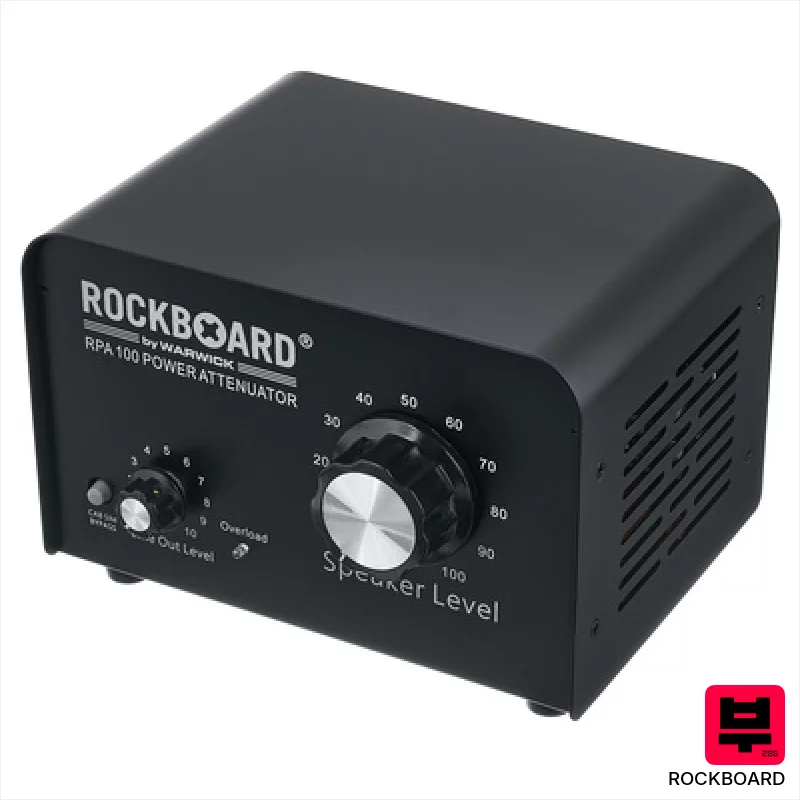
Rockboard RPA 100 Power Attenuator
- • Compact design minimizes footprint on stage or in studio.
- • Versatile impedance switching caters to various amp heads.
- • DI output provides convenient recording and live sound options.
- • Speaker simulation adds warmth and definition to attenuated tones.
- • Fan noise might be noticeable in quiet recording environments.
- • Build quality feels a bit plasticky for frequent heavy use.
- • Limited speaker simulation options compared to higher-end attenuators.
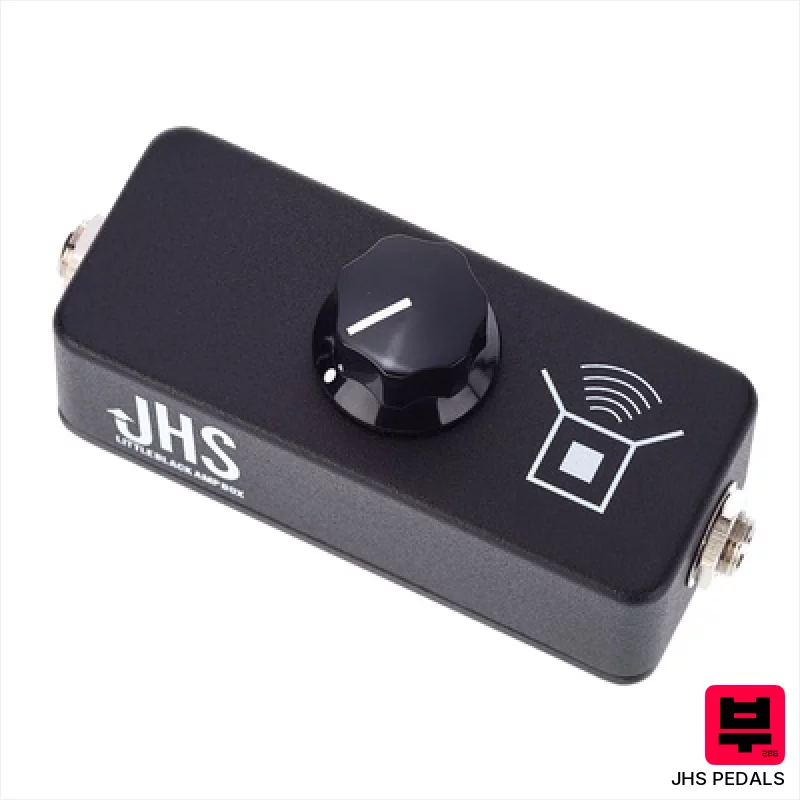
JHS Pedals Little Black Amp
- • Passive design preserves amp’s original voicing, no added coloration
- • Compact size makes it incredibly convenient for pedalboard use
- • Simple level control provides immediate volume attenuation
- • Solid build quality typical of JHS, feels robust and reliable
- • Limited to preamp output, won't work as a full amp attenuator
- • Passive nature means no gain reduction, just volume decrease
- • 6.3mm jacks are a bit dated for modern pedalboard setups
Guitar Amp Attenuators by the numbers
Measured across all 8 models in this category, so «wide», «short» or «expensive» mean something you can check.
How to Choose the Best Guitar Amp Attenuators
Attenuation Level
This is the obvious one - how much volume reduction you get. Expect a range of 50-90% at this price point, but be aware that lower attenuation often means a more compressed, less dynamic sound. It's a trade-off.
Speaker Emulation/Reactive Load
Cheaper attenuators often lack good speaker emulation. Without it, your amp's power section can sound lifeless and flabby. Look for models that claim to simulate speaker response, but don't expect miracles - it's rarely perfect.
Frequency Response
Some attenuators just suck out the mids and leave you with a muddy low end or a harsh high end. We're looking for something relatively flat, or at least with a pleasing tonal character that complements your amp. That 'fat midrange honk' doesn't magically appear with an attenuator.
Build Quality
At this price point, you're mostly getting what you pay for. Expect metal chassis, but potentially cheaper components internally. A flimsy build means potential for noise and unreliable performance - especially when you're gigging.
Impedance Matching
Mismatching impedance can damage your amp! Make sure the attenuator's impedance is compatible with your amp's power section. Most will handle 4, 8, or 16 ohms, but double-check before plugging anything in.
Buying Guide
Realistically, at this budget, you're making compromises. Don't expect the same level of transparency as a $500+ attenuator - you'll likely notice some tonal coloration. Focus on finding one that minimizes the negative impact while still giving you the volume reduction you need. Read reviews carefully and consider what kind of amp you're using - a clean Fender will react differently than a high-gain Marshall.
How This List Is Built
We don't play these instruments — we're a catalog, not a review desk, and we'd rather say so than pretend otherwise. This page covers 8 guitar amp attenuators from the Thomann catalogue, which is the largest single source of specification data in this category: 8 in detail, the rest listed with their specifications.
Position is computed, not curated. We parse the manufacturer's own description into actual values — nut width, scale, fret count, fingerboard radius, size, alloy — and rank on them: how many specifications a model has published, how many of them are measurable numbers, and how precisely it meets this page's criterion. A product image adds a little. Price is not a ranking signal: it tells you nothing about whether a neck fits your hand. The same inputs always produce the same order, so nothing here is shuffled to look fresh.
What this list is good for: narrowing a category down to a shortlist by spec and budget. What it isn't: a substitute for hearing an instrument. Before you buy, read hands-on reviews and, where you can, play it. Full methodology.

