
Best Guitar Amp Attenuators for Studio Work 2026
Okay, so you're chasing that cranked amp tone in your studio, but your neighbors (or your sanity) won't let you dial it in loud? An attenuator is your solution, but they're not all created equal. Some just choke your signal, others deliver surprisingly usable sounds - it's a surprisingly nuanced world. Let's break down the best options for studio work, where subtle detail and flexibility are paramount.
Last updated: July 22, 2026 • Next update: July 29, 2026
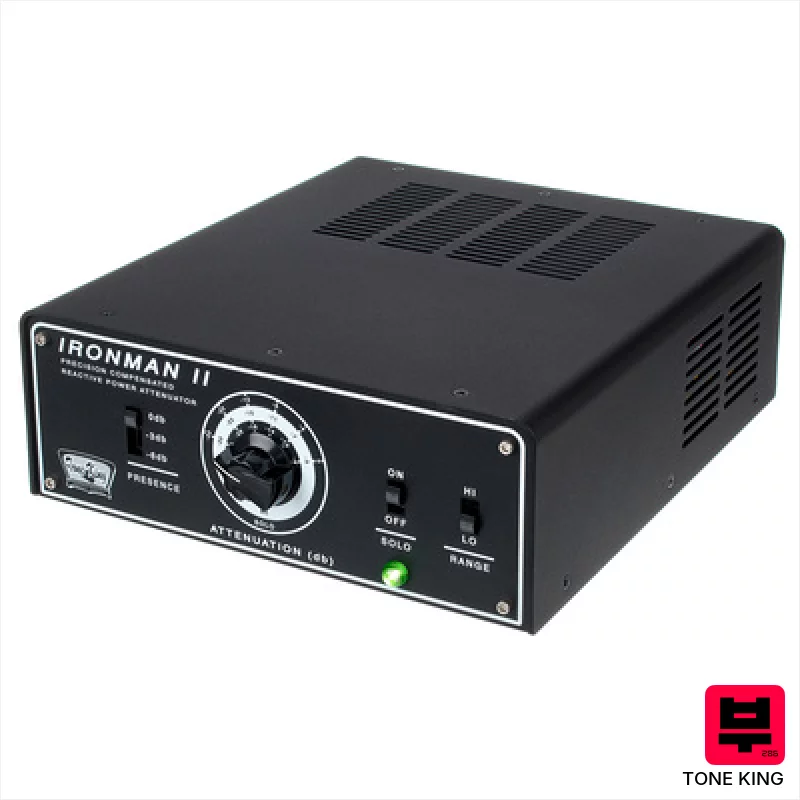
Tone King Ironman II Attenuator
- • Reactive Load Tech preserves amp's dynamic response convincingly
- • 6-level damping offers precise volume attenuation for varied needs
- • XLR DI output with speaker simulation is a gig-ready convenience
- • Presence control effectively tames harsh high frequencies in high gain settings
- • Premium-priced, a significant investment for most guitarists
- • Relatively heavy for portable use; 6.8 kg is noticeable
- • While versatile, excels most with higher wattage tube amps
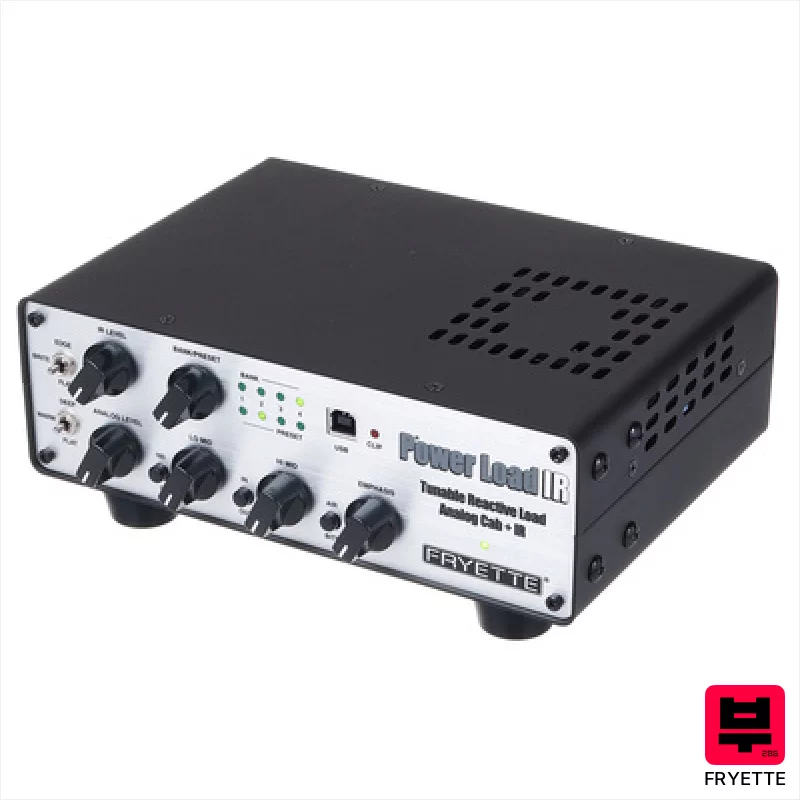
Fryette Power Load IR
- • Fryette’s reactive load accurately emulates speaker interaction for authentic tube tone
- • Cab simulations offer a surprisingly realistic alternative to mic’d cabs
- • Flexible impedance switching caters to a wide range of amp heads
- • Integrated headphone amp provides private practice with amp modeling
- • The GUI software, while functional, could benefit from a more modern interface design
- • 200W power rating limits use with very high-wattage amplifiers
- • Size and weight make it less portable than some competing attenuator solutions
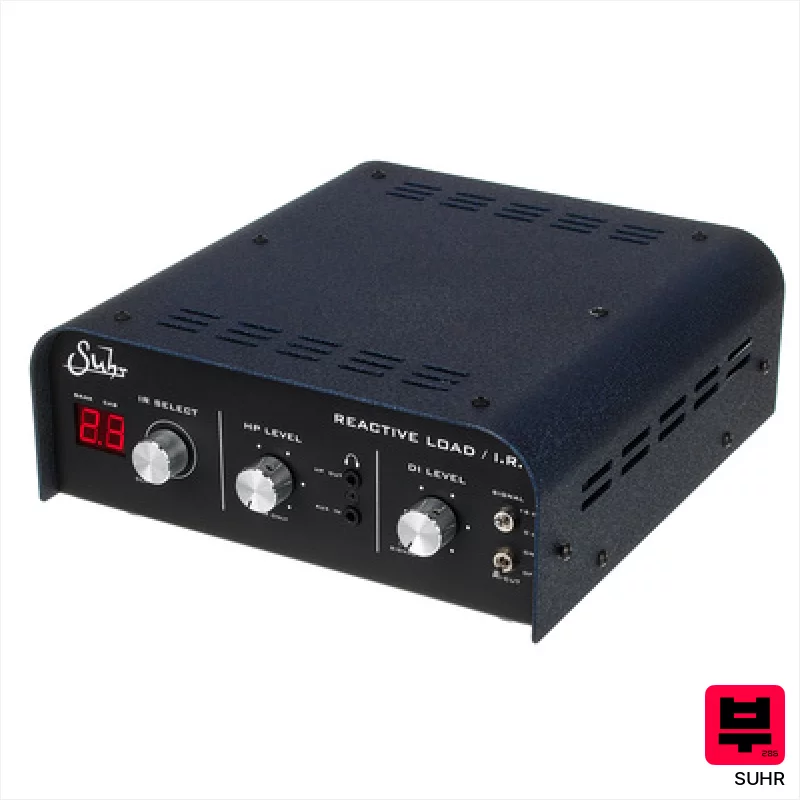
Suhr Reactive Load IR
- • Exceptional speaker simulation avoids thin, lifeless amp tones
- • USB loading expands IR library beyond pre-installed options
- • Balanced DI output offers clean, professional recording signal
- • Robust Suhr build quality ensures long-term reliability.
- • Premium-priced, a significant investment for home recording setups
- • Limited speaker output; not a replacement for a full cab
- • IR selection process could be more intuitive or have a display.
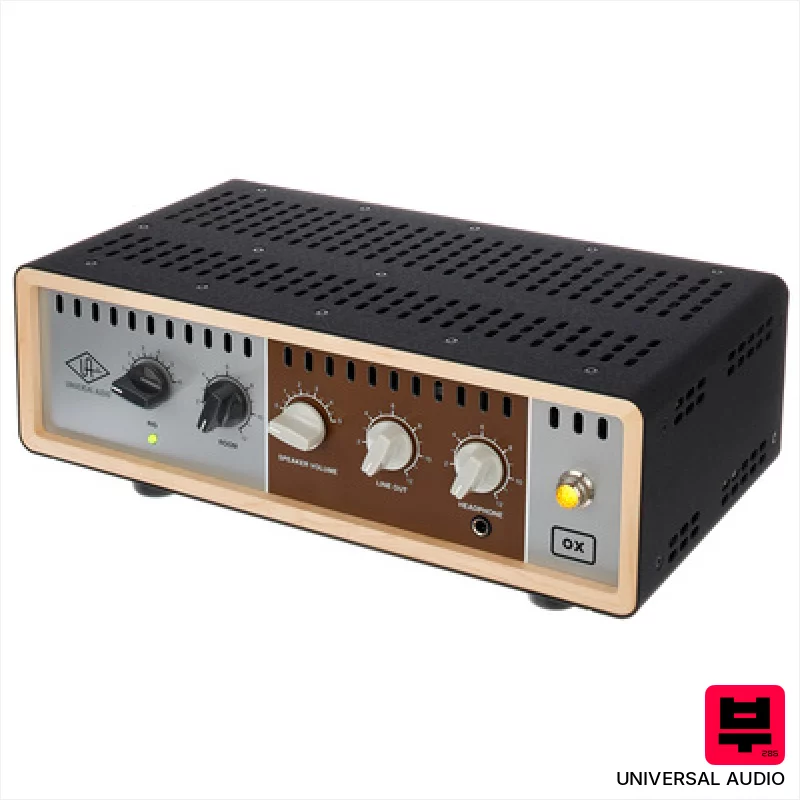
Universal Audio OX Amp Top Box
- • Exceptional UA Dynamic Speaker Modelling creates remarkably realistic amp tones.
- • Five attenuation levels offer broad volume control without sacrificing tone.
- • Integrated effects provide convenient, high-quality ambience shaping.
- • WiFi connectivity and app control unlock extensive preset customization.
- • The unit's weight makes it less than ideal for frequent transport.
- • Premium-priced, limiting accessibility for budget-conscious players.
- • Limited power handling restricts use with extremely high-wattage amplifiers.

Palmer Supreme Soaker
- • Excellent reactive load, preserves amp's dynamic response remarkably well.
- • Versatile EQ and tone shaping options for speaker and line outputs.
- • The 'hard/soft' tone switch subtly alters speaker simulation for varied sounds.
- • Robust build quality; Palmer's reputation for durability is evident.
- • Relatively heavy, making it less ideal for frequent transport.
- • The sheer number of controls can feel overwhelming initially.
- • Line out character isn't as 'transparent' as some dedicated DI boxes.
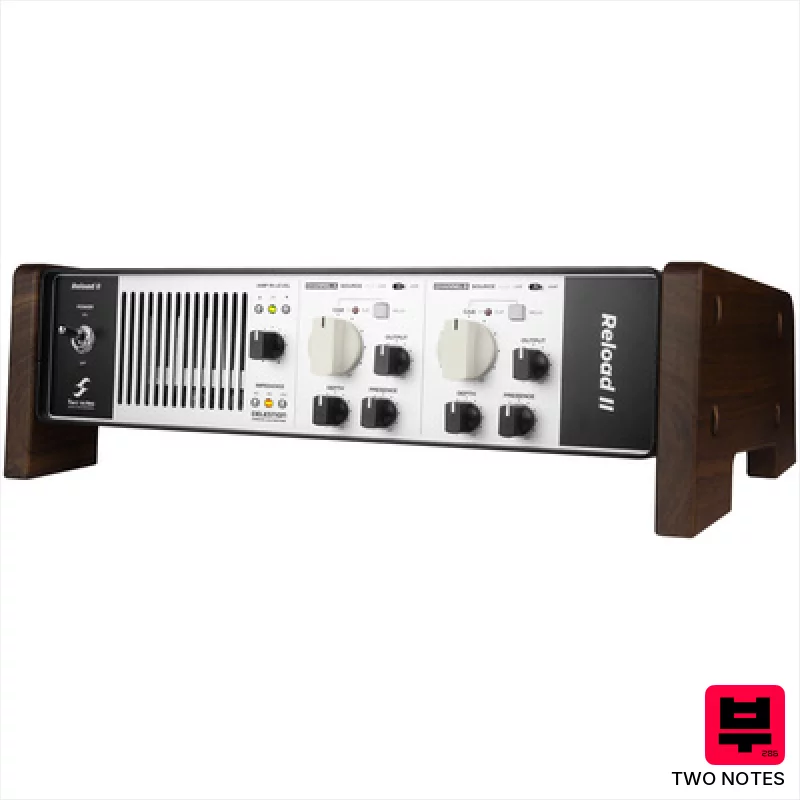
Two Notes Reload II Loadbox & Attenuator
- • Excellent Celestion-approved reactive load response delivers authentic amp tones.
- • Integrated power amp eliminates the need for a separate amp for monitoring.
- • GENOME Reload II plugin provides incredible cabinet simulation versatility.
- • Robust build quality with Celestion speaker compatibility suggests longevity.
- • Significant weight makes it less portable for gigging musicians.
- • Premium-priced, a substantial investment for home recording or practice.
- • Limited control over individual speaker characteristics within the Celestion voicing.
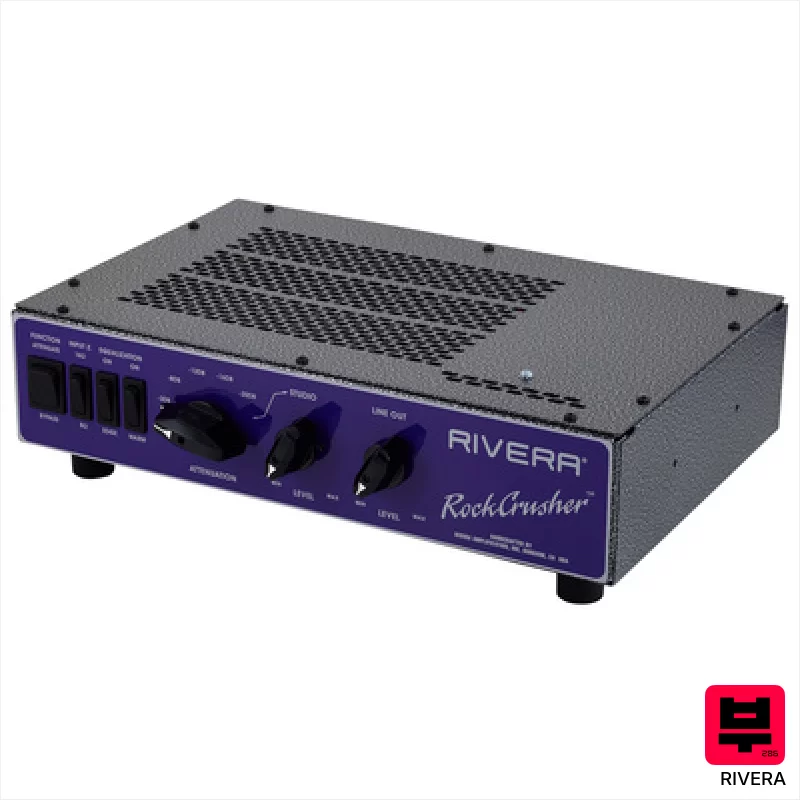
Rivera RockCrusher
- • Excellent reactive load network preserves amp's natural response.
- • Robust build quality with high-grade components for longevity.
- • Flexible EQ allows tailoring attenuated tones precisely.
- • XLR outputs offer clean, noise-free signal for recording.
- • Premium-priced compared to simpler attenuators or solid-state power soak.
- • Significant weight makes it less portable for frequent gigs.
- • Limited headroom at very low attenuation levels; can get fizzy.
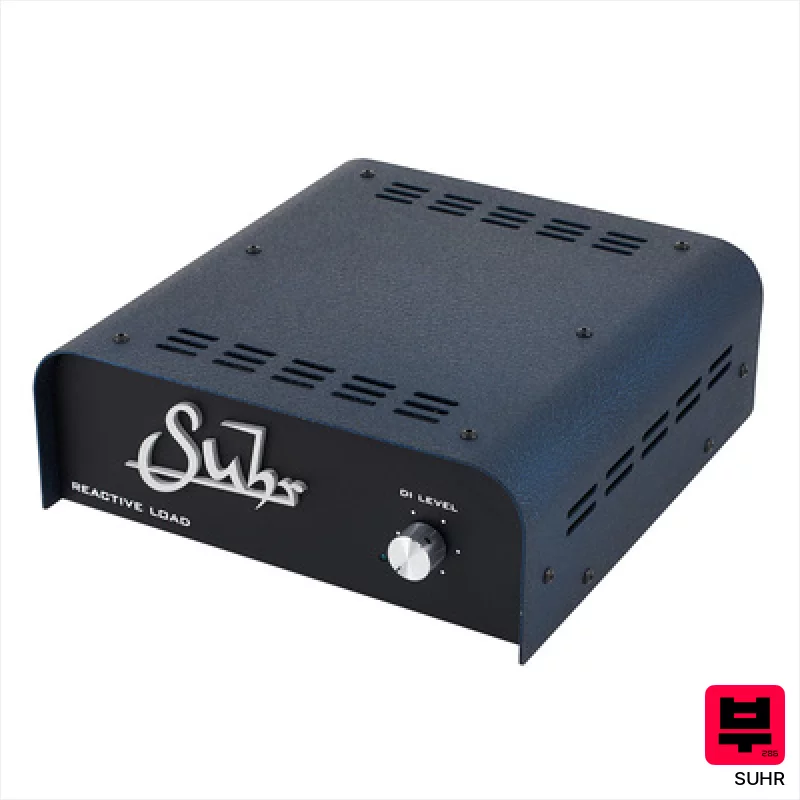
Suhr Reactive Load
- • Excellent transient response preserves amp’s dynamic feel
- • Suhr’s reactive design offers a natural, speaker-like load
- • Solid build quality with robust internal components
- • DI output provides a clean, usable signal for recording
- • Limited power handling; not ideal for high-wattage amps
- • Relatively compact, but still adds to pedalboard footprint
- • Lacks speaker simulation options found in some competitor units
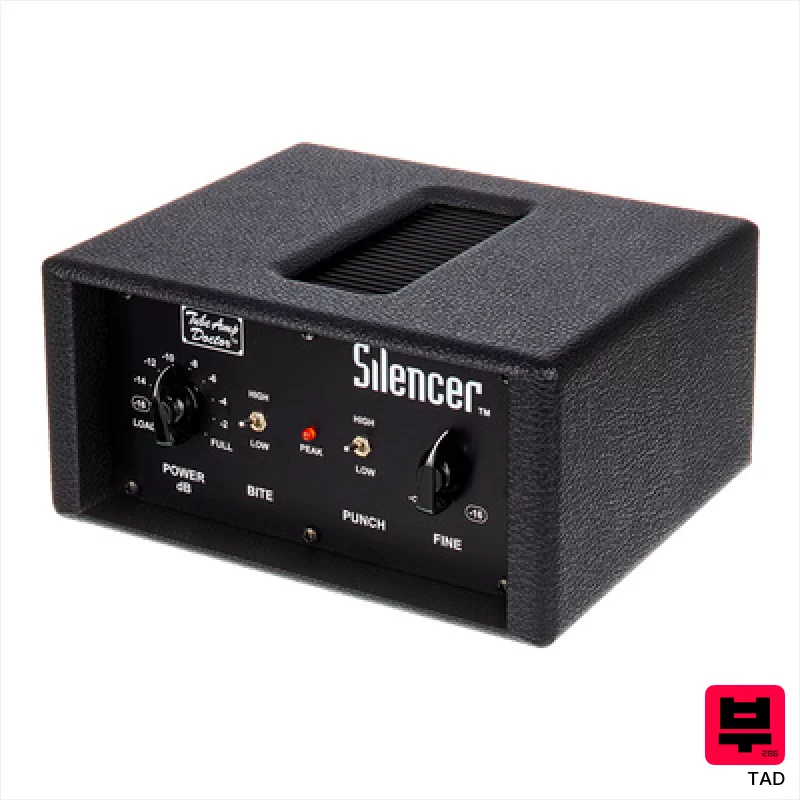
TAD Silencer 8 Ohms Black
- • German engineering yields exceptional build quality and reliability.
- • F.A.N.T.A. output provides surprisingly usable speaker emulation for recording.
- • Precise attenuation steps (-2dB to -16dB) offer granular volume control.
- • Bite and Punch boost adds crucial harmonic richness when attenuating.
- • The weight (2.5 kg) makes it less ideal for frequent gigging or travel.
- • The F.A.N.T.A. emulation, while decent, won't fool a seasoned engineer.
- • Limited power handling (150W) restricts use with high-wattage amps.
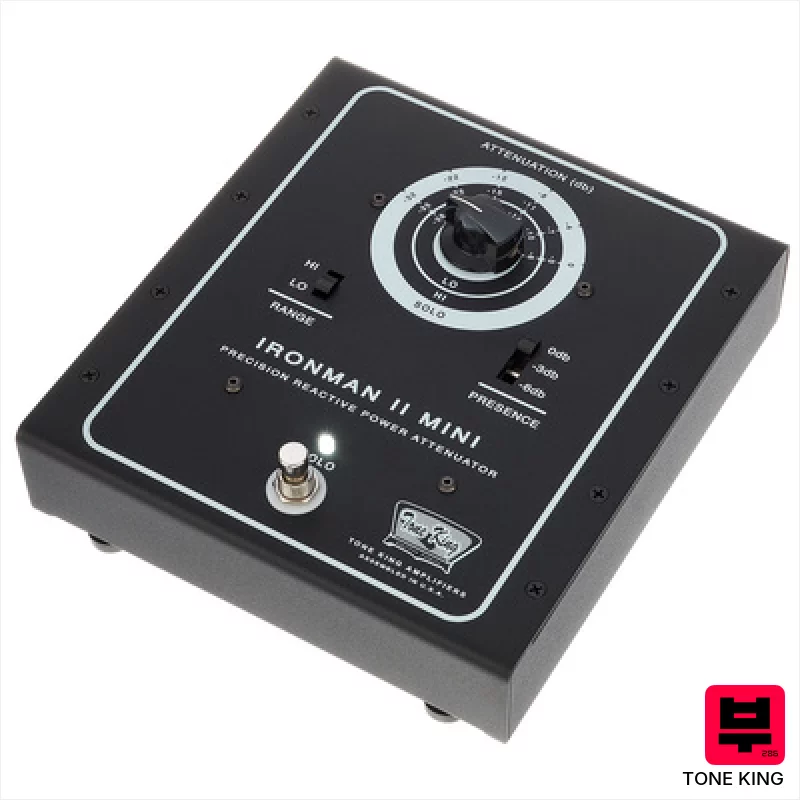
Tone King Ironman II Mini Attenuator
- • Reactive Load tech preserves tube saturation at low volumes
- • 6-Level attenuation provides a wide dynamic range for versatility
- • Footswitchable solo function offers instant volume boost for leads
- • Presence control effectively tames harsh high frequencies in attenuations
- • 30W power limit restricts use with very high-powered amplifiers
- • Line out lacks balanced connectivity for professional recording setups
- • Relatively premium-priced compared to simpler, resistive attenuators
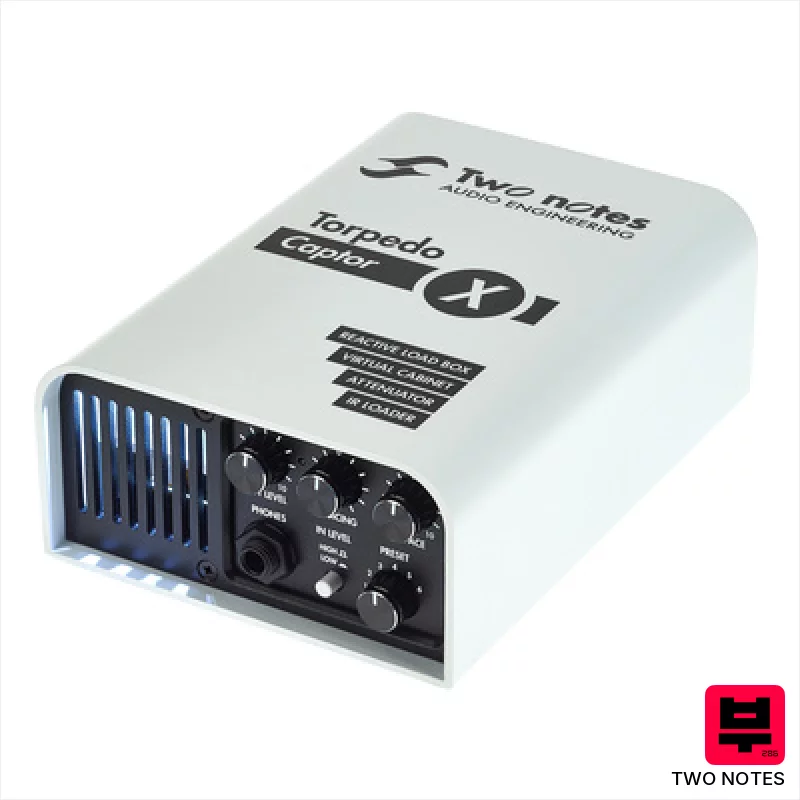
Two Notes Torpedo Captor X 8
- • Excellent DynIR modeling delivers surprisingly authentic tube amp response
- • Stereo expander adds significant depth and creative possibilities
- • Flexible routing options (DI, stereo, dual mono) cover diverse recording needs
- • GENOME software offers a massive library of tones and customization options
- • GENOME software learning curve can be steep for new users
- • Reactive loadbox may introduce slight coloration compared to a true speaker
- • Size and weight make it less portable than some alternatives
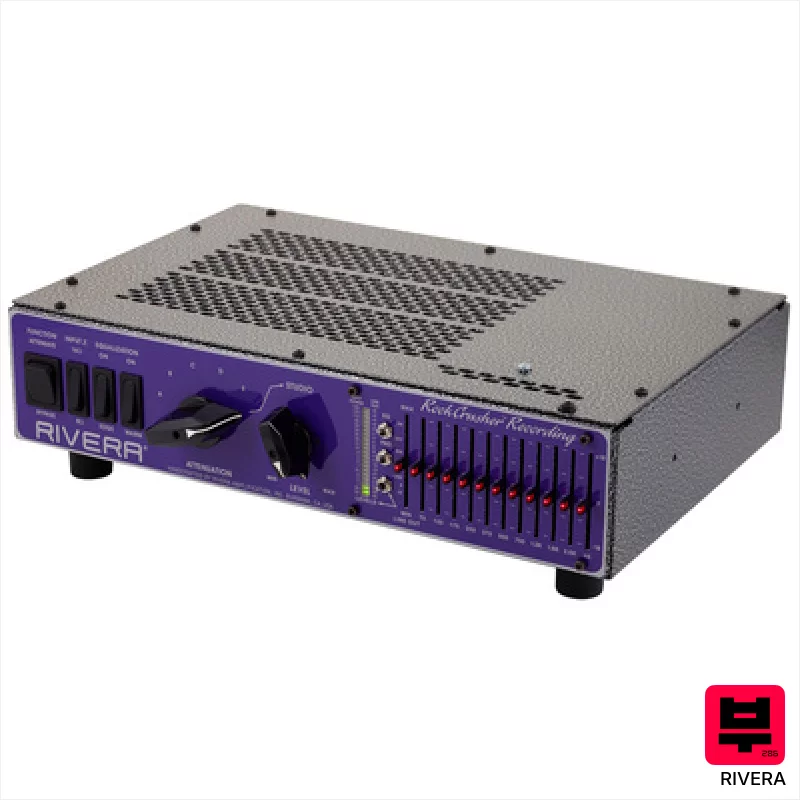
Rivera RockCrusher Recording
- • Excellent speaker simulation for realistic recording tones
- • Robust build quality with Rivera’s signature reliability
- • Flexible EQ section allows for precise tone shaping
- • Reactive load network preserves amp’s natural response
- • Premium-priced, a significant investment for home recording
- • Relatively heavy, portability can be an issue for frequent travel
- • EQ may be overkill for players seeking a more transparent attenuation

Boss WAZA Tube Amp Expander Core
- • Excellent reactive load modeling for amp authenticity.
- • Air Feel convincingly adds speaker 'air' and dimension.
- • Mix Assist simplifies direct recording with balanced signal.
- • Robust BOSS build quality ensures long-term reliability.
- • Price point puts it out of reach for budget-conscious players.
- • Reactive load profiles may not perfectly match every amp model.
- • Size and weight make it less ideal for truly portable use.
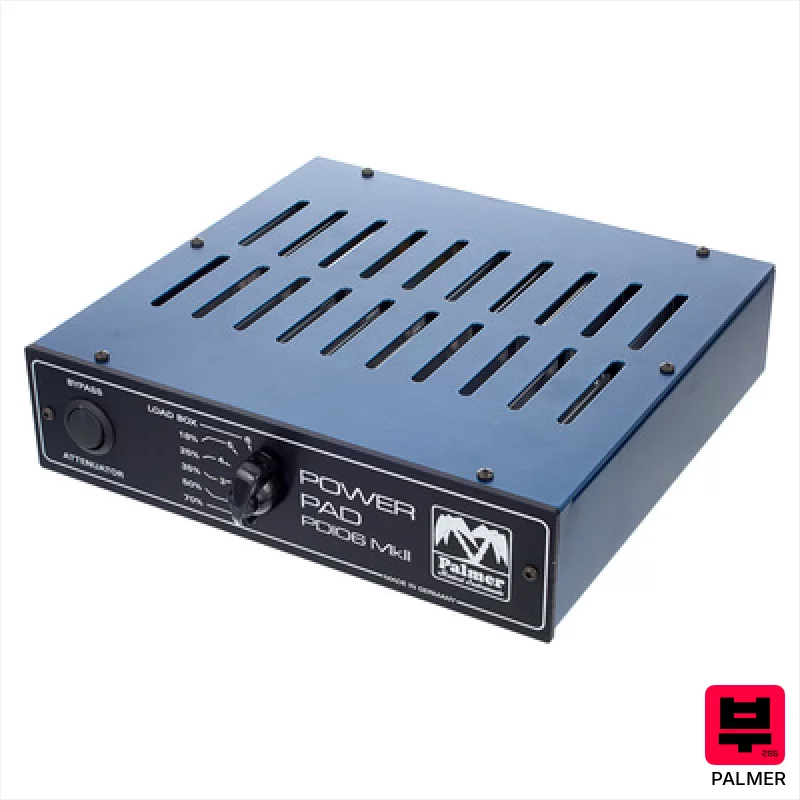
Palmer PDI-06-16 Ohm
- • Solid German construction ensures long-term reliability and durability
- • Six attenuation steps offer precise volume control for varied recording/practice needs
- • Parallel speaker output allows for amp expansion or direct recording simultaneously
- • Compact 1U design maximizes rack space efficiency for studio or stage use
- • 16 Ohm impedance limits compatibility with some higher-powered amplifiers
- • Lacks advanced features like IR loading or impulse response capabilities
- • The bypass switch, while convenient, isn't a true A/B switch for signal comparison
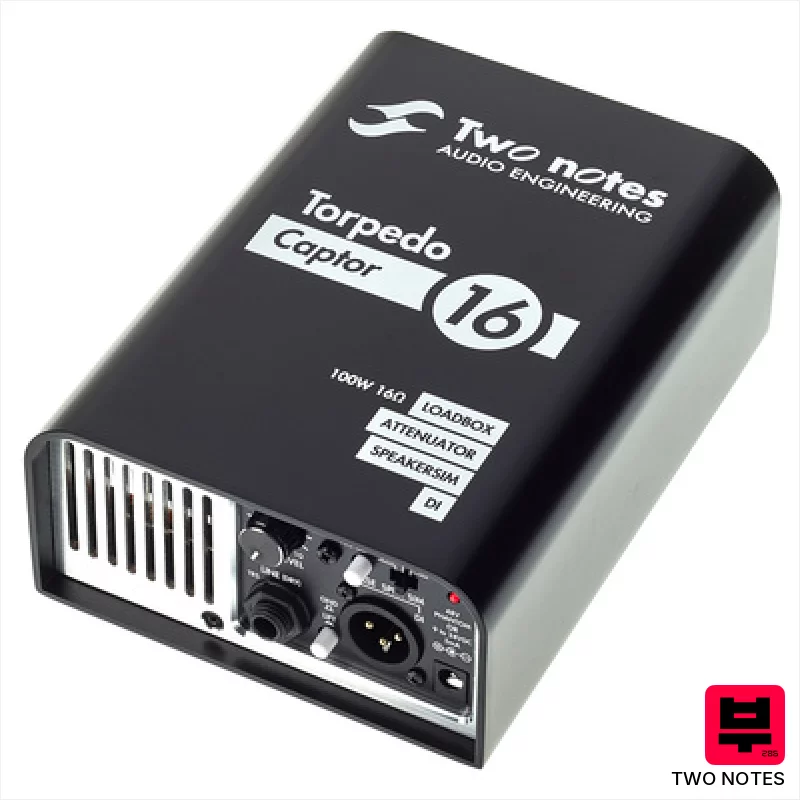
Two Notes Torpedo Captor 16 Ohms
- • Solid metal chassis offers excellent protection for gigging musicians.
- • GENOME software provides a vast library of amp and speaker simulations.
- • Reactive load ensures accurate power handling and avoids amp damage.
- • Compact size and pedalboard-friendly design increase versatility.
- • Requires an external power supply, adding to the overall cost and complexity.
- • 100W RMS power limit restricts use with very high-wattage amplifiers.
- • Speaker simulation, while good, may not perfectly replicate a real cab's feel.
How to Choose the Best Guitar Amp Attenuators
Tonal Transparency
The biggest sin an attenuator can commit is sucking the life out of your amp. We're looking for units that preserve the core character - that fat midrange honk from a Plexi, the shimmering cleans of a Deluxe - while reducing volume. Some just make everything sound muffled and lifeless.
Frequency Response
Cheap attenuators often roll off the highs or muddy the low-end. A good one maintains a balanced frequency spectrum, allowing you to capture a full and dynamic recording. We're listening for that natural decay and responsiveness.
Headroom & Cleanliness
Attenuators can dramatically alter your amp's headroom. Some introduce unwanted compression or distortion at lower volumes. We're assessing how they handle both clean and overdriven tones, ensuring you still have usable dynamics.
Versatility
Studio work demands flexibility. Attenuators with multiple speaker taps (e.g., 4, 8, 16 ohms) and adjustable impedance allow you to tailor the response to different amp types and speaker configurations. It's about covering your bases.
Noise Performance
Attenuators can introduce their own noise floor, especially at lower volumes. We're evaluating how much hiss or hum they add to the signal, as that can be a real headache in a quiet studio environment.
Buying Guide
Don't fall for the hype - attenuators are a compromise. The really cheap ones often use resistive attenuation, which drastically alters the tone and can introduce harshness. Higher-end units utilize reactive or transformer-based attenuation, which are more transparent but pricier. Consider your amp's voicing; a bright amp might need an attenuator that warms up the low-mids, while a darker amp might need one that adds some sparkle. And remember, an attenuator isn't a magic bullet - it's a tool to shape your tone, not replace a good amp.
Our Methodology
We've spent weeks running these attenuators through a variety of amps - from Fender tweed to Mesa/Boogie high-gain - and comparing them to direct signals and impulse responses. Our testing focused on how they affect sustain, articulation, and overall tonal balance, not just volume reduction. It's about finding that sweet spot where you get the character of a loud amp without the noise complaints.

