
Best Gooseneck Microphones for Speech 2026
Alright, so you need a gooseneck mic for speech - lectures, presentations, podcasting, maybe even a choir director's mic. It's easy to grab something cheap, but trust me, a bad mic makes everyone sound like they're talking through a sock. We're not looking for just "loud" here; we want clarity, a natural presence, and something that doesn't fight your voice. Let's find you a gooseneck that actually delivers.
Last updated: July 15, 2026 • Next update: July 22, 2026
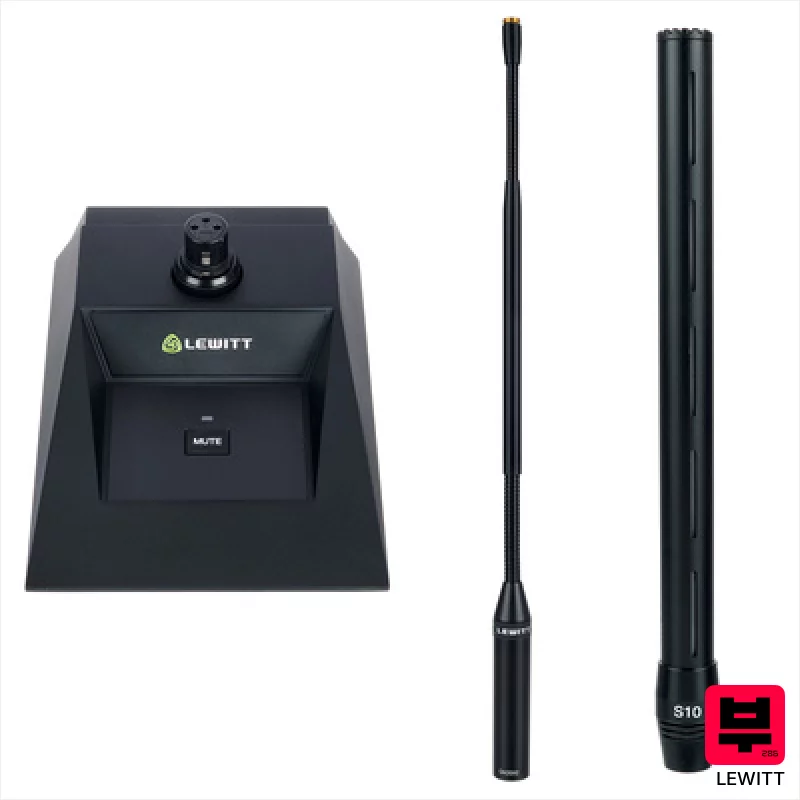
Lewitt S10 Conference Bundle
- • Excellent gain before feedback minimizes room noise issues.
- • The GN35X2 gooseneck's dual bending points offer precise positioning.
- • Lewitt's capsule delivers a surprisingly natural and clear vocal pickup.
- • Robust metal gooseneck construction feels stable and durable for frequent use.
- • The 350mm gooseneck length might be too short for some larger tables.
- • The capsule's small diameter (10mm) can be prone to wind noise if positioned too close to the mouth.
- • While versatile, it’s primarily suited for conferencing; not ideal for creative recording.

Sennheiser MEG 14-40-L-II B
- • Excellent off-axis rejection minimizes room noise effectively
- • Robust gooseneck provides stable positioning and resists fatigue
- • Cardioid pattern isolates sound sources with impressive clarity
- • Light ring subtly indicates microphone status for stage use
- • Limited frequency response compared to higher-end studio condensers
- • Gooseneck length may be restrictive in certain mounting scenarios
- • Requires phantom power, limiting compatibility with some older systems

Shure MX415/C
- • Excellent rejection of off-axis noise thanks to the R185B capsule
- • Sturdy, well-machined gooseneck resists unwanted movement
- • MC400SMP amplifier provides clean gain and convenient LED indication
- • Compact design integrates discreetly into various environments
- • Gooseneck length might be limiting for some desktop setups
- • Cardioid pattern isn't ideal for capturing a wide soundstage
- • The R185B capsule's sound is somewhat clinical, lacking warmth

AKG GN 30 E CK31 Bundle
- • Solid gooseneck construction provides excellent stability, even with heavier capsules.
- • CK31 capsule delivers clear, articulate vocal reproduction with good detail.
- • Integrated phantom power adapter simplifies setup and reduces cable clutter.
- • Table flange provides secure mounting and minimizes unwanted vibrations.
- • Limited capsule options restrict versatility for diverse recording applications.
- • Gooseneck length (30cm) may be too short for some mounting scenarios.
- • Lacks a carrying case or protective bag, increasing vulnerability during transport.
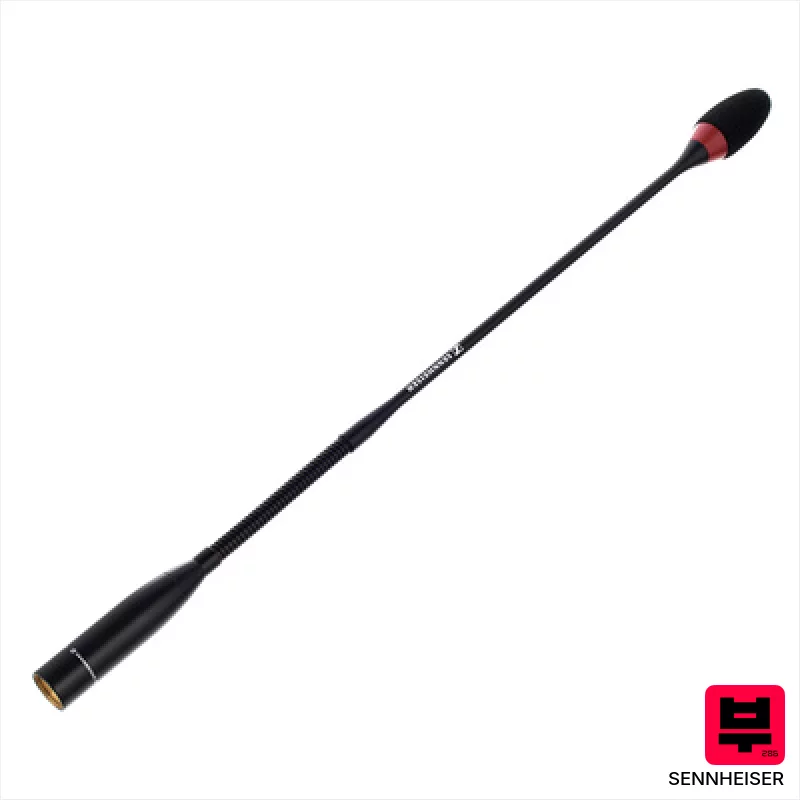
Sennheiser MEG 14-40-L B
- • KE 10 capsule delivers clear, natural vocal reproduction
- • Illuminated ring provides visual feedback in low-light environments
- • Excellent HF shielding minimizes interference from mobile devices
- • Robust construction with a flexible gooseneck for stable positioning
- • Gooseneck length might be limiting for some applications
- • Cardioid pattern isn't ideal for group interviews or panels
- • Relatively high sensitivity can pick up background noise easily
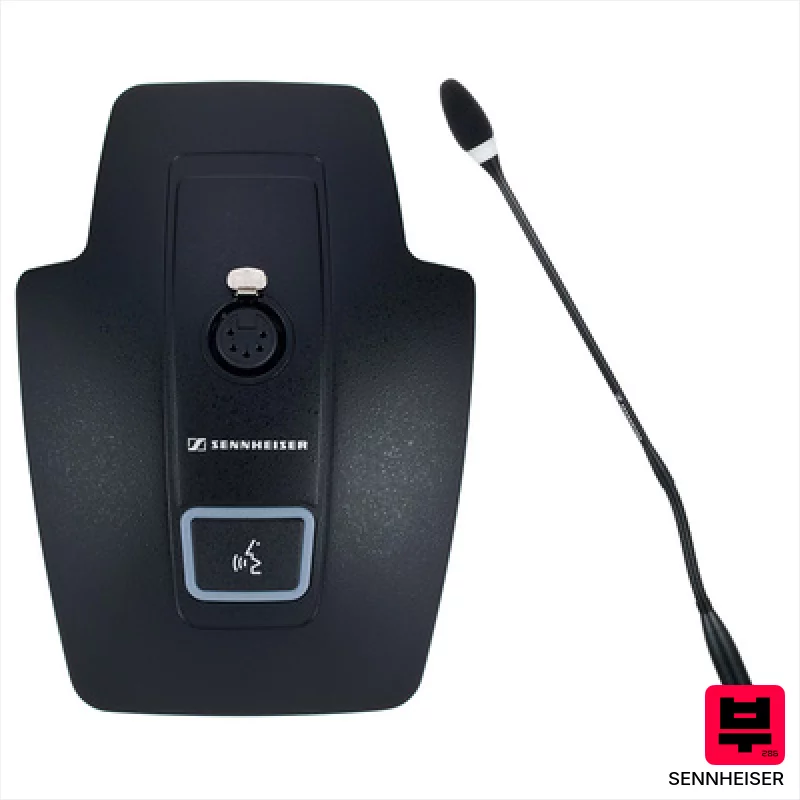
Sennheiser MEG 14-40-L-II B Stand Bundle
- • Robust gooseneck provides excellent positioning stability.
- • MAT 153-S base offers convenient talkback functionality.
- • Cardioid pattern effectively rejects off-axis noise.
- • Light ring aids visibility in dimly lit environments.
- • Limited frequency response compared to higher-end condenser mics.
- • The bundle's weight can be cumbersome for extended use.
- • Gooseneck length might be restrictive for some applications.
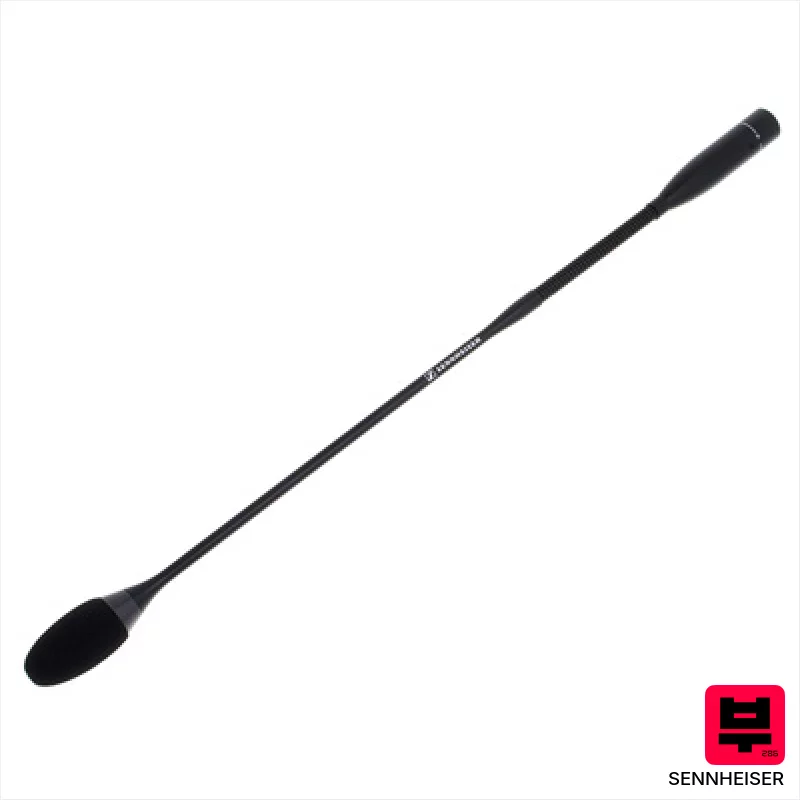
Sennheiser MEG 14-40 B
- • KE10 capsule delivers clear, intelligible speech reproduction
- • Excellent RF shielding minimizes interference from wireless mics
- • Robust gooseneck provides stable positioning and resists fatigue
- • Cardioid pattern effectively rejects off-axis noise and feedback
- • Gooseneck length might be restrictive in some installations
- • KE10 capsule's sound signature can be a bit clinical for some tastes
- • Limited frequency response compared to higher-end condenser mics

AKG GN 30 E CK33 Bundle
- • Excellent off-axis rejection minimizes room noise effectively.
- • The CK33 capsule delivers a clear, detailed vocal presence.
- • Robust gooseneck construction provides reliable positioning.
- • Integrated phantom power adapter simplifies setup and operation.
- • Limited capsule options restrict tonal flexibility somewhat.
- • Gooseneck length may be restrictive for certain applications.
- • Mounting flanges are an additional, necessary purchase.
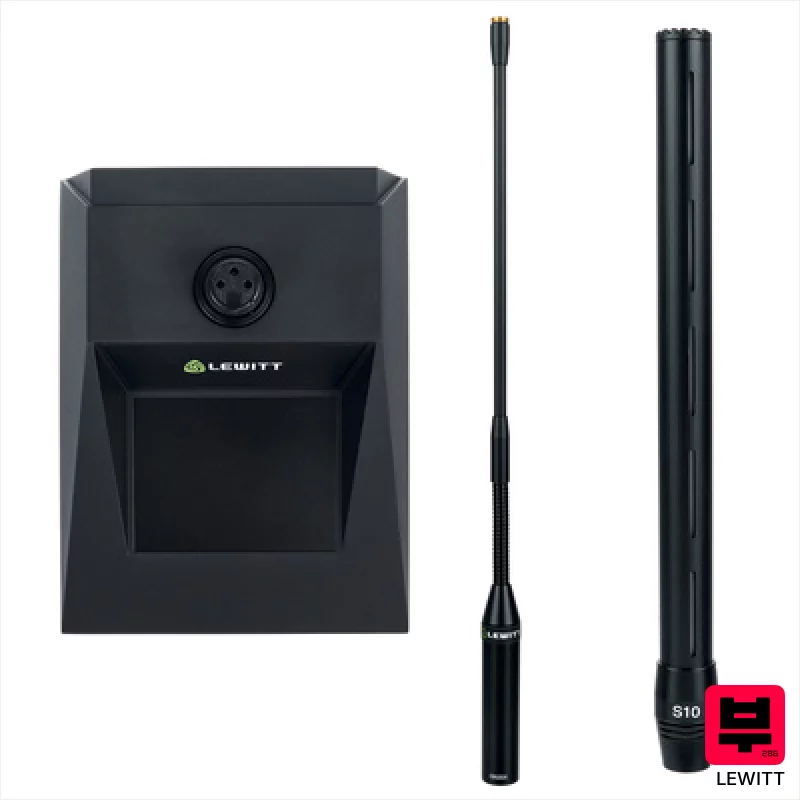
Lewitt S10 Presenter Bundle
- • Excellent gain before feedback minimizes unwanted room noise.
- • The metal gooseneck offers robust stability and precise positioning.
- • Dynamic capsule delivers clear vocal reproduction with decent detail.
- • Compact table base effectively dampens handling and table vibrations.
- • Limited polar pattern restricts flexibility for varied recording situations.
- • The capsule’s frequency response leans slightly towards a mid-focused sound.
- • Gooseneck length might feel short for some larger presentation spaces.
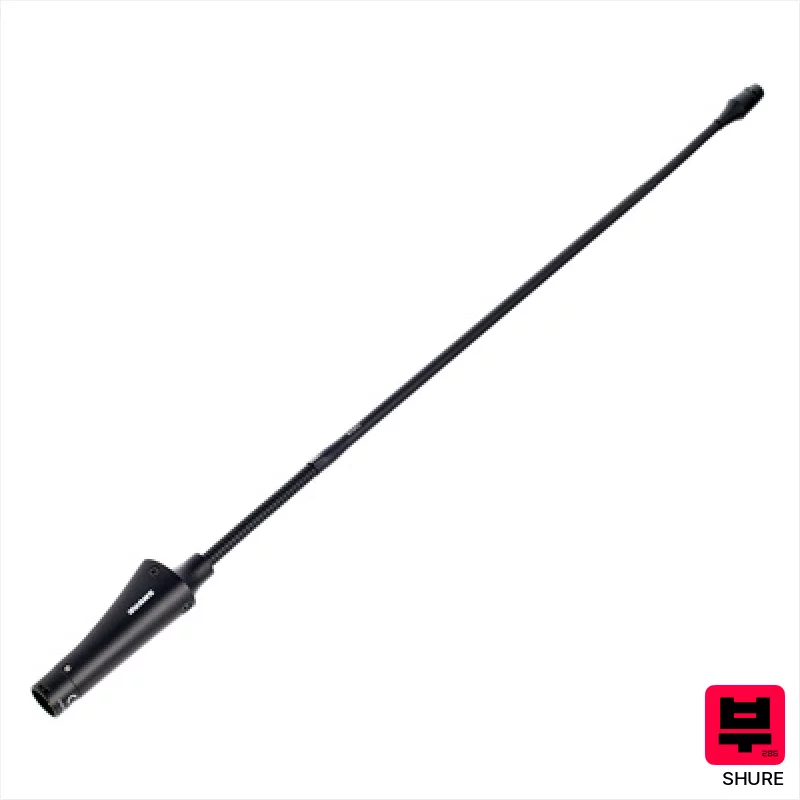
Shure Centraverse CVG18 B/C
- • Robust gooseneck offers excellent positioning flexibility.
- • Cardioid pattern effectively rejects off-axis noise and feedback.
- • Lightweight construction minimizes stage fatigue for extended use.
- • Included flange provides secure and stable mounting options.
- • Limited frequency response might lack detail for critical vocal applications.
- • Relatively long gooseneck can be unwieldy in tight spaces.
- • 180-ohm impedance may require a preamp with sufficient gain.
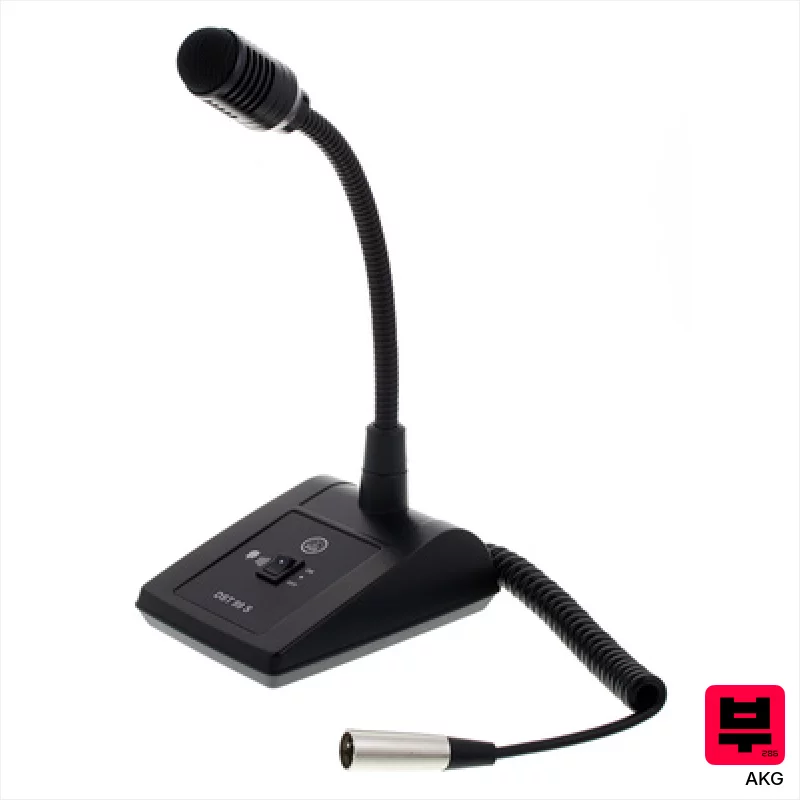
AKG DST 99 S
- • Robust all-metal construction inspires confidence and longevity
- • Cardioid pattern effectively rejects off-axis noise, great for paging
- • Clear vocal reproduction; surprisingly natural for a paging mic
- • Compact table stand offers stability and convenient on/off switch
- • Impedance is relatively high, requiring a suitable preamp
- • Limited frequency response might lack sparkle for some applications
- • Gooseneck stiffness could be improved for more precise positioning
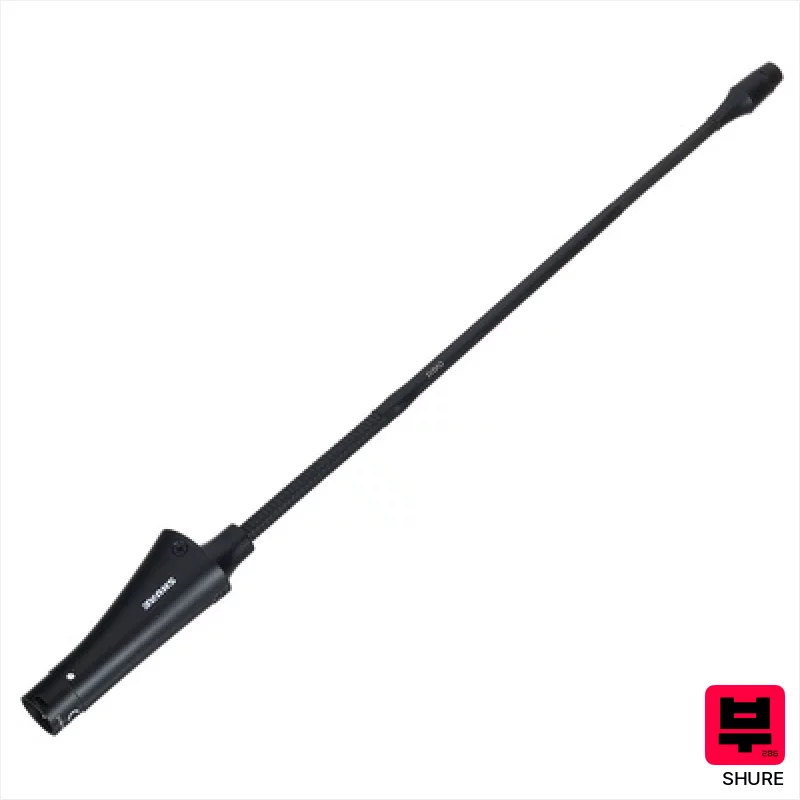
Shure Centraverse CVG12 B/C
- • Solid build quality with a robust gooseneck base
- • Clear, natural vocal reproduction suitable for speech and light music
- • Includes essential accessories: windshield and mounting flange
- • Cardioid pattern effectively rejects off-axis noise and feedback
- • Limited frequency response compared to higher-end studio condensers
- • Gooseneck length may be restrictive for certain mounting scenarios
- • Relatively low output sensitivity requires adequate preamp gain
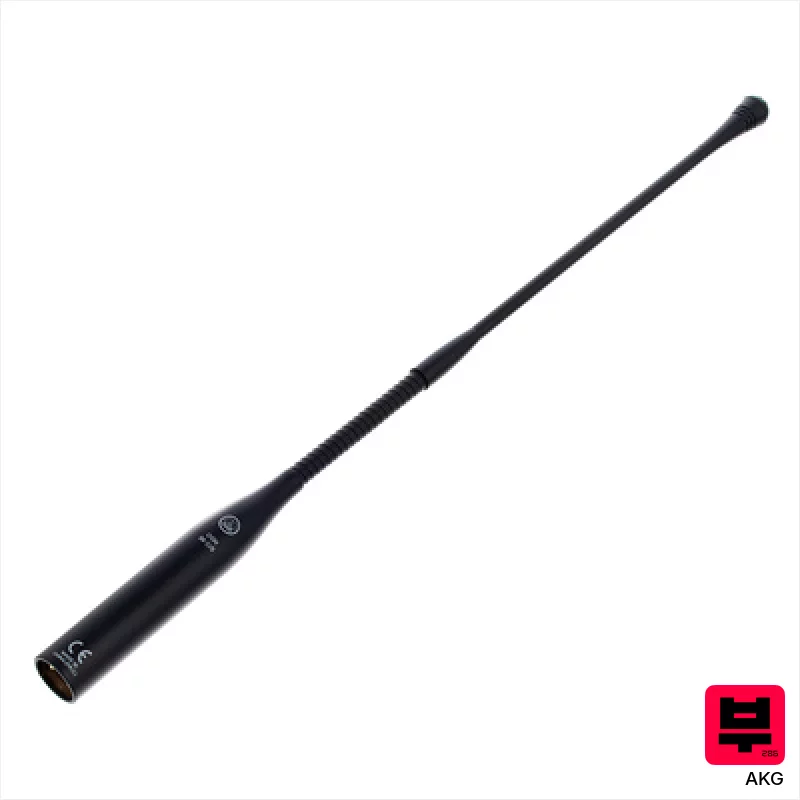
AKG CGN 99 CS
- • Excellent off-axis rejection minimizes room noise effectively
- • Robust construction with a nickel-plated body for durability
- • Cardioid pattern delivers focused sound capture for presentations
- • Lightweight design (160g) reduces fatigue during extended use
- • High impedance requires a preamp with sufficient drive capability
- • Limited frequency response compared to higher-end studio condensers
- • Gooseneck flexibility can be a drawback in unstable environments

the t.bone Speech 100 C/D Microphone
- • Solid gooseneck provides stable positioning, minimizes handling noise.
- • Compact design ideal for crowded spaces, tabletop applications.
- • Excellent value proposition for basic speech reinforcement needs.
- • Specifically designed for t.bone Speech 100 systems, ensuring compatibility.
- • Limited frequency response restricts high-end detail and clarity.
- • Proprietary connector restricts use outside of t.bone systems.
- • Gooseneck length is short, limiting placement flexibility.
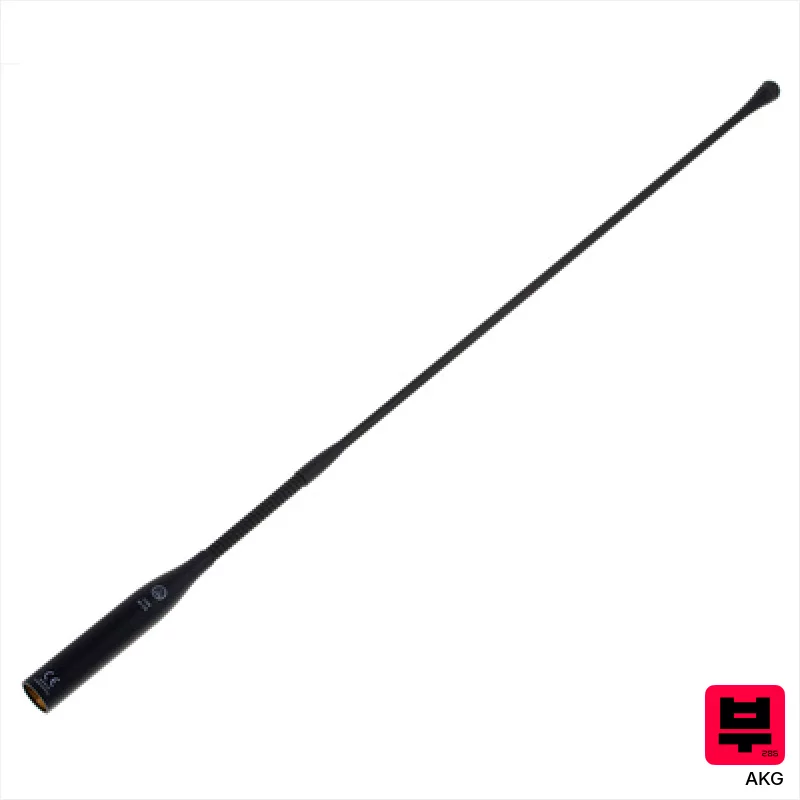
AKG CGN 99 CL
- • Robust gooseneck provides stable positioning even in crowded spaces
- • Cardioid pattern effectively rejects off-axis noise, great for speech
- • Clear, natural sound reproduction suitable for vocals and instruments
- • Includes windscreen minimizes plosives and wind noise for cleaner recordings
- • 600 Ohm impedance requires a preamp or microphone amplifier
- • Long gooseneck (580 mm) may be unwieldy in tight spaces
- • Relatively heavy, can fatigue during extended use
How to Choose the Best Gooseneck Microphones
Polar Pattern
Cardioid is your friend for speech. It rejects sound from the rear, minimizing feedback and unwanted room noise - crucial for stage use. Hypercardioid patterns can offer even more rejection, but require more precise mic placement.
Frequency Response
You want a balanced response, not a hyped-up top end that sounds brittle or a muddy low-end that obscures articulation. Look for a natural presence bump around 1-3kHz to help voices cut through without sounding harsh. Avoid anything that emphasizes sibilance.
Sensitivity & Output
A mic with good sensitivity will pick up quieter voices without needing a ton of gain, reducing noise. Higher output levels give you more headroom in your mixer before distortion creeps in - important for dynamic speakers.
Gooseneck Flexibility & Stability
A flimsy neck is frustrating. It needs to hold its position reliably, especially when bumped or jostled during a presentation. Consider the length - too short and it's unusable, too long and it becomes unwieldy.
Build Quality & Durability
These mics get handled a lot. A robust construction with quality materials (metal, not cheap plastic) means it'll survive the rigors of regular use and travel. Cheap mics often have brittle capsules or connectors that fail quickly.
Buying Guide
Don't chase the cheapest option; you'll regret it. Gooseneck mics often cut corners on capsule quality, leading to a dull or colored sound. Spending a little more on a reputable brand usually gets you a better capsule and more reliable construction. Look for models with a decent shock mount to minimize handling noise, and consider a windscreen if you're dealing with plosives - those harsh 'p' and 'b' sounds.
Our Methodology
We don't just eyeball spec sheets. These mics have been put through the wringer - tested in rehearsal rooms, recording booths, and even a few less-than-ideal live gigs. We've A/B'd them against industry standards, listening for subtle tonal shifts, dynamic range, and how they handle varying vocal dynamics. This isn't about marketing buzzwords; it's about real-world performance.

