
Best Gooseneck Microphones for Lectern 2026
So, you're setting up a lectern mic. It's a deceptively tricky gig - you need something that's unobtrusive, flexible, and most importantly, captures the speaker's voice clearly without sounding sterile or overly processed. Forget about chasing 'studio quality' here; we're after intelligibility and a natural presence, something that cuts through ambient noise without sounding harsh or brittle. Let's find you a gooseneck that works for your situation.
Last updated: July 15, 2026 • Next update: July 22, 2026

AKG GN 30 E CK33 Bundle
- • Excellent off-axis rejection minimizes room noise effectively.
- • The CK33 capsule delivers a clear, detailed vocal presence.
- • Robust gooseneck construction provides reliable positioning.
- • Integrated phantom power adapter simplifies setup and operation.
- • Limited capsule options restrict tonal flexibility somewhat.
- • Gooseneck length may be restrictive for certain applications.
- • Mounting flanges are an additional, necessary purchase.

AKG GN 30 E CK31 Bundle
- • Solid gooseneck construction provides excellent stability, even with heavier capsules.
- • CK31 capsule delivers clear, articulate vocal reproduction with good detail.
- • Integrated phantom power adapter simplifies setup and reduces cable clutter.
- • Table flange provides secure mounting and minimizes unwanted vibrations.
- • Limited capsule options restrict versatility for diverse recording applications.
- • Gooseneck length (30cm) may be too short for some mounting scenarios.
- • Lacks a carrying case or protective bag, increasing vulnerability during transport.
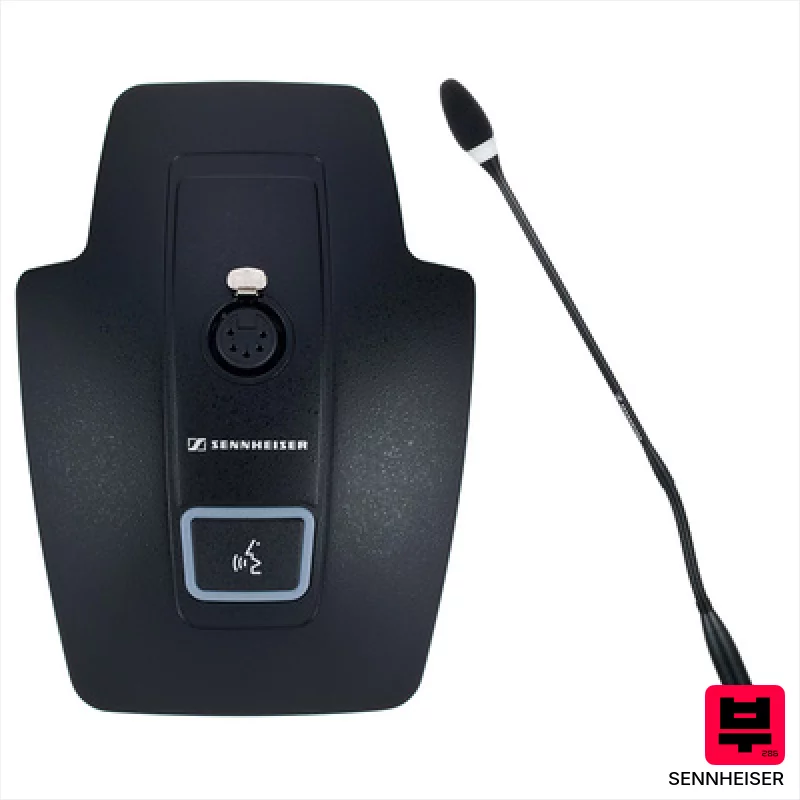
Sennheiser MEG 14-40-L-II B Stand Bundle
- • Robust gooseneck provides excellent positioning stability.
- • MAT 153-S base offers convenient talkback functionality.
- • Cardioid pattern effectively rejects off-axis noise.
- • Light ring aids visibility in dimly lit environments.
- • Limited frequency response compared to higher-end condenser mics.
- • The bundle's weight can be cumbersome for extended use.
- • Gooseneck length might be restrictive for some applications.

Sennheiser MEG 14-40-L-II B
- • Excellent off-axis rejection minimizes room noise effectively
- • Robust gooseneck provides stable positioning and resists fatigue
- • Cardioid pattern isolates sound sources with impressive clarity
- • Light ring subtly indicates microphone status for stage use
- • Limited frequency response compared to higher-end studio condensers
- • Gooseneck length may be restrictive in certain mounting scenarios
- • Requires phantom power, limiting compatibility with some older systems

Shure MX415/C
- • Excellent rejection of off-axis noise thanks to the R185B capsule
- • Sturdy, well-machined gooseneck resists unwanted movement
- • MC400SMP amplifier provides clean gain and convenient LED indication
- • Compact design integrates discreetly into various environments
- • Gooseneck length might be limiting for some desktop setups
- • Cardioid pattern isn't ideal for capturing a wide soundstage
- • The R185B capsule's sound is somewhat clinical, lacking warmth
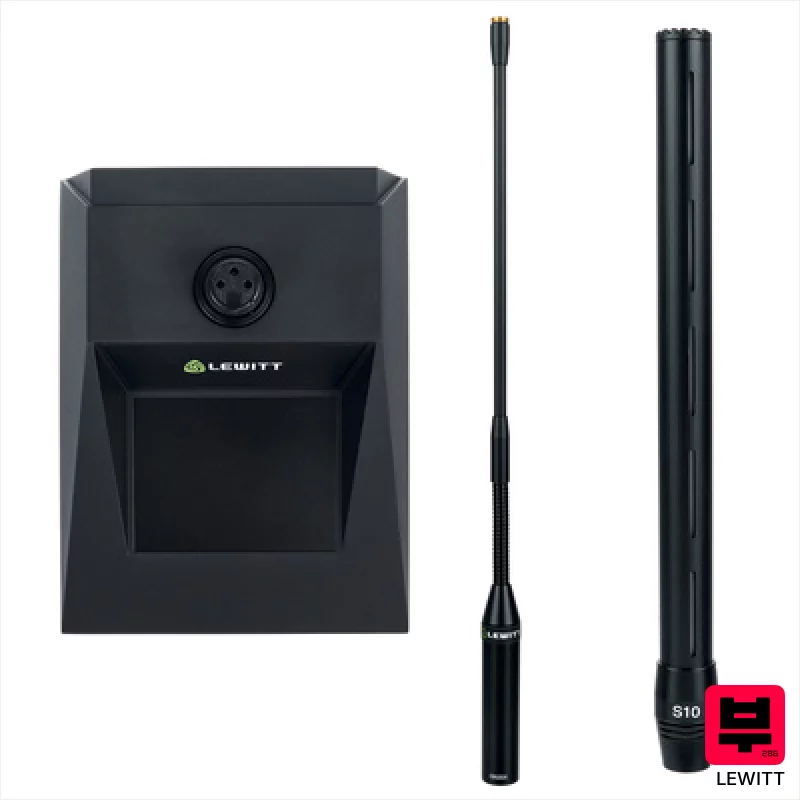
Lewitt S10 Presenter Bundle
- • Excellent gain before feedback minimizes unwanted room noise.
- • The metal gooseneck offers robust stability and precise positioning.
- • Dynamic capsule delivers clear vocal reproduction with decent detail.
- • Compact table base effectively dampens handling and table vibrations.
- • Limited polar pattern restricts flexibility for varied recording situations.
- • The capsule’s frequency response leans slightly towards a mid-focused sound.
- • Gooseneck length might feel short for some larger presentation spaces.
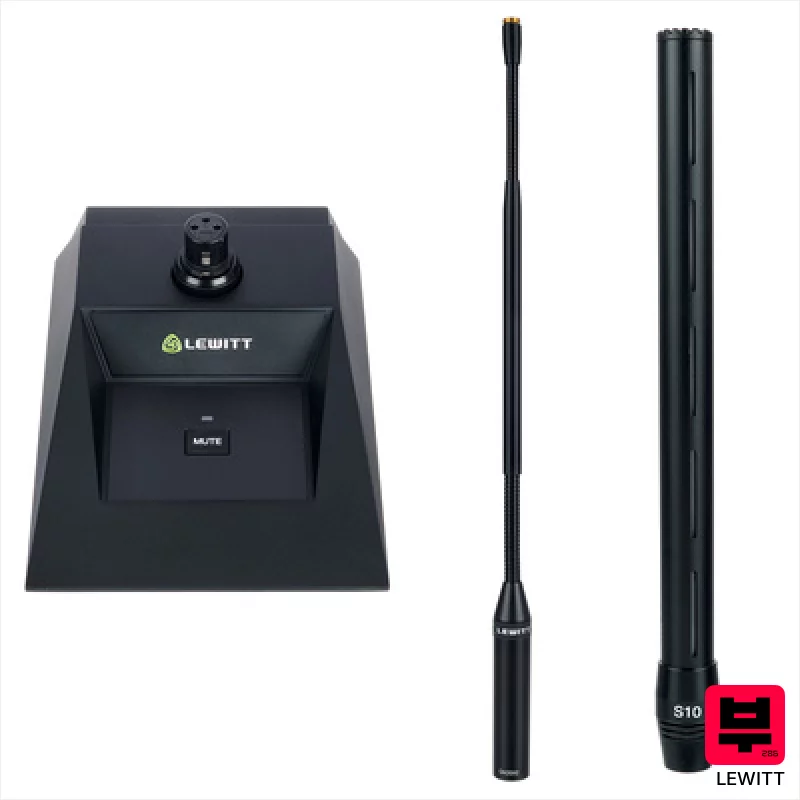
Lewitt S10 Conference Bundle
- • Excellent gain before feedback minimizes room noise issues.
- • The GN35X2 gooseneck's dual bending points offer precise positioning.
- • Lewitt's capsule delivers a surprisingly natural and clear vocal pickup.
- • Robust metal gooseneck construction feels stable and durable for frequent use.
- • The 350mm gooseneck length might be too short for some larger tables.
- • The capsule's small diameter (10mm) can be prone to wind noise if positioned too close to the mouth.
- • While versatile, it’s primarily suited for conferencing; not ideal for creative recording.
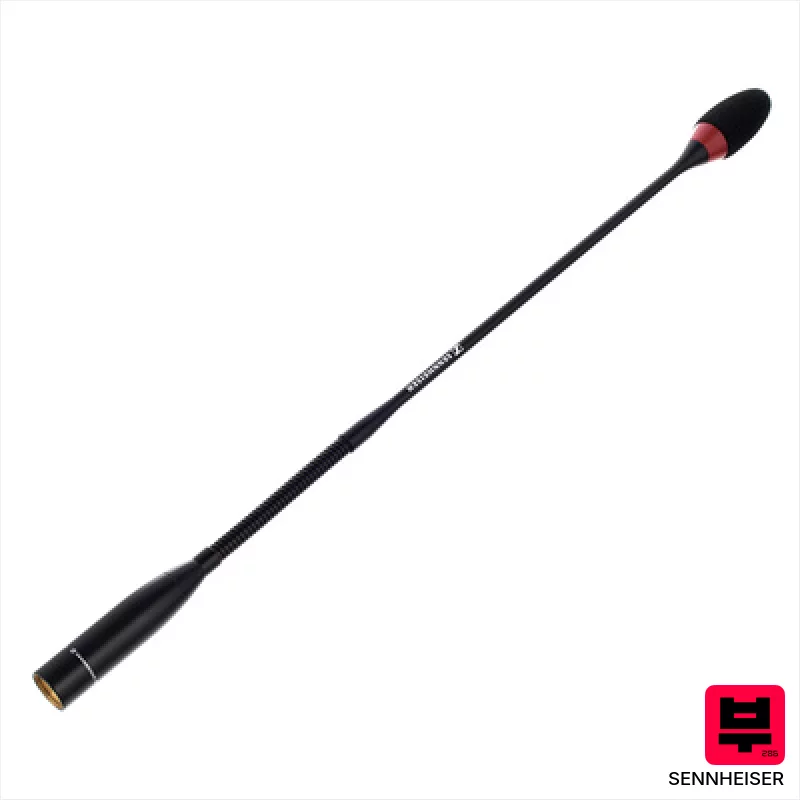
Sennheiser MEG 14-40-L B
- • KE 10 capsule delivers clear, natural vocal reproduction
- • Illuminated ring provides visual feedback in low-light environments
- • Excellent HF shielding minimizes interference from mobile devices
- • Robust construction with a flexible gooseneck for stable positioning
- • Gooseneck length might be limiting for some applications
- • Cardioid pattern isn't ideal for group interviews or panels
- • Relatively high sensitivity can pick up background noise easily
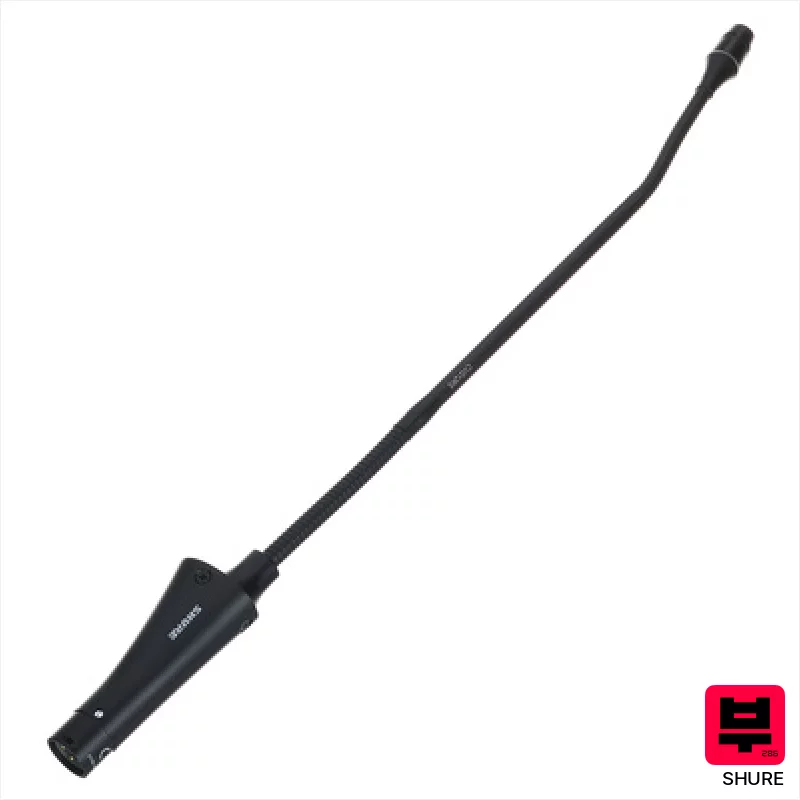
Shure Centraverse CVG12RS B/C
- • Excellent off-axis rejection minimizes room noise effectively.
- • Robust gooseneck construction maintains position reliably.
- • Cardioid pattern provides focused sound pickup, ideal for conferencing.
- • Integrated mute switch offers discreet control during presentations.
- • Limited frequency response compared to higher-end studio condensers.
- • Gooseneck length may be restrictive in certain mounting scenarios.
- • The black finish can show fingerprints and smudges easily.
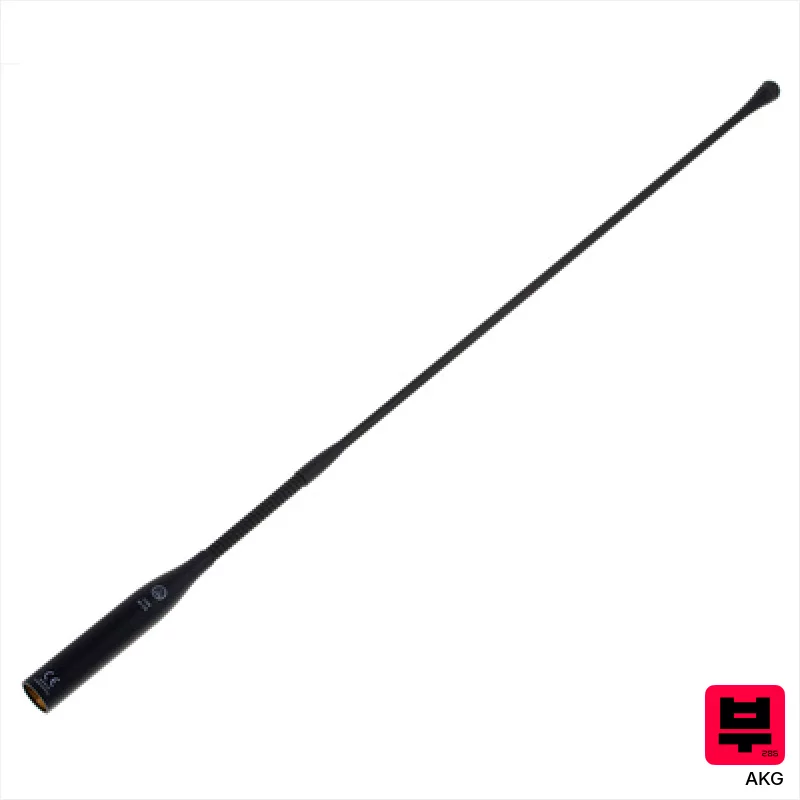
AKG CGN 99 CL
- • Robust gooseneck provides stable positioning even in crowded spaces
- • Cardioid pattern effectively rejects off-axis noise, great for speech
- • Clear, natural sound reproduction suitable for vocals and instruments
- • Includes windscreen minimizes plosives and wind noise for cleaner recordings
- • 600 Ohm impedance requires a preamp or microphone amplifier
- • Long gooseneck (580 mm) may be unwieldy in tight spaces
- • Relatively heavy, can fatigue during extended use
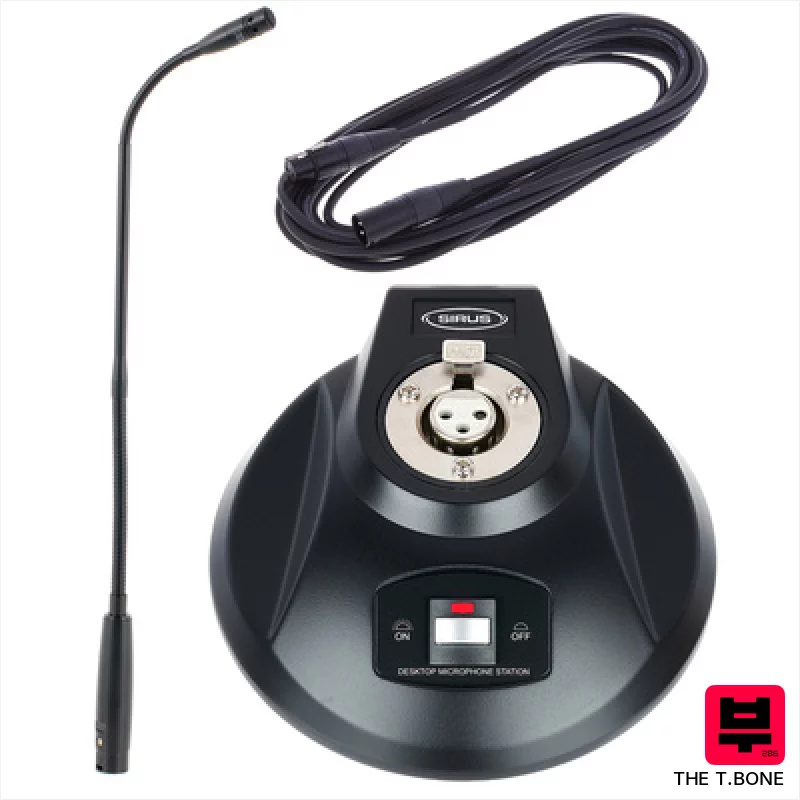
the t.bone GM 5212 Desktop Station Bundle
- • Solid zinc base provides exceptional stability, minimizing unwanted desk vibrations.
- • Supercardioid pickup pattern effectively isolates sound sources, reducing background noise.
- • Rean XLR connectors (Neutrik-made) ensure reliable signal transfer and durability.
- • Push-to-talk/mute functionality offers convenient control for streaming and communication.
- • Supercardioid pattern demands precise mic placement to avoid off-axis coloration.
- • Limited frequency response compared to higher-end condenser microphones.
- • The gooseneck, while flexible, might not hold its position perfectly under heavier use.
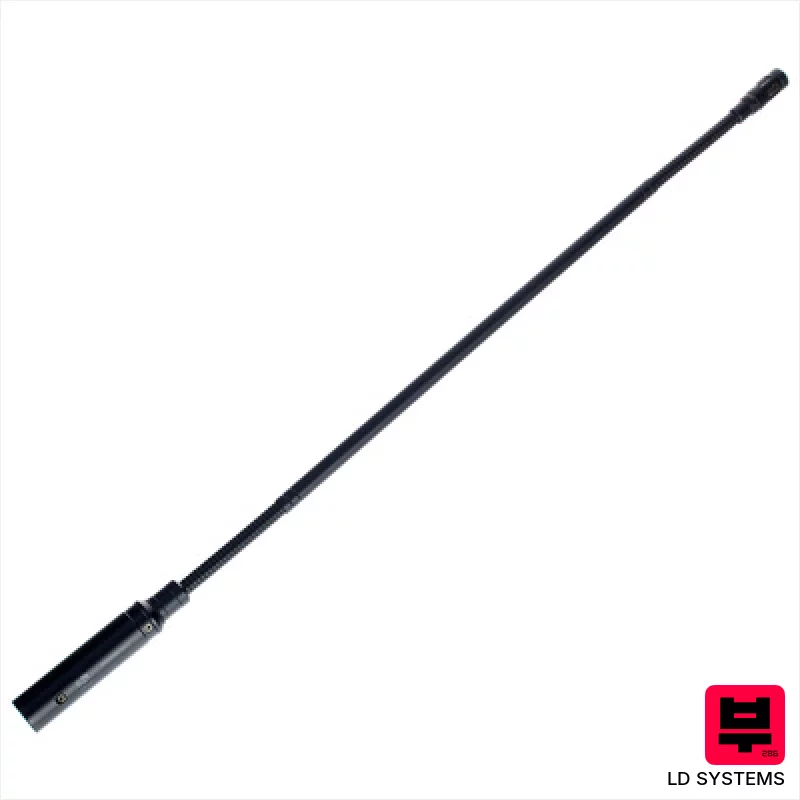
LD Systems U 500 GM 530 CC
- • Cardioid pattern effectively isolates sound sources, minimizing room noise.
- • Electret condenser provides decent sensitivity for speech and lighter vocals.
- • Long gooseneck offers flexibility for positioning in various setups.
- • Gold-plated XLR connector ensures reliable signal transfer and reduces oxidation.
- • Limited frequency response suggests a less detailed or nuanced sound.
- • Requires phantom power, adding complexity to the setup and power needs.
- • Designed specifically for the U 500 base, restricting standalone usage.
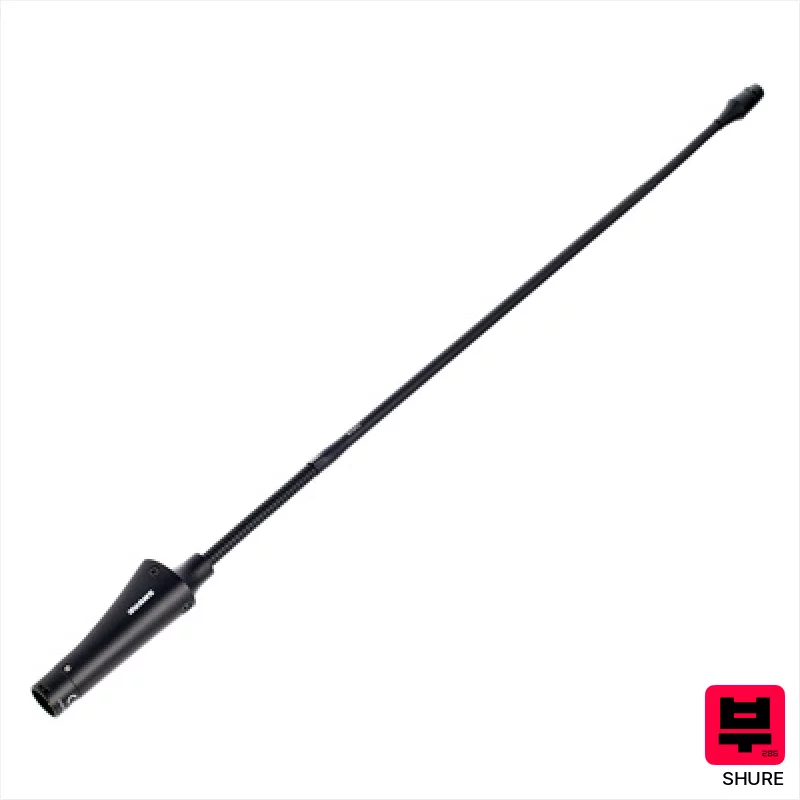
Shure Centraverse CVG18 B/C
- • Robust gooseneck offers excellent positioning flexibility.
- • Cardioid pattern effectively rejects off-axis noise and feedback.
- • Lightweight construction minimizes stage fatigue for extended use.
- • Included flange provides secure and stable mounting options.
- • Limited frequency response might lack detail for critical vocal applications.
- • Relatively long gooseneck can be unwieldy in tight spaces.
- • 180-ohm impedance may require a preamp with sufficient gain.
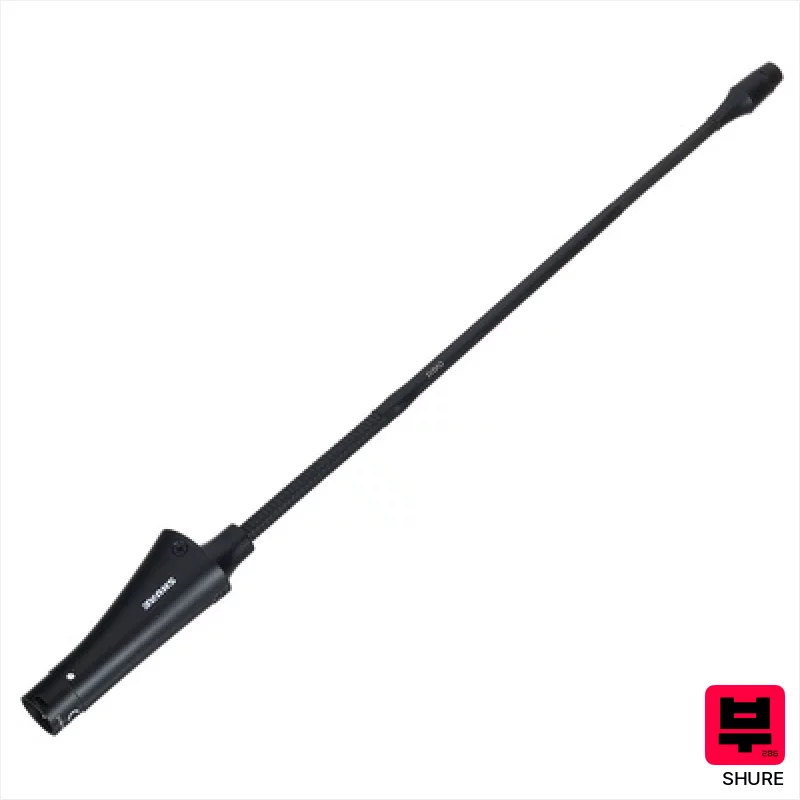
Shure Centraverse CVG12 B/C
- • Solid build quality with a robust gooseneck base
- • Clear, natural vocal reproduction suitable for speech and light music
- • Includes essential accessories: windshield and mounting flange
- • Cardioid pattern effectively rejects off-axis noise and feedback
- • Limited frequency response compared to higher-end studio condensers
- • Gooseneck length may be restrictive for certain mounting scenarios
- • Relatively low output sensitivity requires adequate preamp gain
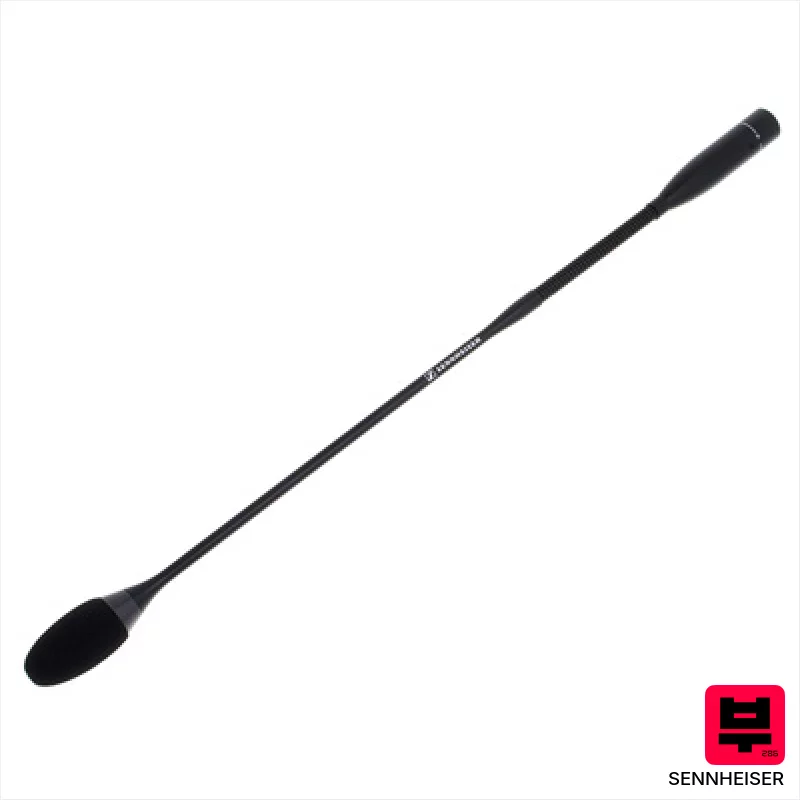
Sennheiser MEG 14-40 B
- • KE10 capsule delivers clear, intelligible speech reproduction
- • Excellent RF shielding minimizes interference from wireless mics
- • Robust gooseneck provides stable positioning and resists fatigue
- • Cardioid pattern effectively rejects off-axis noise and feedback
- • Gooseneck length might be restrictive in some installations
- • KE10 capsule's sound signature can be a bit clinical for some tastes
- • Limited frequency response compared to higher-end condenser mics
How to Choose the Best Gooseneck Microphones
Polar Pattern
Cardioid is almost a must for lectern use. It's got good rejection of room noise from the sides, which is crucial when you don't have a perfectly treated space. Hypercardioid can be even better at rejection, but it's more sensitive to the speaker's head movements.
Frequency Response
You're not looking for a scooped-out midrange. A slightly boosted presence region (around 2-5kHz) helps articulation without sounding ice-picky. Too much low-end can get muddy in a less-than-ideal acoustic environment.
Gooseneck Flexibility & Stability
A flimsy neck is a disaster. It needs to stay where you put it, resisting movement from accidental bumps or the speaker's gestures. Think about the length needed for comfortable placement - too short and it's awkward, too long and it's unwieldy.
Sensitivity & Output
A higher sensitivity is generally better, especially if the speaker's voice isn't booming. However, be mindful of gain - too much preamp gain can introduce noise. A balanced XLR output is non-negotiable for reliable signal transfer.
Build Quality & Durability
Lecterns get abused. These mics will see handling, bumps, and potentially less-than-gentle storage. A robust build with a solid base is worth the investment - you don't want it collapsing mid-speech.
Buying Guide
Don't fall for the cheapest option; those often cut corners on the gooseneck itself, resulting in a floppy, frustrating experience. Spend a bit more for a mic with a decent gooseneck and a good quality capsule. A phantom-powered mic is usually the easiest to integrate, but check your mixer's power supply. Finally, consider a windscreen - it'll tame plosives and reduce breath noise, making the speaker sound more polished.
Our Methodology
We're not just looking at spec sheets; we've put these mics through their paces - simulating lecture hall environments, testing rejection of off-axis noise, and A/B'ing against industry standards. We've considered how these mics will actually perform in a real-world setting, from university lectures to corporate presentations, because that's what matters. Ultimately, it's about how the mic feels and sounds in the hands of a speaker.

