
Best Gongs Under $50 2026
Alright, so you're chasing that gong vibe - the wash of resonance, the atmospheric shimmer. Problem is, genuine Tibetan gongs can drain your gig budget faster than a leaky snare drum. Luckily, you can get usable, interesting sounds for under $50. This isn't about replicating the depth of a hand-hammered masterpiece, but about finding gongs that deliver usable tones for practice, adding texture to a recording, or subtly coloring a rehearsal space.
Last updated: April 11, 2026
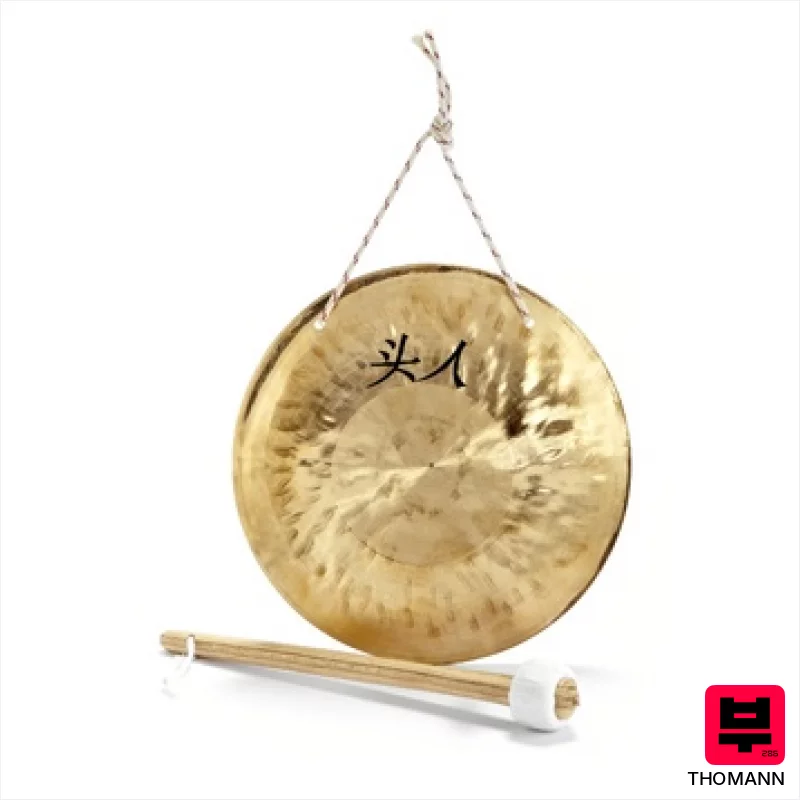
Thomann Wind Gong 20
- • Affordable entry point to wind gong experimentation.
- • Handmade in Wuhan ensures a degree of craftsmanship.
- • Compact 20cm size makes it easy to transport and store.
- • Produces a surprisingly resonant, ethereal wash of sound.
- • The thin bronze construction limits sustain and complexity.
- • Color and tonal variation means consistency is not guaranteed.
- • Lacks a dedicated stand; requires separate purchase for optimal play.
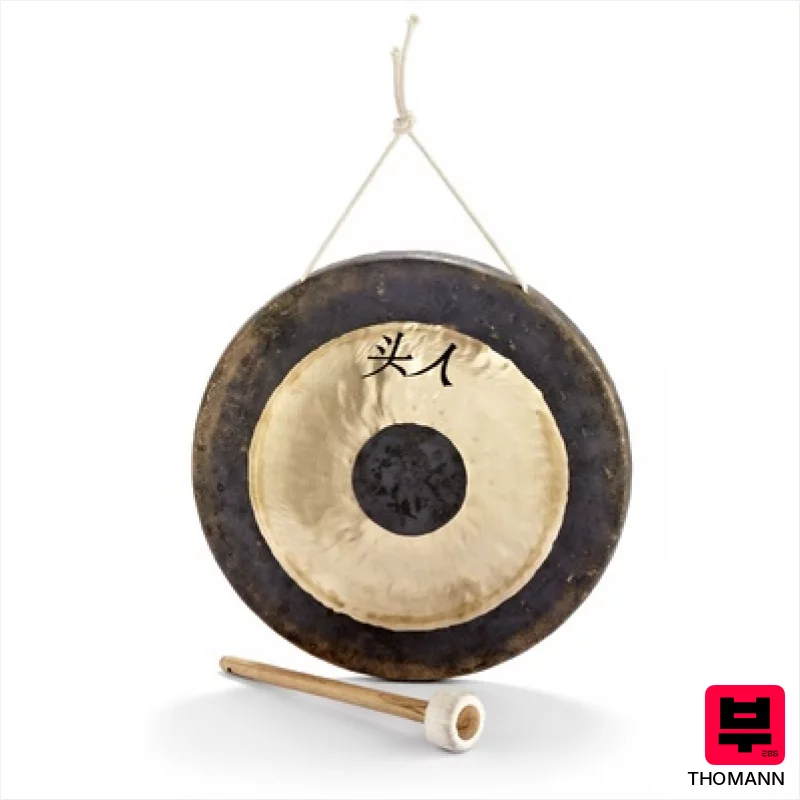
Thomann Wuhan Tam Tam 25
- • Rich, complex overtones for atmospheric textures.
- • Handmade construction yields unique tonal character variations.
- • Solid bronze construction offers a warm, resonant sound.
- • Surprisingly responsive for its size and affordable price point.
- • Finish can be inconsistent due to the handmade nature.
- • Smaller size limits the potential for extremely low, booming tones.
- • Requires careful malleting technique to avoid unwanted harshness.
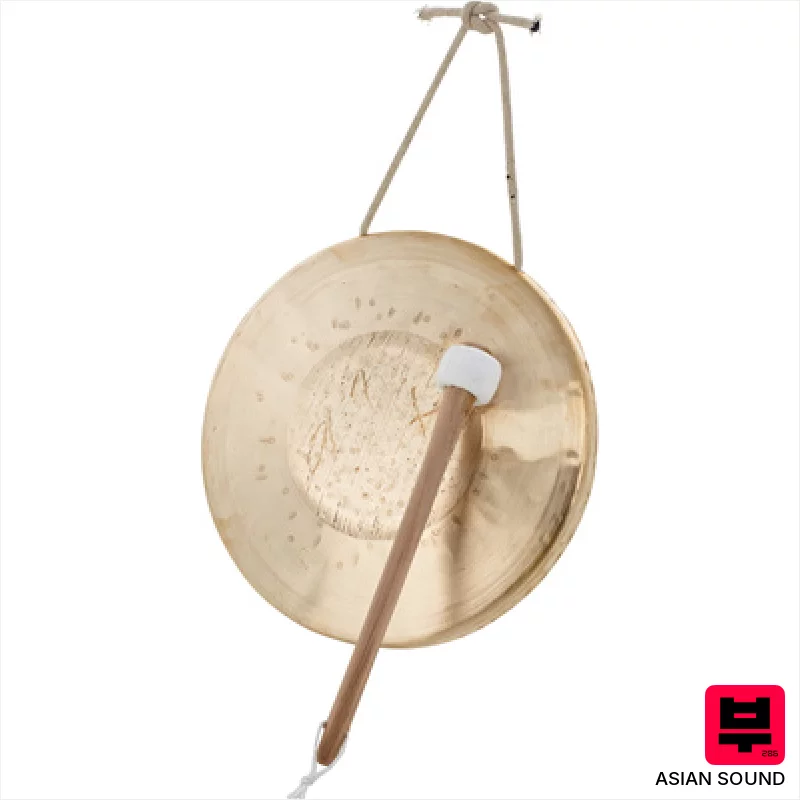
Asian Sound Chin. Opera Gong Lower Tone
- • Produces a surprisingly deep, resonant fundamental tone for its size.
- • The bronze alloy offers a pleasing warmth and sustain.
- • Well-defined pitch rise creates a unique and expressive sonic texture.
- • Compact size makes it ideal for smaller spaces or travel.
- • The thin bronze construction limits its projection compared to larger gongs.
- • Lacks the complexity and overtones of higher-end, hand-hammered gongs.
- • Requires careful malleting technique to avoid harshness or unwanted ringing.
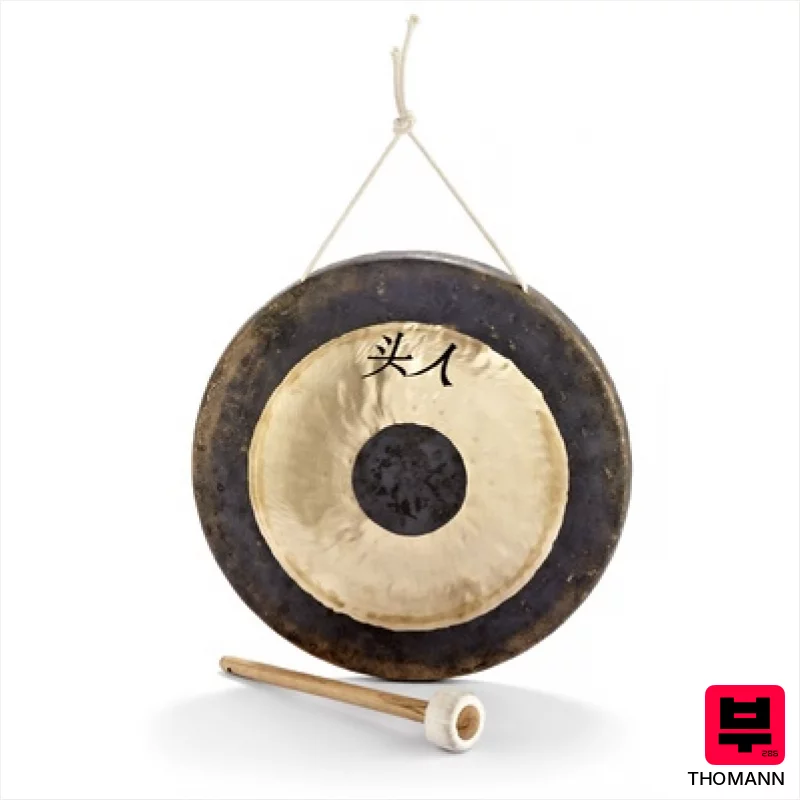
Thomann Wuhan Tam Tam 18
- • Deep, resonant fundamental tone for atmospheric textures
- • Handmade construction yields unique tonal character and visual appeal
- • Relatively compact size allows for easy handling and transport
- • Wuhan production offers a surprising level of quality for the price bracket
- • Thin gauge bronze limits sustain and complexity compared to thicker models
- • Handmade variations mean consistency across units will be limited
- • Limited dynamic range; struggles with very loud or aggressive playing
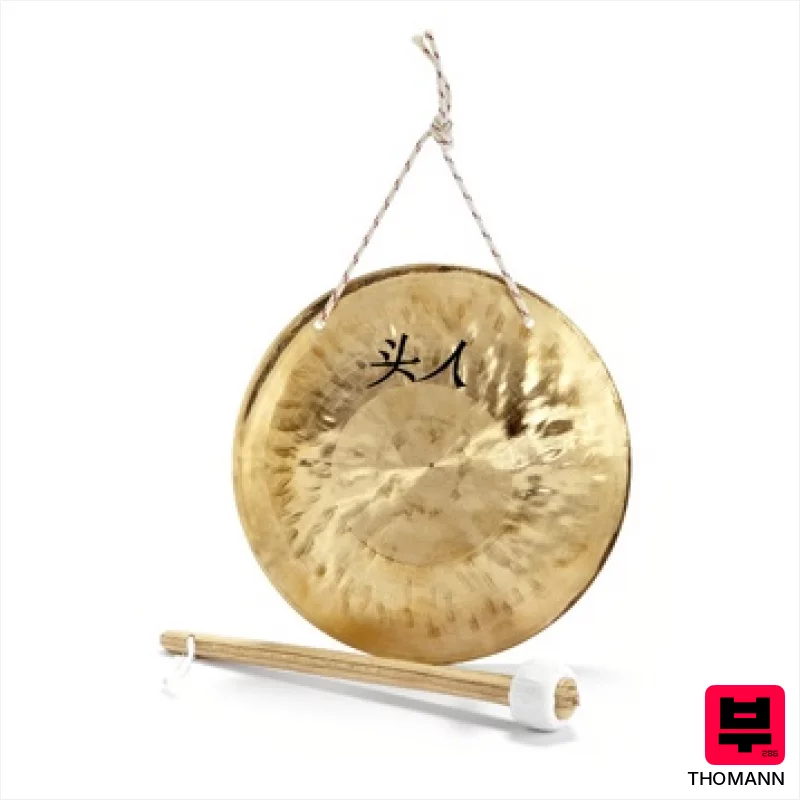
Thomann Wind Gong 15
- • Surprisingly resonant for its size; produces a clear, sustained wash of sound.
- • Handmade construction provides a unique sonic character, differing slightly from mass-produced gongs.
- • The bronze alloy offers a warm, inviting tone – not overly harsh or metallic.
- • Lightweight and portable, making it ideal for travel or smaller performance spaces.
- • The 15cm diameter limits its volume and projection; not suited for large ensembles.
- • Handmade variation means consistency can be an issue; some units may sound subtly different.
- • Requires a dedicated wind gong stand – not included, adding to the overall expense.
Gongs by the numbers
Measured across all 5 models in this category, so «wide», «short» or «expensive» mean something you can check.
How to Choose the Best Gongs
Size & Material
Generally, larger diameter means more sustain and a lower fundamental tone. Most under $50 gongs are made of brass or bronze-colored alloys - don't expect the complex overtones of a true bronze gong.
Thickness
Thicker gongs will have a more defined pitch and a punchier initial attack, while thinner ones tend to be more wash-like and ethereal. Thin ones are more prone to denting, though.
Finish
Expect a machine-stamped finish - it's cheaper to produce. This impacts the harmonic complexity; a machine finish will generally be less nuanced than a hand-hammered one. Don't expect a lot of bell-like clarity.
Sustain & Resonance
At this price, sustain will be limited. You're looking for a noticeable resonance that decays gracefully, not just a dull thud. Listen for any unwanted rattling or buzzing - that's a sign of poor construction.
Overall Tone
Think 'atmospheric' rather than 'precise'. You're aiming for a usable sound that can add depth and texture to your music - a low-end thump with a bit of shimmer, not a perfectly tuned chime.
Buying Guide
Realistically, a gong under $50 is a compromise. You're sacrificing harmonic richness and build quality. Expect a somewhat metallic, less complex tone - it won't have that deep, soulful resonance. The biggest trade-off is durability; handle it gently and avoid overly aggressive playing. Focus on size - a slightly larger diameter will generally yield a more usable tone than a tiny one, even if it means sacrificing a bit of brightness.
How This List Is Built
We don't play these instruments — we're a catalog, not a review desk, and we'd rather say so than pretend otherwise. This page covers 5 gongs from the Thomann catalogue, which is the largest single source of specification data in this category: 5 in detail, the rest listed with their specifications.
Position is computed, not curated. We parse the manufacturer's own description into actual values — nut width, scale, fret count, fingerboard radius, size, alloy — and rank on them: how many specifications a model has published, how many of them are measurable numbers, and how precisely it meets this page's criterion. A product image adds a little. Price is not a ranking signal: it tells you nothing about whether a neck fits your hand. The same inputs always produce the same order, so nothing here is shuffled to look fresh.
What this list is good for: narrowing a category down to a shortlist by spec and budget. What it isn't: a substitute for hearing an instrument. Before you buy, read hands-on reviews and, where you can, play it. Full methodology.

