
Best Gongs Under $100 2026
Alright, so you're looking to add some shimmer and drama to your kit, but your budget's tighter than a snare drum head after a gig. Gongs can really elevate a track or a live performance - that wash of sound, the unpredictable sustain...it's a vibe. We're going to look at gongs you can actually get without remortgaging your house, keeping it under $100. Let's find something that'll work without breaking the bank.
Last updated: September 29, 2026
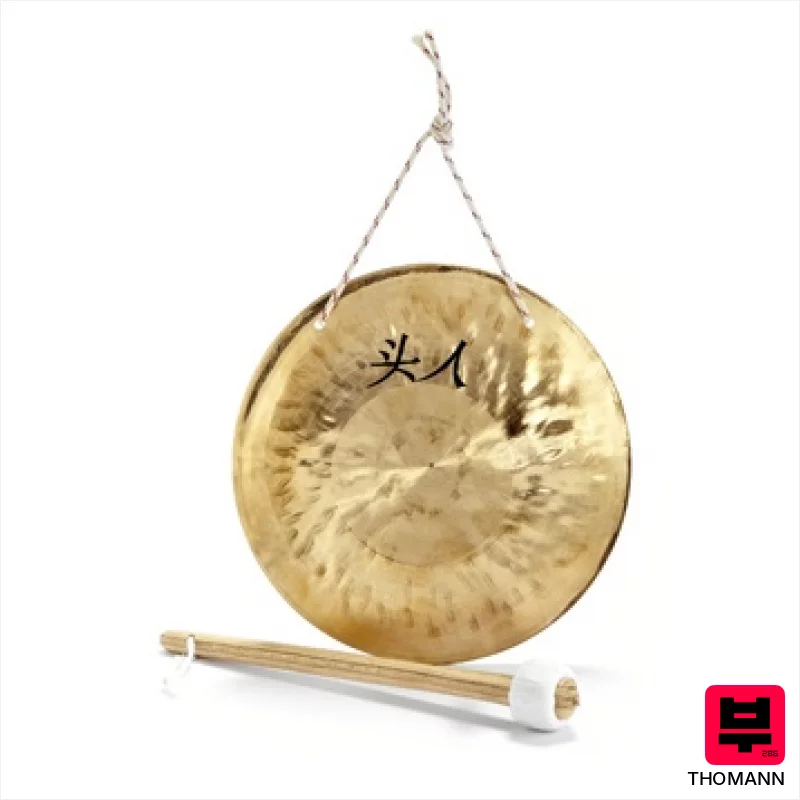
Thomann Wind Gong 35
- • Produces a surprisingly deep, resonant tone for its size.
- • Handmade in Wuhan ensures a degree of individual character and craftsmanship.
- • Relatively lightweight at 1.1kg, making it easy to handle and mount.
- • Affordable entry point into the world of wind gongs, great for experimentation.
- • The handmade nature means tonal variation; consistency is not guaranteed.
- • Lacks a stand, requiring a separate purchase for proper mounting and playing.
- • The thinner bronze construction limits sustain compared to higher-end gongs.
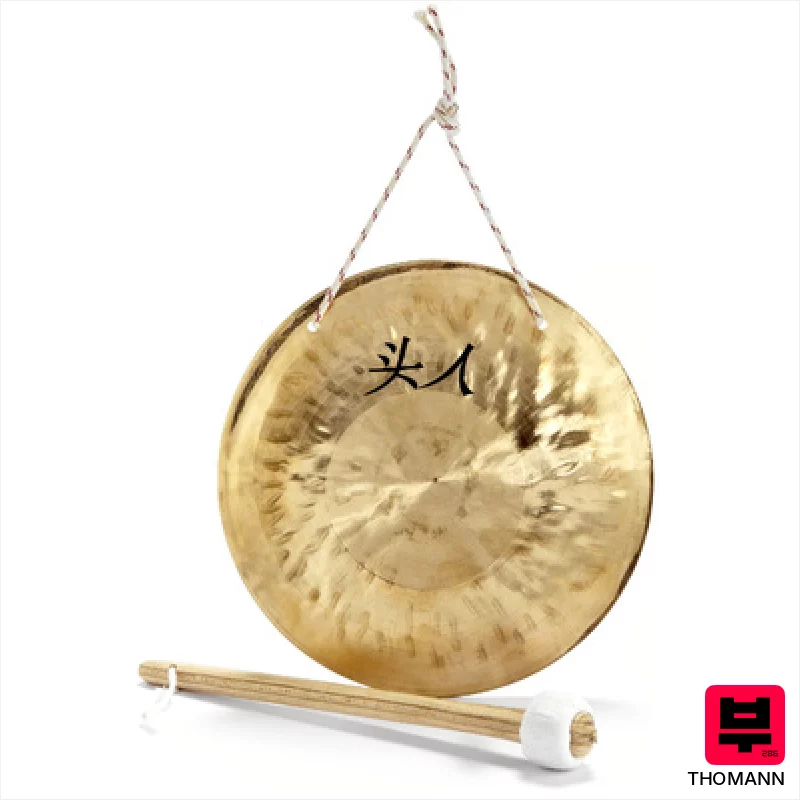
Thomann Wind Gong 30
- • Produces a surprisingly rich, sustained tone for its size and price.
- • Handmade construction offers a degree of individual character and tonal variation.
- • The 30 cm diameter is manageable and portable for smaller spaces and travel.
- • Wuhan-made gongs generally offer good value for the sonic qualities delivered.
- • The thin gauge bronze will dent relatively easily with mishandling.
- • Lacks the complex overtones of higher-grade, thicker-gauge gongs.
- • Requires a dedicated gong stand – not included, adding to overall cost.
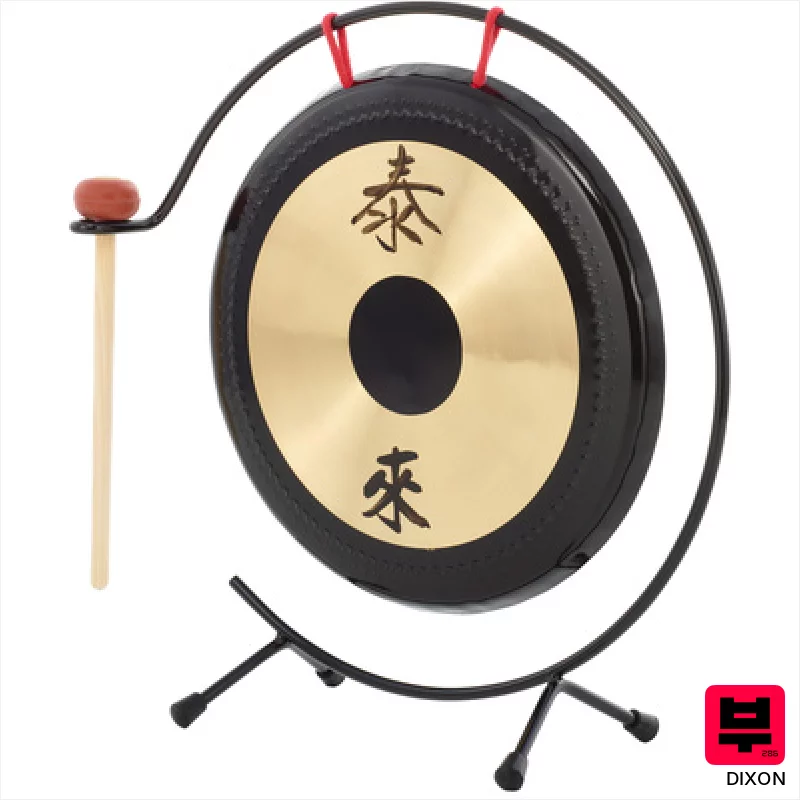
Dixon 10" China Gong
- • Produces a surprisingly full, wash-like tone for its size.
- • The included stand is functional, offering basic stability.
- • Lightweight and portable, easy to transport and set up.
- • A budget-friendly entry point into the world of gongs.
- • The included mallets are quite basic and will wear quickly.
- • The bronze alloy is likely a lower grade, limiting sustain and complexity.
- • The stand lacks adjustability, restricting placement options.
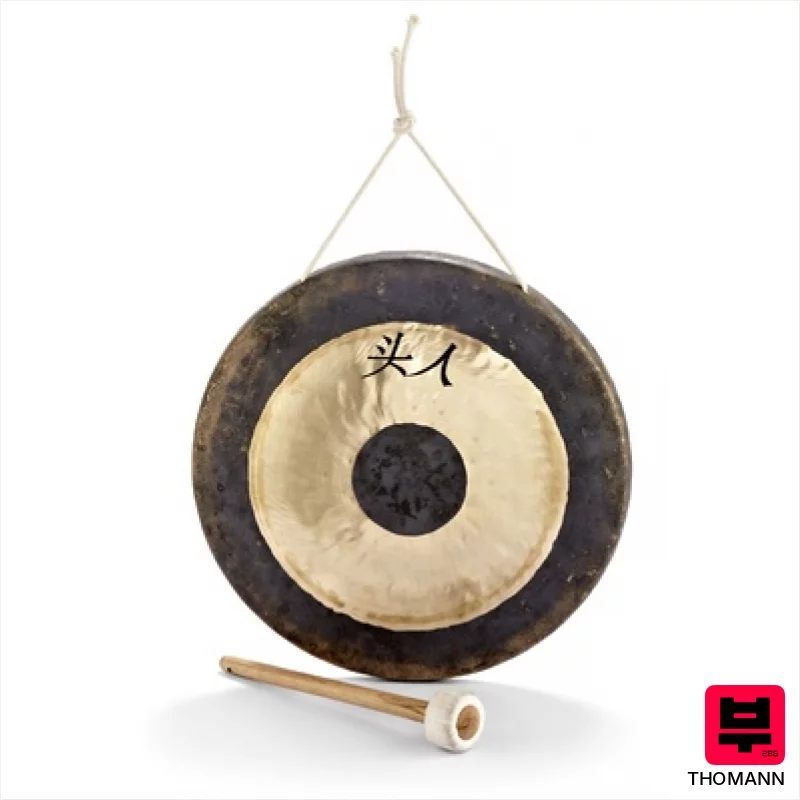
Thomann Wuhan Tam Tam 35
- • Rich, wash-like tones with surprising sustain for the price.
- • Handmade construction yields unique sonic character and imperfections.
- • Relatively lightweight for a 14 in Tam Tam, easy to handle.
- • Wuhan bronze offers a warm, fundamental tone – not overly bright.
- • Handmade nature means inconsistencies in both appearance and sound.
- • Lower bronze grade limits the complexity of overtones and shimmering qualities.
- • May require a dedicated stand for optimal resonance and control.
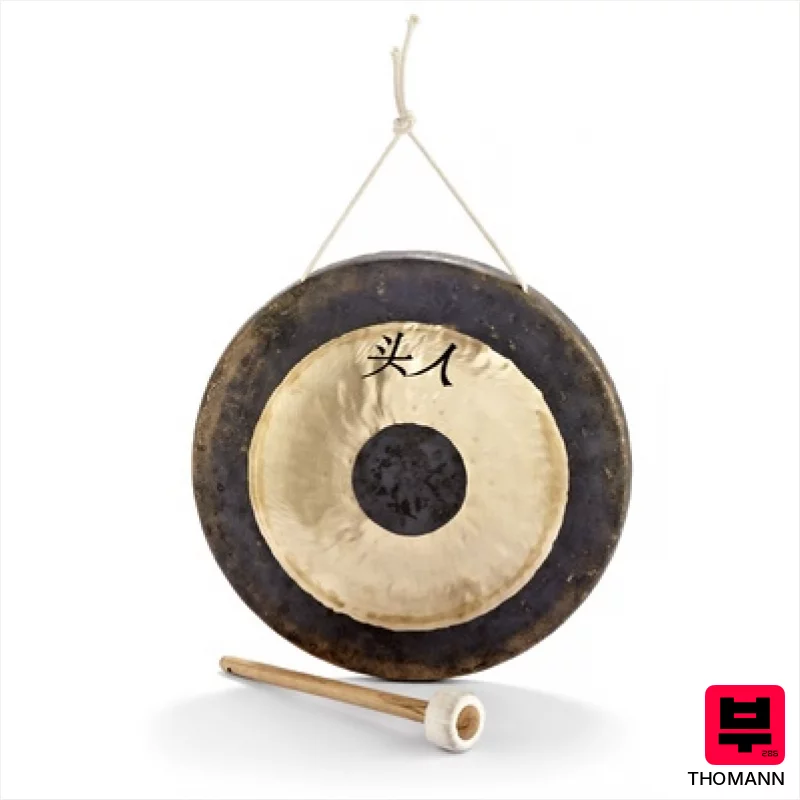
Thomann Wuhan Tam Tam 30
- • Produces a surprisingly deep, resonant wash for its small size.
- • Handmade construction yields unique tonal characteristics and visual appeal.
- • Wuhan bronze alloy offers a warm, complex overtone structure.
- • Affordable entry point into the world of gongs and tam-tams.
- • Thin gauge bronze makes it susceptible to dents and damage.
- • Limited sustain compared to larger, more expensive tam-tams.
- • Handmade variations can mean inconsistent pitch and timbre between units.
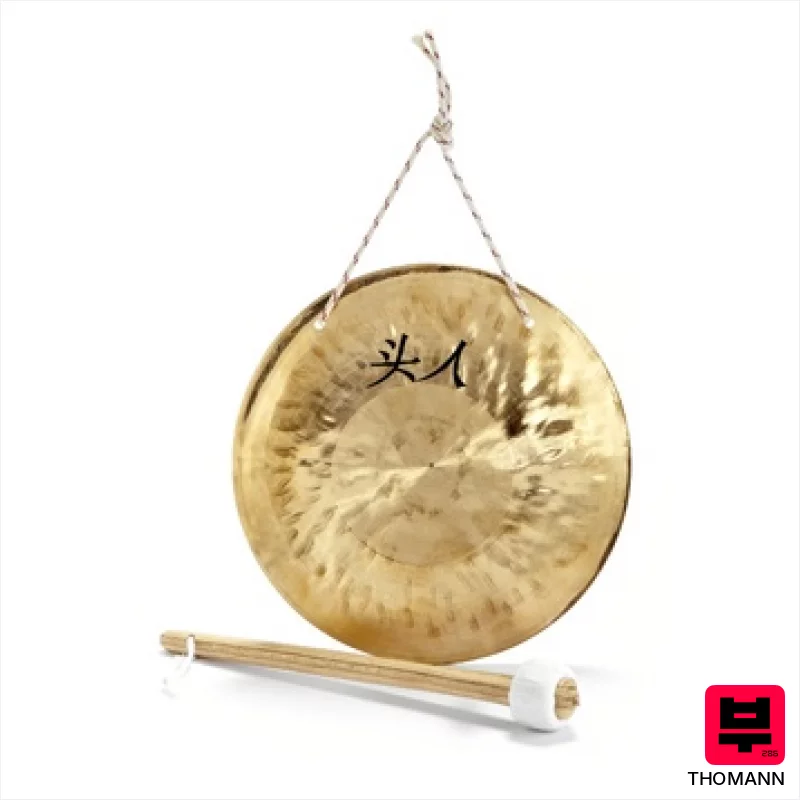
Thomann Wind Gong 20
- • Affordable entry point to wind gong experimentation.
- • Handmade in Wuhan ensures a degree of craftsmanship.
- • Compact 20cm size makes it easy to transport and store.
- • Produces a surprisingly resonant, ethereal wash of sound.
- • The thin bronze construction limits sustain and complexity.
- • Color and tonal variation means consistency is not guaranteed.
- • Lacks a dedicated stand; requires separate purchase for optimal play.
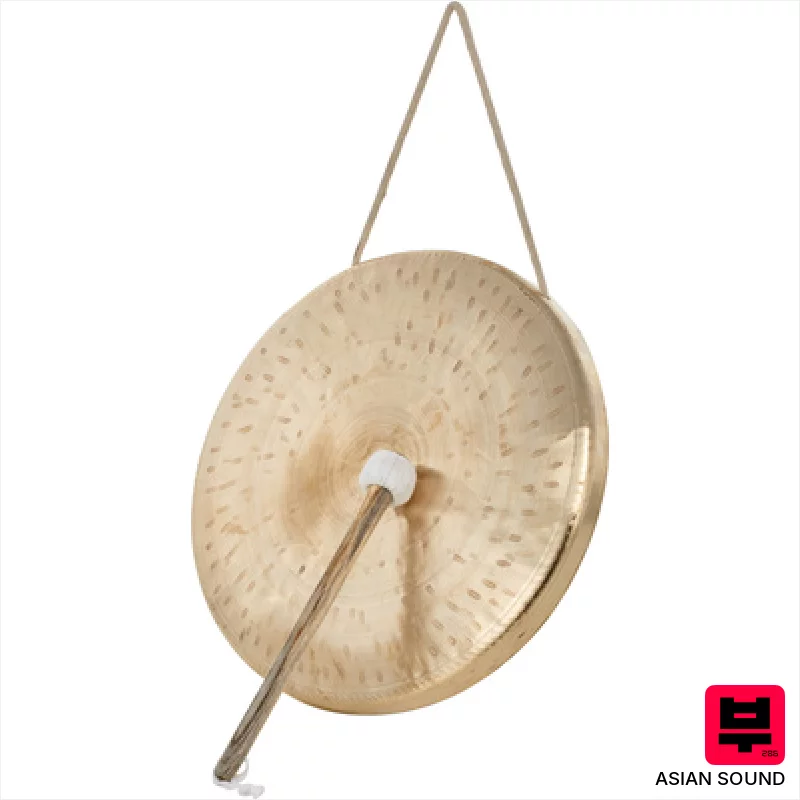
Asian Sound Tamtam BSL
- • Deep, resonant fundamental tone with complex overtones.
- • Solid bronze construction ensures durability and longevity.
- • Included mallets are surprisingly decent for the price point.
- • Compact 12-inch size makes it manageable for smaller spaces.
- • Finish is basic; expect some minor surface imperfections.
- • Sound is quite dark and may lack bright, shimmering qualities.
- • Mallets lack the nuance for advanced playing techniques.
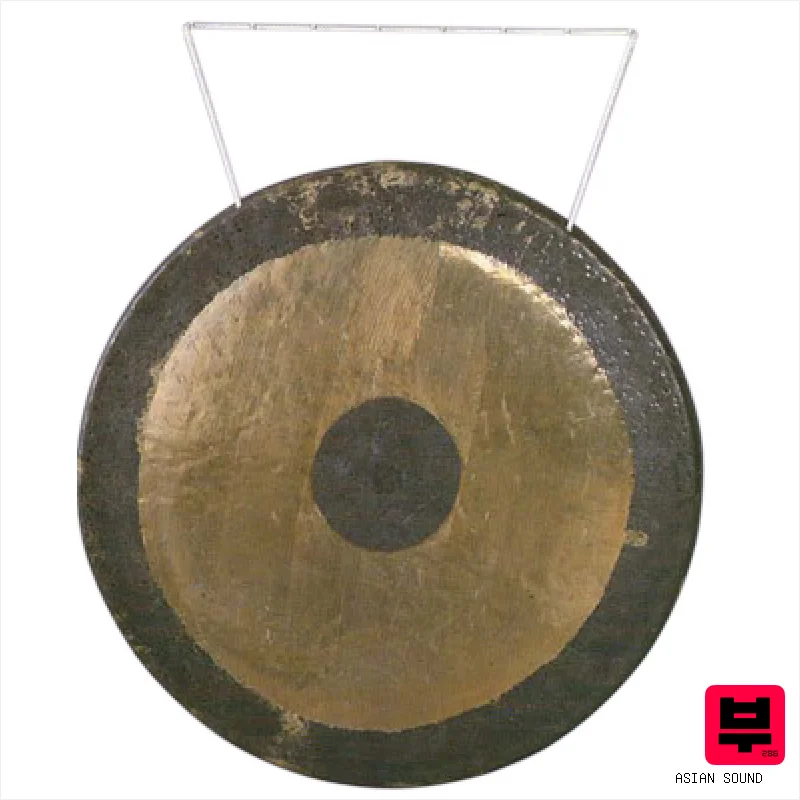
Asian Sound Tamtam T-25 P
- • Includes professional quality mallets in the box
- • Compact 25 cm diameter fits small rooms
- • Made by Wuhan Tam Tam manufacturer
- • Simple construction for reliable performance
- • No specific material listed in description
- • Sound character details are missing
- • Weight of the gong is not provided
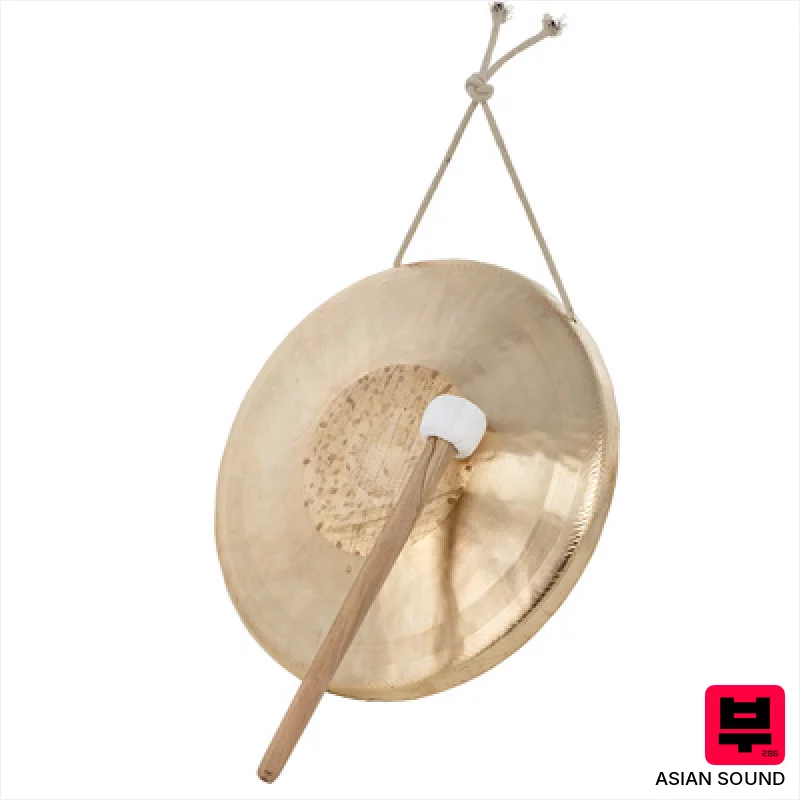
Asian Sound Chin. Opera Gong Jing Luo
- • Produces a focused, descending tone characteristic of Jing Luo gongs.
- • Bronze construction provides a warm, resonant, and complex overtone series.
- • Compact 30cm diameter makes it manageable for smaller spaces and travel.
- • Affordable entry point into the world of Chinese Opera percussion.
- • The thinner bronze may not sustain as long as higher-end gongs.
- • Limited tonal versatility compared to larger, more complex gongs.
- • Requires careful malleting technique to avoid unwanted harshness.
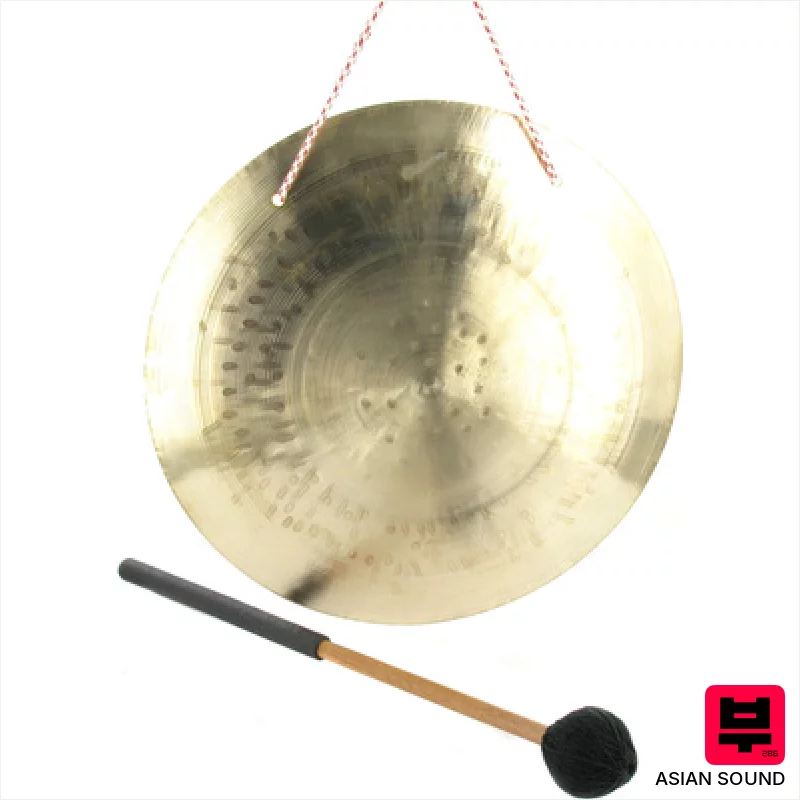
Asian Sound Tamtam TT-25 P
- • Produces a surprisingly deep, resonant tone for its size.
- • Includes decent mallets suitable for introductory playing.
- • Lightweight construction makes it easy to handle and transport.
- • The bronze alloy delivers a warm, sustained wash of sound.
- • Finish is basic and shows fingerprints easily - not a showpiece.
- • Sound lacks the complexity and overtones of higher-end tam-tams.
- • Mallets are serviceable, but will need replacement for serious use.
- • Smaller diameter limits dynamic range and projection.
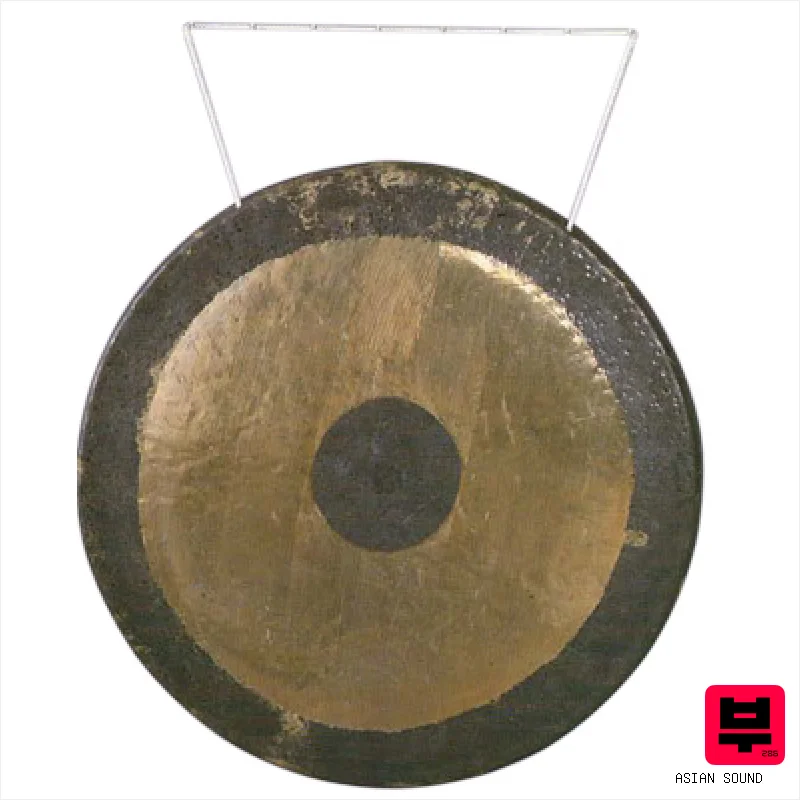
Asian Sound Tamtam T-20 P
- • Includes professional quality mallets in the box
- • Compact 20 cm diameter fits small stages
- • Made by Wuhan Tam Tam factory in China
- • Offers distinct gong sound compared to standard cymbals
- • No material composition like bronze or steel listed
- • No specific sound character details provided in text
- • Missing stand information in the product description
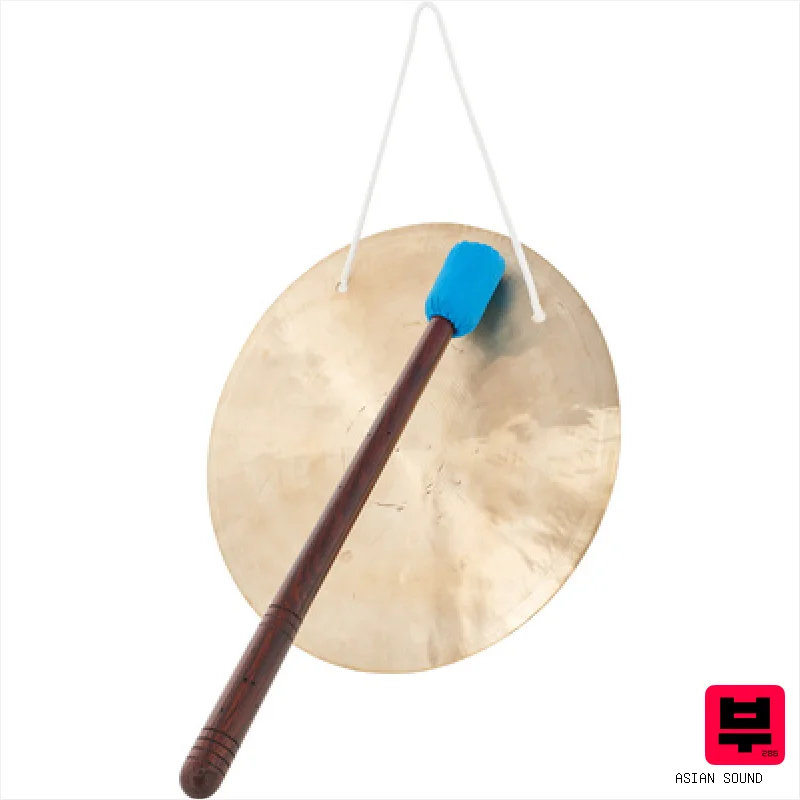
Asian Sound Tamtam TT-20 P
- • Thin profile delivers a bright, crisp attack ideal for rhythm sections
- • Includes professional quality mallets for immediate setup
- • Compact 20 cm diameter fits in small rehearsal spaces
- • Made from solid Wuhan brass with a traditional tamtam design
- • No drum stand included requires extra equipment purchase
- • Weight is not listed making transport planning difficult
- • Lacks detailed material composition beyond general brass designation
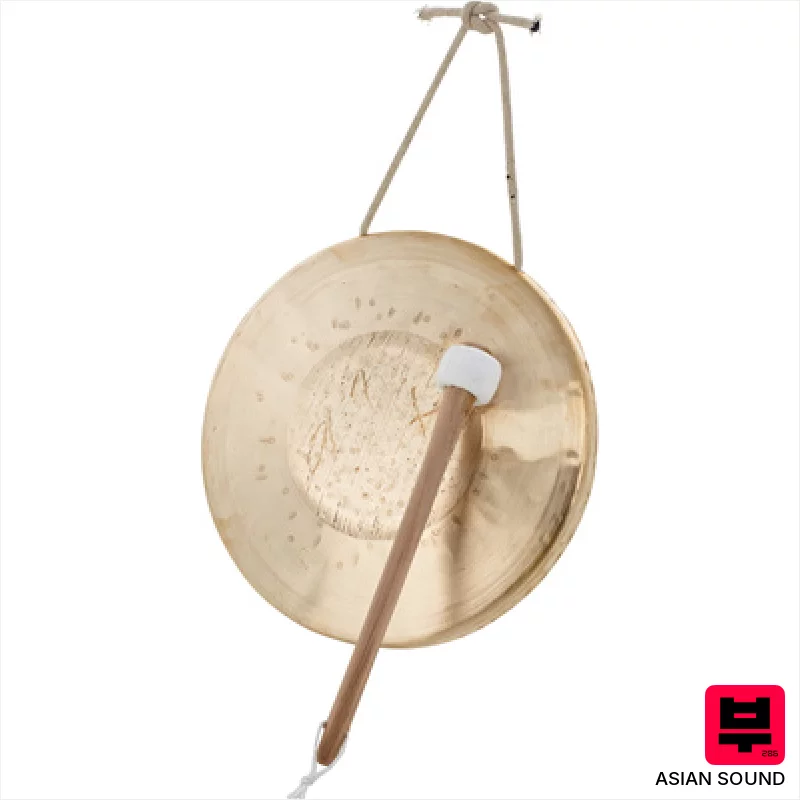
Asian Sound Chin. Opera Gong Lower Tone
- • Produces a surprisingly deep, resonant fundamental tone for its size.
- • The bronze alloy offers a pleasing warmth and sustain.
- • Well-defined pitch rise creates a unique and expressive sonic texture.
- • Compact size makes it ideal for smaller spaces or travel.
- • The thin bronze construction limits its projection compared to larger gongs.
- • Lacks the complexity and overtones of higher-end, hand-hammered gongs.
- • Requires careful malleting technique to avoid harshness or unwanted ringing.
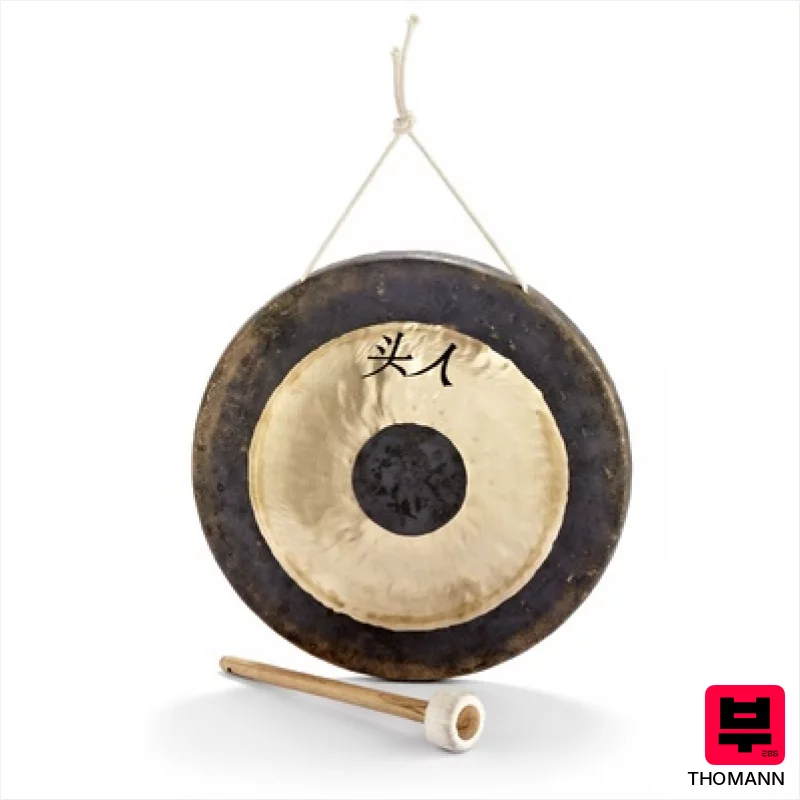
Thomann Wuhan Tam Tam 25
- • Rich, complex overtones for atmospheric textures.
- • Handmade construction yields unique tonal character variations.
- • Solid bronze construction offers a warm, resonant sound.
- • Surprisingly responsive for its size and affordable price point.
- • Finish can be inconsistent due to the handmade nature.
- • Smaller size limits the potential for extremely low, booming tones.
- • Requires careful malleting technique to avoid unwanted harshness.
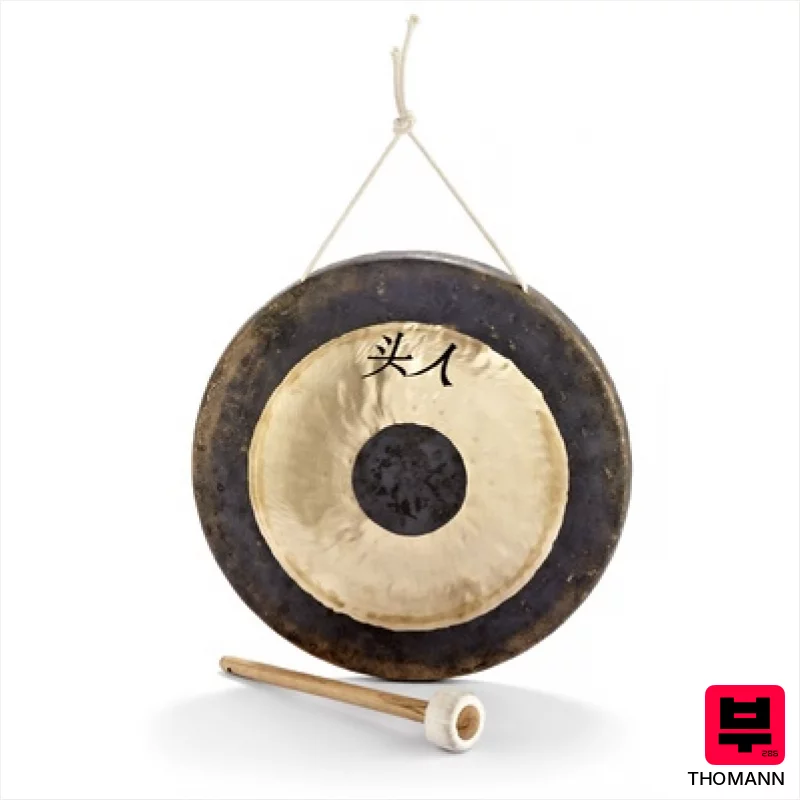
Thomann Wuhan Tam Tam 18
- • Deep, resonant fundamental tone for atmospheric textures
- • Handmade construction yields unique tonal character and visual appeal
- • Relatively compact size allows for easy handling and transport
- • Wuhan production offers a surprising level of quality for the price bracket
- • Thin gauge bronze limits sustain and complexity compared to thicker models
- • Handmade variations mean consistency across units will be limited
- • Limited dynamic range; struggles with very loud or aggressive playing
Every gongs that matches
16 models match this page. The 15 above are covered in detail; the rest are listed here with their published specifications.
| # | Model | Specifications | Price |
|---|---|---|---|
| 16 | Thomann Wind Gong 15 | not published | $25 |
Gongs by the numbers
Measured across all 16 models in this category, so «wide», «short» or «expensive» mean something you can check.
How to Choose the Best Gongs
Size & Material
Most gongs in this price range are going to be around 12-18 inches, often made of bronze alloys. Smaller sizes are more responsive, but offer less overall volume and sustain. The alloy will impact the overtone content - a slightly higher tin content can mean more complex harmonics, but don't expect miracles at this price point.
Fundamental Tone
This is the core pitch. What you're hearing most prominently. Ideally, you want something that complements your existing kit - a lower fundamental can add a real low-end thump, while a higher one can add a shimmering wash. Be aware that cheaper gongs often have a 'muddy' fundamental, lacking clarity.
Overtone Content
This is what makes a gong interesting. Complex overtones create that shimmering, evolving texture. Budget gongs often have fewer, less defined overtones. It won't be as complex as a high-end gong, but some still have a usable character.
Durability & Finish
The finish is usually a basic, often uneven, hammering. Don't expect a perfectly polished surface. Durability is a concern - thin bronze is prone to dents and warping. Handle with care, and don't go hammering on it like a steel drum.
Sustain & Projection
Sustain refers to how long the gong resonates. Projection is how well it carries across a space. Cheaper gongs will have shorter sustain and less projection - they'll be more suited to close-mic'd recording or smaller gigs.
Buying Guide
At this price, you're making compromises. Expect a less refined tone, a potentially uneven finish, and a somewhat fragile construction. Focus on the fundamental tone - does it sound good to you? Don't get caught up in fancy descriptions - listen for yourself. A slightly thicker gong will generally be more durable, even if it means sacrificing a bit of shimmer.
How This List Is Built
We don't play these instruments — we're a catalog, not a review desk, and we'd rather say so than pretend otherwise. This page covers 16 gongs from the Thomann catalogue, which is the largest single source of specification data in this category: 15 in detail, the rest listed with their specifications.
Position is computed, not curated. We parse the manufacturer's own description into actual values — nut width, scale, fret count, fingerboard radius, size, alloy — and rank on them: how many specifications a model has published, how many of them are measurable numbers, and how precisely it meets this page's criterion. A product image adds a little. Price is not a ranking signal: it tells you nothing about whether a neck fits your hand. The same inputs always produce the same order, so nothing here is shuffled to look fresh.
What this list is good for: narrowing a category down to a shortlist by spec and budget. What it isn't: a substitute for hearing an instrument. Before you buy, read hands-on reviews and, where you can, play it. Full methodology.

